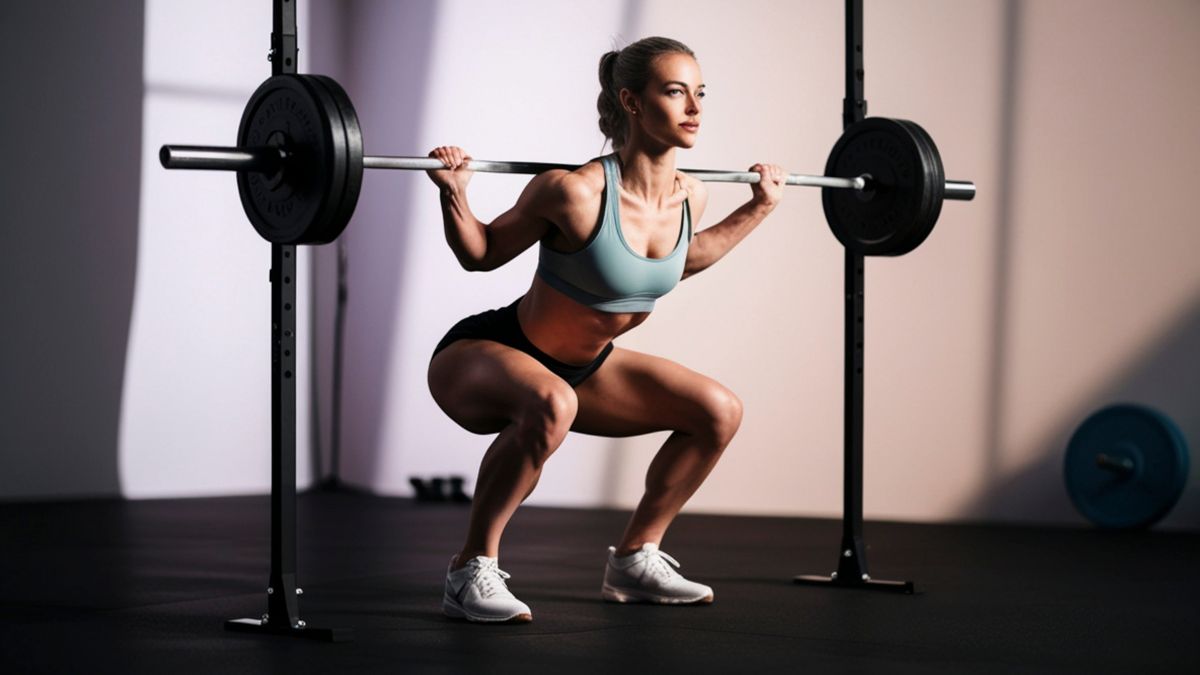
The squat is one of the most fundamental strength exercises out there, and for good reason. Whether you are loading up a barbell or working with dumbbells, squats build muscle, develop raw strength, and carry over into nearly every physical task you do in daily life. Many women wonder if there is a standard they should be hitting with this lift, and whether that target changes as they get older. According to fitness experts, the answer is both nuanced and highly individual.
Blake Brightwell, a certified strength and conditioning specialist, says that the general population of women should aim to back squat an amount equal to or greater than their own body weight. However, reaching that benchmark takes time, and where you start depends heavily on your training background, movement history, and body composition rather than your age alone. Certified personal trainer and nutritionist Kathleen Benson explains that beginners will typically squat somewhere between 40 and 60 percent of their body weight while they are still developing proper technique and building a foundation of strength. “After a few months of consistent training, this typically rises to approximately 60 to 80 percent,” she notes.
From there, progress accelerates with dedication. Benson adds that recreational exercisers who have been training consistently for a year or more can often lift close to their own body weight, while more advanced athletes may surpass 120 percent. “These are general guidelines, not strict standards,” she emphasizes, reminding women that individual variation is enormous and that comparing yourself directly to a number can be misleading. The most important thing is that you are making steady progress relative to where you personally started.
One of the most common assumptions is that age is the dominant factor in determining squat strength, but trainers push back firmly on this idea. Danielle Gray, a well-known trainer and certified women’s fitness specialist, points out that someone in their forties with a lower body fat percentage could realistically outperform a twenty-year-old who has poor form, minimal muscle mass, and weak movement mechanics. Training history and movement quality consistently matter more than the number on your birthday cake. “Technique and consistency in training are far more decisive than age alone,” Gray stresses.
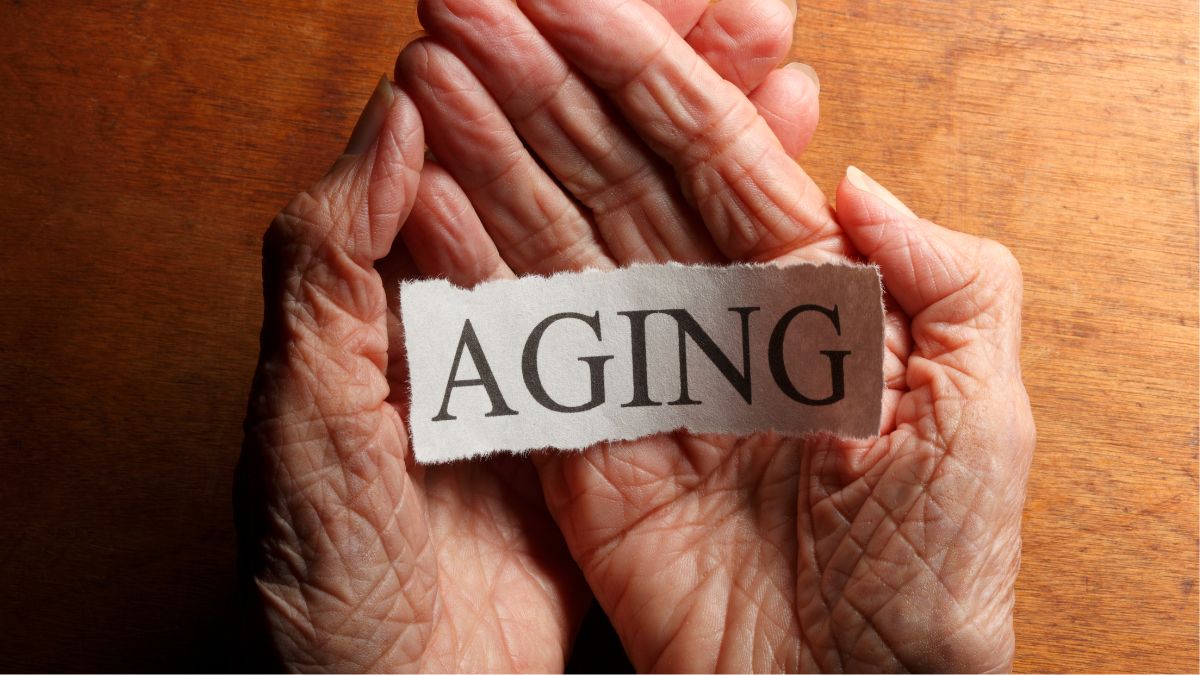
That said, women over 50 do face a specific consideration worth taking seriously. After that milestone, the risk of osteoporosis increases significantly, as this chronic condition causes bones to weaken and become more susceptible to fractures and falls. Dr. Michael Richardson, a family medicine physician, highlights that research strongly supports resistance training as a tool for protecting bone density in this age group. “Studies have shown that moderate-intensity resistance training, roughly three times per week, can significantly contribute to bone health,” he explains. Richardson also notes that squats train the functional movement pattern we rely on for everyday tasks like sitting down and standing back up, and that “this becomes increasingly important as we age and we try to prevent falls.”
If your current numbers fall short of the general guidelines, there is no reason to panic. Gray recommends addressing the underlying factors first, which include ankle and hip mobility, hamstring and quad flexibility, balance, and core stability. “This can be achieved through variations like deep goblet squats or single-leg squats, mobility exercises, static and dynamic stretching, and core isolation work,” she advises. Improving your range of motion and movement quality will naturally raise your squat numbers over time, while also reducing your injury risk considerably. Progress built on a strong foundation tends to be far more sustainable than chasing a weight goal without the mechanics to support it.
The long-term case for building squat strength goes well beyond aesthetics or athletic performance. Brightwell argues that total body strength and lean body mass are directly connected to longevity, noting that muscles, bones, and connective tissue all play a role in how long and how well we live. “Since we lose strength and lean body mass as we age, the best strategy is to become as strong as possible at a younger age and then maintain that strength and mass for as long as possible,” he says. Squats and other compound strength movements are uniquely suited to this goal because they challenge multiple muscle groups simultaneously and mimic real-world movement patterns.
For those serious about making progress, Brightwell recommends squatting two to three times per week with at least 24 to 48 hours of recovery between sessions. Beginners should start with two to three sets of eight to fifteen reps and increase total training volume by around five to ten percent per week. Benson rounds out the advice by underscoring that technique and recovery are non-negotiable. “Maintaining proper form, adequate rest between sessions, and nutritional support, including sufficient protein intake, help individuals become stronger over time,” she says.
The back squat has been a cornerstone of strength training programs since the early days of organized weightlifting, and it remains one of the most researched exercises in sports science. It primarily targets the quadriceps, glutes, and hamstrings, but also engages the core, lower back, and calves as stabilizers. Powerlifting organizations such as USA Powerlifting and the International Powerlifting Federation recognize it as one of the three main competition lifts alongside the bench press and deadlift. Research published in journals like the Journal of Strength and Conditioning Research consistently shows that compound lower-body training like squatting improves not only muscular strength but also insulin sensitivity, hormonal balance, and even cognitive function in older adults.
If you squat regularly or are just starting out, share your experience and thoughts in the comments.