If you have ever walked through a busy street and wondered why someone is talking to a phone like it is a studio camera, you are not alone. A fresh roundup of awkward public filming moments is making the rounds and it is giving onlookers plenty to chuckle about. The scenes are not from a movie set or a commercial shoot, but from everyday places where creators try to capture the perfect clip. When you see the full setup from the outside, the performance can look wildly different than it does in a polished post.
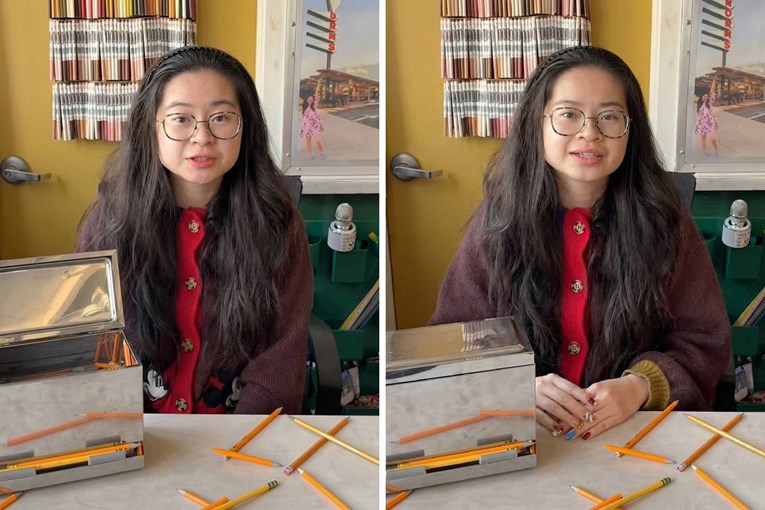
The clips spotlight influencers who are recording content for social media while strangers watch from a few feet away. Instead of a seamless montage, bystanders see repeated takes, exaggerated expressions, and carefully staged movement that can feel out of place in a normal setting. The contrast is the joke, because the final upload usually looks effortless. In real life it can come across like theater without a stage.
Many of the moments featured come from an Instagram page called “Influencers in the WIld”. The account focuses on behind the scenes angles caught by passersby who notice creators filming in public. The appeal is simple, because it flips the camera around and turns the influencer into the subject being observed. It is a reminder that a fifteen second video often requires far more rehearsal than viewers assume.
Even without hearing the audio, it is easy to imagine the rhythm of these shoots. A creator sets a phone down, steps back, hits record, then repeats the same motion until it matches the exact vibe they want. When the lighting changes or someone walks through the frame, the process restarts. To the people passing by, it can look like someone practicing a dramatic monologue to an invisible audience.
The post embeds themselves are introduced the way Instagram often labels shared content, with the line “A post shared by Influencers in the Wild (@influencersinthewild)”. That phrasing underscores how much of modern entertainment is built around distribution as much as creation. A lot of what we now call content is really a performance designed to travel through feeds, not a moment meant to live only where it happened. The humor lands because you are seeing the delivery mechanism, not the finished product.
Of course, the rise of this kind of filming is not random. Influencers make money through brand partnerships, affiliate links, and sponsored posts, and many creators treat filming like any other job. The difference is that their workplace is often a sidewalk, a beach, a store aisle, or a park. When work spills into public space, the unspoken social rules can get messy, especially when other people are accidentally pulled into the background.
That is where opinions split. Some people shrug and figure it is harmless as long as nobody is blocked or harassed. Others find it irritating, mainly because public spaces are shared and not everyone wants to be part of someone else’s content. The disconnect between the creator mindset and the bystander experience is what makes these encounters so ripe for ridicule.
There is also a broader cultural shift behind the laughter. Social platforms reward attention and novelty, so creators push bigger reactions, clearer gestures, and more eye catching setups. What reads as confident on screen can look exaggerated from ten feet away. The camera compresses reality, but the crowd around the camera does not.
Stepping back from the viral clips, it helps to understand what an influencer actually is in the modern sense. Influencers are individuals who build an audience around a niche, then use that audience to promote products, experiences, or ideas. This practice grew alongside platforms like Instagram, where engagement can be converted into income through advertising and partnerships. Entire industries now exist to match brands with creators, track campaign performance, and measure conversions.
Public filming also intersects with rules and etiquette that many people do not think about until they are in the shot. In the United States, the general ability to record video in public spaces is broad, but privacy expectations can still apply in certain situations, and private businesses can set their own policies about filming on their property. Separately, advertising guidelines often require clear disclosures when a post is sponsored, and creators can get into trouble if they hide that relationship. As influencer culture keeps expanding, the tension between personal branding and shared public life is likely to keep generating these oddly funny moments.
What do you think about influencers filming in public spaces, and where do you draw the line between harmless content creation and annoying behavior, share your thoughts in the comments.