Tipping culture has evolved rapidly over the last few years due to inflation and the widespread adoption of digital payment systems. Consumers often feel uncertain about where gratuity is mandatory and where it remains a polite option in this increasingly cashless society. The shift toward service charges and automated kiosks has added layers of complexity to simple transactions. Navigating these expectations requires an understanding of current labor standards and social etiquette across various industries. This guide clarifies the accepted protocols for forty-five distinct scenarios encountered in daily life.
Full-Service Dining

The standard for sit-down dining has firmly settled at twenty percent of the pre-tax bill for adequate service. Many diners mistakenly assume that rising menu prices negate the need for this percentage but labor costs have also increased significantly. You should always verify if a service charge was already added to the bill to avoid accidental double tipping. This creates a fair wage for the waitstaff while acknowledging the detailed service provided during the meal.
Counter-Service Cafes
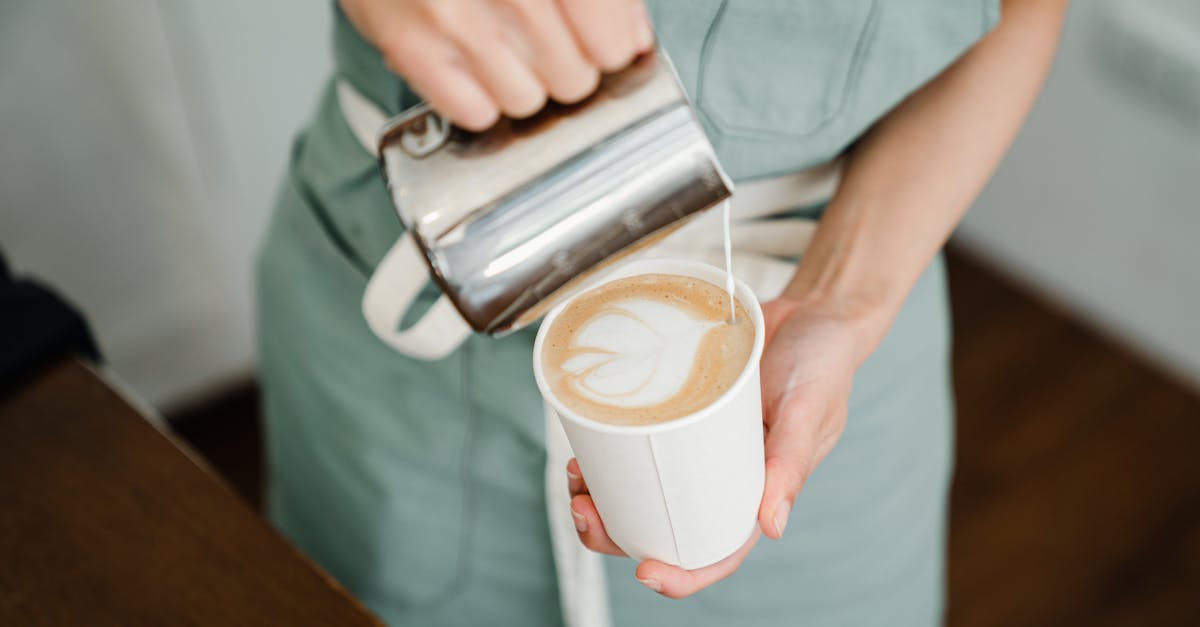
Digital tablets at coffee shops now suggest tip percentages that can feel aggressive to customers just buying a black coffee. A tip of one dollar or ten percent is considered polite but not mandatory for simple orders. Baristas performing complex tasks like latte art or pour-overs generally warrant a higher gratuity than a simple drip coffee pour. This distinction helps balance customer budget fatigue with appreciation for skilled craft.
Automated Kiosks

Self-checkout machines and digital kiosks increasingly prompt users for a tip before the transaction completes. You are not expected to tip a machine or a purely automated service where no human interaction occurs. These prompts are often hard-coded into the software by vendors rather than requested by the establishment itself. Selecting the no tip option in these scenarios is socially acceptable and widely practiced.
Food Delivery Apps

Drivers rely heavily on tips because the base pay from delivery platforms often covers only vehicle expenses. The standard suggestion is twenty percent of the food total or a minimum of five dollars for small orders. Bad weather or difficult drop-off locations should result in a higher contribution to the driver. This ensures that the person using their own vehicle and gas is compensated fairly for their time.
Rideshare Drivers

Passengers should tip rideshare drivers between fifteen and twenty percent for a safe and clean ride. Drivers cover their own insurance and maintenance costs which makes tips a crucial part of their income. Exceptional assistance with luggage or making extra stops warrants a higher percentage. A rating of five stars is helpful but does not pay the bills in the same way a monetary tip does.
Hotel Housekeeping

Travelers often forget that housekeeping staff should be tipped daily rather than at the end of the stay. Leaving three to five dollars per day in an envelope or on the pillow ensures the specific cleaner for that shift receives the money. Changes in staff rotations mean a lump sum at the end might not reach the people who actually cleaned the room. This small gesture significantly boosts the morale of staff who perform physically demanding labor.
Valet Parking
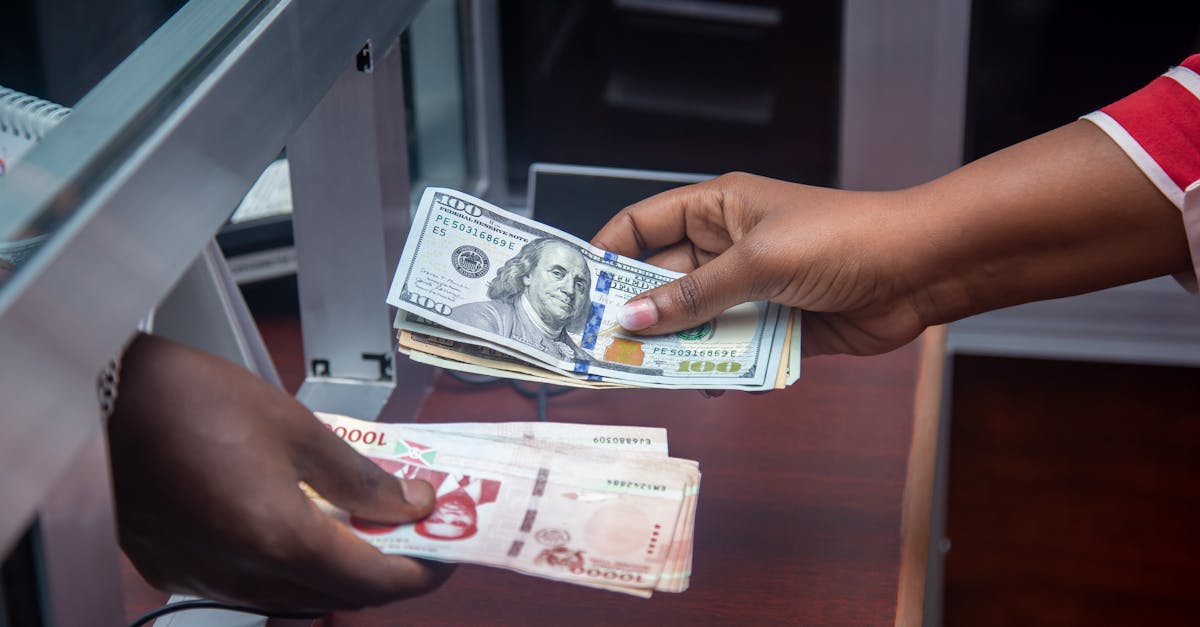
The accepted norm for valet service is five to ten dollars paid when the car is returned to the owner. It is helpful to keep small bills on hand even though many valets now accept digital transfers via QR codes. Tipping upon drop-off is optional but can sometimes ensure a better parking spot or faster retrieval. This cash exchange remains a standard expectation regardless of whether the parking fee itself was complimentary.
Hotel Concierge

Simple directions or restaurant recommendations do not require a monetary tip for the concierge. However securing difficult reservations or arranging complex tours warrants a tip of ten to twenty dollars. The amount should scale with the difficulty of the request and the exclusivity of the access provided. This expresses gratitude for their professional connections and the time spent enhancing your itinerary.
Bartenders

The rule of one dollar per beer or wine and two dollars per cocktail remains valid for cash transactions. When running a tab on a card the standard shifts to twenty percent of the total bill. Complex mixology involving egg whites or smoke requires a higher tip to acknowledge the skill involved. Consistency in tipping often results in faster service during busy periods at crowded venues.
Coat Check Attendants

Most venues expect a tip of one to two dollars per item checked at the cloakroom. This applies even if there is a posted fee for the coat check service itself. The attendant is responsible for the security and organization of personal belongings throughout the event. Having cash ready speeds up the line for everyone during departure.
Salon Stylists

Hair stylists generally expect a gratuity of twenty percent on the total cost of the service. If the stylist is the salon owner the old rule of not tipping has largely disappeared in modern etiquette. Merchandise purchases at the salon front desk are excluded from the tip calculation. This percentage acknowledges the personal attention and technical training required for the service.
Salon Assistants

The person washing hair or applying gloss is often separate from the main stylist and relies on tip shares. Passing five to ten dollars directly to the assistant is a kind gesture that ensures they are compensated. Some salons pool tips but handing cash directly guarantees the assistant receives it. This role is physically demanding and essential to the overall salon experience.
Spa Therapists

Massage therapists and estheticians generally receive twenty percent of the treatment price. It is important to check if a service charge is already included at high-end resort spas. Giving cash is often preferred over credit card tips to ensure the therapist receives the full amount immediately. This gratuity supports the physical toll the work takes on the practitioner.
Nail Technicians
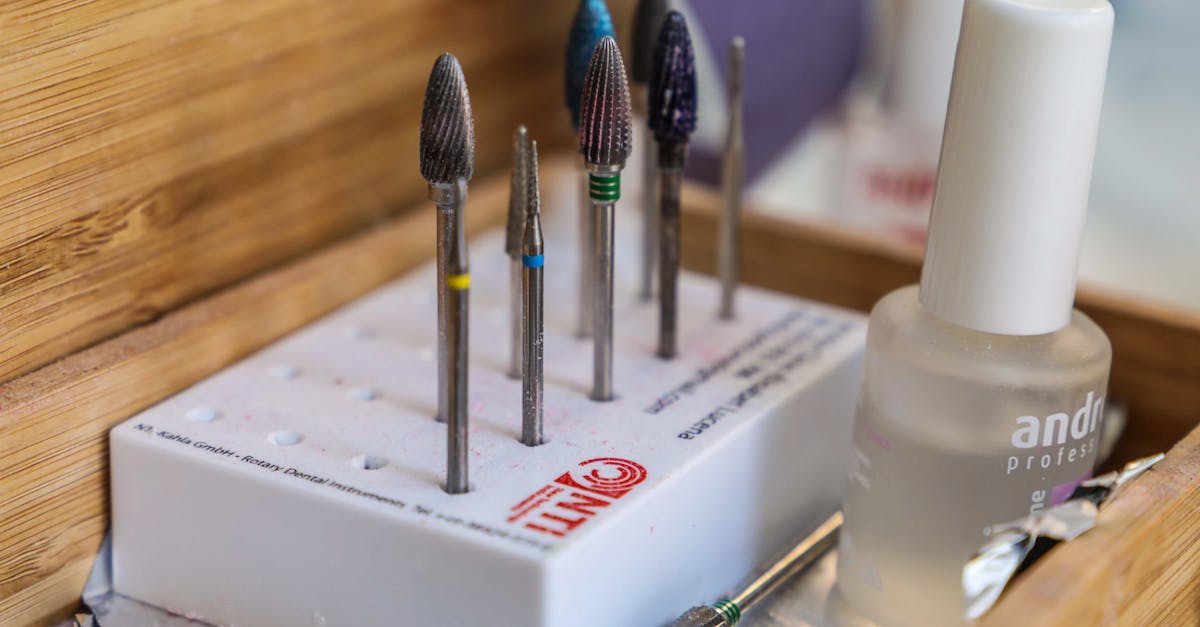
A tip of twenty percent is standard for manicures and pedicures in almost all nail salons. Complex nail art or acrylic removal takes extra time and should be tipped closer to twenty-five percent. Cash tips are strongly preferred in this industry to help technicians manage their daily earnings. Loyalty to a specific technician often involves consistent tipping to maintain a good client relationship.
Makeup Artists

Freelance makeup artists for events expect twenty percent of the service fee. This applies even if they charge a travel fee or a kit fee for their supplies. The tip reflects the customization and immediate visual result provided for the special occasion. Prompt payment of the tip at the end of the session is the professional standard.
Tattoo Artists

Tattooing is a highly personalized service that warrants a tip of twenty to thirty percent of the final price. The artist spends unpaid hours designing and drawing the piece before the appointment even begins. Minimum shop fees often go to the studio so the tip directly supports the artist. This generosity helps build a strong relationship for future appointments and touch-ups.
Bathroom Attendants

Attendants in upscale venues who provide mints or towels rely on small cash tips. One or two dollars placed in the tip jar is polite if you use the amenities provided. Ignoring the attendant is considered rude if you have utilized the service they maintain. Carrying small bills is necessary for this specific interaction as digital payment is rarely available.
Furniture Movers

Moving is grueling physical labor that deserves a tip of twenty to fifty dollars per mover per day. Providing lunch and cold drinks is appreciated but does not replace the monetary gratuity. The difficulty of the move regarding stairs or heavy items should influence the final amount. This cash is typically handed to each crew member individually at the end of the job.
Grocery Delivery Services

Personal shoppers who select and deliver produce deserve a tip of at least fifteen to twenty percent. They save the customer time and make judgment calls on the quality of fresh goods. Heavy items like cases of water or cat litter warrant an extra cash tip upon arrival. This compensates for the physical effort and the wear and tear on their personal vehicles.
Curbside Pickup
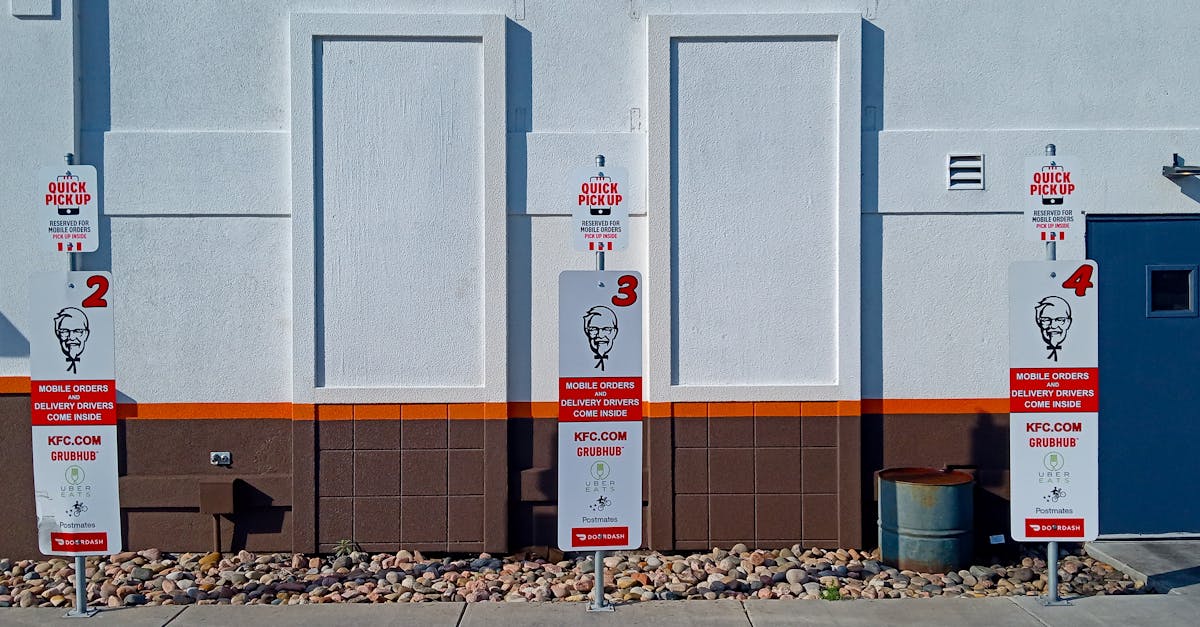
Tipping for restaurant curbside pickup has become standard at ten percent of the bill. Staff members must package the food securely and leave the building to deliver it to the car. This service removes the need for the customer to park or enter the establishment. The tip acknowledges the extra logistics involved in coordinating the handoff.
Fast Food Drive-Thrus

Tipping is generally not expected or required at fast food drive-thru windows. Staff are paid an hourly wage that is not dependent on tips unlike waitstaff. Some payment terminals may prompt for a tip but selecting no is completely acceptable. Any spare change put in a charity box is a donation rather than a gratuity for the workers.
Buffet Servers

Servers at buffets who clear plates and refill drinks should receive ten percent of the bill. They manage a high volume of dirty dishes and ensure the table remains clean throughout the meal. The lower percentage reflects the fact that customers serve their own food. Leaving nothing is incorrect because the service element still exists for beverages and cleanup.
Hibachi Chefs

The theatrical nature of hibachi dining warrants a tip distributed between the chef and the server. It is common to leave twenty percent total or to hand five to ten dollars directly to the chef. The chef provides entertainment alongside the cooking duties which differentiates this from standard kitchen work. Recognizing their performance encourages a lively atmosphere for the entire table.
Sommeliers

A sommelier who assists with selecting a bottle of wine is typically tipped within the total restaurant bill. However tipping on an extremely expensive bottle is often capped rather than strictly following the twenty percent rule. A flat tip of twenty to fifty dollars per bottle is acceptable for wines costing hundreds of dollars. This acknowledges their expertise without inflating the bill to unreasonable levels.
Open Bar Events
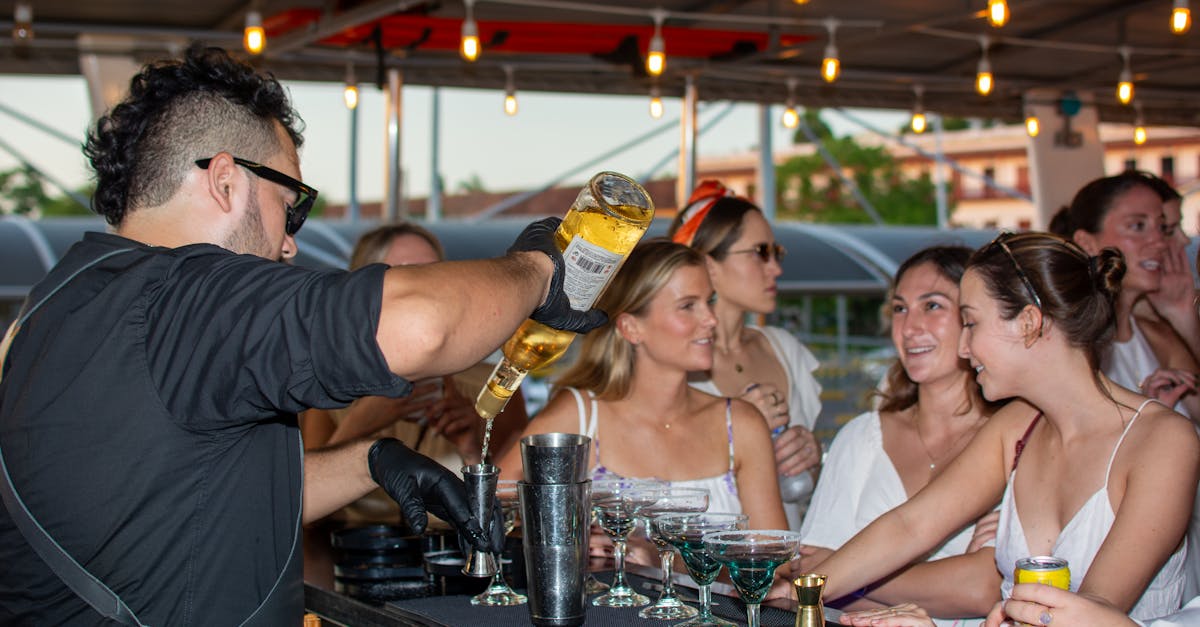
Guests at weddings or corporate parties with an open bar should still tip the bartenders. One dollar per drink or a twenty dollar bill at the start of the night ensures good service. The host may have paid a gratuity fee but individual tips are still expected and appreciated. This keeps the line moving and often results in stronger pours.
Wedding Vendors

Business owners generally do not expect tips but hired staff photographers and DJs appreciate them. A tip of fifty to one hundred dollars per staff member is a standard gesture of gratitude. This is usually distributed in labeled envelopes by the wedding planner or a trusted guest. It serves as a thank you for working long hours on a high-pressure day.
Catering Staff
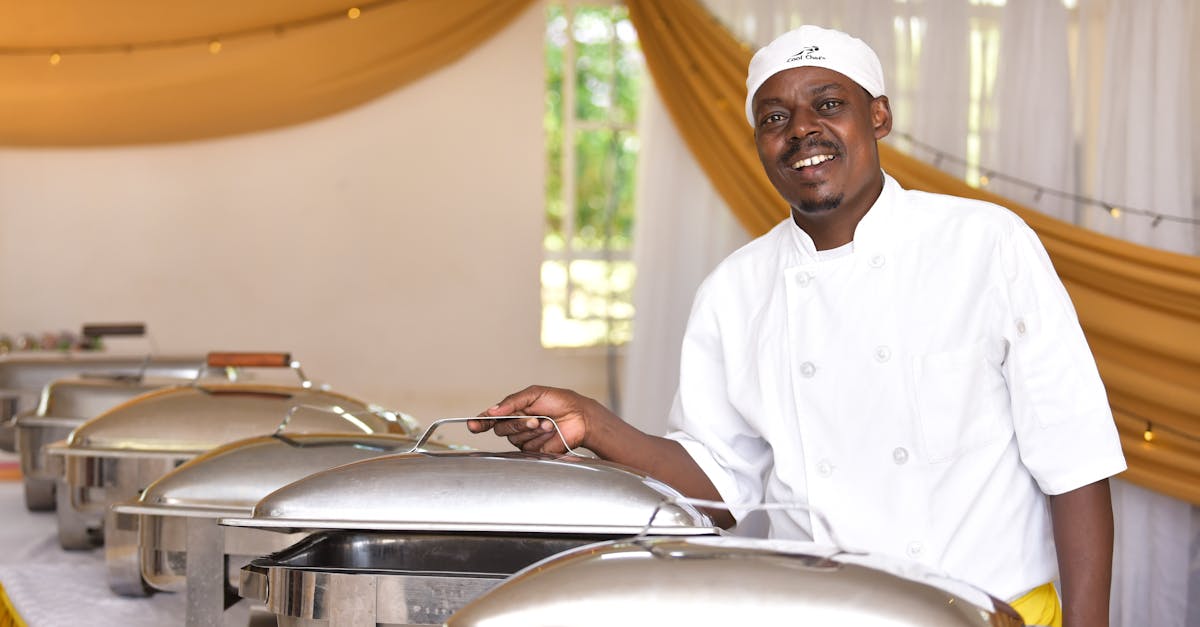
Banquet servers and bartenders often receive a share of the service charge paid by the host. However the host should verify if this fee goes to the house or the staff. If the service fee is retained by the company a separate cash tip for the head waiter to distribute is appropriate. This ensures the team working the floor is directly compensated.
Food Trucks

The independent nature of food trucks suggests a tip of ten to fifteen percent. Many operators are owner-operated but the work involves hot and cramped conditions. A tip jar is almost always present and contributing contributes to the sustainability of the small business. This supports the local food culture and the convenience of mobile dining.
Bed and Breakfast Hosts

Tipping policies vary for B&B hosts so it is best to check the house rules. If the owners run the establishment alone a small gift or a glowing online review is often preferred over cash. If they employ cleaning staff or cooks a cash tip left in the room is appropriate. Clarifying this upon arrival prevents awkwardness at checkout.
Cruise Ship Staff

Most cruise lines now add a daily automatic gratuity to the passenger account. It is possible to adjust this amount at guest services but removing it completely is discouraged. Additional cash tips for room stewards and dining staff are common for exceptional service. These workers often work months without a day off and rely heavily on these funds.
Tour Guides

Public group tour guides generally expect five to ten dollars per person at the end of the tour. Private guides should receive ten to twenty percent of the total tour cost. The tip should reflect the knowledge shared and the engagement level of the guide. This income supplements the often variable wages in the seasonal tourism industry.
Casino Dealers

Dealers should be tipped when the player is winning hands or rounds. A common method is placing a small bet for the dealer alongside the player bet. Tipping roughly five percent of the winnings during a session is considered polite behavior. This maintains a positive rapport at the table and follows casino etiquette.
Golf Caddies
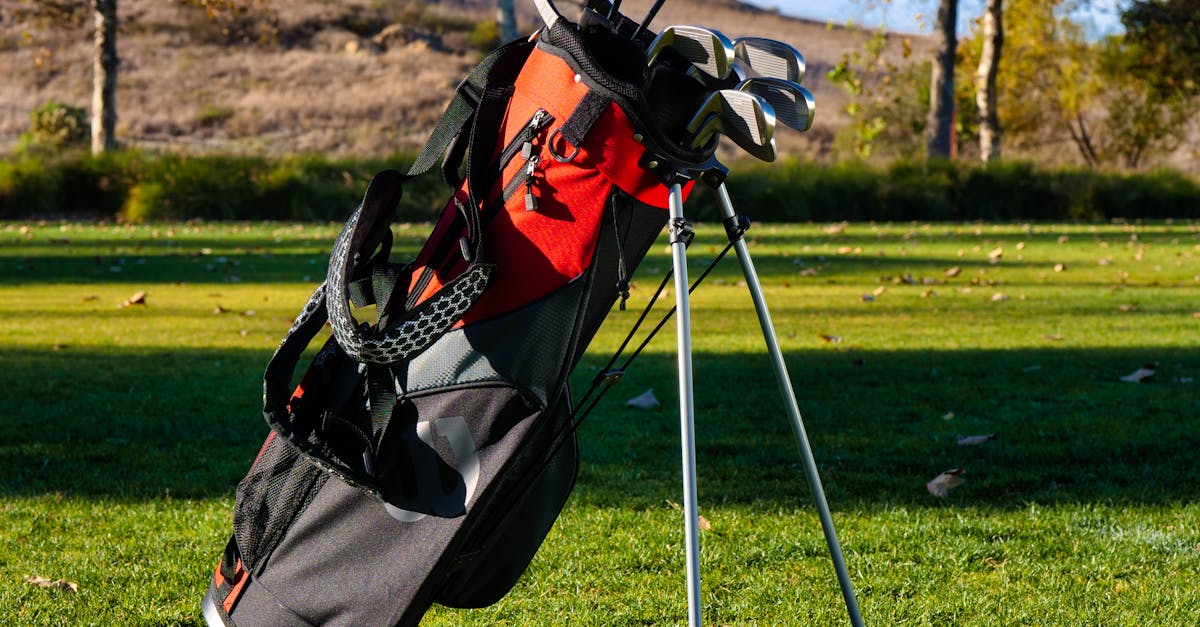
A caddie significantly enhances the game and should be tipped forty to fifty percent of the caddie fee. If there is no set fee the tip should range from eighty to one hundred dollars per bag. Good advice on the greens and course management deserves recognition. This is a skilled service that can directly improve the player score.
Ski Instructors

Private ski instructors are typically tipped ten to twenty percent of the lesson cost. Group lesson instructors usually receive ten to twenty dollars per student. The physical effort of managing safety and teaching technique in cold weather is demanding. Tips are usually handed in cash at the end of the session.
Camp Counselors

Tipping policies for overnight camps are often outlined in the parent handbook. If allowed a tip of thirty to fifty dollars per counselor for the session is generous. Some camps prohibit cash tips and suggest contributing to a staff holiday fund instead. Following the specific camp guidelines prevents putting the counselor in a difficult position.
Dog Groomers

Pet groomers deal with anxious animals and physical labor warranting a twenty percent tip. If the dog is aggressive or matted the tip should be increased to reflect the extra difficulty. This helps maintain a good relationship for future appointments. Groomers remember which clients appreciate their patience and hard work.
Dog Walkers

Regular dog walkers typically receive a cash bonus equivalent to one week of pay during the holidays. For occasional walks a tip of ten to twenty percent per walk is standard. This shows appreciation for the trust placed in them to enter the home and care for the pet. Reliable pet care is valuable and tipping secures that loyalty.
House Cleaners

Private house cleaners usually receive a holiday bonus equivalent to the cost of one cleaning session. Tipping after each individual session is not required but some clients round up the fee. This end-of-year gesture is crucial for their annual budgeting. It solidifies the professional relationship and shows respect for their consistent work.
Building Superintendents

Live-in superintendents generally receive a holiday tip ranging from seventy-five to one hundred and fifty dollars. The amount depends on the building size and how often they provided assistance during the year. This annual gift acknowledges their availability for emergencies and maintenance. It is a key part of tenant etiquette in managed apartment buildings.
Doormen

Full-service building doormen expect a holiday bonus between fifty and one hundred dollars depending on tenure. This is a lump sum given during the festive season rather than small tips throughout the year. New residents should ask neighbors about the specific building culture to match accepted amounts. This ensures good will and attentive service for deliveries and guests.
Mail Carriers
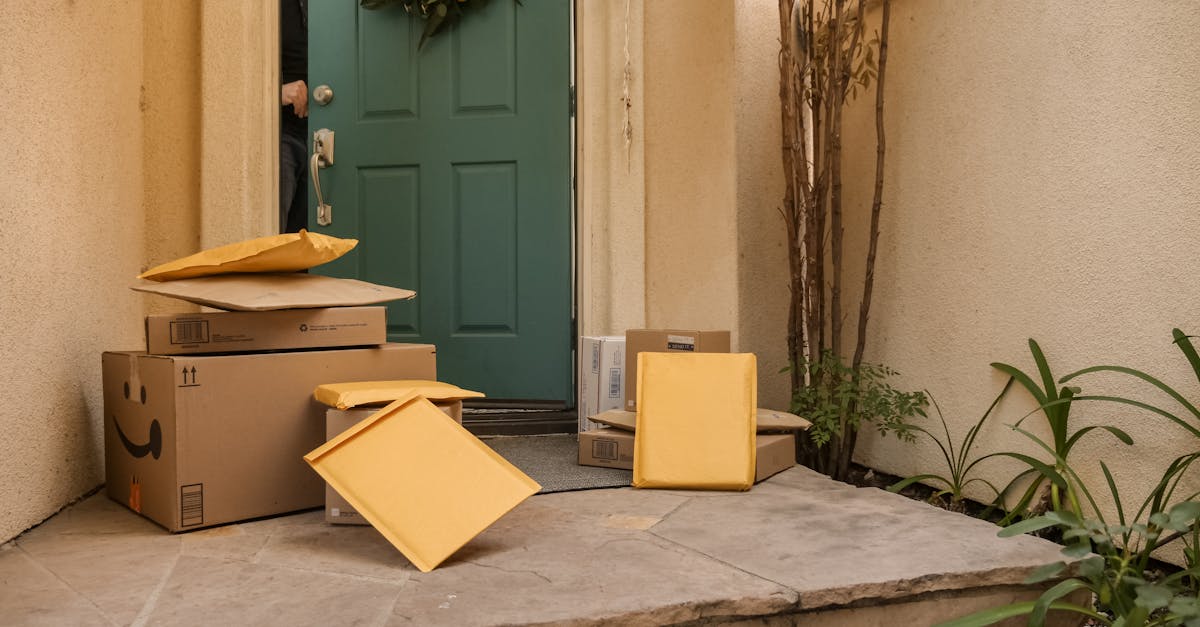
Civil servants like mail carriers face strict regulations regarding cash tips. They are permitted to accept small gifts worth under twenty dollars but cannot accept cash or checks. Gift cards or baked goods are safe and appreciated alternatives during the holidays. Staying within these legal limits protects their job while showing gratitude.
Sanitation Workers
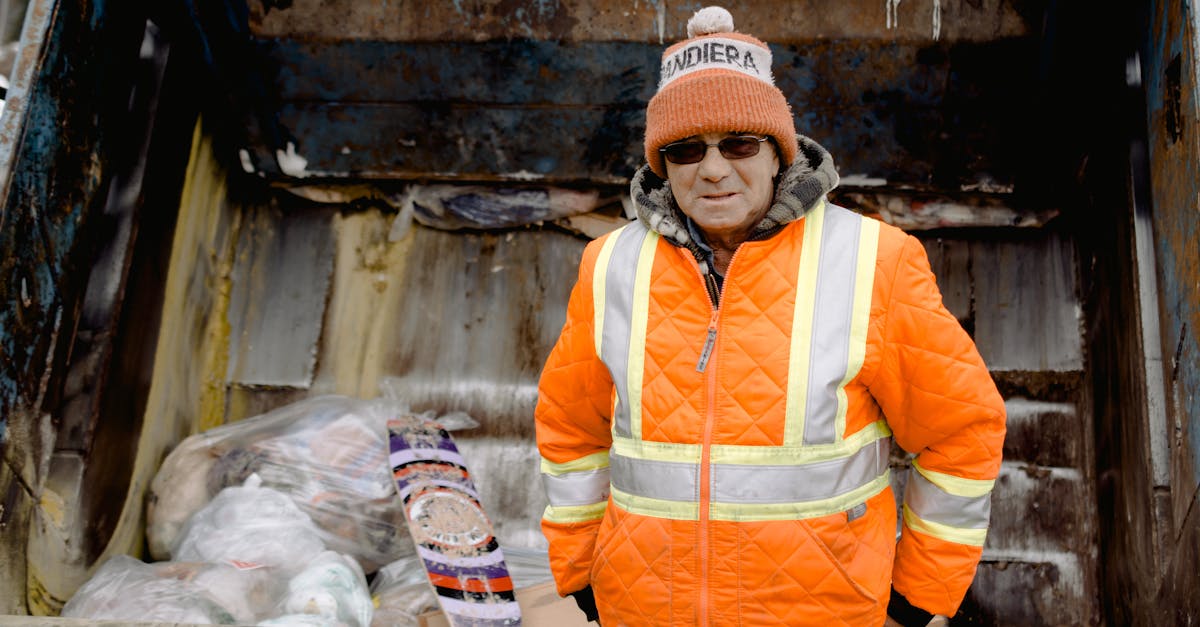
Tipping trash collectors is a regional custom often done during the winter holidays. An envelope taped to the lid of the bin with ten to twenty dollars per person is common where permitted. Some municipalities prohibit this so checking local rules is necessary. This gesture acknowledges the difficult working conditions involved in waste management.
Personal Trainers

Trainers employed by a gym are usually tipped a cash bonus equal to the cost of one session during the holidays. Independent trainers who set their own rates generally do not expect tips. A thoughtful gift relevant to health or wellness is also an acceptable alternative. This maintains professional boundaries while expressing thanks for the progress made.
Car Wash Attendants

The crew members who dry and detail the car by hand should receive two to five dollars per person. Placing the cash in the shared tip box is the fairest way to distribute it. If a specific person spent extra time on the interior they can be tipped directly. This manual labor is often performed in extreme heat or cold.
Digital Content Creators

Online platforms now feature tipping buttons or super chat options during livestreams. Viewers are never obligated to tip but doing so supports the creator directly. Amounts vary wildly from one dollar to hundreds depending on the fan budget. This direct funding model allows creators to remain independent of corporate sponsorship.
Please share your own experiences with confusing tipping scenarios in the comments.