Europe remains the most popular international destination for travelers seeking culture and history. The influx of millions of visitors creates a lucrative environment for street scammers and pickpockets. These individuals have developed sophisticated methods to trick even the most experienced tourists. Awareness is the single most effective tool for protecting your belongings and finances. The following scams are currently prevalent across major European cities.
The Friendship Bracelet

A friendly stranger approaches and quickly ties a woven string around your wrist. They knot it tightly enough that you cannot remove it without cutting it. The scammer then demands payment for the bracelet you supposedly accepted. This aggression often escalates until the traveler hands over cash to diffuse the situation.
The Found Gold Ring

A passerby picks up a gold band from the ground immediately in front of you. They ask if you dropped it and insist you keep it for good luck. The person then asks for a small donation for their apparent honesty. The ring is actually polished brass and holds no real monetary value.
The Rose Gift

A smiling individual offers a single red rose to a female traveler or couple. They insist it is a free gift to celebrate your visit to their city. Once you take the flower the scammer refuses to take it back and demands payment. They will follow you and cause a scene until you pay an exorbitant price.
The Fake Petition

A group of young people approaches with a clipboard asking for signatures. They claim to represent a charity for the deaf or differently abled. While you are focused on signing the paper an accomplice picks your pockets. Sometimes they simply demand a cash donation after you have signed.
The Bird Poop Spill

You feel a liquid substance hit your shoulder or back while walking. A helpful stranger immediately rushes over to help wipe off the mess. While they are distractedly cleaning your jacket their partner steals your wallet. The substance is usually a mix of mustard or lotion rather than actual bird droppings.
The Broken Taxi Meter

A driver claims their meter is broken as soon as you get into the car. They assure you that they will give you a fair flat rate for the ride. The final price ends up being significantly higher than a standard metered fare. Tourists should always insist on the meter or exit the vehicle immediately.
The Shell Game

A person on the sidewalk shuffles a ball under three cups or boxes. They invite tourists to bet money on where the ball is hidden. Audience members who win are actually accomplices meant to lure victims in. You will eventually lose your money because the operator uses sleight of hand.
The Friendly ATM Helper

A local approaches you at a cash machine claiming to help you avoid bank fees. They use a card skimmer or watch you type your PIN number. Some distractions involve dropping money or asking a question while the card is ejected. They swipe your card and leave before you realize what happened.
The Closed Attraction

A helpful local informs you that the museum or palace you are visiting is closed. They suggest an alternative shop or private tour that is currently open. The original attraction is actually open and operating as usual. This tactic diverts tourists to high-pressure sales environments or overpriced venues.
Fake Police Officers

Two men in uniform approach tourists and ask to see their identification or wallet. They claim they are checking for counterfeit currency or drug possession. While inspecting your wallet they use sleight of hand to steal bills. Real police officers will never ask to search your wallet on the street.
The Picture Taker

A friendly stranger offers to take a group photo so everyone can be in the shot. You hand over your expensive camera or smartphone to them. As you pose for the picture the thief runs off with your device. It is safer to ask fellow tourists to take photos rather than locals loitering nearby.
The Restaurant Menu Switch

You sit down and order from a menu with reasonable prices displayed. When the bill arrives the costs are significantly higher than expected. The waiter brings a different menu with inflated prices to prove you are wrong. It helps to take a photo of the menu or keep it at the table.
The Dropped Wallet

A wallet appears to fall out of a pocket of the person walking ahead of you. If you pick it up the owner accuses you of stealing cash from it. They demand you replace the missing money to avoid police involvement. The wallet was empty or planted to begin with to extort money.
The Slow Count

Cashiers or waiters count your change back to you extremely slowly. They pause hoping you will lose patience and grab the money. The total amount returned is less than what you are actually owed. Taking the time to count your change ensures you receive the correct amount.
The Overcharging Gladiator

Men dressed in costume invite you to take a photo with them near a historic site. They act friendly until the photo is taken and then demand a huge fee. They can become aggressive and intimidating if you refuse to pay. Agreeing on a price beforehand prevents this uncomfortable confrontation.
The Spilled Change

An elderly person or child drops a handful of coins near your feet. Kind tourists naturally bend down to help pick up the scattered money. This distraction allows an accomplice to snatch your bag or pick your pocket. It is best to keep walking and secure your belongings in crowds.
The Fake Train Inspector

Someone wearing a generic uniform asks to see your ticket on the platform. They claim your ticket is invalid and demand an immediate cash fine. Real inspectors usually check tickets only once the train is moving. You should always ask for official identification before handing over money.
The Rosemary Sprig

An older woman offers you a sprig of rosemary for good luck or blessings. She grabs your hand to read your fortune once you accept the herb. She then demands money for the service and curses you if you refuse. This creates a public scene that embarrasses tourists into paying.
The Expensive Tea House

A friendly local strikes up a conversation and invites you to a recommended bar. They order drinks and food for the table to share with you. The bill arrives amounting to hundreds of euros and the local has vanished. You are forced to pay the inflated tab by intimidating security guards.
The Shoe Shine
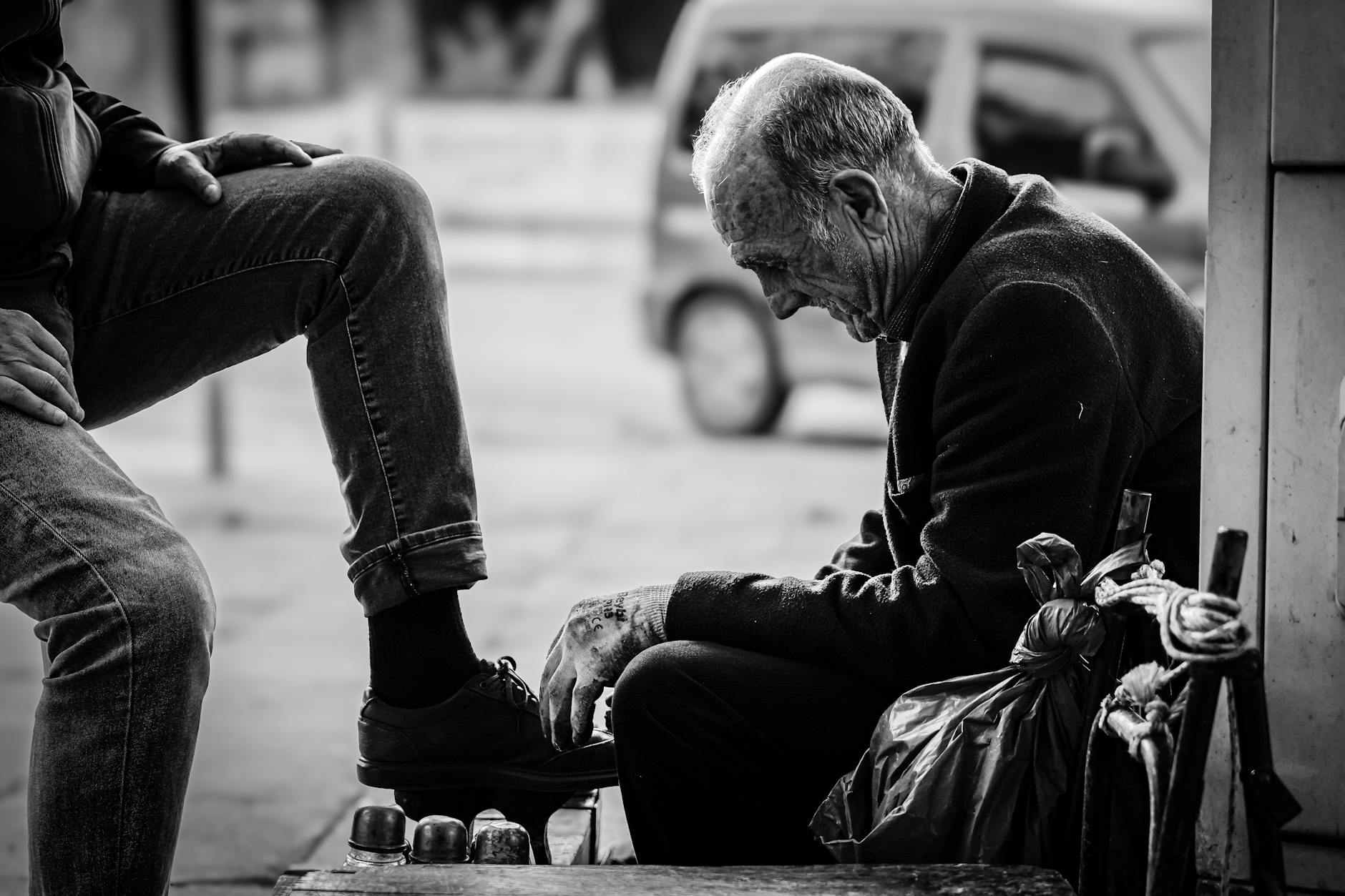
A shoe shiner walks past you and drops their brush. You pick it up and they offer a free shine as a thank you. Halfway through they demand payment for the service they started. This is common in Istanbul and relies on your guilt to pay.
Charity Muggers

Aggressive fundraisers block your path and demand monthly credit card donations. They are often paid commission and are not volunteers for the cause. They use high-pressure tactics to get your personal financial details on the spot. Legitimate charities rarely demand immediate standing orders on the street.
The Fake Hotel Call

You receive a call in your hotel room claiming to be the front desk. The caller says there was a problem with your card and asks for the number again. This is usually a scammer calling from outside the hotel system. Always go down to the reception desk to verify any payment issues.
Wi-Fi Sniffing

Hackers set up unsecured Wi-Fi hotspots in popular tourist squares or cafes. They name the network something similar to the local business. Once you connect they can steal your passwords and banking information. Using a virtual private network protects your data on public networks.
The Map Seller

Someone unfolds a large map right in front of your face to ask for directions. This giant piece of paper blocks your view of your own bag or pockets. While you try to help an accomplice steals items from under the map. Keep your distance from anyone invading your personal space.
Counterfeit Cash

Taxi drivers or street vendors give you change using fake currency. This often happens with larger bills where it is harder to spot the difference. You are left with money that shops and banks will not accept. Carrying small denominations helps avoid the need for significant change.
The Bump and Grab

A person bumps into you in a crowded metro or busy square. The jolt is a distraction while they or a partner steal your wallet. This often happens near doorways just as the doors are closing. Keeping valuables in front pockets or money belts reduces this risk.
Dynamic Currency Conversion

A card terminal or ATM asks if you want to be charged in your home currency. Choosing your home currency allows the merchant to set a terrible exchange rate. You end up paying significantly more than the actual bank rate. Always choose to be charged in the local currency of the country.
The Lost Local

A well-dressed person asks you for directions to a local landmark. When you stop to help them fake police officers arrive. They claim you are involved in a drug deal and demand your passport. This elaborate play is designed to steal your documents or cash.
Fake Event Tickets

Street sellers offer tickets to sold-out shows or skip-the-line passes. The tickets look authentic but are rejected at the entrance scanners. You lose your money and miss the attraction you wanted to see. Official websites are the only safe place to purchase entry passes.
The Baby Toss

A woman throws what looks like a baby into your arms. Your instinct is to catch the child and drop your bags. The baby is actually a doll and accomplices steal your luggage. This extreme distraction relies on human reflex and shock value.
Please share your own experiences with these scams or offer advice to fellow travelers in the comments.