Packing light is one of the most liberating things a traveler can do, yet most bags are weighed down by items marketed as must-haves that rarely see use. The travel industry thrives on convincing people they need specialized gear for every possible scenario, resulting in overstuffed luggage and unnecessary fees. Many of these products solve problems that do not actually exist on the road. The following items have earned their place on the list of things best left at home.
Neck Pillow

The inflatable neck pillow has become one of the most iconic travel accessories despite being awkward to carry and rarely comfortable enough to justify the space. Most travelers find that a rolled-up jacket or a small regular pillow serves the same purpose far more effectively. Airlines frequently provide pillows on longer haul flights, making a personal one entirely redundant. The bulky horseshoe shape clips awkwardly onto bags and adds unnecessary volume before a single item of clothing is packed.
Travel Umbrella
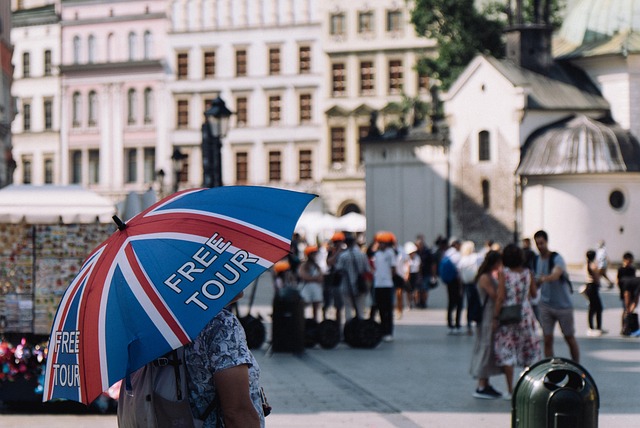
A compact travel umbrella seems sensible in theory but is one of the first items to break under any real weather pressure. Most destinations either have umbrellas available for purchase at low cost or offer covered walkways and transport options that make carrying one unnecessary. Waterproof jackets with hoods are far more durable and multifunctional for any climate. Travelers consistently report that their packed umbrella stays buried at the bottom of the bag for the entire trip.
Luggage Scale
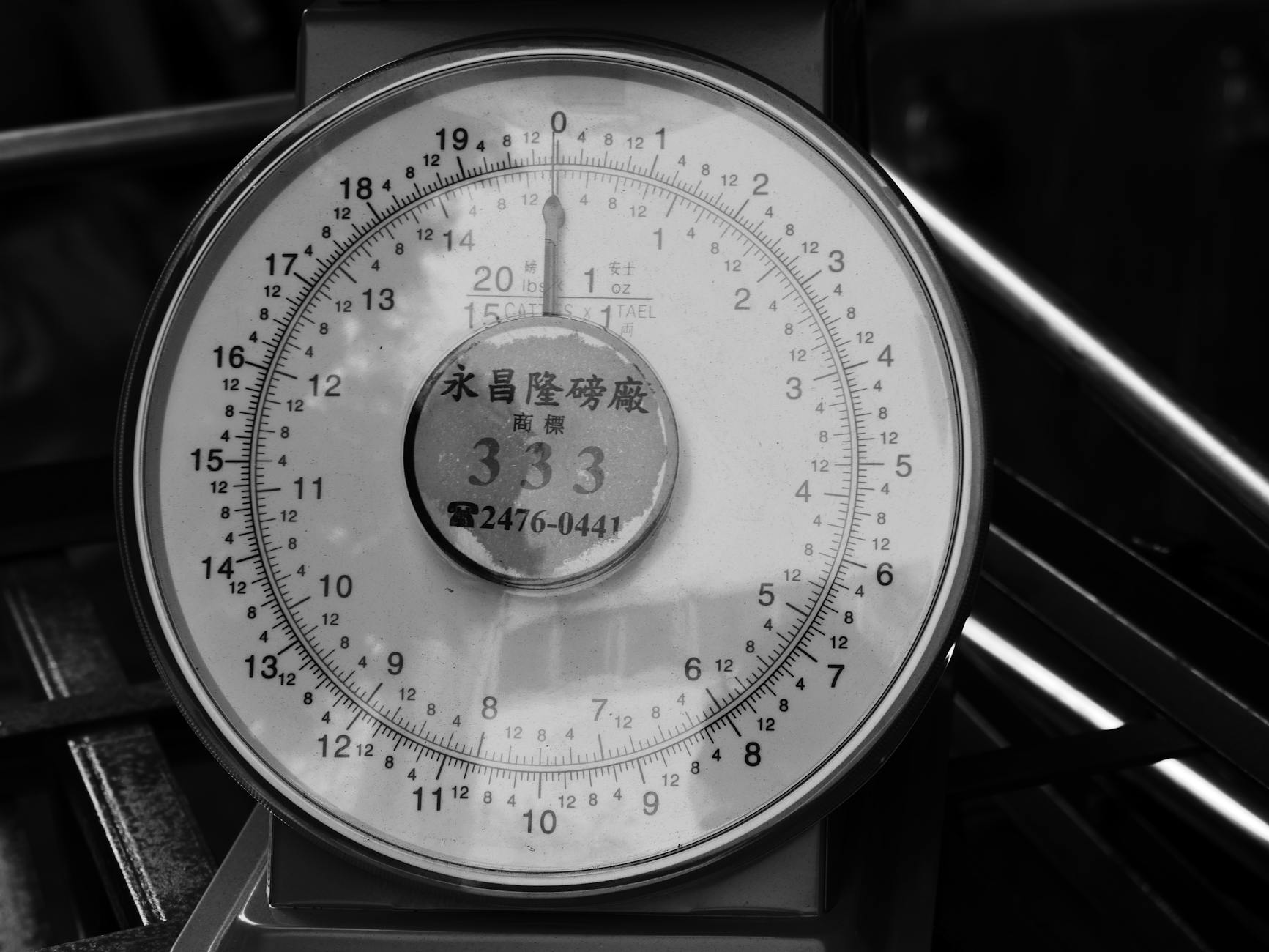
A handheld luggage scale addresses a problem that can be solved more simply by checking airline weight limits before packing. Most hotels and airports have scales available for guest use at no charge. Experienced travelers learn to estimate weight through practiced packing habits rather than relying on a device that adds yet another gadget to manage. The brief moment of reassurance it provides does not balance out the extra item taking up drawer or bag space.
Travel Towel
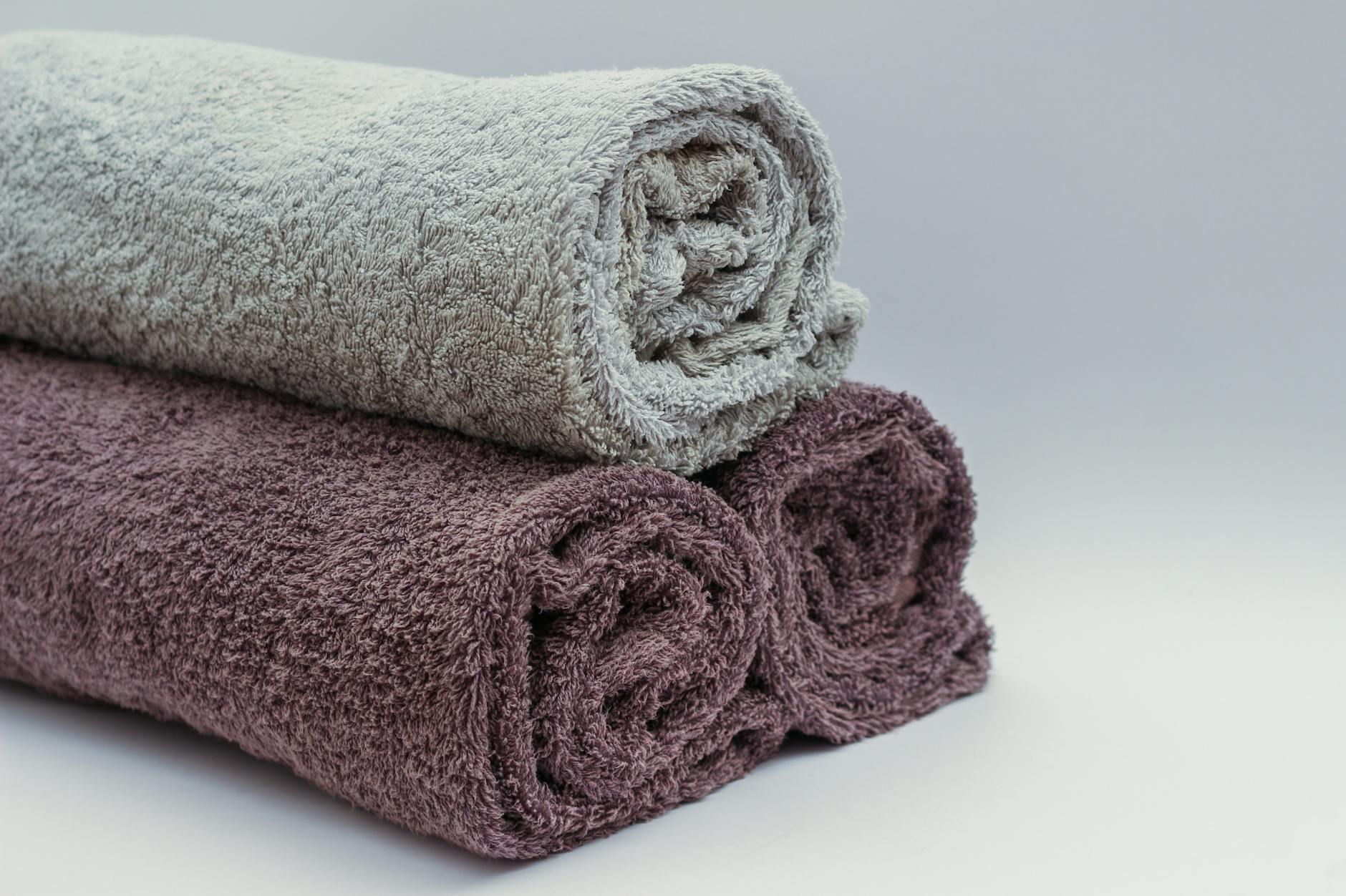
Microfiber travel towels are frequently promoted as essential but most accommodations from budget hostels to luxury hotels provide towels as a standard part of the stay. Beach destinations almost always have towel rental or lending services that cost very little. The microfiber material can feel uncomfortable against skin and develops an unpleasant odor quickly without proper drying time between uses. Travelers who pack one often find it stays folded and untouched throughout the entire journey.
Portable Steamer
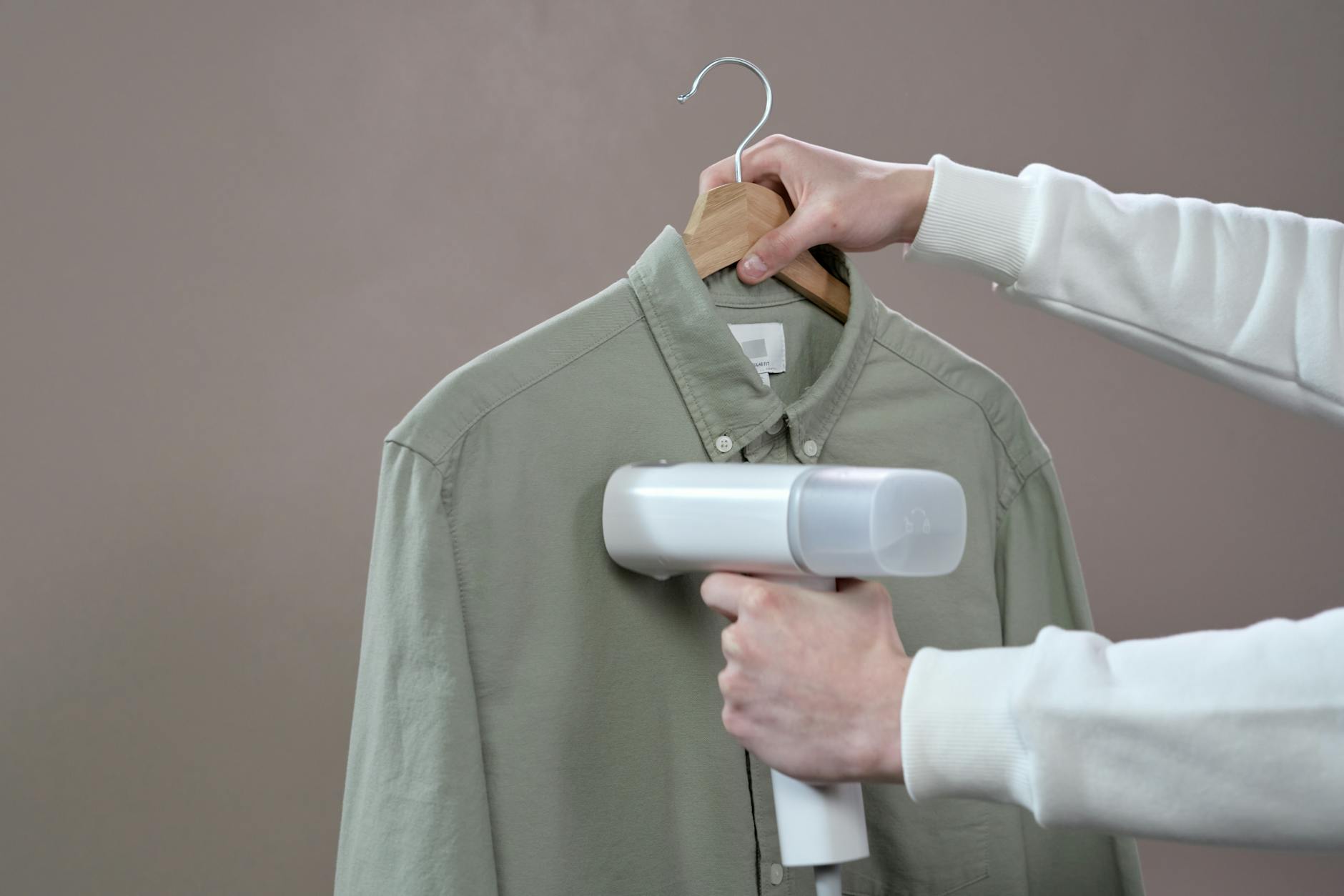
A handheld garment steamer appears on many packing lists as a solution to wrinkled clothes but adds significant weight and bulk for very limited benefit. Most hotels provide either an iron in the room or offer a pressing service for guests. Choosing wrinkle-resistant fabrics or rolling clothes instead of folding them eliminates the problem entirely before packing even begins. The device also requires a compatible power adapter in many countries, adding further complication to an already overpacked bag.
Money Belt

The money belt was designed as a security measure but creates more inconvenience than protection in most modern travel scenarios. Retrieving cash or cards from beneath clothing in public is awkward and actually draws more attention than a standard wallet used with reasonable awareness. Modern destinations have secure payment infrastructure and most travelers can manage safety simply by keeping valuables in interior jacket pockets. Pickpocketing risks are best addressed through behavioral awareness rather than cumbersome undergarments.
Travel Cutlery Set

Reusable travel cutlery sets appeal to eco-conscious travelers but occupy pouch space for an item that is readily available almost everywhere food is served. Street food vendors, cafes and restaurants universally provide utensils as part of the dining experience. Airport security has also become increasingly strict about metal items in carry-on bags, making a set of travel forks and spoons an additional checkpoint complication. A single reusable spork kept in a day bag is a far more practical alternative for those committed to reducing plastic use.
Voltage Converter
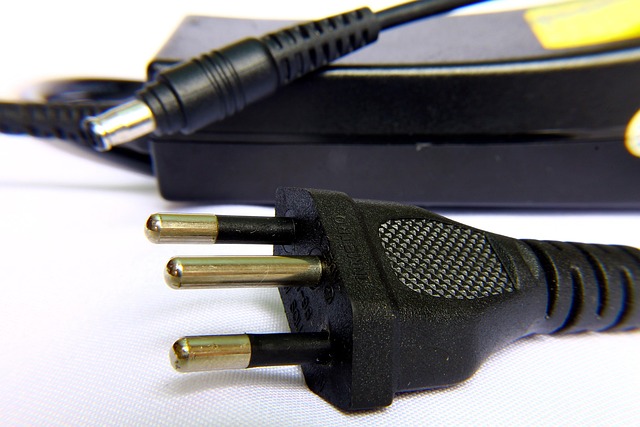
A bulky voltage converter is one of the heaviest items travelers pack despite most modern electronics being dual voltage by default. Laptops, phone chargers, cameras and grooming tools manufactured in the last decade handle both 110 and 220 volts automatically, requiring only a simple plug adapter rather than a converter. Checking the small print on device labels before traveling almost always confirms that no converter is needed. Carrying a heavy converter out of habit rather than necessity is one of the most common packing mistakes made by infrequent travelers.
Travel Pharmacy

A fully stocked travel pharmacy kit filled with every possible remedy takes up enormous space for scenarios that may never arise. Basic pain relief, antihistamines and stomach tablets cover the vast majority of common travel ailments and fit easily into a small pouch. Pharmacies are widely available in virtually every destination worldwide and local staff can advise on appropriate treatments for regional conditions. Packing for every medical possibility results in carrying weight that serves anxiety more than actual health needs.
Printed Guidebook
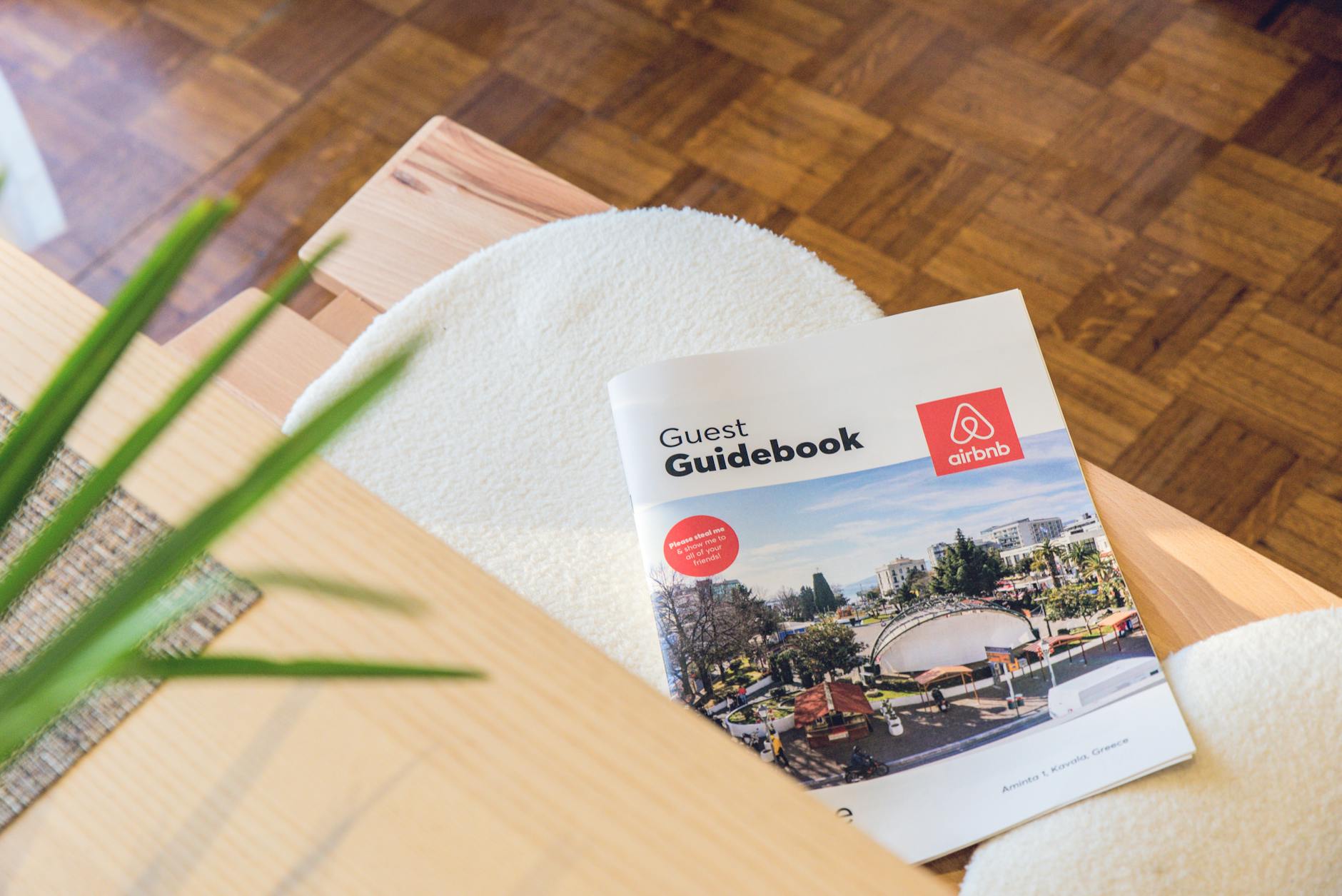
A printed travel guidebook was once indispensable but now competes poorly against the depth and real-time accuracy of digital resources. Restaurant recommendations, opening hours and attraction details change frequently and printed editions become outdated almost immediately after publication. Smartphones provide access to maps, reviews, translation tools and booking platforms that collectively outperform any single printed volume. The physical weight and space a guidebook occupies in a bag is simply no longer justified by the information it contains.
Laptop

Traveling with a full-sized laptop is one of the most significant sources of bag weight and security anxiety for travelers who do not genuinely need one for work. Tablets and smartphones now handle video streaming, communication, photo editing and light document management with ease. A laptop requires its own dedicated bag compartment, charger and protective sleeve, all of which compound the overall load significantly. Most leisure travelers who bring one report using it far less than anticipated and wishing they had left it behind.
Travel Journal
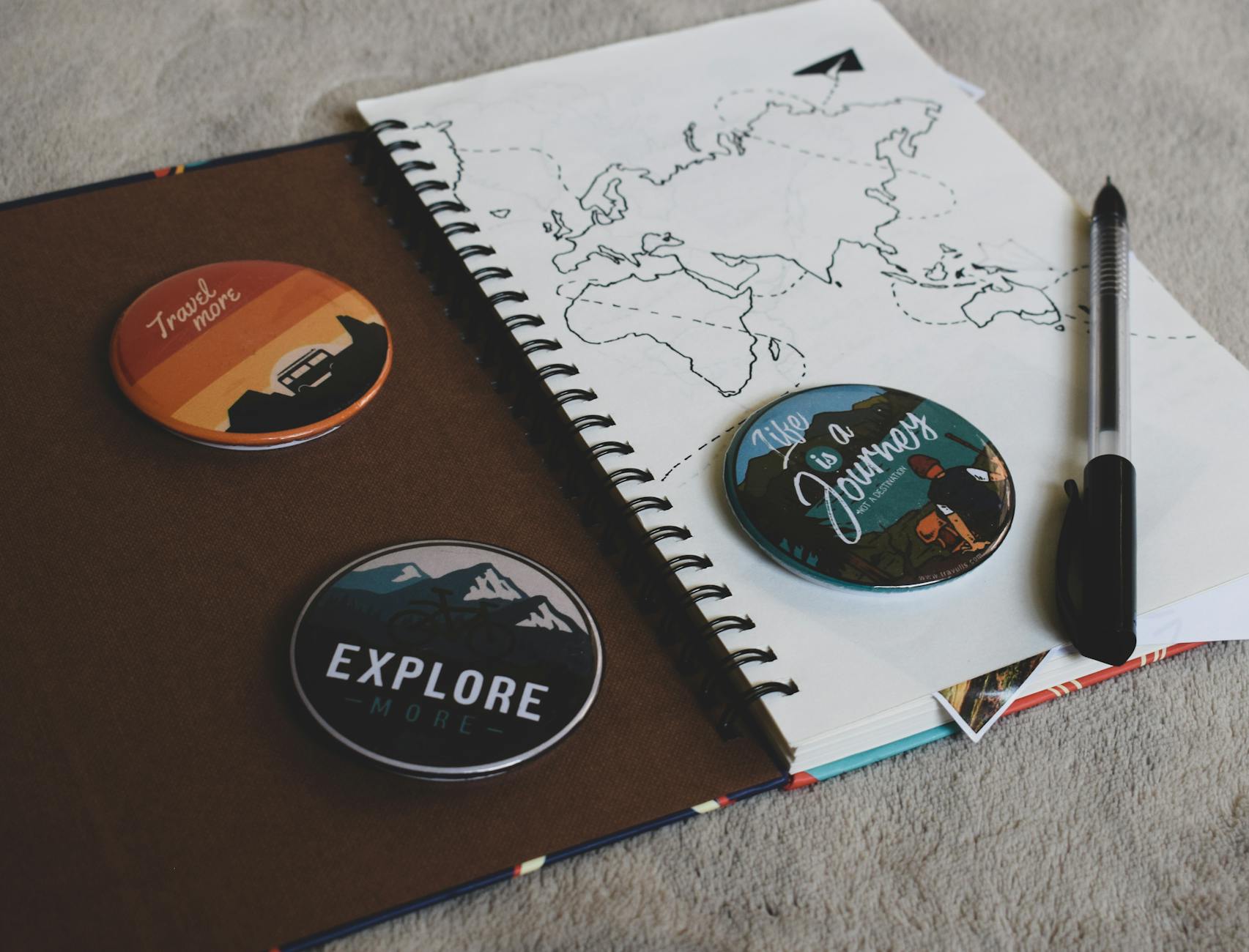
A physical travel journal appeals to the romantic idea of documenting every experience by hand but is one of the items most frequently abandoned after the first two or three entries. Notes apps, voice memos and photo captions on smartphones serve the same memory-preservation function with far greater convenience and no added weight. Paper journals are also vulnerable to water damage, loss and the difficulty of finding the right pen at the right moment. Travelers who value reflection often find that a dedicated note-taking app provides a more consistent and searchable record of their experiences.
Packing Cubes
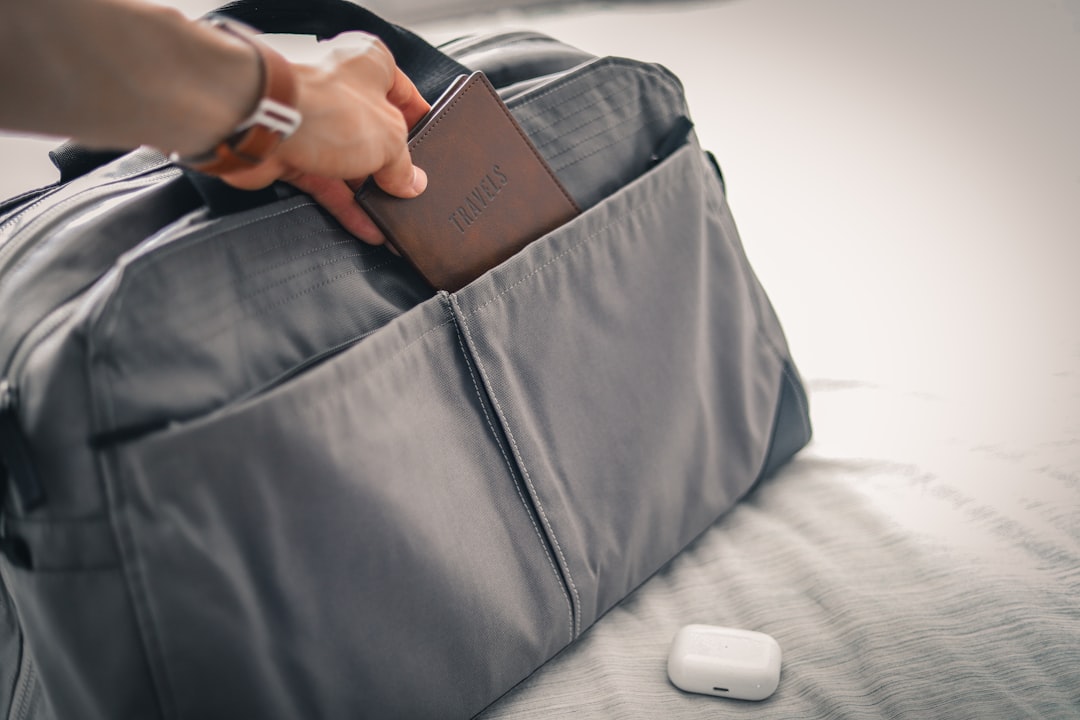
Packing cubes are sold as organization solutions but frequently compress the usable space inside a bag rather than expanding it. The cubes themselves occupy volume that could otherwise be used by clothing packed efficiently using rolling or bundle wrapping techniques. Travelers with cubes often spend more time repacking and reorganizing than those who use a simple layered packing system. The organizational benefit is real for some but for most travelers the cubes add bulk without meaningfully improving the packing experience.
Shoe Bags
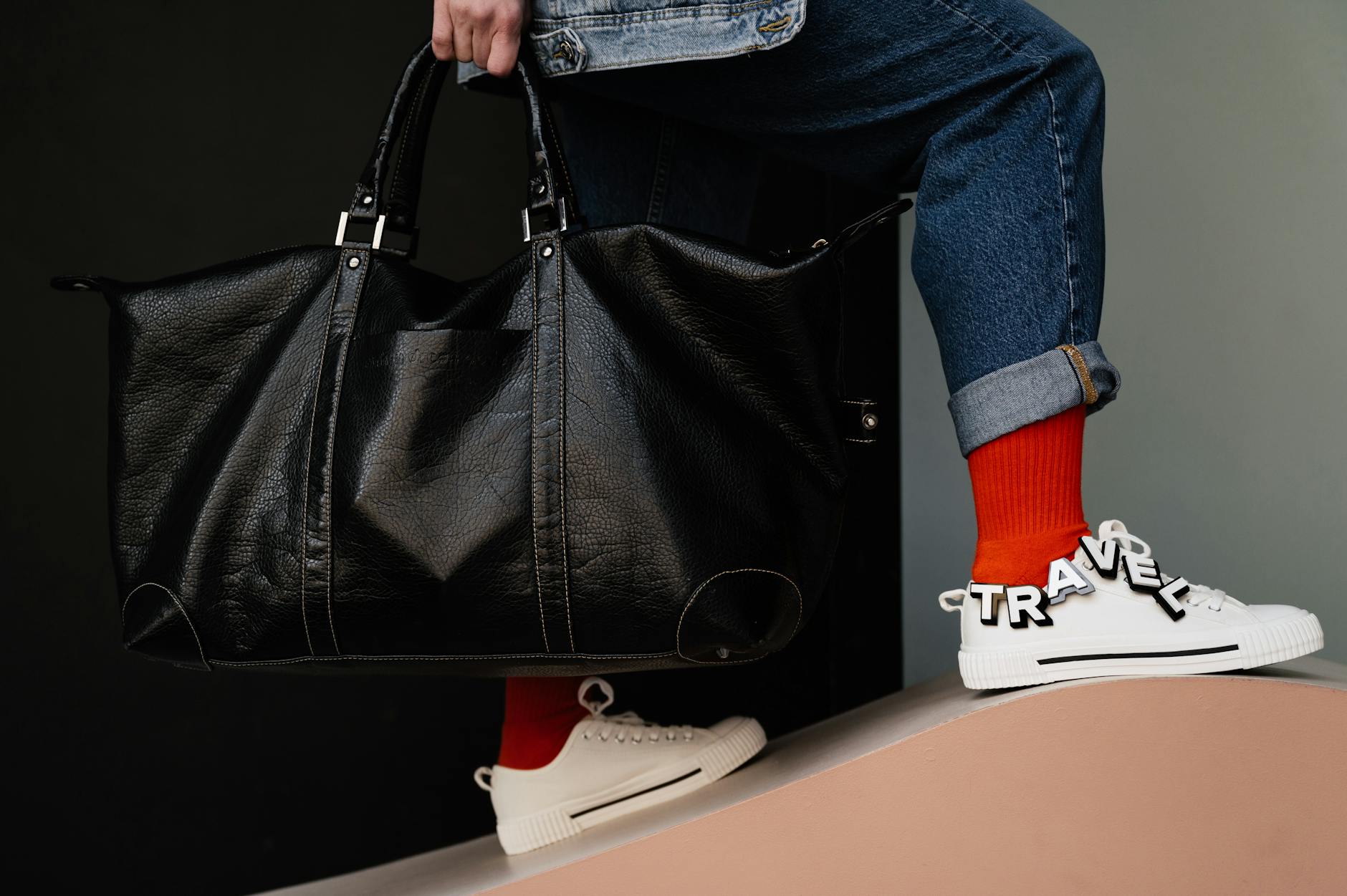
Dedicated fabric shoe bags add a layer of organization that rarely justifies their place in a travel kit. Shower caps from hotel bathrooms serve the exact same purpose of keeping soles away from clothing and are freely available at virtually every accommodation. Packing fewer pairs of shoes is a more effective strategy than managing multiple fabric bags for the ones brought along. The shoes themselves are often the most wasteful items in a bag, making their dedicated carriers a secondary problem rather than a solution.
Portable Router
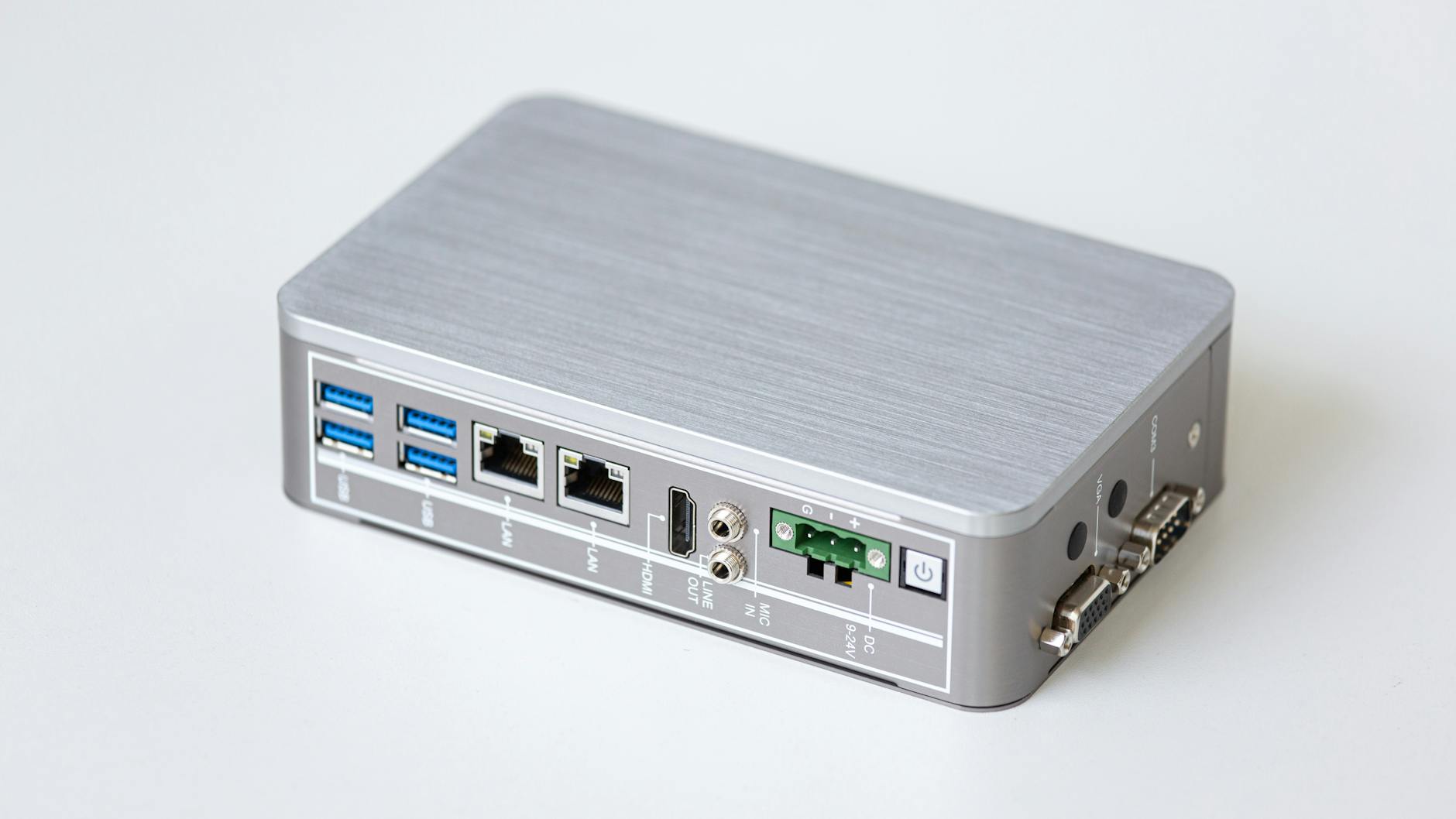
A portable travel router promises fast and secure internet but requires setup knowledge and carries costs that most short-term travelers will never recoup in value. Hotel and cafe wifi speeds have improved dramatically across most travel destinations and mobile data roaming plans now offer affordable international options. The device needs its own charging cable, must be configured for each new network and adds a layer of technical management to what should be a relaxing trip. Travelers who rely on connectivity for work are better served by a dedicated international data SIM than by carrying additional hardware.
Cable Organizer
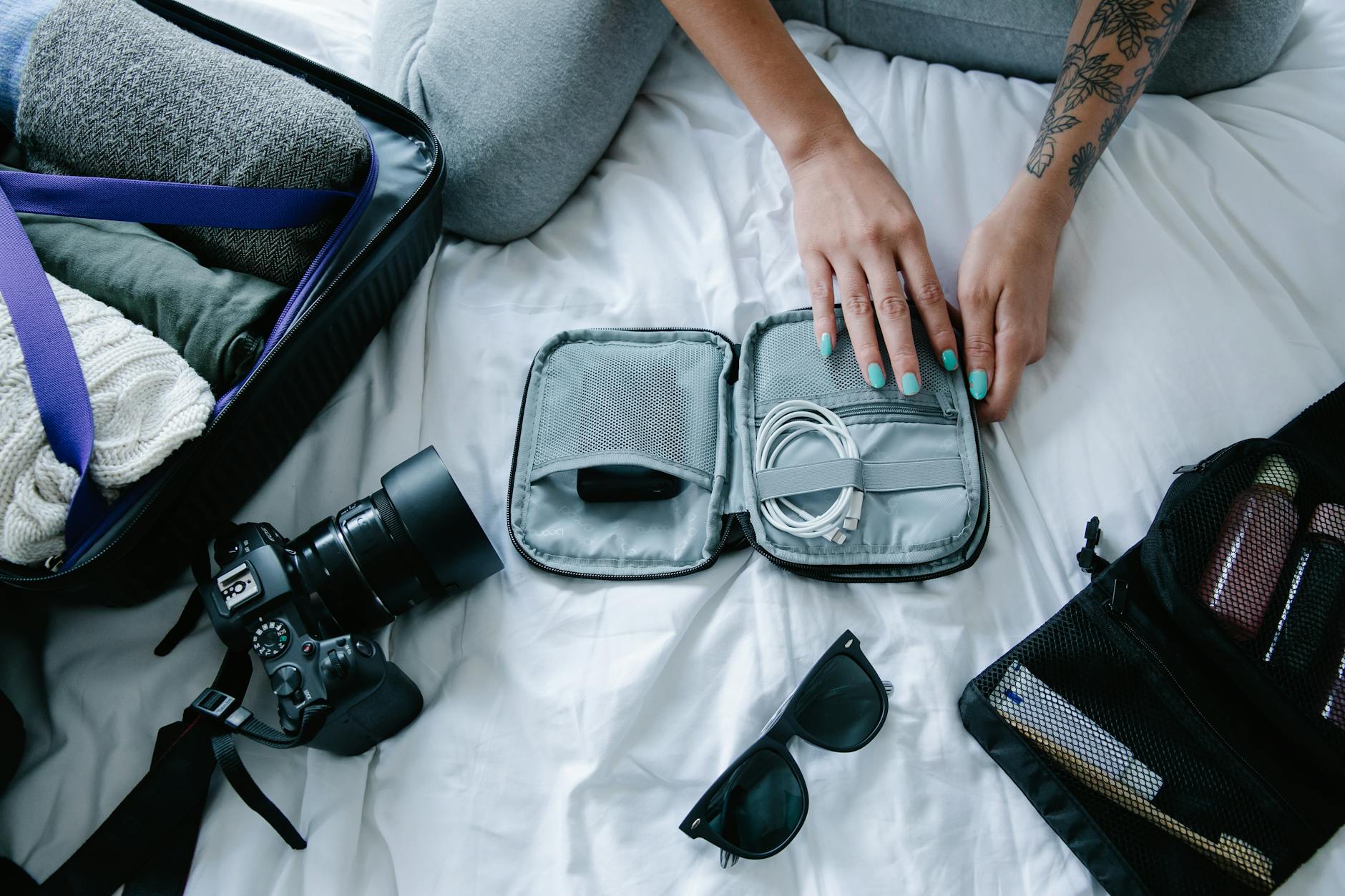
A hard-shell cable organizer case is frequently purchased to bring order to charging cables but becomes a rigid, space-inefficient object that is difficult to fit around clothing and other soft items. A simple elastic pouch or a reusable zip bag achieves the same organizational goal at a fraction of the bulk and cost. Reducing the number of devices and cables brought on a trip addresses the root problem far more effectively than managing them with a dedicated case. Most travelers find that two or three cables coiled neatly inside a small bag is entirely sufficient for any journey.
Collapsible Water Bottle
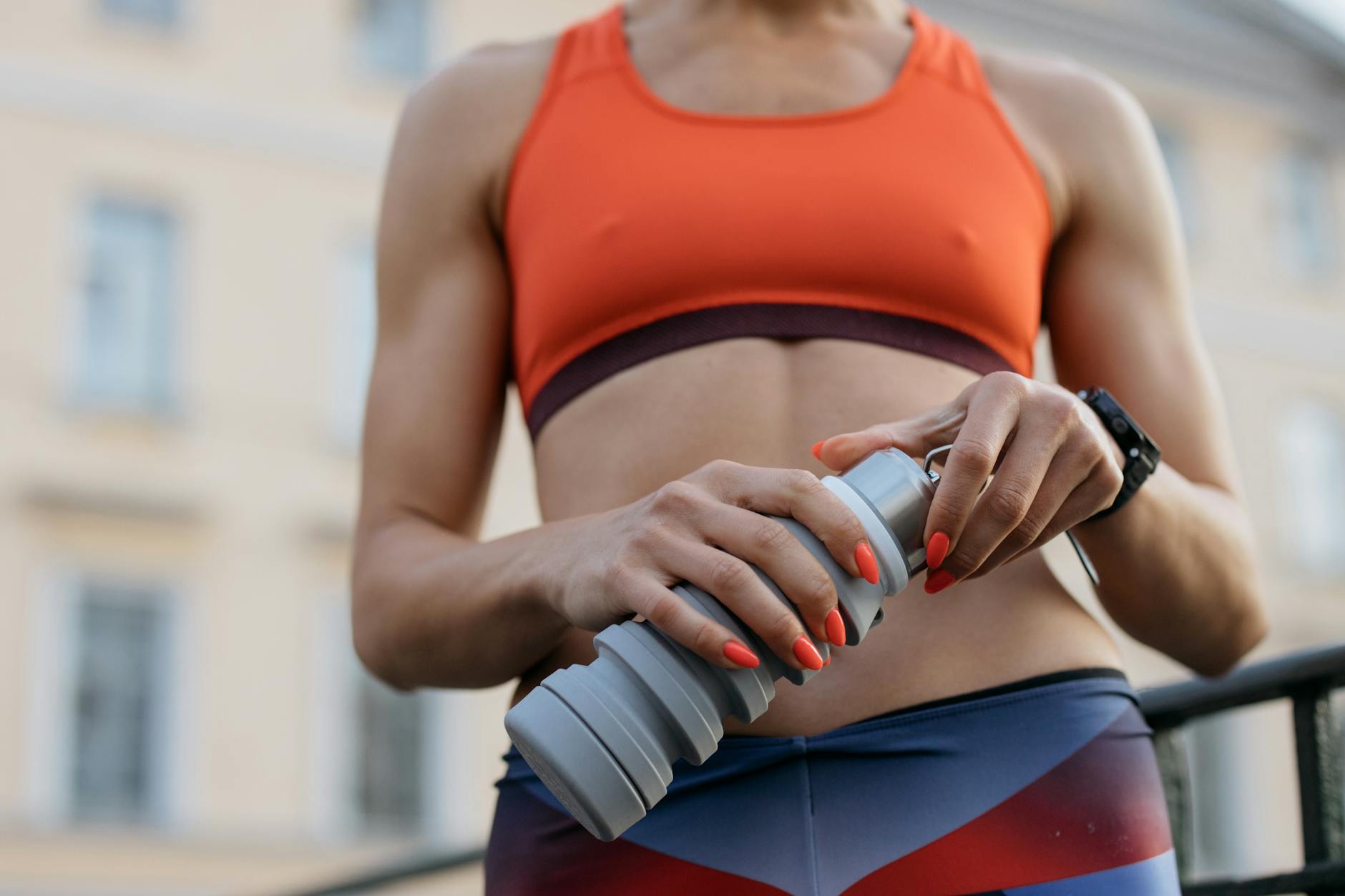
A collapsible silicone water bottle is marketed as a space-saving alternative but rarely collapses to a size meaningfully smaller than a standard slim reusable bottle. The silicone material can retain odors over time and the collapsing mechanism tends to weaken with repeated folding and unfolding. Many airports now offer water refill stations that are compatible with any bottle type, removing the specific advantage of a collapsible design. A standard lightweight bottle with a simple lid takes up no more practical space and lasts considerably longer.
Eye Mask

A sleep eye mask is included in almost every packing list for long-haul travel but airlines routinely distribute them as part of comfort kits on overnight and international flights. For travelers not flying long haul, hotel rooms universally feature blackout curtains or can provide one on request. The mask adds negligible weight but represents the broader habit of packing items that are either freely provided or replaceable on arrival. Choosing accommodations with good window coverings makes personal eye masks entirely unnecessary from the outset.
Padlock
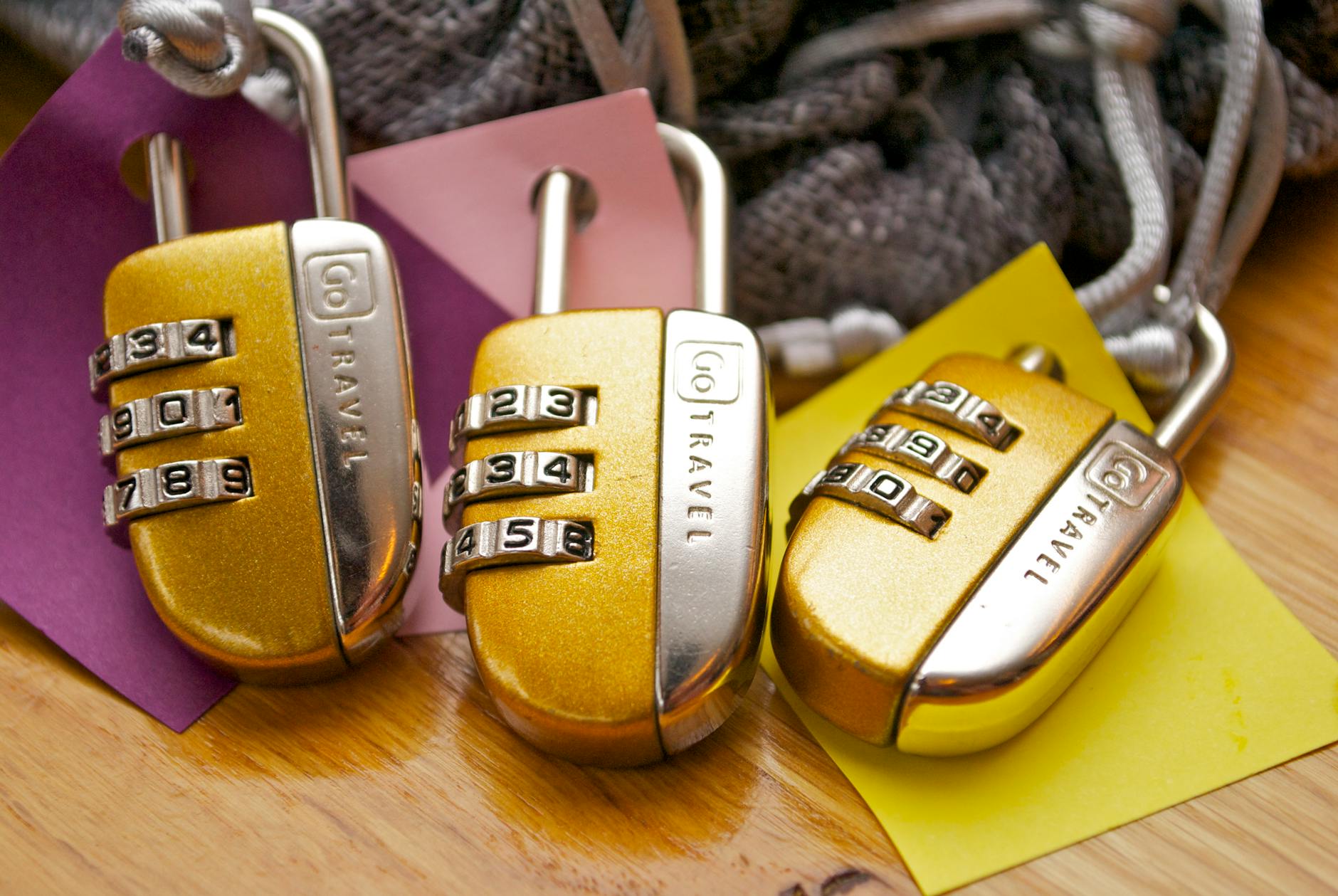
A padlock for hostel lockers makes sense only when a locker is confirmed to be available and requires a personal lock rather than a built-in one. Most modern hostels provide lockers with integrated locking systems that accept phone charging cables or use key cards. Travelers carrying a padlock for a security scenario that does not materialize end up with dead weight in a toiletry bag for the entire trip. Checking accommodation specifics before arrival is a far more efficient strategy than packing preemptively for every possible locker configuration.
Travel Pillow Spray

Lavender and chamomile pillow sprays are sold as sleep aids for travelers struggling with unfamiliar environments but represent a luxury that occupies liquid allowance in a carry-on bag. The scent dissipates quickly and the sleep benefit of such sprays is limited to those already conditioned to use them at home. White noise apps available on any smartphone and basic sleep hygiene habits are more reliably effective for adjusting to new sleeping environments. A small bottle of something genuinely functional such as a lip balm or hand cream is a far better use of that liquid space.
Waterproof Pouches
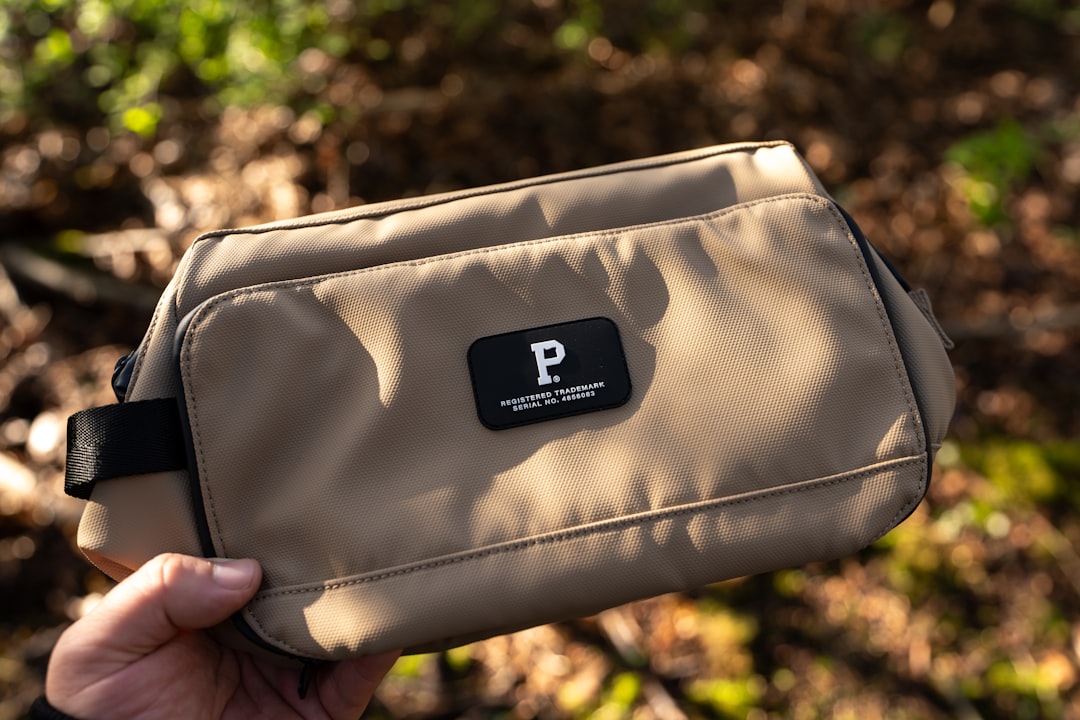
Waterproof pouches for phones and documents are packed with good intentions but most modern smartphones carry high water-resistance ratings that make additional waterproofing redundant for typical beach or rain scenarios. Documents kept in the inner pocket of a bag or a hotel safe are adequately protected without an extra pouch. Travelers who visit water parks or go white-water rafting have legitimate use cases but these represent a small minority of travel experiences. For the average city or beach trip the pouch creates an extra step between the traveler and their phone that outweighs any marginal protection it offers.
First Aid Kit
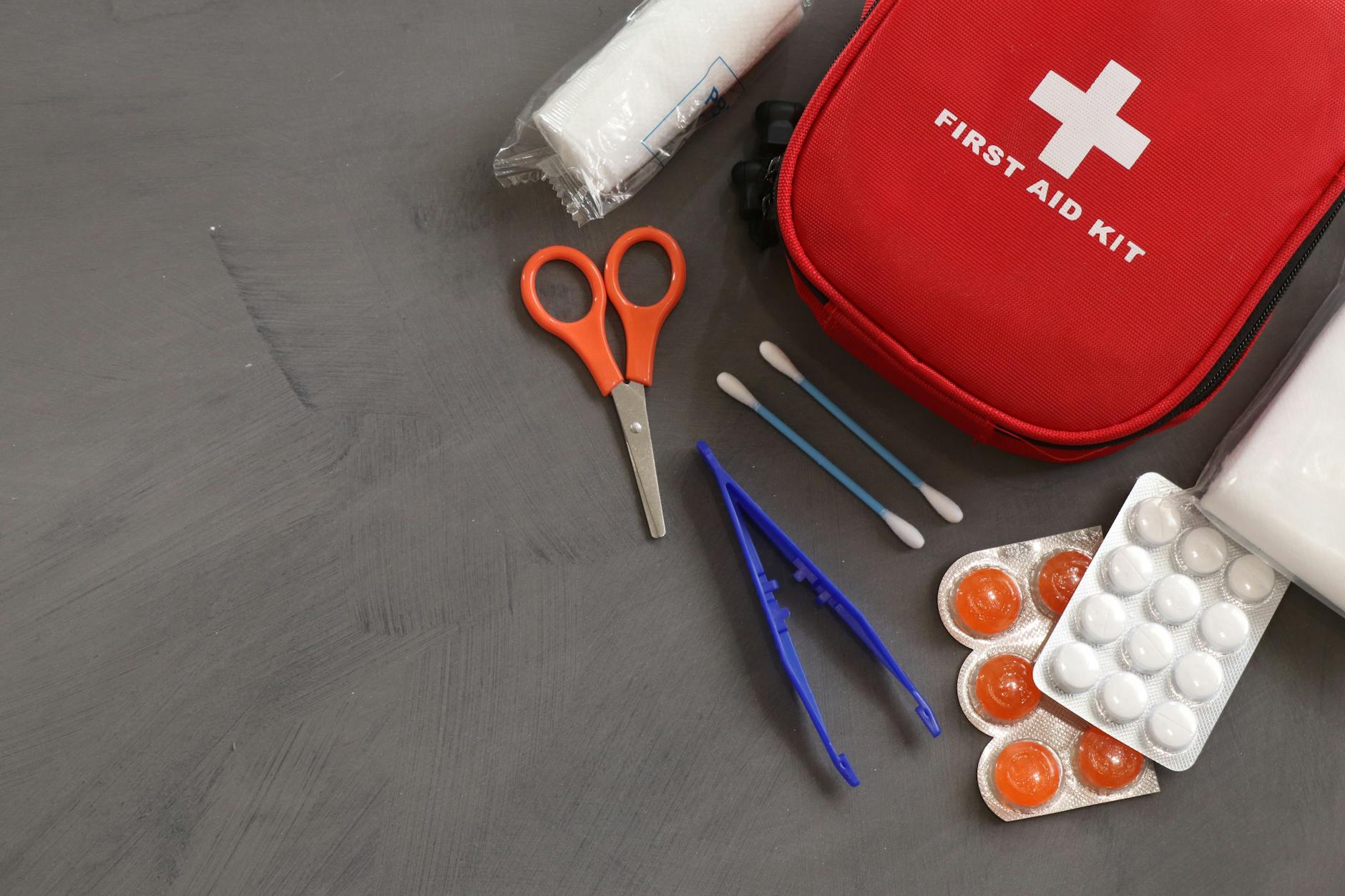
A full travel first aid kit complete with bandages, antiseptic wipes, scissors and gauze is one of the heaviest and most redundant items in a well-traveled bag. Pharmacies in virtually every country stock these supplies at reasonable prices and local medical staff are better equipped to advise on appropriate treatment for regional conditions and injuries. Airline regulations frequently prohibit sharp items included in standard kits, requiring repacking before every flight. A small personal pouch with a few plasters and basic medication covers the realistic needs of most travelers without the bulk of a full kit.
Hanging Toiletry Bag
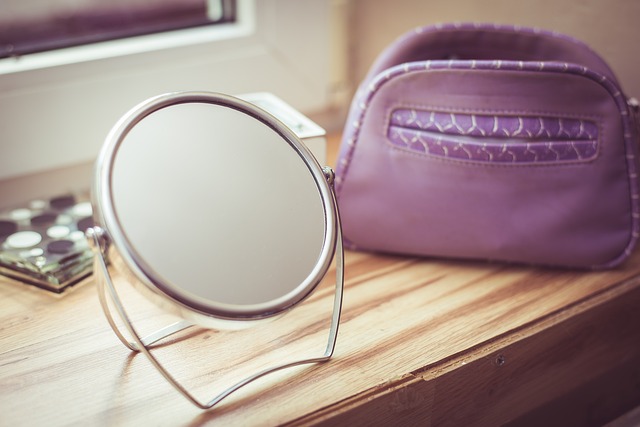
A large hanging toiletry organizer promises bathroom convenience but requires a hook or towel rail with the right clearance and weight tolerance to function properly. Most hotel bathrooms provide adequate counter or shelf space that makes hanging organization entirely unnecessary. The bags themselves are bulky when empty and become unwieldy when fully loaded with bottles and grooming tools. A flat, zip-top toiletry pouch placed on any surface is lighter, more flexible and takes up significantly less space in the main compartment of any bag.
If any of these items are currently taking up space in your bag, share your own packing revelations in the comments.