
Supermarkets are masters of subtle manipulation, and the fresh foods section is where many of their most calculated tactics play out. From strategic lighting to misleading packaging, retailers have developed a sophisticated arsenal of techniques designed to move product before shoppers realize something is off. Understanding these tactics can save you money, protect your health, and make you a far more discerning consumer every time you walk through those automatic doors. Here are fifteen of the most common tricks supermarkets use to sell meat and food that is well past its prime.
Specialty Lighting
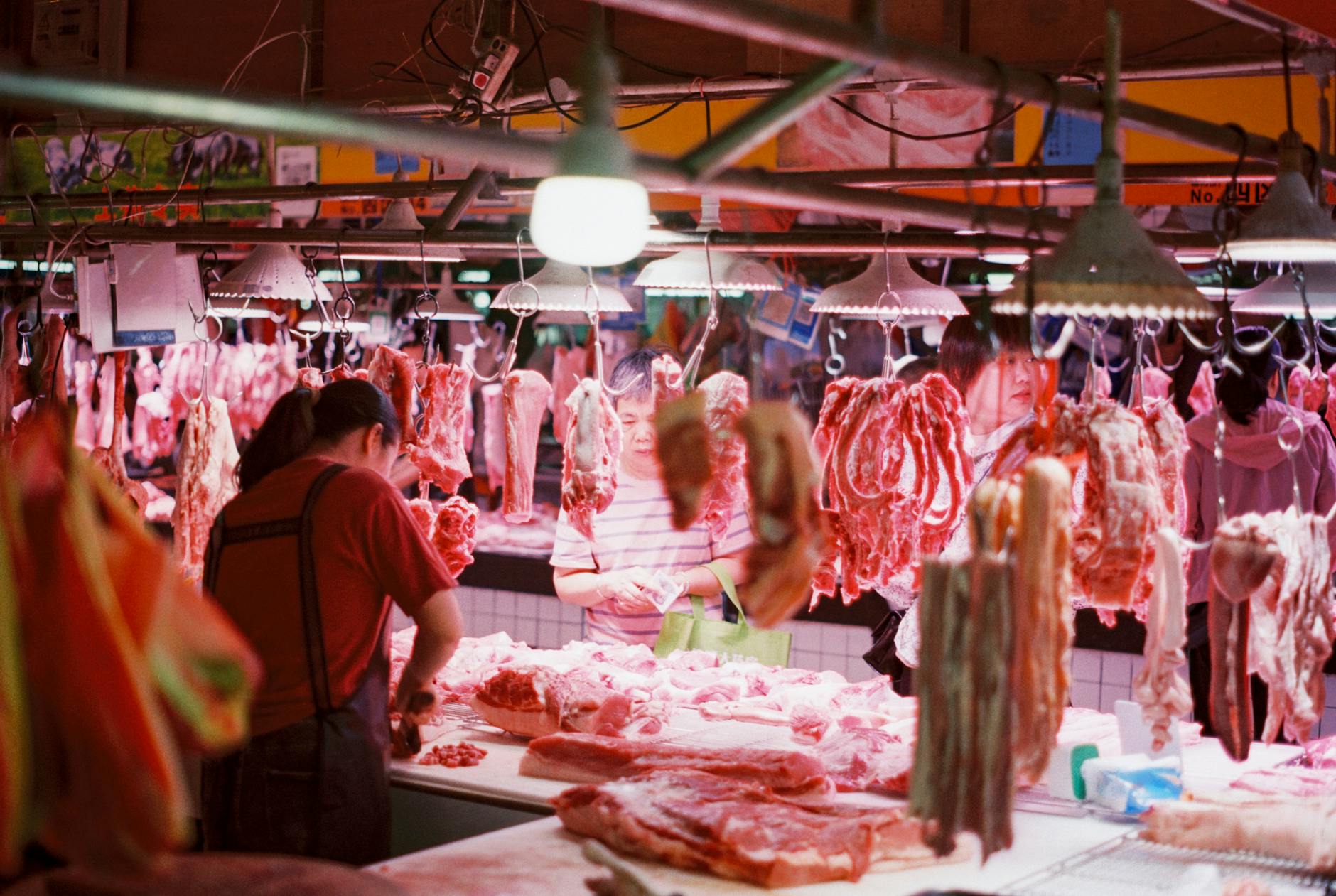
Meat departments use warm pink and red lighting installed directly above display cases to make cuts appear fresher and more vibrantly colored than they actually are. This targeted illumination masks the grayish-brown hues that naturally develop as meat ages and oxidizes. The effect is so pronounced that products can appear perfectly fresh under store lighting yet look noticeably different once brought home. Many shoppers only discover the discrepancy when they unpack their groceries in natural light. Paying attention to color in multiple angles of the package can help reveal the true condition of the meat.
Carbon Monoxide Packaging

Some retailers use modified atmosphere packaging that includes small amounts of carbon monoxide to preserve the bright red color of meat for an extended period. This gas binds to the myoglobin in meat and maintains a fresh-looking hue even as the product continues to age and deteriorate. The result is a package that looks appealing long after the meat has begun to decline in quality. The practice is legal in many countries and does not require prominent labeling visible to the average shopper. Relying on smell and texture rather than color alone is a far more reliable indicator of freshness.
Markdown Stickers
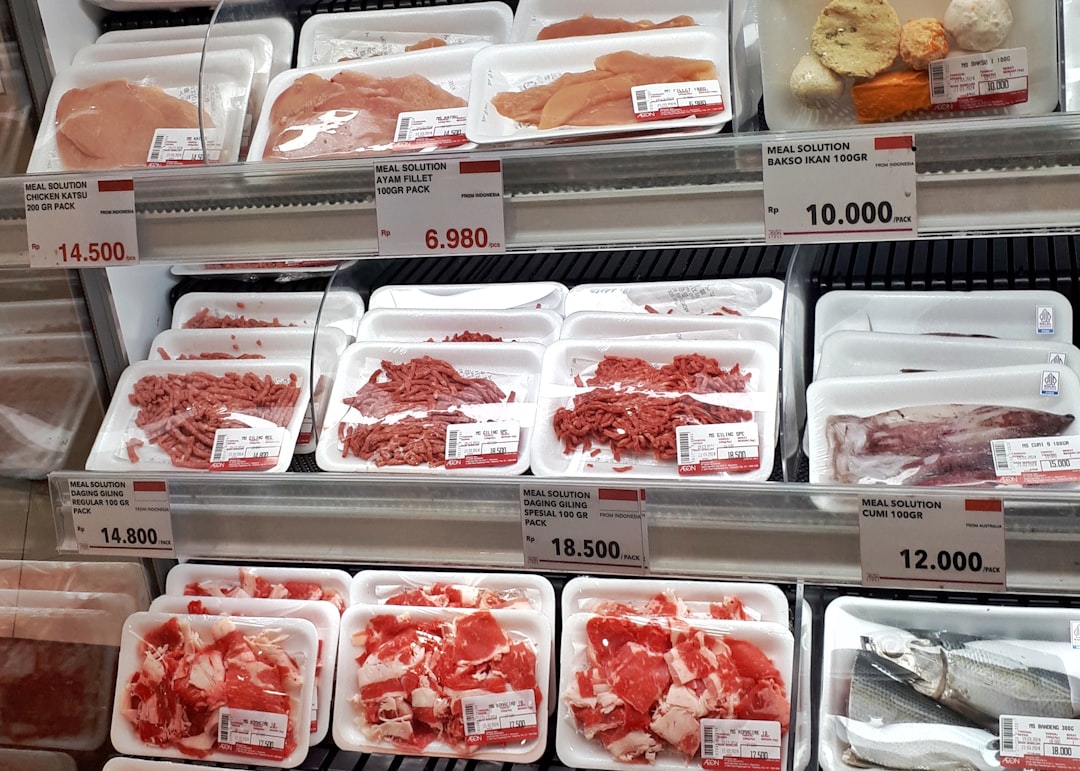
When meat or perishable products approach or pass their sell-by dates, supermarkets apply markdown stickers advertising significant discounts to create urgency and move stock quickly. The reduced price is genuinely appealing and can distract shoppers from scrutinizing the underlying date or the condition of the product. These markdowns are often applied in the early morning hours so the discounted items sit prominently on shelves throughout the busiest shopping periods. Many consumers assume a sticker applied by a store employee signals safety rather than urgency. Always check the original date beneath or beside the markdown label before placing discounted perishables in your cart.
Date Relabeling

In less scrupulous operations, staff have been documented removing original use-by labels and replacing them with newer dates to extend the apparent shelf life of products. This practice is illegal in most jurisdictions but remains difficult for the average shopper to detect without close inspection. Tampered labels may show signs of residue, misalignment, or inconsistent font sizing compared to the rest of the packaging. Buying from reputable retailers with strong food safety records significantly reduces the risk of encountering this tactic. Inspecting packaging carefully for any signs of label layering or adhesive residue is a worthwhile habit.
Marination and Seasoning
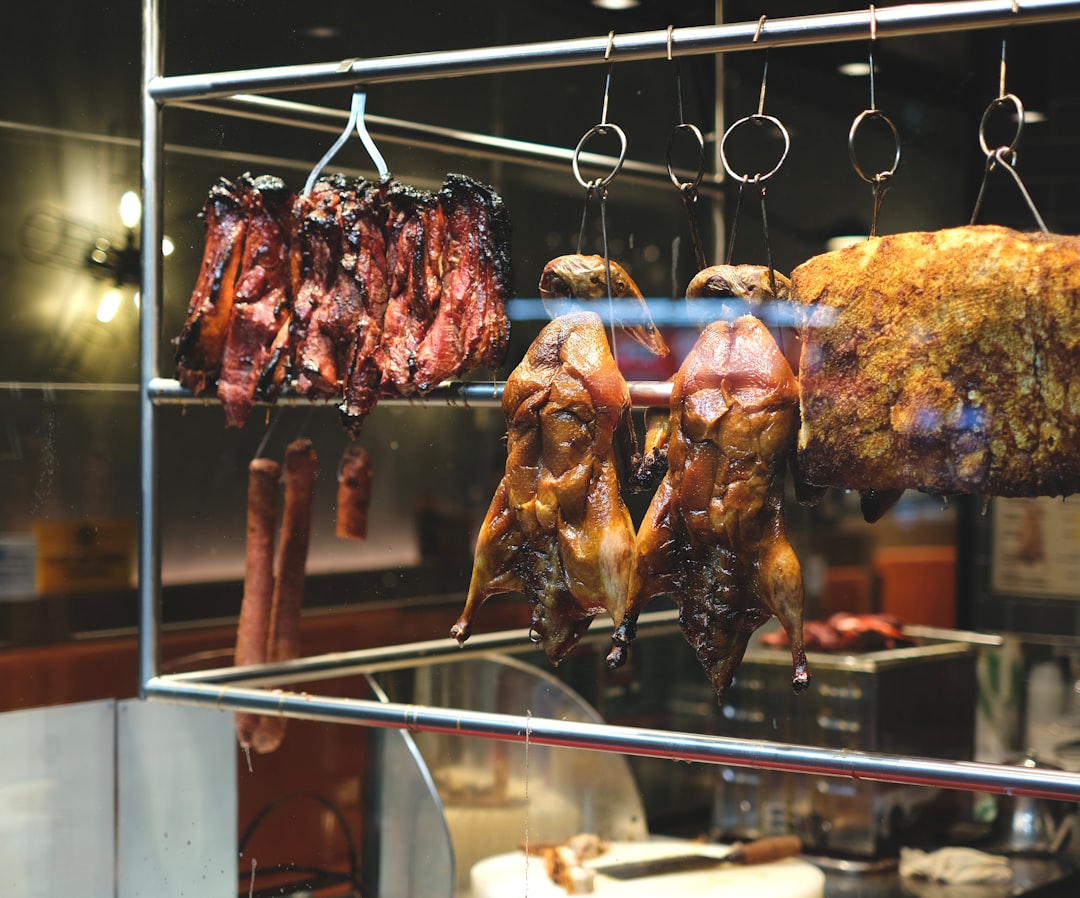
Pre-marinated meats are frequently used as a way to mask the odor and appearance of cuts that would not sell in their natural state. Heavy seasoning, spice rubs, and strong-flavored sauces can effectively conceal the telltale signs of aging, including off-putting smells and color degradation. The added coatings also make it nearly impossible to visually assess the true condition of the meat beneath. Pre-marinated products often have shorter remaining shelf lives than their plain equivalents in the same display case. Opting for plain cuts and adding your own seasoning at home gives you far greater control over quality assessment.
Strategic Placement
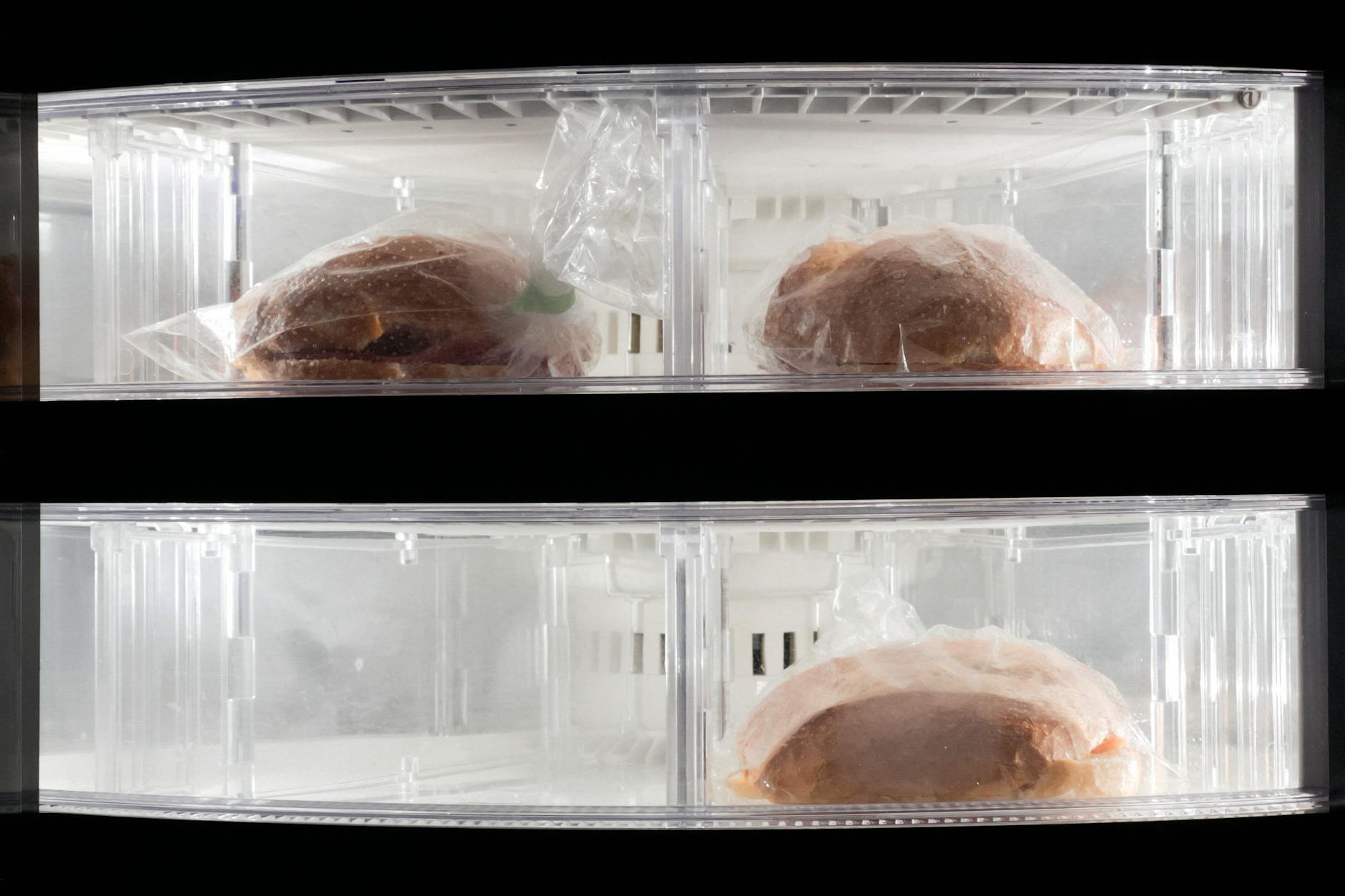
Older stock is consistently moved to the front of refrigerated shelves and display cases while newer deliveries are placed at the back, a practice known in retail as stock rotation. This arrangement ensures that products approaching their expiration dates are the first items shoppers reach for without any conscious effort on the shopper’s part. The tactic is so ingrained in retail operations that it happens automatically during every restocking cycle throughout the day. Reaching toward the back of refrigerated cases almost always yields a product with a significantly later expiration date. Taking an extra moment to check dates further back on the shelf is one of the simplest ways to get genuinely fresher food.
Misleading Terminology
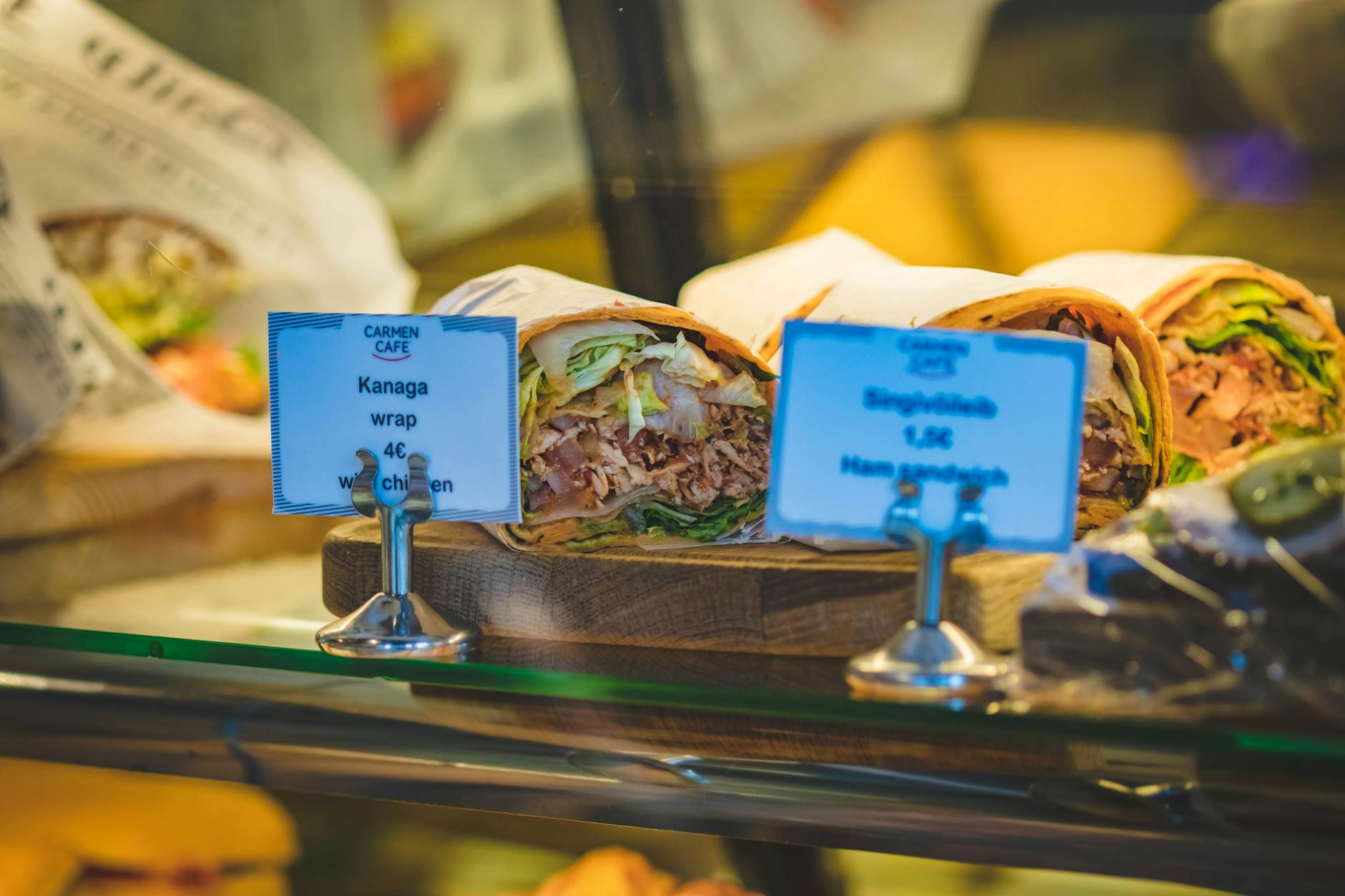
Supermarkets use a range of date labels that mean very different things but are frequently misunderstood by consumers to all indicate the same thing. Terms such as sell-by, best-before, use-by, and display-until carry distinct meanings with important implications for safety and quality. A sell-by date is primarily an instruction for store staff rather than a consumer safety indicator, yet many shoppers discard food immediately upon reaching it. Best-before dates relate to peak quality rather than safety, while use-by dates are the only labels with direct food safety implications. Understanding the actual meaning of each term prevents both unnecessary waste and the inadvertent consumption of genuinely unsafe products.
Attractive Packaging
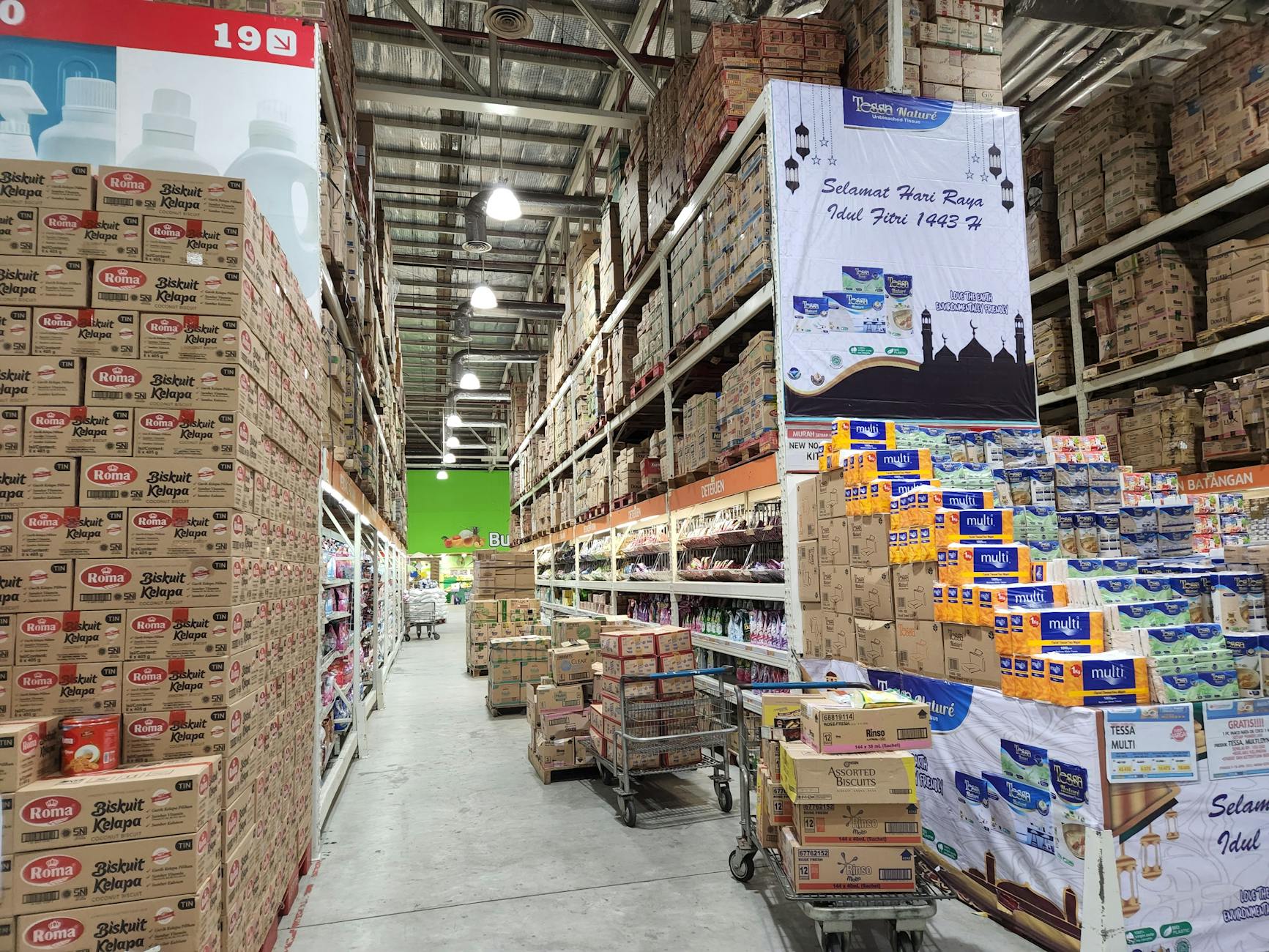
Eye-catching packaging design draws consumer attention away from the details that actually matter, including dates, weight, and the visible condition of the product inside. Bold fonts, vibrant imagery, and premium-sounding language create an impression of quality that can override more critical evaluation. Some packaging is deliberately designed with opaque or darkly colored backing that limits how much of the actual product a shopper can inspect through the wrapping. Tray shapes are also engineered to pool any discolored liquid away from the most visible surface of the meat. Flipping a package over and inspecting it from multiple angles often reveals more than the front-facing display is designed to show.
Aroma Masking
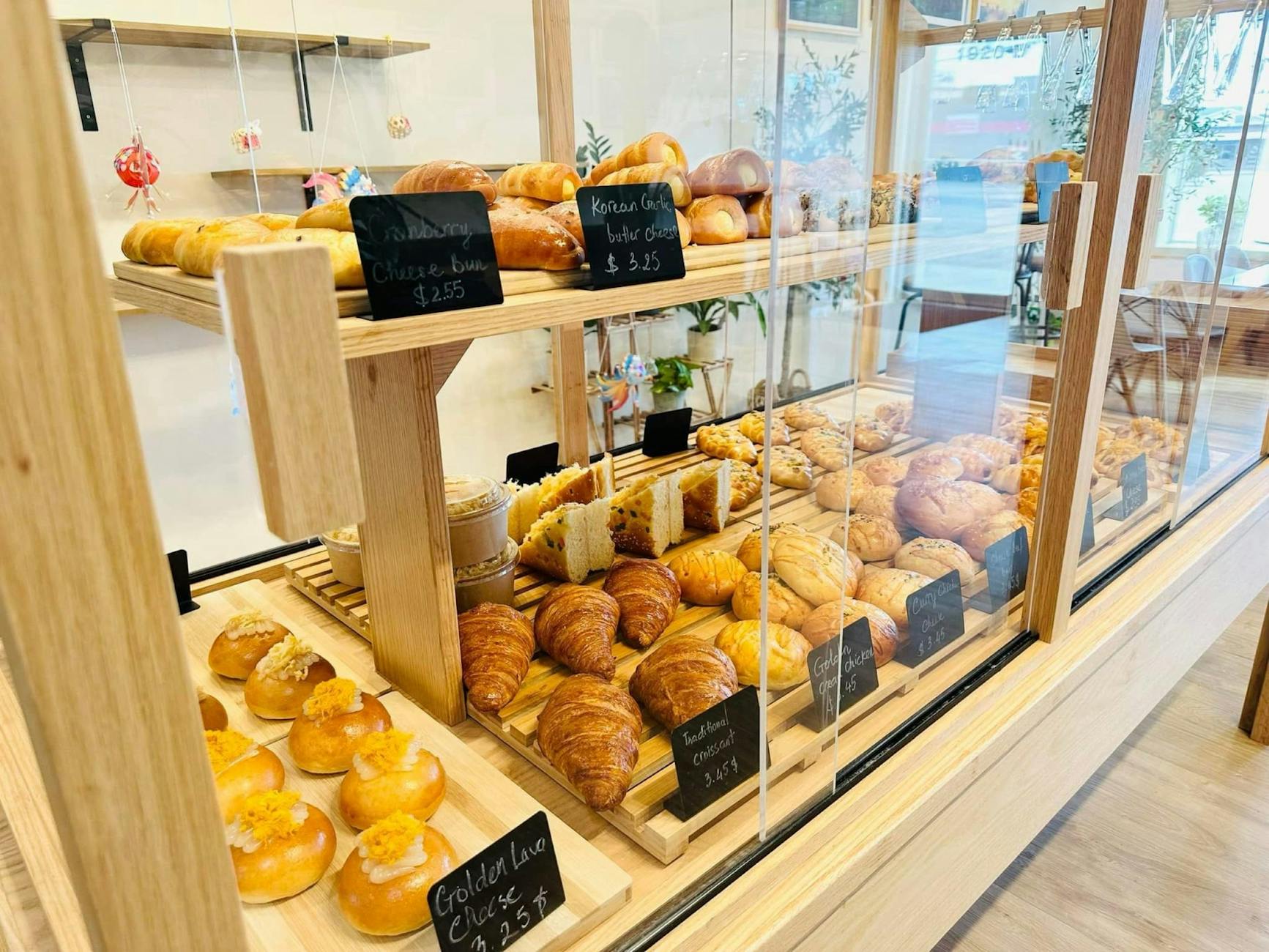
Some supermarkets pump artificial bakery or food aromas through ventilation systems near deli and meat counters to create an overall impression of freshness throughout those sections of the store. The pleasant smell of baked bread or roasted chicken effectively overrides the subtler odors that might otherwise alert a shopper to aging products nearby. This sensory manipulation is well-documented in retail design literature and is considered a standard tool in the supermarket experience toolkit. Shoppers relying on smell to assess freshness can be significantly misled in environments where artificial aromas are circulating. Opening a package slightly at the store to assess the actual smell of meat is always a more reliable test than the ambient air around it.
Ground Meat Practices
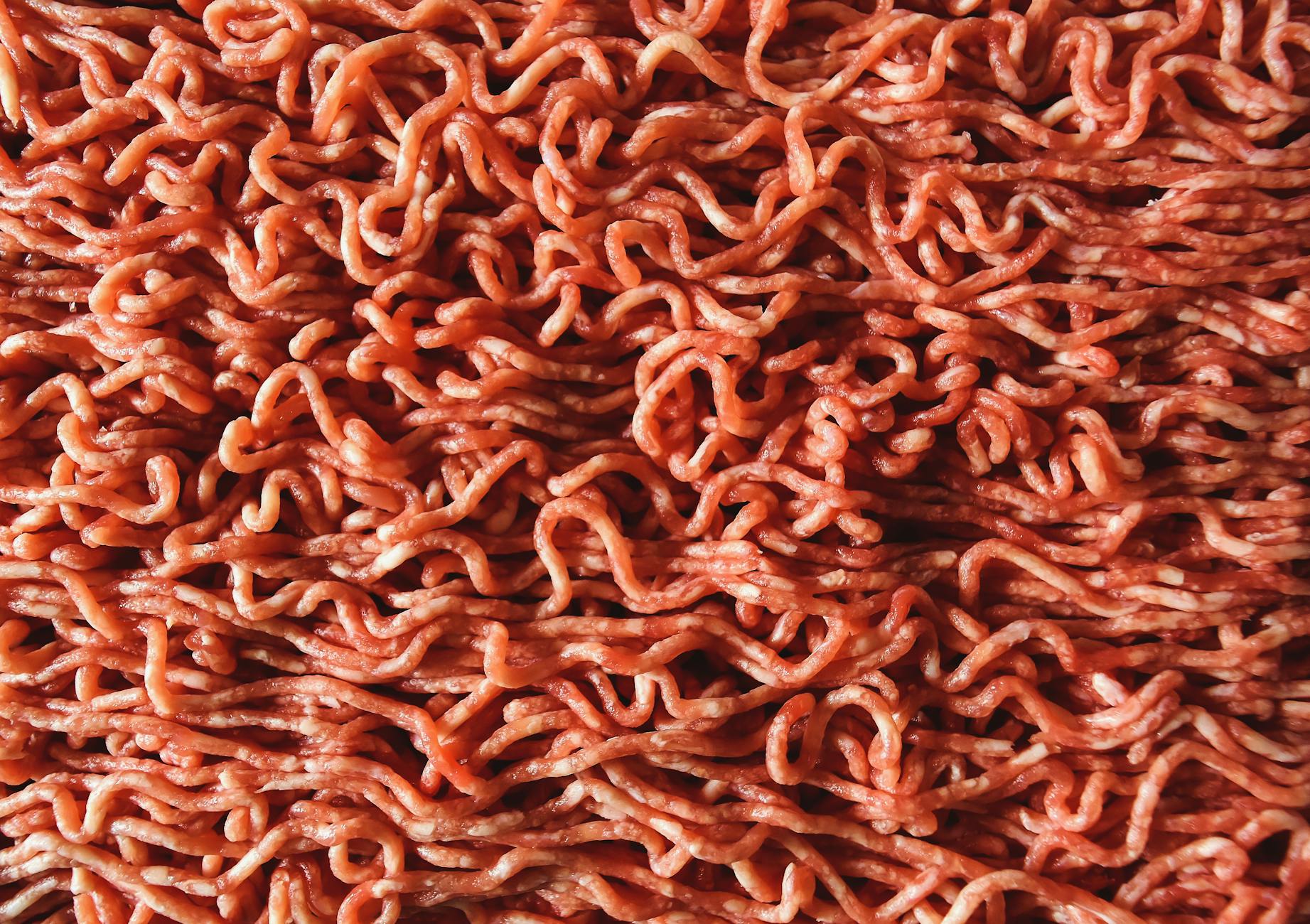
Ground meat presents a particular challenge for freshness assessment because the grinding process dramatically accelerates oxidation and bacterial growth compared to whole cuts. Supermarkets sometimes grind older whole cuts that can no longer be sold in their original form, giving the meat a second retail life in the ground format. Because grinding mixes the interior and exterior of multiple cuts together, any spoilage present in one piece is distributed throughout the entire batch. The fresh-ground label applied each morning can refer to meat that was ground that day from cuts with significantly less remaining shelf life. Buying whole cuts and grinding them at home or requesting the butcher to grind fresh is the most reliable way to ensure quality.
Family Packs
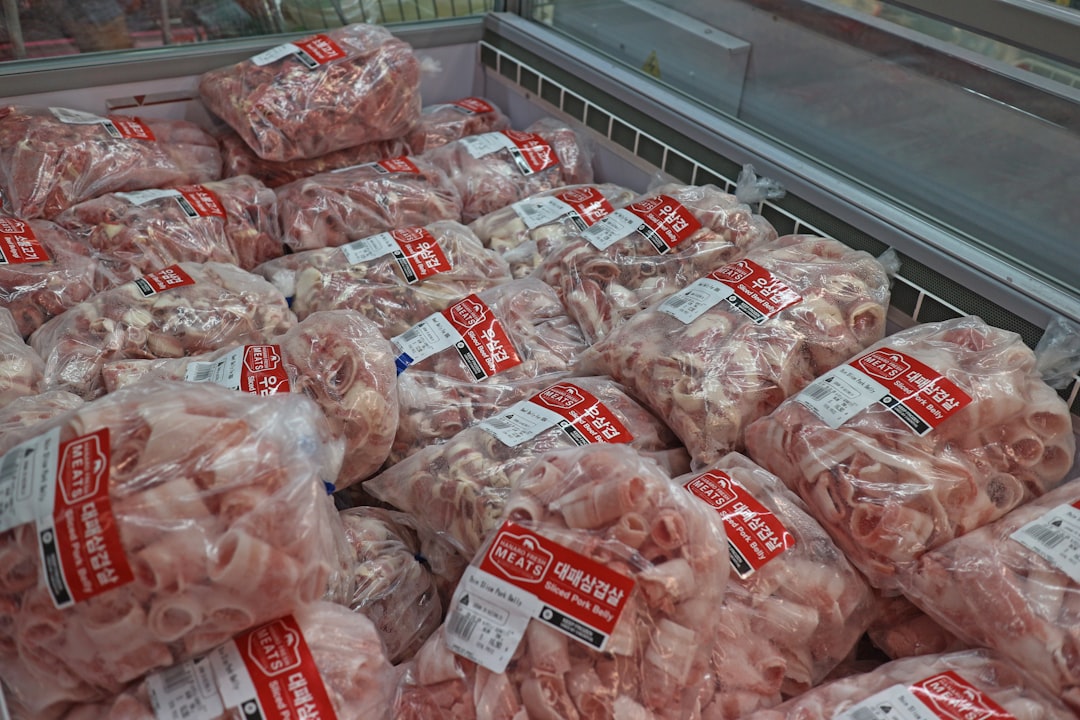
Large family-sized packages are frequently used to sell higher quantities of meat that is nearing the end of its acceptable retail window. By bundling aging product into bulk packs offered at a per-kilogram discount, supermarkets can move significant volume quickly while appearing to offer shoppers genuine savings. The sheer size of these packages can make individual date checking feel unnecessary to a shopper focused on the headline price. Portions at the center of a densely packed tray are also the most difficult to visually assess for color or texture changes. Dividing and freezing family packs immediately upon returning home is the safest approach if the date allows for adequate remaining time.
Seafood Display Beds

Fish and shellfish are frequently displayed on generously arranged beds of crushed ice in open counters, a presentation that signals premium freshness and careful handling. However, the ice display is maintained and replenished regardless of how long individual pieces have actually been sitting in the case. Some counters display the same fish for multiple days, simply refreshing the ice bed around it to maintain appearances. Whole fish should have bright clear eyes, firm flesh, and a clean oceanic smell rather than a strong fishy or ammonia-like odor. Always asking the counter staff when a specific piece arrived and requesting to smell it before purchase are entirely reasonable requests at any seafood counter.
Deli Meat Rotation
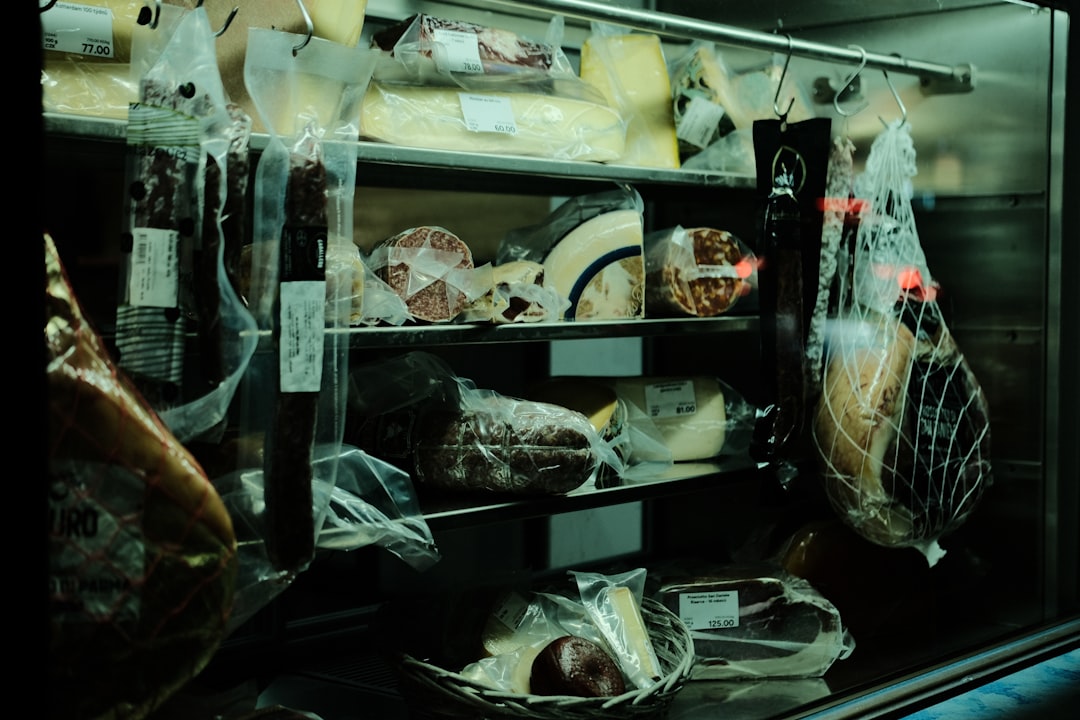
Sliced deli meats are particularly vulnerable to rapid spoilage due to their large surface area and the handling involved in preparation, yet displays are often managed to maximize visual appeal over transparency about age. Older slices are frequently layered beneath fresher-looking cuts at the front of display cases, making it difficult to assess the true condition of what you are actually receiving. Pre-packaged deli options can sit in refrigerated cases for extended periods due to preservatives and modified atmosphere packaging that maintain color without preserving peak quality. Requesting freshly sliced meat from a whole piece rather than accepting pre-portioned packages from the case significantly reduces the risk. Noting any sliminess, unusual sheen, or sour smell upon opening the package at home are reliable indicators that the product has turned.
Produce Misting

Automatic misting systems spray a fine water mist over fresh produce sections at regular intervals, keeping vegetables and fruits looking hydrated, firm, and visually appealing throughout the day. While misting genuinely helps some produce stay crisp, it also adds weight to items sold by the kilogram and can accelerate mold growth in products already beginning to deteriorate. Berries and leafy greens are particularly susceptible to mold development when repeatedly wet, yet these are among the most heavily misted items in most stores. The glistening appearance created by misting is strongly associated in the consumer mind with freshness, making critical assessment less likely. Checking the undersides of berry punnets and the inner leaves of greens for early mold is especially important when shopping in heavily misted produce sections.
Bakery Timing

In-store bakeries operate on precise schedules designed to ensure that the smell of fresh baking permeates the store during peak shopping hours, typically mid-morning and late afternoon. Product baked during these windows is displayed prominently as freshly made, while items from earlier in the day or the previous evening are repositioned rather than removed. Day-old bread and pastries are often placed in baskets or bins that suggest artisan character rather than age, sometimes without clear date information attached. Bread that is beginning to harden or dry is occasionally refreshed in a warm oven to restore a briefly convincing crust before being returned to the shelf. Checking the timestamp on bakery labels and pressing gently on wrapped loaves to test interior softness are reliable ways to assess how recently an item was actually baked.
Which of these supermarket tactics surprised you most? Share your experiences and thoughts in the comments.