Buying into a luxury neighborhood often feels like gaining access to an exclusive world of elegance, comfort, and prestige. But beneath the manicured lawns and grand facades, there are realities that rarely make it into the sales pitch. Real estate agents are skilled at highlighting the best a neighborhood has to offer while quietly glossing over details that might give buyers pause. Understanding what often goes unsaid can make the difference between a dream investment and a costly disappointment. Here are fifteen truths about luxury neighborhoods that agents tend to keep close to the vest.
HOA Restrictions
Homeowners associations in luxury communities often come with a level of control that surprises even seasoned buyers. Rules can dictate everything from the color of your front door to the type of plants allowed in your garden. Monthly or annual fees can run into thousands of dollars and are subject to increase without much notice. Special assessments for community improvements can add unexpected costs on top of regular dues. Many buyers only discover the full scope of these restrictions after signing on the dotted line.
Noise Pollution
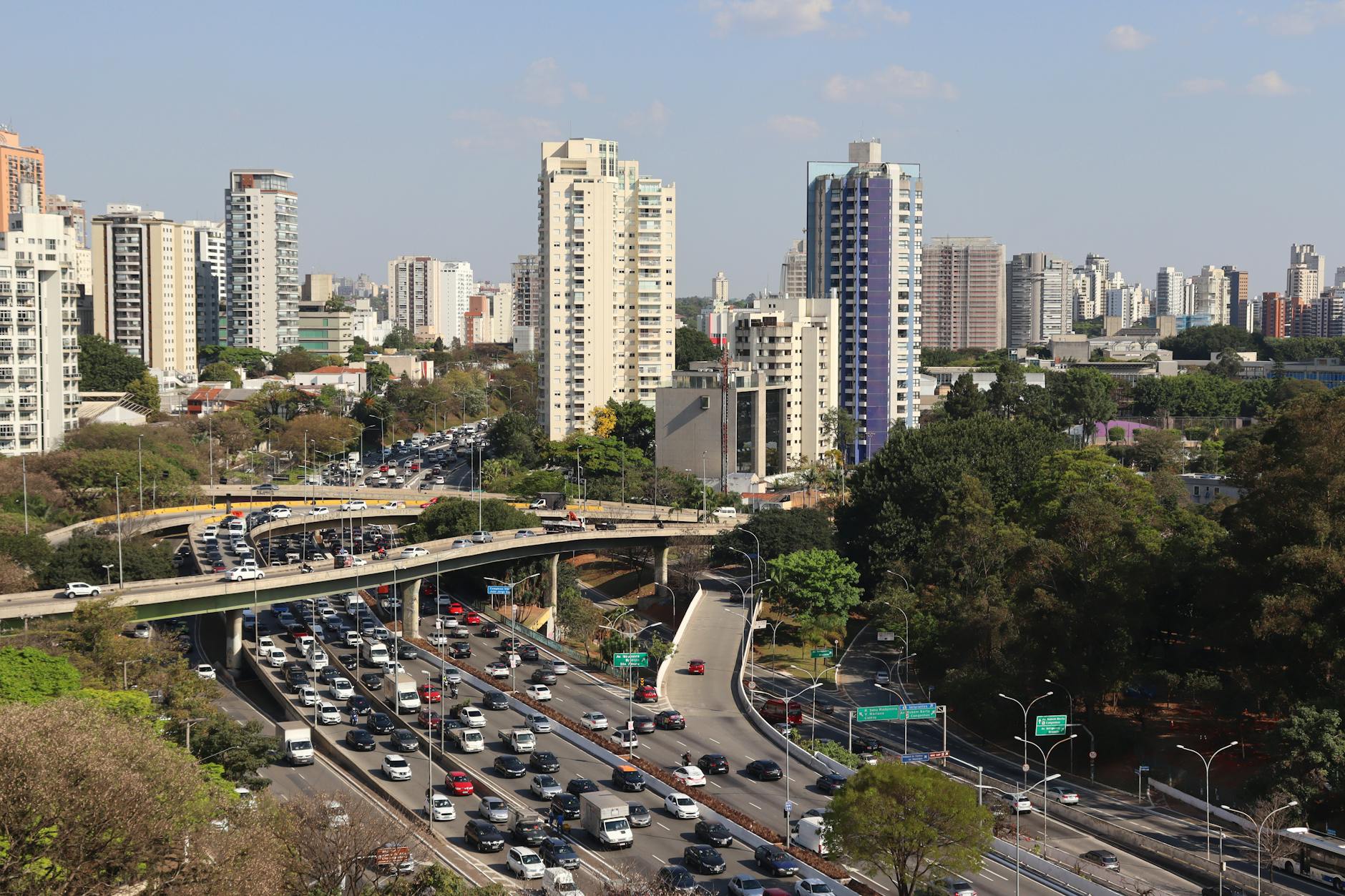
A luxury address does not automatically guarantee a peaceful environment. Properties near busy arterial roads, airports, or commercial districts can experience significant noise levels despite their premium price tags. Sound travels differently depending on topography, building materials, and seasonal vegetation, which means a quiet showing in winter can feel very different come summer. Agents rarely volunteer to schedule a second visit during peak traffic hours. A thorough noise assessment at different times of day is a step many buyers skip entirely.
Property Tax Surprises

Luxury properties come with property tax bills that can shock even well-prepared buyers. In many regions, reassessments triggered by a sale can dramatically increase what the previous owner was paying. Tax rates in premium zip codes are not always proportional to the services provided, and some municipalities levy additional levies for local improvement districts. Agents focused on closing a deal may downplay the long-term tax trajectory of a neighborhood. Independent research into the local tax authority’s history of reassessments is essential before committing.
Resale Difficulty
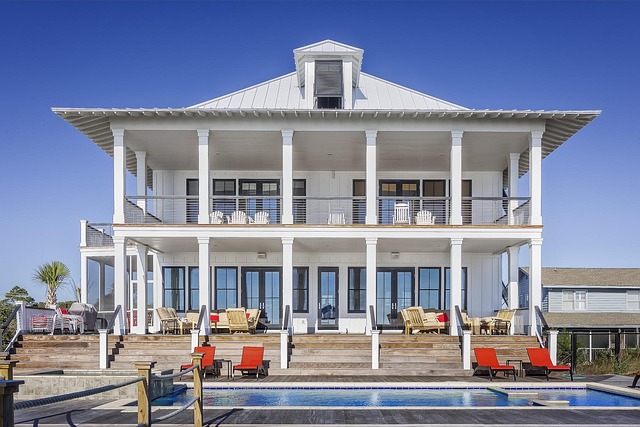
High-end properties occupy a much smaller buyer pool than mid-market homes, which can make resale a slow and uncertain process. The luxury market is particularly sensitive to economic downturns, and values can erode significantly during periods of financial instability. Unique architectural features or extremely personalized interiors that attracted the original buyer can actively deter future ones. Some luxury neighborhoods become oversaturated when multiple high-value listings compete simultaneously. Agents earning commission on the purchase have limited incentive to discuss the challenges of eventually selling.
Aging Infrastructure

Prestige neighborhoods are not immune to aging pipes, outdated electrical systems, or deteriorating roads beneath their polished surfaces. Older luxury enclaves, in particular, may have infrastructure that has not kept pace with the grandeur of the homes above ground. Municipal budgets do not always prioritize the maintenance of wealthy districts, especially when political attention flows toward underserved areas. Buyers captivated by period architecture may not think to commission a thorough infrastructure inspection. Problems discovered after purchase can result in repair costs that dwarf the original purchase premium.
Neighbor Turnover

Even in the most exclusive communities, neighbor turnover can quietly undermine the sense of stability and belonging that buyers expect. Luxury properties are frequently purchased as investment vehicles or secondary residences, meaning some homes sit empty for much of the year. A neighborhood that appears vibrant during a weekend open house may feel eerily quiet the rest of the time. The community spirit often associated with luxury living is far less guaranteed than the brochure implies. Agents rarely discuss how often homes in the area change hands or how many are occupied year-round.
School District Realities

The assumption that an expensive neighborhood automatically feeds into the best schools deserves careful scrutiny. District boundaries can be redrawn, and a property just inside a coveted zone today may not remain there in coming years. School quality also fluctuates with administrative changes, funding shifts, and demographic transitions that are impossible to predict at the time of purchase. Agents may mention a school’s historic reputation without addressing its current rankings or recent performance data. Families making location decisions based on education should independently verify zoning and conduct their own school research.
Short-Term Rental Neighbors
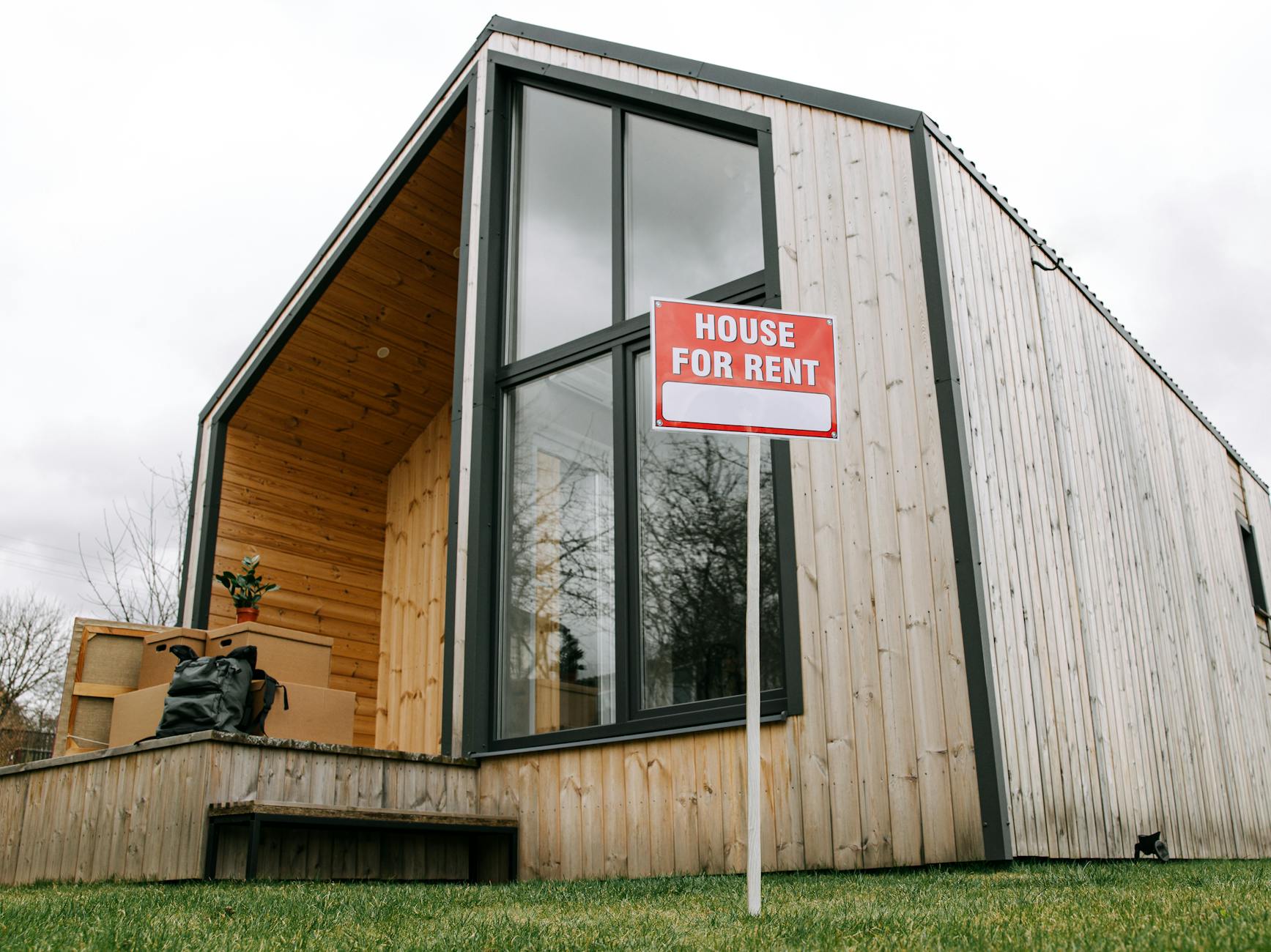
The rise of short-term rental platforms has introduced a new variable into even the most prestigious neighborhoods. A property next door or down the street may function as a rotating hotel, bringing a constant stream of strangers into what buyers assume is a private, stable community. HOA rules do not always prohibit short-term rentals, and local ordinances vary widely in how they regulate them. The presence of rental activity can affect both the atmosphere of a street and the long-term desirability of surrounding properties. Agents are unlikely to flag this issue unless a buyer asks directly.
Hidden Flood Risk
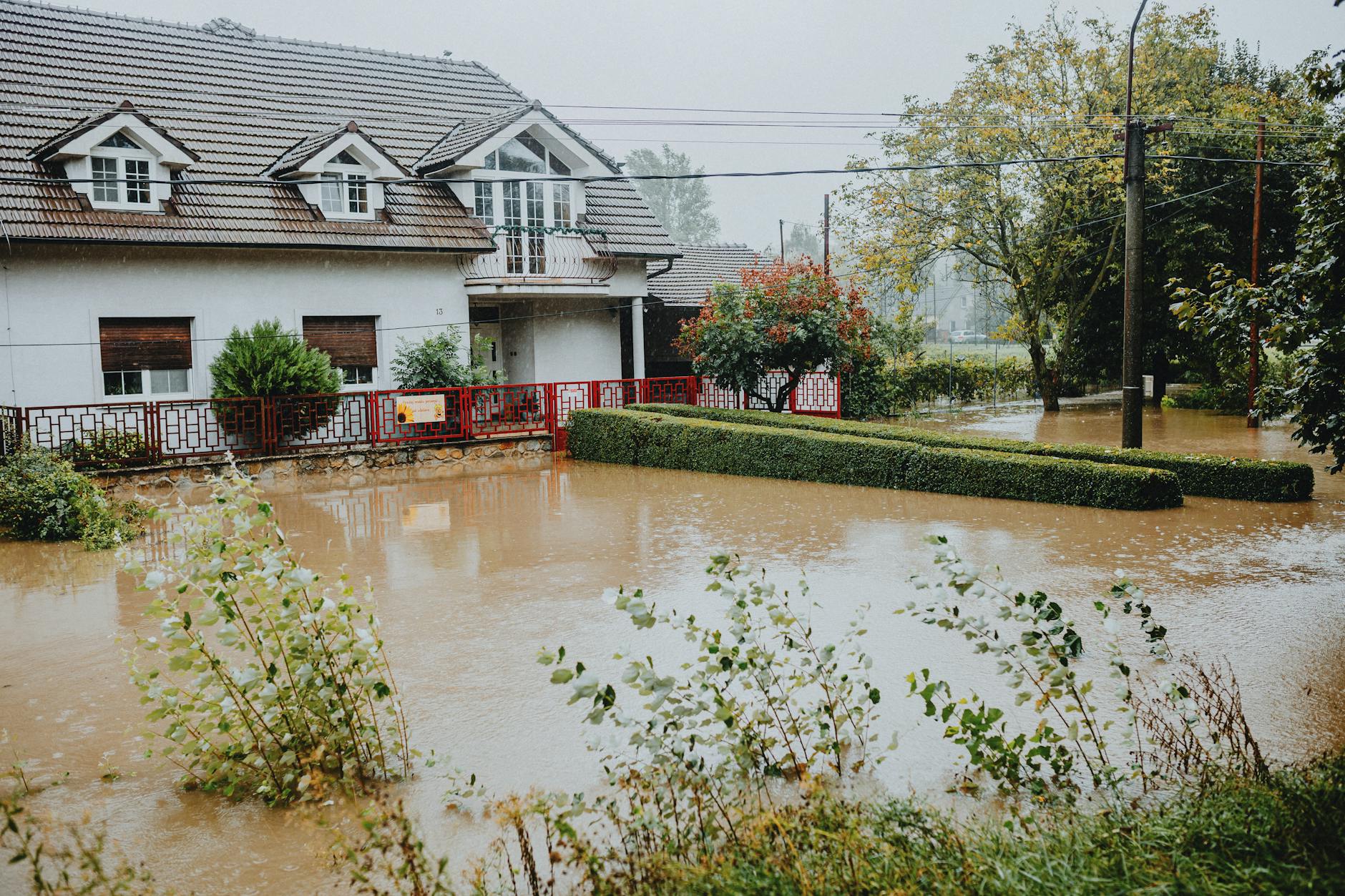
Premium location does not equal safety from environmental risk, and flood zones can encompass surprisingly upscale addresses. Waterfront properties and homes in low-lying valleys may carry flood insurance requirements that add substantially to annual ownership costs. Climate shifts are expanding flood-prone areas beyond their historic boundaries, affecting neighborhoods that have never previously experienced significant water damage. Sellers and their agents are not always forthcoming about past flooding events or the property’s designation on current flood maps. Buyers should obtain an independent flood zone determination before finalizing any purchase.
Construction Disruption

Even established luxury neighborhoods are rarely finished evolving, and nearby development can drastically alter the living experience. A vacant lot adjacent to a dream home may be earmarked for a high-rise, a commercial property, or a density infill project that fundamentally changes the street’s character. Agents are not always aware of planned developments, and even when they are, disclosure requirements vary by jurisdiction. Construction noise, dust, and increased traffic can persist for years during large-scale nearby projects. Reviewing local planning applications and zoning maps before purchasing is a step that protects buyers from unwelcome surprises.
Maintenance Costs
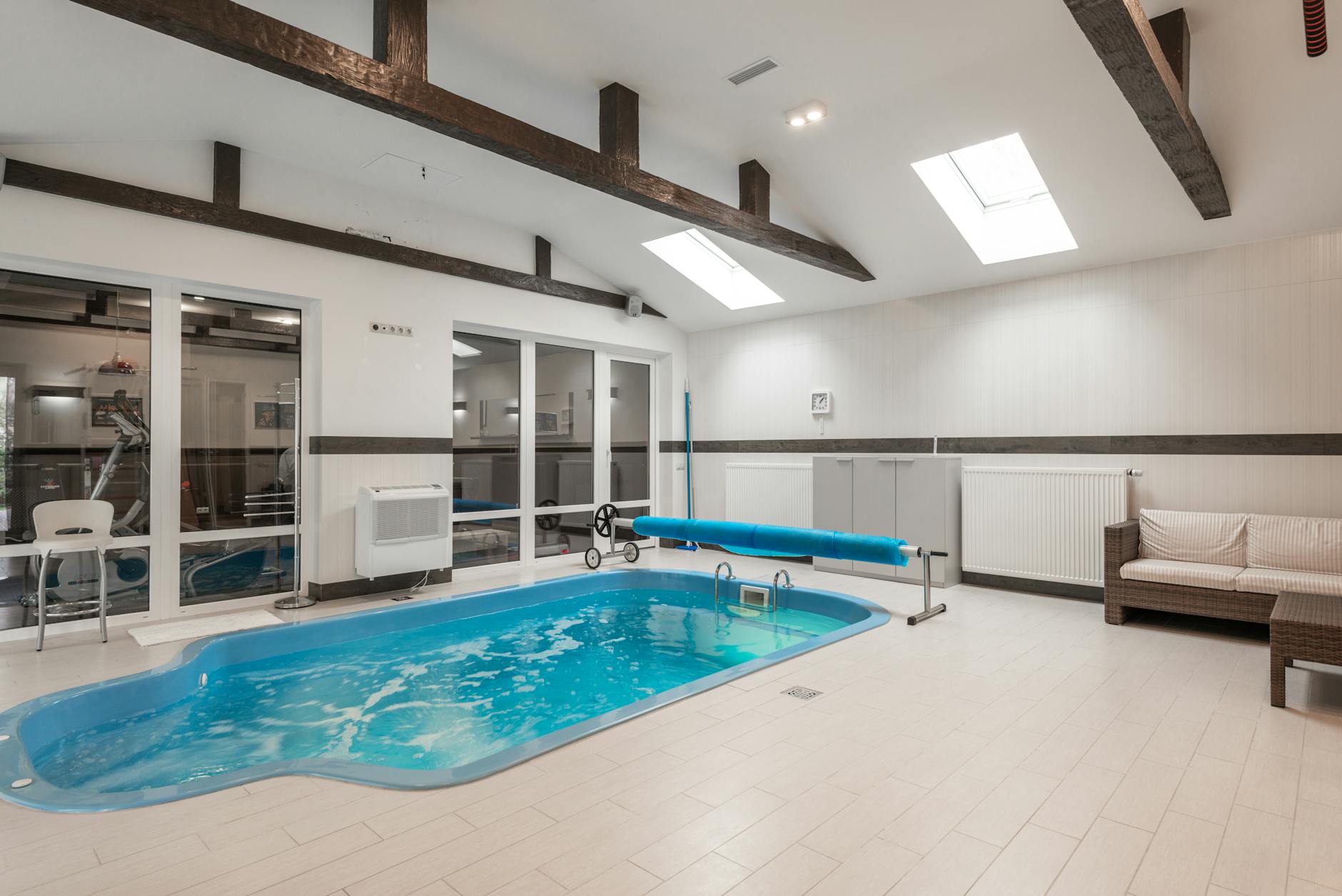
The ongoing cost of maintaining a luxury home can rival the annual mortgage in ways that first-time high-end buyers rarely anticipate. Larger square footage means higher utility bills, more extensive landscaping contracts, and greater exposure to repair needs across multiple systems simultaneously. Premium finishes and custom architectural details require specialist tradespeople who charge accordingly. Pool maintenance, smart home system upkeep, and security monitoring add further recurring expenses. Agents presenting the glamour of a property have little incentive to walk through the full cost of ownership in granular detail.
Gated Community Illusions

The presence of a gate or security checkpoint creates a powerful impression of safety and exclusivity that does not always reflect statistical reality. Many gated communities use minimal staffing or rely entirely on automated entry systems that offer limited deterrence to determined intruders. Residents often become complacent about basic security practices under the false assumption that the gate handles everything. Insurance premiums are not always lower within gated communities despite the perception of reduced risk. The gate functions primarily as a marketing asset rather than a meaningful security infrastructure in a significant number of developments.
Environmental Liabilities
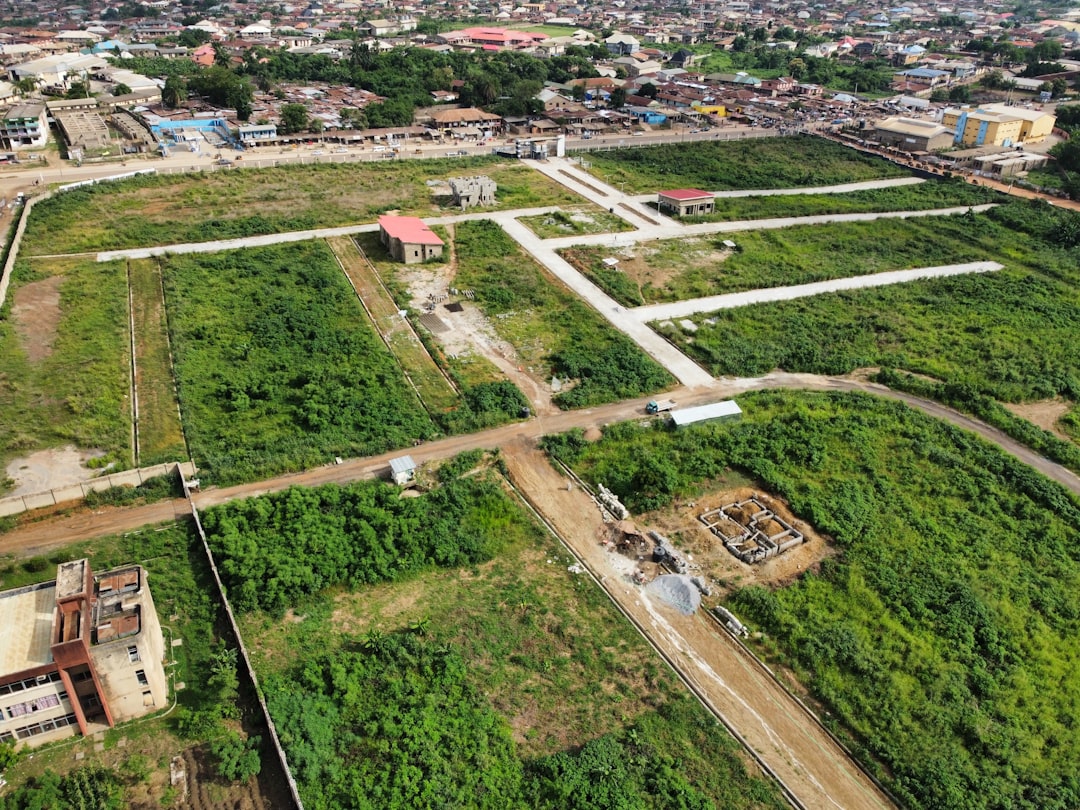
Luxury neighborhoods developed on former industrial land or in environmentally sensitive areas may carry hidden contamination histories. Soil and groundwater issues from decades-old industrial activity do not disappear simply because an upscale development has been built over them. Environmental remediation is expensive and can take years, during which property values in the affected area can stagnate or decline. Not every agent will proactively disclose a site’s environmental history, particularly if it falls outside mandatory disclosure requirements. An independent environmental assessment is a prudent investment for any high-value property purchase.
Social Clique Dynamics

The social landscape of a luxury neighborhood can be just as consequential as its physical features, yet it is never part of an official sales presentation. Long-established communities sometimes have entrenched social hierarchies that make integration genuinely difficult for newcomers. Residents may have expectations around club memberships, charity involvement, or social participation that are never explicitly stated but culturally enforced. Buyers relocating from different cities or backgrounds may find the adjustment to local social norms more challenging than anticipated. Visiting a neighborhood at multiple times and speaking informally with existing residents offers more candid insight than any agent ever will.
Appreciation Uncertainty
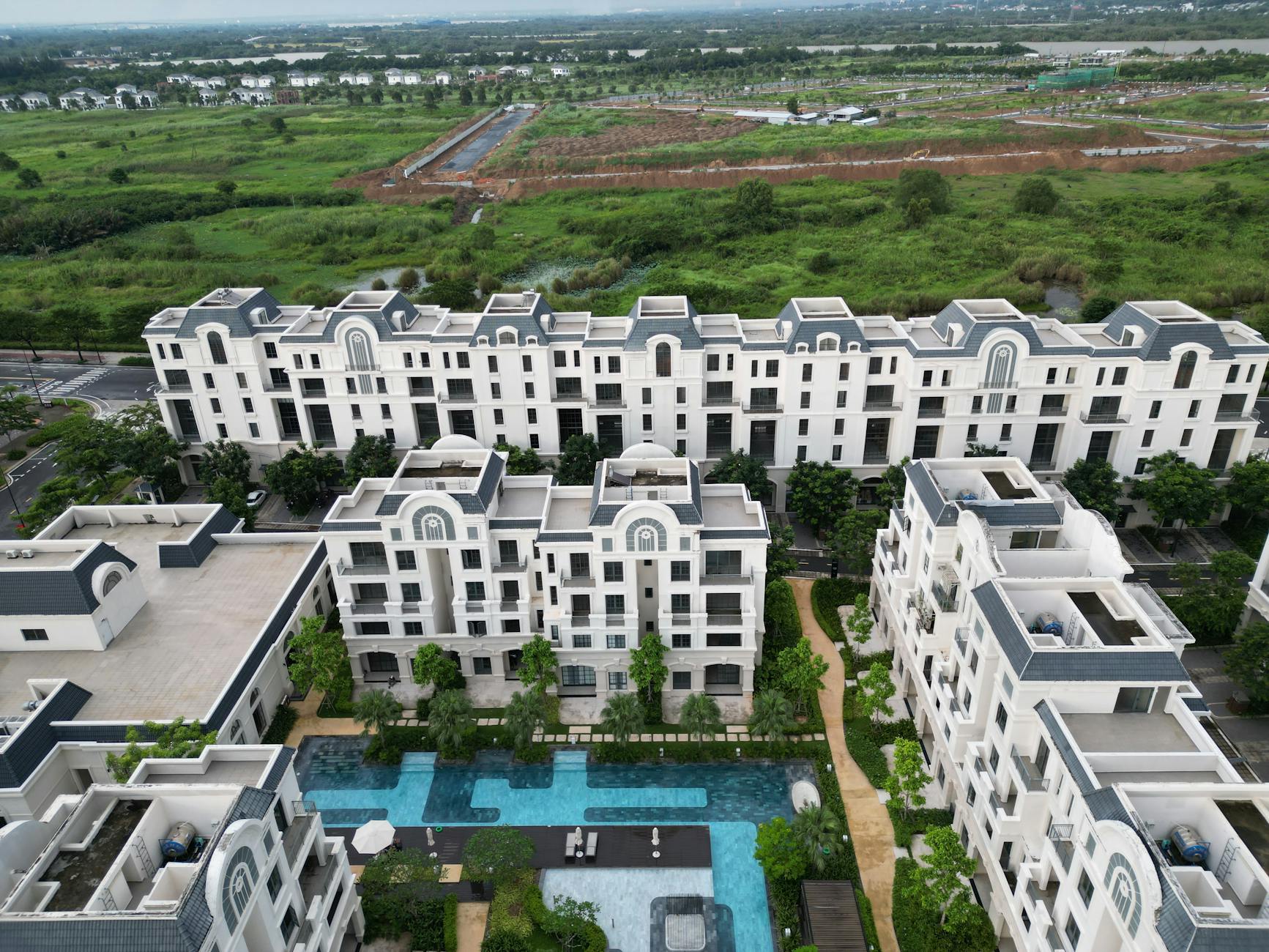
The assumption that luxury real estate always appreciates is one of the most persistent myths in high-end property buying. Certain ultra-premium markets have experienced extended flat periods or outright declines when economic conditions shift or when oversupply enters the market. Geographic desirability can also change as new developments, demographic shifts, or infrastructure changes alter the appeal of a particular address. Properties at the very top of a local price range have the smallest comparable sales pool, making accurate valuation and appreciation forecasting genuinely difficult. Treating any luxury purchase as a guaranteed investment rather than a lifestyle decision is a perspective that real estate agents rarely challenge.
What truth about luxury neighborhoods surprised you most? Share your thoughts in the comments.