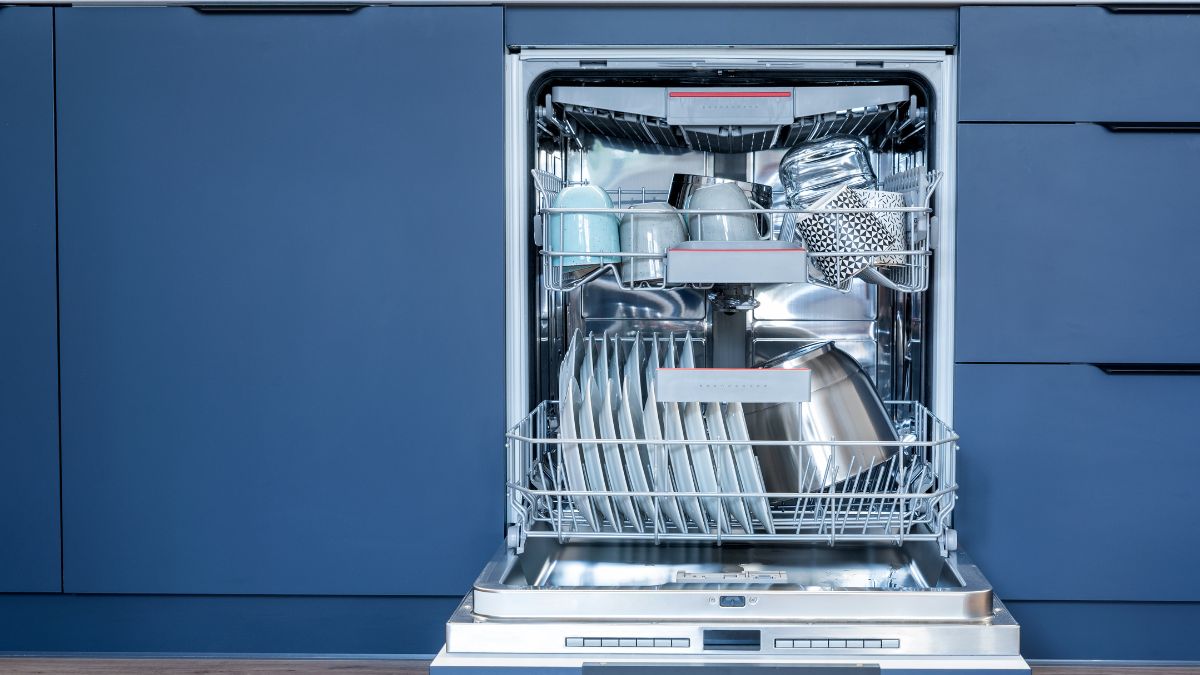
Your dishwasher is one of the most underused cleaning tools in the home, capable of sanitizing far more than just plates and glasses. With the right settings and a little know-how, this everyday appliance can save hours of scrubbing and deliver surprisingly thorough results. From household accessories to outdoor gear, the items that benefit from a dishwasher cycle might completely change how you think about cleaning. Here are twenty unexpected things you can toss in on your next wash.
Baseball Caps
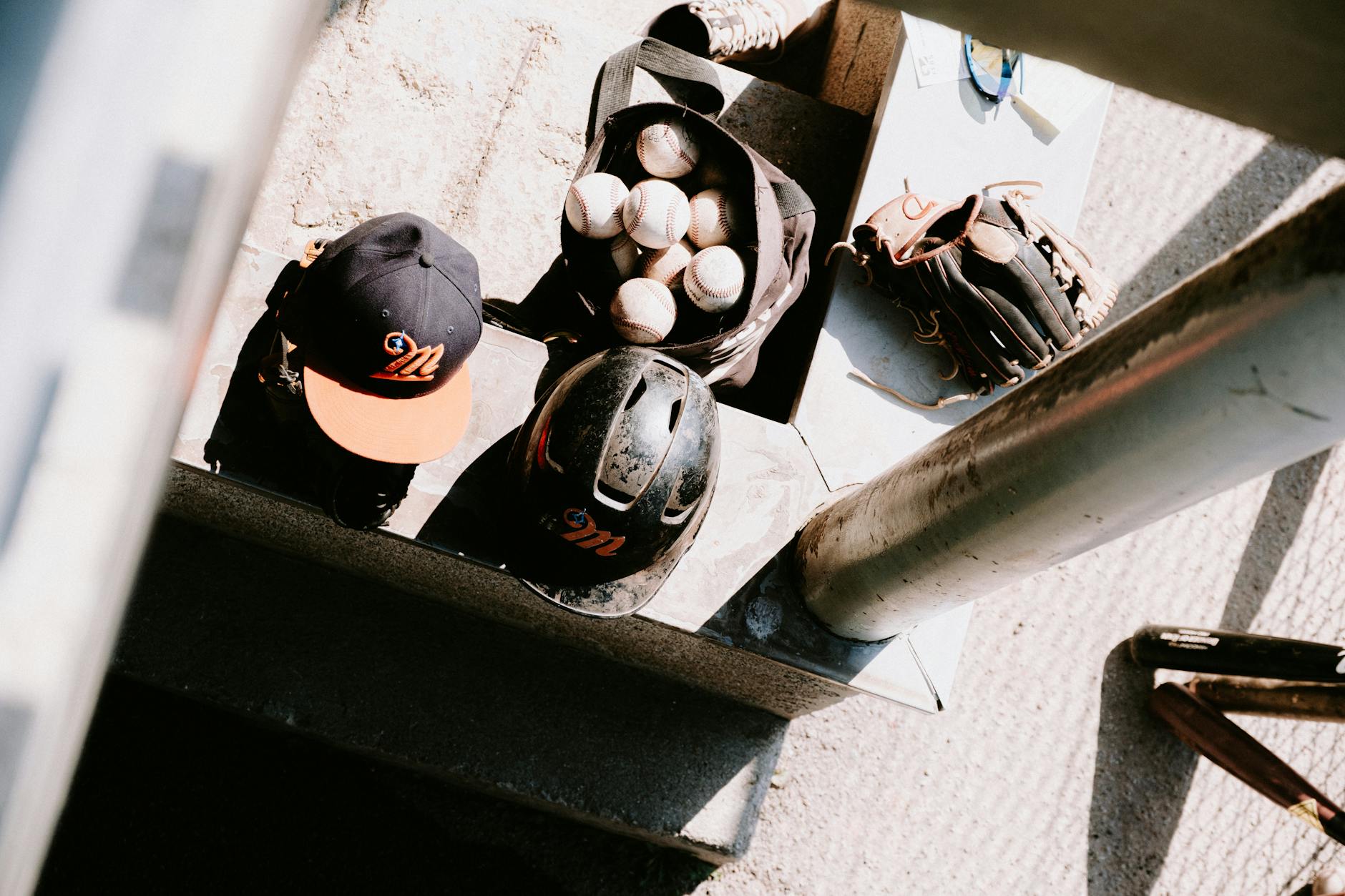
Baseball caps are notoriously difficult to clean by hand without losing their shape or leaving soap residue behind. Placing them on the top rack of the dishwasher allows hot water and detergent to reach every fiber evenly. A gentle or low-heat cycle works best to protect the brim and any embroidered details. Skip the heated dry setting and allow the cap to air dry on a rounded surface to maintain its original form. This method works well for cotton and polyester blends but should be avoided for wool or vintage caps with cardboard brims.
Silicone Oven Mitts
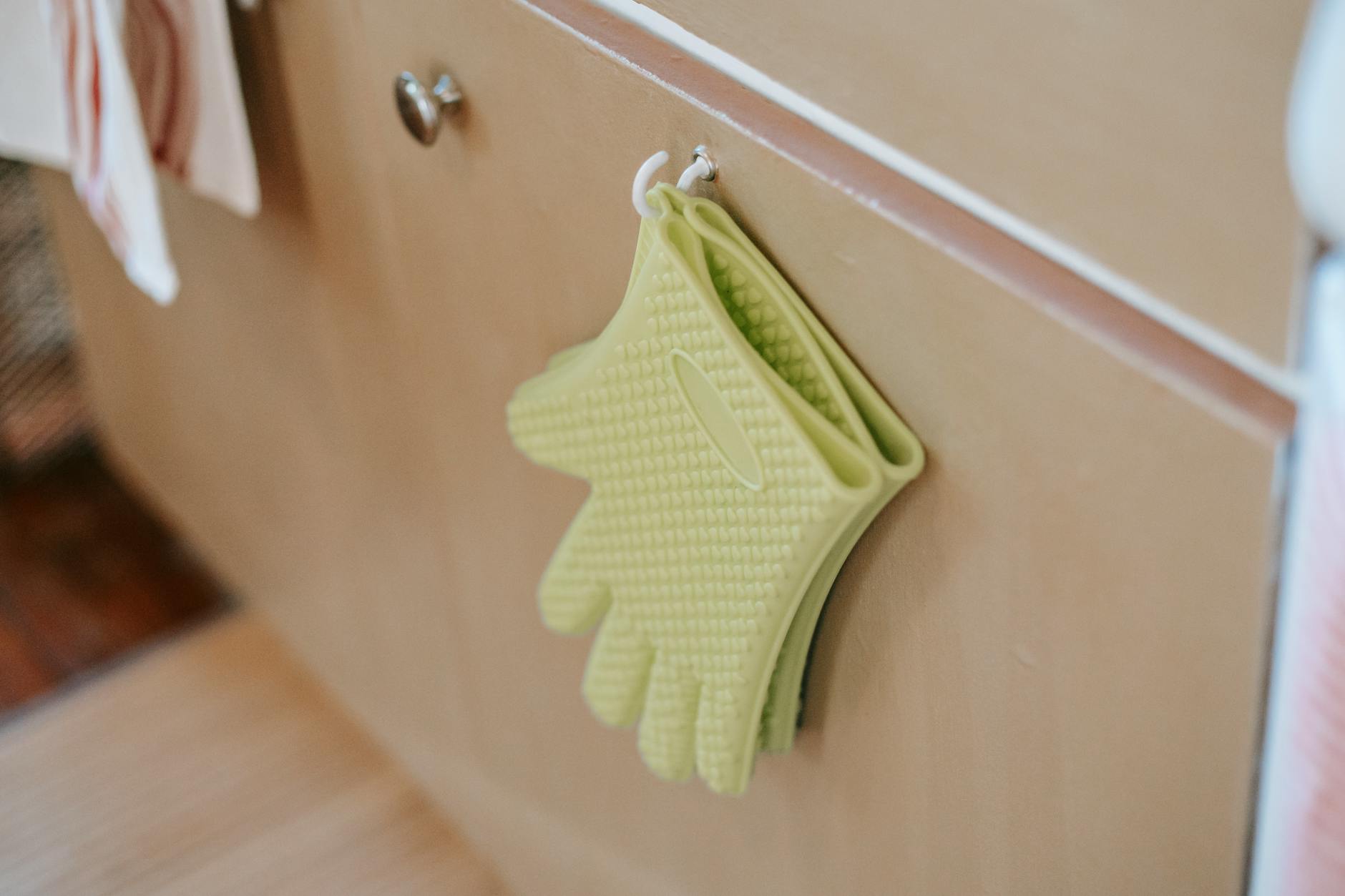
Silicone oven mitts accumulate grease, food splatter, and general kitchen grime that is surprisingly hard to remove by hand. The dishwasher handles all of this with ease, reaching into the textured ridges that trap residue. Place them securely on the top rack to prevent them from flipping over during the wash cycle. A standard hot water setting is perfectly safe for food-grade silicone and will not warp or degrade the material. They come out sanitized and looking nearly new after just one cycle.
Refrigerator Shelves
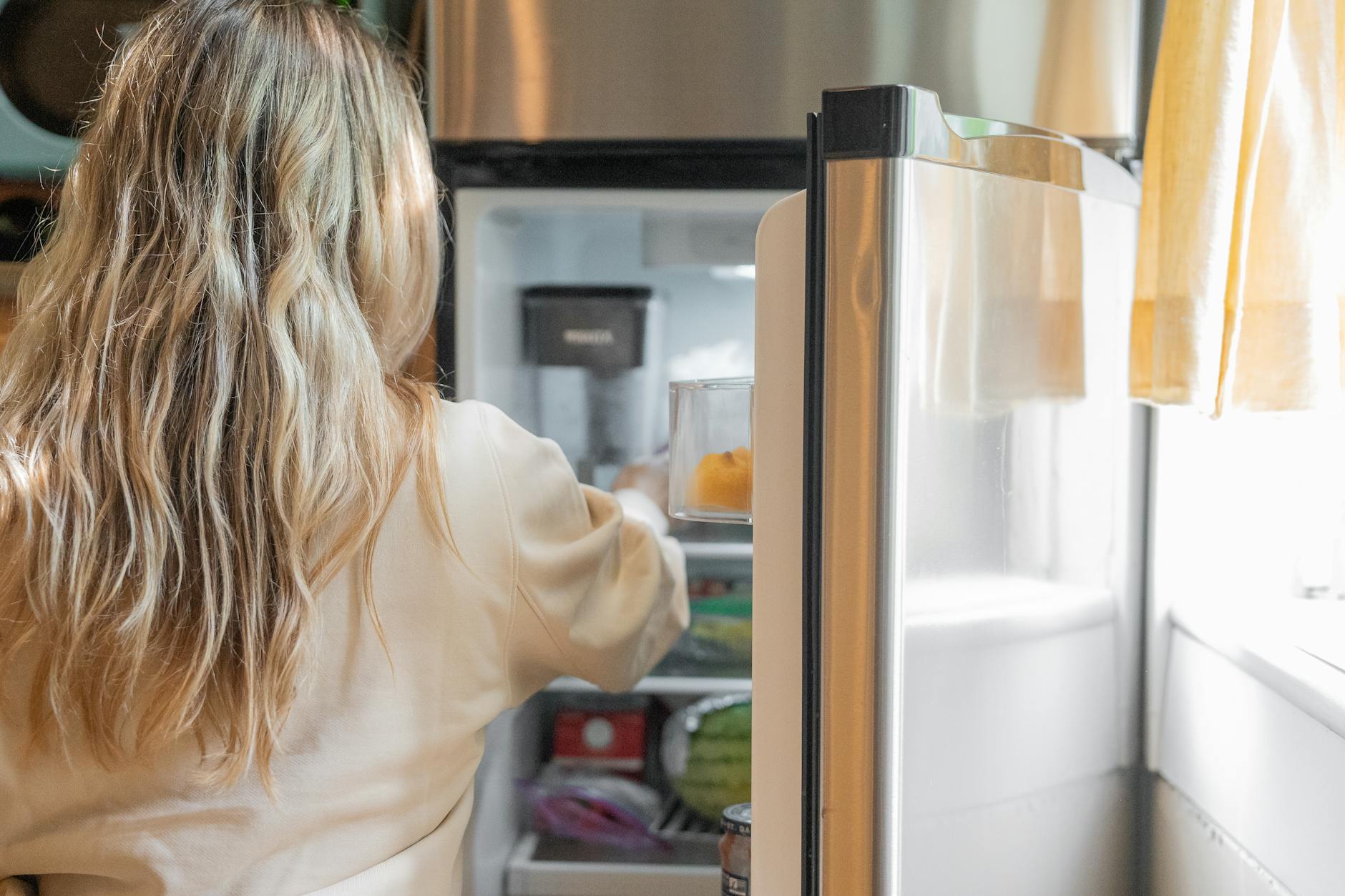
Glass and plastic refrigerator shelves are awkward to clean in the sink and often require soaking to loosen dried spills. The dishwasher accommodates most standard shelf sizes on the bottom rack and does a thorough job removing sticky residue. Allow glass shelves to reach room temperature before placing them in the machine to prevent thermal shock from cracking them. A normal wash cycle with regular detergent is all that is needed for a deep clean. This is one of the most efficient ways to refresh the interior of your fridge during a monthly clean-out.
Plastic Hair Brushes
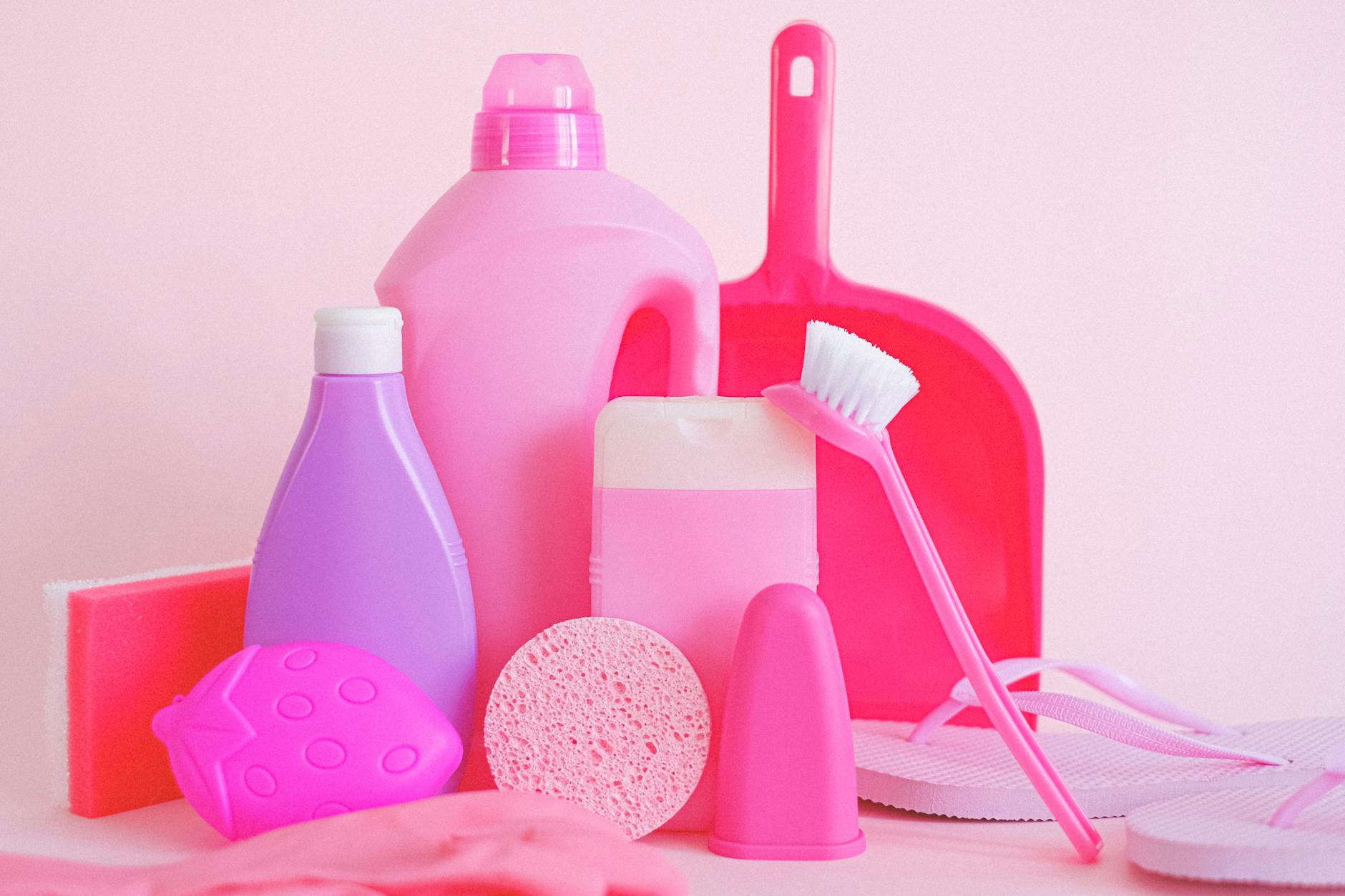
Product buildup, oil, and dust collect in hair brushes over time and are difficult to remove with just a rinse. Placing plastic-handled brushes on the top rack allows the hot water jets to flush through the bristles thoroughly. Remove any trapped hair beforehand and check that the handle is fully plastic with no rubber grip or wooden elements. A gentle cycle with a small amount of dishwasher detergent is enough to dissolve buildup effectively. Brushes come out noticeably cleaner and ready to use once fully air dried.
Flip Flops
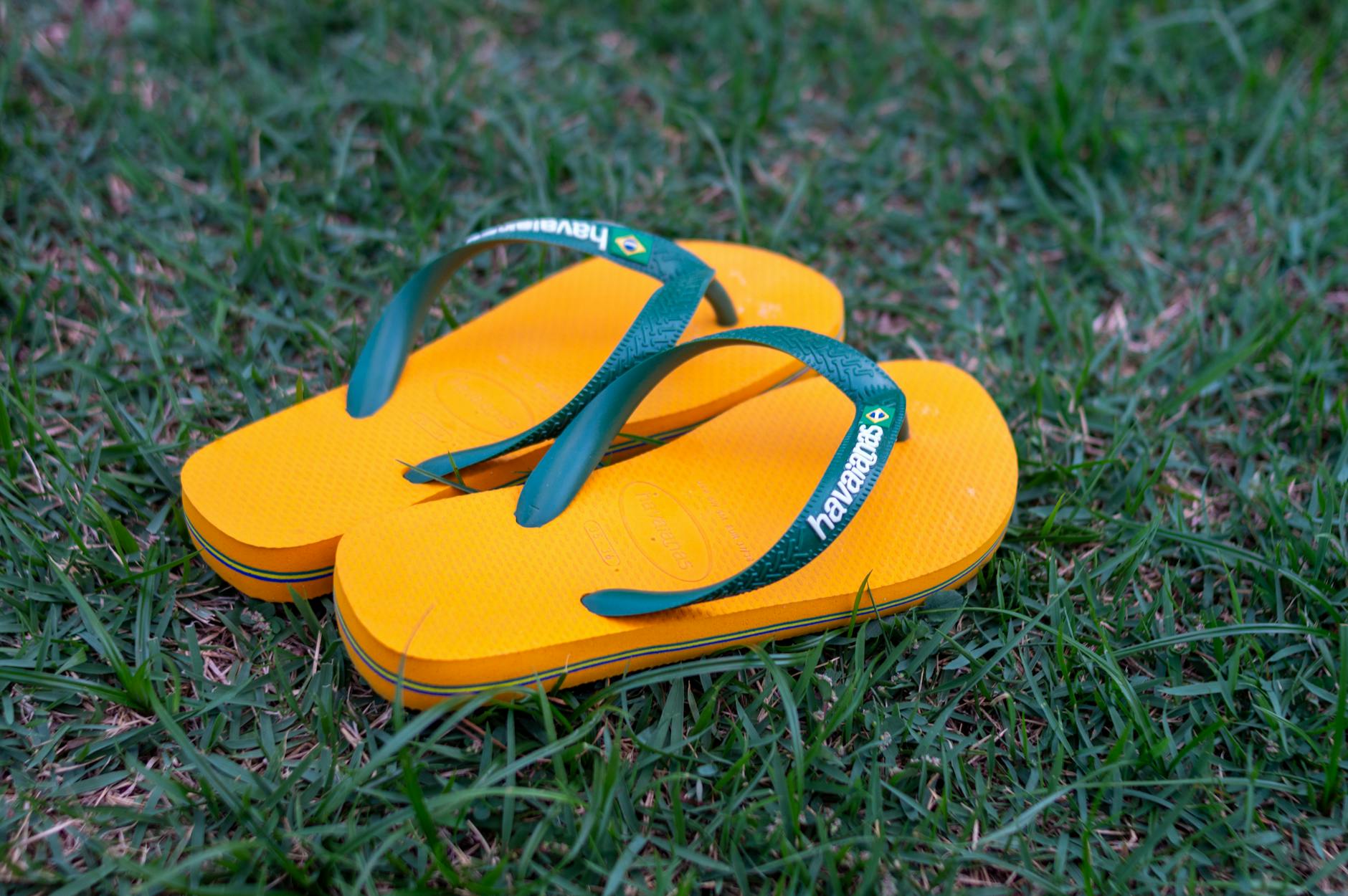
Rubber and plastic flip flops track in all manner of outdoor dirt and bacteria that a quick rinse rarely addresses. The dishwasher provides a proper hot wash that sanitizes the footbed and straps in one pass. Place them on the top rack and secure them so they do not move around and block the spray arms. Skip any heated dry cycle as prolonged heat can cause rubber to warp or harden over time. This is an especially useful trick after beach trips or pool days when sandals are particularly grimy.
Vent Covers
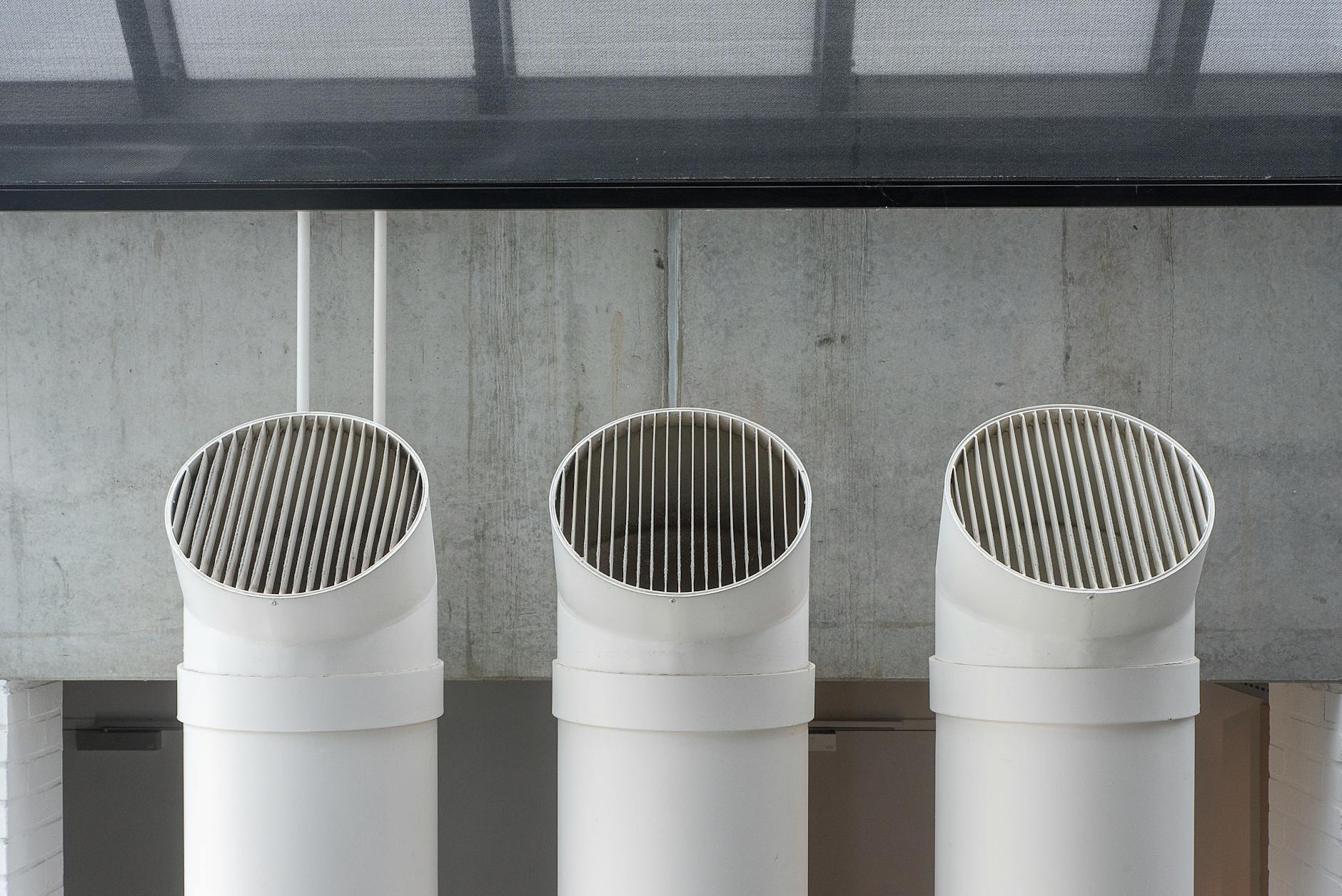
Dusty air vent covers are one of the most overlooked surfaces in any home and rarely receive a thorough cleaning. Removing them from the wall and running them through the dishwasher eliminates dust, pet dander, and built-up grime effortlessly. Most standard metal and plastic vent covers fit easily on the bottom rack without any adjustment. A hot wash cycle blasts away what a cloth wipe can barely touch, reaching into every slat. Once dry, they can be reinstalled looking significantly cleaner and functioning better for airflow.
Toothbrush Holders
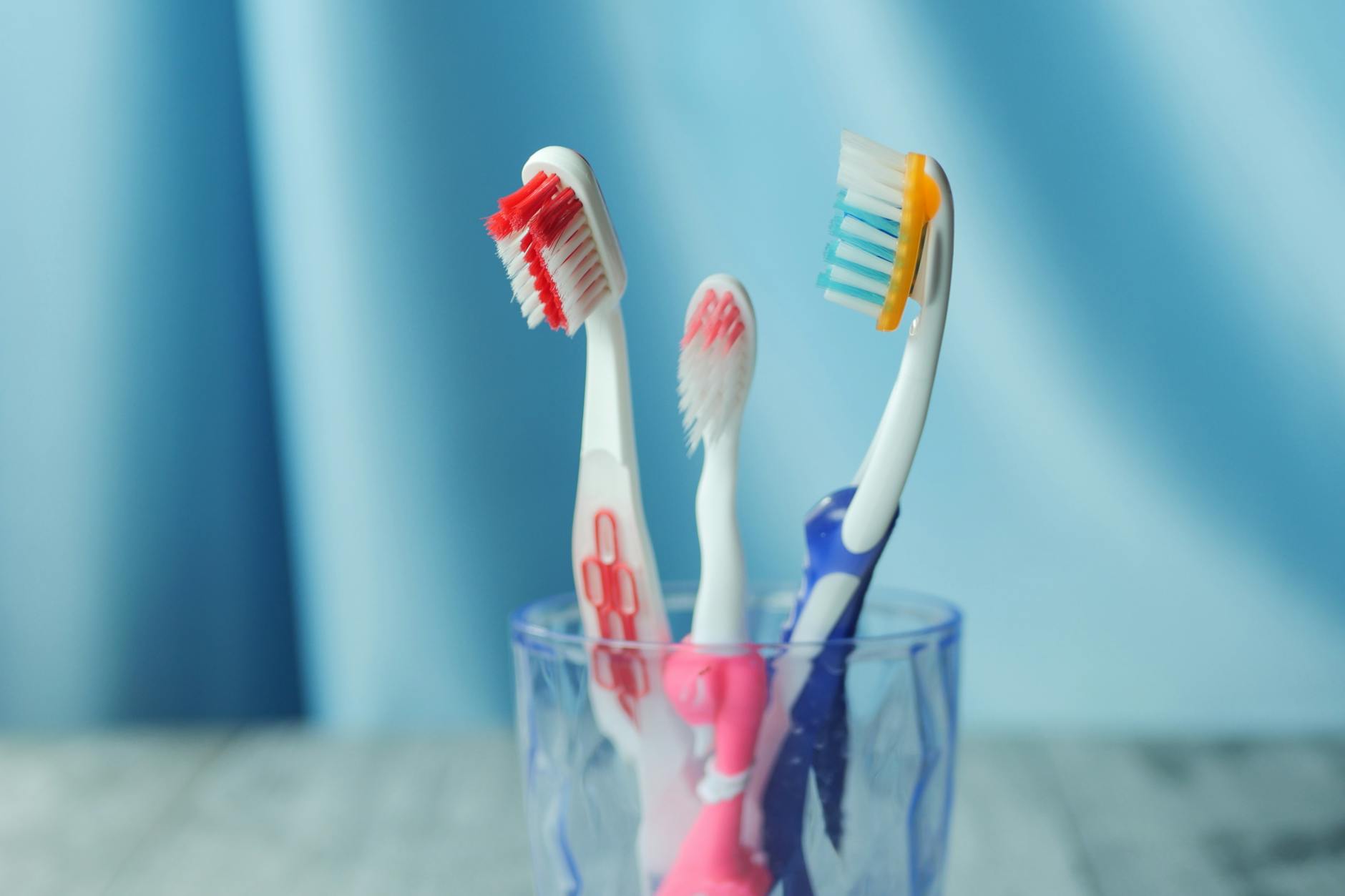
Toothbrush holders sit on bathroom counters collecting moisture, toothpaste drips, and bacteria every single day. Many ceramic, glass, and hard plastic holders are dishwasher safe and benefit enormously from a regular hot wash. Place them on the top rack and run a standard cycle to eliminate the grimy film that builds up inside the holes. This is a far more effective method than swabbing with a cotton bud, which rarely reaches deep enough. Cleaning the holder regularly also contributes to better overall bathroom hygiene.
Garden Trowels
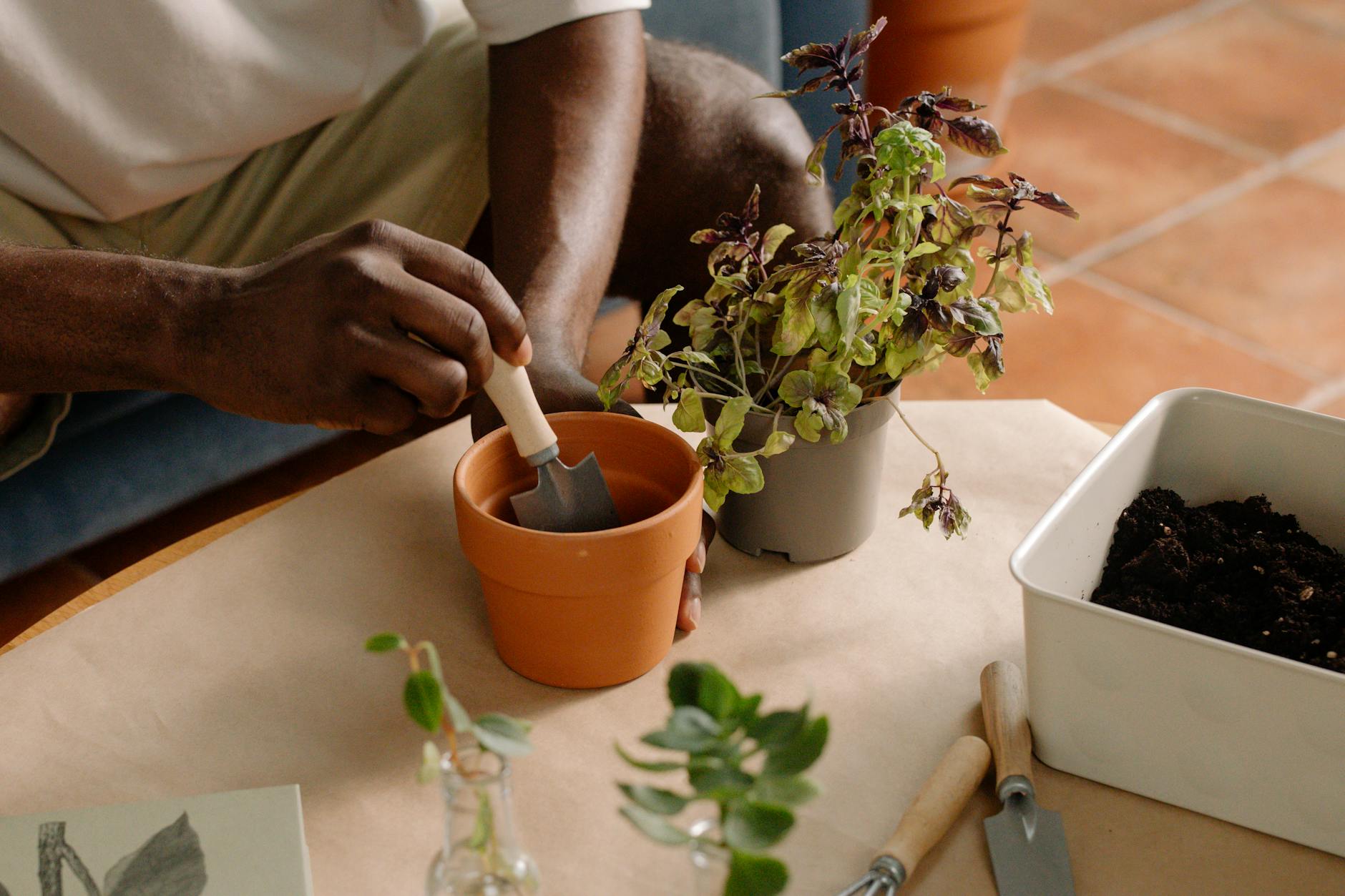
Small gardening tools like trowels are usually rinsed half-heartedly and left to dry with soil still packed into the joints. Running them through the dishwasher loosens caked-on dirt and removes organic matter that promotes rust and bacterial growth. Place metal trowels on the bottom rack and skip the heated dry to prevent any handle glue from loosening. A hot cycle with standard detergent handles even dried clay soil with minimal effort. Finishing with a light coat of linseed oil on wooden handles after drying keeps them in good condition.
Sponge Holders
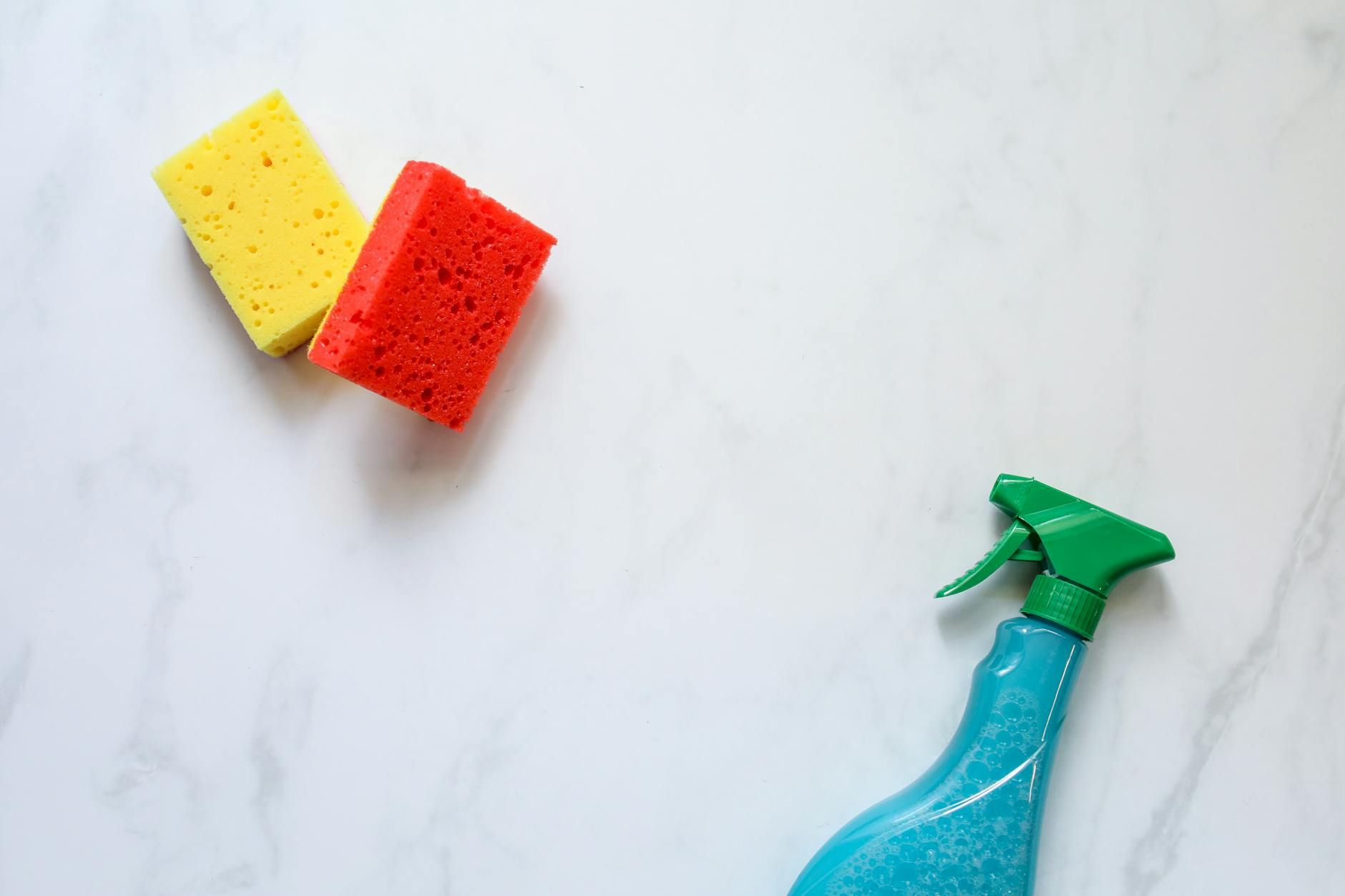
The dish sponge holder sits in one of the dampest spots in the kitchen and quickly becomes a breeding ground for mold and residue. Ceramic and plastic holders can be placed directly on the top rack alongside a regular load of dishes. A hot cycle with standard detergent effectively sanitizes the surface and removes the discoloration that accumulates over time. This should be done at least once a week for households that keep a wet sponge nearby at all times. It is a simple habit that makes a noticeable difference in overall kitchen cleanliness.
Lego Bricks

Plastic building bricks collect dust, sticky residue, and general handling grime especially in homes with young children. Placing them in a mesh laundry bag or a sealed colander on the top rack keeps small pieces contained throughout the cycle. A gentle cold or warm wash is recommended as high heat can warp or discolor certain plastic types. Avoid using heated drying and instead spread the pieces on a clean towel afterward. This is an efficient way to refresh a large collection without spending hours scrubbing individual bricks.
Pet Toys

Hard rubber and plastic pet toys harbor saliva, dirt, and bacteria that accumulate quickly with daily use. Most solid rubber chew toys and hard plastic fetch toys are completely dishwasher safe on the top rack. Use a fragrance-free dishwasher detergent to avoid leaving any chemical residue that could irritate a pet’s mouth. Skip the heated dry function and allow toys to air dry completely before returning them to your pet. Cleaning pet toys regularly is an important part of maintaining hygiene for both animals and the humans who handle them.
Light Switch Plates
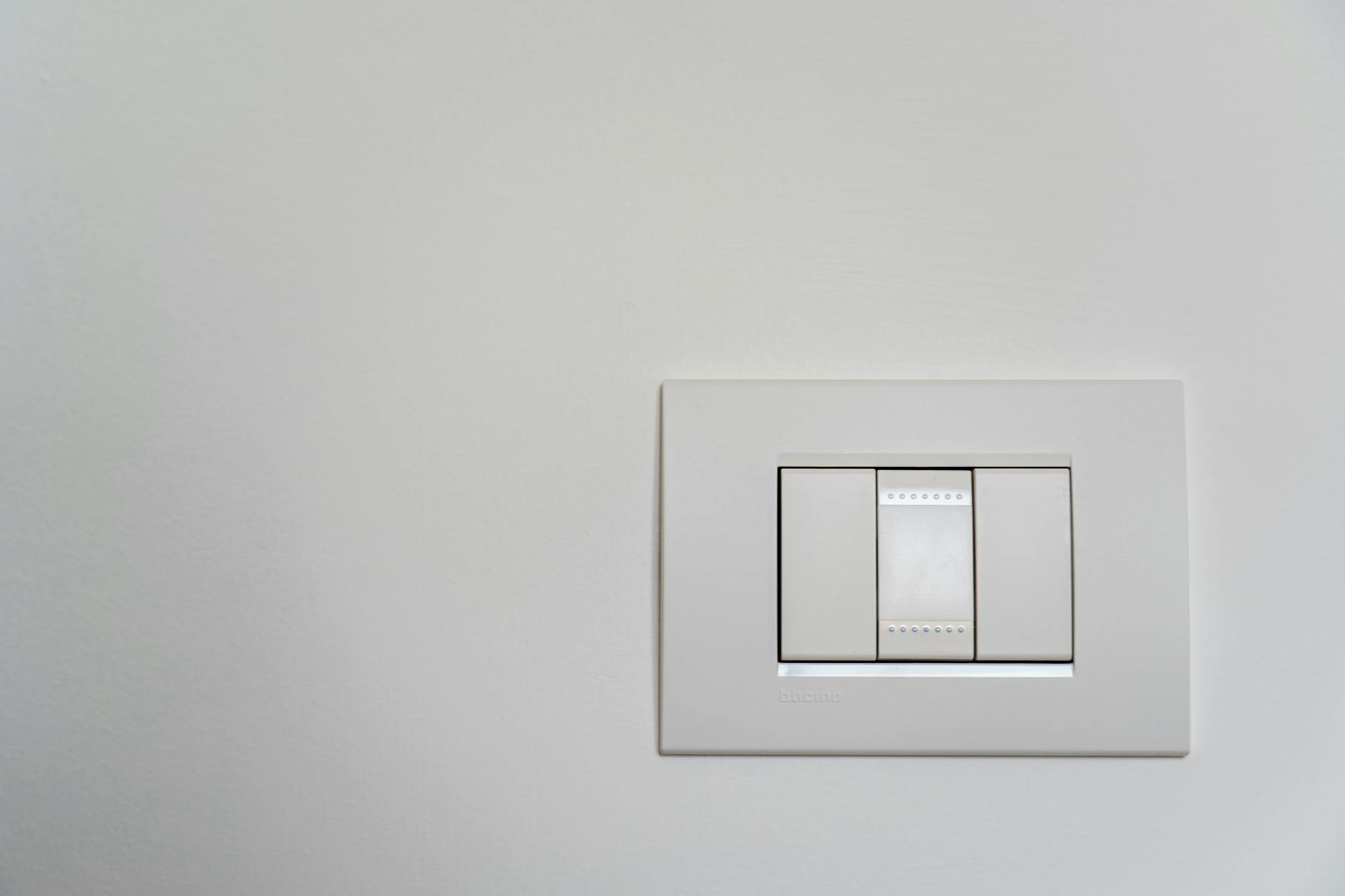
Plastic and metal light switch plates are touched dozens of times a day and rarely wiped down during routine cleaning. Removing them and placing them in the cutlery basket or on the top rack allows the dishwasher to sanitize every surface. A standard hot cycle removes fingerprints, grease transfer, and the general grime that makes switch plates look dingy over time. Ensure all plates are fully dry before reinstalling them over the electrical components. This is a quick and easy step to incorporate into any deep-cleaning session.
Silicone Molds
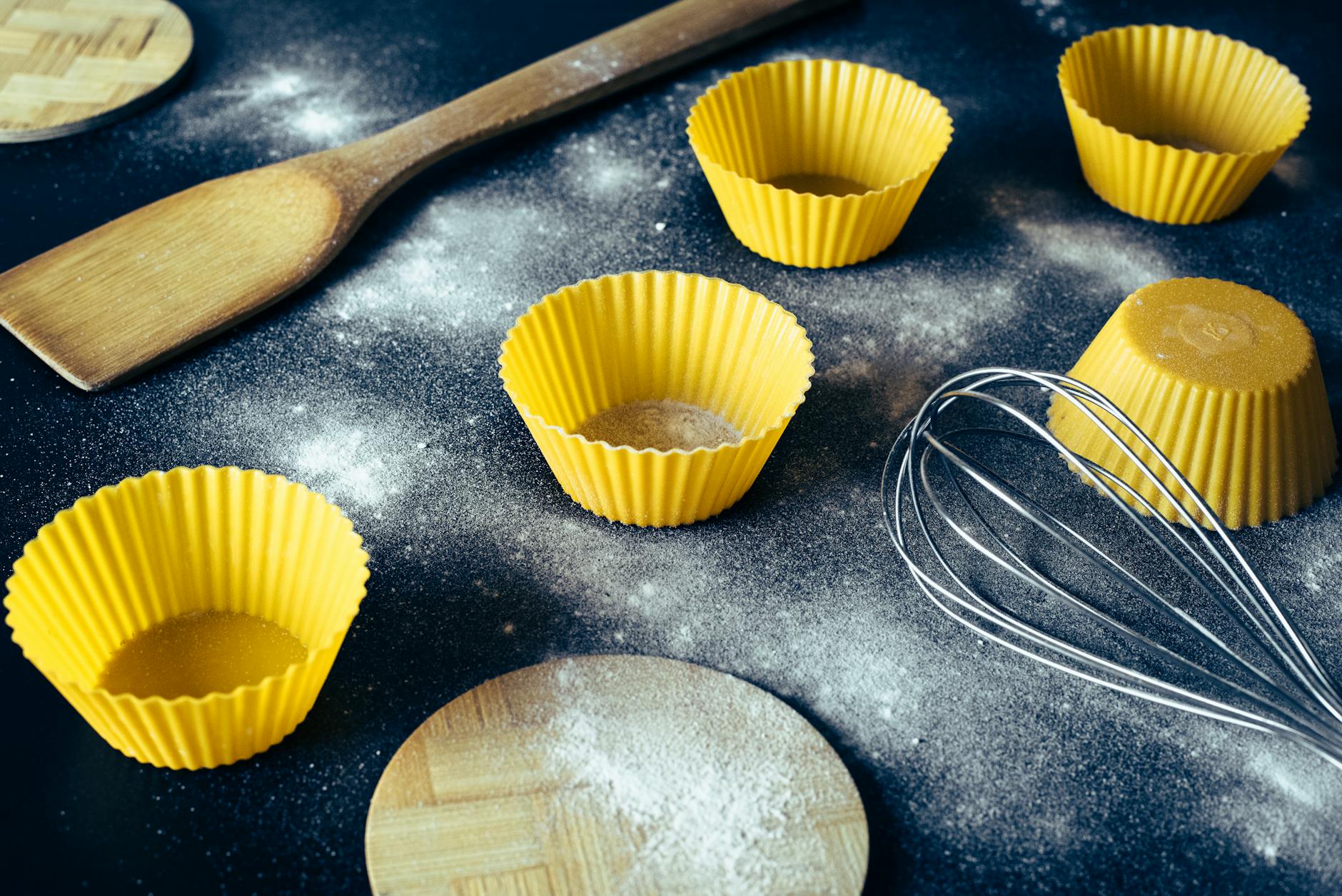
Baking and ice molds made from food-grade silicone are perfectly suited to dishwasher cleaning and benefit from the hot sanitizing rinse. Residue from chocolate, gelatin, and baked goods can cling stubbornly to silicone and is difficult to remove fully by hand. Placing molds on the top rack in an upright or open position allows water to reach every cavity. A normal cycle is sufficient and will not damage the flexibility or food-safe properties of the material. Molds emerge completely clean and ready for immediate use without any lingering odors.
Keyboards
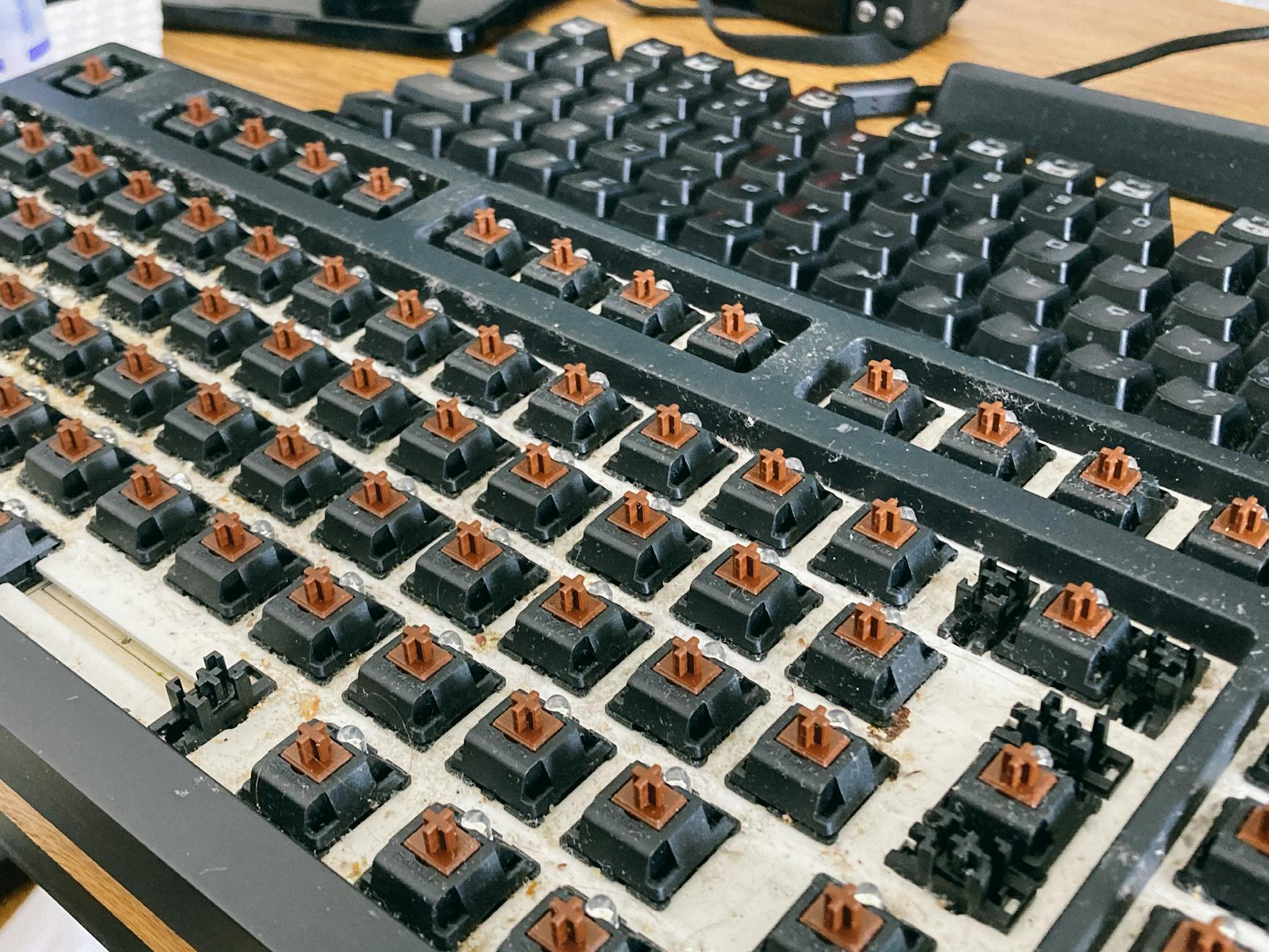
Detachable mechanical keyboards and certain older plastic keyboard styles can be cleaned in the dishwasher when done carefully. The keys and housing collect crumbs, oil from fingertips, and dust that compressed air alone cannot fully address. Remove any electronic components entirely beforehand as only the plastic key caps and non-electronic casings should ever enter the machine. Use the top rack on a cold gentle cycle with no detergent to avoid leaving a residue on the keys. Drying time must be thorough and complete before reassembly to prevent any moisture damage.
Stove Knobs
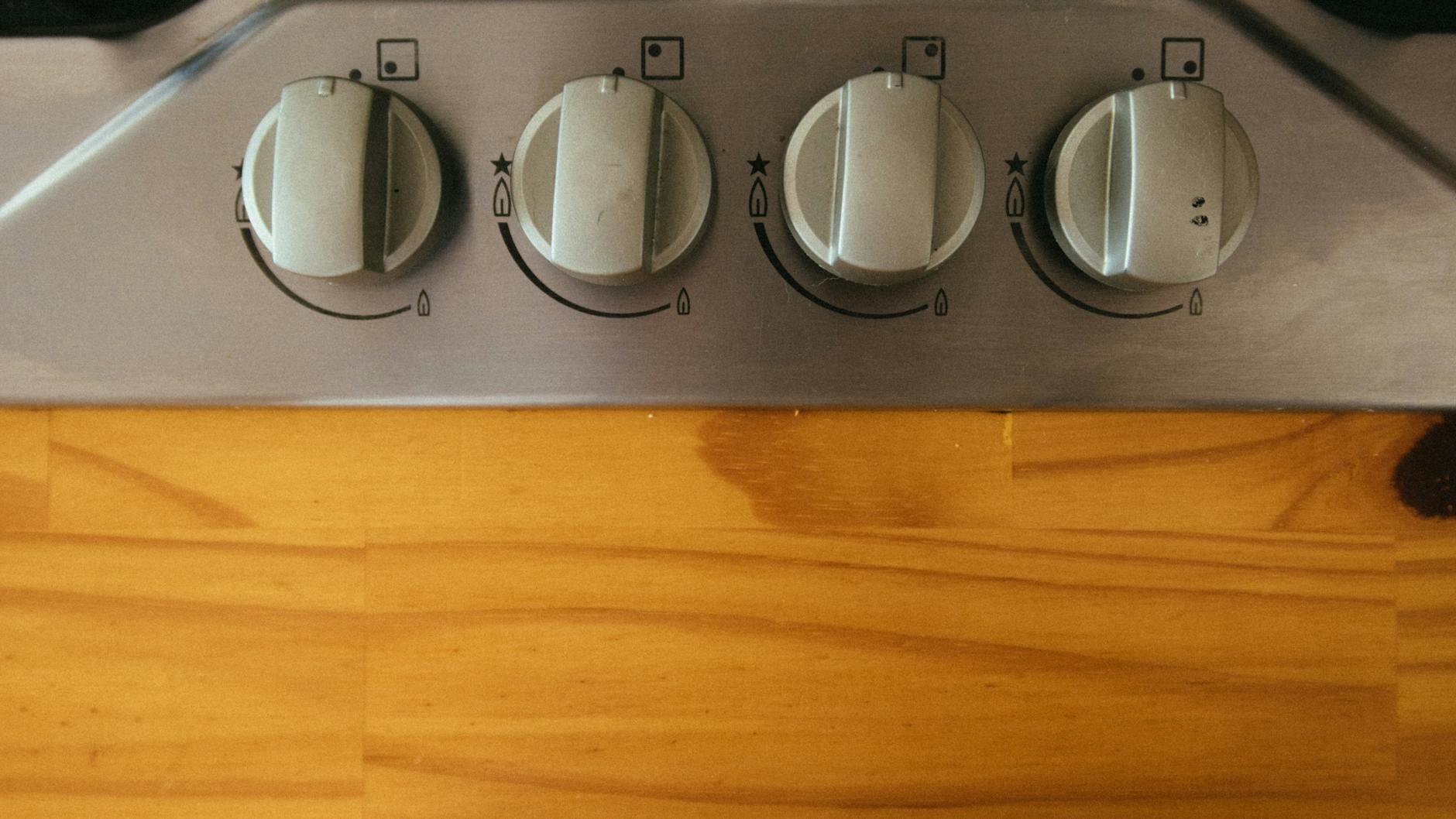
Removable stove knobs absorb grease and cooking residue over time and become sticky and discolored with regular use. Most plastic and metal knobs detach easily and sit comfortably in the cutlery basket or along the top rack. A hot wash cycle cuts through the grease film that builds up around the base of each knob where a cloth rarely reaches. Check manufacturer guidance for any knobs with painted markings as some finishes can fade under repeated high-heat washing. Returning clean knobs to the stove instantly refreshes the look of the entire cooking area.
Plastic Combs
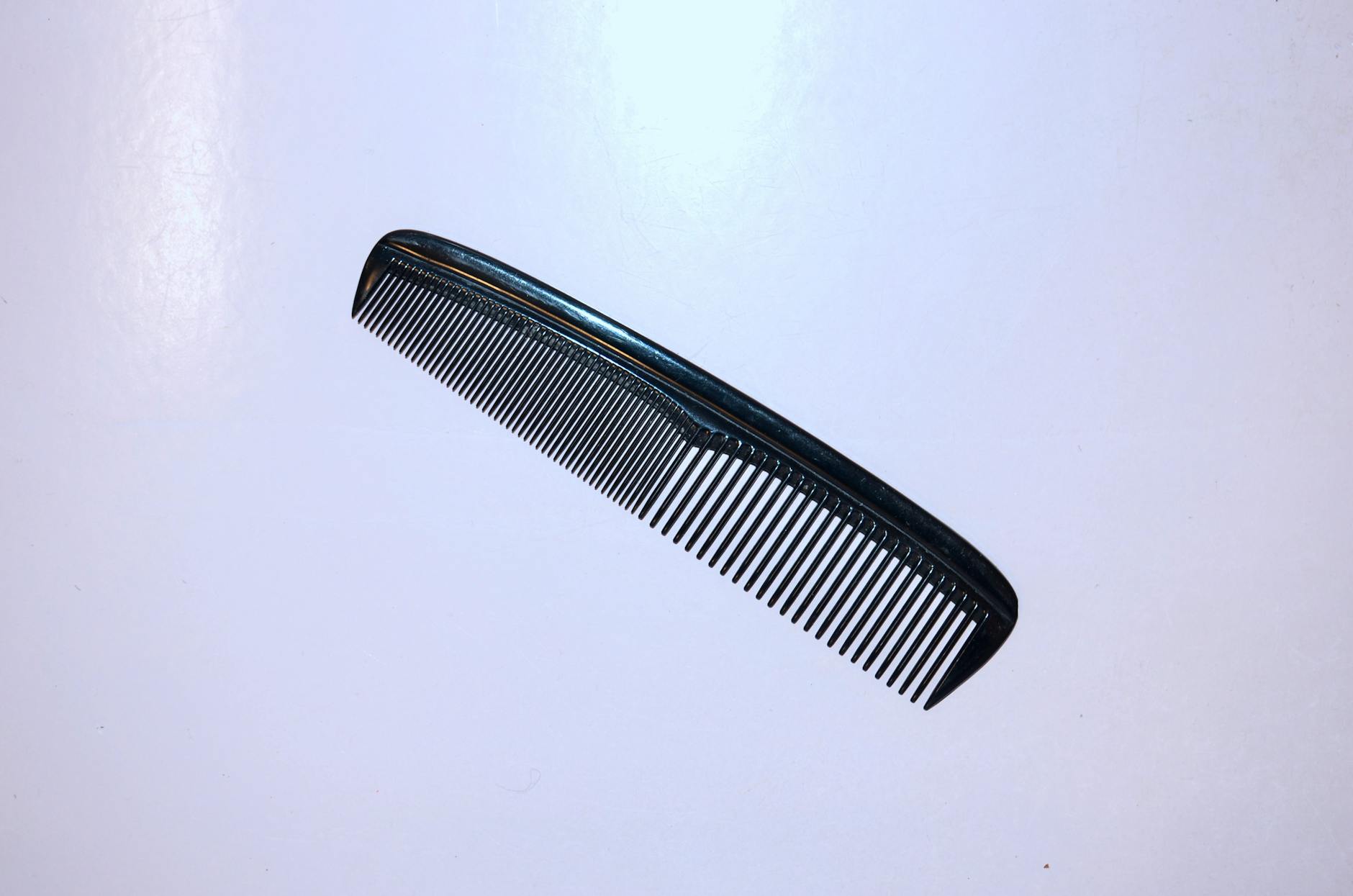
Plastic combs pick up oils, product residue, and environmental dust just as quickly as brushes and are often cleaned even less frequently. Placing them in the cutlery basket ensures they stay in place throughout the cycle and receive full water coverage on all sides. A standard warm cycle with regular detergent is effective at dissolving waxy buildup and restoring the comb’s original color. This method is far more thorough than soaking in a bowl of soapy water and requires almost no effort. Allow combs to air dry completely before returning them to the bathroom or travel bag.
Microwave Turntable Plates

The glass turntable plate inside a microwave collects splatters and residue that harden quickly and are tedious to scrub away. Most standard turntable plates fit comfortably on the bottom rack of a dishwasher without modification. A hot cycle with regular detergent dissolves cooked-on food films and leaves the glass sparkling with minimal effort. This is significantly more effective than wiping with a damp cloth and eliminates the need for chemical spray cleaners inside the appliance. Making this a weekly habit keeps the microwave interior noticeably cleaner overall.
Plastic Drawer Organizers
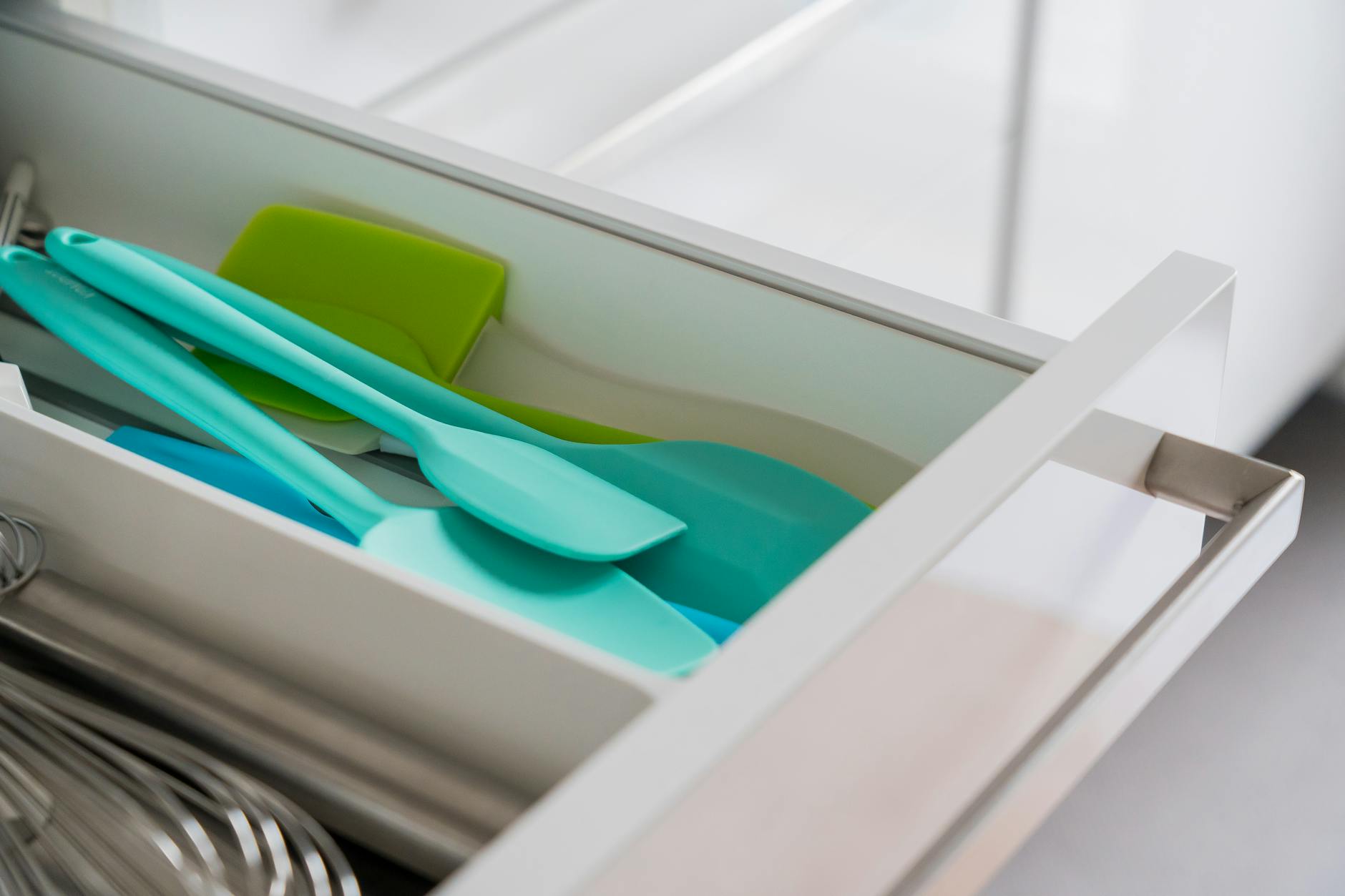
Desk and kitchen drawer organizers accumulate dust, crumbs, and grime at the bottom of their compartments over time. Emptying them completely and loading them onto the bottom rack allows a full hot wash to reach every corner and divider. This is far more effective than wiping with a cloth and eliminates the fine layer of residue that builds up in small compartments. Avoid heated drying for thinner plastic organizers that may warp under sustained high temperatures. A clean organizer makes returning neatly sorted items feel noticeably more satisfying.
Rain Boots

Rubber rain boots and their removable insoles benefit enormously from a dishwasher cycle after muddy outdoor use. Stand the boots upright on the bottom rack or lay them on their sides depending on the machine capacity available. A standard warm cycle with a small amount of detergent effectively removes mud, salt stains, and odor-causing bacteria from both the interior and exterior. Avoid high-heat settings as prolonged exposure can cause the rubber to stiffen or crack over time. Air drying completely before wearing or storing prevents moisture from becoming trapped inside.
Silicone Pot Lids
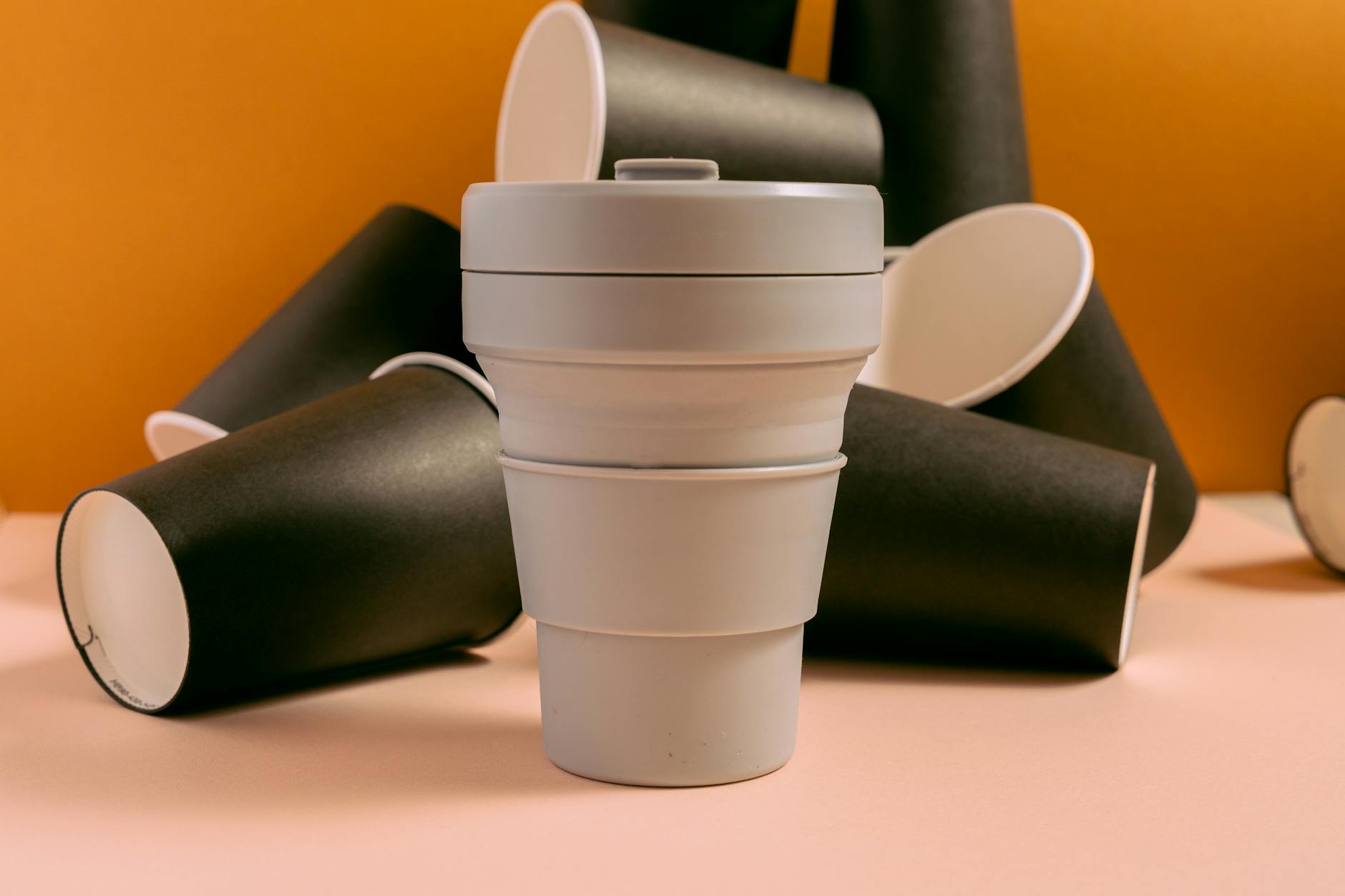
Silicone pot lids and lids with silicone-rimmed edges are dishwasher safe but often washed by hand out of habit. The dishwasher is actually more effective at removing the oily film that coats lids after cooking, reaching around the rim and handle base where sponges tend to miss. Place them securely on the top rack to prevent them from falling and blocking the spray arm below. A normal hot cycle handles grease and food residue without any effect on the material’s shape or sealing quality. Cleaning lids thoroughly and regularly prevents the transfer of old residue onto fresh cooking.
Share which of these surprising dishwasher hacks you already use or plan to try first in the comments.