Modern social circles often operate on a foundation of subtle behaviors that signal a long history of refinement. While wealth can be acquired quickly through professional success or investment, the nuances of traditional etiquette are frequently passed down through generations. These unspoken rules focus on discretion and humility rather than the outward display of riches. Understanding these habits helps individuals navigate high level social functions with ease and confidence. The following list explores the subtle distinctions that define traditional upper class behavior.
Logo Displays

The preference for understated clothing remains a hallmark of established social circles. Visible branding and large logos are often avoided in favor of high quality fabrics and tailoring. This approach focuses on the craftsmanship of the garment rather than the prestige of the designer name. Discreet luxury allows the wearer to blend into refined environments without drawing unnecessary attention. The emphasis is always placed on personal style over commercial labels.
Handwritten Notes

Digital communication is rarely considered an acceptable substitute for a traditional thank you message. A prompt handwritten note on personalized stationery conveys a level of respect that an email cannot replicate. These messages are typically sent within two days of an event or the receipt of a gift. The content remains concise while expressing genuine gratitude for the host or the gesture. This practice reinforces personal connections through a tangible and lasting medium.
Discreet Tipping

Financial transactions are handled with a quiet efficiency that avoids drawing attention to the amount being spent. Gratuity for service staff is offered privately to ensure that the focus remains on the hospitality provided. Large displays of cash or verbal announcements of a tip are considered improper and boastful. The goal is to show appreciation for excellent service without making the recipient or other guests feel uncomfortable. Proper etiquette ensures that generosity is felt rather than performed for an audience.
Financial Privacy

Discussing the specific cost of possessions or the size of a bank account is strictly avoided in polite conversation. Mentioning the price of a new car or a piece of jewelry is often viewed as a sign of insecurity. Wealth is treated as a private matter that does not require public validation or comparison. Inquiries into another person’s income or expenses are considered highly intrusive and rude. Maintaining this boundary preserves an atmosphere of equality among guests regardless of their individual net worth.
Staff Interactions

A respectful and courteous tone is always used when communicating with service professionals or household employees. High status individuals recognize that kindness toward staff is a primary indicator of good character and breeding. Requests are made politely and appreciation is shown for the work performed throughout the day. Using first names is only done when invited or when it is the established custom of the house. Condescension or dismissive behavior toward those in service roles is a major social faux pas.
Name Dropping

Casual references to famous acquaintances or powerful connections are generally avoided in standard conversation. Relying on the reputation of others to bolster one’s own status is perceived as a lack of personal substance. If a notable person is relevant to a story, the details are shared without emphasizing the celebrity aspect. True social standing is built on personal character rather than a proximity to fame. Keeping associations private demonstrates a level of security and respect for the privacy of others.
RSVP Promptness

Responding to invitations within forty eight hours shows respect for the host’s planning and preparation efforts. Delaying a response while waiting for a better offer is considered a serious breach of social trust. A clear and definitive answer allows the organizer to finalize seating and catering details without stress. Even if the answer is a polite refusal, the promptness of the reply is highly valued. This habit reflects a reliable nature and a genuine appreciation for the invitation.
Table Manners

Mastery of formal dining skills ensures that a guest can focus on the conversation rather than the mechanics of the meal. Knowing which utensil to use for each course prevents awkward pauses or confusion during a multi course dinner. Bread is broken by hand into small bite sized pieces instead of being cut with a knife. The pace of eating is synchronized with the rest of the group to ensure the meal ends at the same time for everyone. Maintaining these standards creates a seamless and elegant dining experience for all involved.
Personal Space

Maintaining a comfortable physical distance during interactions shows respect for the boundaries of others. Overly familiar gestures like frequent touching or standing too close are often seen as intrusive. A firm handshake is appropriate during introductions, but subsequent physical contact is usually minimal. Observing these spatial boundaries helps maintain a sense of professional and social decorum. It allows all participants to feel at ease while engaging in focused dialogue.
Punctuality

Arriving at the exact time specified on an invitation demonstrates a high level of respect for the host. While being fashionably late is a common myth, most refined hosts appreciate guests who value the established schedule. If an event has a specific start time for a meal, tardiness can disrupt the entire flow of the evening. Being consistently on time signals that an individual is organized and mindful of the commitments made by others. It establishes a reputation for reliability in both social and business contexts.
Phone Discretion

Mobile devices are kept out of sight during meals and social gatherings to ensure full engagement with the company. Checking notifications or sending texts while others are speaking is viewed as a sign of poor manners and lack of interest. If an urgent call must be taken, the person steps away from the group quietly after offering a brief apology. The focus remains entirely on the present moment and the individuals physically in the room. This discipline prioritizes human connection over digital distractions.
Houseguest Gifts

Bringing a thoughtful token of appreciation for a host is a standard practice when staying overnight. The gift is usually something small and high quality that reflects the tastes of the recipient. Items like specialty candles or fine chocolates are common choices that do not impose a burden on the host. The price is less important than the intention and the effort taken to select something meaningful. This gesture acknowledges the work involved in hosting and provides a pleasant start to the visit.
Volume Control

Speaking in a moderate and calm tone ensures that conversations remain private and do not disturb others. Boisterous laughter or loud declarations in public spaces or at dinner tables are generally discouraged. A refined presence is characterized by a composed voice that conveys authority without the need for volume. This practice allows for multiple conversations to happen simultaneously in a room without creating a chaotic atmosphere. It reflects a level of self control and awareness of the surrounding environment.
Dress Code Adherence

Understanding the specific requirements of various dress codes is essential for blending into formal environments. Showing up in casual attire when a formal suit is expected can make both the guest and the host feel uncomfortable. A guest should always aim to be slightly more dressed up than the minimum requirement if the instructions are vague. This shows that the individual has put effort into their appearance as a sign of respect for the occasion. Following these guidelines demonstrates a sophisticated understanding of social expectations.
Introduction Hierarchy

Properly introducing individuals involves following a specific order based on age and social standing. The younger person or the person of lower rank is typically introduced to the older or more senior person. Using full names during the first meeting provides a clear foundation for further conversation. A brief piece of context about each person is often added to help break the ice. Mastering these nuances makes everyone involved feel acknowledged and respected.
Social Media Privacy

Sharing every detail of a private event or a luxurious lifestyle on public platforms is often seen as a search for external validation. Established families often prefer to keep their gatherings and personal moments away from the internet. Taking photos of a host’s home or a private dinner without permission is considered a major violation of trust. Discretion online protects the security and the reputation of all parties involved. A more private approach to social media signals a life that is lived for personal enjoyment rather than for an audience.
Napkin Etiquette

The napkin is placed on the lap immediately upon sitting down or after the host has done so. It is used only for blotting the lips and should never be used to wipe the face or clean utensils. If a person needs to leave the table temporarily, the napkin is placed on the chair to signal they will return. At the end of the meal, the napkin is placed neatly to the left of the plate without being folded perfectly. These small actions contribute to the overall flow and elegance of a formal dinner.
Jewelry Selection

The use of jewelry is typically restrained and focused on pieces with sentimental or historical value. Wearing too many large or flashy items at once can be perceived as an attempt to show off wealth. Classic pieces like a simple watch or a string of pearls are often preferred for their timeless appeal. The goal is to complement the outfit rather than let the accessories become the focal point of the look. This understated approach reflects a confidence that does not require heavy ornamentation.
Small Talk Boundaries

Engaging in light and pleasant conversation avoids topics that could lead to heated arguments or discomfort. Politics and religion are generally avoided in mixed company unless the setting is specifically designed for such debates. Instead, the focus is placed on shared interests like travel or current cultural events. This ensures that every guest feels comfortable and that the social atmosphere remains harmonious. Skillful small talk is a tool used to build rapport and discover common ground.
Seating Protocol
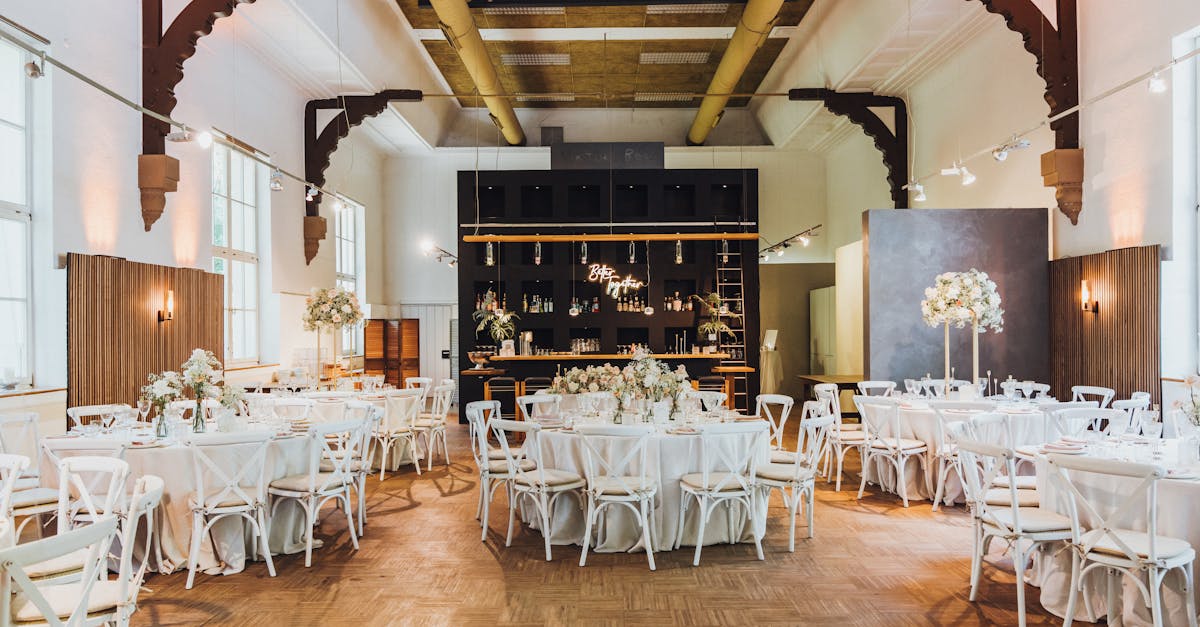
Waiting for the host to indicate a seat or following a place card ensures that the intended social dynamics are maintained. Guests do not sit down until the host has done so or has invited the group to be seated. Place cards are used to strategically mix different personalities and ensure interesting conversation for everyone. Moving a place card to sit next to a preferred friend is considered extremely rude and disruptive. Respecting the seating plan shows an appreciation for the host’s efforts to facilitate a successful evening.
Wine Etiquette

Knowing how to handle wine service without being pretentious is a valuable social skill. A guest typically waits for the host to pour the first glass or for a server to provide the drink. The glass is held by the stem to avoid changing the temperature of the wine with the heat from the hand. Swirling the wine and smelling it is done briefly rather than as an extended performance. This knowledge allows the individual to enjoy the selection while remaining focused on the social interaction.
Posture and Poise

Maintaining good posture while sitting or standing conveys a sense of confidence and alertness. Slouching or leaning excessively on furniture is avoided to maintain a professional and refined appearance. Poise also involves keeping one’s movements controlled and avoiding fidgeting with hands or hair. This physical discipline reflects an internal state of calm and readiness for engagement. It creates a positive impression on others and reinforces a sense of personal authority.
Gift Reciprocity

The act of giving is often balanced by a silent understanding of reciprocity over time. When receiving a gift, the focus is on the kindness of the giver rather than the material value of the item. While an immediate return gift is not necessary, the recipient often finds a future opportunity to show similar generosity. This cycle of giving helps maintain and strengthen long term relationships within social circles. It is a way of acknowledging mutual respect and shared history.
Invitations and Plus Ones

Guests never assume they can bring an additional person unless the invitation explicitly includes a guest or a family. Asking the host for permission to bring a plus one can put them in an awkward position regarding catering and space. If a partner is not mentioned, the guest attends alone or politely declines if they cannot go without them. This rule respects the host’s vision for the guest list and the intimacy of the gathering. It ensures that the event remains exactly as the organizer planned it.
Grooming Standards

A clean and well maintained appearance is expected at all times regardless of the setting. This includes well kept hair and nails as well as clothing that is pressed and free of visible wear. Subtle scents are preferred over strong perfumes that might overwhelm others in a small space. Good grooming is seen as a sign of self respect and a basic courtesy to those in one’s company. It reflects a level of discipline and attention to detail that is highly valued.
Knowledge of Arts
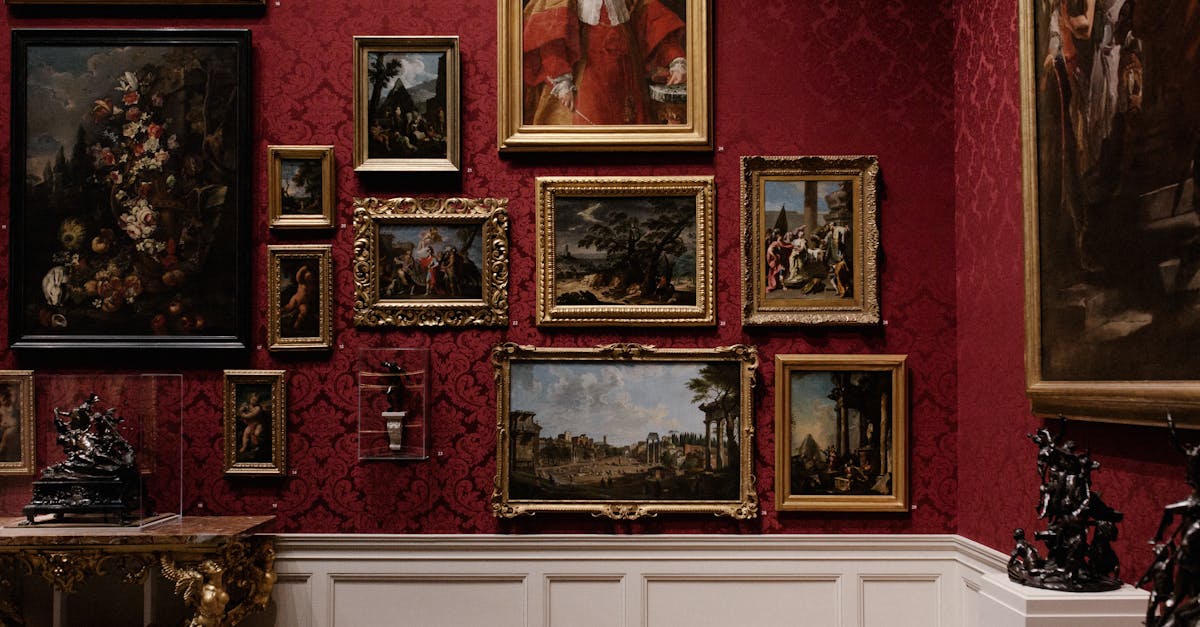
Having a basic understanding of history and the arts allows for more meaningful participation in high level conversations. This knowledge is used to add depth to a discussion rather than to lecture others. It shows a well rounded education and an appreciation for cultural contributions. Being able to discuss a recent museum exhibit or a classical performance helps build connections with other educated individuals. This intellectual curiosity is a defining feature of a refined lifestyle.
Toasting Protocol

During a formal dinner, toasts are kept short and focused entirely on the person being honored. The individual giving the toast stands up to ensure they are heard and seen by everyone at the table. It is important to avoid inside jokes or stories that might embarrass the recipient. Those being toasted remain seated and do not drink until the toast is finished. This tradition provides a moment of collective appreciation and celebration during a meal.
Exit Strategies

Leaving a party at the appropriate time is just as important as arriving on time. A guest looks for cues from the host that the evening is winding down. A brief and warm goodbye to the host is necessary before departing the venue. It is best to avoid long and drawn out farewells that might delay the host from resting. Leaving while the energy is still positive ensures that the guest is remembered fondly.
Fragrance Application

The use of perfume or cologne is handled with extreme moderation to avoid intruding on the personal space of others. A scent should only be detectable by those in very close proximity. Strong fragrances can interfere with the tasting of food and wine during a dinner party. Many refined individuals stick to a signature scent that is light and classic. This subtle approach to grooming ensures that the person is remembered for their presence rather than their perfume.
Borrowed Items

Returning borrowed items in better condition than they were received is a fundamental rule of social trust. If a book is borrowed, it should be returned promptly with a small note of thanks. Borrowing money is generally avoided among social equals to prevent any shift in the power dynamic. If an item is accidentally damaged, it is replaced immediately with a new version or a thoughtful alternative. This practice demonstrates a high level of responsibility and respect for the property of others.
Share your thoughts on these traditional social norms in the comments.