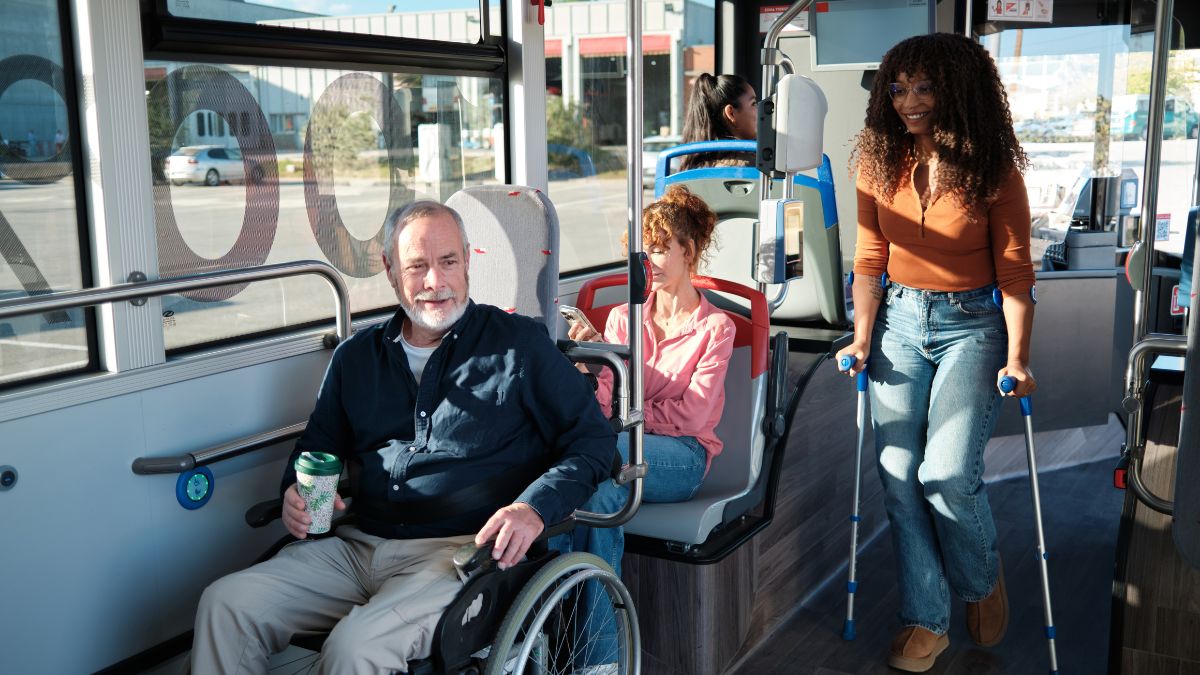
Navigating public transportation is a skill that goes far beyond knowing which stop to get off at. Every seasoned commuter understands that shared transit spaces come with a set of expectations that keep the experience smooth and respectful for everyone on board. These informal codes of conduct are rarely posted on signs or announced over intercoms, yet they shape the daily experience of millions of riders around the world. Understanding and following them makes public transit more comfortable, efficient, and pleasant for all involved.
Priority Seating
Seats near the doors and designated priority areas are reserved for elderly passengers, pregnant women, people with disabilities, and those traveling with young children. Occupying these spots when they are clearly needed by someone else creates unnecessary tension and signals a lack of awareness. Most transit systems mark these seats with clear signage, yet many riders still need a gentle reminder of their purpose. Vacating a priority seat without hesitation is one of the most straightforward acts of courtesy a commuter can practice.
Backpack Etiquette
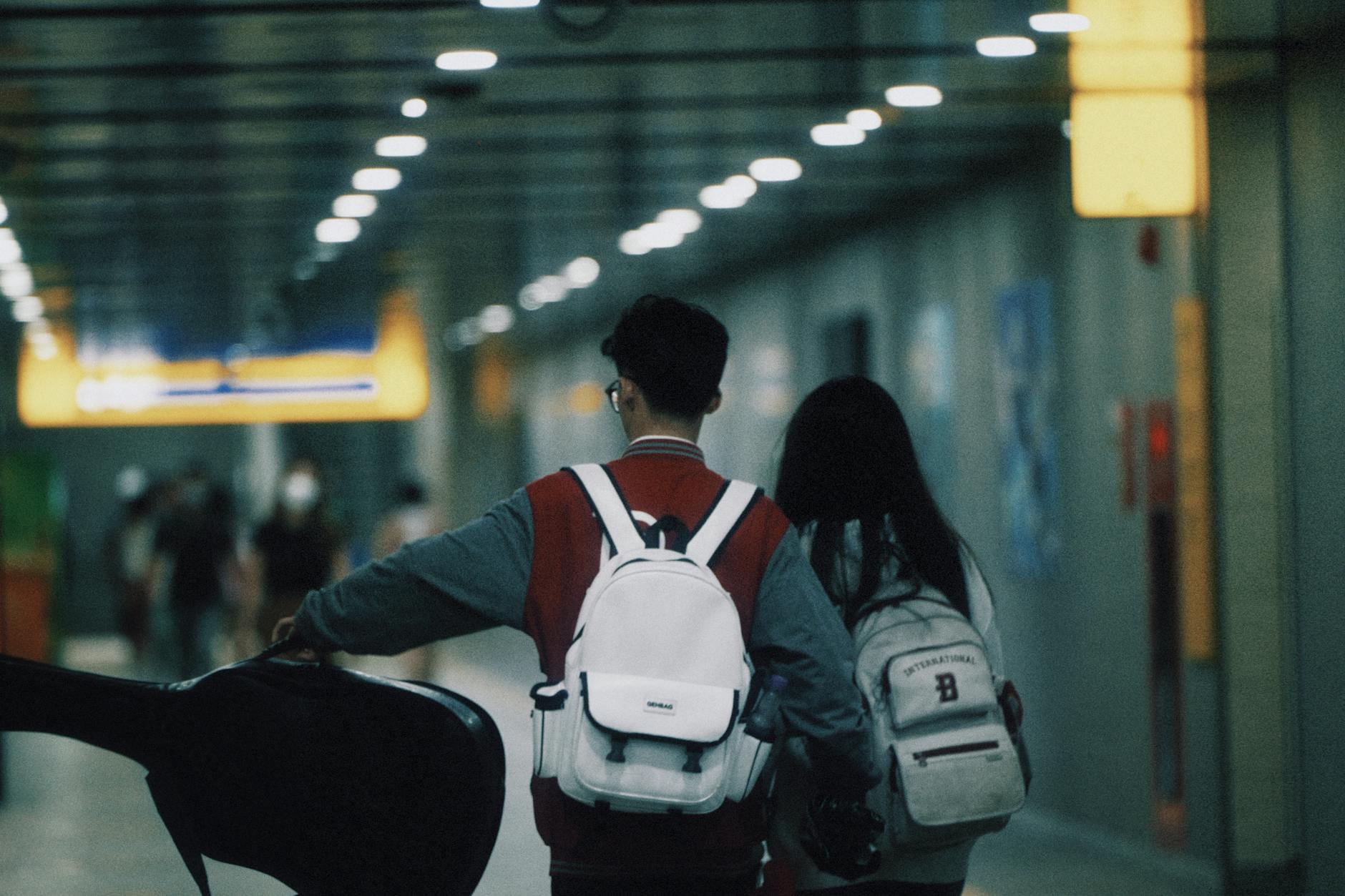
Wearing a large backpack on a crowded train or bus takes up significantly more space than most people realize. The considerate move is to remove it from the shoulders and hold it in front of the body or place it on the floor between the feet. Leaving a backpack on while standing in a packed aisle forces other passengers to squeeze around unnecessary bulk. This small adjustment can meaningfully increase the number of people who can comfortably fit in a shared space.
Headphone Use
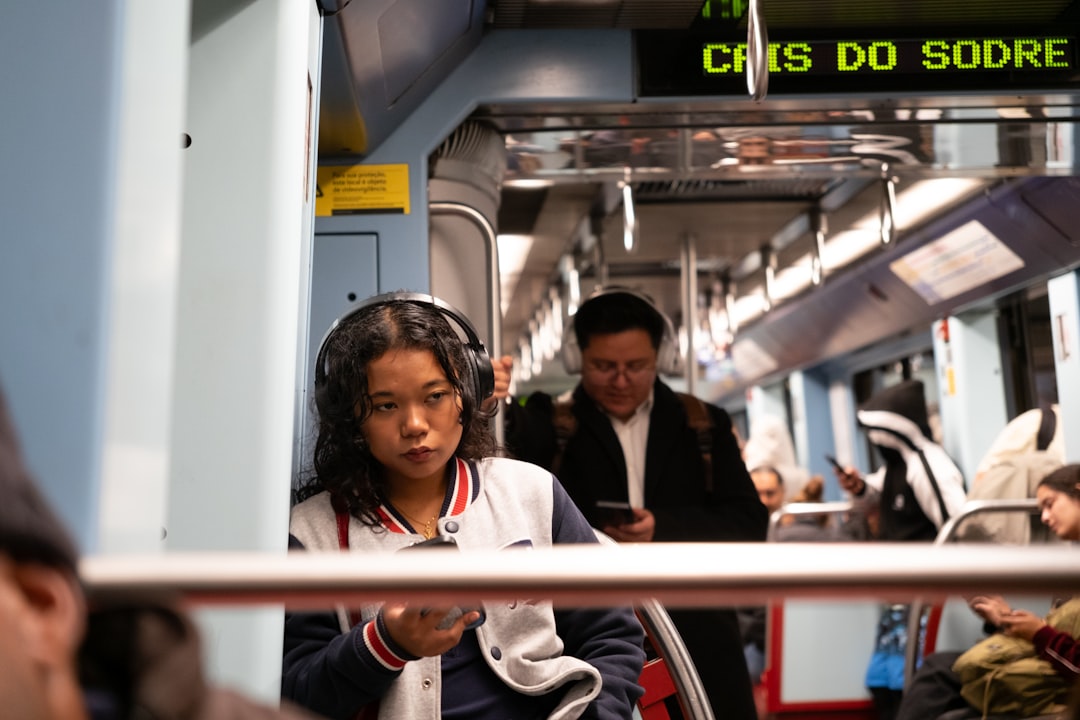
Listening to music, podcasts, or videos without headphones forces every nearby passenger to share in the audio experience uninvited. Even with headphones, keeping the volume at a level that bleeds out into the surrounding area is considered disruptive. Wired or wireless earbuds are widely available and inexpensive, making them an essential tool for any regular commuter. The general standard is that if the person next to you can hear what you are listening to, the volume is too high.
Phone Conversations

Taking long personal phone calls in a quiet transit car is widely regarded as one of the most disruptive behaviors a commuter can engage in. When a call is necessary, keeping it brief and speaking in a lowered voice is the accepted approach. Some train systems even designate quiet zones where phone use is explicitly discouraged. If a conversation is expected to be lengthy, stepping off at the next stop or waiting until the journey ends is the courteous choice.
Boarding Order
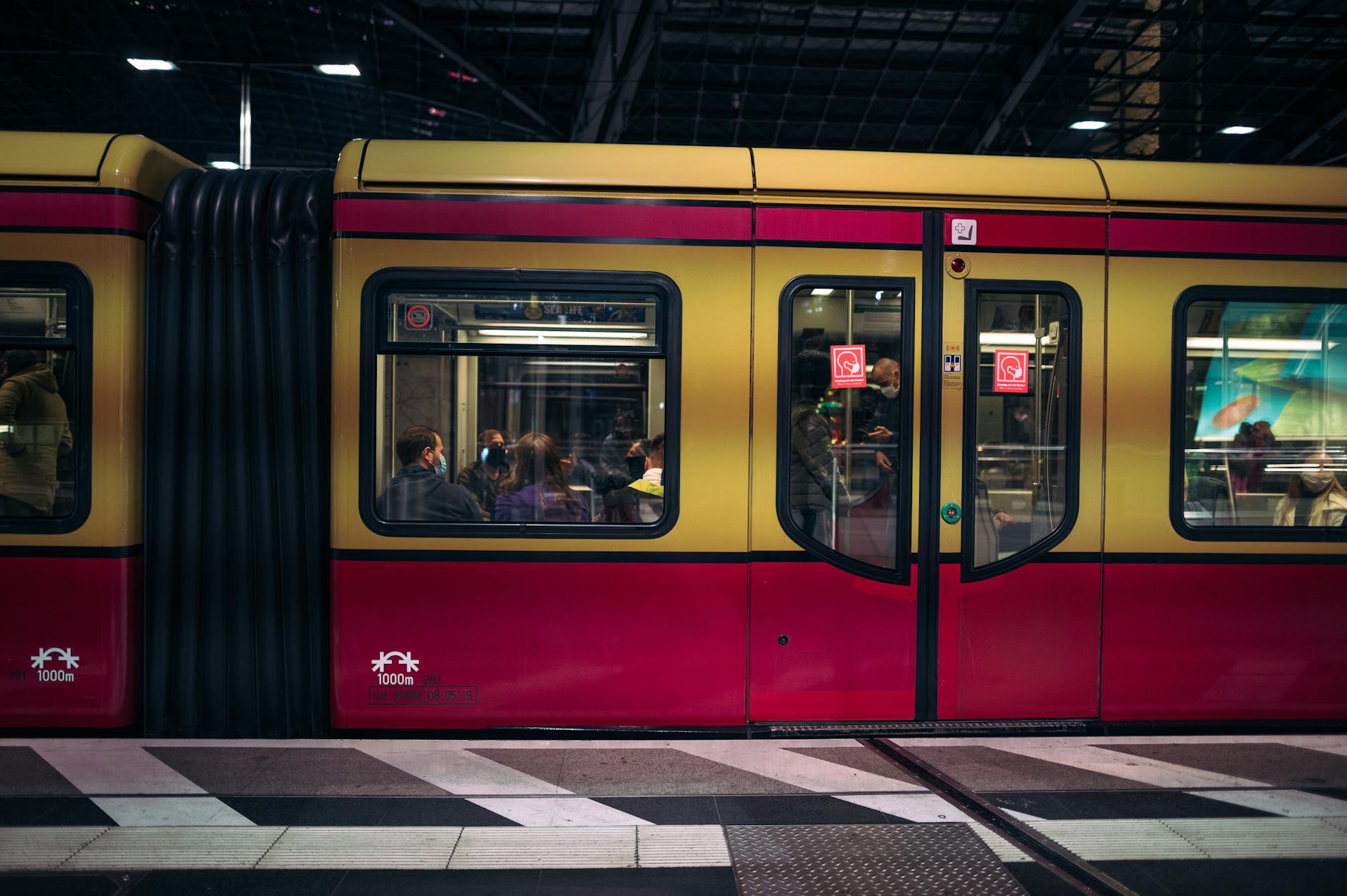
Allowing passengers to exit before boarding is one of the most fundamental yet frequently ignored transit rules in existence. Rushing the doors before the exiting crowd has cleared creates bottlenecks that slow the entire process down for everyone. Standing to the side of the doors while waiting and moving forward only once the flow of departing passengers has passed keeps boarding orderly and efficient. This simple habit, when practiced collectively, dramatically reduces delays and frustration at busy stops.
Personal Space
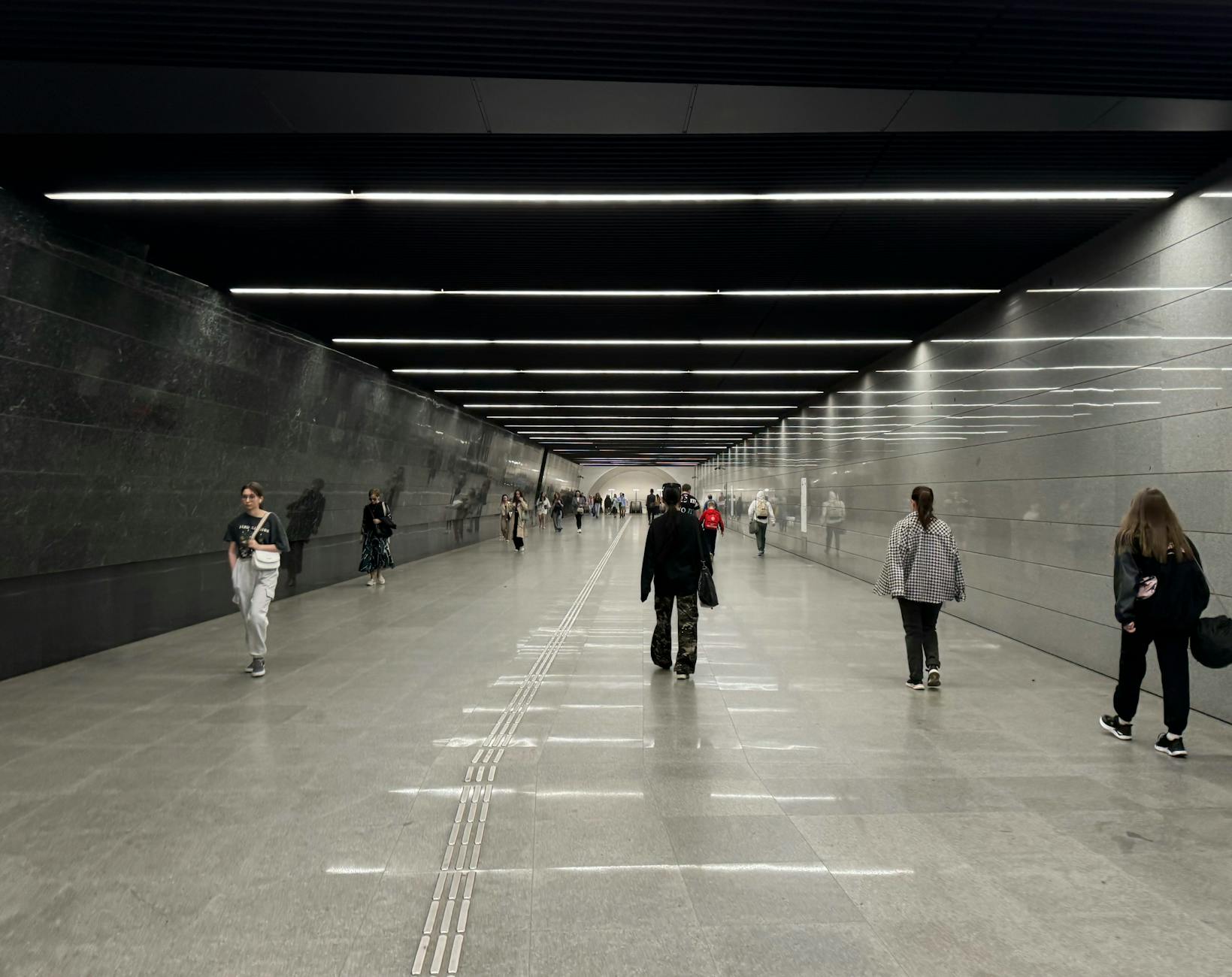
Even when transit vehicles are not at full capacity, sitting directly next to a stranger when many empty seats are available can feel intrusive to other passengers. Spreading out to give fellow riders a reasonable buffer is considered basic spatial awareness. Placing bags or belongings on an empty seat beside you becomes inconsiderate once the vehicle fills up and standing passengers are in need of a place to sit. Reading the environment and adjusting accordingly is the unspoken expectation of any experienced rider.
Eating on Transit
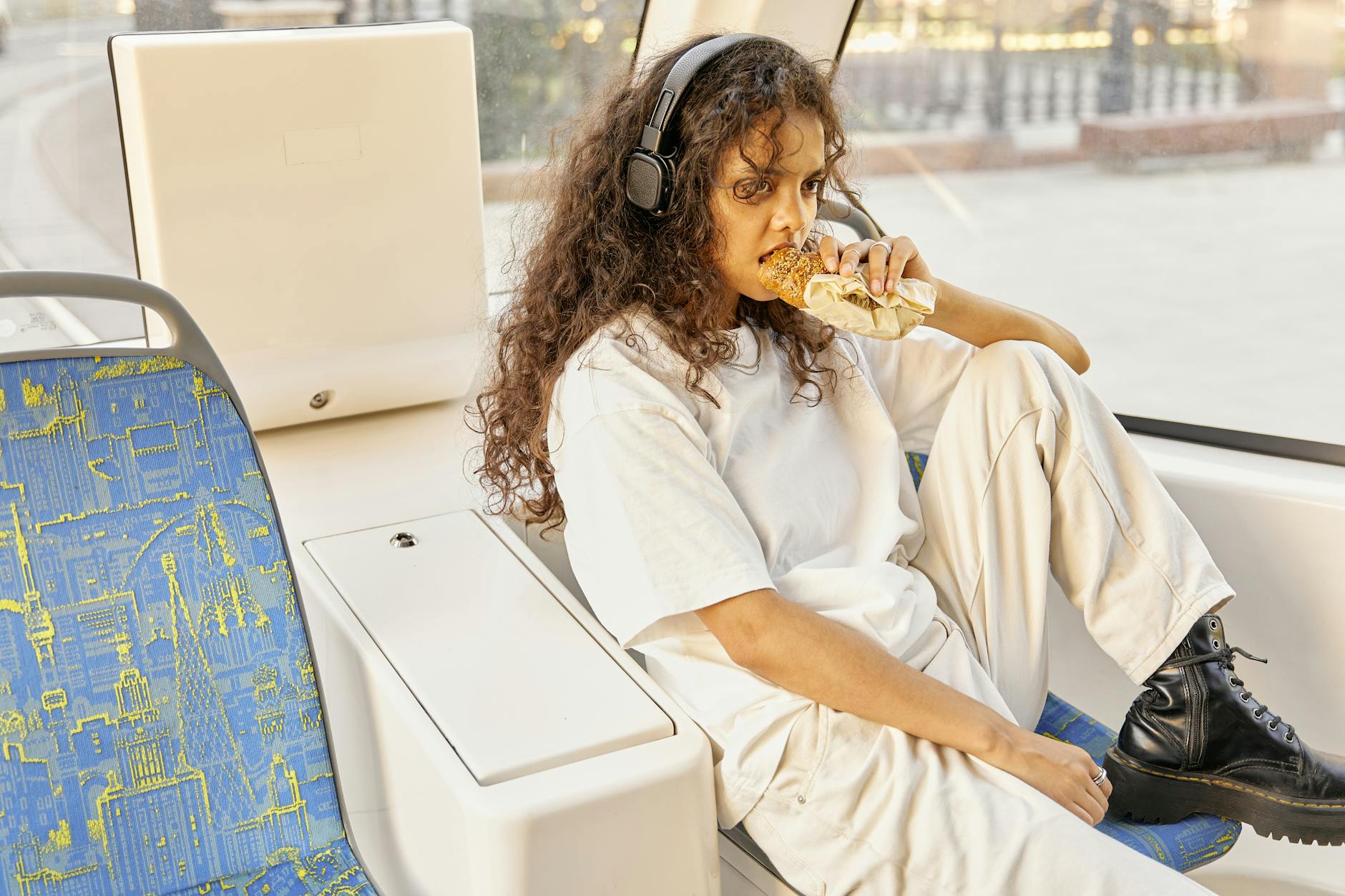
Consuming strong-smelling foods on public transportation is broadly considered inappropriate in most transit cultures around the world. The enclosed and often poorly ventilated environment of a bus or train means that food odors spread quickly and linger for the duration of the journey. Light, odorless snacks are generally tolerated on longer routes, though many systems have explicit rules against eating altogether. Finishing meals before boarding or saving them for after arrival is always the safer and more considerate approach.
Escalator Standing

The standard convention on transit escalators in most major cities is to stand on the right side and leave the left lane open for those who prefer to walk. Ignoring this practice by standing in the middle or left side of the escalator can cause visible frustration among commuters in a hurry. This norm is so widely practiced that it has become an informal universal rule of transit culture. Being mindful of it, especially during peak hours, keeps foot traffic moving smoothly throughout the station.
Smell Awareness

Strong fragrances, including heavy perfume, cologne, and certain grooming products, can be just as disruptive in a shared transit space as unpleasant odors. Individuals with sensitivities, allergies, or respiratory conditions may find intense scents genuinely uncomfortable or even distressing. Applying fragrance in moderation before leaving home rather than in the transit environment itself is the considerate standard. Awareness of how personal scent choices affect those in close proximity is a mark of thoughtful commuting.
Eye Contact

In most transit cultures, prolonged direct eye contact with strangers is interpreted as confrontational or uncomfortable rather than friendly. The widely accepted norm is to look at phones, out windows, at reading material, or simply ahead without fixing a gaze on fellow passengers. This unwritten rule helps maintain a sense of personal boundary and psychological comfort in an inherently crowded and close-contact environment. New riders who are unaware of this convention often find themselves accidentally creating awkward social tension.
Litter Awareness
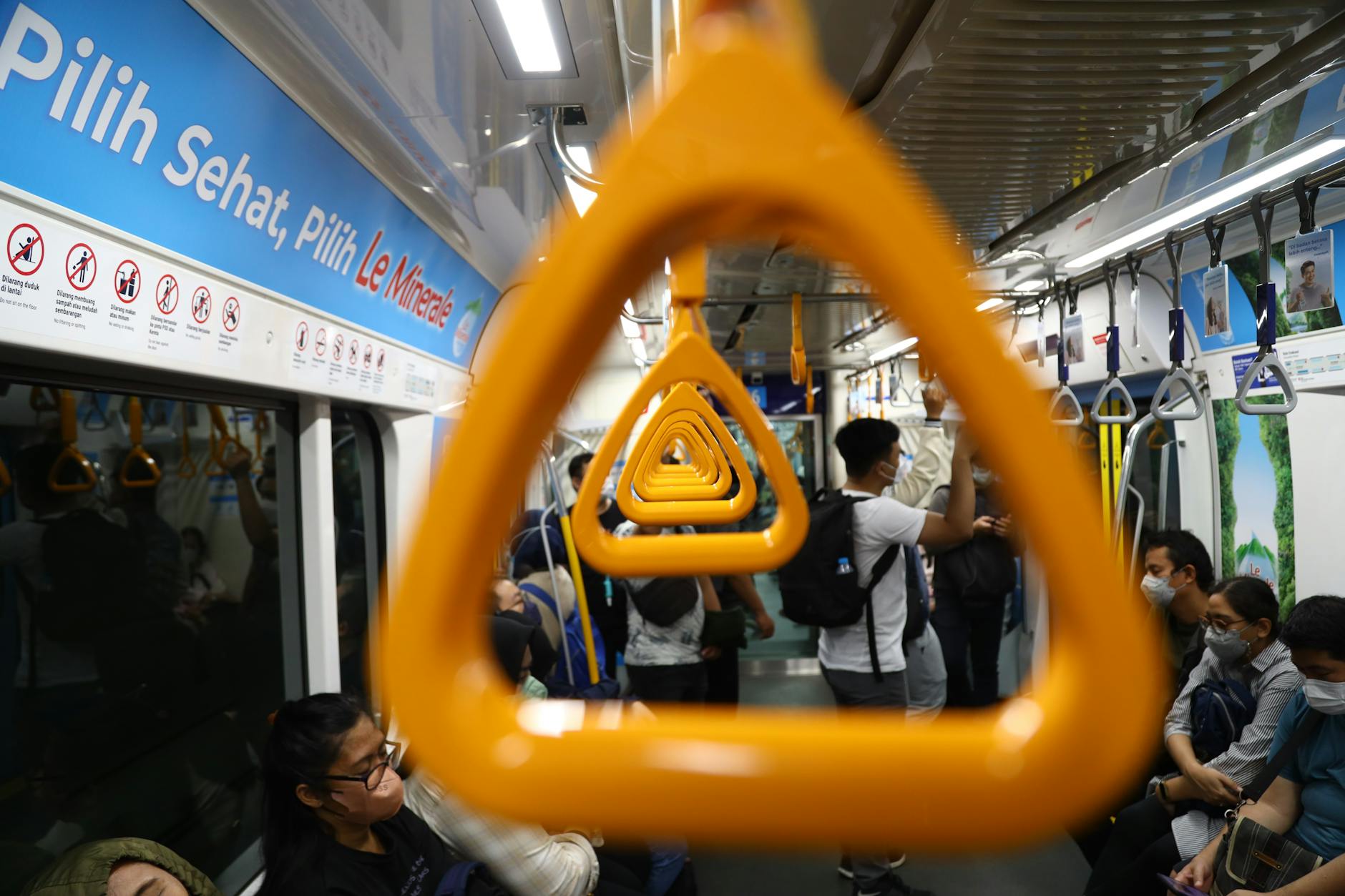
Leaving behind empty cups, wrappers, tissues, or other waste on transit seats and floors is widely regarded as a sign of disrespect for both fellow passengers and transit workers. Most transit systems provide waste bins on platforms and in stations, making disposal before or after the journey entirely accessible. A clean transit environment benefits every user and reduces the maintenance burden on the crews responsible for keeping vehicles in service. Carrying a small bag for personal waste during longer journeys is a practice embraced by considerate commuters everywhere.
Manspreading
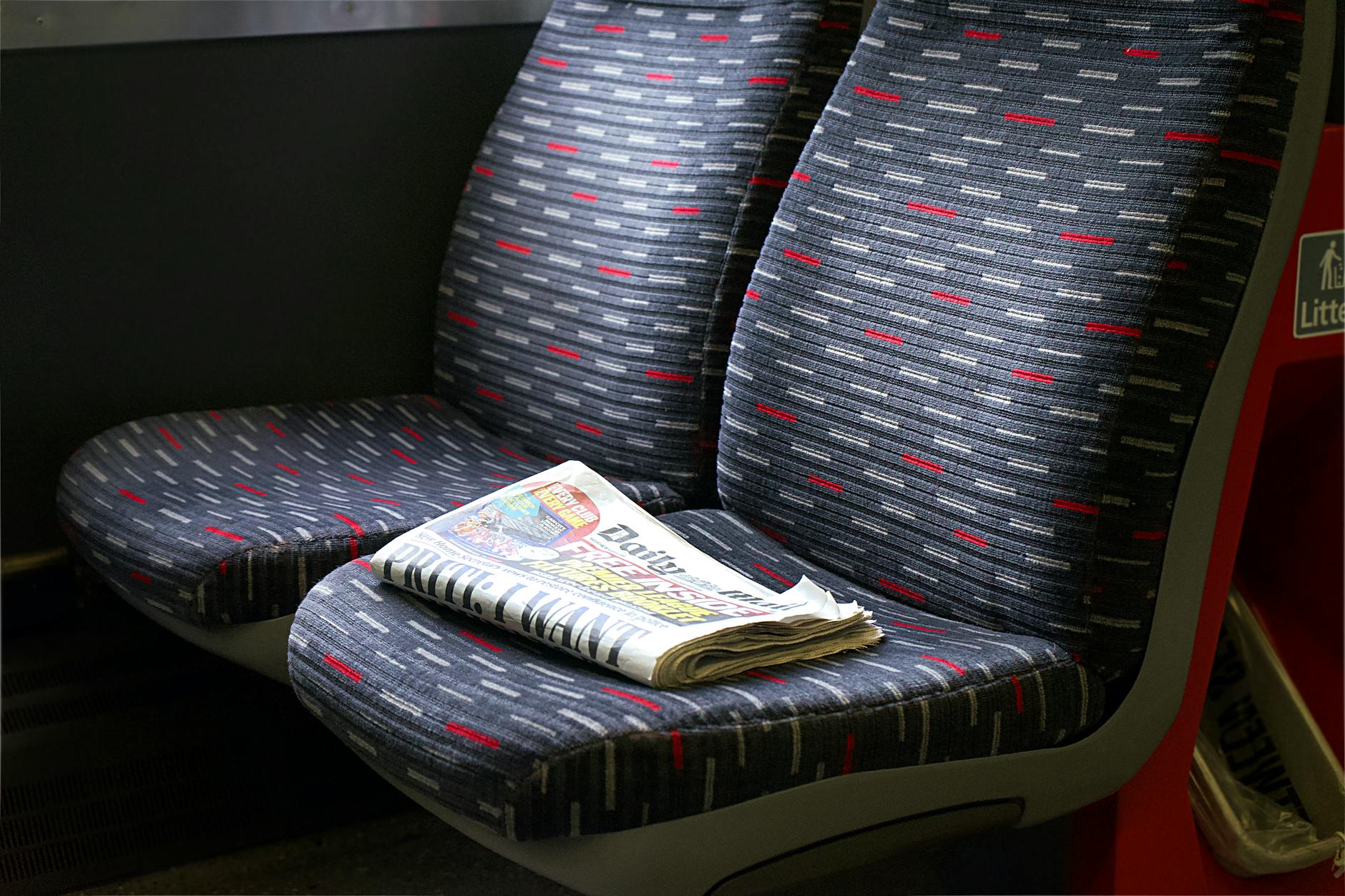
Sitting with legs spread far apart in a way that encroaches on neighboring seats has become a widely discussed and critiqued behavior in public transit culture. Each seat on a transit vehicle is designed to accommodate one passenger comfortably, and extending beyond that boundary forces others to contort into uncomfortable positions. The accepted standard is to sit with knees together or at a width that fits within the bounds of the occupied seat. Awareness of physical space and how one’s posture affects those seated nearby is a basic expectation in shared transit environments.
Music Volume
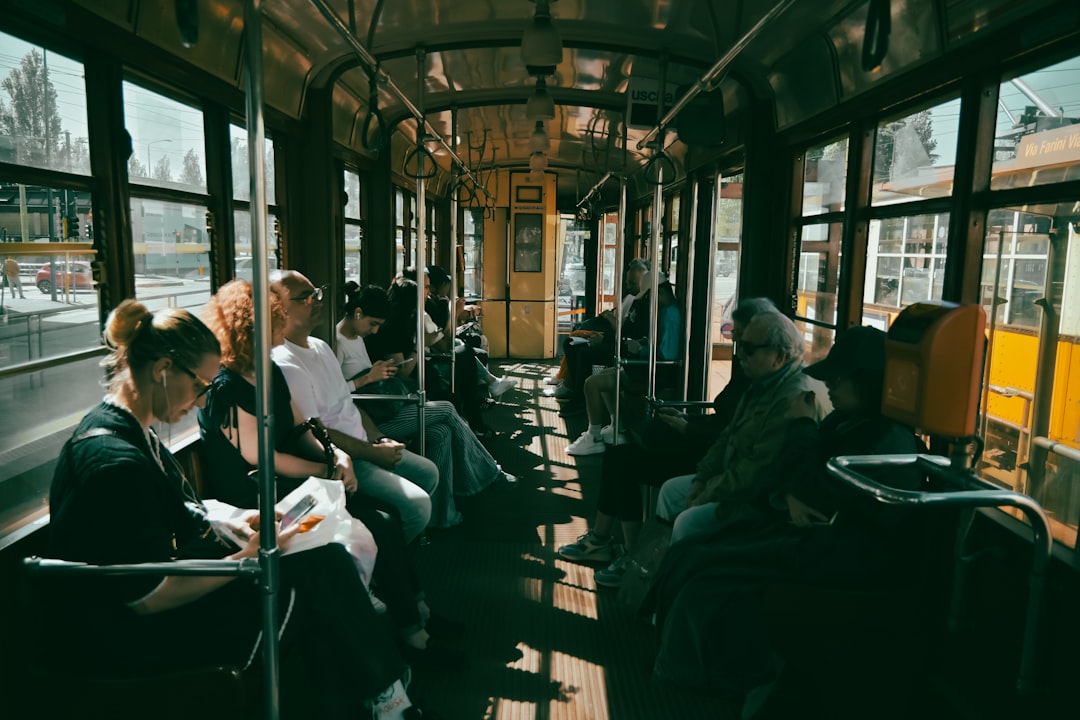
The issue of noise extends beyond personal devices and into the behavior of groups traveling together on public transit. Loud group conversations, laughter, and general rowdiness that disrupts the surrounding environment are considered breaches of transit etiquette regardless of the social context. Many transit riders use their commute as a time to decompress, read, or simply rest, and unnecessary noise interferes with that experience. Keeping group energy at a moderate level, particularly during off-peak or evening hours, reflects well on all involved.
Fare Payment
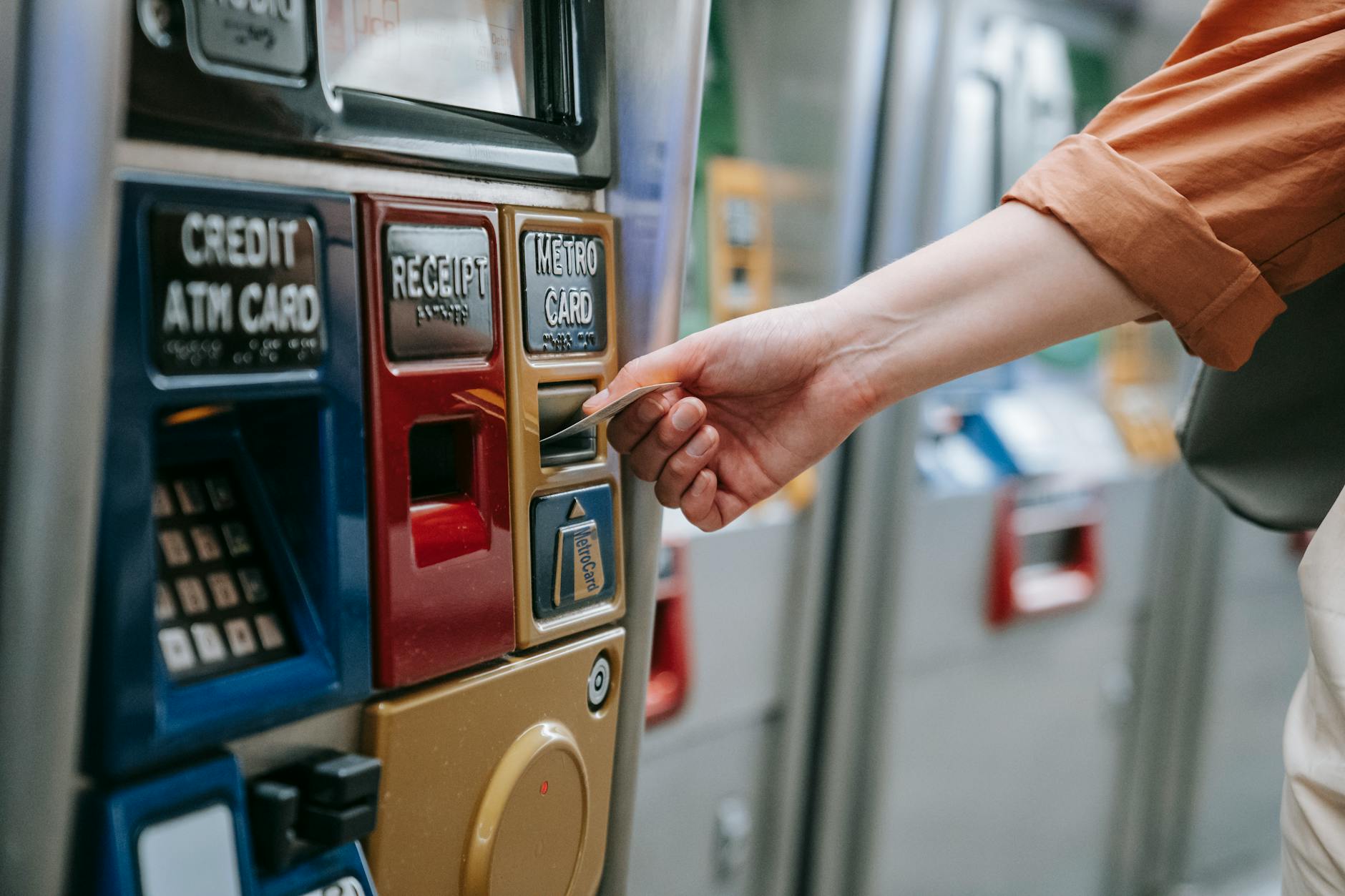
Attempting to board without paying the required fare affects the funding and operational quality of transit systems that serve entire communities. Fare evasion drives up costs, contributes to service cuts, and shifts the financial burden onto those who comply with the rules. Beyond the legal risk of fines or penalties, it is broadly considered an act of poor civic responsibility by the wider transit-riding community. Paying the correct fare every time is one of the most direct ways an individual can contribute to the health of public transportation infrastructure.
Emergency Protocols
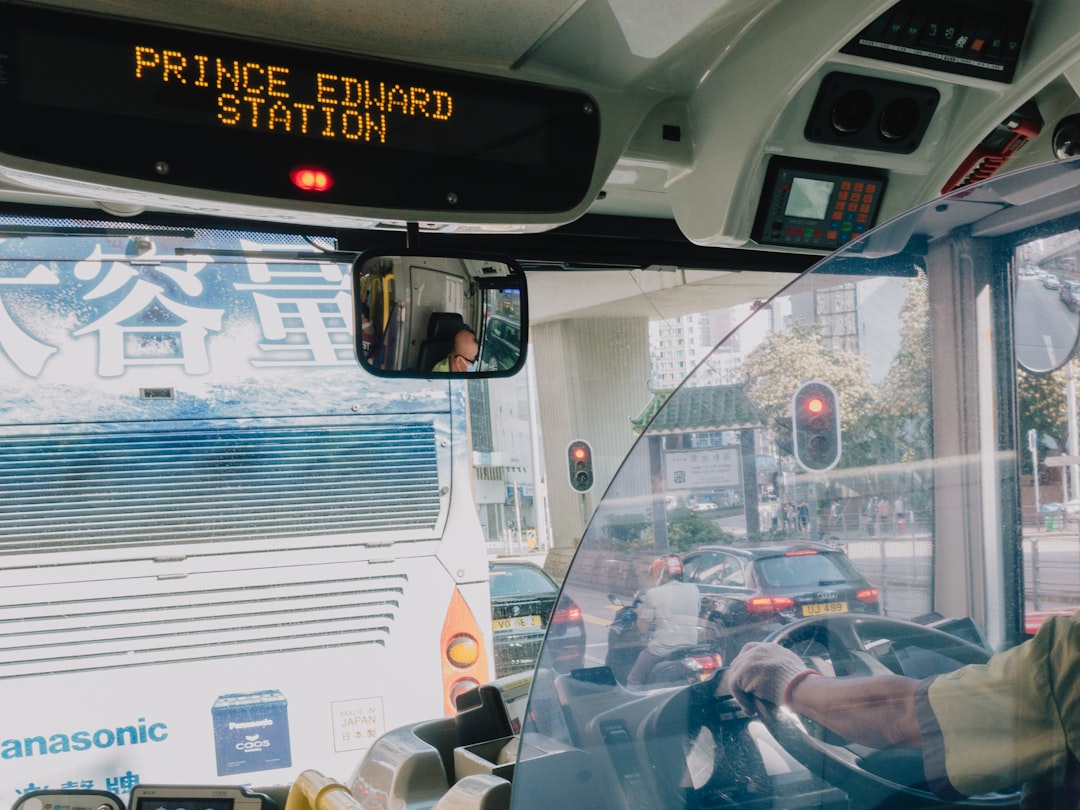
Understanding basic emergency procedures for the transit systems used regularly is an aspect of commuter responsibility that many riders overlook entirely. Knowing the location of emergency exits, intercom buttons, and stop-request mechanisms can make a significant difference in a time-sensitive situation. Transit authorities regularly update safety information, and taking a moment to review posted instructions when boarding an unfamiliar route or vehicle is a simple but meaningful habit. Being a calm and informed presence during an unexpected incident benefits not just the individual but every passenger in the vicinity.
Which of these unwritten transit rules do you think matters most? Share your thoughts in the comments.