Vegetables are universally praised for their vitamins and minerals yet they can sometimes be the hidden culprits behind digestive discomfort. Many popular produce items contain complex sugars or high amounts of fiber that the human body struggles to break down efficiently. This process often leads to fermentation in the gut which produces gas and creates a feeling of distension. Identifying which vegetables trigger this reaction is the first step toward curating a diet that feels as good as it looks.
Broccoli

Broccoli is arguably the most notorious offender when it comes to vegetable-induced bloating. This cruciferous staple contains a complex sugar known as raffinose that humans lack the enzyme to digest properly. The undigested sugar travels to the large intestine where bacteria ferment it and release gas as a byproduct. High fiber content in the raw stalks can further slow down digestion and increase the feeling of fullness. Steaming the vegetable thoroughly can sometimes help break down these fibers to make digestion easier.
Cauliflower

This trendy low-carb substitute has risen in popularity but often causes significant abdominal swelling. Cauliflower belongs to the cruciferous family and shares the same difficult-to-digest raffinose sugars found in broccoli. It also contains mannitol which is a sugar alcohol that draws water into the digestive tract. Many people find their symptoms worsen when consuming it in large quantities such as in cauliflower rice or pizza crusts. Cooking it creates a softer texture but does not entirely eliminate the compounds that cause gas.
Kale

Kale is often celebrated as a superfood but its dense fibrous structure can be tough on the digestive system. The raw leaves are packed with insoluble fiber that remains intact until it reaches the large intestine. This bulk adds volume to the stool but can also trap gas and cause significant bloating during digestion. Cruciferous compounds in kale also contribute to sulfurous gas production for many sensitive individuals. Massaging raw kale with oil or lemon juice can soften the fibers slightly before consumption.
Cabbage
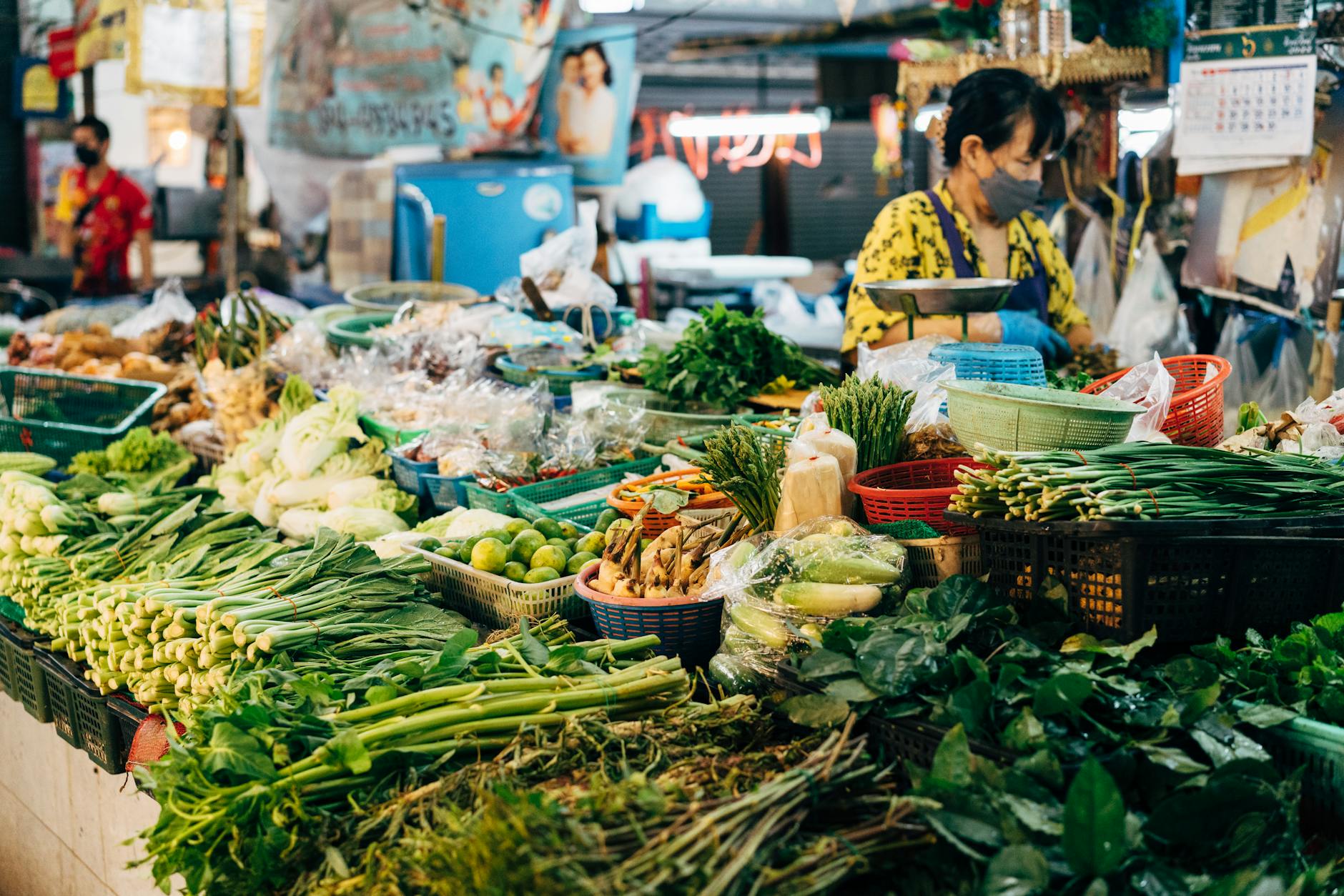
Cabbage is well known for its fermentation capabilities which makes it great for sauerkraut but potentially difficult for your stomach. It contains high levels of fructans and raffinose that the small intestine cannot absorb easily. When these compounds reach the colon the gut bacteria go to work and create significant amounts of carbon dioxide and hydrogen. This process leads to the classic bloated feeling associated with coleslaw or cabbage rolls. Eating cooked cabbage is generally gentler on the stomach than consuming it raw.
Brussels Sprouts

These miniature cabbages are a holiday favorite that often leaves guests unbuttoning their pants. Brussels sprouts contain very high concentrations of raffinose and sulfur-containing compounds. The digestive system works hard to break down the dense layers of leaves and this effort produces excessive gas. The sulfur content is responsible for the distinct odor associated with the gas they produce. roasting them until tender can help degrade some of the complex sugars responsible for the bloat.
Onions

Onions are a foundational ingredient in cooking but serve as a major dietary trigger for bloating. They are one of the richest sources of fructans which are soluble fibers that ferment rapidly in the gut. Because the small intestine absorbs fructans poorly they draw water into the bowel and create gas. This combination of fluid retention and gas production leads to immediate and uncomfortable abdominal distension. Even onion powder hidden in spice blends can cause issues for those with sensitivity.
Garlic

Garlic adds immense flavor to food but ranks very high on the list of bloating triggers. It is packed with fructans that are difficult for the human digestive tract to process fully. The fermentation of these carbohydrates occurs quickly and can cause painful trapped gas. Many people who tolerate other vegetables well find that garlic specifically causes sharp stomach pain. Infusing oil with garlic and removing the solid cloves is one way to get the flavor without the fructans.
Asparagus

Asparagus is a sophisticated side dish that unfortunately contains significant amounts of fructose. When the body cannot absorb this fruit sugar efficiently it passes into the colon to be fermented. The vegetable also contains raffinose which adds a second layer of digestive difficulty. This dual fermentation process creates gas and bloating relatively soon after the meal. The distinct smell associated with asparagus digestion is another sign of the sulfur compounds breaking down.
Artichokes

Whole artichokes and artichoke hearts are rich in a prebiotic fiber called inulin. While inulin is excellent for feeding healthy gut bacteria the byproduct of this feeding frenzy is gas. The fermentation process for inulin is vigorous and often leads to severe bloating for those unaccustomed to it. High fructose levels in artichokes further complicate digestion for people with fructose malabsorption. Canned versions are sometimes easier to tolerate than fresh ones due to the processing.
Jerusalem Artichokes

These root vegetables are often called sunchokes and have a reputation for causing extreme digestive distress. They contain extremely high levels of inulin compared to almost any other vegetable. The rapid fermentation of this fiber in the gut can cause intense cramping and gas that lasts for hours. Many chefs recommend boiling them in lemon juice to hydrolyze the inulin before roasting. Proceeding with caution and small portion sizes is essential when trying this vegetable for the first time.
Mushrooms

Mushrooms offer a savory umami flavor but they also contain a sugar alcohol called mannitol. Mannitol attracts water into the intestine and is fermented by gut bacteria. This process often results in gas and a laxative effect for people who are sensitive to polyols. Portobello and shiitake mushrooms tend to have higher concentrations of these compounds than other varieties. Cooking mushrooms well can reduce their volume but does not remove the mannitol.
Snow Peas

Snow peas are crisp and sweet but their pods contain chains of sugars known as galacto-oligosaccharides within them. Additionally they contain fructose and polyols which creates a trifecta of difficult carbohydrates. Digestion of the fibrous pod requires significant effort from the gut which leads to gas production. The crunch that makes them appealing in stir-fries is the same structure that challenges the stomach. Limiting portion sizes can help manage the bloating they cause.
Sugar Snap Peas

Sugar snap peas share many characteristics with snow peas including a high fructose content. The sweetness that defines them is derived from sugars that ferment easily in the large intestine. They also possess a tough outer skin that contributes to the fiber load in the digestive tract. Eating them raw exacerbates the issue as the fibers are at their strongest. Removing the stringy spine of the pod can slightly alleviate the digestive burden.
Celery

Celery is mostly water but the remaining structure consists of long and stringy cellulose fibers. It also surprisingly contains a high amount of mannitol which is a known bloating agent. The act of digesting these tough fibers while processing the sugar alcohol can lead to a distended belly. Some people find that juicing celery removes the fiber but the mannitol remains in the liquid. Cooking celery in soups renders the fibers softer and less abrasive to the gut lining.
Leeks

Leeks belong to the allium family alongside onions and garlic and share their high fructan content. The white bulbous part of the vegetable contains the highest concentration of these fermentable fibers. Consuming leeks can cause significant gas accumulation as the fructans are processed in the lower gut. They are often milder in taste than onions but the chemical reaction in the stomach is nearly identical. Using only the green tops of the leeks can reduce the risk of bloating.
Shallots

Shallots offer a delicate flavor profile that bridges the gap between onion and garlic. However they pack a concentrated dose of fructans that belies their small size. This concentration means that even a small amount used in a vinaigrette can trigger symptoms. The bloating caused by shallots is often accompanied by lingering gas due to slow fermentation. Substituting with chives is often a safer bet for those looking to avoid a swollen stomach.
Scallions

Scallions are often used as a garnish but the white bulb is rich in fructans. Eating the white section can trigger the same bloating issues associated with regular onions. The green tops are generally lower in these carbohydrates and are safer for digestion. Raw scallions are particularly potent because the fibers have not been softened by heat. separating the white and green parts allows you to control the potential for digestive upset.
Beets

Beets are an earthy root vegetable that contains a specific type of sugar called galacto-oligosaccharides. These sugars are notoriously difficult for the body to break down and are prime targets for gut bacteria. The fiber content in beets is also quite high which adds bulk and potential gas. Some individuals also experience issues due to the natural nitrates found in the root. Roasting beets can make the texture more palatable but the sugar content remains problematic for some.
Corn

Corn is technically a grain but is treated as a starchy vegetable in the culinary world and is difficult to digest. The kernels are covered in a cellulose shell that the human body cannot break down completely. This results in the kernels passing through the digestive tract largely intact while fermenting along the way. The high starch content also ferments to produce gas and create a feeling of heaviness. Creamed corn or processed corn products may digest differently than whole kernels.
Sweet Potatoes

Sweet potatoes are a nutritious alternative to white potatoes but they contain a sugar alcohol called mannitol. This compound can cause bloating and loose stools in sensitive individuals. The starch composition changes as the potato cools which can create resistant starch that ferments further. While they are rich in Vitamin A the digestive aftermath can be uncomfortable for some. Peeling the skin removes some of the insoluble fiber that contributes to the problem.
Green Bell Peppers

Green bell peppers are essentially unripe versions of red or yellow peppers and contain difficult chemical compounds. They are rich in fructans and have a tough outer skin that is hard to break down. Many people experience burping and indigestion specifically after eating the green variety. The chemical makeup changes as the pepper ripens which is why red peppers are often tolerated better. Cooking the peppers until they are very soft can help mitigate the bloating effect.
Bok Choy

Bok Choy is a staple in Asian cuisine that falls under the cruciferous vegetable umbrella. It contains sorbitol and glucosinolates which are compounds that ferment in the gut. The fibrous stalks combined with the leafy greens provide a double challenge for digestion. While it is generally easier to digest than broccoli it still produces gas during the breakdown process. Thorough cooking breaks down the cellular structure and aids in smoother digestion.
Collard Greens
Collard greens are a hearty leafy green that requires long cooking times to become tender. They are packed with insoluble fiber that adds significant bulk to the digestive system. Like other cruciferous vegetables they contain raffinose which leads to gas production. The traditional preparation with fat helps absorption but does not negate the fermentation of the fibers. Eating large portions of these greens can result in a prolonged feeling of abdominal fullness.
Okra

Okra is unique due to its mucilaginous texture which is commonly referred to as slime. This slime contains fructans that can cause bloating and gas in people with sensitive stomachs. The vegetable is also high in fiber which ferments in the large intestine. Fried okra might mask the texture but the internal compounds remain active triggers for digestion. Pods that are smaller and younger tend to be slightly less fibrous than larger ones.
Turnips
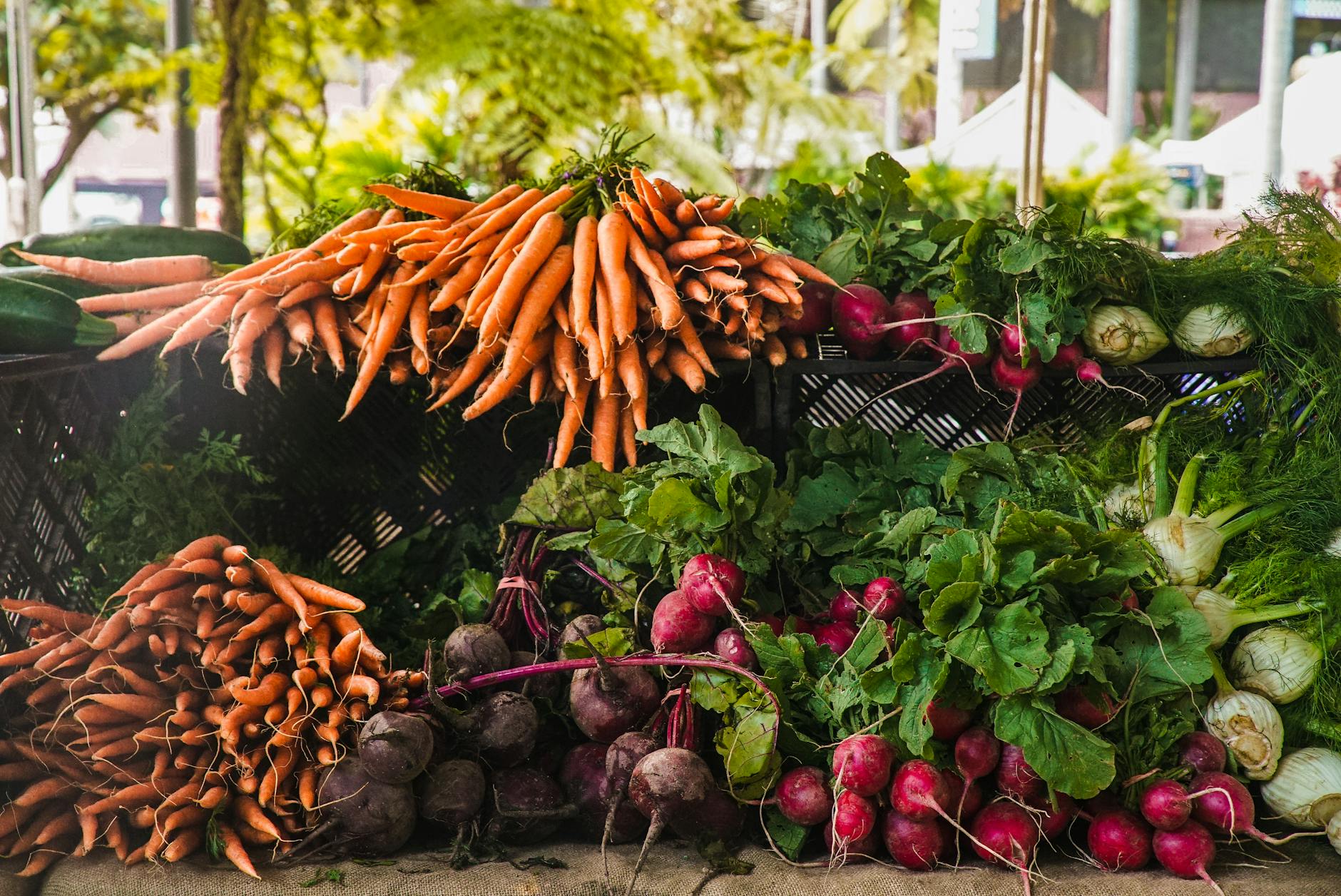
Turnips are root vegetables that belong to the cruciferous family and share its gas-producing traits. They contain sulfur compounds that can lead to odorous gas and significant bloating. The high fiber content in turnips slows gastric emptying and keeps food in the stomach longer. This delay can increase the sensation of pressure and distension in the abdomen. mashing turnips like potatoes can help mechanically break down the fibers before consumption.
Rutabaga
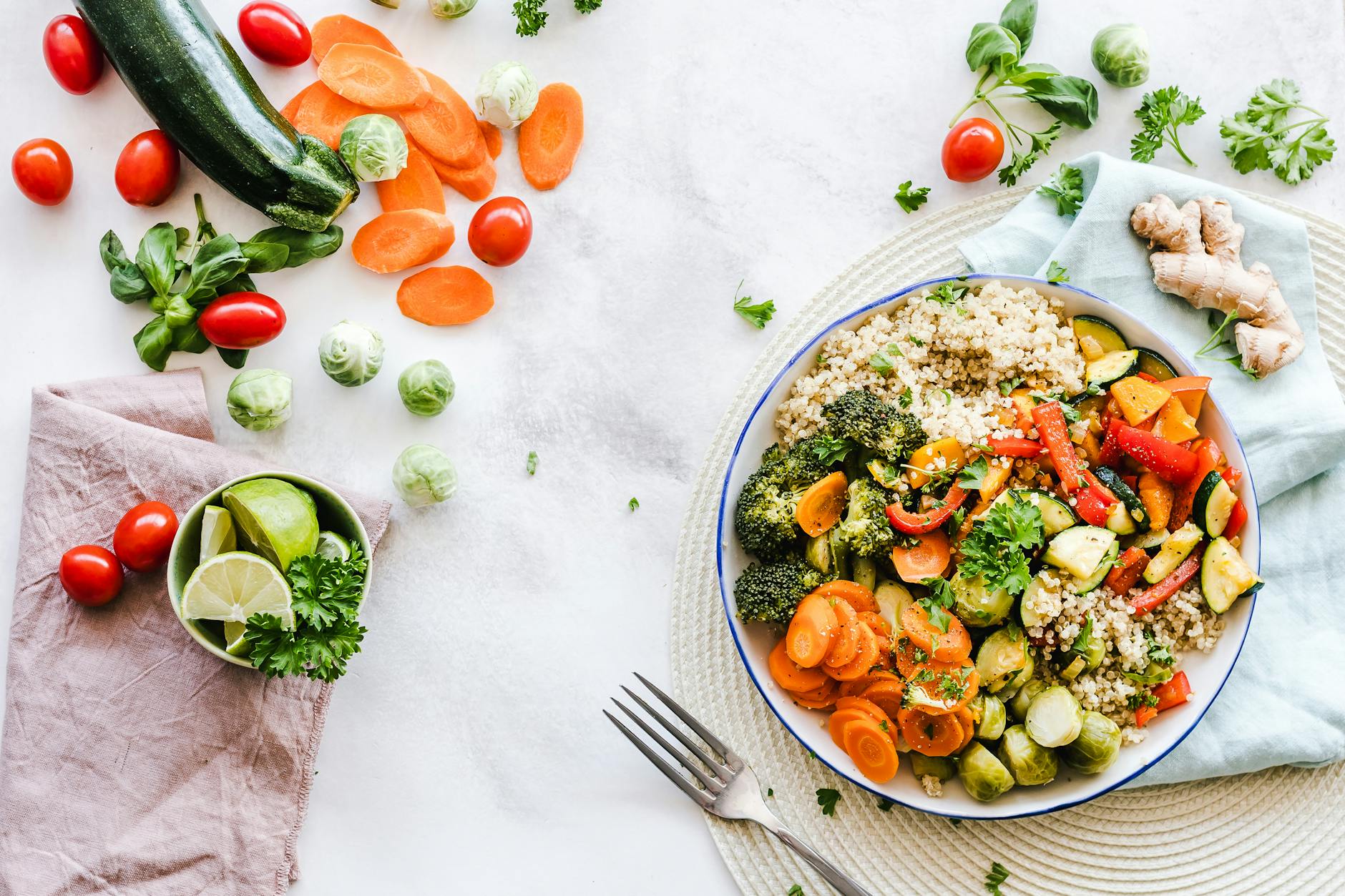
Rutabaga is a cross between a cabbage and a turnip which gives it a double dose of bloating potential. It contains raffinose and acts similarly to other cruciferous vegetables in the gut. The dense flesh requires significant digestive effort and enzymatic activity to break down. Fermentation of the sugars in the large intestine is the primary cause of the discomfort it brings. Roasting creates a sweeter flavor but the complex carbohydrates remain present.
Kohlrabi
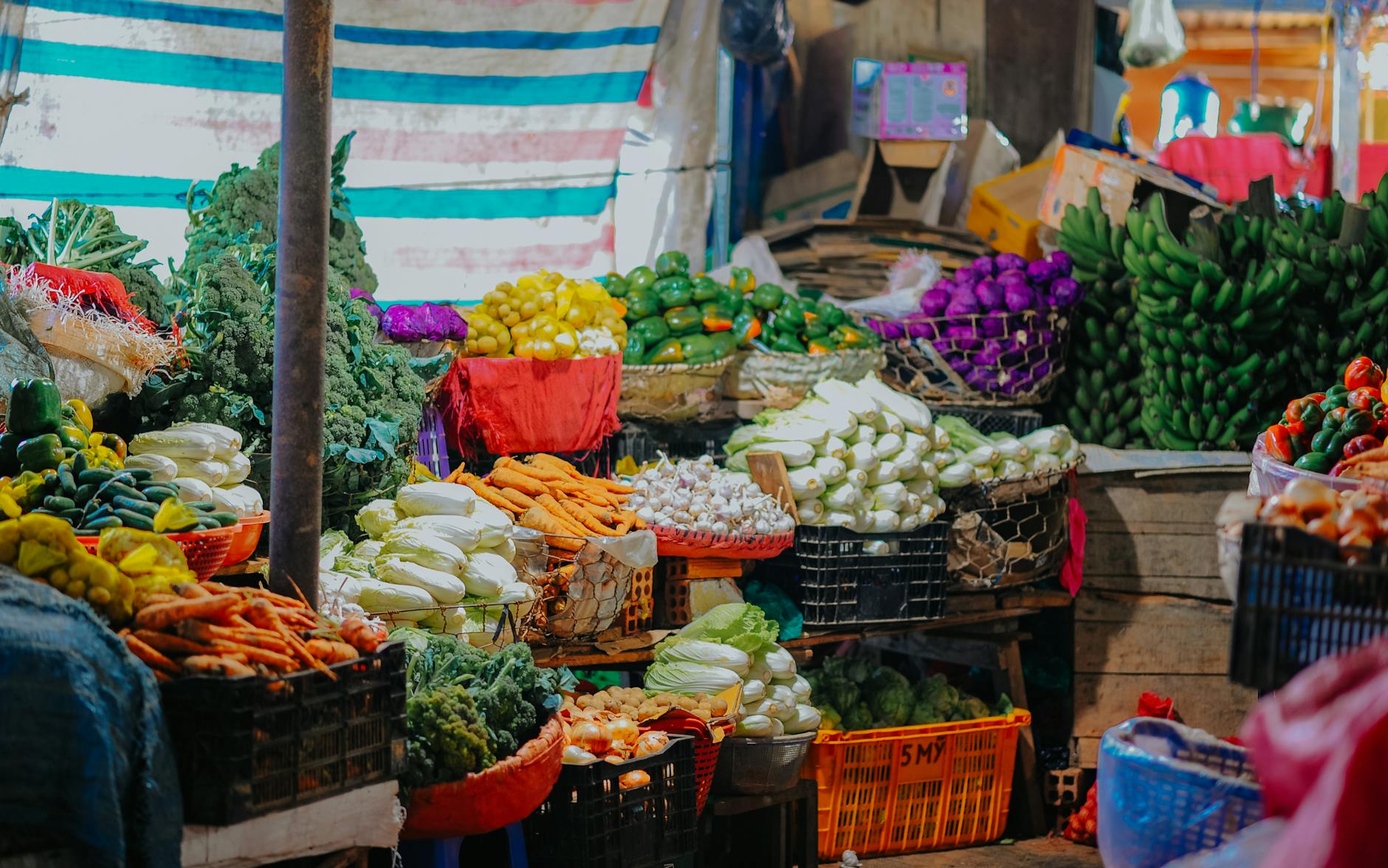
Kohlrabi looks like a root vegetable but is actually a swollen stem of a plant in the cabbage family. It is rich in fiber and raffinose which guarantees gas production for most people. The texture is crisp and watery like an apple but the aftermath is distinctly cruciferous. Eating it raw in salads maximizes the fiber load and potential for bloating. Peeling the thick outer skin is necessary as it is completely indigestible.
Savoy Cabbage

Savoy cabbage has crinkled leaves that are more tender than regular cabbage but still troublesome. It contains the same raffinose and fructans found in its smoother relatives. The surface area of the crinkled leaves can also trap air during cooking and eating. Fermentation in the gut leads to the expansion of the abdomen and general discomfort. Long braising times are traditionally used to make this vegetable more digestible.
Radishes

Radishes are often eaten raw to add a peppery crunch to salads and tacos. This sharp flavor comes from sulfur compounds that can irritate the stomach and cause gas. They are also cruciferous vegetables that contain indigestible raffinoses. Eating them rapidly often leads to swallowing air which compounds the bloating effect. Roasting radishes mellows their flavor and softens the fibers to make them gentler on the gut.
Cassava
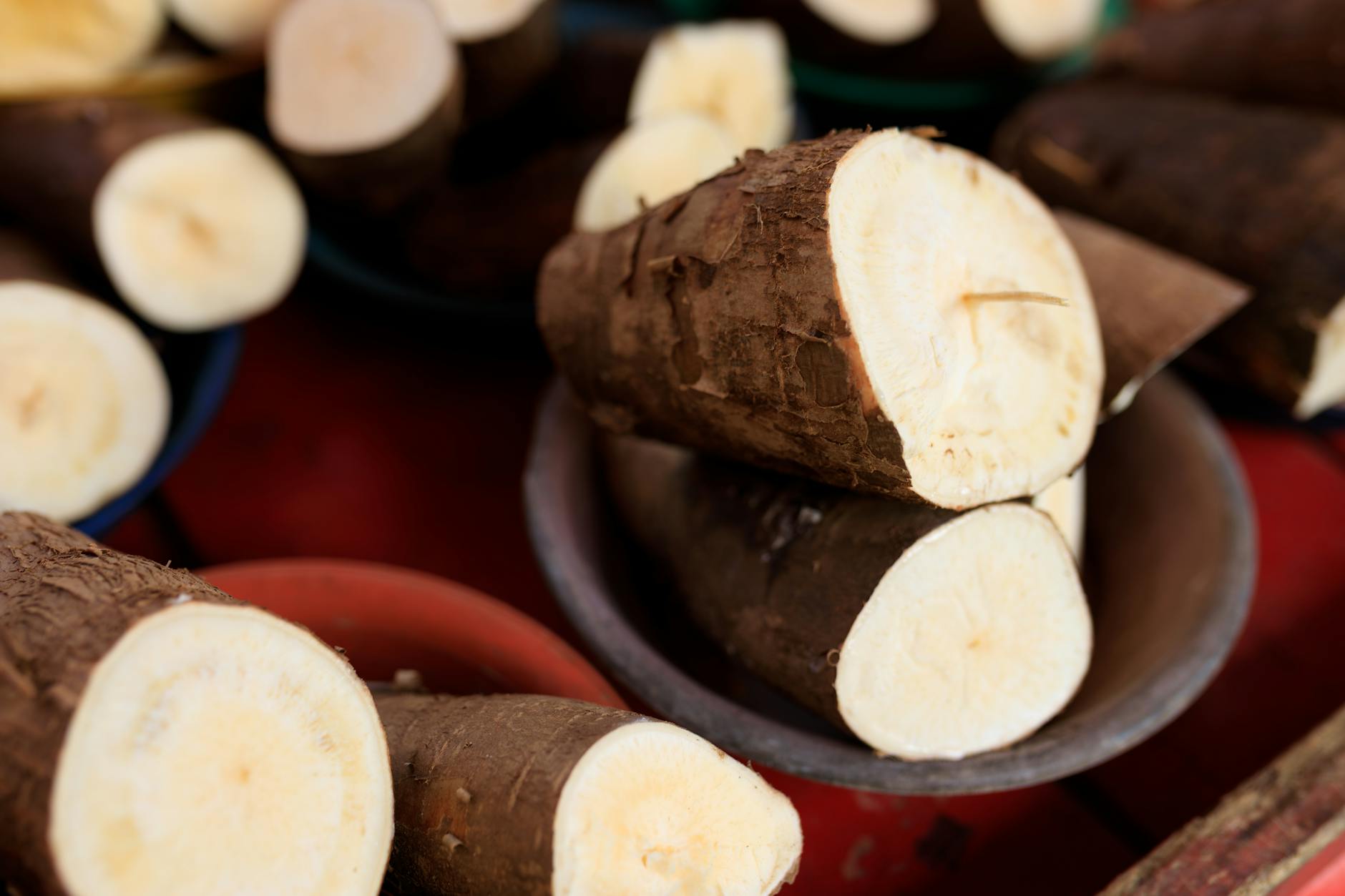
Cassava is a starchy tuber that serves as a major carbohydrate source in many tropical regions. It contains high amounts of resistant starch which resists digestion in the small intestine. When this starch reaches the colon it ferments vigorously and produces a large volume of gas. Improper preparation can also leave residual compounds that are difficult for the body to handle. It must be boiled or cooked thoroughly to be safe and somewhat easier to digest.
Tell us which of these vegetables affects you the most by leaving a note in the comments.