Many nutritious vegetables contain complex sugars and fibers that can lead to uncomfortable abdominal distention. Digestion varies significantly among individuals but certain plants are notorious for fermenting in the gut and creating gas. Understanding which ingredients commonly trigger these issues helps in making smarter dietary choices for a flatter stomach. Simple substitutions allow you to enjoy flavorful meals without the heavy feeling that follows specific fibrous foods. The following list identifies common offenders and suggests gentler alternatives to keep your digestive system happy.
Broccoli

This cruciferous vegetable is packed with vitamins but also contains high levels of raffinose. Raffinose is a complex sugar that humans lack the enzyme to break down completely in the small intestine. Bacteria in the large intestine eventually ferment this sugar and produce significant amounts of gas. Cooking broccoli thoroughly can help soften the tough fibers to make digestion slightly easier. Spinach acts as a wonderful alternative that provides similar nutrients without causing the same degree of bloating.
Cauliflower

Cauliflower has gained popularity as a low-carb substitute for grains but it frequently causes digestive distress. It contains a type of carbohydrate called mannitol which many people find difficult to absorb. This sugar alcohol draws water into the digestive tract and is fermented by bacteria to cause gas and bloating. Steaming the vegetable reduces some of these effects compared to eating it raw. Mashed parsnips or potatoes offer a similar texture for comfort food dishes without the high risk of gas.
Brussels Sprouts

These miniature cabbages are a holiday staple that often leads to post-meal discomfort due to their tough fibrous nature. They are rich in fructans and raffinose which are both difficult for the stomach to process efficiently. The bacteria in your gut work overtime to break these compounds down and result in hydrogen and methane gas production. Roasting them until they are well-cooked can help break down some of the complex sugars. Green beans are a safer side dish that offers a satisfying crunch with a much lower risk of abdominal swelling.
Cabbage

Cabbage is a common ingredient in salads and slaws that can trigger significant fermentation in the gut. The vegetable is high in fiber and sulfur compounds that contribute to gas production during the digestive process. Eating raw cabbage is particularly challenging for the stomach because the cellular structure remains intact until chewed extensively. Fermented versions like sauerkraut may be easier to digest because the bacteria have already started the breakdown process. Lettuce or bok choy serves as a much gentler base for salads and adds crunch without the bloat.
Onions

Onions are one of the most common dietary sources of fructans which are soluble fibers that cause bloating. Many people have a limited ability to absorb fructans in the small intestine leading to water retention and gas. Cooking onions well can reduce the amount of fermentable sugars but may not eliminate the problem for sensitive individuals. The green tops of scallions are an excellent substitute that provides an oniony flavor without the fructan-rich bulb. Chives also offer a mild and savory taste that is generally well-tolerated by the digestive system.
Garlic

This aromatic bulb contains high concentrations of fructans that are notorious for causing digestive issues even in small amounts. The primary carbohydrate in garlic travels to the large intestine where it is rapidly fermented by gut bacteria. This process often results in painful gas and visible bloating shortly after consumption. Infusing olive oil with garlic cloves allows you to capture the essence of the flavor without consuming the fibrous material. Asafetida powder is another pungent spice used in Indian cooking that mimics the taste of garlic and onion without the gastric distress.
Asparagus
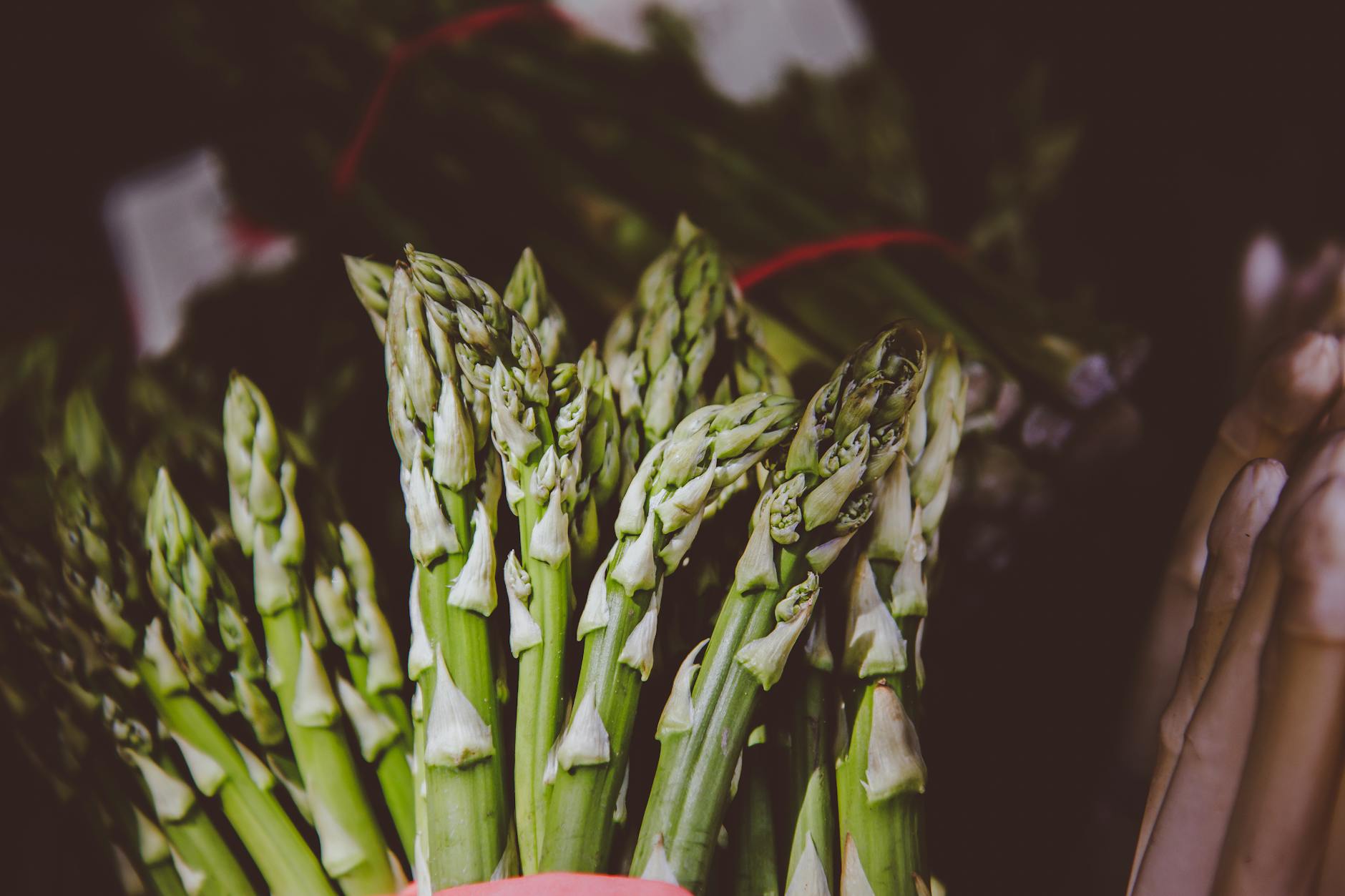
Asparagus spears are a delicious spring vegetable that contains moderate amounts of fructans. The vegetable is often hard to digest completely and can lead to gas accumulation as it moves through the digestive tract. Some people also notice a distinct odor in their urine which is a byproduct of asparagusic acid breakdown. Peeling the thick skin off the stalks can sometimes help reduce the fiber load. Bamboo shoots provide a similar texture in stir-fries and are typically much easier on the stomach.
Artichokes

Whole artichokes and artichoke hearts are incredibly high in fructans and are often considered one of the most gas-inducing vegetables. The indigestible fibers travel to the colon where they feed bacteria and create a substantial amount of gas. This reaction can be severe for individuals who have trouble processing FODMAPs. Canned hearts of palm have a comparable texture and mild flavor that works well in salads and dips. They provide a sophisticated addition to meals without the heavy aftermath associated with artichokes.
Mushrooms

Many common mushroom varieties contain mannitol which is a sugar alcohol that attracts water into the intestine. This increase in fluid and the subsequent fermentation process often leads to bloating and loose stools. Portobello and shiitake mushrooms tend to have higher levels of these problematic sugars. Oyster mushrooms are generally lower in mannitol and may be tolerated better by sensitive stomachs. Eggplant can also serve as a savory and meaty alternative in various vegetarian dishes.
Kidney Beans

Legumes like kidney beans are famous for their gas-producing properties due to their high galac-oligosaccharide content. These complex sugars are completely indigestible until they reach the gut bacteria in the large intestine. The thick skin of the bean adds a layer of fiber that requires robust digestion. Soaking dried beans overnight and discarding the water before cooking helps remove some of the gas-causing compounds. Canned chickpeas that have been thoroughly rinsed are often a lighter alternative for salads and stews.
Lentils

Lentils are a staple protein source for many but they contain high amounts of GOS and fiber. The fermentation of these compounds happens rapidly in the lower gut and causes expansion and discomfort. Green and brown lentils tend to retain their shape and are harder to digest than red lentils which break down during cooking. Canned lentils are usually lower in FODMAPs because the canning liquid leaches out some of the carbohydrates. Tofu is a plant-based protein substitute that is generally very easy to digest and versatile in recipes.
Snow Peas

These crisp pods contain both fructans and mannitol which creates a double threat for digestive comfort. The fibrous pod itself is difficult for the body to break down and often leads to gas production. Eating large quantities of snow peas in stir-fries significantly increases the overall FODMAP load of a meal. Green beans serve as a perfect replacement with a similar crunch and bright green color. Carrots cut into thin strips also provide a satisfying texture without the complex sugars found in pea pods.
Corn

Sweet corn is high in cellulose which is an insoluble fiber that humans cannot fully digest. The kernels often pass through the digestive tract relatively intact if not chewed thoroughly. Corn also contains sorbitol in some varieties which is another sugar alcohol that contributes to bloating. Processing corn into polenta or tortillas breaks down the physical structure and makes it easier to handle. Quinoa or rice serve as starchier side dishes that are generally much gentler on the stomach than whole corn kernels.
Leeks

Leeks belong to the allium family and share the high fructan content found in onions and garlic. The white bulbous part of the vegetable concentrates the highest amount of these fermentable sugars. Consuming leeks in soups or stews can cause lingering abdominal pain for those with sensitivity. Using only the dark green leaves of the leek provides a similar flavor profile with significantly fewer fructans. Fennel bulbs can also offer a complex flavor for braised dishes though they have their own distinct taste.
Shallots
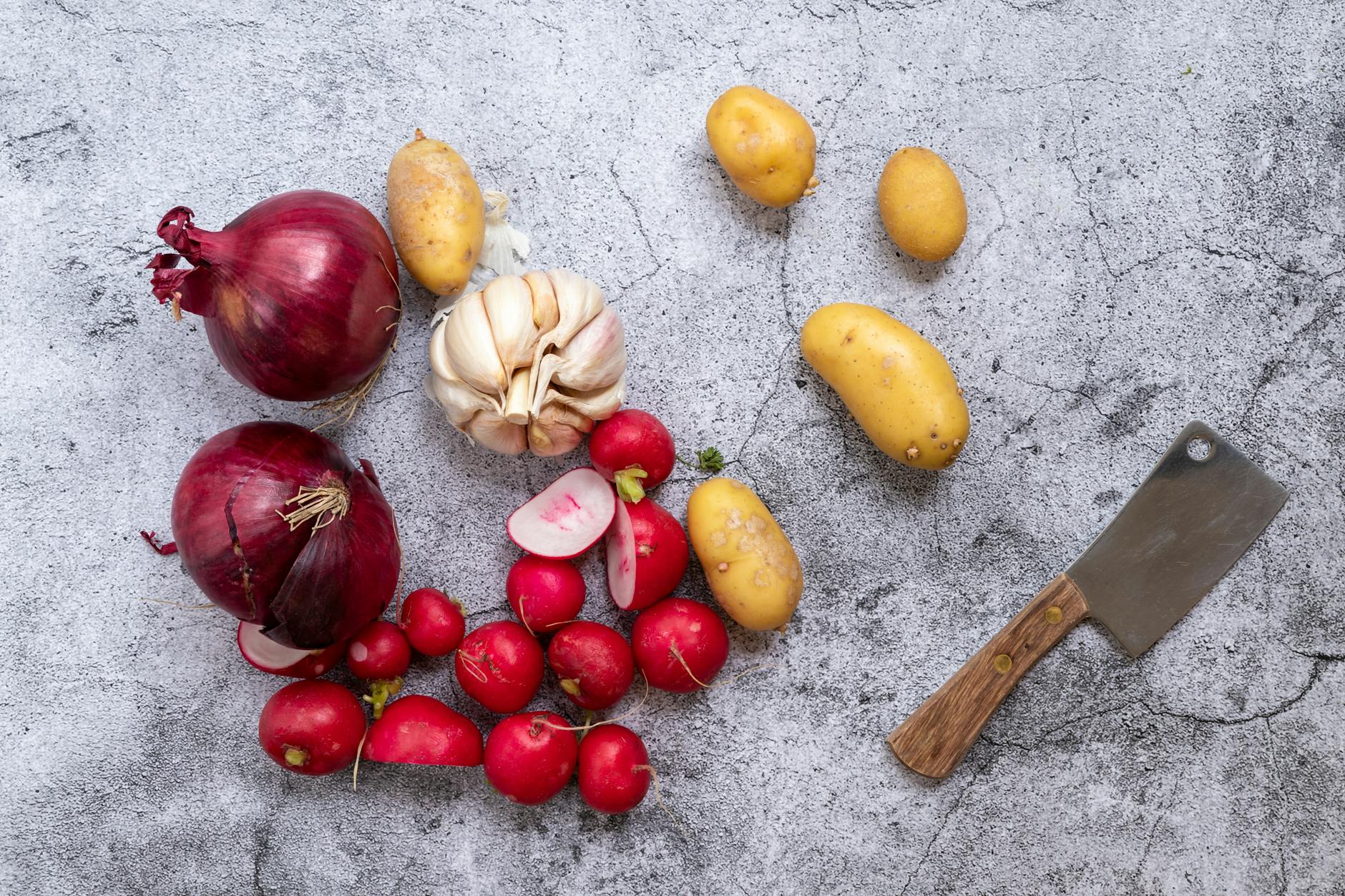
Shallots offer a refined flavor that is a cross between garlic and onion but they are packed with fermentable carbohydrates. Their density of fructans makes them a potent trigger for bloating even when used in small minced quantities. The concentrated sugars ferment quickly in the gut and cause rapid gas expansion. Using garlic-infused oil or the green tops of spring onions helps avoid this reaction. Chives are again a superior garnish that delivers a mild bite without the digestive heavy lifting.
Beets

Beets are rich in flavor and color but they also contain moderate levels of fructans and GOS. The fiber content in raw beets is particularly tough and can slow down digestion while fermentation occurs. Some individuals may also experience beeturia which turns urine pink but the primary discomfort comes from gas. Roasting beets until they are very tender helps break down the cellular walls and improves digestibility. Carrots or roasted red peppers offer sweet and earthy alternatives that are typically safer for preventing bloat.
Jerusalem Artichokes

These tubers are also known as sunchokes and are notorious for their extremely high inulin content. Inulin is a type of prebiotic fiber that feeds gut bacteria aggressively and produces massive amounts of gas as a byproduct. Even small servings of Jerusalem artichokes can cause severe cramping and distention in many people. Potatoes are a much safer starch that provides energy without the excessive fermentation. Parsnips also offer a sweet and nutty flavor profile similar to sunchokes but with fewer digestive side effects.
Green Peas

Green peas are starchy legumes that contain high levels of galac-oligosaccharides and fructose. While they are a convenient vegetable to keep in the freezer they often contribute to a feeling of fullness and gas. The outer skin of the pea is fibrous and can be irritating to a sensitive digestive tract. Zucchini cubes work well in soups and pasta dishes as a low-carb filler. Cucumbers provide a fresh and crunchy alternative for cold salads where peas might usually be used.
Kale
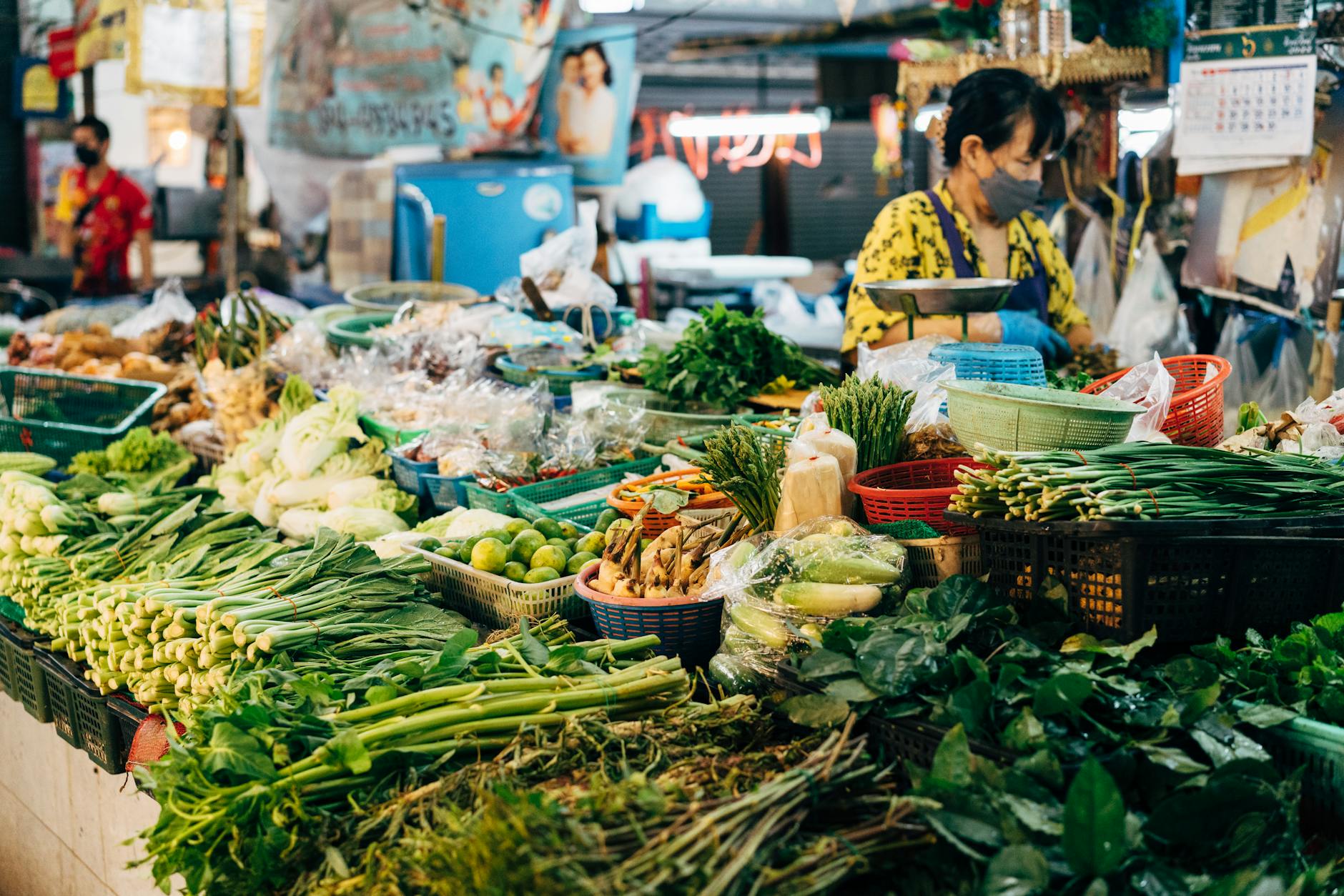
Raw kale has become a superfood staple but its tough leaves are very high in insoluble fiber and raffinose. The stomach often struggles to break down the dense cellulose structure which leads to gas production lower in the tract. Massaging kale with oil and lemon juice before eating can help soften the fibers significantly. Sautéing the greens is an even better method to improve digestibility. Swiss chard or spinach are softer leafy greens that offer excellent nutrition with a much lower risk of bloating.
Celery

Celery is often touted as a diet food but it contains a high amount of mannitol in its fibrous stalks. The long strings of fiber can be difficult to chew thoroughly and may trap gas in the digestive system. Eating large amounts of celery juice or raw sticks can overwhelm the gut’s ability to absorb the sugar alcohols. Peeling the celery to remove the stringy exterior can help slightly with digestion. Cucumber slices are a hydrating and crunchy snack that typically does not cause the same level of bloating.
Soybeans

Whole soybeans or edamame contain high levels of galac-oligosaccharides similar to other legumes. These complex sugars require fermentation to be broken down which inevitably releases gas. While soy products like tofu are easier to digest the whole bean remains a common trigger for abdominal swelling. Firm tofu is a processed alternative where the whey containing the sugars has been pressed out. Macadamia nuts or peanuts can replace edamame as a savory snack with a lower risk of digestive upset.
Butternut Squash

This winter squash is a comforting seasonal favorite that unfortunately contains high amounts of mannitol and GOS. Digesting large portions of butternut squash can draw water into the intestine and lead to an uncomfortable feeling of fullness. The sweetness that makes it delicious also signals the presence of these fermentable carbohydrates. Kabocha squash is a Japanese variety that is generally lower in FODMAPs and easier on the stomach. Sweet potatoes are another orange vegetable that most people digest more easily than butternut squash.
Savoy Cabbage
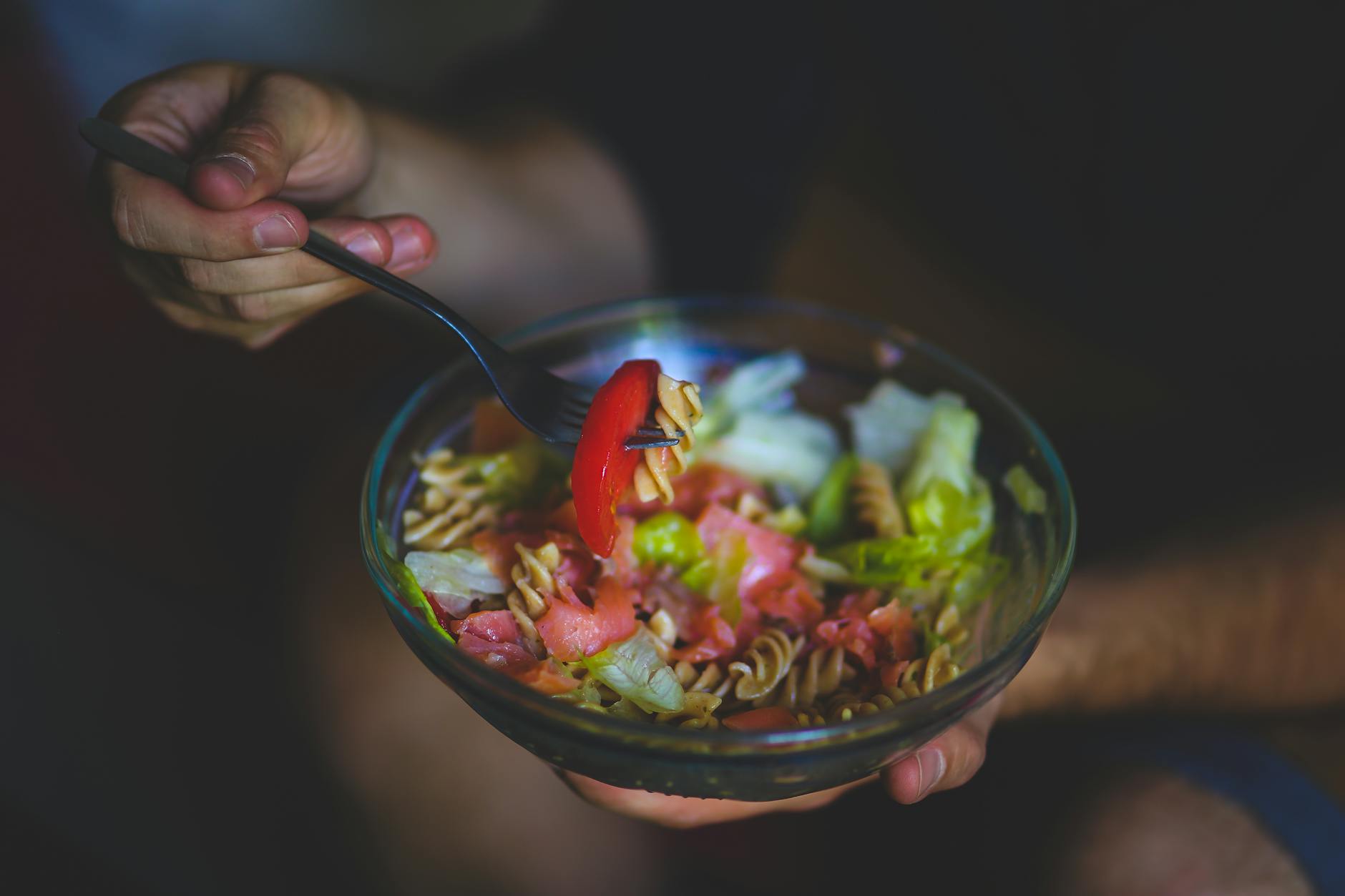
Savoy cabbage is known for its crinkled leaves and tenderness but it still possesses the gas-producing traits of the brassica family. It contains raffinose and high fiber which ferment in the colon to produce methane and hydrogen. The texture may be softer than green cabbage but the chemical composition still challenges the digestive process. Red bell peppers provide a satisfying crunch in stir-fries without the gaseous after-effects. Spinach is a reliable leafy substitute that wilts down easily and causes minimal bloating.
Navy Beans

Navy beans are small white beans often used in soups and baked bean dishes that are extremely high in fiber. They contain substantial amounts of indigestible complex sugars that guarantee gas production for almost everyone. The bacteria in the large intestine must work hard to break these beans down which results in significant bloating. Canned butter beans that have been rinsed well are sometimes tolerated better in smaller quantities. Rice or small pasta shapes can bulk up soups without adding the heavy digestive load of navy beans.
Scallion Bulbs

The white bulb at the base of a scallion is concentrated with fructans just like a regular onion. Many recipes call for using the entire green onion but the white part is the primary culprit for digestive distress. Eating this part raw in salads or salsas can lead to immediate bloating for sensitive individuals. You can slice off the white portion and only use the dark green leaves for flavor. Chives are the best complete botanical alternative that allows you to use the entire stem without worry.
Please describe your own experiences with these vegetables and any effective substitutions you have found in the comments.