For years, countless people have been spending extra time soaking jars in hot water, carefully peeling off sticky labels, and scrubbing packaging clean before tossing it into the recycling bin. It turns out that at least part of that effort has been completely unnecessary, and a popular garbage collector on TikTok is here to set the record straight. His viral video has sparked a wave of reactions from people who feel like they wasted years doing something that was never actually required.
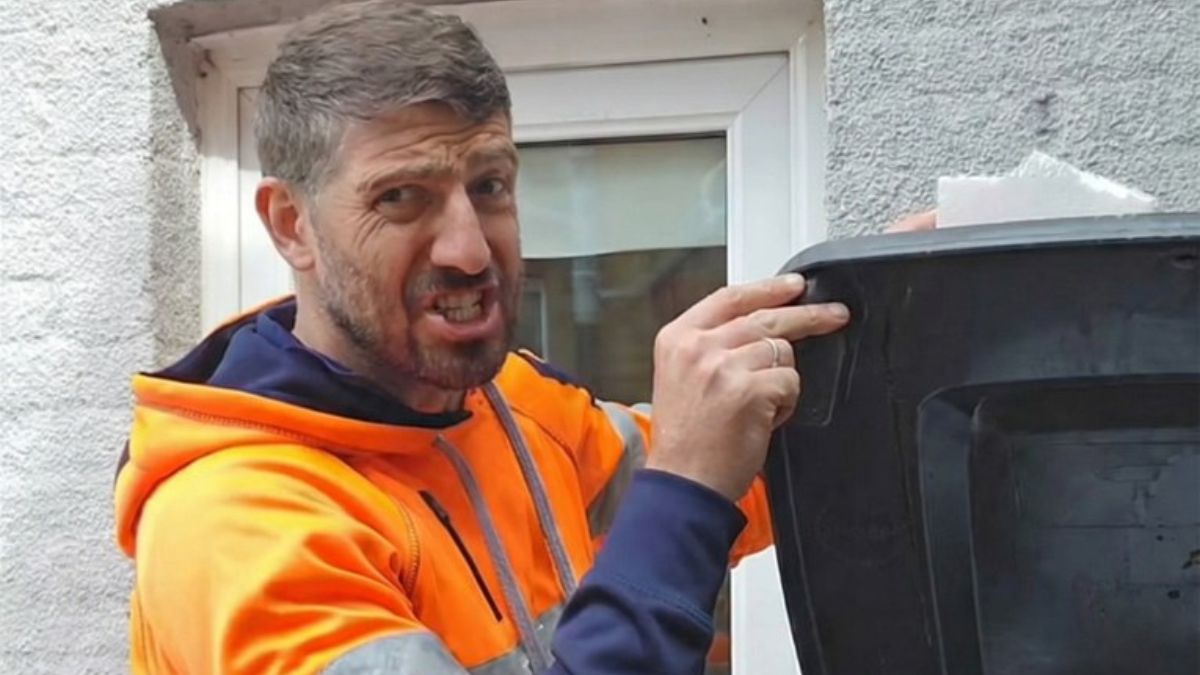
The man behind the clarification is TikTok user @Theno1.binman, a waste collector who has built a following by sharing insider knowledge about trash and recycling. When a follower asked whether labels really need to be peeled off bottles and cans before recycling, his answer was refreshingly simple. “No, you don’t have to,” he told viewers, going on to explain that there is a whole range of items where labels are perfectly fine to leave on. “We don’t expect you to be scraping paper or whatever is on the packaging,” he added, pushing back against the overly detailed recycling tips that circulate online.
Despite giving people a pass on label removal, @Theno1.binman was clear that there is one rule that absolutely cannot be skipped. Failing to follow it, he warned, could result in waste collectors refusing to empty your bin entirely. The rule comes down to food residue: packaging must be rinsed out before it goes into recycling. “That doesn’t mean you don’t need to wash the packaging,” he explained. “If there are food remnants inside, we don’t want that. Food residue can end up on other materials and contaminate the entire contents of the bin, and nobody wants that.” Contaminated recycling is frequently rejected and sent to landfill rather than being processed, which defeats the entire purpose of separating waste in the first place.
@theno1.binman Replying to @justdave40 ♬ original sound – The No1 Binman
The distinction is an important one that many households simply have never been told clearly. Removing labels is largely unnecessary, but rinsing containers is non-negotiable. It is a small habit that takes seconds and makes a significant difference in whether your recycling actually gets recycled or ends up as garbage anyway. The video resonated widely precisely because it simplified a topic that has long been cluttered with conflicting and overly complex advice.
Recycling guidelines can vary depending on where you live, but the underlying science behind contamination is consistent everywhere. When food waste mixes with paper, cardboard, or other recyclable materials inside a bin, it can render entire loads unprocessable. Materials like wet or greasy cardboard lose their structural integrity and cannot be turned back into usable paper products. Glass, plastic, and metal are generally more forgiving when rinsed, but even these materials can cause problems when coated in organic matter during sorting and processing at recycling facilities.
On the question of labels specifically, most modern recycling facilities are equipped to handle them during processing. Paper labels typically burn off or separate during the high-heat stages of glass and metal recycling, while plastic labels on bottles are often sorted out mechanically. The bigger concern at facilities is always organic contamination, which is why workers in the industry consistently prioritize the rinsing rule above almost everything else. Recycling as a system works best when the public understands which rules actually have a meaningful impact and which ones are more about personal preference than operational necessity.
The global recycling rate for materials like plastic remains relatively low, with studies estimating that less than 10 percent of all plastic ever produced has actually been recycled. This makes it all the more important that the recycling that does get collected is handled correctly at the household level so it can actually be processed. Simple habits like rinsing containers before binning them are among the most impactful things the average person can do to improve those numbers. When small amounts of contamination are multiplied across millions of households, the effect on recycling facilities becomes enormous.
If @Theno1.binman’s video taught people anything, it is that better public communication about recycling rules could go a long way toward improving outcomes without requiring more effort from anyone. People are generally willing to do the right thing when they understand what actually matters and why. Feel free to share your own recycling habits and whether this changes how you sort your waste in the comments.