The supplement industry is a multi-billion dollar market built on the promise of better health, but not every pill or powder delivers what it advertises. Many widely used vitamins and supplements carry real risks when taken in excess or without medical supervision. Research continues to reveal that certain products marketed as health boosters can interfere with medications, damage organs, or increase the risk of serious conditions. Understanding the potential downsides of these supplements is just as important as knowing their benefits. Before adding anything new to a daily routine, consulting a qualified healthcare provider is always the wisest first step.
Vitamin A

Vitamin A is essential for vision, immune function, and skin health, but supplementing beyond the recommended daily allowance can quickly become dangerous. The fat-soluble nature of this vitamin means excess amounts are stored in the liver rather than excreted, leading to a gradual toxic buildup. High-dose supplementation has been associated with liver damage, bone loss, and increased fracture risk over time. Pregnant individuals face a particular risk, as elevated vitamin A intake has been linked to serious fetal developmental issues. Many people already obtain sufficient amounts through diet alone, making additional supplementation unnecessary and potentially harmful.
Beta Carotene

Beta carotene is a plant-derived precursor to vitamin A and is often marketed as a safer antioxidant alternative. However, high-dose supplementation has been directly linked to increased lung cancer risk in individuals who smoke or have had significant asbestos exposure. Two major clinical trials were halted early after participants taking beta carotene supplements showed notably higher rates of lung cancer compared to those taking a placebo. The body converts beta carotene to vitamin A as needed when consumed through food, which regulates absorption naturally. Obtaining this nutrient from fruits and vegetables rather than isolated supplements is strongly recommended by health authorities.
Vitamin E
Vitamin E has long been promoted for its antioxidant properties and supposed cardiovascular benefits, but the evidence has shifted significantly in recent years. Multiple large-scale studies found that high-dose vitamin E supplementation was associated with an increased overall risk of mortality rather than a decreased one. Men taking high doses have shown an elevated risk of prostate cancer in some long-term research. At doses above 400 IU per day, vitamin E can also interfere with blood clotting, raising the risk of hemorrhagic stroke. The protective effects attributed to this vitamin appear to be specific to food-based sources rather than isolated supplement form.
Calcium Supplements

Calcium supplements are among the most widely recommended products for bone health, particularly in older adults, but their cardiovascular implications have raised serious concerns. Several studies have found an association between calcium supplementation and an increased risk of heart attack and arterial calcification. The body processes calcium from supplements differently than calcium absorbed from whole foods, potentially leading to deposits in arterial walls. High supplemental calcium intake has also been connected to kidney stone formation in susceptible individuals. Many nutrition experts now suggest prioritizing dietary sources such as dairy, leafy greens, and fortified foods over standalone calcium tablets.
Vitamin D
Vitamin D deficiency is genuinely common and supplementation is often appropriate, but excessive intake presents its own set of problems. Because vitamin D is fat-soluble, it accumulates in body tissues and can reach toxic levels with prolonged high-dose supplementation. Vitamin D toxicity leads to hypercalcemia, a condition involving elevated calcium in the blood that can cause nausea, weakness, frequent urination, and kidney damage. Some research has also noted a U-shaped risk curve, where both very low and very high vitamin D levels are associated with adverse health outcomes. Testing blood levels before supplementing and working with a physician to determine appropriate dosage is considered best practice.
Niacin
Niacin, also known as vitamin B3, was once widely prescribed as a cholesterol-lowering agent, but its clinical reputation has declined considerably. High-dose niacin supplementation causes a well-known side effect called flushing, characterized by intense skin redness, tingling, and warmth that many users find intolerable. More seriously, supplemental niacin at therapeutic doses has been linked to liver damage, elevated blood sugar levels, and worsening of gout symptoms. A major clinical trial found that adding high-dose niacin to statin therapy did not reduce cardiovascular events and was associated with increased serious adverse effects. Most mainstream cardiovascular guidelines have moved away from recommending niacin supplementation for heart health.
Iron Supplements
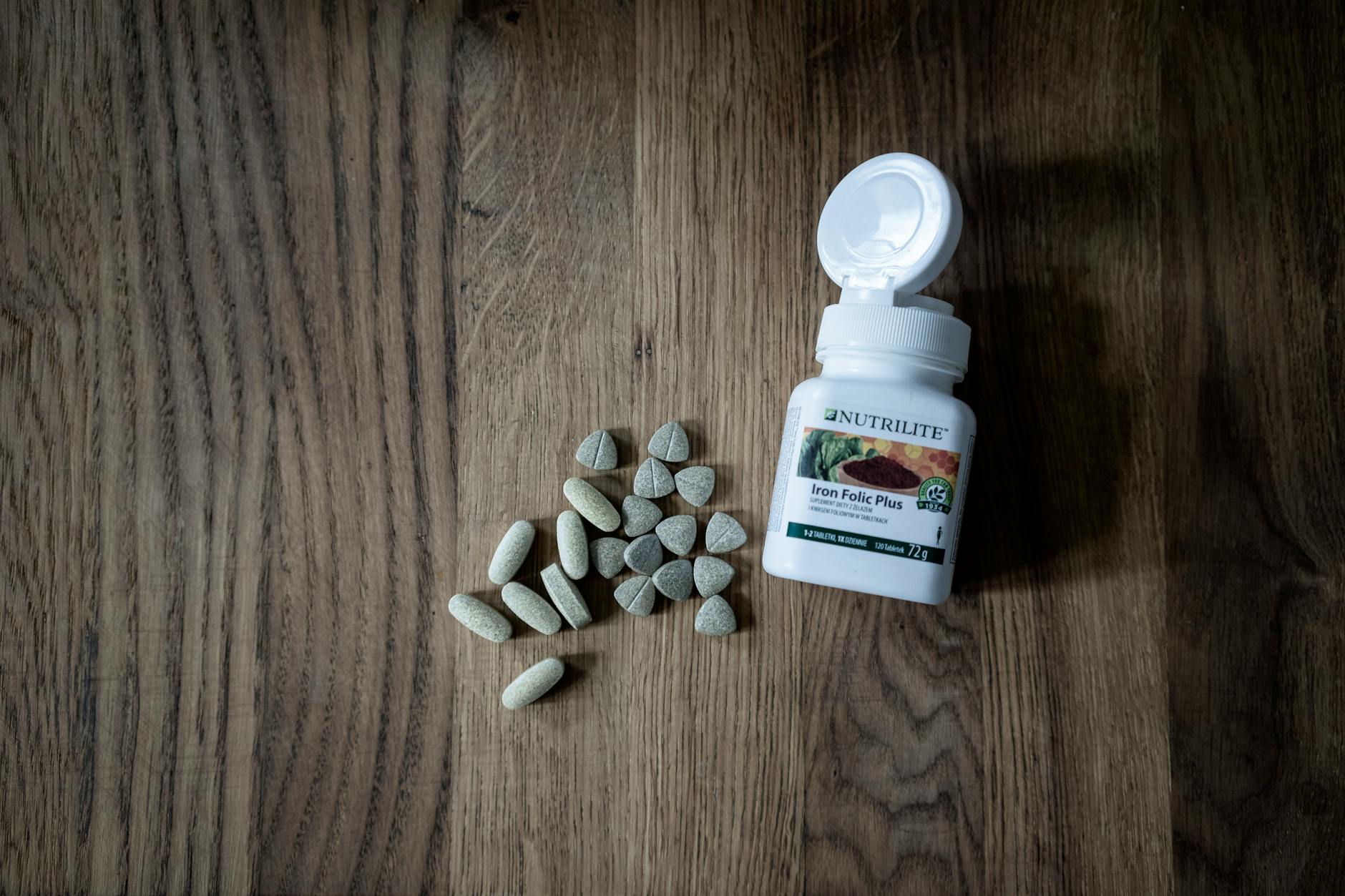
Iron supplementation is medically necessary for individuals with confirmed deficiency or anemia, but taking it without a diagnosed need can be genuinely harmful. Excess iron accumulates in organs including the liver, heart, and pancreas, contributing to oxidative stress and tissue damage over time. A condition called hemochromatosis, which involves iron overload, can result from chronic unsupervised supplementation and may cause serious organ damage if left unaddressed. High iron intake has also been associated with increased colorectal cancer risk in some population studies. Iron levels can be accurately measured through a simple blood test, and supplementation should only be initiated under medical guidance.
Vitamin B6

Vitamin B6 plays an important role in brain development and immune function, and is found in many fortified foods and multivitamins. When consumed in large supplemental doses over extended periods, however, it can cause a serious nerve condition known as sensory peripheral neuropathy. Individuals affected by this condition experience numbness, tingling, and pain in the extremities that can sometimes persist even after supplementation is stopped. The issue is particularly concerning because B6 toxicity can develop from doses that are not dramatically above the recommended daily intake. People taking multiple supplements or fortified products simultaneously may unknowingly be exceeding safe thresholds without realizing it.
Zinc
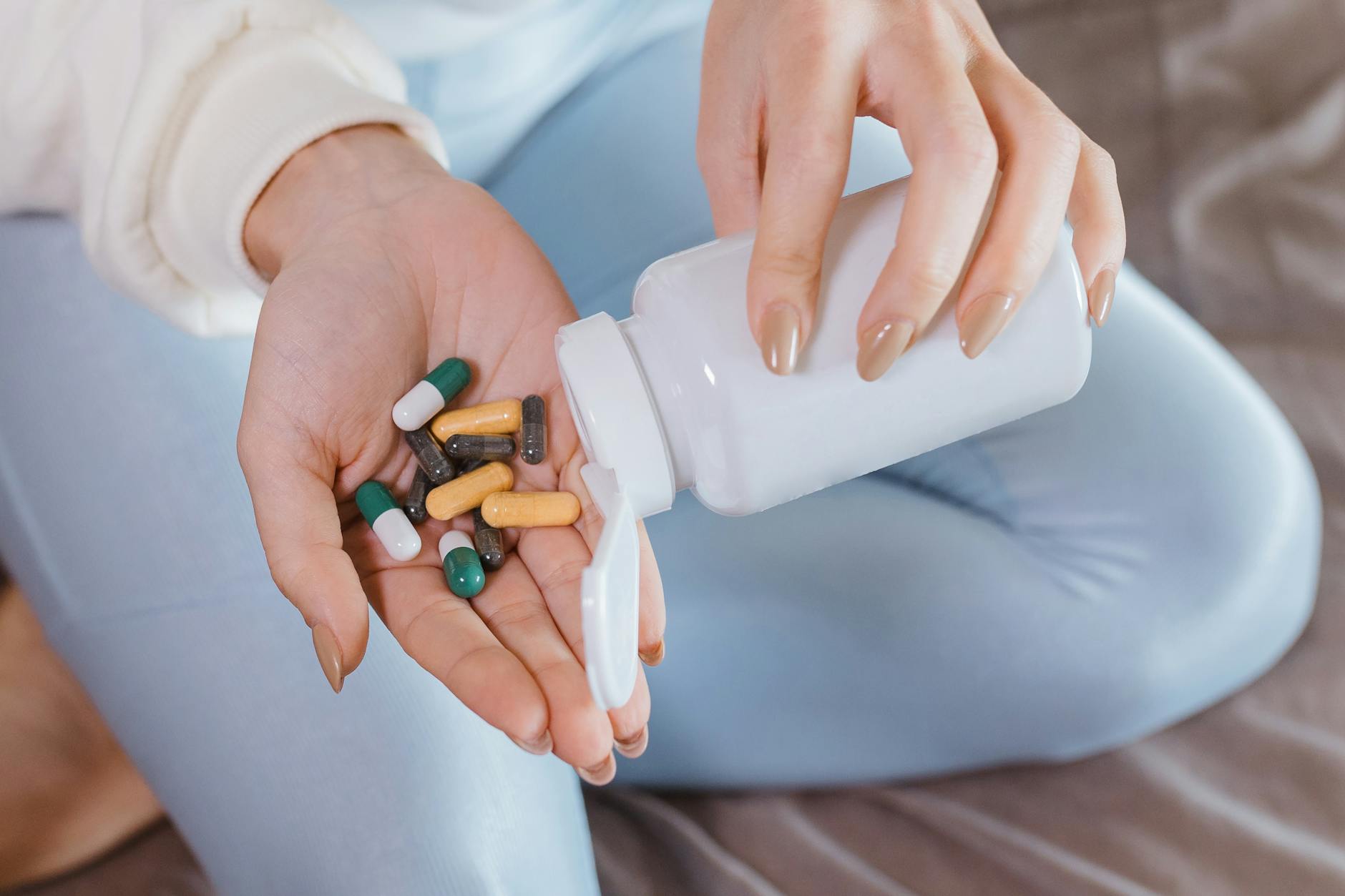
Zinc is a trace mineral critical for immune response, wound healing, and enzyme function, but supplementing too much disrupts the body’s mineral balance. High zinc intake interferes with copper absorption, leading to copper deficiency over time, which can impair neurological function and red blood cell production. Long-term excessive zinc supplementation has been associated with nerve damage and a condition called copper deficiency myelopathy, which affects the spinal cord. Nausea, vomiting, and gastrointestinal distress are common immediate side effects of zinc doses above the tolerable upper intake level. Since zinc is present in many multivitamins, protein powders, and immune supplements, cumulative intake can easily exceed safe limits without awareness.
Selenium
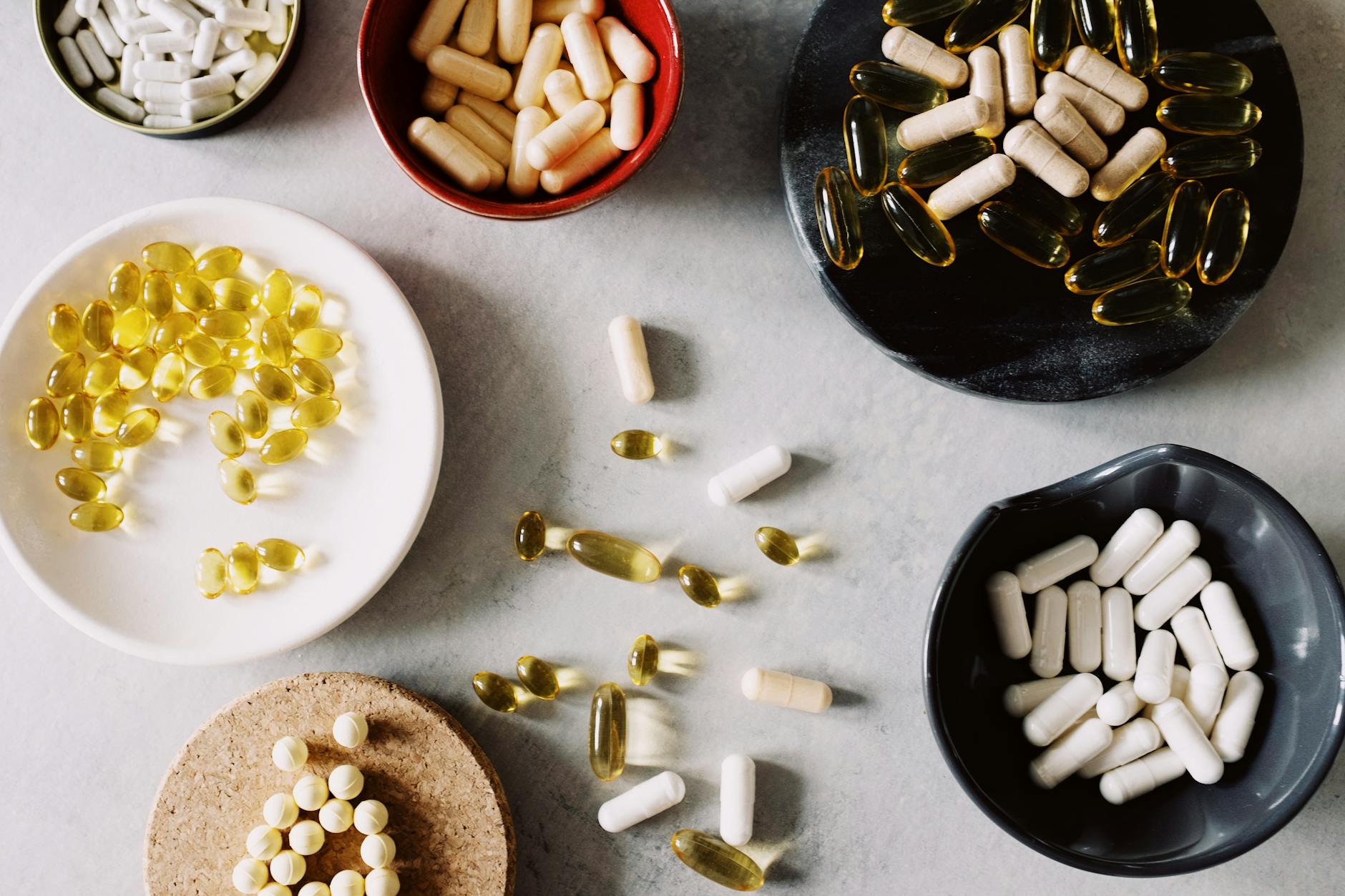
Selenium is an essential trace element with antioxidant and thyroid-supporting functions, but the margin between beneficial and toxic doses is notably narrow. Chronic high-dose selenium intake leads to a condition called selenosis, which presents with hair loss, brittle nails, gastrointestinal problems, and neurological symptoms. Large trials examining selenium supplementation for cancer prevention found no protective effect in people who already had adequate selenium status, and some evidence suggested potential harm. The recommended daily intake for selenium is modest, and many populations already meet requirements through food sources such as Brazil nuts, seafood, and whole grains. Consuming just one or two Brazil nuts daily can supply the body’s entire selenium requirement, making additional supplementation rarely necessary.
St. John’s Wort

St. John’s Wort is a plant-based supplement widely used for mild to moderate depression and mood support, and it has genuine pharmacological activity. That pharmacological activity is precisely what makes it hazardous in many clinical situations, as it is one of the most documented herbal drug interaction risks known to practitioners. It significantly induces liver enzymes responsible for metabolizing numerous prescription medications, reducing the effectiveness of drugs including antidepressants, birth control pills, anticoagulants, and HIV medications. Combining St. John’s Wort with serotonergic medications can lead to serotonin syndrome, a potentially life-threatening condition involving agitation, rapid heart rate, and elevated body temperature. Individuals taking any prescription medication should consult a physician before using this supplement under any circumstances.
Kava
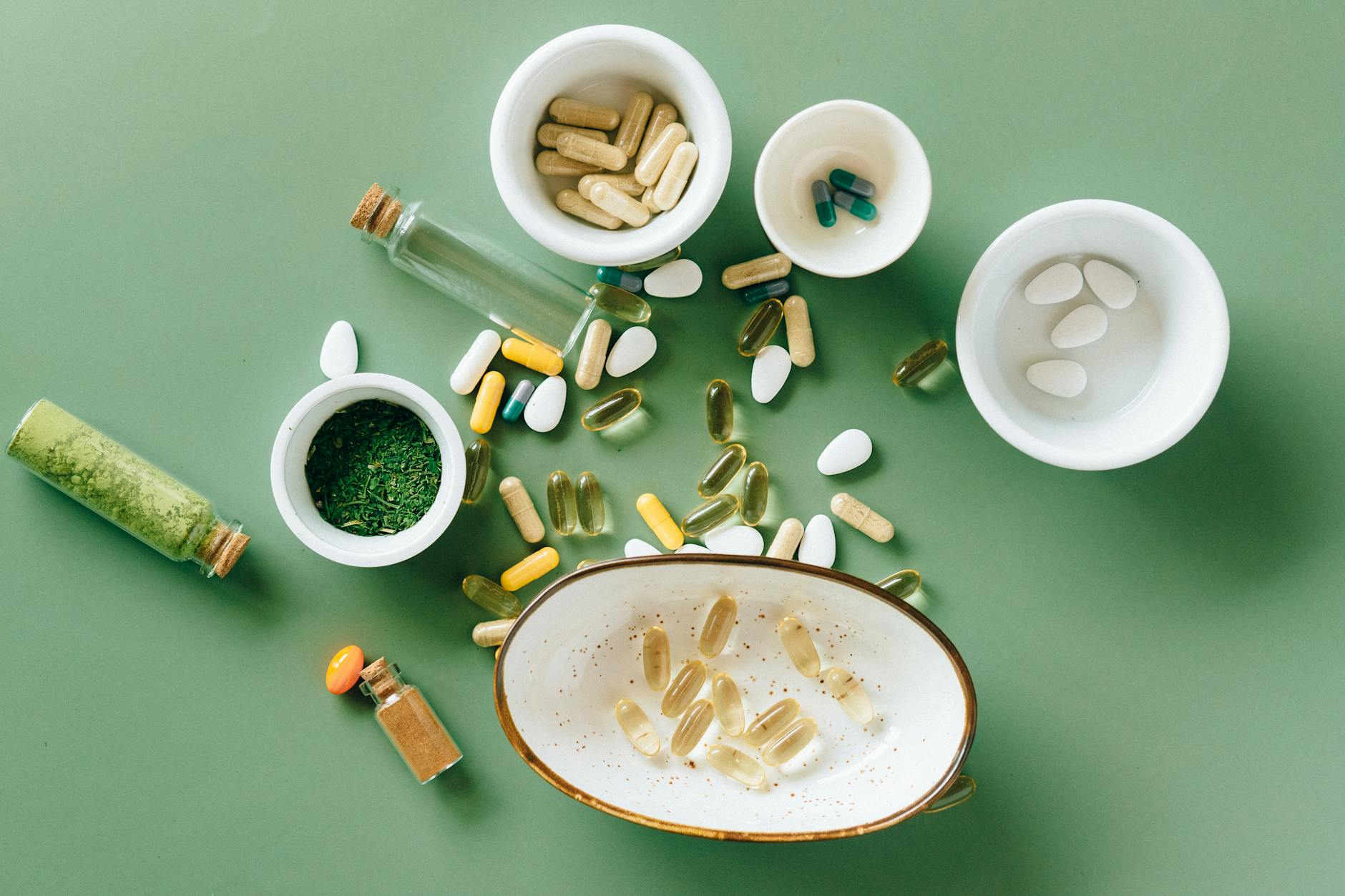
Kava is a root extract from the Pacific Islands traditionally used as a ceremonial beverage and increasingly marketed in Western countries for anxiety and stress relief. Concerns about its safety escalated significantly after multiple reports of severe liver toxicity, including cases requiring liver transplantation, emerged among users taking standardized kava supplements. Regulatory agencies in several countries have restricted or banned kava products in response to documented cases of acute hepatitis and liver failure. The toxic mechanism is not fully understood but may involve specific compounds produced during industrial extraction processes that differ from traditional preparation methods. Individuals with any liver condition, those consuming alcohol regularly, or those taking other medications should avoid kava supplementation entirely.
Comfrey

Comfrey has historically been used as a topical remedy for bruising and joint pain, and it remains available as an herbal supplement in various markets. The plant contains pyrrolizidine alkaloids, a class of compounds recognized as potent liver toxins capable of causing hepatic veno-occlusive disease, a serious condition involving obstruction of the liver’s blood vessels. Even topical preparations carry risk, as pyrrolizidine alkaloids can be absorbed through the skin and accumulate systemically with repeated use. Internal use of comfrey supplements has been associated with irreversible liver damage and fatalities in documented cases worldwide. Many health agencies advise complete avoidance of comfrey in any supplemental form due to the severity and unpredictability of the hepatotoxic risk.
Chromium Picolinate
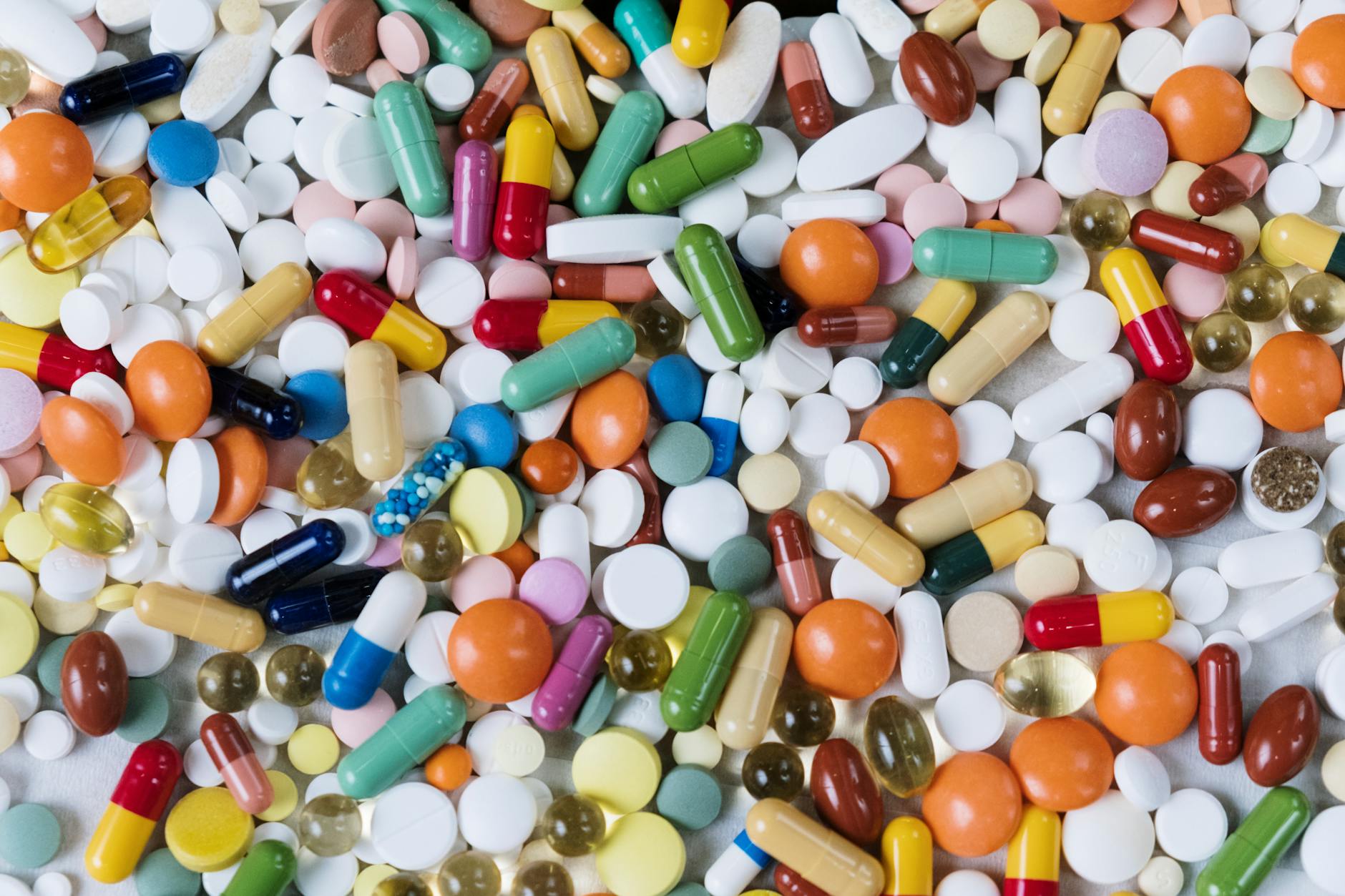
Chromium picolinate is a trace mineral supplement marketed primarily for blood sugar regulation, insulin sensitivity, and weight loss support. While chromium is an essential nutrient required in very small amounts, the picolinate form used in supplements has raised specific safety questions that do not apply to dietary chromium. Laboratory and animal studies found that chromium picolinate can cause DNA damage at cellular levels, raising concerns about long-term mutagenic potential. The clinical evidence supporting its claimed benefits for weight management and glucose control is weak and inconsistent across studies. Given the unresolved safety questions and limited proven benefit, many researchers suggest that people without confirmed chromium deficiency have little reason to supplement with this form.
Fish Oil
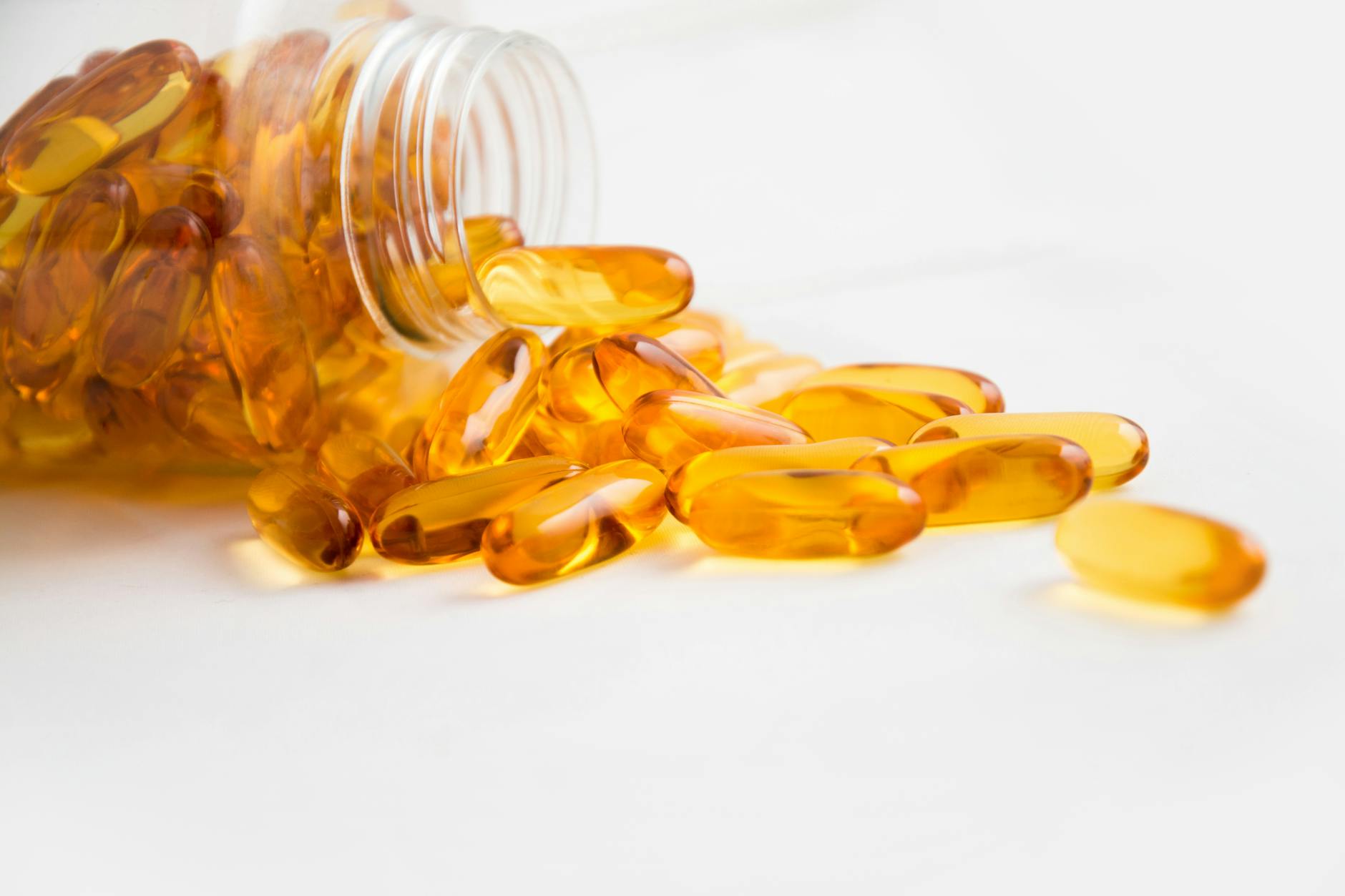
Fish oil supplements are among the most popular products on the market, driven by decades of research into the cardiovascular benefits of omega-3 fatty acids. However, evidence from large randomized trials has been more mixed than early observational studies suggested, and high-dose fish oil supplementation carries meaningful risks. Prescription-strength omega-3 formulations have been associated with an increased risk of atrial fibrillation, an irregular heart rhythm, particularly in individuals with existing heart conditions. At high doses, fish oil also acts as a blood thinner and may increase bleeding risk, especially in people taking anticoagulant medications. Oxidized fish oil, which results from improper storage or low-quality manufacturing, generates harmful free radicals that may negate any potential benefits entirely.
Which of these supplements surprised you the most? Share your thoughts in the comments.