The difference between a wardrobe that reads as expensive and one that reads as merely adequate has very little to do with the actual price tags involved. Stylists who dress clients across every budget consistently identify a set of principles that determine perceived clothing value far more reliably than the brand name inside the collar or the number on the receipt. Fabric behavior, fit precision, color discipline and the management of visible detail create an overall impression that the eye registers as either polished or unpolished within seconds of encountering an outfit. Understanding and applying these principles transforms the impact of any wardrobe regardless of where each piece was purchased.
Monochromatic Dressing

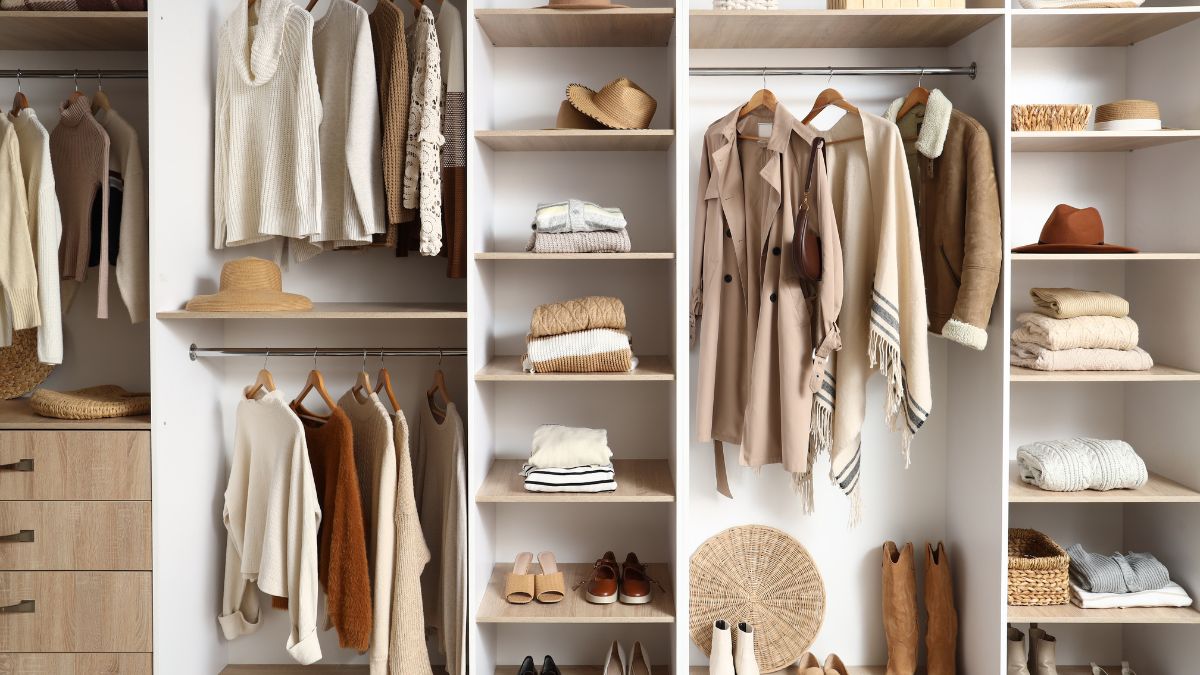
Wearing a single color or closely related tones from head to toe creates one of the most powerful and immediately readable signals of intentional dressing available without spending a single additional dollar. The unbroken color line created by a tonal outfit elongates the body visually by removing the horizontal interruptions that contrasting colors create at the waist, hip and ankle. Fashion houses build entire runway collections around monochromatic concepts precisely because the effect reads as deeply considered and architecturally sophisticated in a way that mixed color combinations rarely achieve with the same ease. The palette chosen matters less than the commitment to it, with tonal dressing in camel, cream, grey, navy or black all producing equally strong results. Accessories in a slightly different texture but similar tone complete the effect without breaking the visual line that gives monochromatic dressing its elongating and elevating power.
Fabric Quality
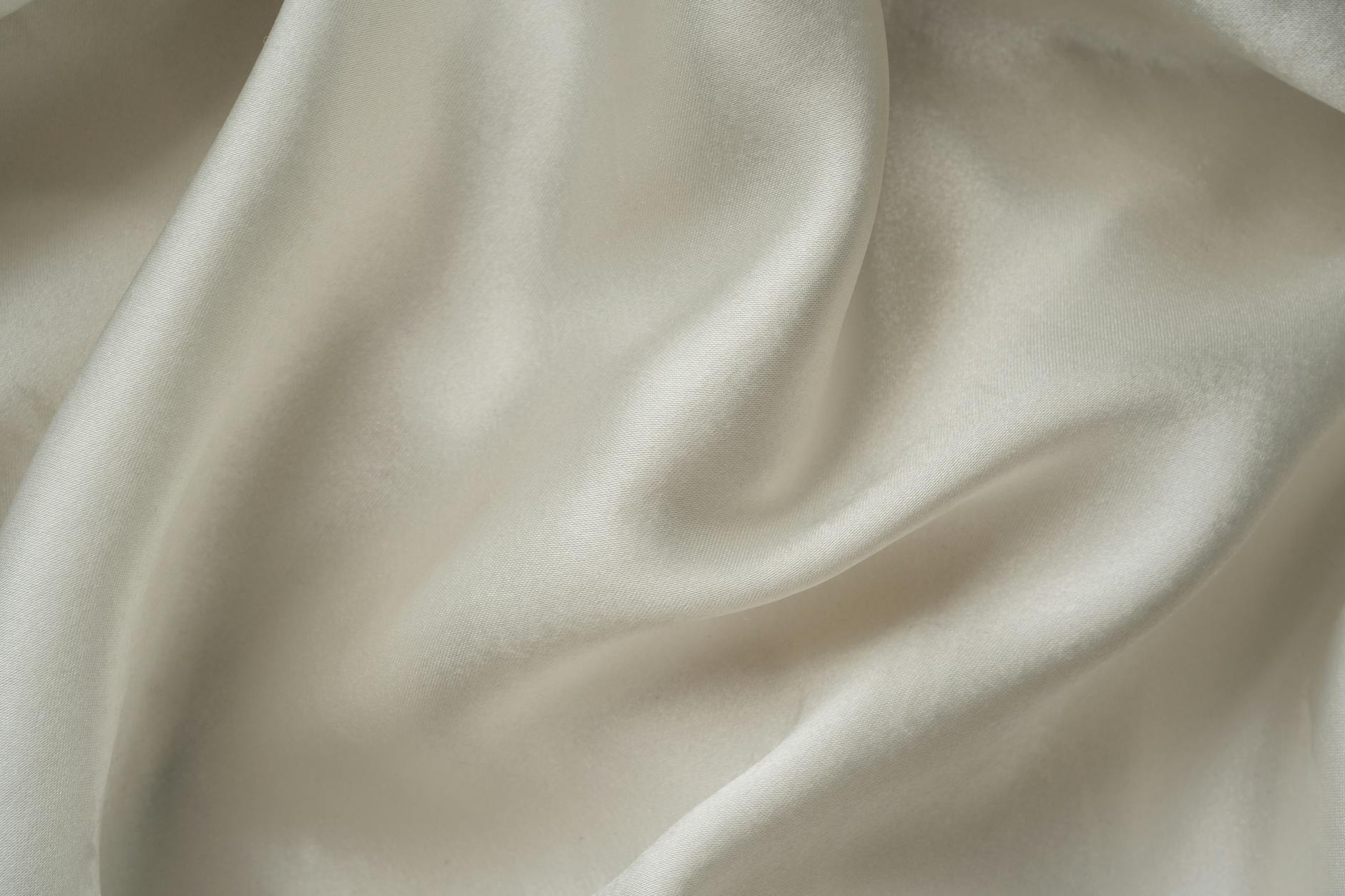
The single most powerful determinant of whether clothing reads as expensive or inexpensive at close range is the behavior of the fabric from which it is made. Natural fibers including wool, silk, cashmere, linen and quality cotton drape, move and catch the light in ways that synthetic alternatives cannot replicate, and the human eye has an extraordinarily sensitive ability to register this difference even without conscious analysis. Pilling, which occurs primarily in synthetic and low-quality natural fiber blends, is one of the most reliable visual signals of low clothing value and affects perceived expense more than almost any other single factor. Investing the majority of a clothing budget in fewer pieces made from better fabrics consistently produces a wardrobe that reads as more expensive than the same budget distributed across a larger number of lower-quality garments. Touching fabric before purchasing and paying attention to weight, drape and surface texture rather than to label claims about fiber content is the most reliable method of identifying quality at any price point.
Proper Tailoring

A garment that fits the specific body wearing it reads as expensive regardless of its origin, while a poorly fitting garment reads as cheap regardless of its actual price. The shoulder seam of a jacket or shirt is the single most important fit point in any tailored piece because it cannot be altered without a full reconstruction of the garment, making proper shoulder fit the non-negotiable starting criterion when purchasing structured pieces. Trouser break, sleeve length and waist suppression are all adjustable by a skilled tailor for a modest investment that transforms the visual impression of any garment far beyond what the cost of the alteration would suggest. Most off-the-rack clothing is cut for a generalized body that matches no individual perfectly, meaning that almost every garment benefits from at least minor adjustment before it achieves the fitted appearance associated with expensive custom clothing. The relationship between a tailor and a wardrobe is the highest-return investment available in personal style regardless of the budget that produced the clothes being altered.
Neutral Palette

Building a wardrobe around a disciplined core of neutral colors including navy, black, white, cream, camel, grey and tan creates a visual coherence that reads as deliberately curated rather than accidentally assembled. Neutral wardrobes photograph well, travel efficiently and create the kind of effortless mix-and-match capability that is associated with the relaxed confidence of people who dress expensively without appearing to try. The restraint required to build and maintain a neutral wardrobe signals the kind of considered editorial approach to personal style that is associated with high fashion sensibility regardless of the actual price of the individual pieces. Color confidence expressed as restraint rather than variety is one of the most consistent markers across the wardrobes of people whose dressing is consistently perceived as expensive by others. Introducing color through one deliberate accent piece or through accessories rather than through the base garments of an outfit preserves the tonal coherence while adding visual interest.
Wrinkle-Free Presentation
Clothing that is visibly wrinkled communicates neglect more powerfully than almost any other single visual signal, and the impression of neglect reads directly as low quality regardless of the actual fabric or price of the garment involved. A linen shirt from a luxury brand worn without steaming reads as cheaper than a well-pressed cotton shirt from a budget retailer, demonstrating that presentation consistently overrides provenance in the eye’s rapid quality assessment. Investing in a quality steamer and using it consistently before wearing any garment that could benefit from it is one of the highest-return grooming and dressing habits available. Fabrics that resist wrinkling including wool crepe, quality ponte, tightly woven cotton and structured synthetics support the pressed appearance throughout a day of wearing in ways that linen and loose weaves do not. Choosing wrinkle-resistant fabrics for travel and high-movement occasions and reserving more delicate textiles for controlled environments is a practical application of this principle.
Minimal Logos

Visible branding and large external logos on clothing read as a desire to communicate status through borrowed brand identity rather than through personal style confidence, and the perception paradoxically reduces rather than increases the impression of genuine wealth and taste. The most expensive clothing in the world is frequently the most logo-free, with luxury houses reserving their most subtle and unbranded pieces for their highest price points and their most logo-heavy items for the accessible entry level of their product range. A clean, unbranded garment in an excellent fabric with precise tailoring communicates the kind of understated confidence that is universally associated with old money and genuine fashion literacy. Removing logo-heavy pieces from a wardrobe and replacing them with equally priced but unbranded alternatives in the same categories almost always produces a perceptible upgrade in the overall impression of the wardrobe. The restraint of wearing no visible branding is itself a form of sophisticated communication that is more legible to style-literate observers than any logo could be.
Shoe Condition

The condition of shoes has a disproportionately large effect on the overall impression of an outfit because footwear is observed by others during movement, at seated eye level and in contexts where the rest of an outfit may be partially obscured. Scuffed, unpolished or worn-down leather shoes undermine the impression of even an extremely well-assembled outfit above them, while immaculately maintained shoes elevate the perception of everything worn in combination with them. Regular polishing of leather shoes, replacement of worn heel tips and resoling before the upper becomes structurally compromised are maintenance habits that extend the life and perceived value of footwear significantly. A smaller number of well-maintained quality shoes consistently reads as more expensive than a larger collection of poorly maintained ones, and the economics of shoe maintenance versus shoe replacement strongly favor investment in care. Clean, structured and seasonally appropriate footwear in a color that relates to the overall palette of the outfit completes the impression of considered dressing more effectively than almost any other single finishing choice.
Tucking Strategically
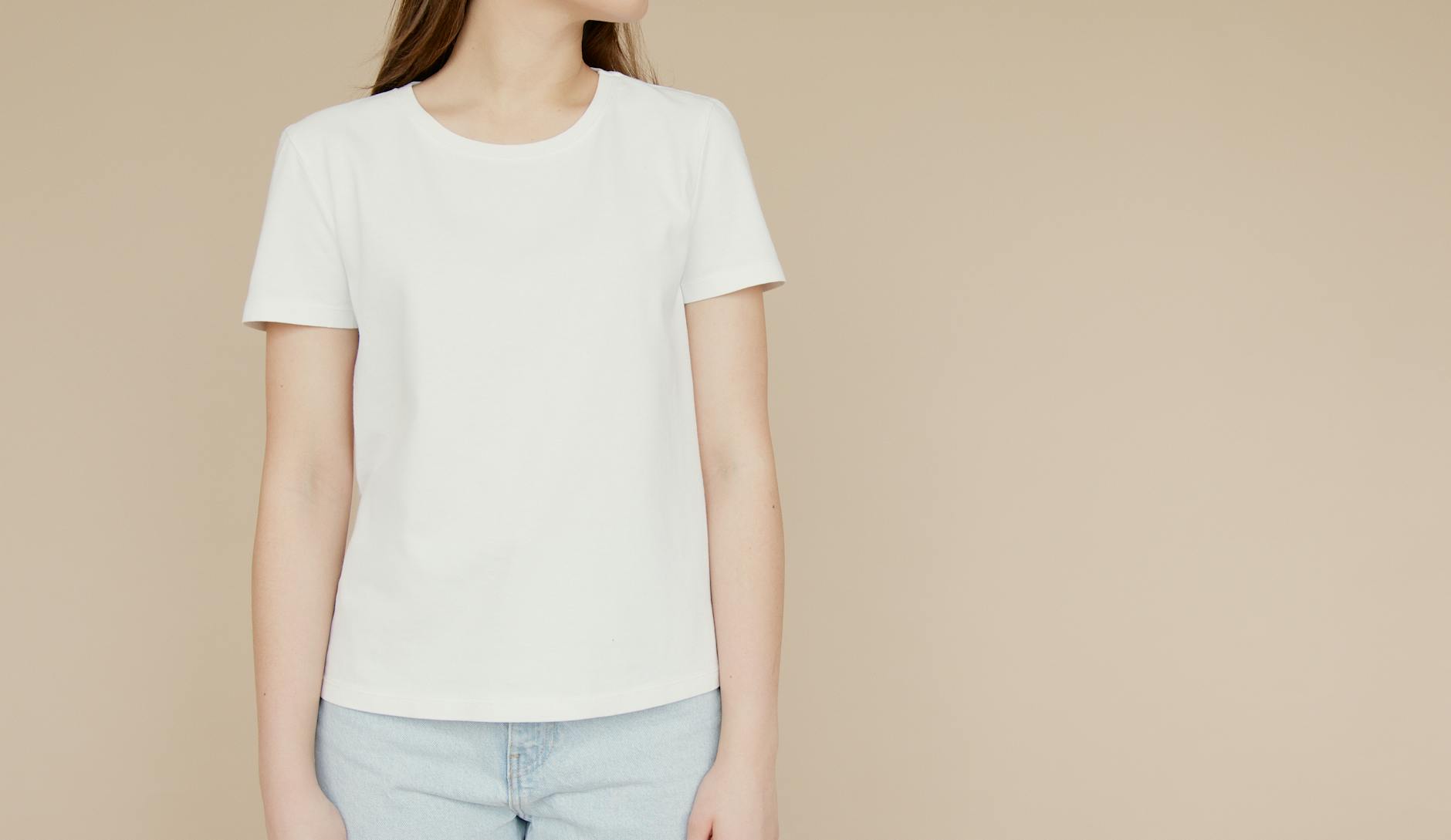
The decision to tuck, half-tuck or leave untucked a shirt or blouse has immediate and significant consequences for the proportional impression an outfit creates, and applying this decision with intention rather than habit is one of the simplest free upgrades available to any wardrobe. A full tuck into a high-waisted trouser or skirt defines the waist, lengthens the visual leg line and creates the kind of clean silhouette associated with polished and deliberate dressing. The half-tuck or French tuck, in which the front of a slightly oversized shirt is loosely tucked while the back remains out, creates a studied effortlessness that reads as fashion-aware rather than accidentally disheveled. Leaving a shirt completely untucked only reads as intentional when the hem of the shirt is cut specifically for untucked wear, with a straight hem that falls at a proportionally flattering length for the body wearing it. The relationship between top length and trouser or skirt rise is one of the most technically important proportion decisions in daily dressing and the one most frequently made by default rather than by design.
Capsule Cohesion

A wardrobe in which every piece relates visually to every other piece through shared color palette, aesthetic register or styling approach creates an impression of intentional curation that reads as expensive regardless of the individual price of any item. The visual coherence of a capsule wardrobe signals that the person wearing it has a clear and consistent personal style identity, which is one of the qualities most reliably associated with the effortless dressing of people who are perceived as stylishly wealthy. Editing a wardrobe down to pieces that share a common thread of color, mood or silhouette and removing pieces that disrupt that coherence is a curation exercise that costs nothing and immediately elevates the impression of everything that remains. The French wardrobe philosophy of owning fewer pieces of higher quality that work in multiple combinations is the practical expression of capsule thinking applied to real dressing. Wearing any piece from a well-curated capsule always feels easier and looks more considered than reaching into a wardrobe where every item is an individual purchase rather than part of a considered whole.
Iron Creases

Sharp creases pressed into trouser legs and the front panels of dress shirts are one of the oldest and most universally recognized signals of meticulous personal presentation and elevated dressing. A well-pressed crease in a trouser leg creates a visual line that extends from hip to shoe, elongating the leg and adding a structural precision to casual and formal dressing alike that reads as polished and expensive. The crease signals that care and time have been invested in the preparation of the garment, which communicates the same message of considered effort that expensive tailoring conveys through construction. Wool and wool-blend trousers hold a pressed crease better than most other fabrics, making them a particularly good investment for those committed to this element of presentation. Even relatively inexpensive trousers pressed with a sharp crease read significantly more expensively than premium trousers worn soft and uncreased, demonstrating again the primacy of presentation over provenance.
Quality Outerwear

The coat or jacket worn over an outfit is visible for a greater proportion of any social encounter in colder climates than the garments worn beneath it, making outerwear the single item in a wardrobe where quality investment delivers the most visible return per dollar spent. A well-constructed wool or cashmere overcoat in a classic silhouette elevates the perception of whatever is worn beneath it to the point where the quality of the underlying outfit becomes largely irrelevant to the overall impression. Classic outerwear silhouettes including the single-breasted overcoat, the trench coat and the structured peacoat have demonstrated their visual longevity across decades of fashion cycles, making investment in their quality a rational decision relative to more trend-sensitive pieces. The weight and drape of quality outerwear fabric is immediately perceptible to an observer and contributes significantly to the impression of substance and considered dressing. Purchasing one excellent coat rather than three mediocre ones is the outerwear application of the capsule philosophy and the investment that style professionals most consistently recommend to clients operating under budget constraints.
Sleeve Rolling
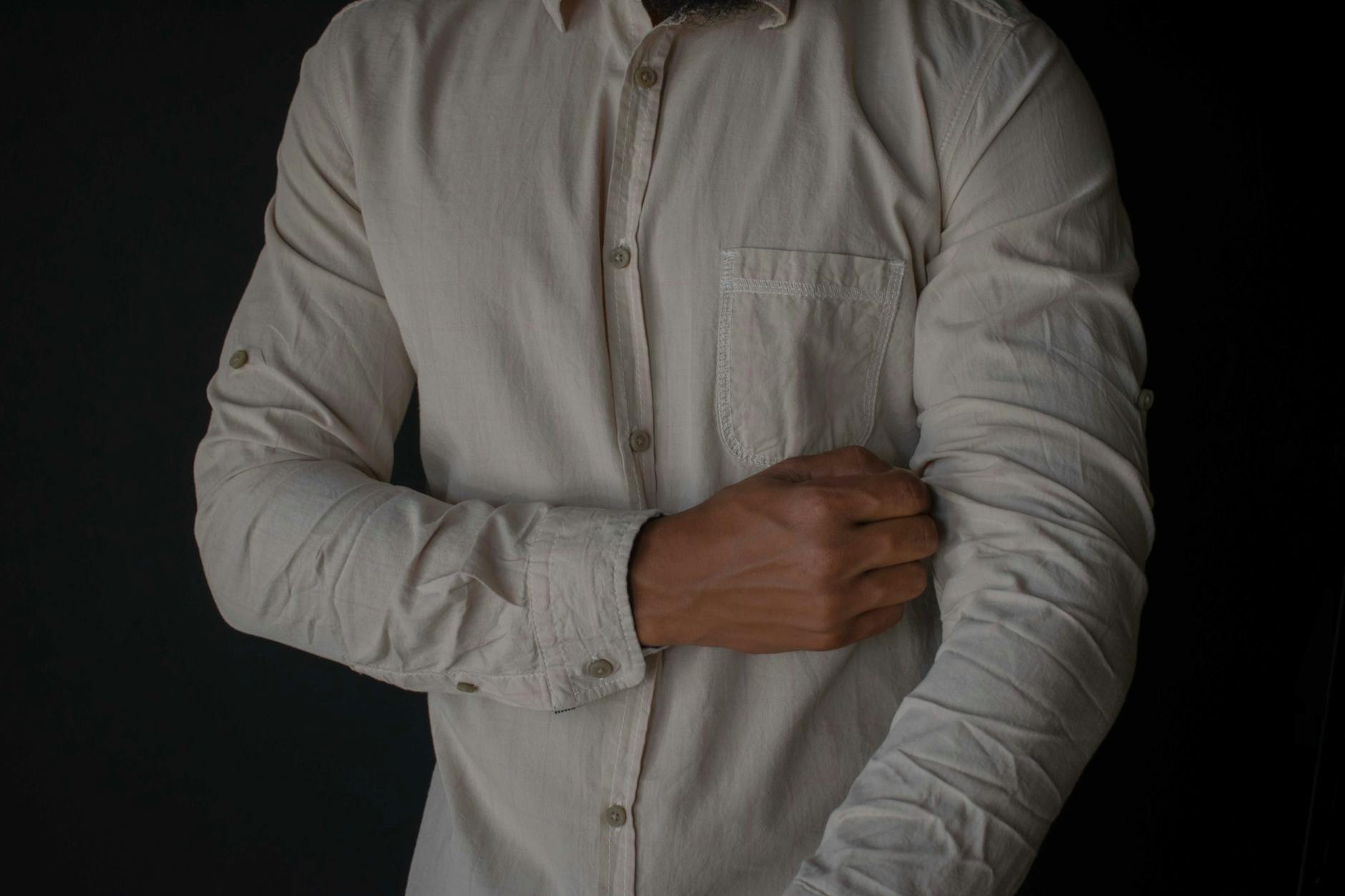
The way in which shirt sleeves are rolled when pushed up communicates as much about style awareness as the shirt itself, with a precisely executed roll reading as intentional and considered while a carelessly bunched sleeve reads as accidental and unfinished. The master roll, in which the cuff is unbuttoned and folded up once before the sleeve is rolled over it to create a clean, firm roll with the cuff visible at the bottom, is the technique most associated with deliberate and fashion-aware casual dressing. The height of the roll matters proportionally, with a roll that falls just below the elbow creating the most flattering and balanced visual relationship between the sleeve and the forearm. Consistency in how sleeves are rolled, with both sides matching in height and tightness, signals the kind of attention to detail that reads as the hallmark of genuinely expensive personal style. This single technique applied consistently transforms the impression of a basic cotton shirt from accidental to architectural.
Bag Maintenance

The condition and quality of a handbag or bag has the same disproportionate impact on overall perceived outfit expense as footwear, because it is a visible and handled object that observers see in close proximity and at eye level. A structurally sound bag in excellent condition, regardless of its original price, reads more expensively than a recognizably luxury bag that is visibly worn, stained or misshapen from overpacking. Storing bags properly when not in use by stuffing them to maintain shape and keeping them in dust bags significantly extends the lifespan and perceived value of any bag. Classic silhouettes in black, tan, navy or burgundy that relate to the overall color palette of a wardrobe read as more expensive than trend-specific shapes or colors that date quickly and become visually jarring against an otherwise timeless wardrobe. The habit of using one well-maintained bag consistently rather than rotating through several in various states of disrepair is one of the simplest and most immediately effective upgrades to the overall impression of personal style.
Hem Precision
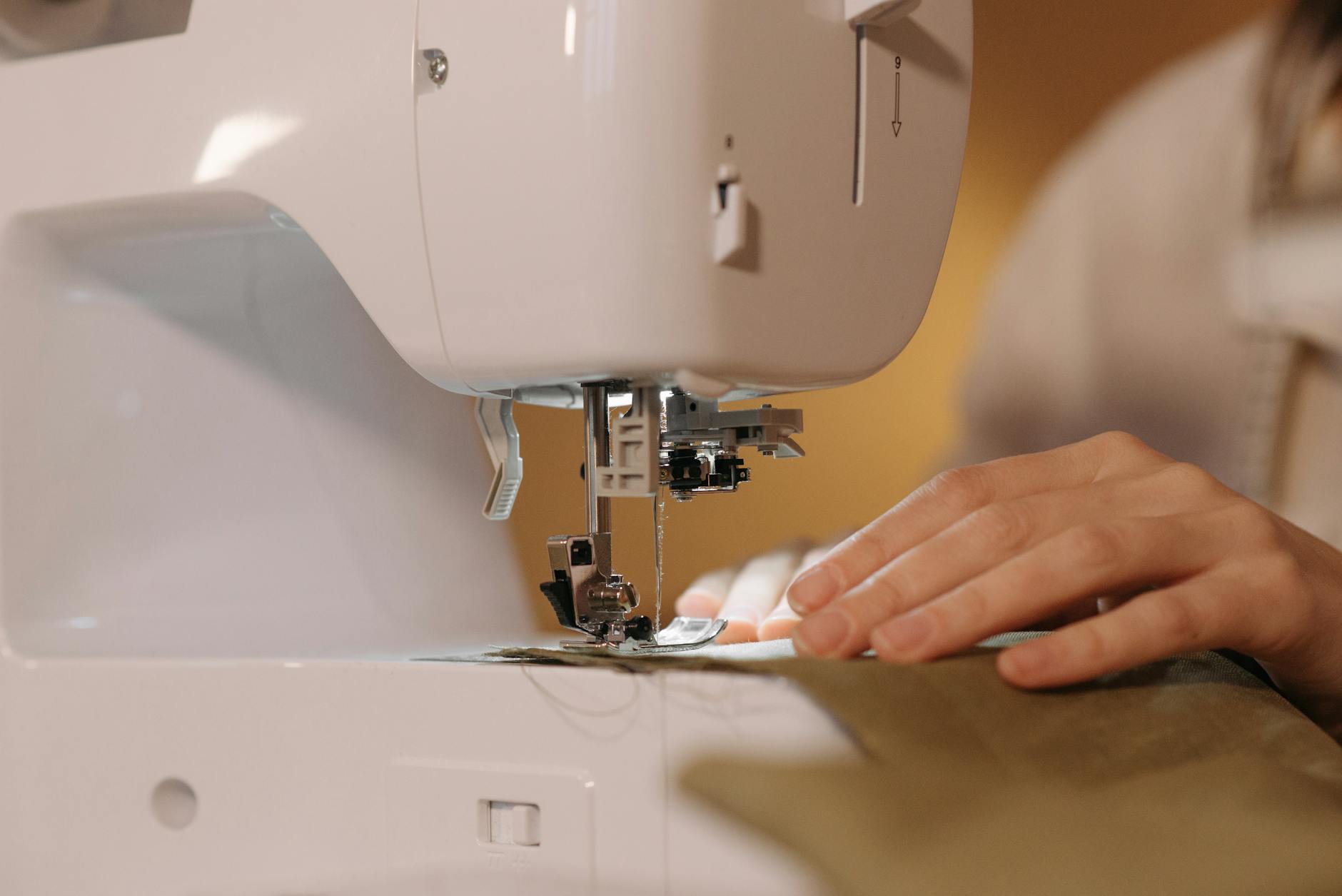
The hem of a trouser, skirt or dress is the finishing detail that determines whether a garment reads as custom-made or off-the-rack, and the difference between a hem that falls at exactly the right point for a specific body and shoe combination and one that does not is often a matter of less than an inch. Trouser hems that drag on the ground fray quickly and read as neglected while hems that sit too high expose too much of the ankle in a way that disrupts proportion rather than creating the intentional cropped effect of a well-designed turn-up. Dress and skirt hems that are uneven, that have dropped on one side or that show the original hem line from a previous adjustment all communicate a lack of attention to finish that undercuts the impression of the garment’s quality. The cost of hemming a trouser or skirt at a tailor is modest and the visual return is immediate and significant. Checking hem condition and length as part of a regular wardrobe review and addressing any hem that is not performing perfectly is one of the most cost-effective maintenance habits in an expensive-looking wardrobe.
Belt Matching
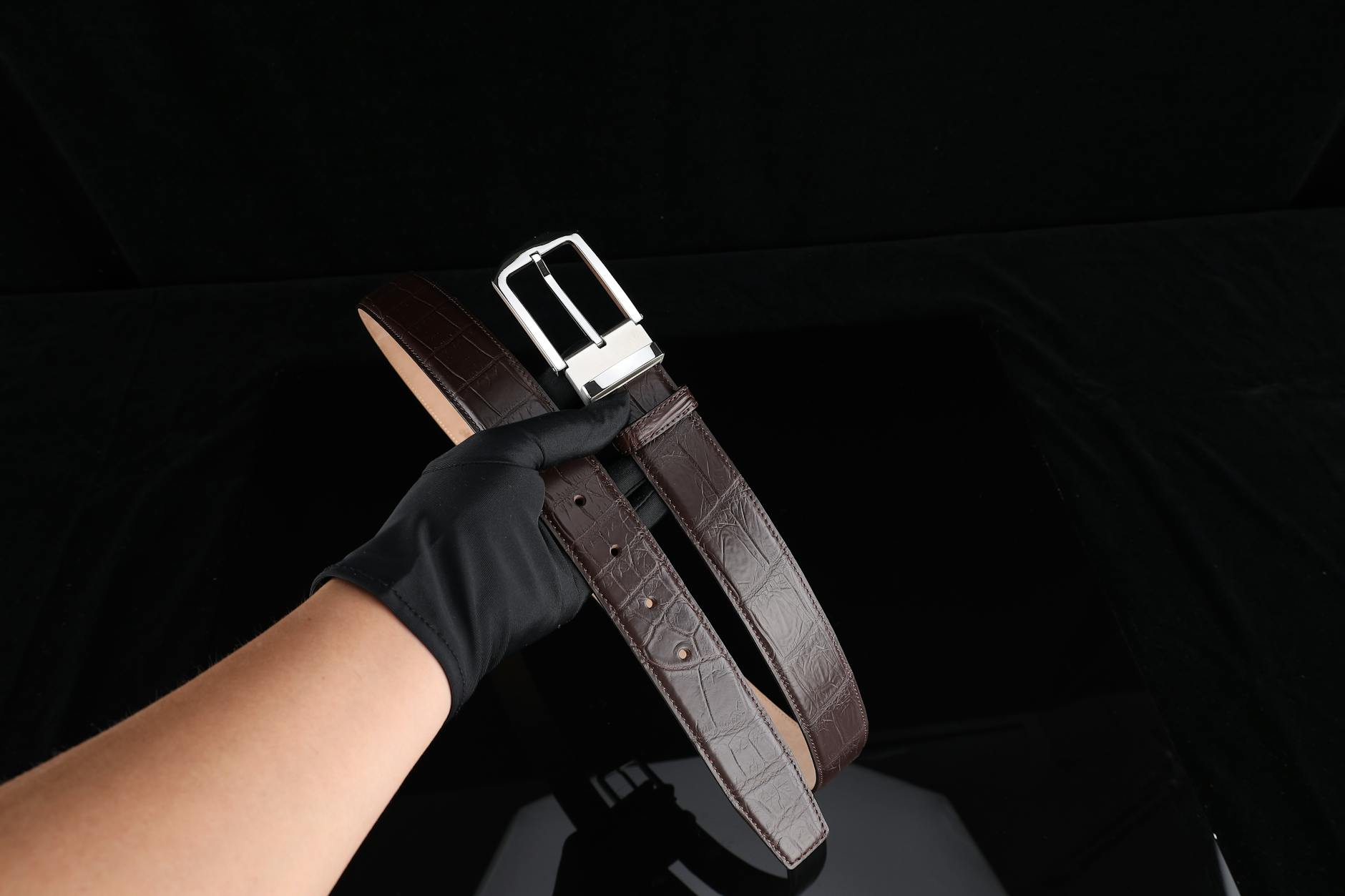
The relationship between belt color, shoe color and the overall leather goods present in an outfit is one of the most reliably observed coordination details in polished dressing, and its presence or absence immediately signals the level of intention behind an outfit. A brown belt worn with black shoes or a casual canvas belt worn with formal trousers creates a specific visual dissonance that trained observers register immediately as a coordination failure that reads as the hallmark of careless rather than considered dressing. The principle extends beyond strict color matching to tonal and material harmony, with matte leather relating better to matte leather accessories and with cool-toned metals aligning more naturally with cool-toned shoe hardware. Building a wardrobe around two belt and shoe combinations, one in black leather and one in tan or cognac, provides sufficient coverage for most dressing contexts without requiring a large investment in accessory variety. The discipline of checking the leather goods relationship before leaving the house is the kind of finishing habit that distinguishes dressers whose overall impression consistently reads as expensive from those whose individual pieces are strong but whose total look lacks cohesion.
Collar Precision

The condition and positioning of a collar has an outsized effect on the impression of the entire upper half of an outfit because its proximity to the face makes it the element that observers look at most directly and most frequently during conversation. A collar that lies flat and holds its shape throughout the day communicates quality and attention to detail while a collar that curls, gaps or collapses reads as cheap regardless of the garment’s actual price or fabric. Collar stays inserted into the collar points of a dress shirt keep them lying flat against the chest and prevent the upward curling that is one of the most common and most immediately visible signals of a low-quality shirt. The relationship between collar size and neck circumference is a fit point that affects both comfort and appearance, with a collar that fits the neck precisely creating a clean and polished impression while an oversized collar creates the same drooping and insubstantial effect as any other too-large garment. Pressing the collar of any shirt before wearing and using sizing collars to maintain shape during washing preserves the structural precision that makes this small detail contribute to a large overall impression.
Scarf Technique

A scarf worn with intention and a degree of studied technique reads as a marker of European fashion sensibility and personal style fluency that elevates any outfit it accompanies. The Parisian loop, in which a large scarf is folded in half lengthwise and the looped end is passed through the two open ends to create a neat knot at the throat, is the single technique most associated with effortless and expensive-looking casual dressing across all genders. Silk scarves worn at the neck inside an open collar, tied as a headband or used to dress a bag handle create the kind of styling detail that demonstrates fashion literacy without requiring any additional expenditure beyond the scarf itself. The quality of a scarf is immediately perceptible in how it drapes and holds its position, with silk and fine wool producing the luxurious movement that synthetic alternatives cannot replicate. A single quality scarf in a classic print or solid tone used consistently across multiple outfits delivers more styling versatility and perceived value than a dozen inexpensive alternatives used without technique.
Underwear Fit
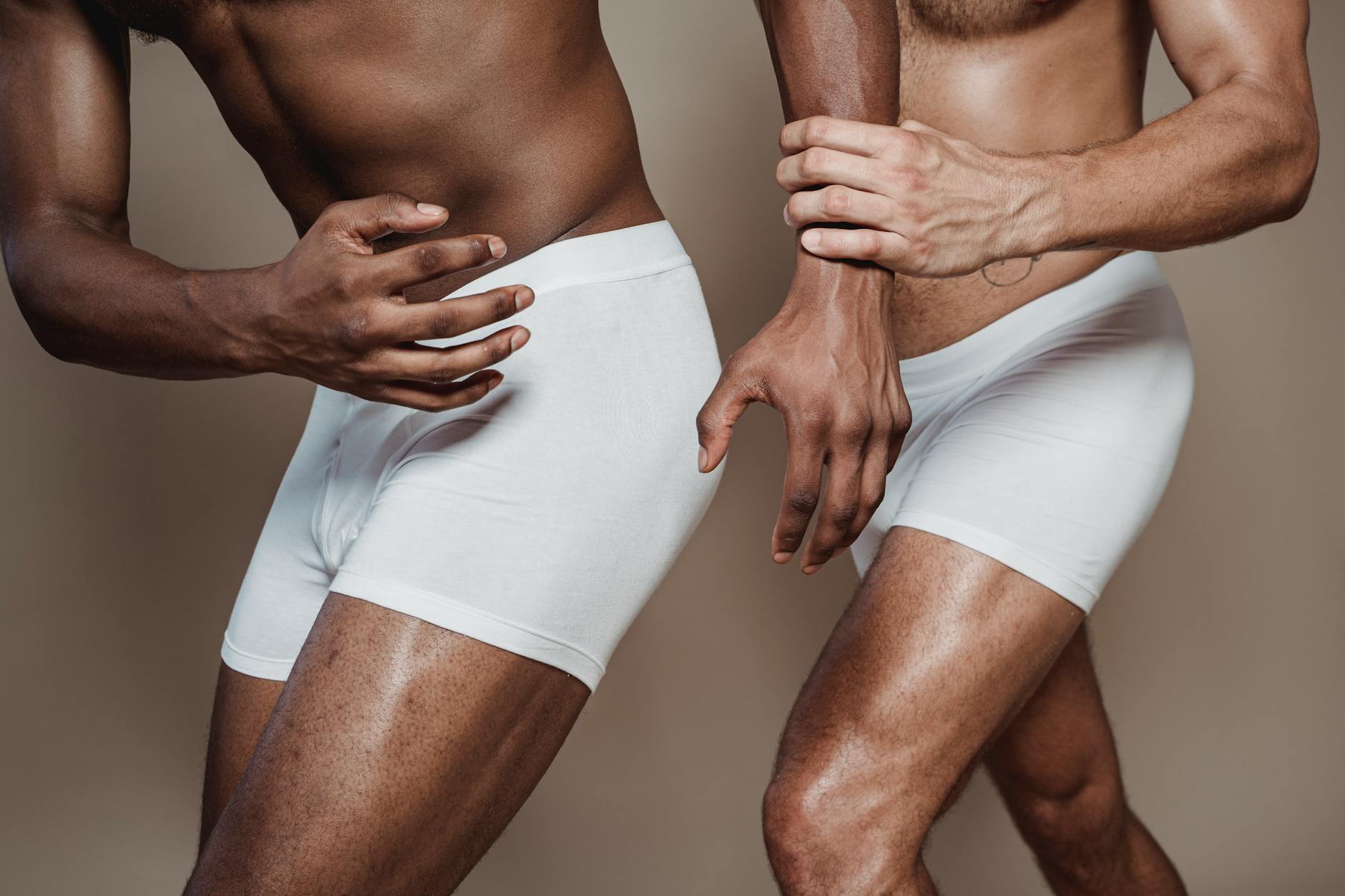
The foundation layer of any outfit determines the silhouette that all visible layers above it ultimately produce, and ill-fitting underwear creates lumps, lines and structural distortions in outer garments that undermine the impression of even extremely well-chosen visible pieces. Underwear that is too small creates the visible compression lines and fabric stress that read through outer garments while underwear that is too large creates bunching and irregularity in the silhouette of trousers, skirts and dresses. The correct bra size and style for each specific outer garment worn over it is one of the most technically important fit decisions in dressing and one of the least frequently reassessed, despite the fact that body measurements change and bra fitting standards are widely misunderstood. Seamless and skin-toned foundational pieces that disappear under clothing allow the outer garments to read with the clean and precise silhouette their design intended. The habit of assessing the outer garment silhouette in a full-length mirror as a final step before leaving the house catches foundation layer issues before they affect the overall impression for an entire day.
Pressed White Shirt
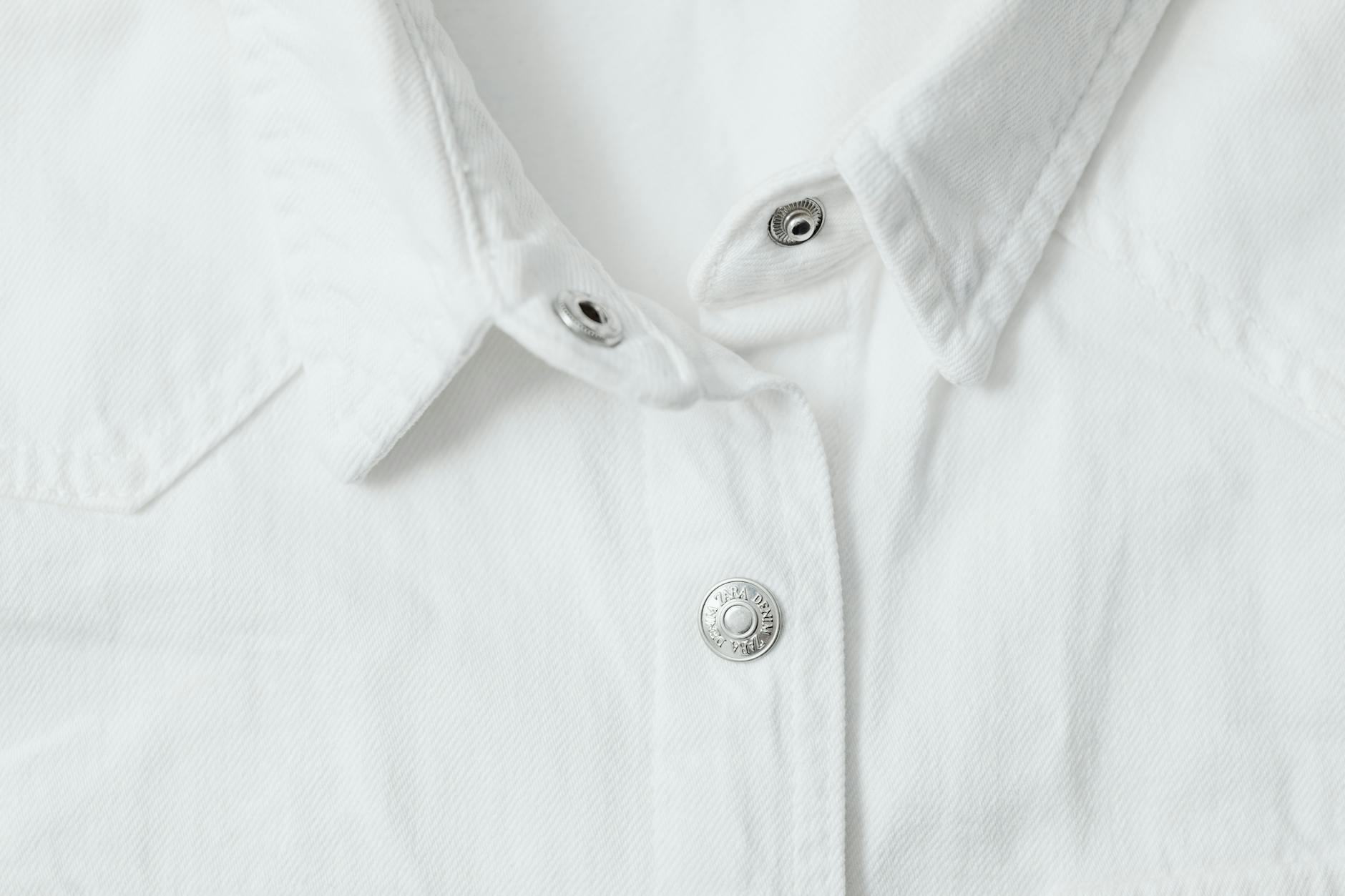
The white shirt pressed to a high standard is the single most universally powerful item in the expensive-reading wardrobe, capable of anchoring any combination of other pieces and elevating even very casual elements through its intrinsic formality and crispness. The quality of a white shirt fabric is immediately visible because the absence of color means that weave quality, thread count and surface finish are fully exposed without any pattern or dye to distract from them, making fabric investment particularly visible in this specific item. A properly fitted white shirt with structured collar, clean cuffs and fabric that holds its shape through a full day of wear reads as expensive at every price point when maintained and pressed correctly. The versatility of the white shirt across styling contexts from formal to extremely casual means that it represents a higher return on both financial and maintenance investment than almost any other single wardrobe item. Owning two or three quality white shirts maintained in immaculate condition is one of the most consistently cited foundational wardrobe recommendations from professional stylists working with clients across every budget category.
Sunglass Quality
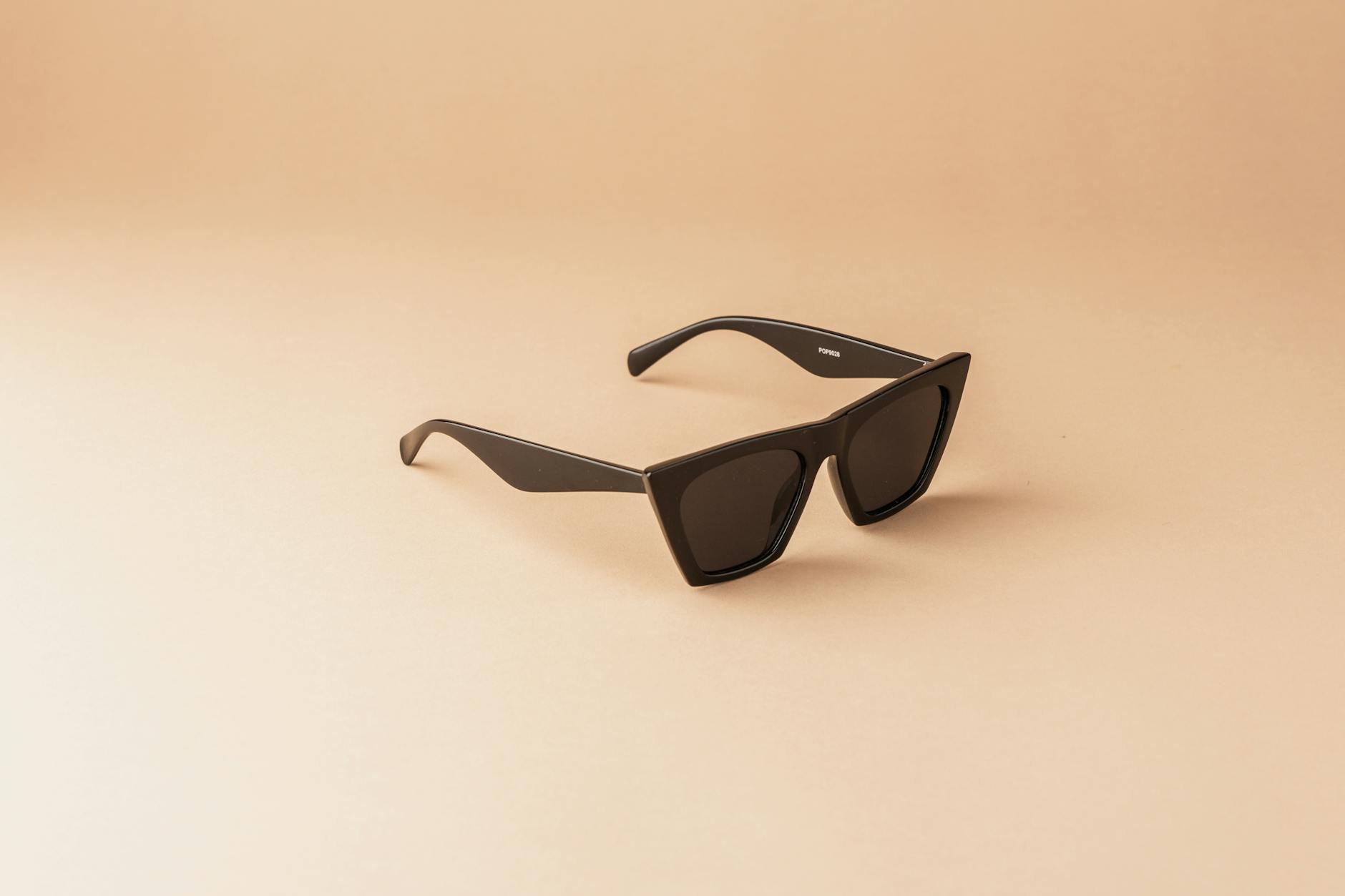
Sunglasses sit on the face, which is the most observed part of any person, making them one of the accessories with the highest visibility relative to their physical size and the most significant impact on facial perception relative to their cost. The optical quality of sunglass lenses is visible in the clarity and color accuracy of the vision they provide to the wearer but also in the distortion-free reflection they present to an observer, with cheap lenses creating subtle visual artifacts that trained eyes register as a quality marker. Frame material and construction quality are perceptible in the weight of the frame on the face and in the precision of the hinge mechanism, with well-made frames sitting symmetrically and maintaining their adjustment over time while cheap frames shift and lose their shape. Classic frame shapes including the aviator, the wayfarer, the round wire frame and the oversized square have demonstrated cross-decade visual longevity that makes them a rational investment compared to trend-specific shapes. A single pair of well-made sunglasses in a classic shape worn consistently reads as more expensive than a rotating collection of inexpensive trend pieces regardless of the price differential between them.
Coat Buttoning
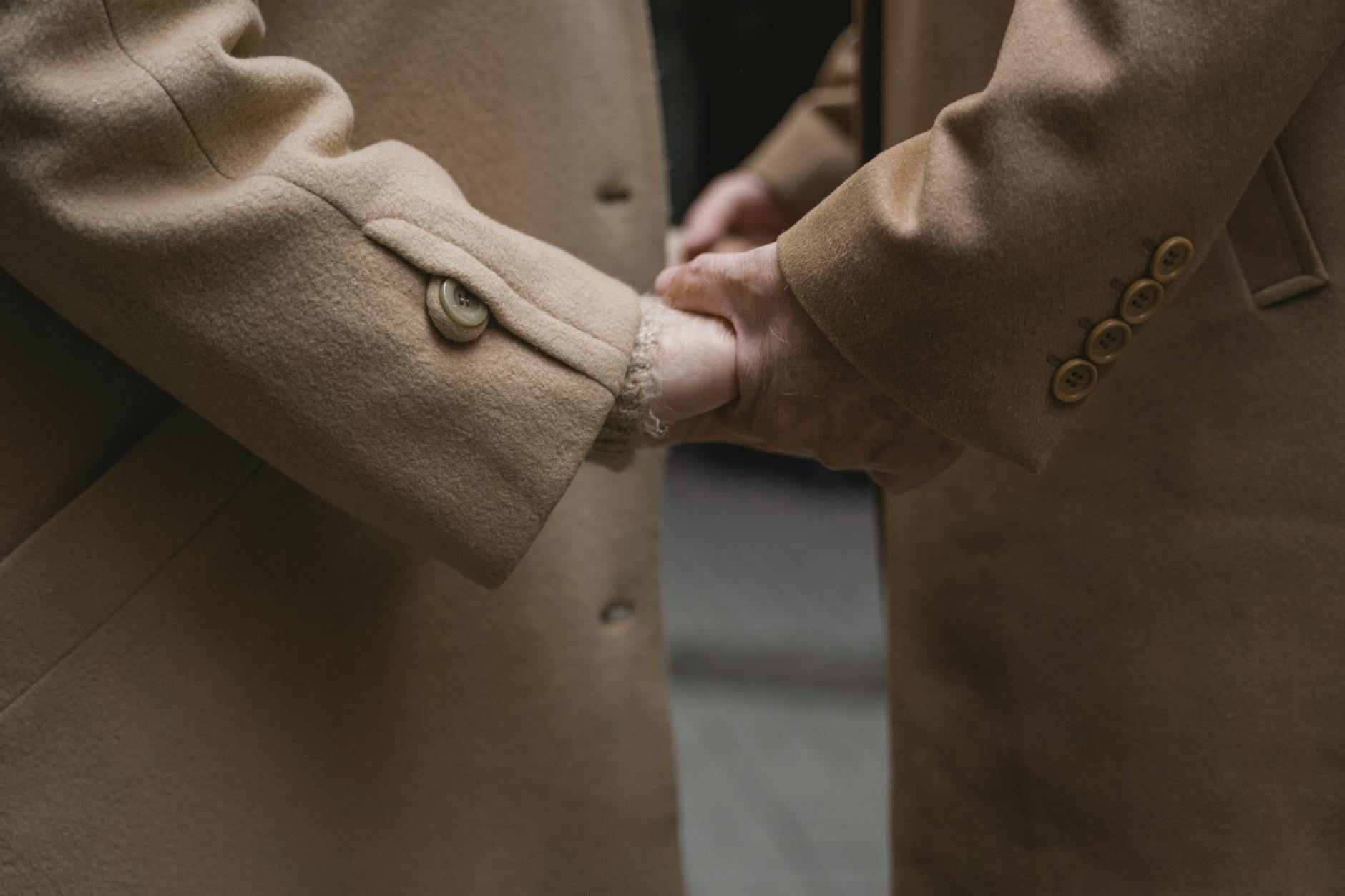
The way in which a coat or jacket is buttoned communicates as much about style awareness as the garment itself, with the bottom button of a suit jacket or single-breasted coat left intentionally undone being one of the oldest and most universally observed conventions of expensive menswear dressing. Buttoning every button of a single-breasted jacket including the bottom one creates a pulling, straining effect at the hem that distorts the clean drape of the garment and reads as a sign of unfamiliarity with tailoring conventions. The same principle applies to double-breasted jackets, where the bottom button is similarly left undone in most formal styling contexts while all other buttons are fastened to maintain the structured front panel. Understanding and applying buttoning conventions correctly signals familiarity with the rules of tailored dressing that is immediately legible to style-aware observers as a marker of genuine fashion literacy. This single habit applied consistently to every structured jacket and coat in a wardrobe transforms the impression of tailoring knowledge without any financial investment.
Watch Choice
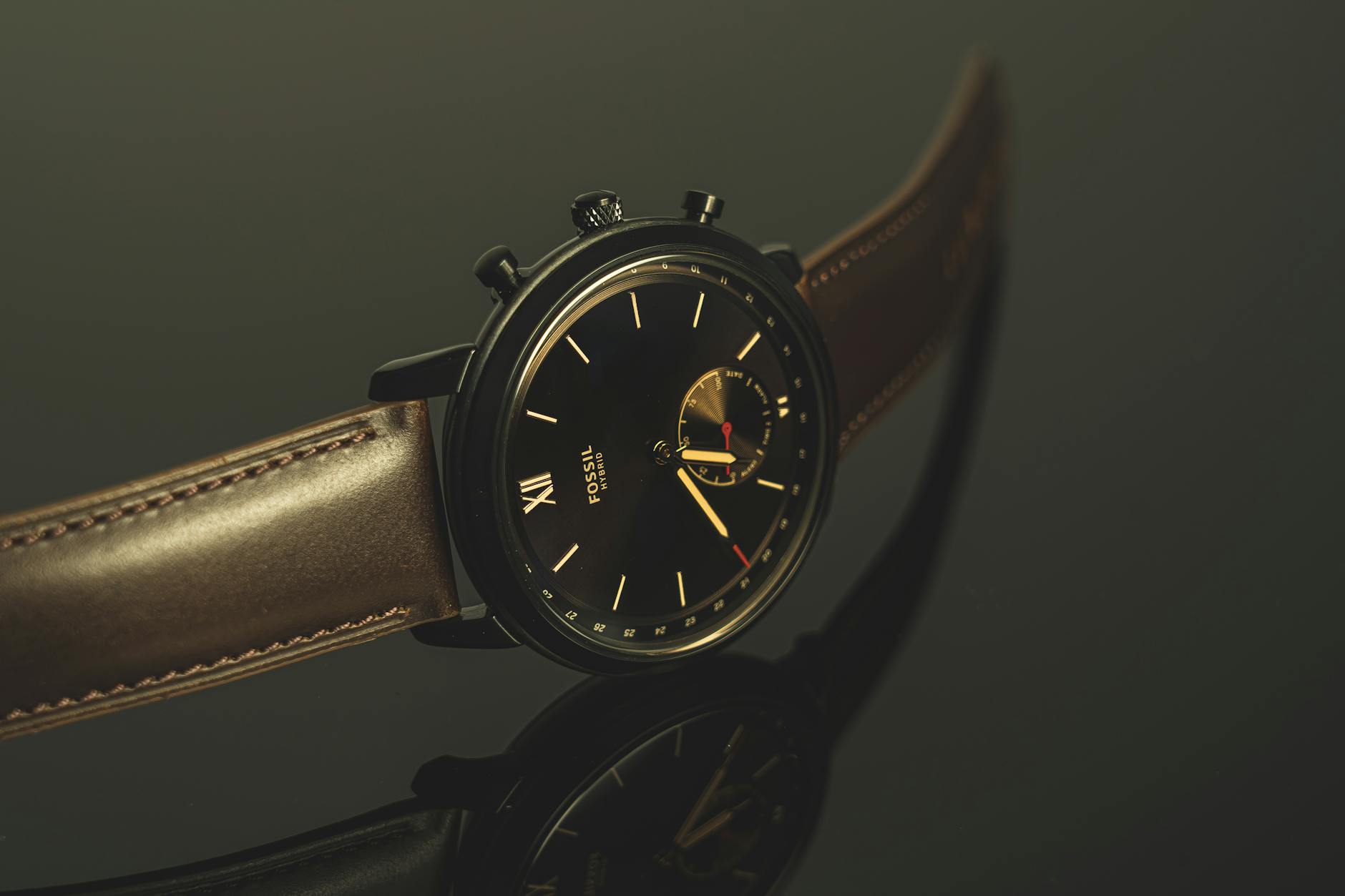
A watch worn on the wrist is visible during handshakes, gestures and seated conversations in a way that makes it one of the most consistently observed accessories in any social or professional context. The choice between a clean, classic watch with a simple dial and quality strap and a heavily complicated sports or fashion watch communicates distinct and immediately readable signals about the wearer’s relationship with personal style and perceived status. Understated watches in classic case sizes with leather or metal bracelet options in silver or gold tones read as expensive across a very wide actual price range because the design language of restraint and precision is not exclusive to high price points. A watch that fits the wrist correctly, with a case that does not extend beyond the wrist bone on either side and a bracelet or strap adjusted to sit snugly without moving on the wrist, reads as considered and precise in a way that an oversized or poorly adjusted watch does not. The habit of wearing the same quality watch consistently rather than rotating through multiple pieces of varying quality is itself a signal of the kind of personal style confidence associated with expensive dressing.
Sock Coordination
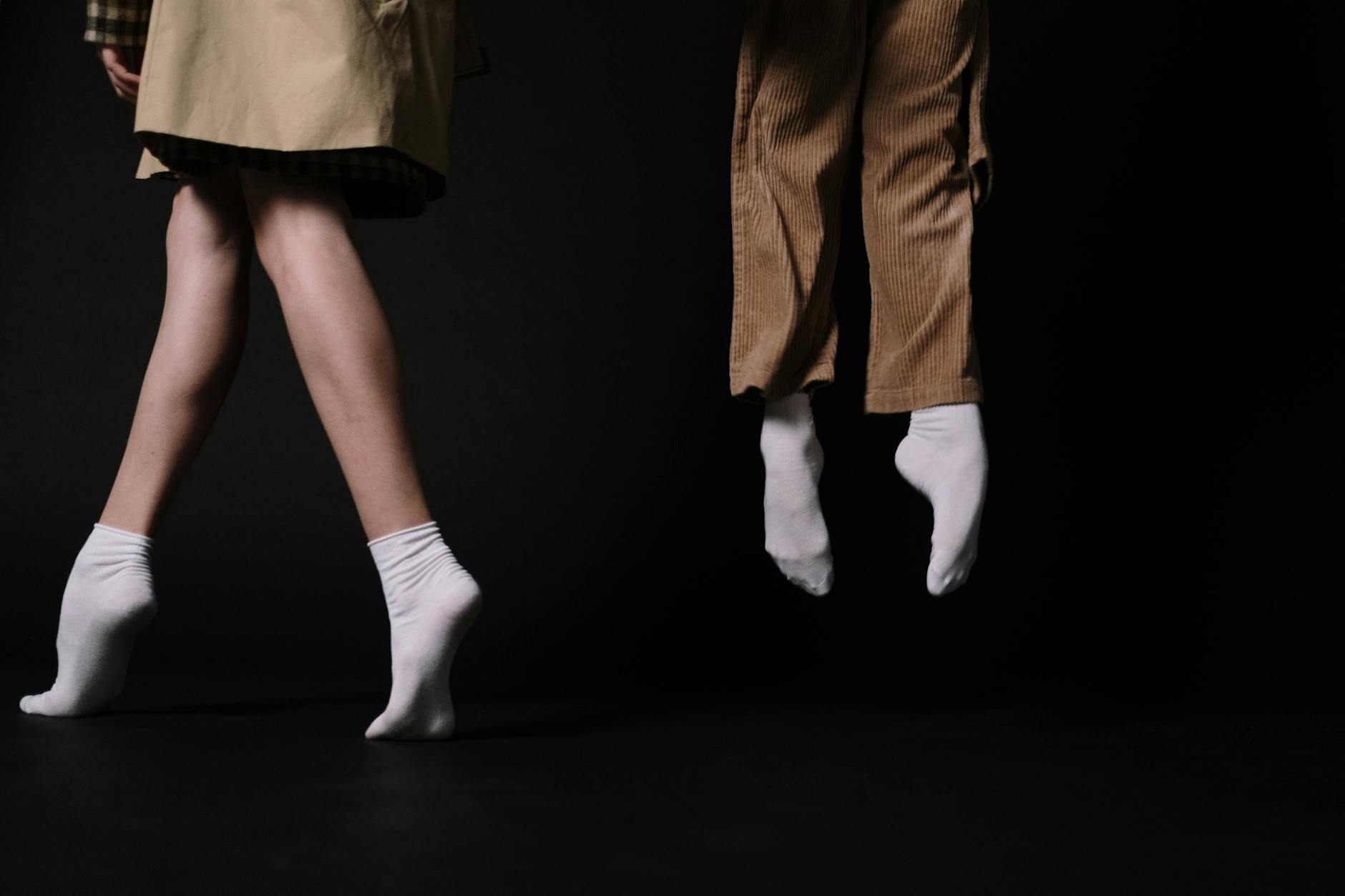
The sock choice in any outfit where socks are visible, whether through a trouser break when seated or through the deliberate cropped trouser aesthetic of contemporary casual dressing, communicates the level of finishing attention applied to the overall look. Socks that closely match the trouser color in a formal context create a seamless leg line that elongates the lower body and creates the kind of precise coordination associated with custom tailoring. In a contemporary casual context, a deliberate and color-considered sock choice that picks up a color from elsewhere in the outfit creates the kind of studied detail that reads as genuine style awareness rather than accidental coordination. White sports socks worn with non-athletic clothing in contexts that do not call for them are one of the most consistent visual signals of low attention to finishing detail that style-aware observers register immediately. The investment required to build a small collection of quality socks in coordinating tones is minimal relative to the finishing improvement they deliver to the overall impression.
Layering Proportion
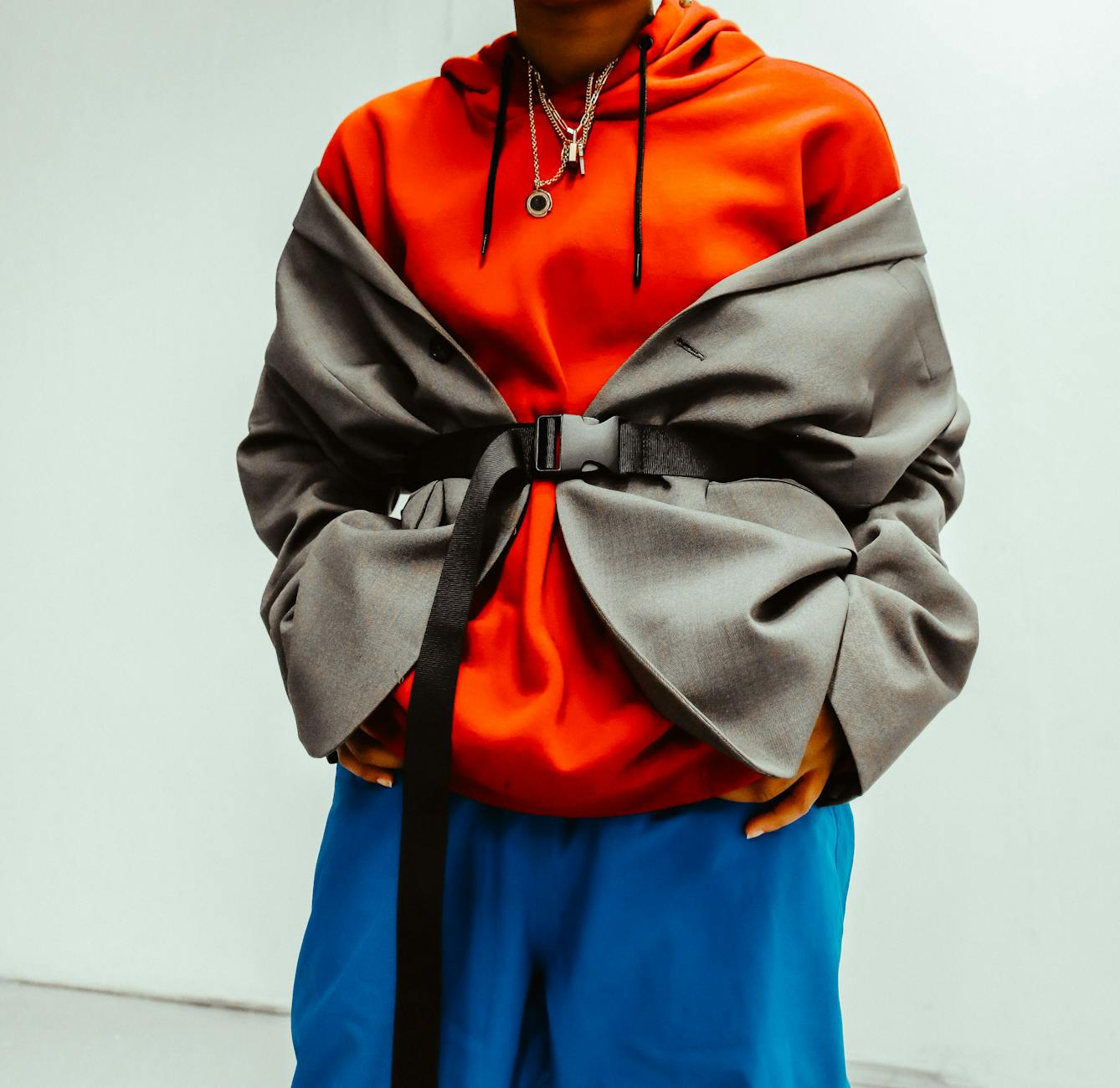
The proportional relationship between the lengths of different layers worn simultaneously determines whether a layered outfit reads as deliberately architectural or accidentally bulky, and applying this principle intentionally is one of the most sophisticated and least frequently understood rules of expensive-looking dressing. A longer layer worn beneath a shorter one creates a visible hem line of the under-layer that adds a finishing detail and visual interest to the outfit while also providing the opportunity for color or texture contrast between layers that reads as intentional. The visual weight of each layer must balance the weight of the others, with a heavy textured outer piece requiring slimmer and simpler pieces beneath it while a very structured and formal base layer can support a more relaxed and drapey outer layer. Avoiding three or more layers of the same length, which creates a stacked horizontal effect that widens the silhouette and removes all proportion, is one of the most practically important applications of this principle. Contemporary fashion’s most expensive-looking layering consistently shows an asymmetry of length between layers that creates visual movement and depth while maintaining an overall coherence of palette and register.
Grooming Alignment

The impression created by clothing is inseparable from the grooming context in which it appears, and the most expensive and precisely assembled outfit worn with unkempt hair, unmanicured hands or neglected skin creates a visual contradiction that the clothing cannot overcome. Hair that is cut with precision and maintained in a style that is current without being trend-dependent frames the face in a way that supports and elevates the impression created by the clothing worn beneath it. Hand and nail condition is observed in the same handshake and gestural contexts as watch choice, making it one of the personal grooming details with the highest social visibility relative to the effort required to maintain it. Skincare that maintains the natural texture and tone of the skin creates the kind of polished canvas that makes everything worn in combination with it read more effectively, in the same way that a well-prepared surface improves the quality of anything applied to it. The alignment between excellent clothing and excellent grooming creates a compound effect where each element amplifies the impression of the other in a way that neither achieves alone.
Contrast Stitching Avoidance
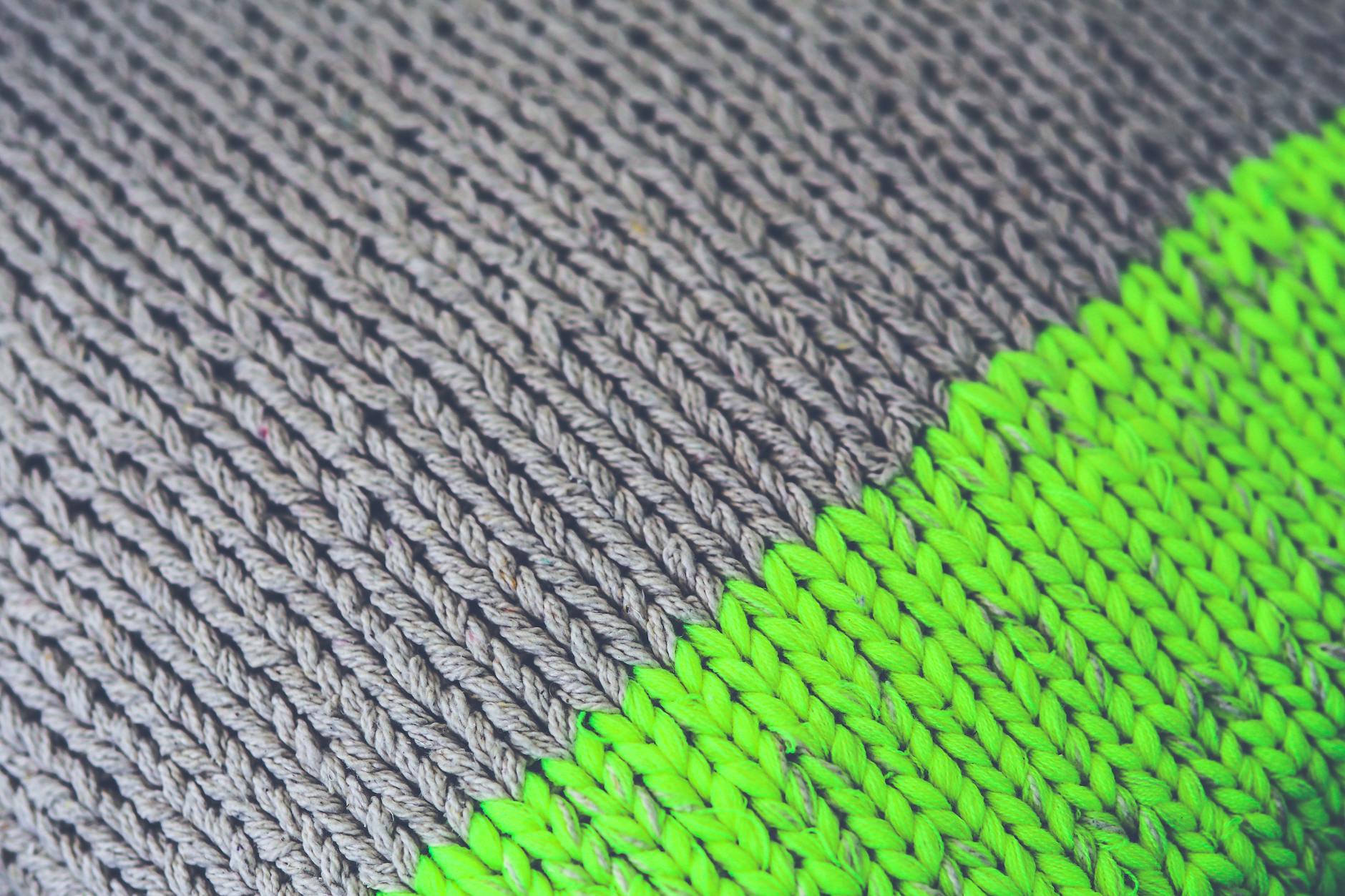
Contrast stitching, in which the thread used to construct seams, edges and decorative lines on a garment is a different and often strongly contrasting color from the fabric itself, is a design detail associated primarily with casualwear, workwear and fast fashion aesthetics. On dark garments with visible white or yellow stitching and on light garments with dark decorative thread, the contrast stitching draws the eye to the construction of the garment in a way that reads as decorative rather than refined. Garments where the stitching thread matches the fabric color closely create a seamless and monolithic surface that reads as more expensive and more formally finished than the contrast-stitched alternative. Checking the stitching color before purchasing any garment and choosing matched-stitch options over contrast alternatives where both are available is a straightforward application of this principle. The shift from contrast to matched stitching across a wardrobe cumulatively creates a cleaner and more refined visual impression that contributes to the overall perception of quality and considered dressing.
If these wardrobe principles have shifted how you think about your own dressing or if you have a rule that has transformed your personal style in a way not covered here, share your insights in the comments.