Maintaining proper hydration is essential for health but overdoing it can lead to a condition known as water intoxication or hyponatremia. This occurs when the sodium levels in your blood become dangerously low because of excessive fluid intake. The kidneys struggle to excrete the excess water effectively and cause cells to swell. Recognizing the physical and mental indicators of overhydration can help you adjust your habits before serious complications arise.
Persistent Throbbing Headaches

You may experience a headache that feels different from typical tension or dehydration headaches. This specific type of pain occurs because your brain cells swell due to the low sodium concentration in your blood. The increased pressure inside the skull creates a throbbing sensation that does not subside with rest. Drinking more water in an attempt to cure this headache will only exacerbate the underlying issue.
Nausea and Vomiting
Overhydration often places significant stress on the kidneys as they attempt to filter out the excess liquid. This fluid retention can cause a general feeling of sickness or an upset stomach that mimics a stomach bug. The body attempts to relieve the strain by inducing vomiting to expel the surplus water. Ignoring this symptom while continuing to drink fluids can lead to more severe systemic issues.
Mental Fog and Confusion
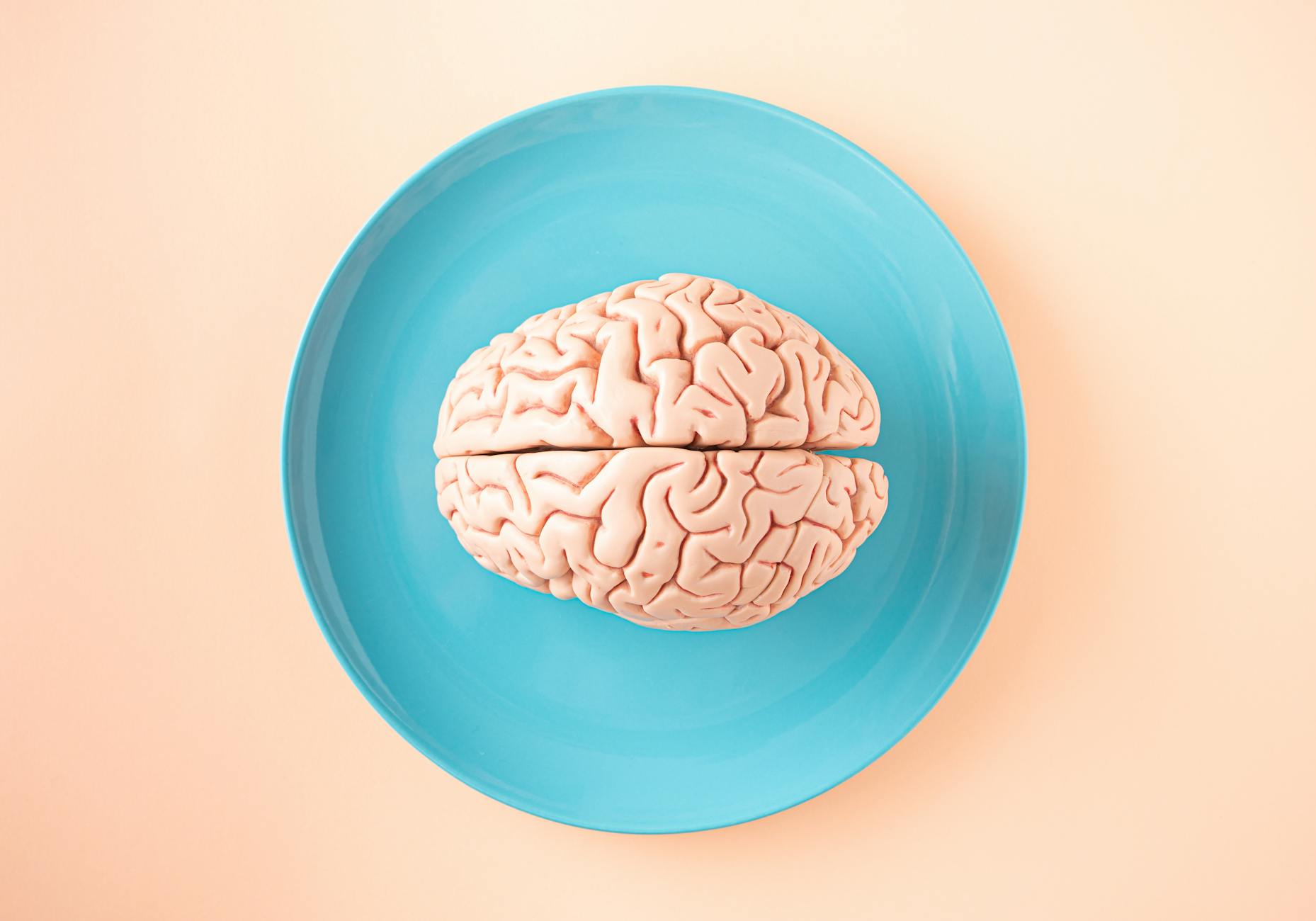
The brain is incredibly sensitive to changes in sodium levels and responds poorly to cellular swelling. You might find it difficult to concentrate on simple tasks or recall basic information throughout the day. This cognitive decline happens because the swollen brain cells press against the skull and impair normal function. It serves as a serious warning signal that your electrolyte balance is significantly disrupted.
Extreme Fatigue and Low Energy

Your kidneys work overtime to filter out unnecessary water and this creates a heavy hormonal stress reaction. The body expends considerable energy trying to maintain homeostasis against the flood of fluid. This physiological struggle often results in a feeling of exhaustion that sleep cannot fix. You might feel heavy or lethargic even after a full night of rest.
Muscle Weakness and Shakiness

Diluted electrolytes prevent your muscles from contracting and relaxing efficiently during movement. You may notice your arms and legs feeling unusually heavy or difficult to lift during normal activities. This weakness often comes with a shaky sensation that resembles low blood sugar symptoms. Restoring salt balance is necessary to regain full strength and motor control.
Uncontrollable Muscle Cramps

Sodium and potassium are vital for proper muscle function and get washed away by excessive water intake. The resulting imbalance causes muscles to contract involuntarily or spasm painfully without warning. These cramps often occur in the legs or abdomen even when you have not been exercising. Drinking sports drinks instead of plain water can sometimes alleviate this specific symptom.
Swelling in Hands and Feet

Edema occurs when the body accumulates more fluid than the kidneys can process in a given timeframe. You might notice that your rings feel tighter or your shoes suddenly feel uncomfortable and snug. The excess water pools in the extremities because gravity pulls the retained fluid downward. This visible puffiness is a clear physical sign that your fluid intake is too high.
Completely Colorless Urine
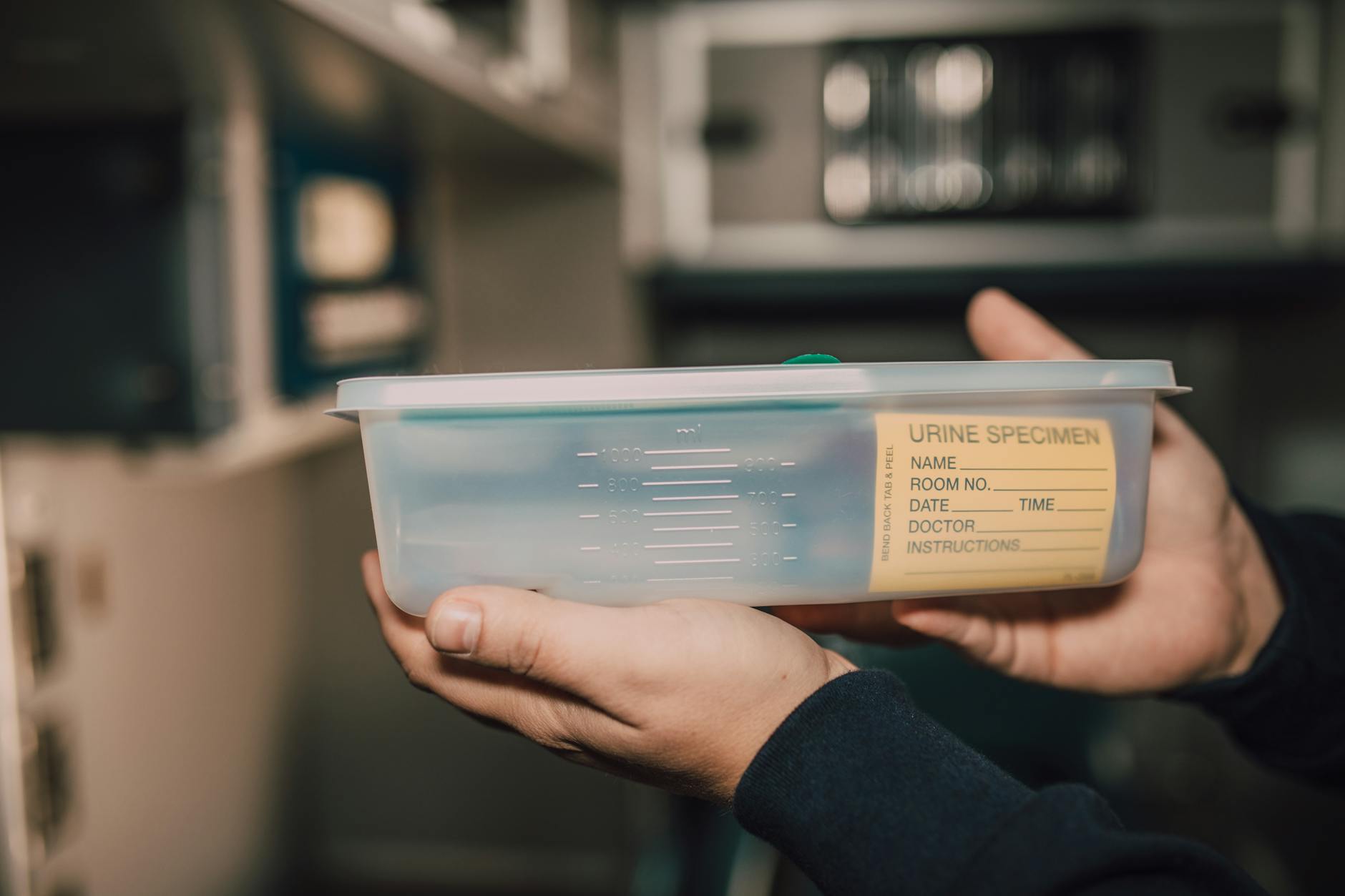
Many people mistakenly believe that clear urine is the gold standard for perfect hydration. Transparent urine actually indicates that you are drinking far more water than your body requires. It means you have diluted the urochrome pigment to a point where it is no longer visible. A healthy hydration level typically produces urine that is a pale straw or light yellow color.
Frequent Urination
Visiting the bathroom more than ten times a day suggests your water intake is excessive. This frequent need to urinate disrupts your daily life and can interfere with a good night of sleep. Your bladder fills up constantly because your kidneys are desperately trying to lower the fluid volume in your body. It is important to listen to your bladder and moderate your intake accordingly.
Bloating and Stomach Distension
Drinking large volumes of water quickly can leave you feeling uncomfortably full and swollen. The stomach expands to accommodate the liquid and creates a sloshing sensation when you move. This distension often presses on other organs and causes general abdominal discomfort. Sipping water slowly rather than gulping it down can help prevent this uncomfortable physical reaction.
Irritability and Mood Changes

The physiological stress of hyponatremia affects neurotransmitters and brain function directly. You may find yourself feeling unusually short-tempered or anxious without a clear external cause. This emotional instability stems from the swelling of brain tissue and the disruption of electrical signals. Stabilizing your hydration levels often helps restore emotional equilibrium relatively quickly.
Double Vision
Severe cases of water intoxication can increase pressure within the skull and affect the optic nerves. This pressure distorts your vision and causes you to see double or experience blurriness. It is a frightening symptom that indicates the brain is under significant stress from swelling. Immediate medical attention is often required if hydration habits cause visual disturbances.
Difficulty Breathing

Excess fluid can sometimes accumulate in the lungs and make it difficult to take deep breaths. You might feel winded after simple activities like walking up a short flight of stairs. This symptom suggests that the volume overload is affecting your cardiovascular and respiratory systems. It is a critical sign that requires immediate cessation of fluid intake and professional evaluation.
Seizures

Rapid brain swelling caused by acute water intoxication can interrupt normal electrical activity in the brain. This disruption can lead to uncontrollable convulsions or seizures in severe cases. It represents a medical emergency that happens when sodium levels drop precipitously low. This outcome is rare in casual drinkers but remains a risk for endurance athletes.
Loss of Consciousness

The most dangerous result of untreated hyponatremia is fainting or slipping into a coma. The brain eventually shuts down under the immense pressure caused by cellular swelling. This occurs when the body can no longer compensate for the extreme dilution of blood sodium. Immediate emergency intervention is necessary to safely restore electrolyte balance and reduce brain swelling.
Share your own experiences with hydration habits in the comments.