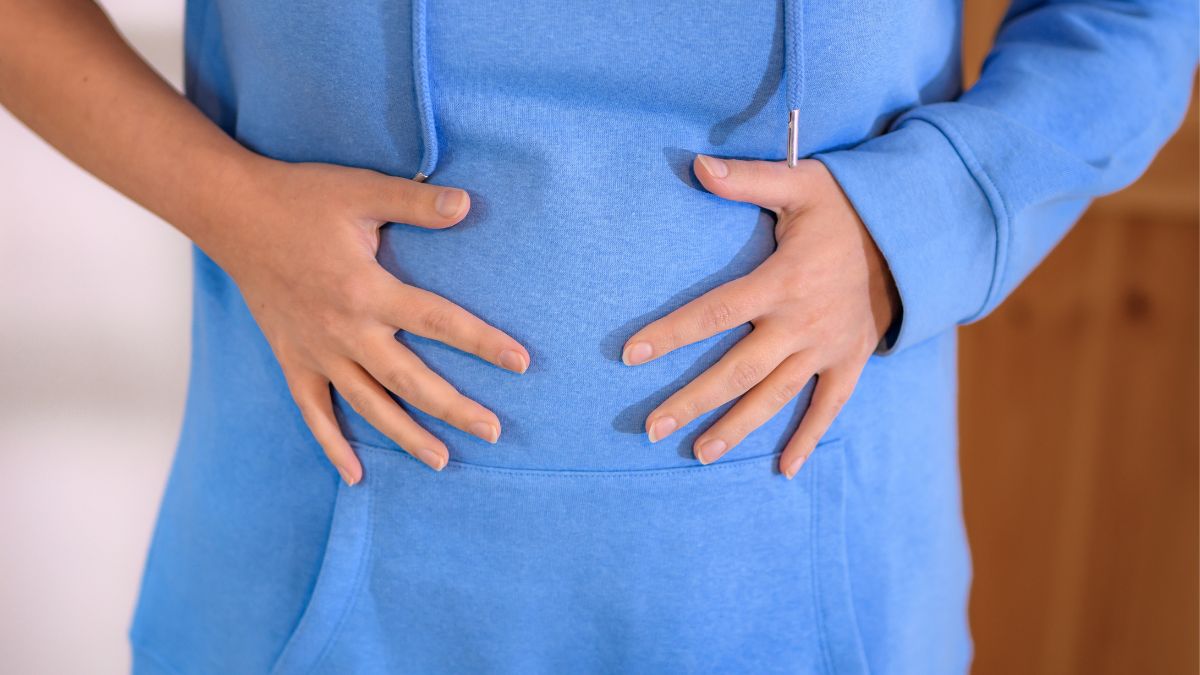
Water retention is a common but often overlooked condition that affects millions of people regardless of age or lifestyle. The body holds onto excess fluid for a variety of reasons ranging from dietary habits to hormonal shifts to underlying health concerns. Recognizing the early warning signs can make a meaningful difference in how quickly the issue is addressed. Understanding what the body is communicating through physical changes is an important part of maintaining overall wellness. The following signs are ordered from the least urgent to the most pressing indicators that excess fluid may be building up in the body.
Mild Bloating

The abdomen may feel fuller or more distended than usual even without eating a large meal. This sensation often appears toward the end of the day and can fluctuate depending on sodium intake and hydration levels. Tight waistbands and clothing that fits differently from morning to evening are common early clues. The bloating associated with water retention tends to feel soft rather than hard and does not typically cause sharp pain. Reducing processed food consumption and increasing water intake often helps the body release excess fluid naturally.
Puffiness

Slight puffiness around the face is frequently one of the first visible signs of fluid retention in the body. The area around the eyes and cheeks may appear swollen particularly after waking up in the morning. This puffiness can look similar to the effects of poor sleep but tends to persist longer throughout the day. It often results from a high sodium diet or lying in one position for an extended period during the night. Staying well hydrated and limiting salty foods can help reduce facial puffiness within a day or two.
Swollen Hands
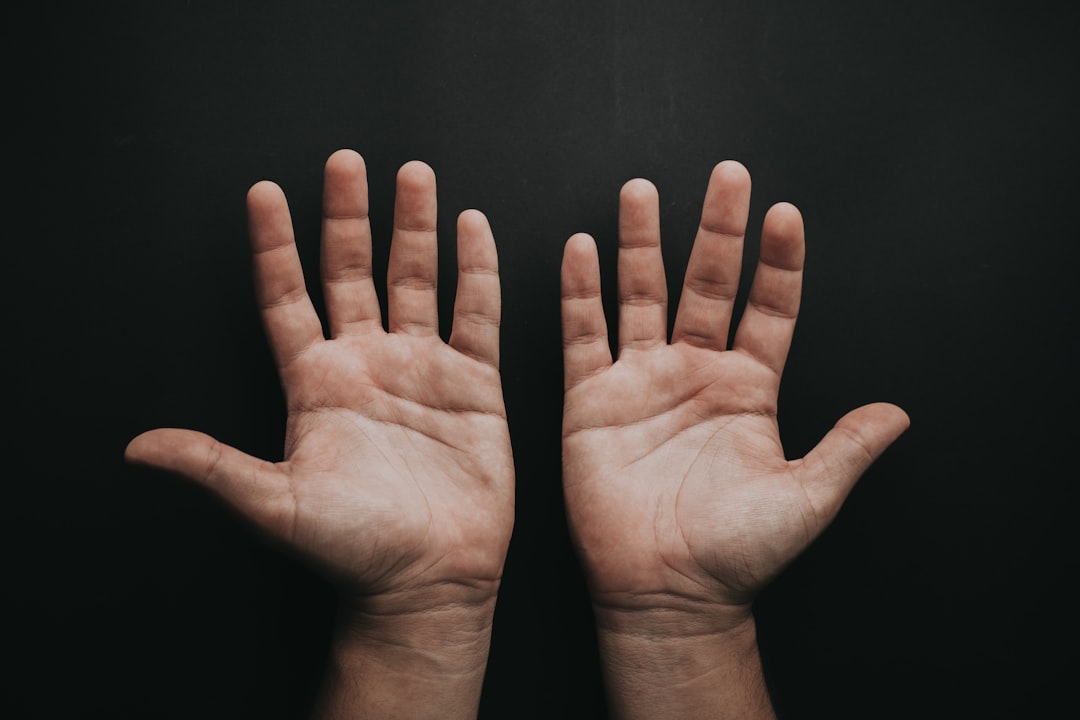
Fingers that feel stiff or look wider than usual may be a sign that the body is holding onto excess fluid. Rings that normally fit comfortably may feel tight or difficult to remove during certain times of the day. Hand swelling often increases with prolonged sitting or in warm weather when circulation slows slightly. The condition can be linked to hormonal fluctuations or prolonged periods of physical inactivity. Gentle movement and elevating the hands periodically throughout the day can encourage fluid to circulate more effectively.
Ankle Edema
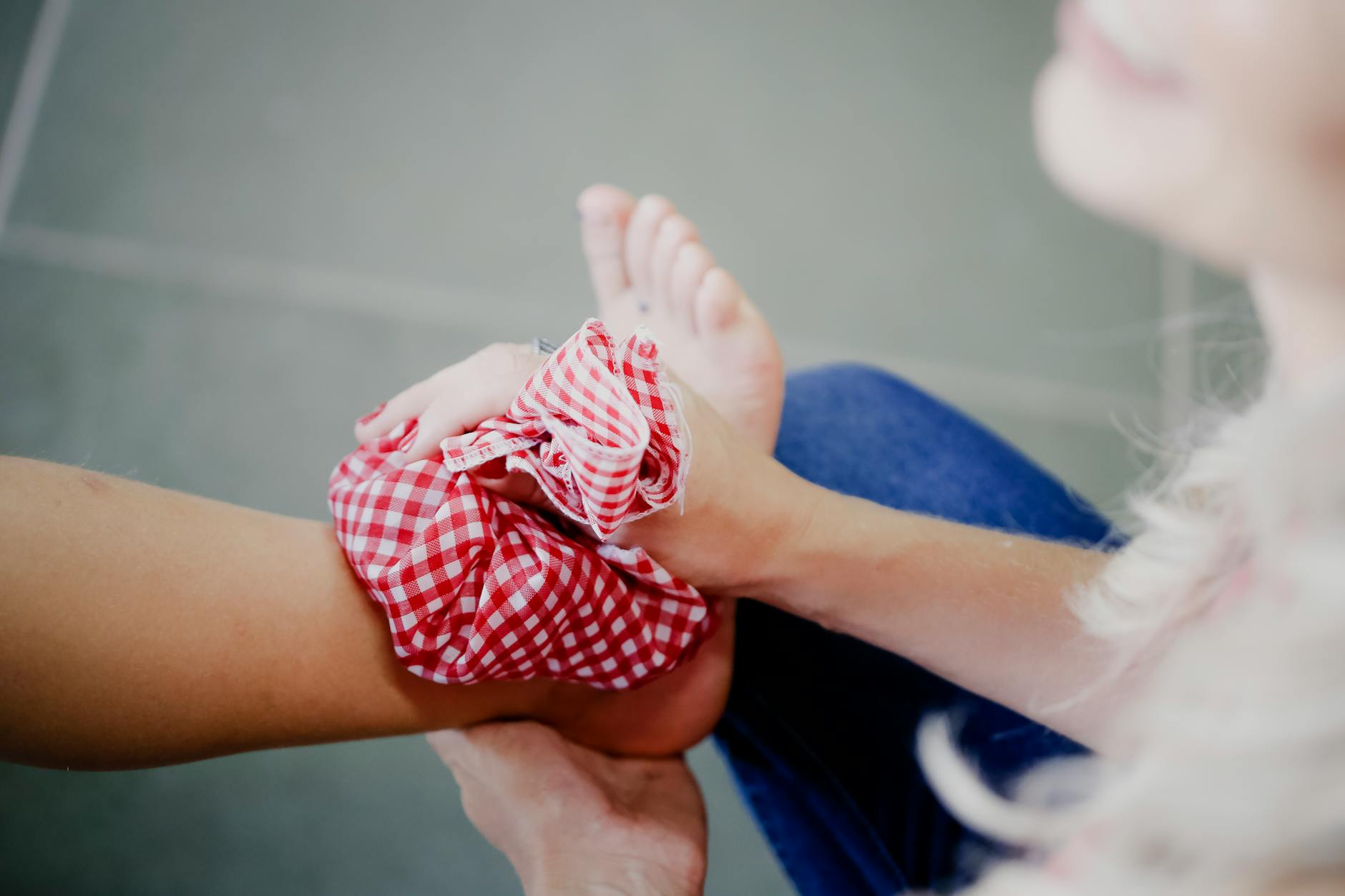
Swelling in the ankles and feet is one of the most recognizable and widely documented signs of water retention. After long periods of standing or sitting the fluid naturally pools in the lower extremities due to gravity. The skin in this area may appear stretched and pressing a finger into the skin can leave a temporary indentation. This type of swelling is common among people who work long shifts on their feet or spend extended hours sitting at a desk. Elevating the legs above the level of the heart for short periods can offer noticeable relief.
Weight Fluctuations
Unexplained shifts in body weight from one day to the next often signal that the body is retaining fluid rather than gaining or losing fat. A person may notice a difference of one to three kilograms overnight without any change in diet or exercise habits. These fluctuations tend to correlate with sodium consumption the previous day or hormonal changes within the body. Tracking body weight consistently at the same time each day helps identify whether the changes follow a pattern linked to fluid retention. Persistent unexplained weight shifts that do not resolve on their own warrant a conversation with a healthcare professional.
Skin Texture Changes
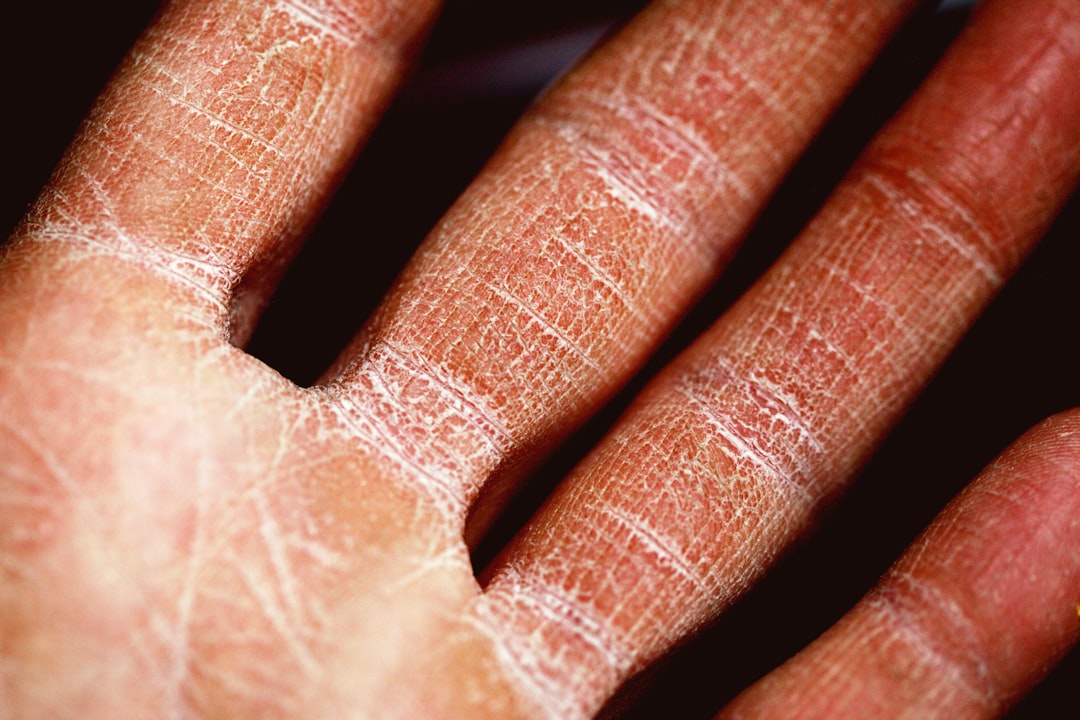
The skin may begin to look or feel different when excess fluid is building up beneath its surface. A shiny or stretched appearance particularly over the legs or abdomen can indicate that swelling is present in those areas. In more noticeable cases pressing the skin for several seconds and releasing it reveals a slow return to its normal position. This characteristic known as pitting is a well-documented sign that fluid is accumulating in the tissue. Changes in skin texture that appear suddenly or worsen over a short period should not be ignored.
Stiff Joints
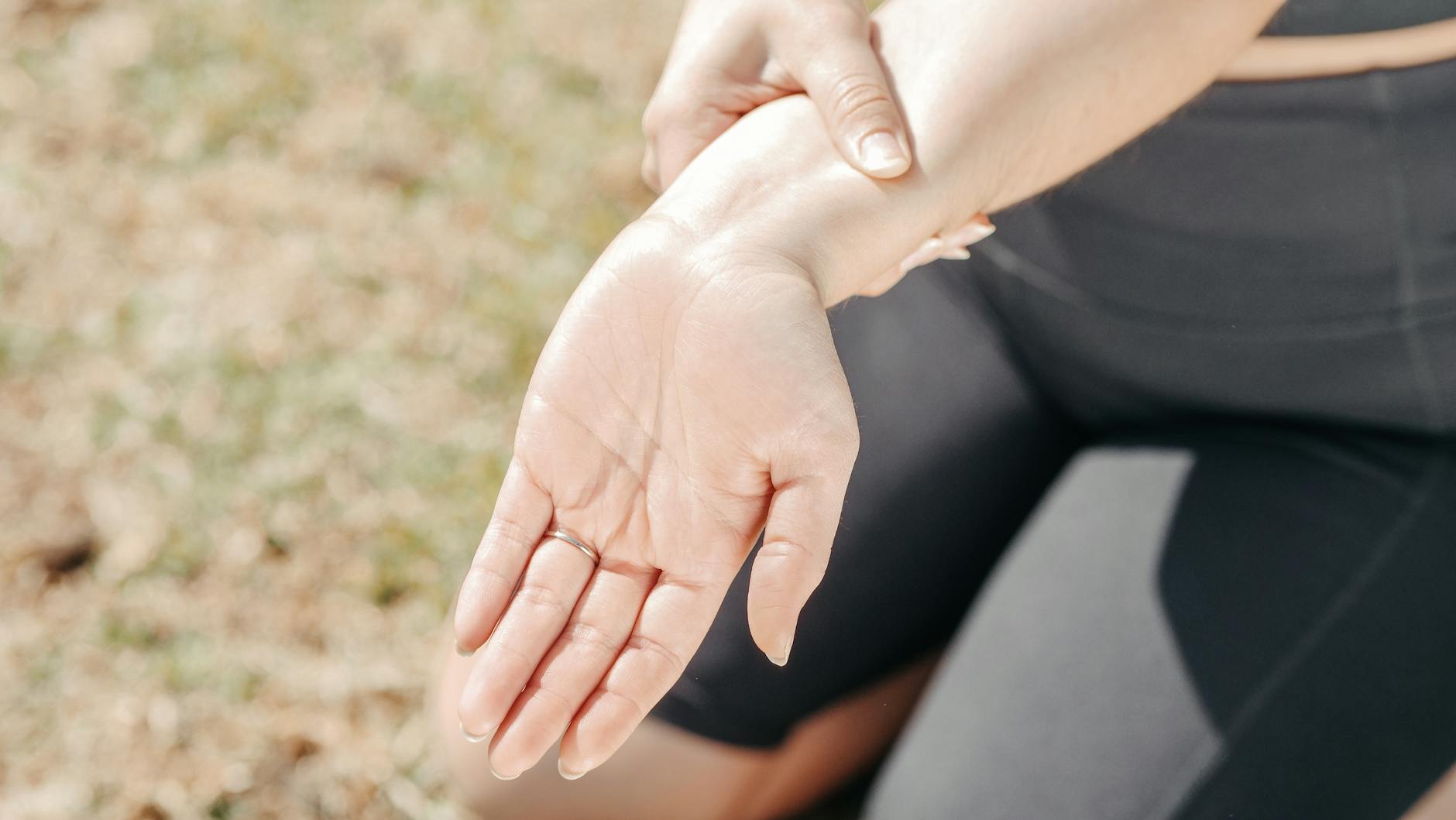
Joints that feel stiff or difficult to move freely can be connected to fluid accumulation in the surrounding tissue. The knees and wrists are among the areas most commonly affected when the body retains water. This stiffness is often most pronounced in the morning or after periods of inactivity and may ease slightly with gentle movement. The sensation is different from arthritis-related stiffness and tends to coincide with other visible signs of fluid retention. Staying active and managing dietary sodium can reduce joint stiffness connected to water retention over time.
Reduced Urination

A noticeable decrease in urination frequency can be a sign that the kidneys are not filtering and releasing fluid as efficiently as they should. When the body holds onto water rather than excreting it the output of urine tends to become less frequent and more concentrated. This shift can occur as a result of dehydration which counterintuitively causes the body to hold onto all available fluid. Certain medications and dietary patterns can also affect how the kidneys manage fluid balance. Monitoring changes in urination habits provides useful information for identifying whether fluid retention may be a contributing factor.
Abdominal Distension
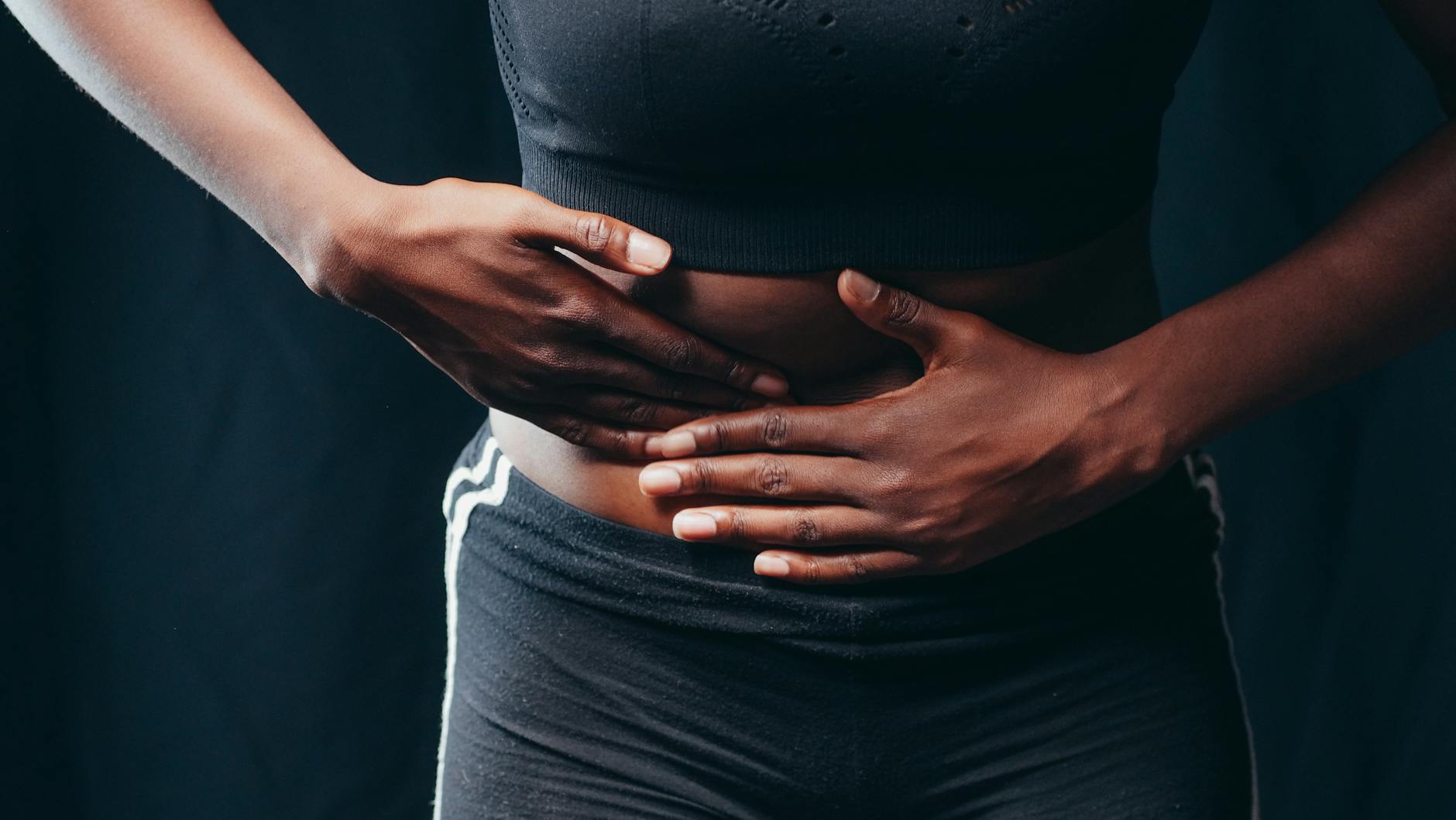
Significant swelling and tightness across the entire abdominal area goes beyond ordinary bloating and can indicate more advanced fluid retention. The belly may feel firm and uncomfortable and clothing around the midsection may become noticeably tighter throughout the day. This level of distension can be linked to digestive issues but it is also associated with conditions that affect the liver and kidneys. When accompanied by other symptoms such as swollen legs or unexplained weight gain it becomes a more important signal to investigate. A healthcare provider should evaluate persistent abdominal distension that does not respond to dietary adjustments.
Shortness of Breath

Fluid that accumulates around the lungs or in the chest cavity can make breathing feel more difficult or labored than usual. This symptom represents one of the more serious signs of advanced water retention and should not be overlooked. Even mild physical activity such as climbing stairs may feel more strenuous than normal when fluid is affecting respiratory function. The condition can be associated with heart or kidney-related concerns that require prompt medical evaluation. Shortness of breath combined with swelling in the limbs or unexplained fatigue is a combination of symptoms that warrants immediate attention from a medical professional.
If you have noticed any of these signs in your own body share your experiences and questions in the comments.