
Burnout rarely arrives without warning. The body and mind send signals long before complete exhaustion takes hold, but the pace of modern work makes those signals easy to dismiss or rationalize away. Recognizing the early signs of career-induced burnout is one of the most important things a professional can do for their long-term health and livelihood. These twenty-five warning signs are drawn from the most commonly reported patterns among people who have experienced severe occupational burnout.
Sunday Dread

The feeling that overtakes you as Sunday afternoon fades into evening is one of the earliest and most telling signs of burnout. When thoughts of the coming workweek trigger genuine anxiety rather than mild reluctance, the nervous system is already treating work as a threat. This anticipatory dread disrupts sleep, shortens the recovery window of the weekend, and creates a cycle that compounds fatigue over time. Many people normalize this feeling as a standard adult experience without recognizing it as a signal worth addressing.
Chronic Fatigue

Persistent tiredness that does not resolve after a full night of sleep is a hallmark early indicator of occupational burnout. Unlike ordinary tiredness, burnout-related fatigue operates at a cellular level and leaves the body feeling depleted regardless of rest. Waking up already exhausted before the workday has even begun is a sign that the body is operating in a sustained stress response. Over time this kind of fatigue compromises immune function, cognitive performance, and emotional regulation.
Emotional Numbness

When a person begins to feel disconnected from their work, their colleagues, and even outcomes they once cared about, emotional numbness has set in. This detachment is the psyche’s protective response to prolonged overstimulation and stress. Tasks that once carried meaning begin to feel hollow and mechanical, and achievements stop generating any sense of satisfaction. Emotional numbness is particularly dangerous because it dulls the very signals that would otherwise prompt a person to seek change.
Reduced Productivity

A noticeable and sustained drop in output, despite spending the same or more hours working, is a reliable warning sign. Burnout impairs the prefrontal cortex functions responsible for focus, planning, and decision-making, making even routine tasks feel laborious. Work that once took an hour may begin taking three, not due to laziness but due to genuine cognitive depletion. This productivity decline often triggers shame and overcompensation, which accelerates the burnout cycle rather than resolving it.
Increased Cynicism

A growing sense of bitterness or contempt toward the workplace, leadership, or the industry itself reflects a shift in how the brain processes ongoing stress. Cynicism in the context of career burnout is not a personality flaw but a cognitive defense mechanism that creates psychological distance from a painful environment. When a once-motivated professional begins routinely dismissing new initiatives, mocking company values, or assuming the worst of colleagues, depersonalization has likely taken hold. Left unaddressed, this outlook can permanently damage professional relationships and career trajectories.
Frequent Illness

The immune system is highly sensitive to chronic psychological stress, and people on the path to burnout tend to get sick more often than usual. Recurring colds, persistent headaches, gastrointestinal issues, and skin flare-ups are all commonly reported physical manifestations of prolonged work-related stress. The body redirects energy away from immune maintenance when it is in a sustained fight-or-flight state. A pattern of frequent minor illness with no obvious medical explanation deserves serious attention as a potential burnout signal.
Insomnia

Difficulty falling asleep or staying asleep, particularly when the mind races with work-related thoughts, is a strongly documented precursor to burnout. The stress hormone cortisol, which should be lowest at night, remains elevated in chronically overloaded individuals and actively interferes with sleep architecture. Poor sleep then reduces the cognitive and emotional resources needed to cope with the next day’s demands, creating a self-reinforcing loop. Over weeks and months, chronic insomnia accelerates the path to full burnout significantly faster than work stress alone would.
Loss of Motivation
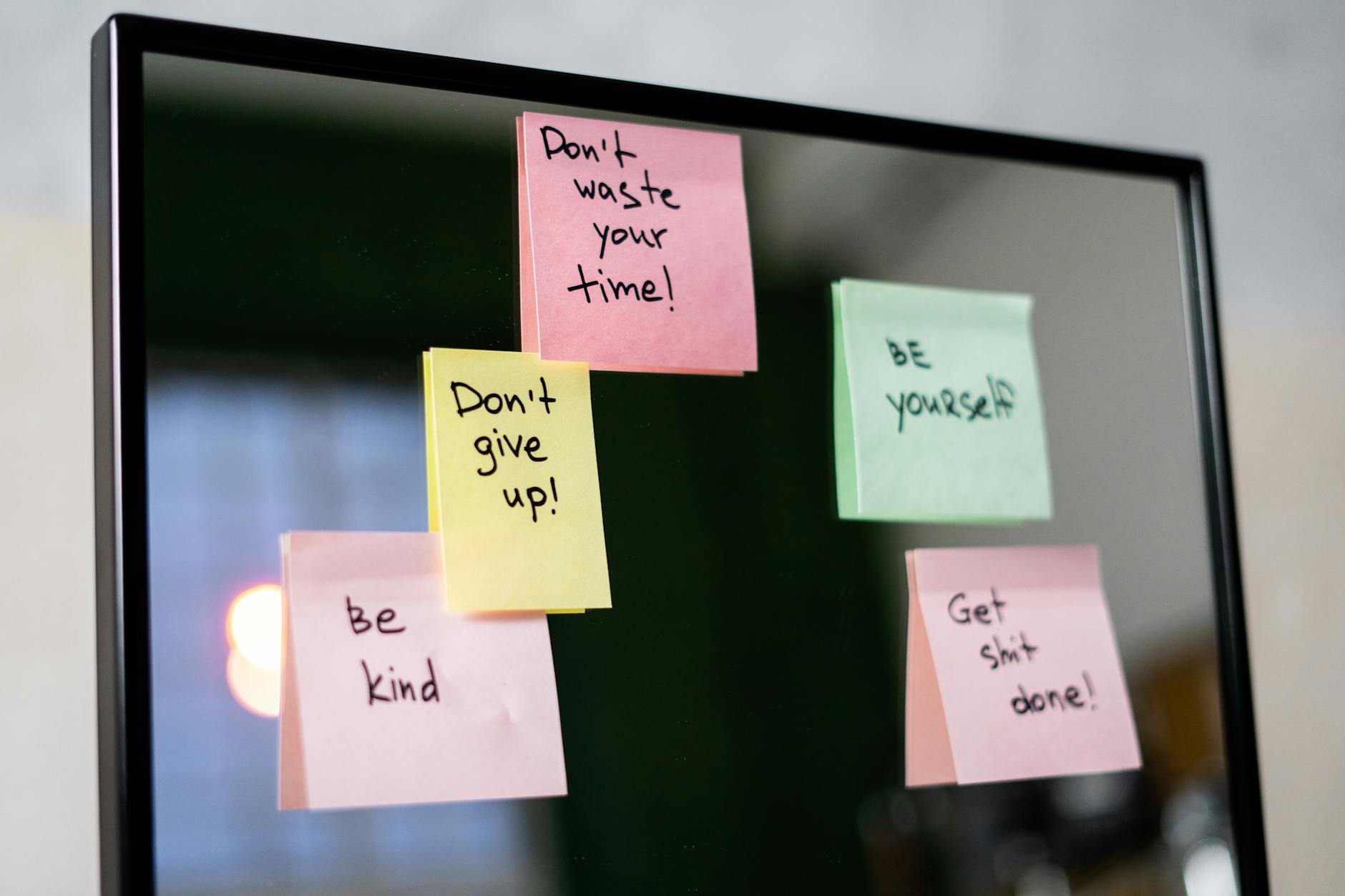
When enthusiasm for work that once felt energizing has quietly evaporated, motivational depletion is underway. This is distinct from temporary disengagement and tends to persist across projects, roles, and even new opportunities within the same field. The internal drive that once propelled early morning starts and creative problem-solving becomes difficult or impossible to access. Motivational loss at this depth often signals that the burnout process has moved beyond the early stage and into a more entrenched phase.
Irritability

Heightened irritability at work and at home is one of the most frequently reported signs among people who later experience full burnout. Small inconveniences that would previously have been absorbed with ease begin to provoke disproportionate frustration or anger. This emotional reactivity stems from a depleted capacity for self-regulation caused by sustained stress overload. Colleagues, partners, and family members often notice this change before the affected individual does.
Neglecting Personal Life

When work begins consuming time and mental energy that was previously reserved for relationships, hobbies, and self-care, the imbalance is a clear warning sign. Cancelled plans, shortened vacations, and the gradual abandonment of activities that once brought joy are all common early burnout behaviors. The person experiencing this often frames the sacrifice as temporary or necessary without recognizing the pattern. Research consistently shows that the erosion of personal life is both a symptom and an accelerant of occupational burnout.
Difficulty Concentrating

An inability to sustain focus or retain information during the workday reflects the neurological toll of chronic stress. Burnout impairs working memory and attention span in ways that mirror the cognitive effects of sleep deprivation. Rereading the same paragraph multiple times, losing track of conversations, and forgetting tasks that were just assigned are all common experiences. This cognitive fog tends to worsen progressively if the underlying stress drivers are not addressed.
Dreading Meetings

While some degree of meeting fatigue is universal, a visceral dread of routine workplace interactions is a more specific signal. When the prospect of attending a standard check-in or team call produces genuine anxiety or exhaustion, the social and cognitive demands of work have become overwhelming. This pattern often leads to avoidance behaviors such as calling in sick on heavy meeting days or manufacturing reasons to opt out. Over time it can isolate the affected person professionally and deepen the sense of being trapped.
Declining Work Quality

Submitting work that is noticeably below one’s own established standard, not out of carelessness but out of sheer depletion, is a sign that resources are critically low. When a professional who once took pride in precision and thoroughness begins cutting corners and accepting mediocrity, something important has shifted. This decline often produces secondary stress in the form of guilt and fear of professional consequences. The resulting pressure to perform while running on empty creates one of the most painful dynamics of the burnout experience.
Neglecting Basic Needs

Skipping meals, neglecting hydration, abandoning exercise routines, and ignoring medical appointments are common self-care failures that accompany career burnout. The same cognitive and emotional resources that would normally prompt self-care are being consumed entirely by work demands. The body’s basic maintenance is deprioritized, often unconsciously, as the individual enters a state of functional survival mode. Physical neglect compounds the physiological stress burden and shortens the timeline to total collapse.
Feeling Undervalued

A persistent and growing sense that one’s contributions are invisible or unappreciated is among the most powerful drivers of burnout. This perception may or may not reflect workplace reality but becomes psychologically entrenched when it is not directly addressed. The mismatch between effort invested and recognition received creates a motivational deficit that compounds over time. Many high-performing individuals experience this feeling most acutely precisely because they have given the most and expected meaningful return.
Clock-Watching

When the primary focus of the workday shifts from the work itself to counting the minutes until it ends, engagement has fundamentally broken down. This behavior reflects a survival orientation in which the goal is simply to endure rather than to contribute or grow. Clock-watching in professionals who were once absorbed in their work is a significant behavioral shift that warrants honest reflection. It often signals that the meaning and purpose that once animated the role have been exhausted.
Avoiding Colleagues

Deliberate withdrawal from workplace social interaction beyond normal introversion is a behavioral marker of depersonalization. Burnout sufferers often begin eating alone, avoiding communal spaces, skipping optional team activities, and keeping communications to the bare minimum required. This withdrawal conserves depleted energy but also removes the social connection that could otherwise provide some buffer against stress. Isolation tends to deepen the experience of burnout and reduce the likelihood of early intervention.
Frequent Mistakes

A sudden increase in errors, oversights, and lapses in judgment is a concrete and observable sign that cognitive functioning has been compromised. When a reliable professional begins missing deadlines, misreading briefs, or making calculation errors out of character with their track record, depletion is the most likely explanation. These mistakes often go unacknowledged by the individual, who may attribute them to external factors rather than internal overload. Unaddressed, this pattern can have real professional and organizational consequences.
Feeling Trapped

The belief that there is no viable exit from a harmful work situation, even when options may objectively exist, is a psychological hallmark of advanced burnout. This trapped feeling narrows the perceived range of choices and reinforces helplessness, a cognitive state that significantly worsens emotional outcomes. Individuals experiencing this often report feeling unable to quit, unable to change their role, and unable to ask for help. The sense of entrapment tends to intensify until external intervention or a crisis forces a shift.
Loss of Creativity

When the capacity for creative thinking, problem-solving, and innovation disappears, it reflects the suppression of higher-order brain functions under chronic stress. Creativity requires psychological safety, curiosity, and mental spaciousness, all of which are among the first casualties of sustained overload. Professionals in creative industries often experience this loss as a particularly alarming and identity-threatening symptom. The inability to generate new ideas where ideas once flowed freely is rarely a skill problem and almost always an energy problem.
Resentment Toward Work

A deep and persistent resentment that extends beyond frustration with specific tasks or individuals signals a fundamental breakdown in the relationship with one’s career. This emotional state differs from ordinary dissatisfaction in its intensity and its tendency to spill into non-work hours and relationships. Resentment at this level is typically the product of long-term unmet needs such as autonomy, fairness, or recognition. It is among the most difficult burnout symptoms to reverse without meaningful structural change.
Excessive Presenteeism

Showing up to work while functionally unable to perform, due to illness, exhaustion, or mental depletion, is a behavior pattern common in pre-burnout individuals who have internalized that absence is unacceptable. Presenteeism is often praised in high-performance cultures despite being economically and medically counterproductive. The person practicing it typically knows they are not operating at capacity but feels unable to step back. Over time it deepens physical and cognitive depletion while providing the illusion of productivity.
Increased Substance Use

A gradual increase in reliance on alcohol, caffeine, sleep aids, or other substances to manage the emotional weight of work is a behavioral warning sign that deserves attention without judgment. These substances are commonly used to artificially raise energy in the morning, dull anxiety during the day, and force relaxation at night. While each instance may feel like a reasonable coping strategy, the pattern as a whole reflects an escalating gap between internal resources and external demands. Substance escalation in the context of career stress is a recognized precursor to more serious health outcomes.
Losing Your Sense of Purpose

When a professional can no longer clearly articulate why their work matters or connect daily tasks to any larger sense of meaning, existential depletion has taken hold. Purpose is one of the most powerful psychological resources available to working people, and its erosion leaves a particular kind of emptiness that differs from simple boredom or frustration. This loss often surfaces after years of high investment in a role or organization, making it especially disorienting. Recovering a sense of purpose frequently requires external support rather than individual willpower alone.
Physical Tension

Chronic muscle tension, jaw clenching, shoulder pain, or frequent tension headaches are the body’s physical record of sustained psychological stress. The musculoskeletal system holds stress in ways that become habitual and unconscious, eventually producing pain that is dismissed as unrelated to work. Many burnout sufferers report that physical symptoms were their most consistent and earliest warning signs, and yet were the last to be connected to occupational causes. The body keeps a precise and honest account of what the mind has been asked to absorb.
If any of these signs feel uncomfortably familiar, share which ones resonate most with you in the comments.