
Sleep is one of the most essential pillars of physical and mental health, yet millions of people unknowingly sabotage it through habits they repeat every single day. The body relies on consistent cues and rhythms to prepare for rest, and when those signals are disrupted, the effects ripple far beyond a groggy morning. Recognizing the warning signs hidden within a daily routine is the first step toward reclaiming deep, restorative sleep. The following patterns are among the most common and damaging culprits affecting sleep quality worldwide.
Late Caffeine

Caffeine has a half-life of roughly five to six hours, meaning a mid-afternoon coffee still has a significant presence in the bloodstream come bedtime. It works by blocking adenosine receptors, the very receptors responsible for building the feeling of sleepiness throughout the day. Many people underestimate how sensitive they are to caffeine consumed after 2 p.m. Regular afternoon or evening caffeine intake delays sleep onset and reduces the proportion of deep sleep achieved. Switching to herbal tea or water after noon can make a noticeable difference within just a few days.
Screen Time

The blue light emitted by smartphones, tablets, and laptops suppresses melatonin production, the hormone that signals to the body that it is time to sleep. Evening screen use also keeps the brain in an alert and stimulated state, making it harder to transition into the relaxed condition needed for sleep. Research consistently links late-night scrolling with delayed sleep onset and reduced total sleep time. The content consumed matters too, as emotionally engaging or stressful material activates the nervous system at exactly the wrong time. Setting a screen curfew at least one hour before bed is one of the most effective behavioral changes available.
Irregular Wake Times
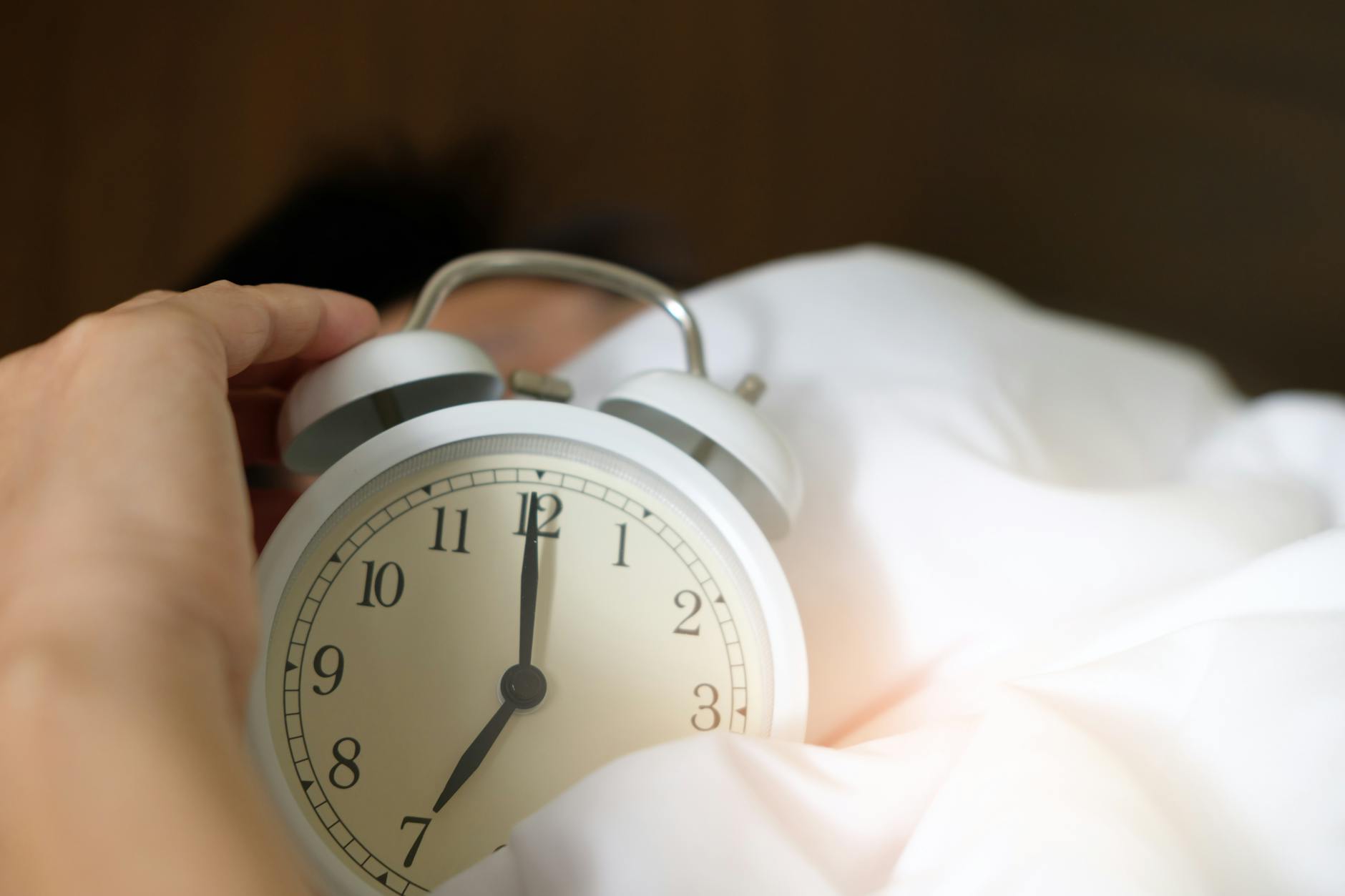
The circadian rhythm functions like an internal clock that thrives on consistency, and waking up at different times each day throws it into disarray. Sleeping in on weekends to compensate for a week of poor sleep actually worsens the problem by shifting the body’s internal schedule. This phenomenon is sometimes called social jet lag, and it produces symptoms similar to crossing multiple time zones without leaving home. A consistent wake time anchors the entire sleep-wake cycle, making it easier to fall asleep and wake naturally. Even on rest days, maintaining the same wake time within thirty minutes is strongly recommended by sleep researchers.
Heavy Evening Meals

Eating a large or rich meal close to bedtime forces the digestive system to remain highly active during hours when the body should be winding down. Lying down shortly after eating increases the likelihood of acid reflux and general physical discomfort that interrupts sleep. High-fat and high-protein foods take considerably longer to digest and can elevate core body temperature, which is counterproductive to the natural cooling process the body undergoes before sleep. Late meals also shift the timing of metabolic processes in ways that can misalign the digestive clock with the sleep clock. Finishing the last meal of the day at least two to three hours before bed significantly improves sleep comfort.
Alcohol Before Bed

Alcohol is widely misunderstood as a sleep aid because it initially induces drowsiness and reduces the time it takes to fall asleep. However, as the body metabolizes alcohol during the night, it causes sleep to become increasingly fragmented and restless. REM sleep, the stage most associated with memory consolidation and emotional processing, is particularly suppressed by alcohol consumption. Many people who drink in the evening wake feeling unrested despite spending a full night in bed. Even moderate amounts consumed within a few hours of bedtime measurably reduce overall sleep quality.
No Wind-Down Routine

The nervous system does not switch from full alertness to sleep-ready mode instantaneously and requires a gradual transition period. Without a consistent wind-down routine, the brain remains in a state of high activation right up until the moment the lights go out. Activities like work emails, heated discussions, or intense exercise too close to bedtime keep stress hormones elevated. A structured pre-sleep ritual lasting thirty to sixty minutes signals to the body that rest is approaching and begins the physiological shift toward sleep. Reading, light stretching, or a warm bath are among the most evidence-supported wind-down practices.
Afternoon Napping

While short naps can be beneficial when timed correctly, napping too late in the day or for too long significantly reduces sleep pressure at night. Sleep pressure is the accumulated drive to sleep that builds throughout the day and helps ensure a deep and timely sleep onset in the evening. A nap taken after 3 p.m. or lasting longer than thirty minutes can disrupt this process considerably. People who struggle to fall asleep at night should treat afternoon napping with particular caution. If rest is needed, a short nap before 2 p.m. is far less likely to interfere with nighttime sleep.
Bright Home Lighting

The lighting environment inside the home during evening hours plays a significant role in preparing the brain for sleep. Bright overhead lights in the hours after sunset mimic daylight conditions and suppress the natural rise of melatonin that should begin in the early evening. Many modern homes are far too brightly lit in the hours leading up to bedtime without occupants realizing the impact. Switching to warmer, dimmer lighting after sunset helps align the home environment with the body’s biological needs. Smart bulbs or simple lamp swaps can create a noticeably more sleep-friendly atmosphere with minimal effort.
High-Stress Evenings

Chronic exposure to stressful content, conversations, or tasks in the evening keeps cortisol levels elevated well past when they should naturally begin to drop. Cortisol and sleep are fundamentally at odds, as this hormone promotes alertness and energy mobilization rather than rest. People who check work messages, argue, or engage in anxiety-provoking media at night frequently report difficulty falling asleep and staying asleep. The brain needs emotional and psychological decompression time before it can transition into restful sleep. Building boundaries around evening stress is as physiologically important as any other sleep hygiene practice.
Sedentary Days

Physical activity during the day plays a powerful role in regulating sleep quality, and a predominantly sedentary lifestyle removes this regulatory mechanism. Movement helps discharge physical tension, regulate cortisol, and increase deep sleep time at night. People who sit for most of the day often experience more fragmented and lighter sleep than those who incorporate regular physical activity. Even moderate exercise such as a thirty-minute walk has been shown to meaningfully improve sleep outcomes over time. The body sleeps better when it has genuinely been used throughout the day.
Bedroom Temperature
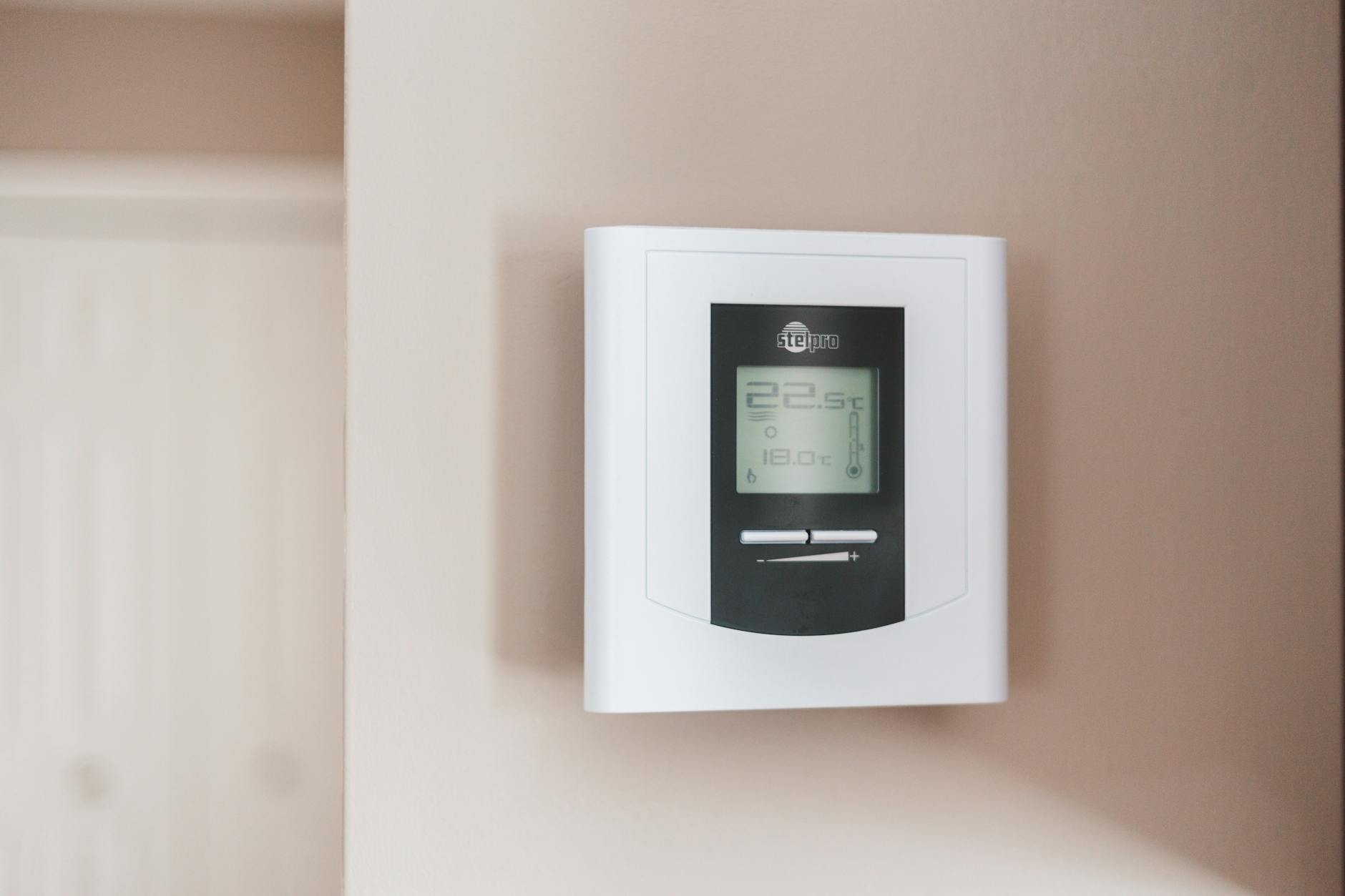
The body needs to lower its core temperature by roughly one to two degrees Fahrenheit to initiate and maintain sleep effectively. A bedroom that is too warm interferes with this process and leads to restless, lighter sleep with more frequent waking. Many people overlook room temperature as a sleep variable despite its well-documented importance in sleep science. The optimal sleeping temperature for most adults falls between 60 and 67 degrees Fahrenheit. Adjusting bedding, using a fan, or lowering the thermostat in the evening can produce rapid improvements in sleep depth and continuity.
Noise Exposure
Inconsistent or intrusive nighttime noise is one of the most common disruptors of sleep continuity, even when it does not fully wake the sleeper. The brain continues to process sound during sleep, and sudden or irregular noises trigger micro-arousals that fragment the sleep cycle without the person being consciously aware of them. Traffic, neighbors, pets, and electronic notifications are among the most frequent culprits in urban and suburban environments. Earplugs or white noise machines are practical and effective tools for creating a more acoustically stable sleep environment. Consistent background sound has been shown to mask disruptive noise and support more uninterrupted sleep.
Overloaded Mornings

A chaotic and rushed morning routine creates a stress response at the very start of the day that can set a dysregulated hormonal tone for the hours ahead. Chronic morning stress elevates cortisol early and can compress the natural cortisol awakening response in ways that affect energy and alertness throughout the entire day. This dysregulation can carry over into the evening, making it harder for cortisol to taper off at the appropriate time. A rushed, reactive morning routine often reflects and reinforces a broader lifestyle pattern that undermines sleep health. Introducing even fifteen minutes of calm intentional activity in the morning can help reset this hormonal pattern over time.
Hydration Habits

Inadequate hydration during the day can contribute to sleep disturbances including leg cramps, dry mouth, and general physical restlessness at night. However, drinking large amounts of fluid close to bedtime significantly increases the likelihood of disruptive nighttime waking to use the bathroom. Many people unwittingly swing between both extremes, drinking too little during the day and then compensating in the evening hours. The goal is to stay consistently hydrated throughout the day and taper fluid intake naturally in the two hours before sleep. This balance supports uninterrupted sleep while avoiding the physical discomfort associated with dehydration.
Mental Stimulation

Engaging in mentally demanding or highly stimulating activities immediately before bed keeps the prefrontal cortex active and delays the onset of the drowsy, diffuse mental state that precedes sleep. Strategy games, intense reading, problem-solving tasks, and even passionate debates all fall into this category. The brain requires a period of decreasing cognitive demand in order to shift toward sleep mode effectively. Many high-achieving individuals in particular struggle with this because productivity-driven habits extend into the final hours of the evening. Transitioning to lighter, more passive mental activity in the last hour before bed supports the natural winding-down of cognitive activity.
Snooze Button Use
Repeatedly hitting the snooze button each morning is widely perceived as harmless rest, but it actually disrupts the sleep architecture during a particularly important phase. The brief fragmented sleep intervals between alarms are too short to complete a meaningful sleep cycle and instead produce a groggy, disoriented state known as sleep inertia. This habit also teaches the brain to ignore the initial alarm signal, eroding the reliability of the wake drive over time. Getting up with the first alarm, even when difficult, supports a more functional relationship with the body’s natural wake rhythm. Over time, a consistent first-alarm wake habit helps reduce morning grogginess significantly.
Light Exposure Timing

Morning light exposure is one of the most powerful tools available for anchoring the circadian rhythm, and skipping it has cascading effects on sleep timing. Natural light in the first hour after waking suppresses residual melatonin, sharpens alertness, and sets the internal clock for the day ahead. People who spend their mornings entirely indoors under artificial lighting miss this critical biological cue. Without it, the circadian phase can gradually drift later, making it harder to feel sleepy at an appropriate time in the evening. Even ten to fifteen minutes of outdoor light exposure in the morning has a measurable effect on circadian alignment and nighttime sleep quality.
If any of these warning signs feel familiar, share which habits you are working to change in the comments.