
The pancreas is one of the most quietly essential organs in the human body, performing a dual role that keeps both digestion and blood sugar regulation functioning within the narrow parameters that sustained health requires. Tucked behind the stomach in the upper left abdomen, it produces the digestive enzymes that break down fats, proteins, and carbohydrates, while simultaneously manufacturing the hormones insulin and glucagon that govern glucose metabolism throughout the body. Because the pancreas operates silently and its warning signals are frequently attributed to other more familiar conditions, pancreatic dysfunction is among the most commonly overlooked categories of health concern in primary care settings. Gastroenterologists, endocrinologists, and oncologists consistently note that patients with serious pancreatic conditions frequently spent months or years attributing their symptoms to digestive issues, dietary sensitivities, or stress before the pancreas was identified as the source. The following 20 warning signs are not a diagnostic tool and should never replace professional medical evaluation, but they represent the signals that clinicians most consistently identify as indicators that the pancreas deserves closer attention. Anyone experiencing persistent or concerning symptoms should consult a qualified healthcare professional promptly.
Upper Abdominal Pain

Persistent pain in the upper abdomen, particularly in the region just below the sternum and to the left of center, is one of the most consistently reported early symptoms across the full spectrum of pancreatic conditions including pancreatitis, pancreatic insufficiency, and pancreatic malignancy. The pain associated with pancreatic dysfunction characteristically radiates through to the back in a band-like pattern that distinguishes it from the more localized discomfort of gastric or intestinal origin, and this back radiation is considered a clinically meaningful feature that warrants specific investigation rather than empirical treatment for more common digestive conditions. Acute pancreatitis produces a sudden and severe upper abdominal pain that typically worsens after eating and may be accompanied by nausea and vomiting in a presentation that sends most patients to emergency care relatively promptly. Chronic pancreatic pain is more insidious, presenting as a persistent dull ache or intermittent episodes of more acute discomfort that patients frequently manage with over-the-counter pain relief for extended periods before seeking specialist evaluation. Any upper abdominal pain that persists beyond a few days, worsens after meals, radiates to the back, or is accompanied by other systemic symptoms warrants prompt medical assessment rather than continued self-management.
Unexplained Weight Loss

Unintentional weight loss occurring without dietary change or increased physical activity is a systemic warning signal that clinicians treat with particular seriousness when it appears in combination with other digestive or metabolic symptoms, and pancreatic dysfunction is among the conditions most consistently associated with this pattern. The weight loss associated with pancreatic exocrine insufficiency results from malabsorption, as the reduced production of digestive enzymes prevents the adequate breakdown and absorption of dietary fats and proteins regardless of caloric intake. Pancreatic malignancy produces weight loss through a combination of malabsorption, metabolic disruption, reduced appetite, and the direct catabolic effect of cancer on body composition, and the weight loss in this context is often noted by patients and families as disproportionately rapid relative to any change in eating behavior. The clinical significance of unexplained weight loss is well established enough that a loss of five percent or more of body weight over six to twelve months without intentional cause is considered by most clinical guidelines to be a finding requiring investigation rather than observation. Combining this symptom with any of the others on this list significantly elevates its clinical relevance and the urgency with which medical evaluation should be sought.
Oily or Floating Stools

Changes in stool character including an oily, greasy, or unusually pale appearance, a tendency to float rather than sink, a particularly offensive odor, and difficulty flushing are collectively described as steatorrhea and represent one of the most specific indicators of pancreatic exocrine insufficiency available through simple observation. The pancreas produces lipase, the enzyme responsible for fat digestion, and when lipase production is insufficient, dietary fat passes through the digestive system largely unabsorbed, emerging in the stool as the oily residue that characterizes this presentation. Steatorrhea is not always dramatic in its early presentation, and patients often notice a gradual change in stool character over months that they attribute to dietary changes or a sensitive stomach before the pattern is identified as clinically significant. The presence of steatorrhea in combination with weight loss, abdominal discomfort, and any other symptom on this list creates a clinical picture that warrants gastroenterological evaluation specifically rather than general digestive investigation. A healthcare provider who is given a complete description of stool character changes alongside other associated symptoms is significantly better positioned to identify the relevant diagnostic pathway than one who receives an incomplete symptom history.
Jaundice

Yellowing of the skin and whites of the eyes, known as jaundice, occurs in the context of pancreatic disease when a tumor or inflammatory swelling in the head of the pancreas compresses the common bile duct that runs adjacent to it, preventing the normal flow of bile from the liver into the small intestine. The bile pigment bilirubin that would normally be excreted through the bile duct accumulates in the bloodstream and deposits in tissues, producing the characteristic yellow discoloration that is visible first in the sclera of the eyes and subsequently in the skin, particularly in lighter-skinned individuals. Jaundice associated with pancreatic head pathology is often described as painless jaundice, distinguishing it from the painful jaundice that can accompany gallstone obstruction, and this painless presentation is considered an important clinical feature that raises the index of suspicion for pancreatic malignancy specifically. The urine typically darkens to a tea or cola color simultaneously because the kidneys excrete the excess bilirubin, and the stool may become pale or clay-colored as the bile pigment that normally colors it fails to reach the intestine. Any new onset of jaundice in an adult represents a medical situation requiring prompt evaluation rather than a watch-and-wait approach regardless of the presence or absence of accompanying pain.
New Onset Diabetes
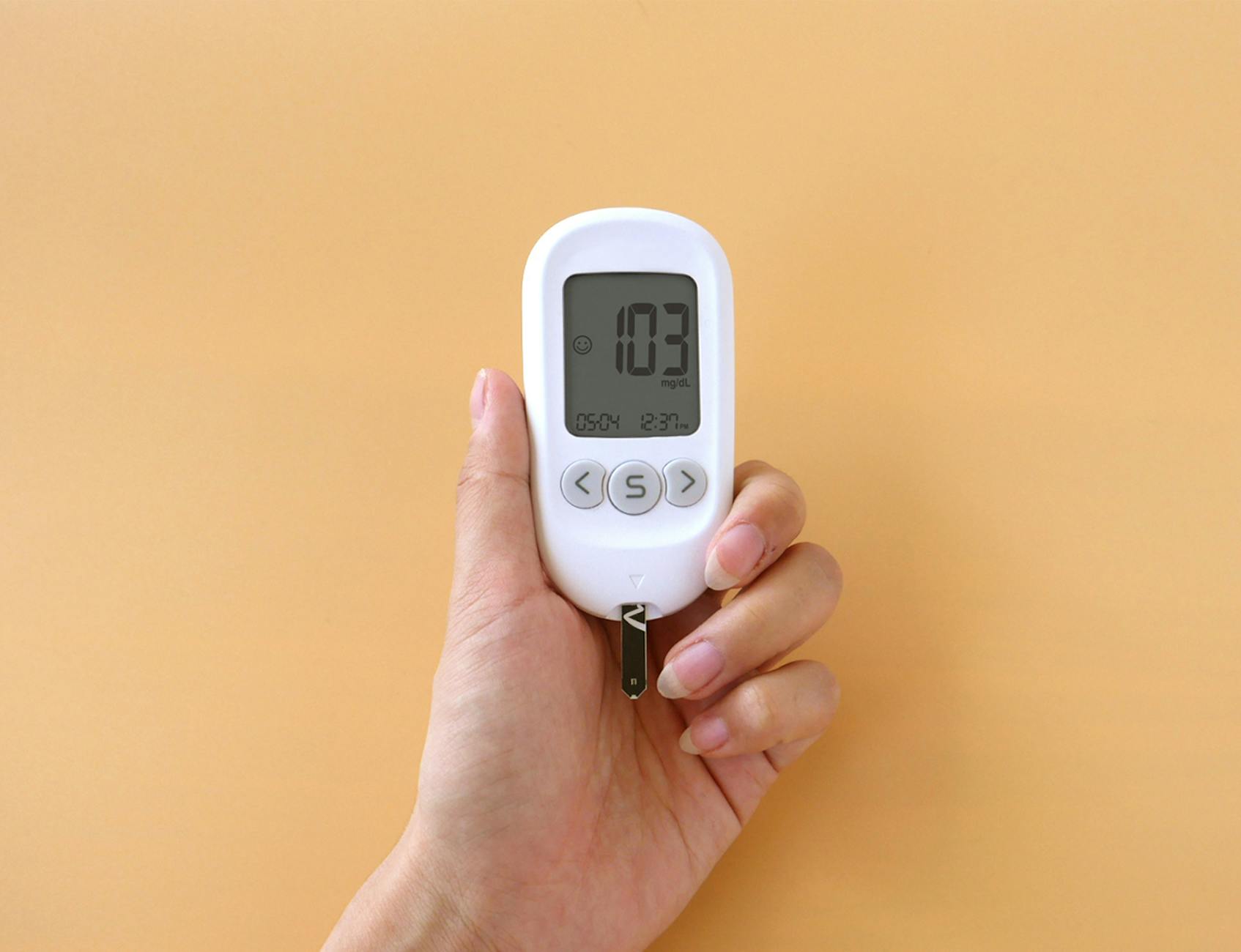
The development of type 2 diabetes in an adult who has no established risk factors, or a sudden and unexplained deterioration in previously well-controlled blood sugar in an existing diabetic patient, can represent a manifestation of pancreatic pathology rather than primary metabolic disease and is increasingly recognized by endocrinologists as a warning signal warranting pancreatic investigation in specific clinical contexts. The beta cells of the pancreatic islets that produce insulin are damaged or destroyed by both chronic pancreatitis and pancreatic malignancy, and the resulting reduction in insulin secretory capacity produces hyperglycemia that presents identically to conventional type 2 diabetes on routine blood testing without additional investigation. Research published in gastroenterology and oncology literature has identified new-onset diabetes in adults over fifty as a statistically significant risk marker for pancreatic adenocarcinoma, and several major cancer centers have implemented screening protocols based specifically on this association. The diabetes that accompanies pancreatic disease is sometimes called type 3c diabetes or pancreatogenic diabetes to distinguish it from the more common forms, and it may respond differently to standard diabetes medications because its mechanism involves both insulin deficiency and glucagon dysregulation simultaneously. A healthcare provider who is aware of the pancreatic connection to new-onset diabetes in older adults or in those with concurrent digestive symptoms is better positioned to order the appropriate additional investigations that this clinical picture warrants.
Nausea and Vomiting

Persistent nausea and recurrent vomiting that are not explained by a clear dietary trigger, an acute infectious illness, or a known gastrointestinal condition represent a non-specific but meaningful component of the symptom complex that pancreatic dysfunction produces across several of its presentations. The nausea associated with pancreatitis is typically severe during acute episodes and is driven by the inflammatory process, the associated ileus that disrupts normal gut motility, and the systemic effects of pancreatic enzyme activation outside the ductal system where they are intended to function. Chronic pancreatic disease produces a more persistent background nausea that patients describe as a constant low-level queasiness punctuated by more acute episodes, particularly following meals with higher fat content that demand the most from reduced enzyme production capacity. The nausea associated with pancreatic malignancy may have a different character again, reflecting the combination of direct tumor effects, biliary obstruction, and the metabolic consequences of progressive disease. Nausea and vomiting considered in isolation have an extremely broad differential diagnosis, but when they appear alongside upper abdominal pain, weight loss, or stool changes in the clinical picture, their significance as potential pancreatic indicators increases substantially.
Loss of Appetite

A persistent and unexplained reduction in appetite, described clinically as anorexia when it occurs in a medical context unrelated to the eating disorder of the same name, is a systemic symptom that frequently accompanies pancreatic disease through multiple mechanisms that operate simultaneously. The pain associated with eating that occurs in both pancreatitis and obstructive pancreatic pathology creates a conditioned reduction in appetite as patients unconsciously associate food consumption with subsequent discomfort, progressively reducing intake to minimize pain episodes. The nausea that accompanies pancreatic disease independently suppresses appetite through its effect on the gastric emptying and the central appetite-regulating mechanisms that respond to gut hormone signals. Pancreatic malignancy produces appetite loss through direct tumor effects on appetite-regulating signaling, through the systemic inflammatory response that cancer generates, and through the metabolic alterations that progressive disease creates in energy regulation. A loss of appetite that is sustained over weeks rather than days, that is accompanied by weight loss, and that does not resolve with the treatment of any initially suspected cause warrants investigation for underlying systemic disease rather than continued symptomatic management.
Blood Sugar Fluctuations

Unusual blood sugar instability including episodes of unexplained hypoglycemia in individuals without diabetes or unexplained hyperglycemia in those not previously diabetic can reflect disruption of the pancreatic islet function that maintains glucose homeostasis within the narrow range that normal physiology requires. The islets of Langerhans that produce insulin, glucagon, and other regulatory hormones are distributed throughout the pancreatic parenchyma and are vulnerable to disruption by inflammatory processes, ductal obstruction, and space-occupying lesions that alter the tissue architecture and vascular supply of the organ. Insulinoma, a rare insulin-secreting tumor of the pancreas, produces episodic severe hypoglycemia that can manifest as sweating, tremor, confusion, and loss of consciousness and that is frequently misattributed to anxiety, neurological conditions, or dietary factors for extended periods before the pancreatic source is identified. Glucagonoma, another rare pancreatic tumor, produces a characteristic syndrome that includes hyperglycemia, a distinctive skin rash called necrolytic migratory erythema, and weight loss that is even more rarely recognized in clinical practice outside specialist centers. Blood sugar abnormalities that do not fit the expected pattern of conventional diabetes and that are accompanied by any other systemic symptoms warrant endocrinological evaluation that includes consideration of pancreatic sources.
Back Pain

Persistent mid-back pain located in the region between the shoulder blades or in the mid-lumbar area that does not follow a musculoskeletal pattern, does not respond to the standard treatments for back pain, and is not associated with physical activity or positional changes may reflect referred pain from pancreatic pathology rather than a primary spinal or muscular condition. The anatomical position of the pancreas in the retroperitoneal space places it in close proximity to the splanchnic nerve plexus and the posterior abdominal wall, creating a pain referral pattern to the back that can closely mimic the presentation of musculoskeletal back pain in ways that lead to extended periods of investigation and treatment directed at the wrong organ system. Patients with pancreatic cancer in particular frequently report that back pain was among their earliest symptoms and that it persisted through multiple courses of physiotherapy and musculoskeletal investigation before the pancreatic source was identified. The back pain of pancreatic origin is often described as a dull, deep, boring quality that is worse when lying flat and partially relieved by leaning forward, a positional characteristic that reflects the mechanical pressure of the pancreatic mass on posterior structures. Back pain that is accompanied by any digestive symptoms, weight loss, or blood sugar changes warrants investigation that explicitly includes abdominal imaging rather than remaining within the musculoskeletal diagnostic pathway.
Fever and Chills

Recurrent fever episodes or persistent low-grade fever accompanied by chills and occurring in the context of abdominal symptoms represents a pattern that clinicians associate with pancreatic inflammation or infection, with the infectious complications of pancreatitis representing a specific clinical scenario in which this symptom combination carries particular urgency. Acute pancreatitis complicated by pancreatic necrosis or abscess formation produces a systemic inflammatory response that includes high fever, rigors, and the signs of sepsis that represent a medical emergency requiring immediate hospital management. Chronic pancreatitis with ductal obstruction can produce recurrent episodes of cholangitis or infected pancreatic pseudocysts that manifest as recurrent fever episodes between which the patient may appear relatively well, creating a pattern that is sometimes investigated as a general infectious disease problem before the underlying pancreatic pathology is identified. The combination of fever with jaundice and upper abdominal pain, known as Charcot’s triad in the context of biliary pathology, represents a clinical scenario whose overlap with pancreatic disease is significant enough to warrant urgent specialist assessment. Any fever that is accompanied by upper abdominal pain, jaundice, or other symptoms from this list represents a combination requiring prompt medical evaluation.
Bloating and Digestive Discomfort

Persistent abdominal bloating, excessive gas production, a sensation of fullness after small amounts of food, and general digestive discomfort that does not respond to dietary modification or standard over-the-counter digestive remedies can reflect the inadequate enzyme production of pancreatic exocrine insufficiency rather than the primary functional digestive disorders that these symptoms more commonly suggest. When the pancreas fails to produce sufficient quantities of amylase, lipase, and protease, the carbohydrates, fats, and proteins that these enzymes are responsible for digesting reach the large intestine in a partially or wholly undigested state and become substrate for bacterial fermentation that generates the gas and distension that characterizes this presentation. The temporal relationship between fat-containing meals and the onset of bloating and discomfort is a clinically useful feature because the inadequate lipase production of pancreatic insufficiency specifically impairs fat digestion, making the symptom pattern fat-sensitive in a way that distinguishes it from the more broadly triggered discomfort of irritable bowel syndrome. Many patients with undiagnosed pancreatic exocrine insufficiency receive a diagnosis of irritable bowel syndrome, food intolerances, or functional dyspepsia and spend years managing symptoms with dietary restriction before a fecal elastase test or other measure of exocrine function identifies the pancreatic source. Digestive symptoms that persist despite reasonable dietary management and that are accompanied by any of the other symptoms on this list warrant investigation that specifically includes assessment of pancreatic exocrine function.
Itchy Skin

Persistent generalized itching without an identifiable dermatological cause, known as pruritus, occurs in the context of pancreatic disease through the same mechanism as jaundice, namely the accumulation of bile salts in the circulation and their subsequent deposition in skin tissues when biliary obstruction prevents their normal excretion through the bile duct. The itching that accompanies bile salt accumulation can precede visible jaundice by days or weeks, making it a potentially early indicator of biliary obstruction in patients who do not yet show the skin discoloration that would more obviously direct clinical attention toward the hepatobiliary system. The quality of cholestatic pruritus is often described as particularly intense, migratory, and worse at night, and it typically does not respond to antihistamine treatment because its mechanism involves bile salt receptor activation rather than histamine release. Skin changes associated with pancreatic disease can also include the necrolytic migratory erythema of glucagonoma and the subcutaneous fat necrosis that occasionally accompanies severe pancreatitis, providing dermatological manifestations that extend beyond simple pruritus. Itching that is persistent, generalized, and accompanied by any change in urine or stool color, yellowing of the eyes, or abdominal symptoms should prompt investigation of the hepatobiliary and pancreatic systems rather than remaining within a dermatological or allergological diagnostic pathway.
Pale Stools

Stool that is pale, clay-colored, or acholic in medical terminology reflects the absence of the bile pigments that normally give feces their characteristic brown color, and this change occurs when biliary obstruction prevents bile from reaching the intestine in the normal way. The pancreatic head sits in anatomical proximity to the common bile duct, and any process that enlarges or distorts the head of the pancreas through inflammation, cystic change, or malignancy can compress this duct and produce the biliary obstruction that manifests as pale stools, dark urine, and jaundice as a clinical triad. Pale stools considered in isolation have several possible explanations including dietary factors and some medications, but pale stools occurring in combination with dark urine and any degree of yellowing of the eyes or skin represent a biliary obstruction picture that requires prompt medical investigation regardless of the presence or absence of pain. The progression from subtle stool color changes to frank jaundice can be gradual enough that patients do not recognize the change without specifically attending to it, making awareness of this particular symptom pattern valuable for early identification of obstructive pathology. Any sustained change in stool color toward the pale or clay end of the spectrum warrants a medical consultation that explicitly describes the change and its time course to the attending clinician.
Diabetes That Is Difficult to Control

An established diabetic patient whose blood sugar becomes significantly more difficult to control without an obvious explanation such as dietary change, medication alteration, weight change, or intercurrent illness may be experiencing a reduction in residual pancreatic function that warrants investigation beyond standard diabetes management. The progressive destruction of islet tissue by chronic pancreatitis reduces insulin secretory reserve in a way that manifests as increasing insulin requirements and reduced treatment response over time, and this pattern can be distinguished from the natural progression of type 2 diabetes through specific islet function testing that is not part of routine diabetes monitoring. Pancreatic malignancy produces a specific pattern of blood sugar instability that some researchers attribute to tumor secretion of factors that antagonize insulin action, and this pattern of diabetes that appears simultaneously with other systemic symptoms is the clinical scenario that has prompted the development of new-onset diabetes screening protocols for pancreatic cancer detection. A healthcare provider managing a diabetic patient who reports concurrent weight loss, abdominal symptoms, or stool changes alongside worsening glycemic control is in a position to consider pancreatic investigation as a component of the workup rather than attributing the entire picture to evolving diabetes alone. The integration of metabolic and digestive symptoms in the clinical assessment of diabetic patients is a key component of the awareness that improves early identification of pancreatic pathology in this population.
Sudden Onset of Pancreatitis

A first episode of acute pancreatitis in an adult without an obvious precipitating cause such as gallstones or significant alcohol use warrants investigation for underlying pancreatic pathology rather than being attributed to an idiopathic cause without further evaluation. Pancreatic malignancy, autoimmune pancreatitis, pancreatic divisum, and various metabolic conditions can present as or precipitate acute pancreatitis, and a significant proportion of patients labeled as idiopathic pancreatitis after a first episode are subsequently found to have an underlying structural or pathological explanation that was not identified at the time of the initial presentation. The investigation of a first episode of pancreatitis in an individual without established risk factors should include cross-sectional imaging of the pancreas at an appropriate interval after the acute episode has resolved, endoscopic evaluation of the biliary system if gallstones have not been excluded, and consideration of autoimmune markers if the clinical picture is consistent with autoimmune pancreatitis. Recurrent episodes of acute pancreatitis in the absence of alcohol use or gallstone disease represent a particularly strong indication for specialist gastroenterological evaluation of the pancreas itself. The acute episode is the clinical event that provides an opportunity to identify underlying pancreatic pathology before it produces more advanced consequences, and this opportunity is most effectively utilized when the investigation extends beyond the management of the acute episode itself.
Thrombophlebitis

Migratory thrombophlebitis, in which superficial vein inflammation and clot formation moves between different venous locations over time, has a recognized historical association with underlying malignancy including pancreatic cancer and is known in clinical medicine as Trousseau’s syndrome after the nineteenth century physician who described its association with occult cancer. The hypercoagulable state that certain malignancies produce through the secretion of procoagulant factors creates a systemic tendency toward clot formation that can manifest in superficial veins as the migratory thrombophlebitis of Trousseau’s syndrome or in deep veins as deep vein thrombosis and pulmonary embolism. Pancreatic adenocarcinoma is among the malignancies most strongly associated with cancer-associated thrombosis, and venous thromboembolic events that occur in individuals without conventional risk factors for clotting have been identified as potential early indicators of occult malignancy in observational studies. A healthcare provider evaluating a patient with recurrent thrombophlebitis or unprovoked deep vein thrombosis who also reports weight loss, abdominal symptoms, or new blood sugar changes should consider pancreatic imaging as a component of the malignancy workup. This symptom is included on this list not as a common early warning sign but as a systemic manifestation that represents a meaningful clinical pointer in the appropriate context.
Depression and Mood Changes

Depression, anxiety, and significant mood changes that appear in temporal association with digestive symptoms, weight loss, or blood sugar changes represent a clinical combination that some researchers associate with pancreatic disease through mechanisms that include both the psychological response to undiagnosed chronic illness and potentially direct biochemical effects of pancreatic pathology on neurotransmitter systems. There is a recognized epidemiological association between pancreatic cancer and depression that predates diagnosis in many cases, and the direction of causality in this relationship remains an area of active research interest, with some investigators proposing that tumor-secreted factors may directly influence central nervous system function before the cancer is otherwise clinically detectable. Chronic pain from pancreatitis, the nutritional deficiencies that result from malabsorption in exocrine insufficiency, and the metabolic disturbances of blood sugar dysregulation each independently produce or exacerbate mood disturbance through well-established mechanisms that connect physical and psychological health. This association does not suggest that depression in isolation is a pancreatic warning sign, as its causes are numerous and most have no pancreatic connection whatsoever. The relevance of this symptom to pancreatic health arises specifically when mood changes occur alongside physical symptoms from elsewhere on this list rather than as an isolated finding.
Sudden Intolerance to Fatty Foods

A new and progressive inability to tolerate fatty foods without experiencing significant digestive discomfort, bloating, diarrhea, or nausea represents a specific functional change that reflects the reduced lipase production of declining pancreatic exocrine function in a way that has meaningful diagnostic specificity when it develops in an adult without a prior history of fat intolerance. The exocrine pancreas produces the lipase that fat digestion requires, and when this production falls below the threshold needed to maintain normal fat absorption, the first symptomatic manifestation is frequently a fat-specific digestive intolerance that progressively worsens as exocrine function declines further. This new fat intolerance is distinct from the longstanding dietary sensitivities that many people manage without clinical investigation and is characterized by its progressive nature, its specificity for fat rather than other macronutrients, and its occurrence in the context of other changes in digestive function or systemic health. Patients who have successfully eaten a normal diet for decades and who develop a significant new intolerance to fatty meals without an obvious dietary or infectious explanation deserve investigation that includes assessment of pancreatic exocrine function rather than simple dietary counseling to reduce fat intake. Reducing fat consumption addresses the symptom while allowing the underlying cause to progress undetected, making the recommendation for investigation rather than dietary compensation the more appropriate clinical response to this specific presentation.
Unexplained Fatigue

Persistent fatigue that is disproportionate to activity levels, does not resolve with adequate rest, and is accompanied by any other symptoms from this list may reflect the systemic consequences of ongoing pancreatic dysfunction through mechanisms including malnutrition from malabsorption, chronic pain and its effect on sleep and energy, blood sugar dysregulation and its metabolic consequences, and the direct systemic effects of inflammatory or malignant pancreatic disease. The malabsorption that accompanies pancreatic exocrine insufficiency produces deficiencies in fat-soluble vitamins including vitamins A, D, E, and K, in essential fatty acids, and in the protein-derived amino acids that energy metabolism depends upon, each of which independently contributes to the fatigue that patients with inadequately treated exocrine insufficiency consistently describe as one of their most debilitating symptoms. The fatigue of blood sugar dysregulation related to pancreatic endocrine insufficiency has a characteristic quality of variability with glucose fluctuations that an attentive clinician may distinguish from the more constant fatigue of other systemic conditions. Unexplained fatigue considered in isolation is one of the least specific symptoms in clinical medicine and has an enormous differential diagnosis that is overwhelmingly populated by conditions unrelated to the pancreas. Its inclusion on this list reflects its consistent presence as a component of the symptom complex that pancreatic conditions produce rather than its value as a standalone indicator, and it should always be considered alongside rather than independently of the other symptoms described here.
This article is for informational purposes only and does not constitute medical advice. If you are experiencing any of the symptoms described here, please consult a qualified healthcare professional promptly rather than relying on this or any other non-clinical source for guidance about your health. If you found this information useful or have experience with pancreatic health conditions you would like to share, please do so in the comments.