When most people think about cholesterol, they picture foods like red meat or cheese, but what you sip can matter just as much as what you eat. Many popular drinks hide a surprising amount of saturated fat, which can push LDL cholesterol higher over time. As EatingWell notes, it is easy to focus on the plate and forget the cup, especially when a drink feels like a quick treat. That blind spot can quietly work against heart health goals, particularly if the drink becomes part of a daily routine.
Dietitian Jordan Langhough put it plainly when she said, “There is strong evidence that a higher intake of saturated fat raises LDL cholesterol in the body, which is a risk factor for heart disease.” She also warned, “Calories and fat from drinks are easier to consume in larger amounts, so it can definitely be overlooked.” Because beverages go down quickly, people often underestimate how much saturated fat they are getting in a single serving. That is why certain drinks can have an outsized impact compared with foods you might eat more slowly and thoughtfully.
One of the biggest offenders is the frozen blended coffee drink that looks harmless in a clear plastic cup. Preventive cardiology dietitian Michelle Routhenstein pointed to a common example, saying, “A Caramel Frappuccino is made with whole milk and whipped cream, two major sources of saturated fat.” A large serving of about 16 fluid ounces can contain 10 grams of saturated fat, which is a big chunk of the day for many people. If you have these drinks often, the saturated fat can nudge LDL upward in the background even if you think your meals are balanced.
Milkshakes are another classic trap because they stack saturated fat from multiple ingredients at once. Langhough explained, “Milkshakes are usually made with whole milk unless otherwise specified or requested.” She added, “Milkshakes are also made with ice cream and topped with whipped cream, and all of that contains saturated fat.” The bigger issue is how easy it is to drink a large amount quickly, which can lead to far more saturated fat than you intended in one sitting.
Then there is bulletproof coffee, which has a healthy sounding brand image but a heavy fat load. Routhenstein said, “Bulletproof coffee is made with butter and MCT oil, which are rich in saturated fat.” Depending on the recipe, a single cup can contain up to 22 grams of saturated fat, which can exceed common daily targets all by itself. She cautioned that this level of saturated fat “can significantly raise atherogenic cholesterol and increase cardiovascular burden.” If you want a creamier cup, using a small amount of unsweetened oat milk can be a gentler option.
Coconut based smoothies can also surprise people who assume plant based automatically means heart friendly. Routhenstein noted, “Coconut based smoothies made with canned full fat coconut milk provide more than 20 grams of saturated fat from just half a cup.” She emphasized that a plant label is not a free pass, explaining, “Despite coconut’s plant image, this type of fat is associated with higher LDL cholesterol.” If you love tropical flavors, swapping in coconut water or a light coconut milk can keep the vibe while lowering saturated fat.
Even the everyday latte can matter if it is made with whole milk and ordered frequently. A 12 fluid ounce latte made with whole milk can contain about 3.5 grams of saturated fat, and the total adds up when it becomes a daily habit. Langhough explained, “When we often choose this option, it can increase LDL cholesterol over time.” A simple switch to skim milk, 1 percent milk, or an unsweetened plant milk like soy, oat, or pea can reduce saturated fat without giving up the routine.
Alcoholic drinks are not automatically the issue, but creamy cocktails can pack saturated fat in a way people rarely consider. Routhenstein said, “A White Russian is made with vodka, coffee liqueur, and cream, and the cream adds a significant amount of saturated fat.” She noted that one small cocktail can contain 11 grams of saturated fat, which is substantial for something many people view as a light indulgence. She also flagged other cream based cocktails to avoid, including Brandy Alexander and Grasshopper, because the same issue shows up again and again.
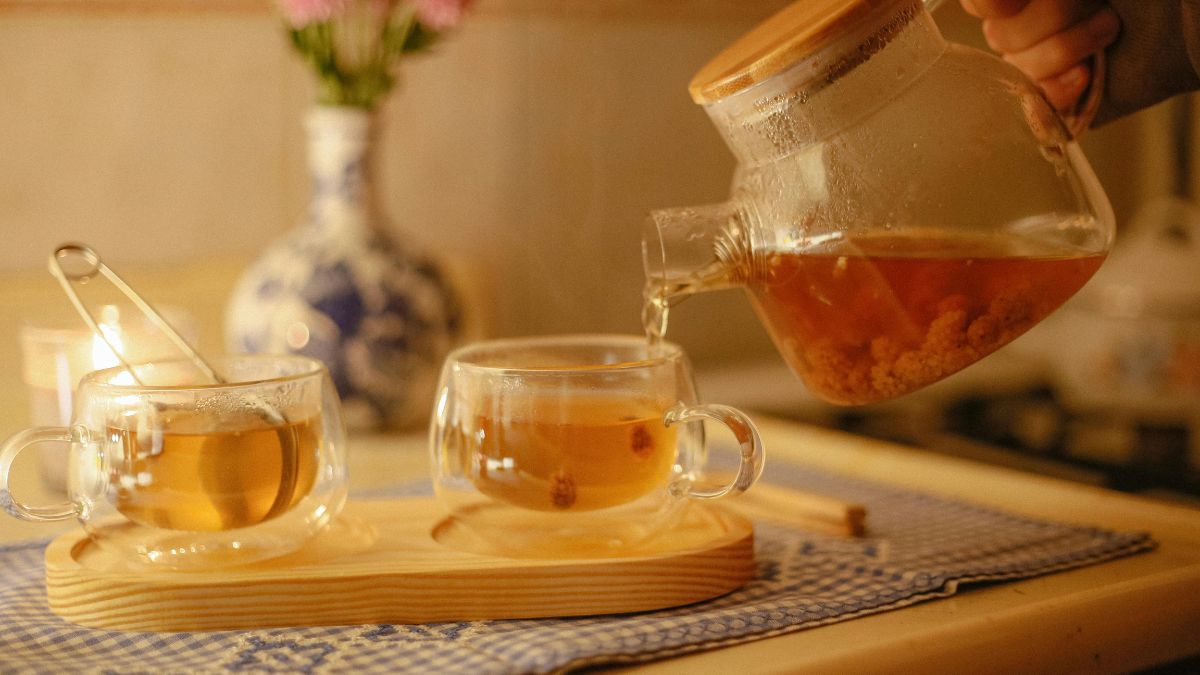
The good news is that you do not have to drink only plain water to support healthier cholesterol numbers. Unsweetened tea is often recommended, and green tea stands out because research links it to lower LDL, likely due to compounds called catechins. You can also rethink coffee additions by leaning on lower fat dairy options or unsweetened plant milks, then add flavor with cinnamon, vanilla, or cocoa powder instead of whipped cream. For a refreshing alternative, Routhenstein suggested sparkling water with a small splash of 100 percent fruit juice.
Cholesterol itself is a waxy substance your body uses to build cells and make hormones, and your liver produces much of what you need. LDL is often called bad cholesterol because higher levels are associated with plaque buildup in arteries, while HDL is considered helpful because it can assist with cholesterol transport. ApoB is another marker that reflects the number of atherogenic particles, and Routhenstein highlighted it as a concern alongside LDL when saturated fat intake is high. Beyond drink choices, cholesterol friendly habits often include more soluble fiber from foods like oats and beans, regular physical activity, and replacing saturated fats with unsaturated fats from sources like nuts, seeds, and olive oil.
Share your thoughts in the comments on which drink swaps feel easiest for you to stick with long term.