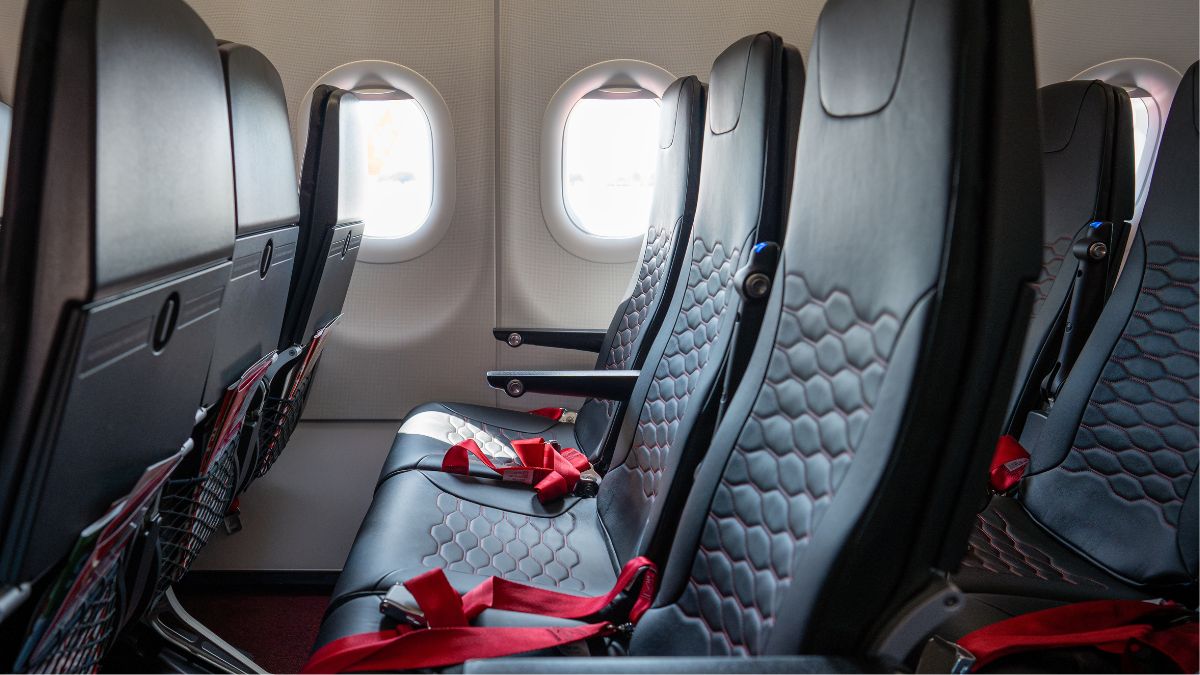
Budget travelers and frequent flyers alike have noticed a steady decline in the comfort and hospitality once associated with economy class travel. Airlines around the world have been implementing a series of subtle changes that collectively make the flying experience feel more cramped, costly, and impersonal than ever before. These shifts are rarely announced with fanfare and often go unnoticed until passengers find themselves wedged into a seat that feels nothing like what they remembered. Understanding what is changing can help travelers make more informed decisions before booking their next flight.
Seat Pitch
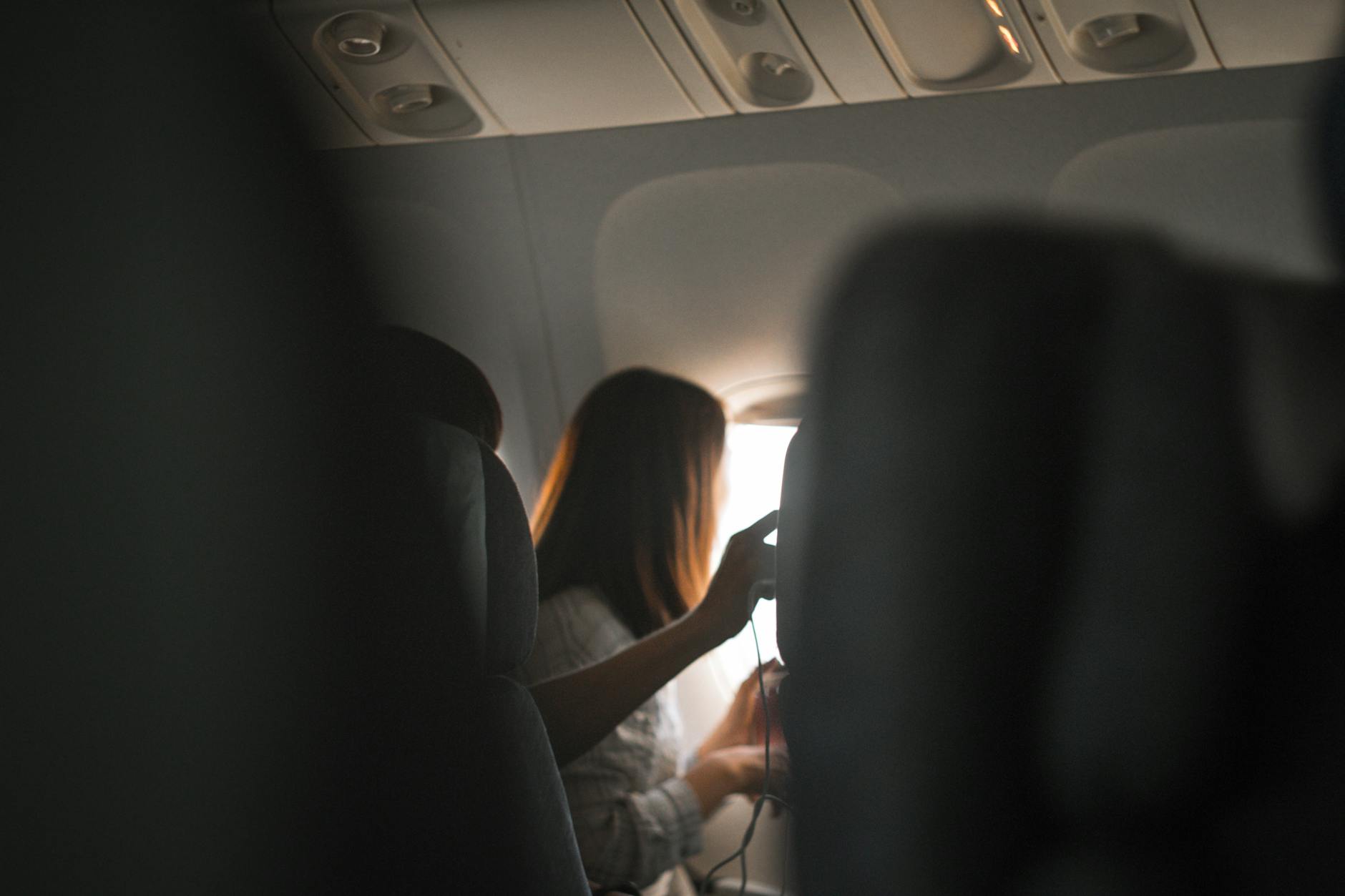
Airlines have been gradually reducing the distance between rows in economy class, a measurement known as seat pitch, over the past decade. What was once a standard 34 inches has shrunk to as little as 28 inches on some budget and legacy carriers alike. This reduction leaves less legroom for passengers of average height and makes reclining the seat behind virtually impossible without impacting the person in front. The consequences are felt most acutely on long-haul flights where passengers have no option to stand or stretch for hours. Even small reductions, measured only in inches, translate into a meaningfully more claustrophobic experience over the course of a multi-hour journey.
Seat Width
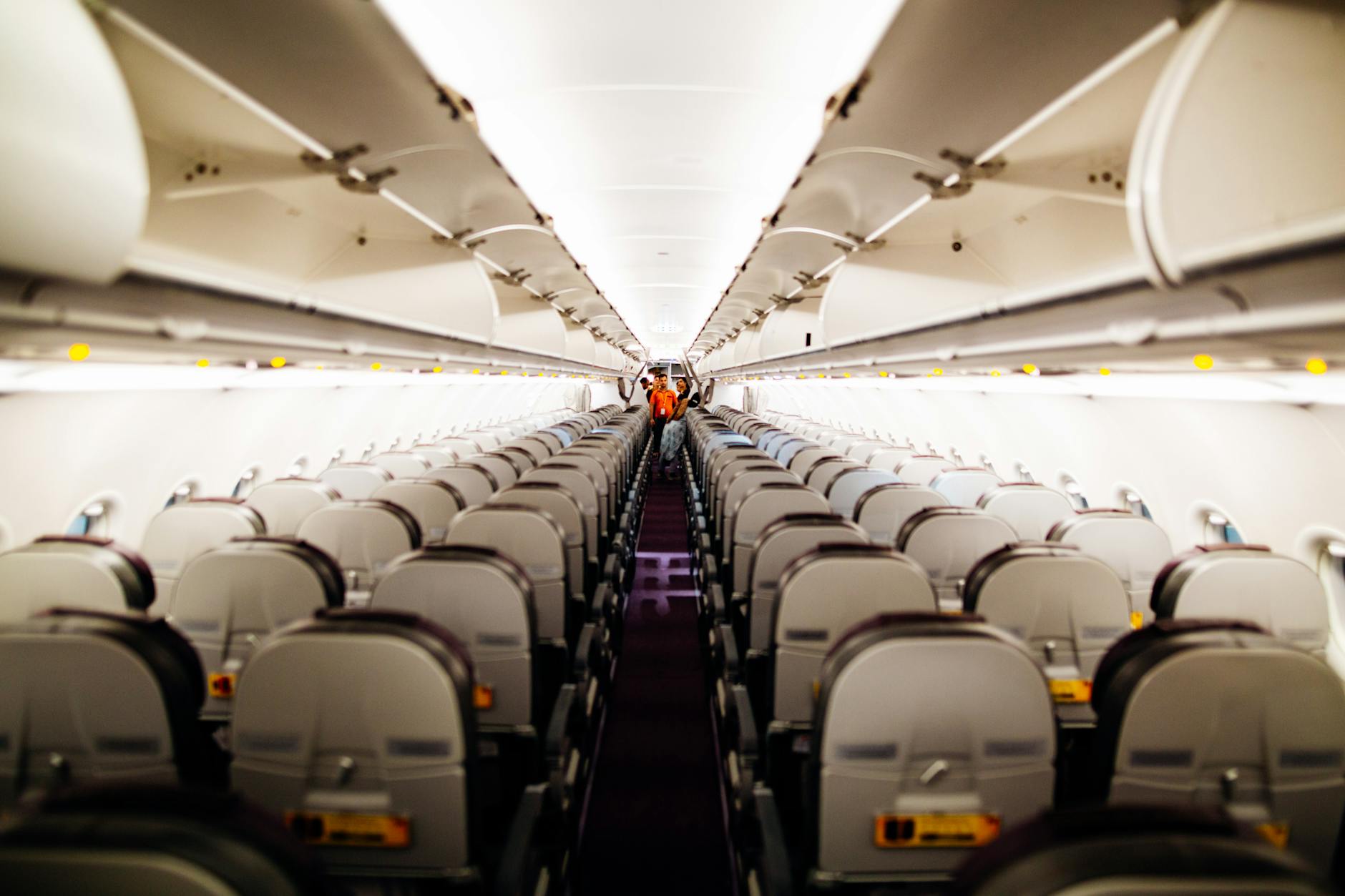
Beyond legroom, the width of economy seats has also narrowed as airlines fit more seats into each row. Some carriers have transitioned from nine to ten seats per row on wide-body aircraft without increasing the cabin diameter. This change can reduce individual seat width by more than an inch, which sounds minor but becomes significant during a transatlantic flight. Armrests become contested territory and shoulder contact with neighboring passengers is nearly unavoidable on full flights. Passengers who do not check airline seat specifications in advance often board expecting comfort and find the reality quite different.
Baggage Fees
Checked baggage fees have climbed steadily and now represent one of the most significant hidden costs attached to an economy class ticket. Many airlines that once included at least one free checked bag have eliminated this benefit entirely from their base fares. Carry-on bag fees have followed suit, with several low-cost carriers now charging for overhead bin access as a standard policy. Passengers who do not pay attention to the fine print during booking often face unexpected charges at the gate or check-in counter. The cumulative cost of baggage fees can sometimes exceed the price of the original ticket on shorter domestic routes.
Meal Service
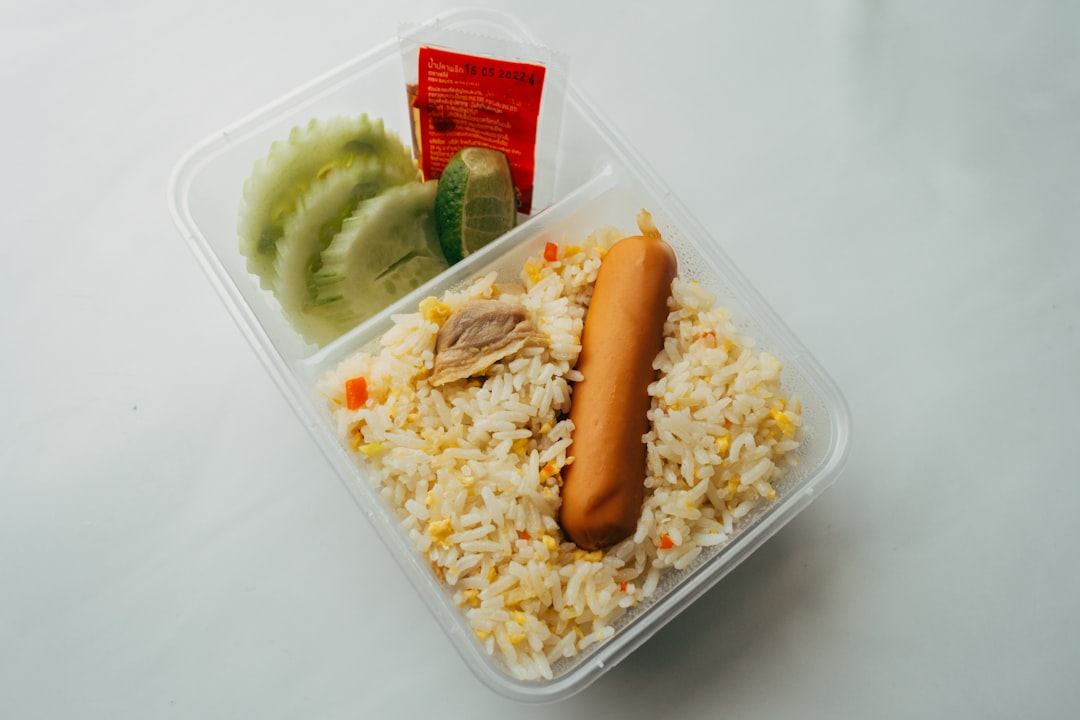
Full meal service in economy class has been replaced by a paid snack model on a growing number of airlines, including carriers that once prided themselves on generous catering. Complimentary food offerings have been reduced to small pretzels or a single biscuit on flights that last several hours. Hot meals, once a standard feature on medium-haul routes, are now frequently reserved for premium cabin passengers only. Passengers who want a proper meal must either purchase one onboard at elevated prices or think ahead and bring their own food through security. The shift reflects a broader strategy of unbundling services that were historically included in the ticket price.
Seat Recline
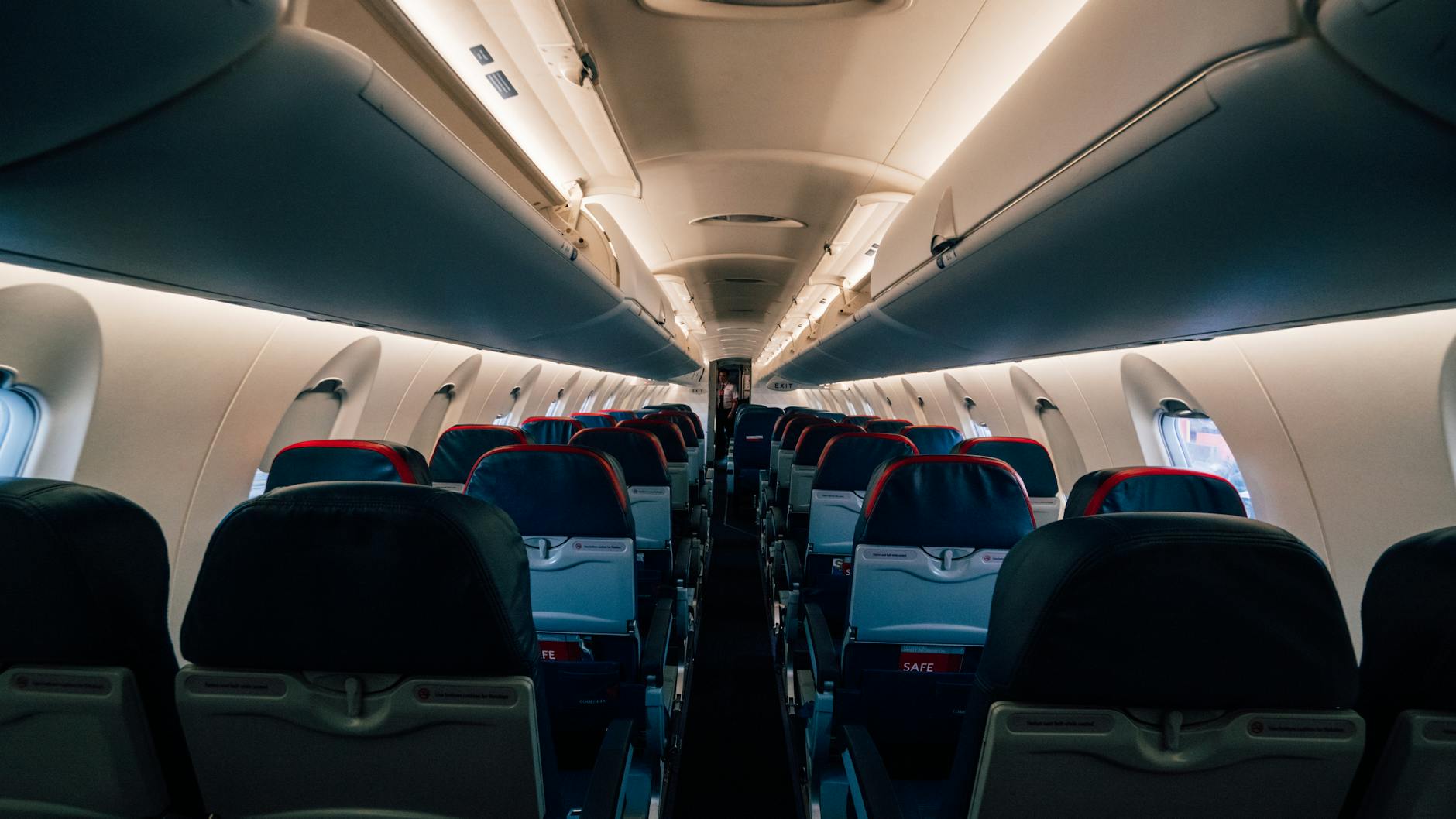
Several airlines have introduced what the industry calls fixed-back or pre-reclined seats, which do not move at all or offer only a minimal recline of a few degrees. This design choice is often framed as a courtesy measure to protect the space of the passenger sitting behind. However, travelers accustomed to adjusting their position during long flights find these seats restrictive and physically fatiguing. The fixed position does not accommodate different body types or seating preferences, leaving little flexibility for comfort management over time. Passengers are increasingly discovering this limitation only after settling in for a long journey.
Overhead Bin Space
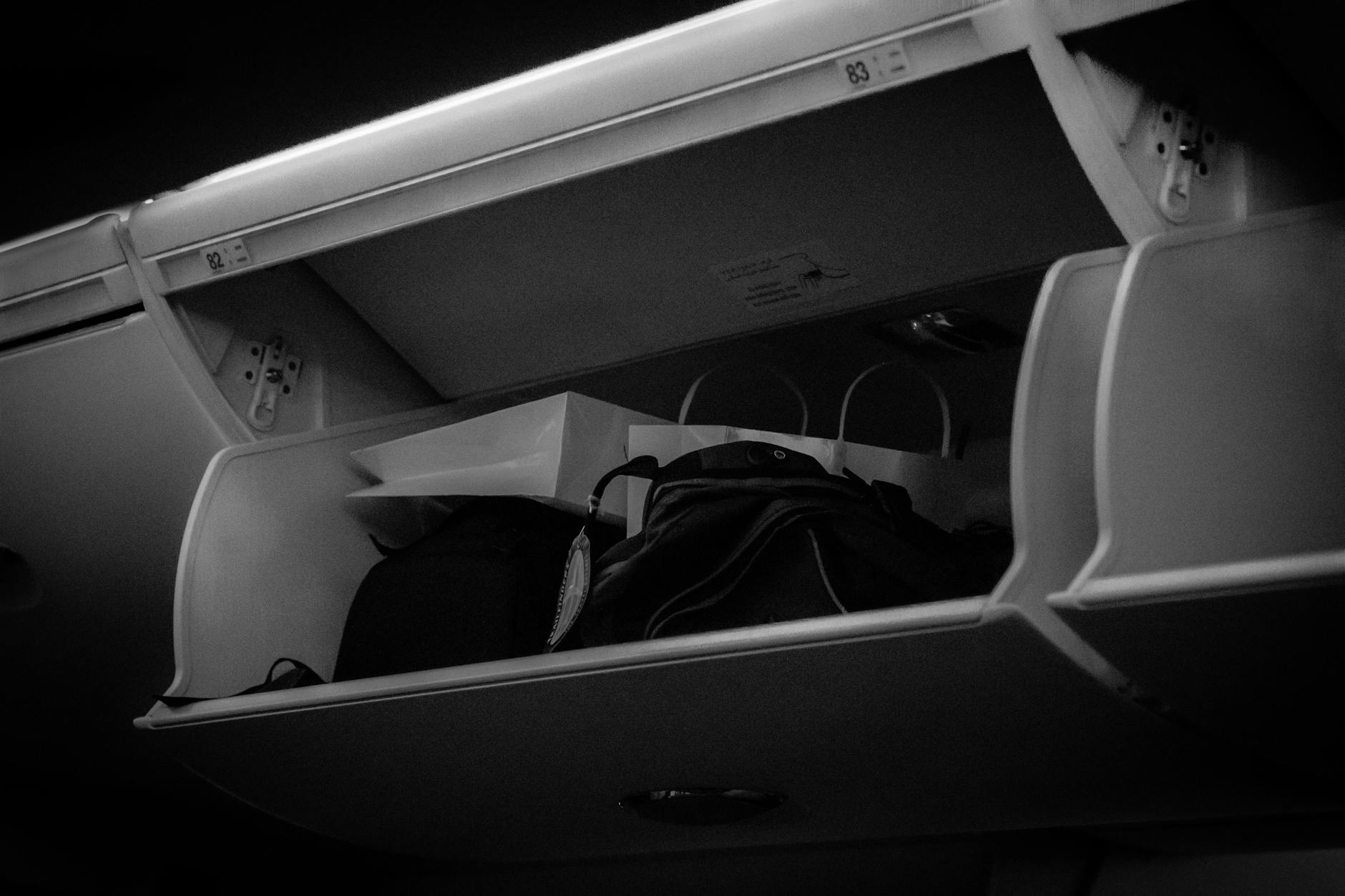
As airlines monetize carry-on baggage more aggressively, overhead bin space has become a competitive resource that passengers vie for the moment boarding begins. Many carriers now board passengers in tiers, with higher-paying customers securing bin access before economy travelers in the back of the plane. Those boarding last often find no overhead space near their seats and must either gate-check their bags or store them far from their row. The stress of securing overhead space has added a new layer of anxiety to the boarding process for economy travelers. Airlines have also introduced smaller regional jets on some routes where bin dimensions are too narrow to accommodate standard carry-on bags.
Wi-Fi Access

In-flight Wi-Fi has become a standard expectation for modern air travel, yet access in economy class remains expensive, unreliable, and inconsistently available across fleets. Some airlines offer tiered pricing that limits basic plans to messaging apps only while charging premium rates for anything resembling a usable browsing connection. Connection speeds on many aircraft are insufficient for video calls or streaming, making the service feel inadequate relative to its cost. Passengers on long-haul flights who need to remain productive or connected find themselves paying repeatedly for a service that underdelivers. The gap between marketed Wi-Fi availability and actual usability remains a widespread source of passenger frustration.
Boarding Process
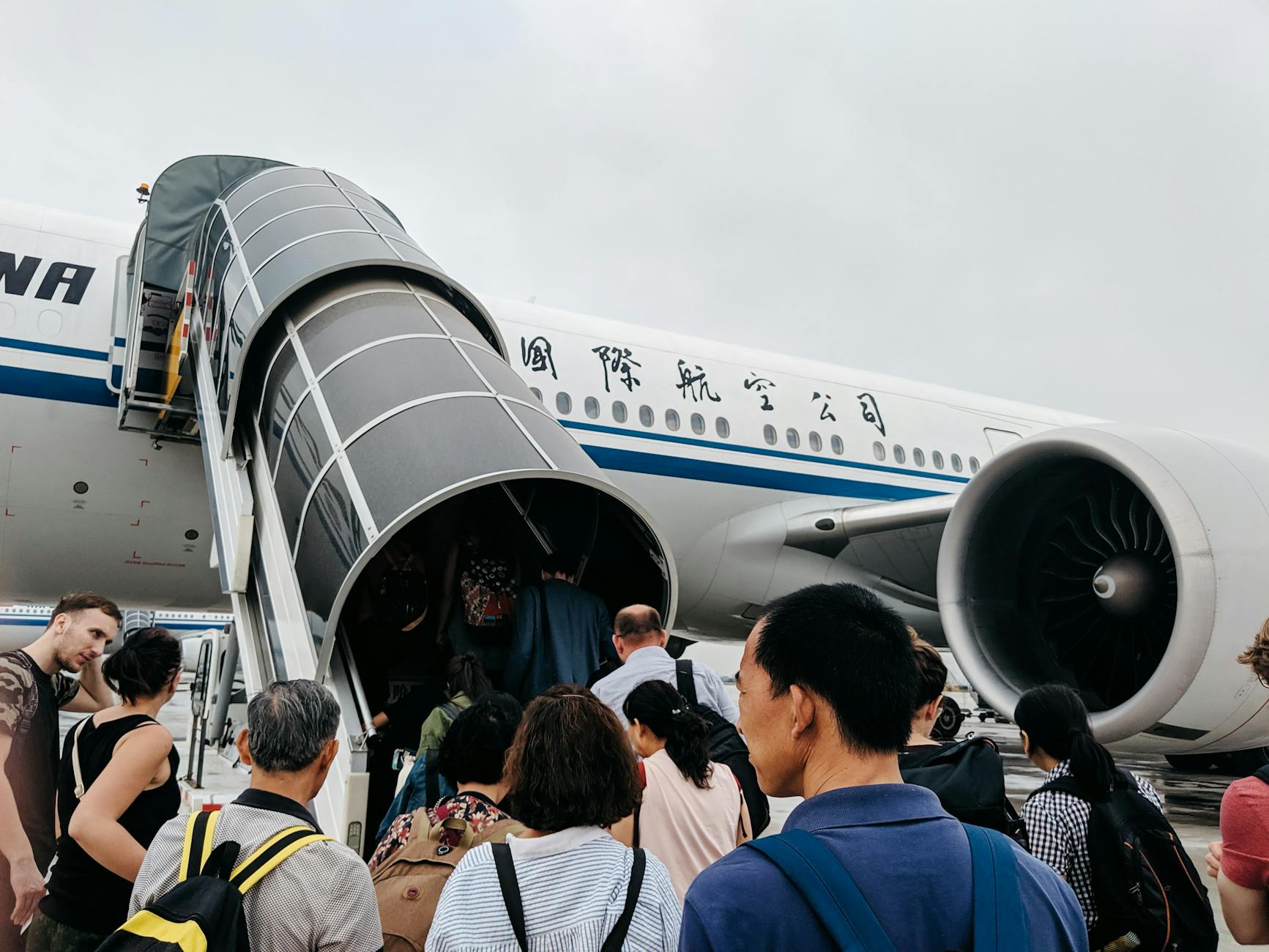
The boarding process has grown more complicated and stressful as airlines have introduced an increasing number of priority tiers and paid upgrade options at the gate. Economy passengers now routinely wait through five or more boarding groups before their row is called, sometimes standing in crowded jetways for extended periods. Gate agents frequently make last-minute announcements about overhead bin capacity that create urgency and confusion among economy travelers. The process rewards passengers who have paid more at every step and positions standard economy travelers at the bottom of the boarding hierarchy. What was once a relatively orderly procedure has become a visible display of tiered access that sets a tone before the flight even begins.
In-Flight Entertainment
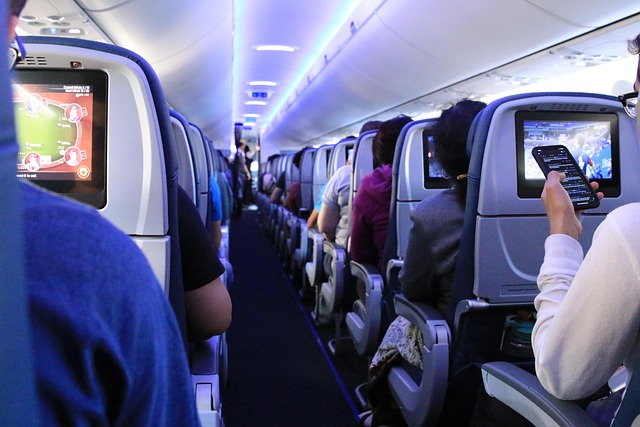
Personal in-flight entertainment screens have been removed from many economy cabins as airlines encourage passengers to stream content through their own devices using the airline’s app. This approach assumes that every traveler has a charged device, a compatible operating system, and the foresight to download the app before boarding. On aircraft that retain seatback screens, software updates are inconsistent and many screens on aging fleets are dim, unresponsive, or missing audio functionality. Passengers seated in middle seats without armrest access to the seat controls face an additional layer of frustration. The shift from reliable seatback entertainment to device-dependent streaming has made the in-flight experience feel less complete than it once was.
Customer Service

Staffing reductions have led to higher passenger-to-flight-attendant ratios on many economy cabins, making it harder for travelers to receive timely assistance during flights. Requests for additional water, blankets, or help with overhead luggage can go unanswered for extended periods on full flights. The pressure on cabin crew to manage more passengers with fewer resources affects the overall quality of service available to economy travelers. Airlines have simultaneously moved many customer service interactions online or to automated systems, reducing the human support available before and during travel. Passengers who encounter problems mid-flight increasingly find that the options available to them in economy are limited compared to those offered to premium cabin travelers.
Have you noticed any of these changes on your recent flights? Share your experiences and thoughts in the comments.