
Budget airlines have mastered the art of advertising irresistibly low base fares while quietly building in a web of extra charges that can double or triple the final cost of a ticket. Luggage fees are among the most lucrative of these hidden revenue streams, and airlines design their booking systems and policies specifically to catch travelers off guard. Understanding these tactics before booking can save a significant amount of money and spare travelers a great deal of stress at the airport. Here are twelve of the sneakiest ways budget airlines get passengers to pay more for their bags than they ever intended.
Online Check-In Deadline
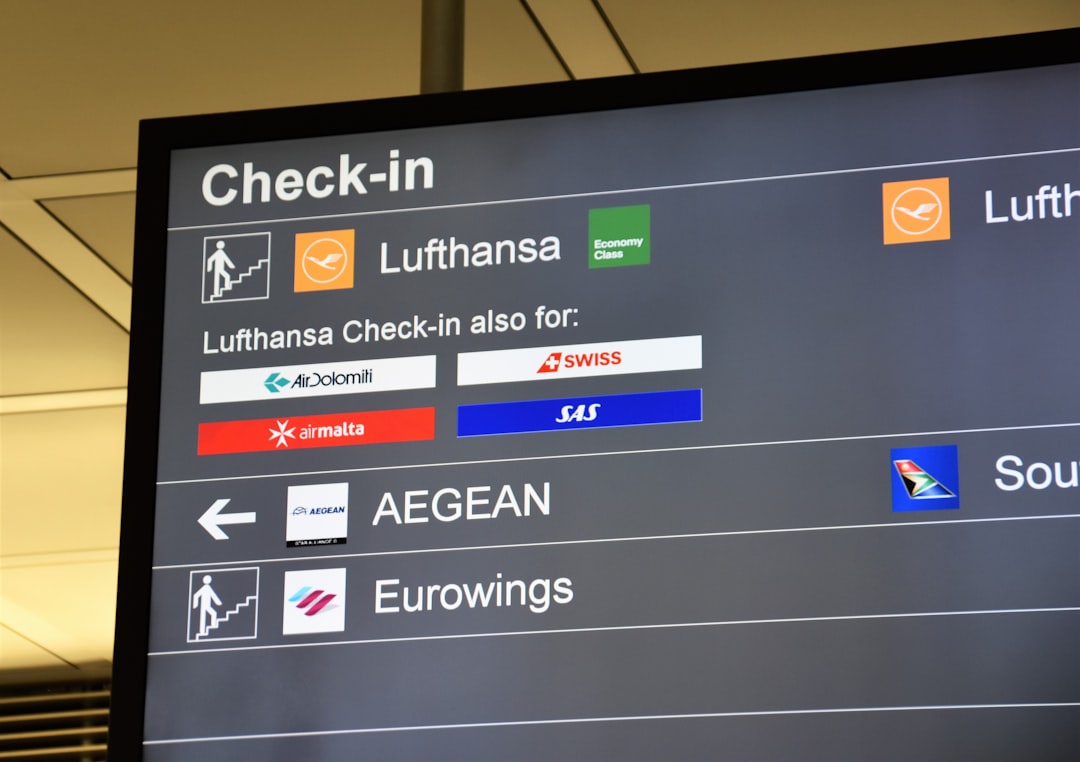
Many budget airlines offer a lower luggage fee when bags are added during the initial booking process, and a significantly higher fee when added later. Travelers who wait until the check-in window to add a bag can find themselves paying two or three times the original price. Airlines know that most passengers underestimate how much they will pack, which makes this a reliable source of extra revenue. The deadline for cheaper online check-in luggage fees is often buried in the fine print of the booking page. Booking a bag at the same time as the ticket is almost always the most cost-effective approach.
Cabin Bag Sizing

Budget airlines frequently set cabin bag dimensions that are slightly smaller than those used by full-service carriers, which means a carry-on that fits comfortably on one airline may be rejected on another. Sizing frames at the gate are used to measure bags, and anything that does not fit must be checked at a considerably higher price. Some airlines have quietly reduced their free personal item allowance without widely publicizing the change. Travelers who do not check the specific measurements for each airline risk a costly surprise at boarding. Even a bag that appears small can be flagged if it is overstuffed and cannot slide easily into the sizer.
Airport Bag Drop Fees

Adding a checked bag online is almost always cheaper than paying for it at the airport bag drop counter. Budget airlines charge a premium for any luggage service handled by staff at the airport, framing it as a convenience fee. This surcharge can be substantial enough to wipe out any savings made on the original ticket price. The fee is rarely displayed prominently during the booking process and often comes as a shock to travelers at the check-in desk. Passengers who forget to prepay for their bags online consistently end up paying more than those who plan ahead.
Weight Limit Traps

Budget airlines often set checked baggage weight limits lower than the industry standard, sometimes allowing only fifteen kilograms where other carriers permit twenty-three. Travelers who pack according to what they consider a normal limit can face overweight fees that are charged per kilogram. These per-kilogram charges accumulate rapidly and can exceed the cost of the bag allowance itself. Airlines place weighing scales at the check-in counter but rarely provide any prior warning to passengers who are visibly close to the limit. Spreading weight across multiple bags does not always help, as each bag is weighed individually against its own allowance.
Return Flight Luggage Fees
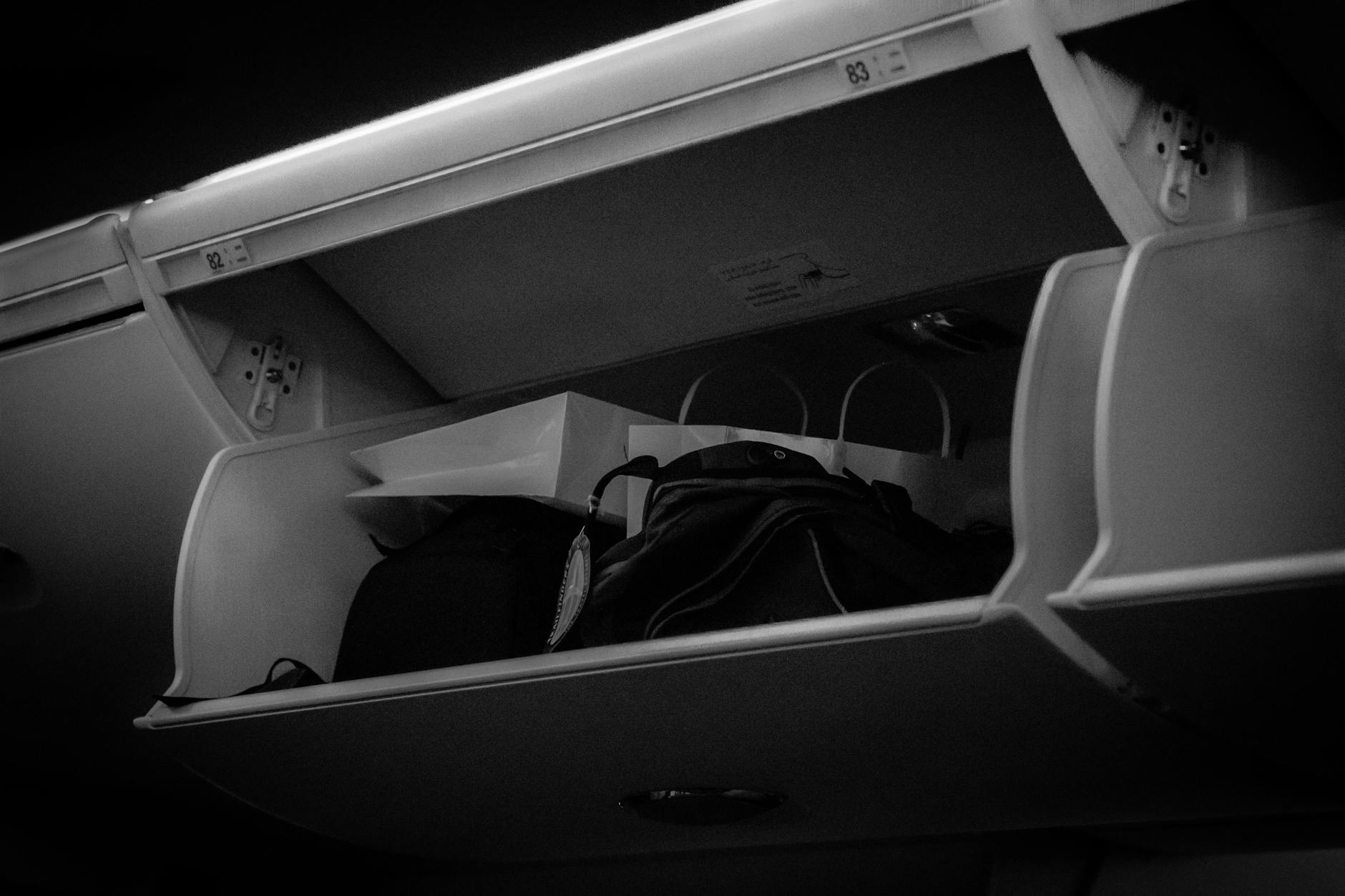
Some budget airlines charge luggage fees separately for each leg of a journey rather than applying a single round-trip rate. A traveler who books a return flight expecting one luggage payment may find two separate charges applied at checkout. This practice is especially common on routes operated by different subsidiaries or partner carriers under the same brand umbrella. The distinction is not always made clear during the booking flow, and the second charge often appears only on the payment summary screen. Reading the luggage fee breakdown for each flight segment individually is the only reliable way to avoid this surprise.
Dynamic Luggage Pricing

Like airline seat prices, luggage fees on many budget carriers fluctuate based on demand, route popularity, and how close the travel date is. A bag added weeks in advance on a quieter route may cost a fraction of what the same bag costs on a busy weekend departure. Airlines use algorithms to adjust these prices in real time, meaning the fee visible one day may be higher the following day. This creates a sense of urgency that encourages travelers to add luggage immediately rather than shopping around. There is no published schedule for these price changes, which makes it nearly impossible for passengers to predict the best time to add a bag.
Free Allowance Removal
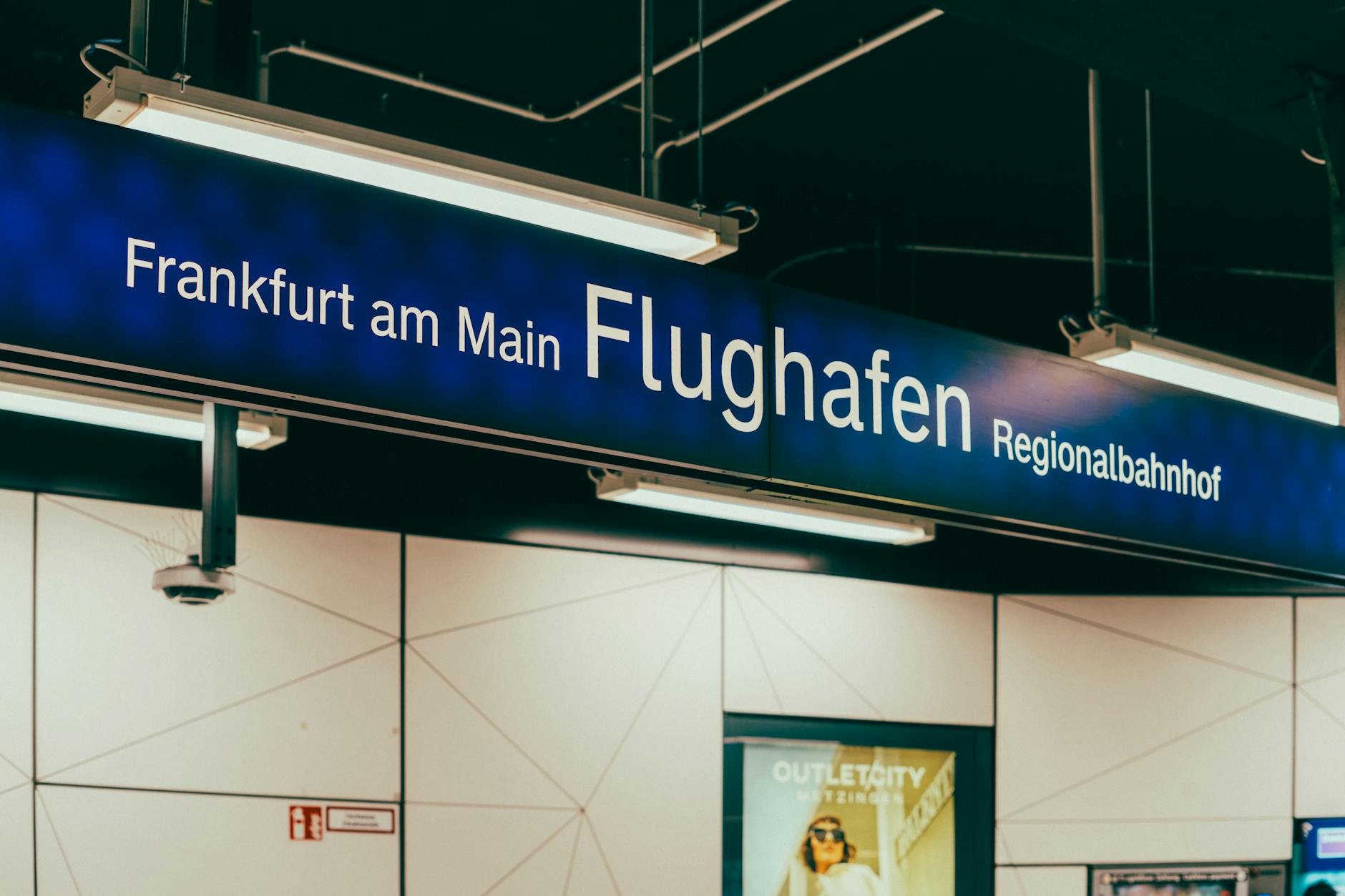
Budget airlines frequently advertise fares without clearly stating that the price shown includes no luggage whatsoever. The free carry-on allowance that many travelers assume is standard has been quietly eliminated on several popular low-cost carriers. Even a small personal item such as a backpack can be subject to a fee on certain fare tiers. This information is typically disclosed only in the fare conditions tab, which a large proportion of travelers skip during booking. By the time the luggage selection screen appears, many passengers feel committed to the purchase and pay the added fee without comparison shopping.
Excess Piece Charges
Most budget airlines set a strict limit on the number of bags that can be checked per passenger, and any additional piece beyond that limit is charged at a significantly inflated flat rate. This flat-rate excess piece fee is almost always higher than the cost of the original bag allowance. Travelers returning from shopping trips or carrying sports equipment are particularly vulnerable to this charge. The pricing for extra pieces is rarely displayed on the main luggage information page and requires digging into the full baggage policy document. Shipping items home via a courier service is sometimes cheaper than paying the excess piece fee at the airport.
Connecting Flight Confusion

On itineraries that involve a connection with a partner airline or a separately ticketed leg, baggage allowances do not automatically carry over from one carrier to the next. Travelers who purchase a budget airline connection assuming their checked bag is covered for the full journey often discover a separate fee at the transfer point. Each carrier applies its own baggage policy independently, and the responsibility for clarifying this lies with the passenger rather than the airline. Customer service agents are rarely able to waive these fees even when the confusion is a result of misleading booking presentation. Checking the baggage policy of every individual carrier on a multi-leg itinerary is essential before completing any booking.
Priority Boarding Bundles
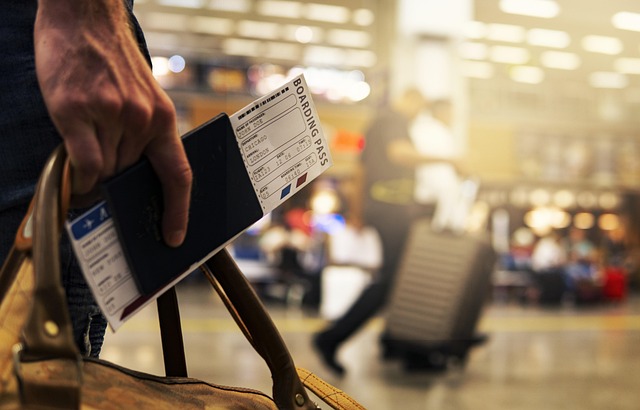
Budget airlines often bundle luggage allowances with priority boarding packages, making it appear that paying for boarding access is the only way to bring a full-size carry-on into the cabin. These bundles are positioned as a deal but frequently include services the traveler does not need. The luggage component of the bundle may cost more than purchasing a bag allowance separately, though this is difficult to determine without careful comparison. Airlines present these packages as convenience options, but they are primarily designed to increase the average transaction value per passenger. Travelers who decline the bundle and try to board without priority access may find that overhead bin space has been reserved or is already full.
Prepaid Bag Refund Policies

When a flight is canceled or significantly changed by the airline, the refund policy for prepaid luggage fees is often separate from and less generous than the ticket refund policy. Some budget carriers issue only partial refunds or offer travel vouchers rather than returning luggage fees in cash. The process for claiming a luggage refund can require a separate application through a different customer service channel than the one used for flight refunds. Many travelers are unaware that their bag fee is not automatically included in a standard refund and lose this money entirely. Reviewing the luggage refund terms at the time of booking helps travelers understand what they are entitled to if plans change.
Booking Platform Discrepancies

Third-party booking platforms do not always display luggage fees accurately or in real time, which means the total cost shown at checkout may not reflect the actual baggage charges applied by the airline. Travelers who book through aggregator sites and assume luggage is included based on the displayed price frequently discover additional fees when they visit the airline’s own website to check in. Some platforms add their own service fees on top of airline luggage charges without making this clear in the pricing breakdown. The airline’s direct booking site is the only reliable source of current luggage fee information. Cross-referencing the total cost on both the third-party platform and the airline website before completing any purchase is the most effective way to avoid paying more than necessary.
Have you been caught out by any of these tactics? Share your airport luggage experiences in the comments.