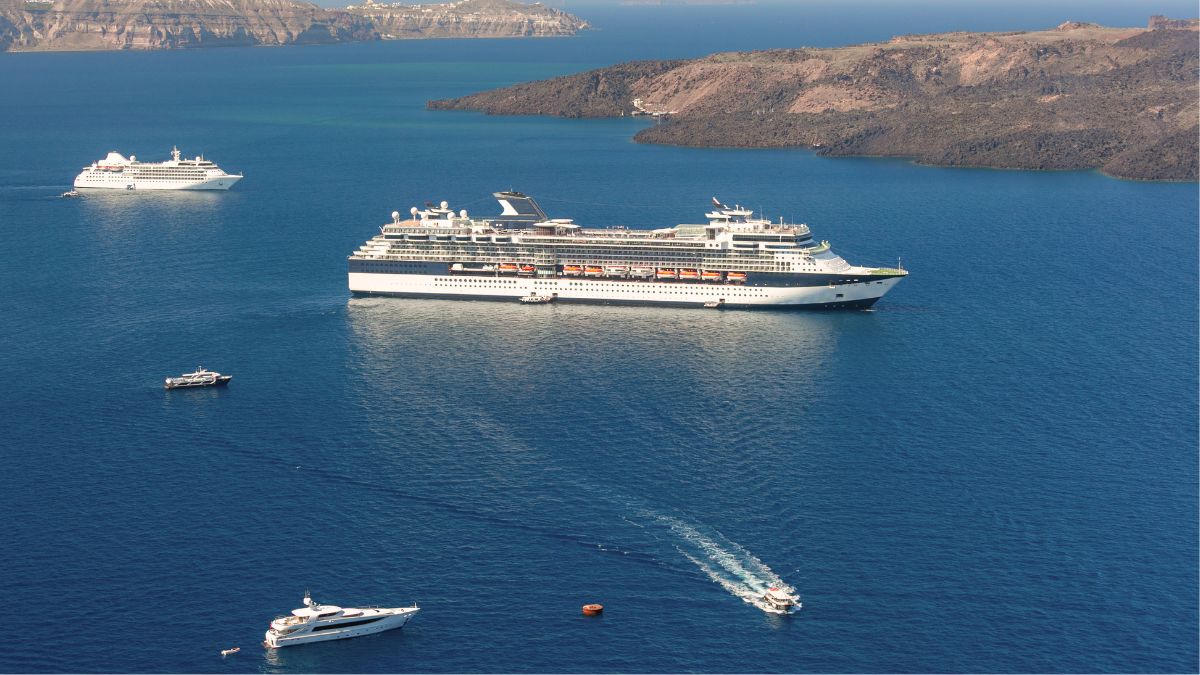
Cruise ships are designed to be more than just a mode of travel — they are meticulously engineered environments where every detail is carefully calculated to encourage spending at every turn. From the moment passengers board, a carefully orchestrated system of psychology, convenience, and temptation works quietly in the background to make parting with money feel effortless and even enjoyable. Understanding these tactics does not diminish the fun of cruising, but it does empower travelers to make more intentional choices about where their vacation dollars actually go. The following reveals the most common ways cruise lines keep the spending momentum going long after the ticket is purchased.
Cashless Wristbands

Most modern cruise ships have moved away from physical cash transactions entirely, replacing them with room key cards or wristbands that passengers tap to pay for everything on board. This system removes the psychological friction of handing over physical money, making purchases feel less real and more abstract. Studies on consumer behavior consistently show that people spend more when payment is invisible or effortless, and cruise lines have built entire economies around this principle. A passenger who might hesitate to pull out a wallet at a cocktail bar will tap a bracelet without a second thought. The running total quietly accumulates in the background, often not reviewed until the final night when the bill arrives.
Drink Packages
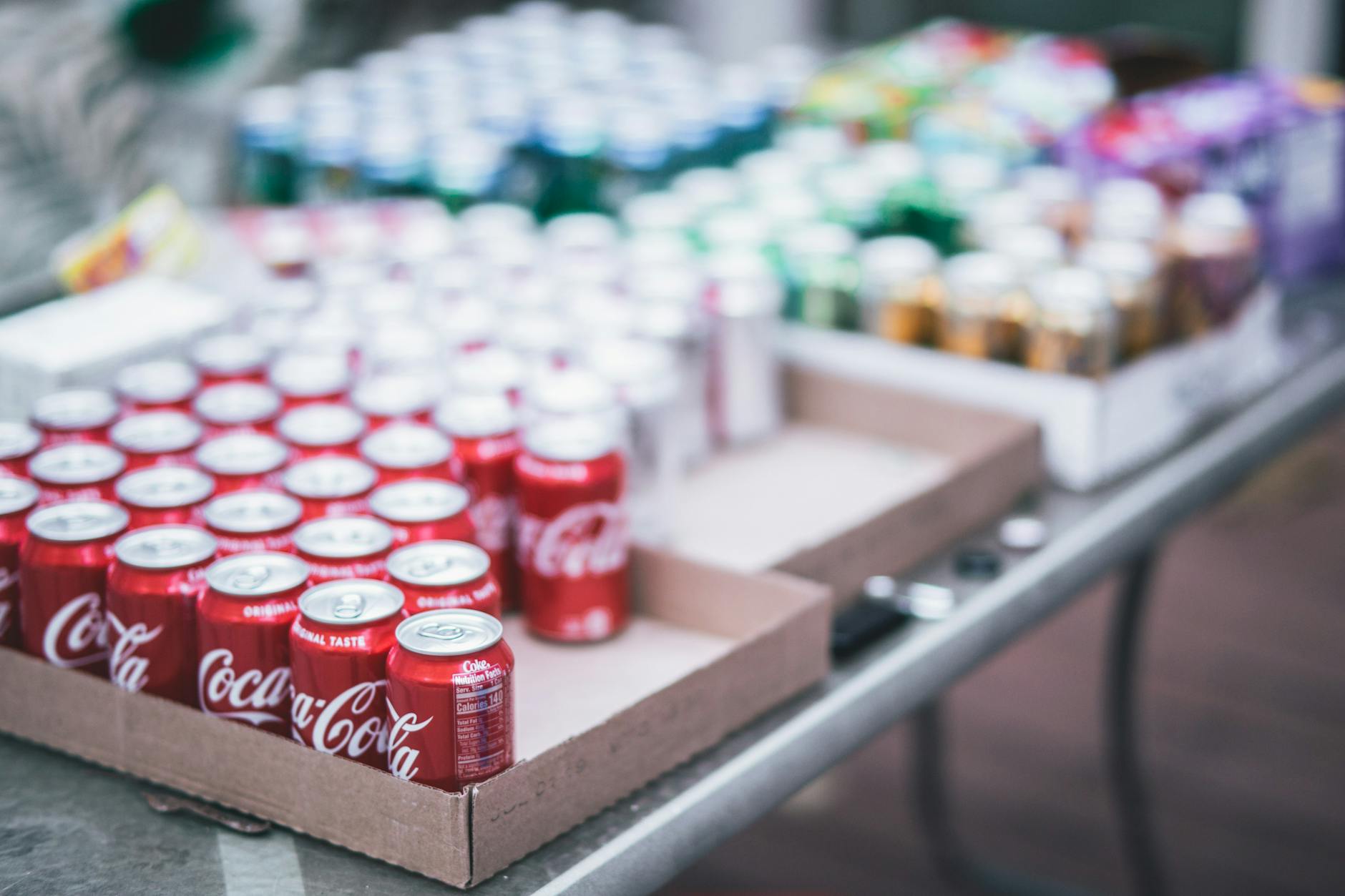
Beverage packages are marketed as a smart way to save money, promising unlimited drinks for a flat daily rate that sounds reasonable at the time of booking. The pricing is carefully structured so that passengers feel they need to drink a certain volume each day just to break even, which subtly encourages more consumption than planned. In reality, the cruise line profits whether or not passengers reach that threshold, and many do not come close. The packages also often exclude premium spirits, specialty coffees, and bottled water, creating opportunities for additional spending even among those who paid upfront. Passengers who skip the package are then confronted with individual drink prices that feel steep, nudging them back toward purchasing one mid-voyage.
Specialty Restaurants
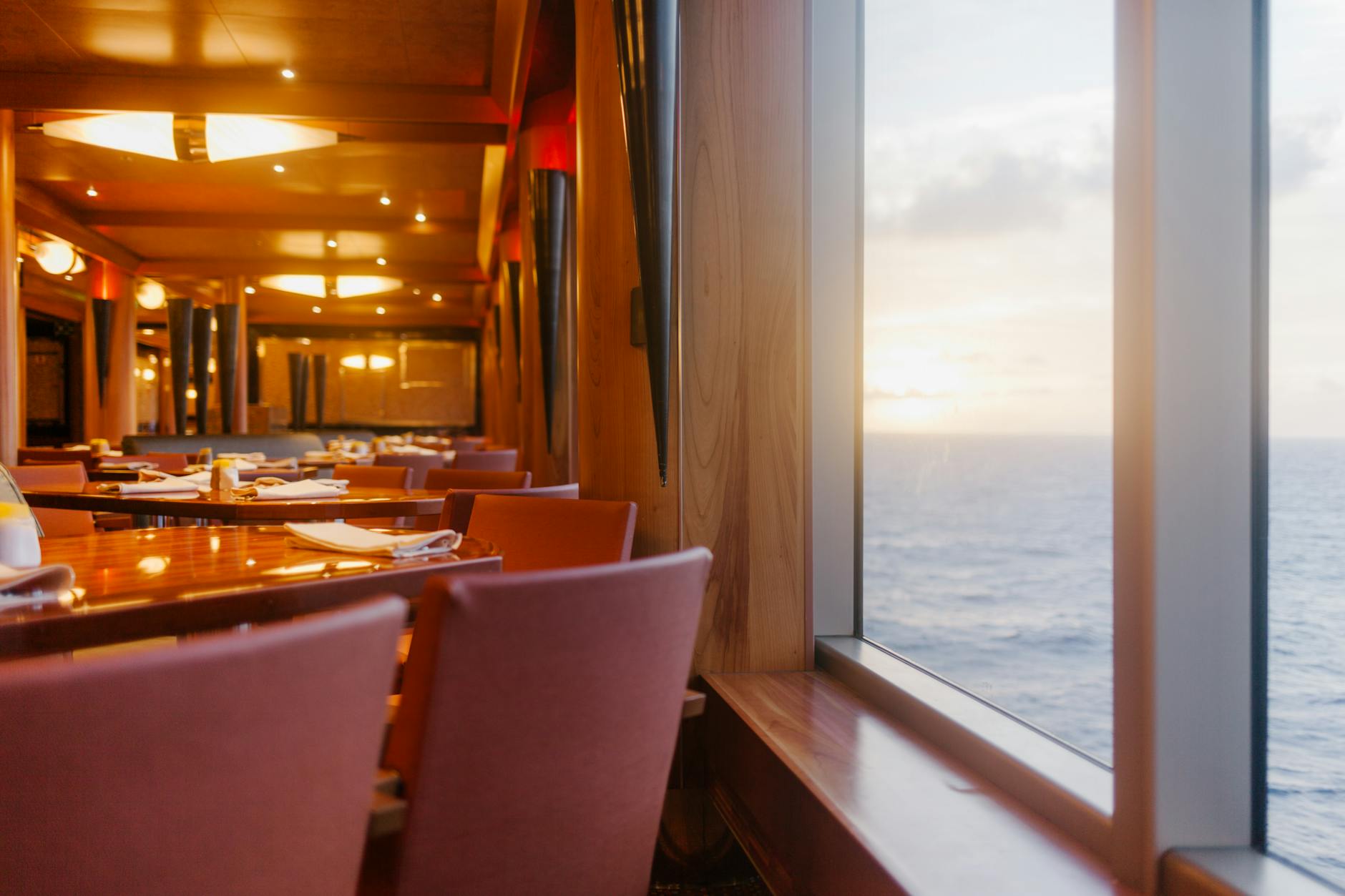
Every large cruise ship features a collection of specialty dining venues that sit outside the included main dining room experience. These restaurants are positioned as elevated experiences, often decorated and staffed more impressively than the complimentary options to justify their cover charges. Marketing throughout the ship highlights these venues through cabin cards, daily newsletters, and staff recommendations, keeping them at the forefront of passengers’ minds. The cover charges typically range from modest to quite significant per person, and they add up quickly for families or groups celebrating special occasions. Many passengers find themselves dining at specialty venues multiple nights simply because the main dining room begins to feel repetitive.
Port Excursions
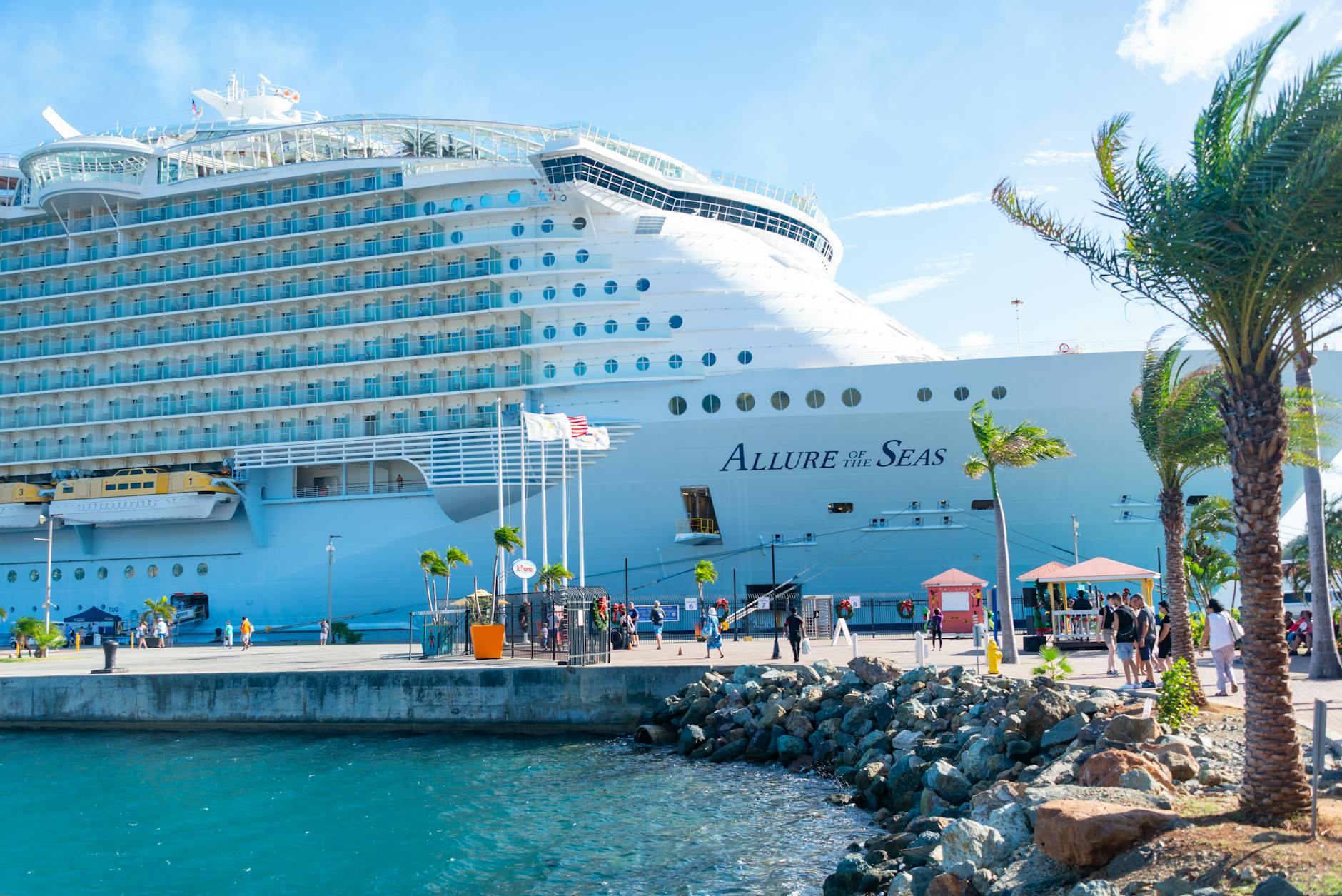
Cruise lines offer an extensive catalog of shore excursions at every port of call, and these packages are priced at a significant premium compared to arranging similar activities independently. The convenience factor is heavily emphasized, with assurances that ship-sponsored tours guarantee timely return before departure, reducing anxiety around missing the ship. This fear of being left behind is a genuine and effective motivator that steers passengers away from cheaper self-guided alternatives. Excursion desks open immediately after embarkation and are staffed by enthusiastic team members trained to generate excitement and early bookings. The total cost of port excursions across a seven-night itinerary can rival or exceed the original cruise fare for many families.
Casino Design
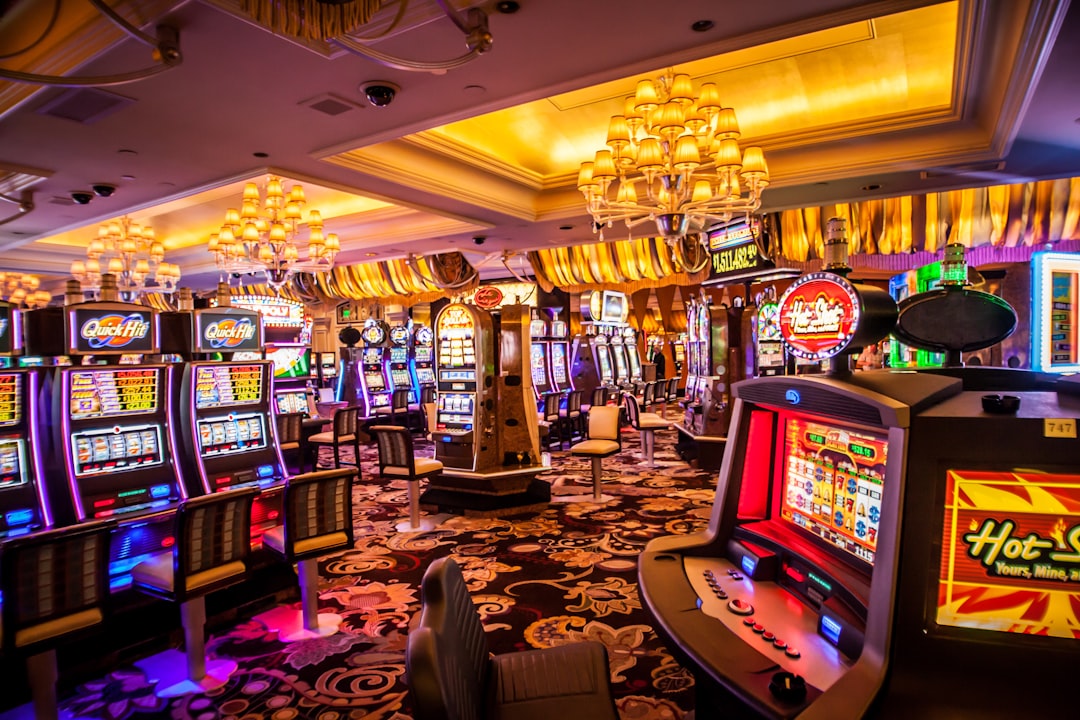
The casino on a cruise ship is never placed in a corner or tucked away from foot traffic. It is deliberately positioned along high-traffic pathways between popular destinations like the main dining room, the theater, and the pool deck. The interior design follows the same principles used in land-based casinos, with no clocks, low ceilings in certain areas, and a carefully maintained atmosphere that encourages guests to lose track of time. Many cruise casinos also offer the added incentive that winnings are tax-free in international waters, which makes gambling feel lower-stakes from a financial perspective. The combination of accessibility, ambiance, and perceived advantage keeps passengers returning night after night.
Spa Upsells
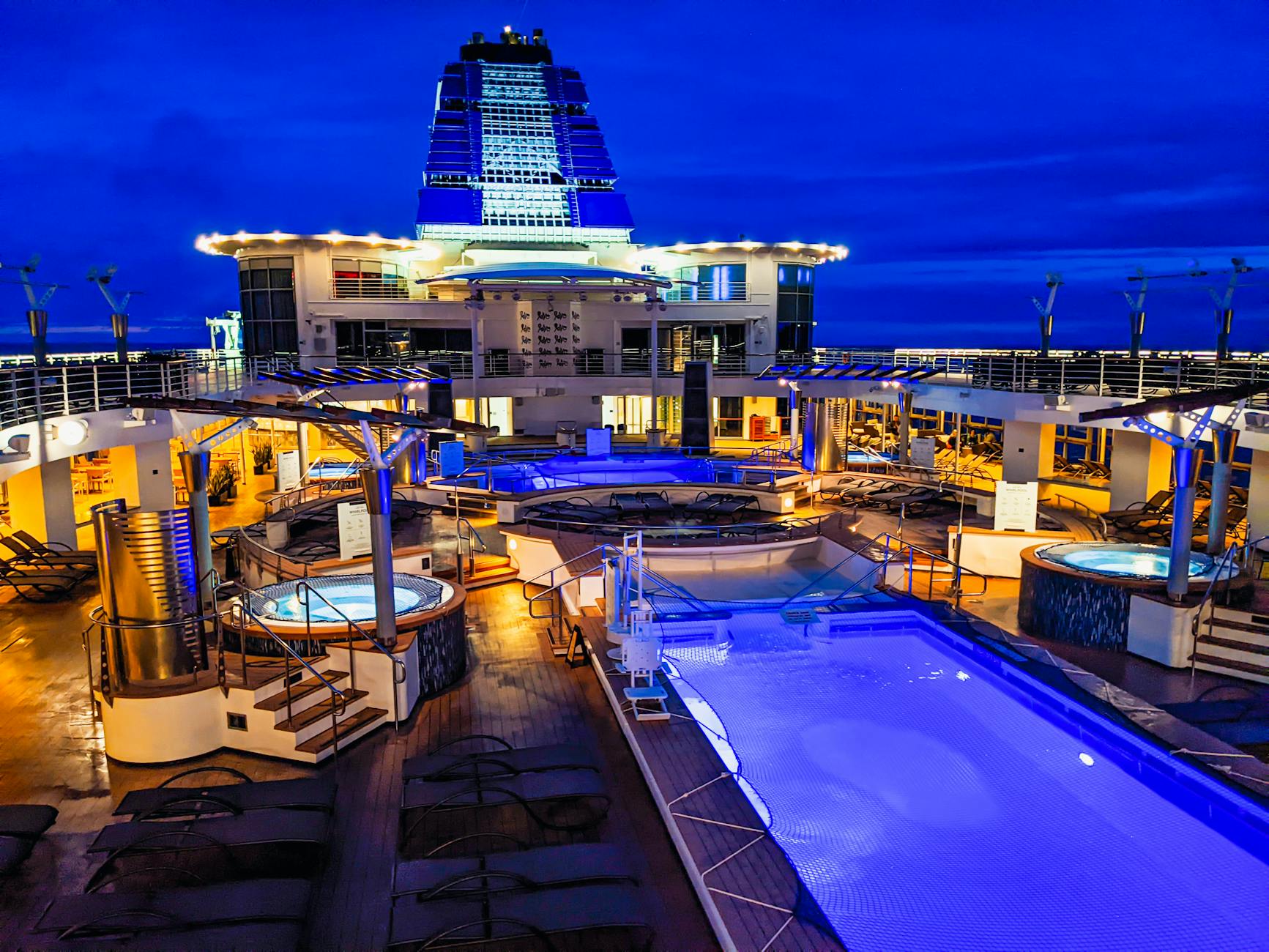
The spa is one of the highest-revenue areas on any cruise ship, and the experience is carefully designed to expand from a single treatment into a full series of purchases. Therapists are trained to conduct a brief consultation before each treatment and recommend add-on products or follow-up services based on their assessment. Passengers in a state of relaxation are far more receptive to suggestions and less likely to critically evaluate whether a purchase is necessary. Retail shelves lined with branded skincare products greet guests as they exit treatment rooms, and package deals are promoted at every interaction. A single massage appointment can easily become a multi-service commitment with a significant total price.
Art Auctions

Onboard art auctions have become a fixture of the cruise experience, presented as exclusive cultural events with complimentary champagne and an air of sophistication. Passengers are invited to preview original and limited-edition works throughout the voyage, building familiarity and emotional attachment to specific pieces before bidding begins. The auction format creates an adrenaline-driven environment where competitive instincts can override rational financial decision-making. Many buyers later discover that the artwork purchased on board is available through other channels at lower prices, and that the certificates of authenticity provided are not always indicative of investment value. The social atmosphere and celebratory framing make it one of the more psychologically sophisticated revenue streams on the ship.
Photo Packages

Professional photographers are stationed throughout the ship and at every port departure, capturing candid and posed images of passengers from the moment they board. These photos are displayed in a dedicated gallery space where families are invited to browse their portraits in an emotionally charged atmosphere. Individual print prices are intentionally high, which makes the bundled photo package appear to be exceptional value by comparison. Digital packages that include all photos taken during the voyage are offered at a price point that feels justified when weighed against the sentimental value of the images. Passengers who intended to rely solely on their smartphones often walk away having purchased an extensive collection.
Wi-Fi Plans
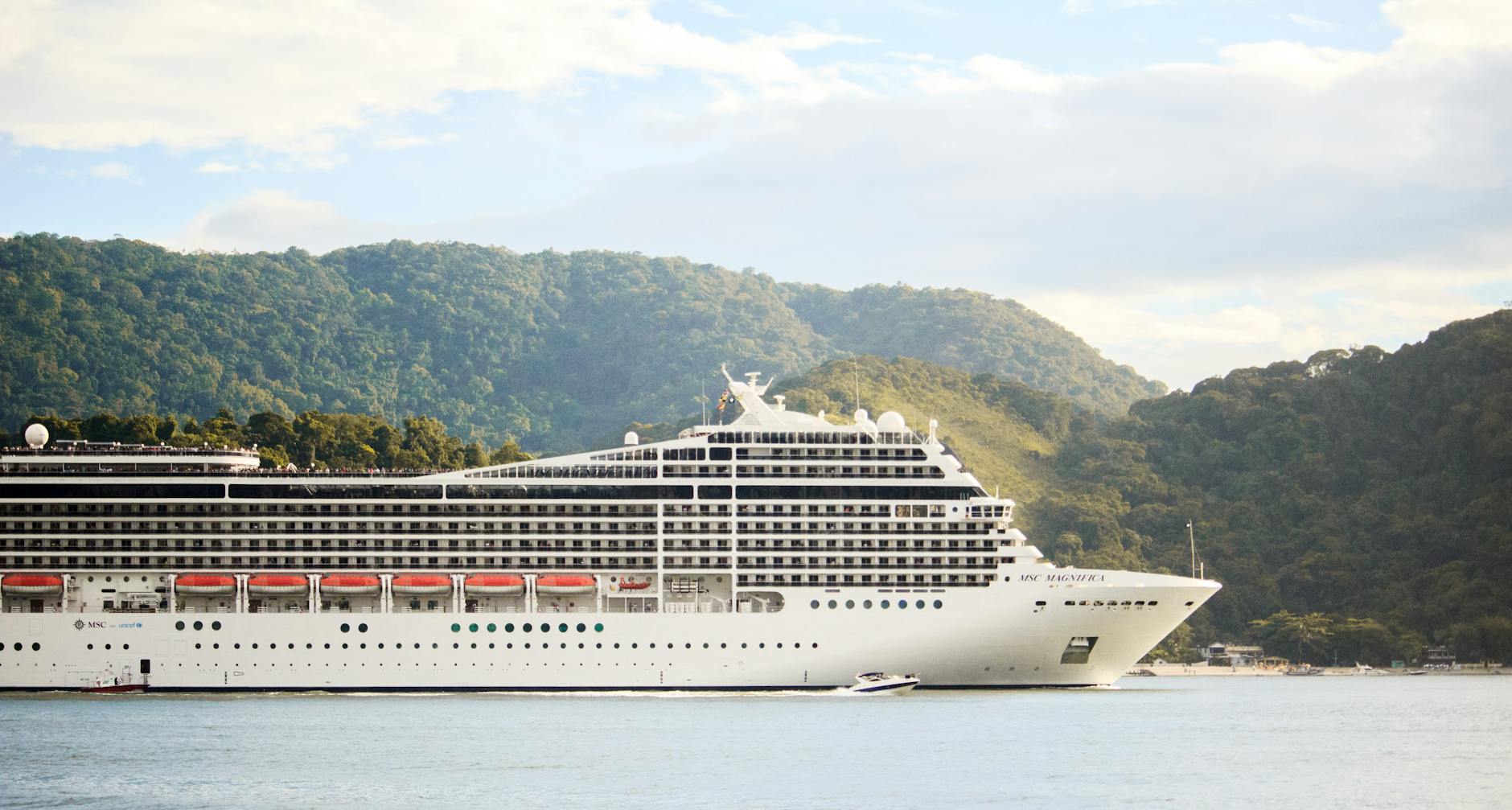
Internet connectivity is not included in the base fare on most cruise lines, and the packages on offer are priced far above what passengers typically pay for service at home. Plans are often tiered by speed or usage, with the most basic option marketed as suitable for messaging while more expensive tiers are positioned as necessary for streaming or video calls. The need to stay connected is a genuine concern for many travelers, particularly those who are working remotely or traveling with children. Packages can be purchased before boarding at a slight discount, which creates urgency and pushes the purchase into the pre-cruise planning phase before passengers fully understand their actual needs. Once purchased, the service is sometimes inconsistent enough that passengers consider upgrading to a higher tier mid-voyage.
Specialty Coffee

While coffee is technically available in the buffet and main dining areas at no extra charge, cruise lines invest heavily in branded specialty coffee venues that replicate the experience of high-street café chains. These venues are positioned in high-traffic social areas and open earlier than most other food outlets, making them the obvious choice for passengers seeking a quality morning drink. Barista-made beverages are priced comparably to premium café pricing on land, and loyalty-style punch cards or morning coffee packages are frequently promoted to encourage daily visits. The aroma, atmosphere, and skilled presentation make the complimentary buffet coffee feel inadequate by comparison. For a family or a couple over the course of a seven-day voyage, the daily coffee habit alone can represent a notable line item.
Bingo and Games
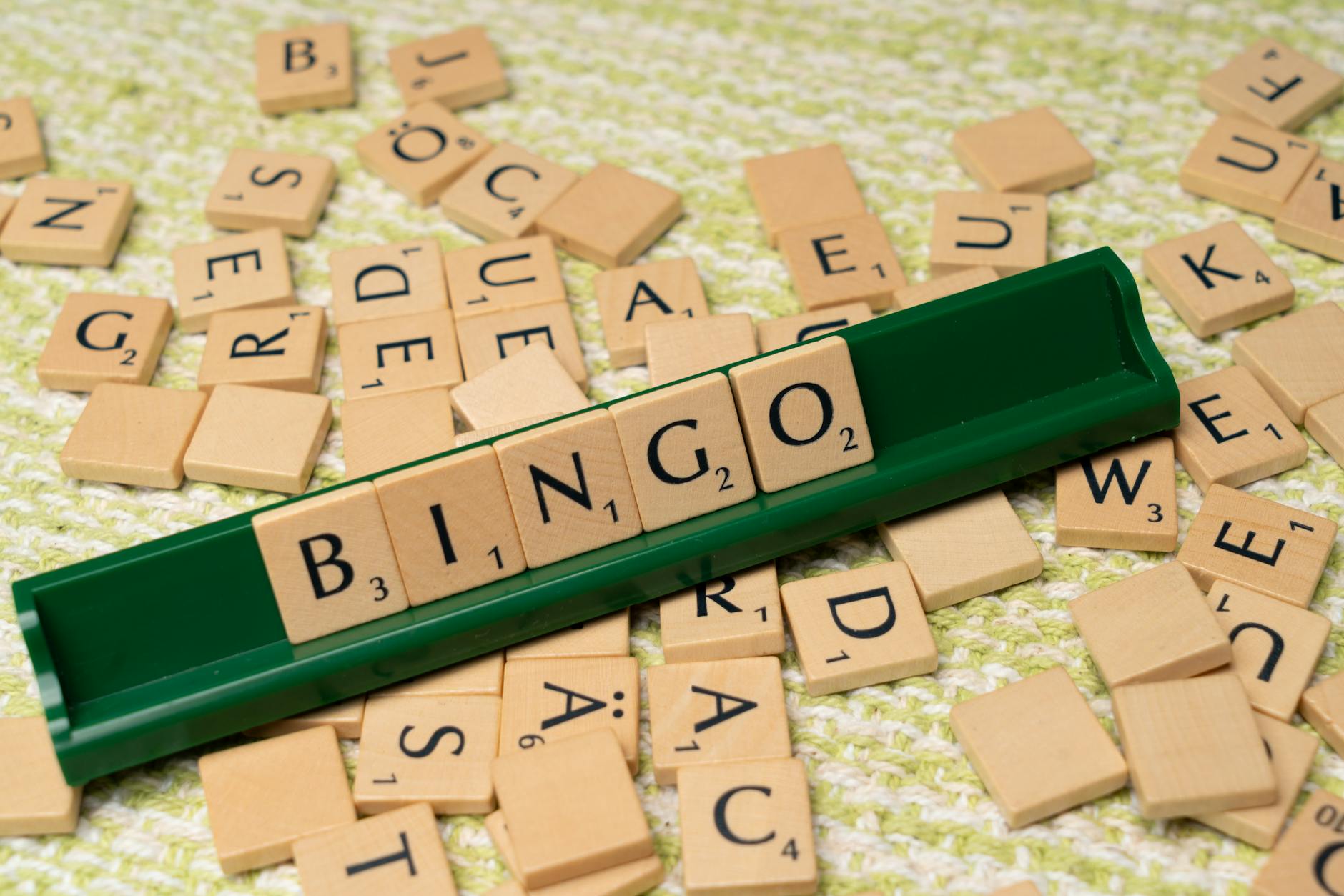
Daytime entertainment programming on cruise ships frequently includes ticketed events such as bingo, trivia with prizes, and game show-style competitions that carry a small participation fee. These activities are scheduled during sea days when passengers have the most unstructured time and are most open to spontaneous spending. The social energy of a large group playing together creates a festive atmosphere where the entry cost feels negligible in the moment. Prize structures are carefully calibrated to keep participants engaged across multiple rounds, often prompting additional ticket purchases to stay in the game. What begins as a casual hour of entertainment can easily become a recurring daily expense across the length of the voyage.
Loyalty Programs
Cruise loyalty programs reward repeat passengers with status levels, perks, and exclusive access that feel genuinely valuable and aspirational. The structure of these programs encourages passengers to book future voyages sooner than they might have otherwise in order to accumulate points and maintain or advance their status tier. Members often feel psychologically invested in the brand and are less likely to comparison shop or explore competing cruise lines. Higher tiers unlock small perks like a complimentary bottle of wine or priority boarding, which feel like meaningful rewards but cost the cruise line very little relative to the additional bookings they generate. The program creates a sense of belonging and identity that transforms a transaction into a long-term relationship.
Mini Bar Restocking
Cabin mini-bars are stocked with snacks, spirits, and soft drinks at price points significantly above what passengers would pay on land. The items are conveniently placed at eye level and replenished daily, maintaining a sense of abundance and temptation throughout the voyage. Charges are applied automatically and appear on the final bill alongside dozens of other line items, making individual mini-bar purchases easy to overlook until checkout. Some cruise lines have moved toward pre-stocked mini-bars with automatic charges unless passengers actively request an empty version, which many guests do not think to do. The combination of convenience, visibility, and passive billing makes the mini-bar one of the more reliably profitable onboard revenue tools.
Shore Day Promotions
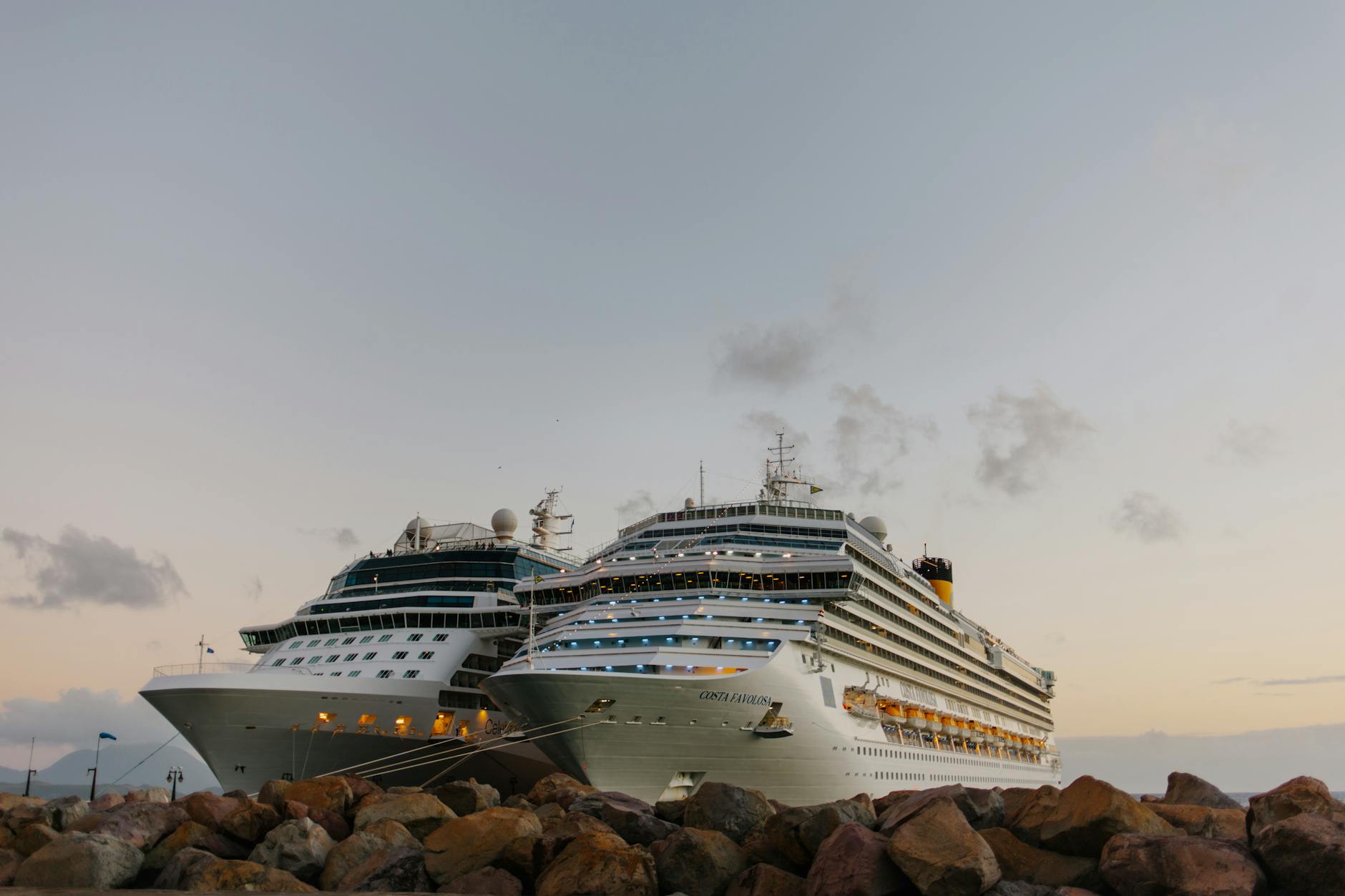
On port days when a large portion of passengers leave the ship, cruise lines run targeted promotions to keep those who remain on board spending. Discounted spa treatments, time-limited happy hours, and flash sales on retail merchandise are all coordinated to coincide with the hours when passenger numbers on board are low. These promotions feel like insider deals and reward passengers for staying on the ship, reframing what might otherwise feel like a missed opportunity. The reduced foot traffic creates a quieter, more relaxed environment that makes passengers who stayed behind feel they are getting a better experience than those who ventured ashore. Spending among those who remain tends to spike significantly on these days.
Retail Shops
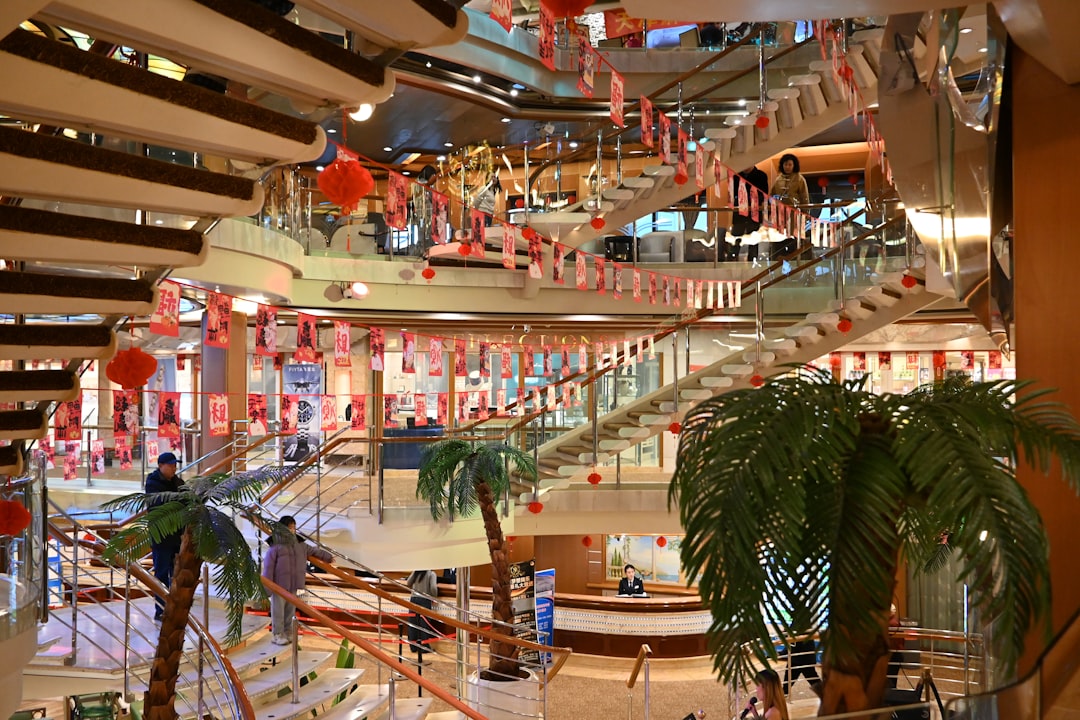
Duty-free shopping on cruise ships is presented as a significant financial advantage, with the removal of standard taxes creating the impression of automatic savings. Retail spaces are large, well-lit, and stocked with luxury goods, branded merchandise, jewelry, and watches displayed in ways that rival high-end department stores. Shops are typically closed while the ship is in port, which concentrates retail activity during sea days and evenings when passengers have the most leisure time. Limited-time sales and countdown promotions create urgency that encourages impulse purchases passengers had not planned for. The duty-free framing shifts the mental calculation from whether to buy to how much to save, which is a subtle but effective repositioning of the spending decision.
Dining Add-Ons
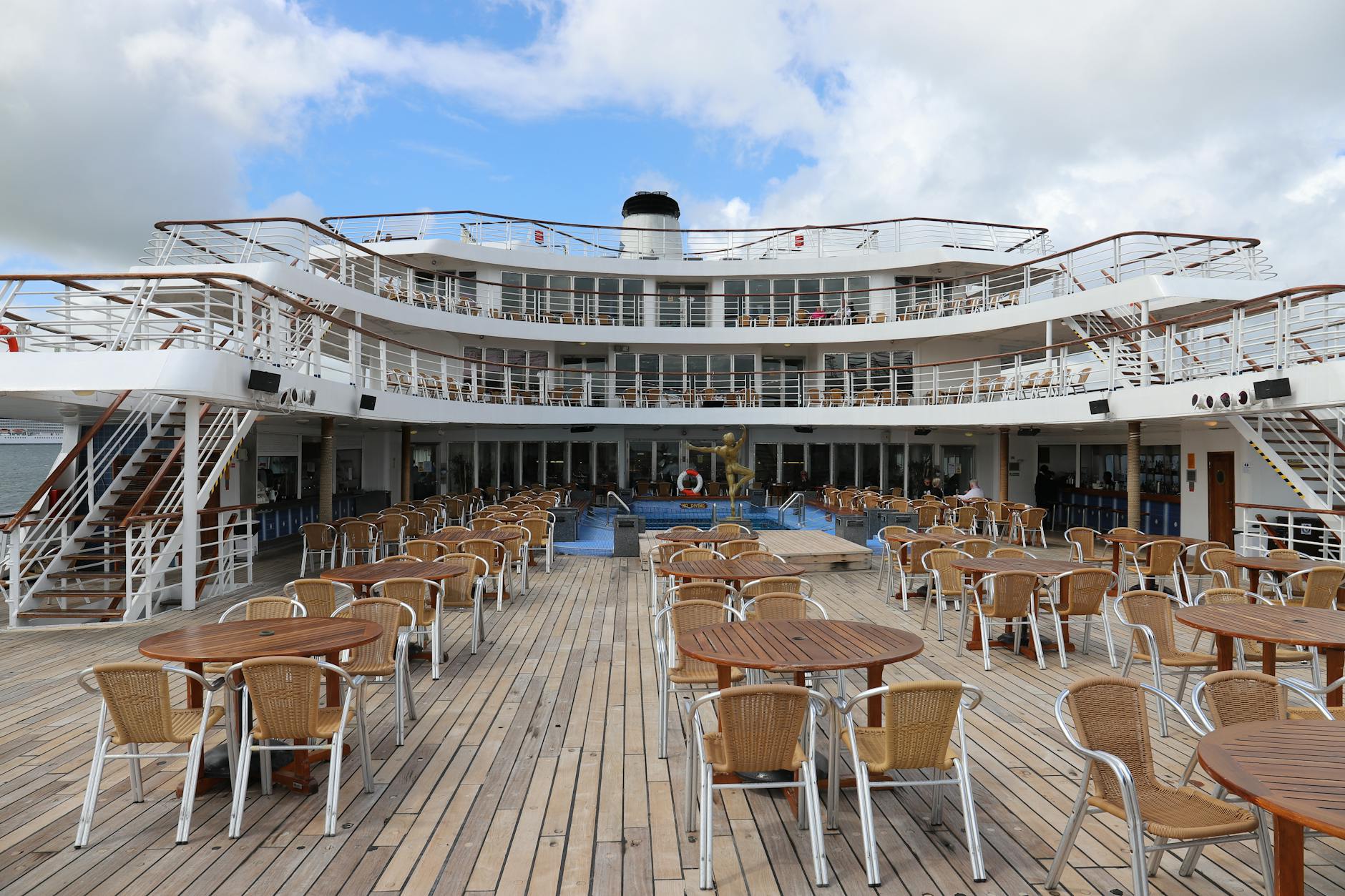
Even within the complimentary dining experience, cruise lines have introduced optional enhancements that carry additional charges. Premium cuts of meat, lobster, or specially prepared dishes are listed on the main dining room menu with a supplemental fee attached, sitting alongside the included options without fanfare. The presentation of these items is equal to or better than the standard dishes, making it difficult for passengers to feel fully satisfied with the base option when an upgrade is only a small surcharge away. Dessert presentations, tableside preparations, and wine pairings offered by attentive servers add further incremental costs to what passengers assumed would be a free meal. Over a week-long voyage with multiple dining occasions each day, these small additions accumulate into a meaningful total.
Children’s Programming
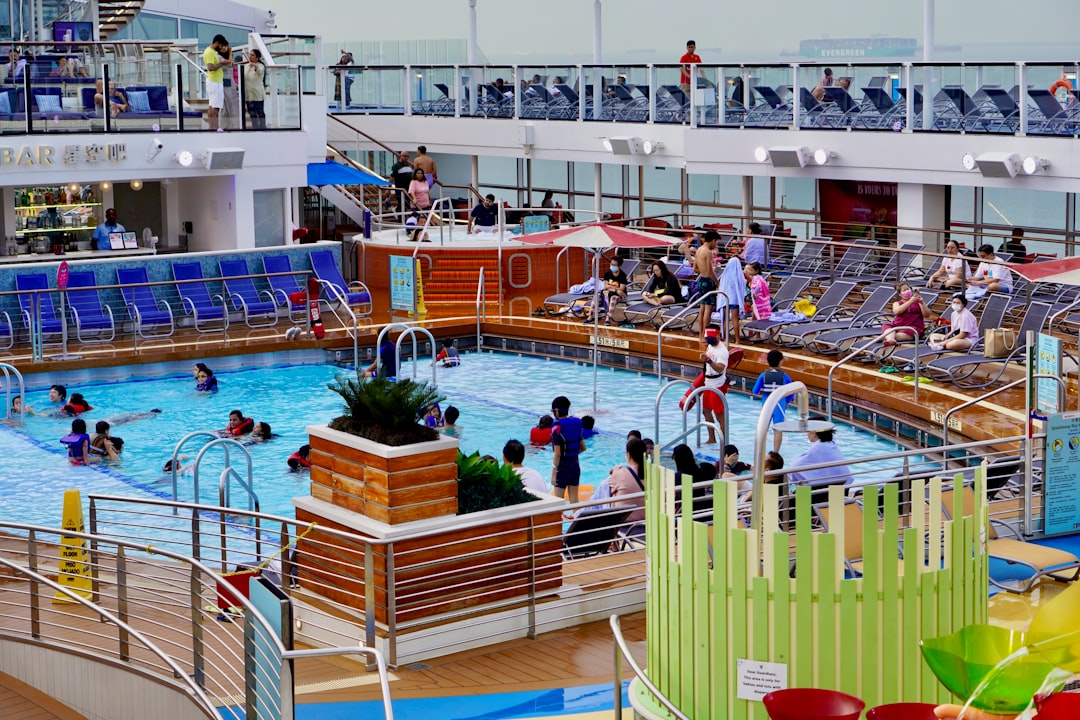
Family cruises are marketed in part on the strength of supervised children’s programming that allows parents to relax independently, but many of the most engaging activities for younger passengers carry additional fees. Specialty camps, private character meet-and-greet experiences, and themed parties are positioned alongside the complimentary kids’ club as premium options worth the upgrade. Parents who have invested significantly in a family vacation are psychologically motivated to provide the best possible experience for their children, making them especially receptive to these offerings. Evening babysitting services extend the concept further by monetizing the hours after the complimentary kids’ club closes for the night. For families with multiple children across a full week, the total spend on youth programming can reach figures that rival the original per-person fare.
Share your own cruise spending experiences or any tactics you have noticed in the comments.