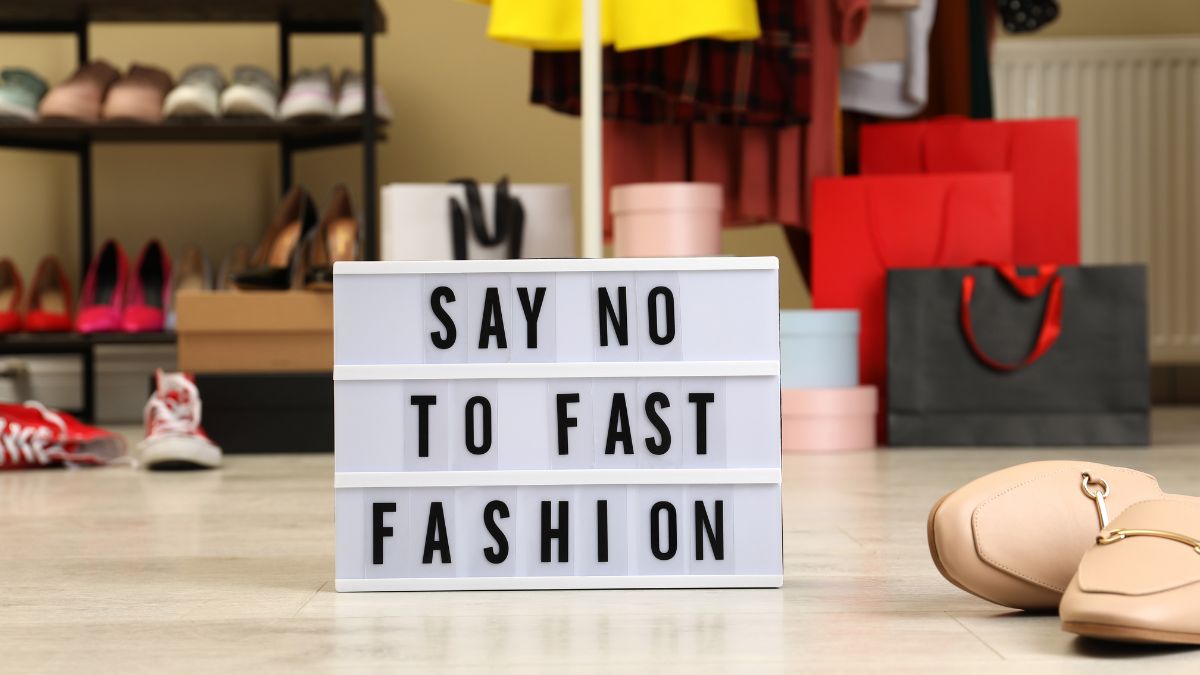
Fast fashion brands have mastered the art of making products look more appealing and durable than they actually are. From carefully engineered store lighting to pricing psychology, the tactics used to move low-quality garments off the shelves are surprisingly sophisticated. Understanding these strategies helps consumers make smarter choices and avoid the cycle of constant repurchasing that benefits brands far more than buyers. Here are 23 sneaky ways fast fashion brands trick you into buying clothes that fall apart instantly.
Store Lighting
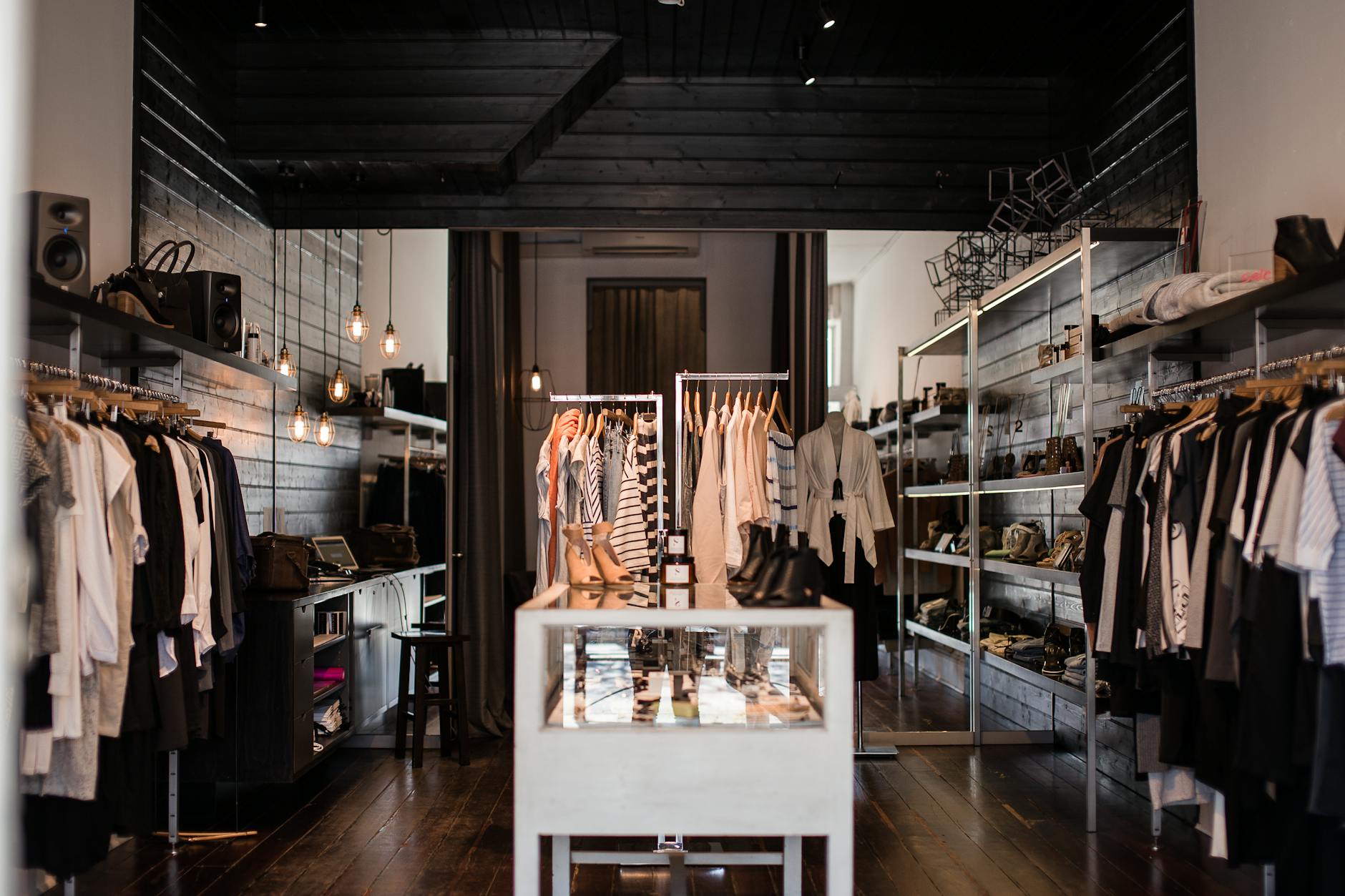
Retailers design their in-store lighting to make fabrics appear richer, colors more vibrant, and textures more substantial than they truly are. Warm, flattering light conditions mask thin weaves, uneven stitching, and cheap dye jobs that would be immediately visible under natural daylight. Shoppers who take garments to better-lit areas of the store often get a more accurate picture of what they are actually buying. The carefully controlled visual environment is one of the oldest and most effective manipulation tools in retail design.
Trend Urgency
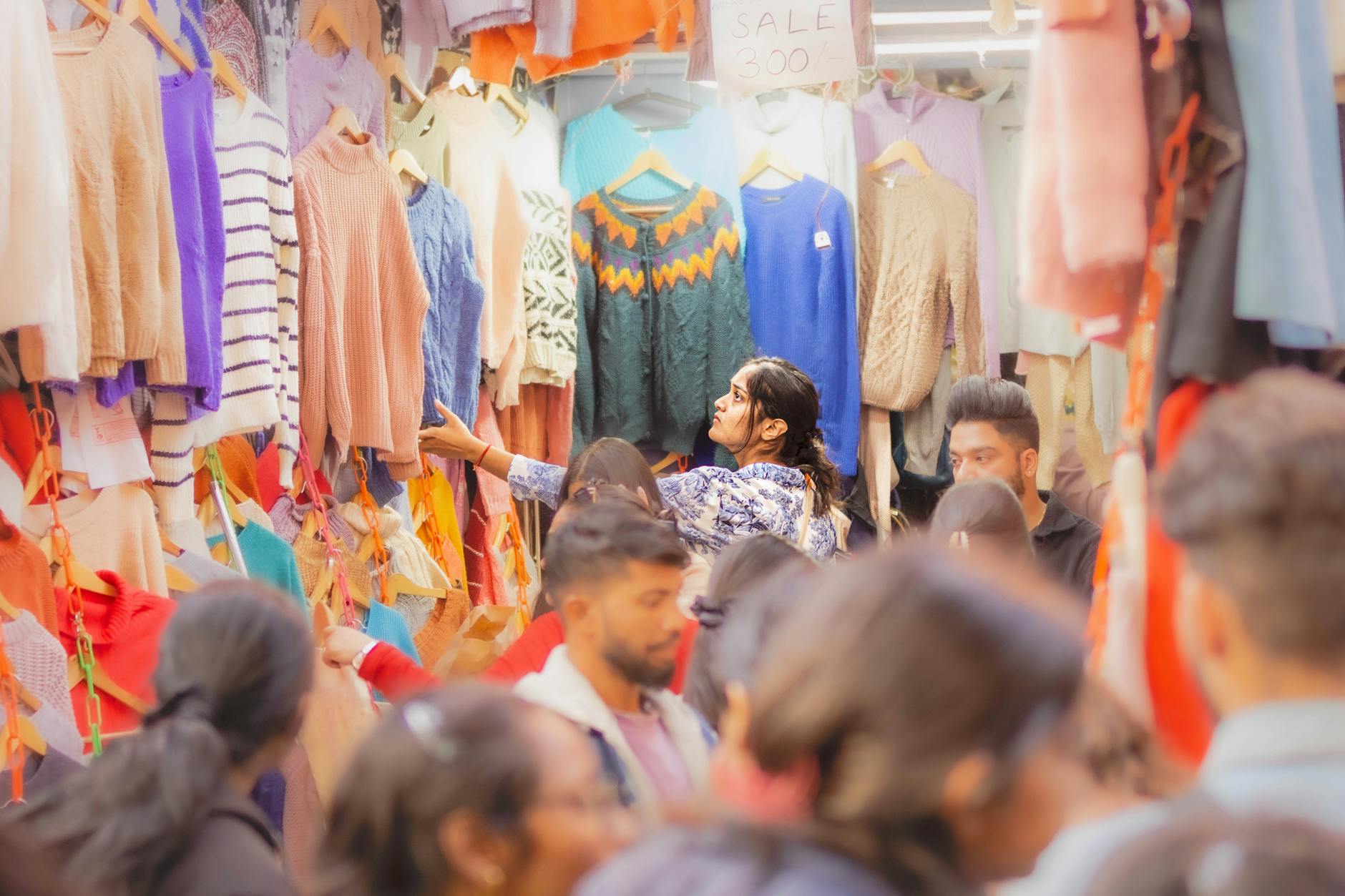
Fast fashion brands manufacture a constant sense of urgency by releasing micro-collections every few weeks rather than following traditional seasonal cycles. Marketing language emphasizes that styles are limited, fleeting, and tied to a cultural moment that will quickly pass. This artificial pressure encourages shoppers to buy immediately rather than pause and examine the quality of what they are holding. The goal is to make the decision feel emotionally driven and time-sensitive rather than practical and considered.
Influencer Hauls

Brand partnerships with social media influencers create powerful aspirational associations between low-quality clothing and desirable lifestyles. When a trusted personality unpacks dozens of items with enthusiasm, followers absorb the excitement rather than the product details. The sheer volume of items shown in haul content makes individual quality assessment nearly impossible for the viewer. Influencers are rarely required to report on how garments hold up after washing, which keeps the conversation focused entirely on first impressions.
Price Anchoring
Brands display inflated original prices alongside heavily discounted sale prices to create the illusion of exceptional value. A garment priced at a few dollars that appears to have been marked down from a much higher amount triggers a powerful psychological reward response. Shoppers focus on the perceived savings rather than asking whether the item is actually worth purchasing at any price. This anchoring strategy consistently outperforms straightforward discount messaging in terms of driving purchase decisions.
Fabric Blends

Many fast fashion brands list flattering fiber names prominently on labels while burying the fact that those fibers make up only a tiny percentage of the total blend. A garment described as containing linen or cotton may be overwhelmingly composed of low-grade synthetic materials that pill, stretch, and fade rapidly. The marketing language surrounding fabric composition is carefully chosen to imply quality without technically misrepresenting the content. Consumers who do not read the full label breakdown are easily misled by headline fiber claims.
Mirror Placement

Fitting rooms are equipped with mirrors angled to create the most flattering silhouette possible, encouraging shoppers to associate a positive self-image with the garment they are trying on. Slightly slimming angles combined with strategic lighting make almost any cut look more polished and well-constructed than it is. The emotional high of liking what one sees in the mirror is a powerful purchase trigger that bypasses rational evaluation of quality. By the time a shopper gets home and tries the item on in natural light, the purchase has already been completed.
Packaging
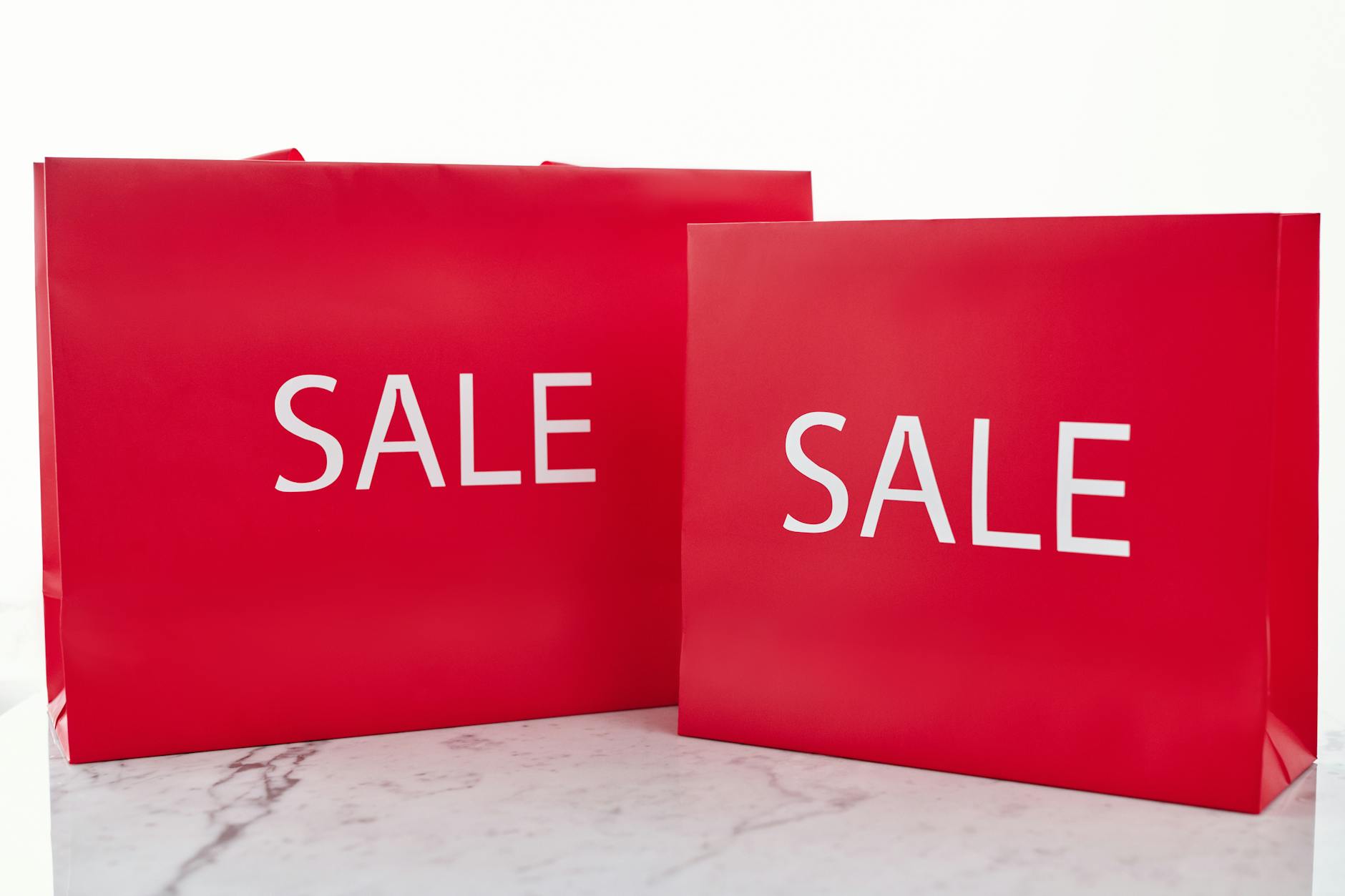
Fast fashion brands invest in attractive packaging, thoughtful tissue wrapping, and premium-looking shopping bags that signal quality far above what the product actually delivers. The unboxing or unwrapping experience releases a sense of excitement and perceived value before the garment is even examined. Consumers subconsciously attribute the care taken in presentation to the product itself, assuming that a well-packaged item must be well-made. The packaging is often of higher material quality than the clothing it contains.
Keyword Descriptions

Product descriptions online are loaded with words like structured, tailored, premium, and artisan that carry connotations of craftsmanship without making any verifiable quality claims. These terms are unregulated in fashion retail and can be applied to garments made from the cheapest available materials. Shoppers scanning product pages absorb the language emotionally rather than analytically, building an inaccurate mental model of what they are ordering. The gap between descriptive language and actual product quality is widest in the fast fashion sector.
Celebrity Collaborations

Limited-edition collections tied to celebrity names generate enormous cultural buzz that completely overshadows any conversation about construction or material quality. The association between a beloved public figure and a clothing line transfers the positive feelings fans have for the person directly onto the product. Buyers are essentially purchasing a connection to a cultural moment rather than a durable wardrobe addition. Once the collaboration period ends, the garments are often found to be indistinguishable in quality from the brand’s standard range.
Return Friction
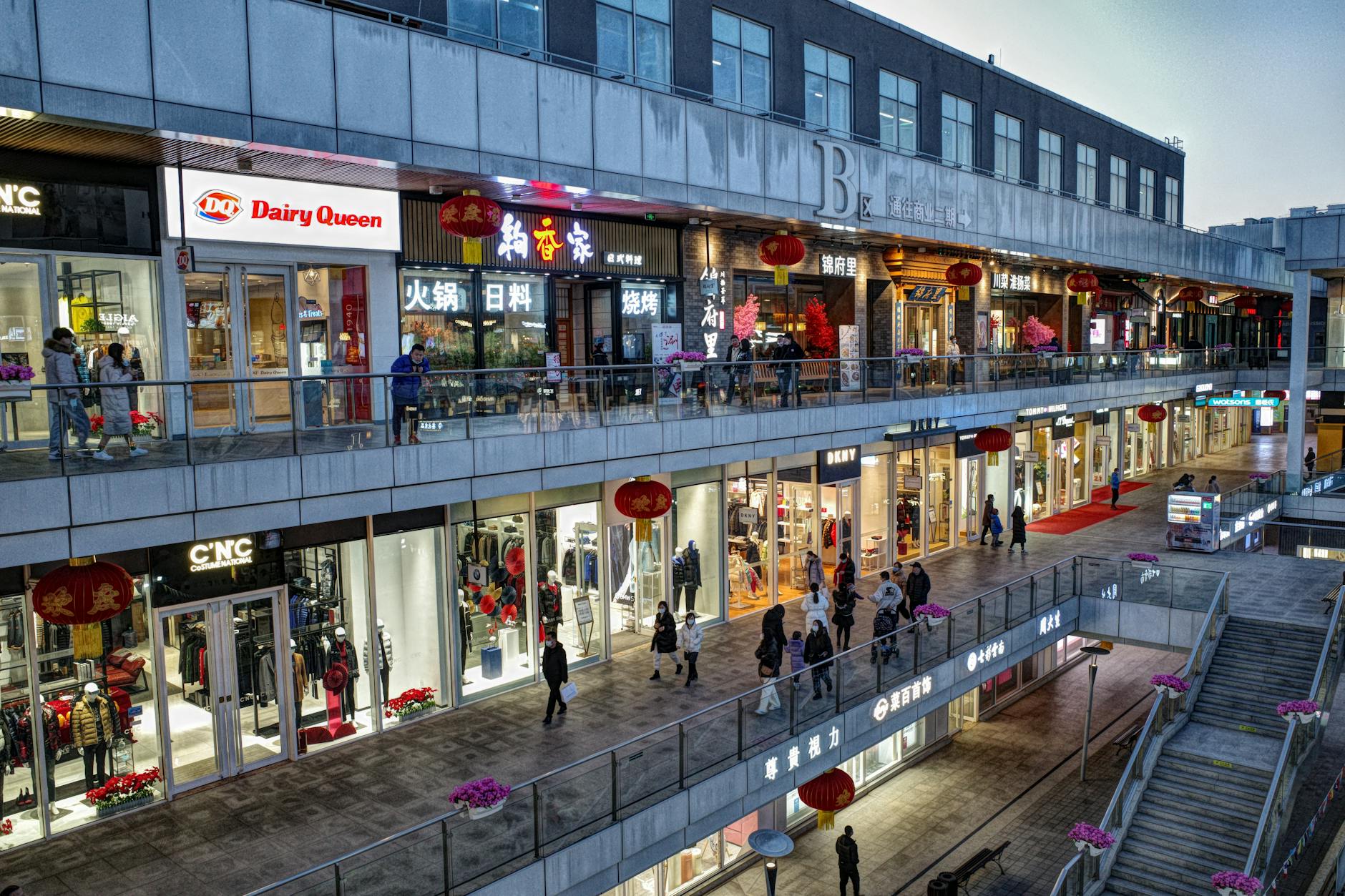
Some fast fashion brands deliberately complicate the return process through tight return windows, restocking fees, and confusing online portals that discourage customers from following through. By the time a shopper discovers that a garment has shrunk after one wash or that seams have come apart, the return window has often already closed. The effort required to ship back low-value items frequently exceeds what consumers are willing to invest. Brands benefit financially from every return that is abandoned due to inconvenience.
Review Filtering

Online platforms used by fast fashion retailers often surface the most recent and most positive reviews first, pushing critical feedback about durability and fit far down the page. Some brands use algorithmic tools to weight ratings in ways that suppress lower scores from appearing prominently in aggregate calculations. Shoppers who read only the top few reviews receive a skewed impression of the overall customer experience with a product. Detailed negative reviews about fabric quality and longevity are frequently the most informative and the hardest to find.
Garment Fragrance

New clothing is often treated with chemical finishes and fragrances that mimic the sensory qualities associated with quality retail environments and freshly manufactured goods. The smell triggers a sense of newness and cleanliness that creates positive emotional associations before a single stitch is examined. These finishes frequently wash out entirely after the first laundering, stripping the garment of the texture and appearance it had when purchased. The scent is part of the brand experience rather than a byproduct of quality materials.
Mannequin Styling

In-store mannequins are styled with precision pinning, tucking, and hidden clips that create a silhouette impossible to replicate on a human body wearing the garment naturally. Shoppers see the aspirational version of how a piece could look rather than a realistic representation of the fit. The meticulous presentation gives the impression that the garment is well-constructed and holds its shape with ease. Removing a pinned garment from a mannequin and trying it on reveals a very different picture.
Free Shipping Thresholds

Minimum spend requirements for free shipping encourage customers to add additional low-cost items to their cart to reach the qualifying amount. This fills baskets with impulse purchases that received no meaningful quality consideration. The financial logic of avoiding a shipping fee overrides the practical question of whether the extra items are needed or well-made. Brands set thresholds at amounts carefully calculated to maximize basket size without triggering purchase abandonment.
Color Availability
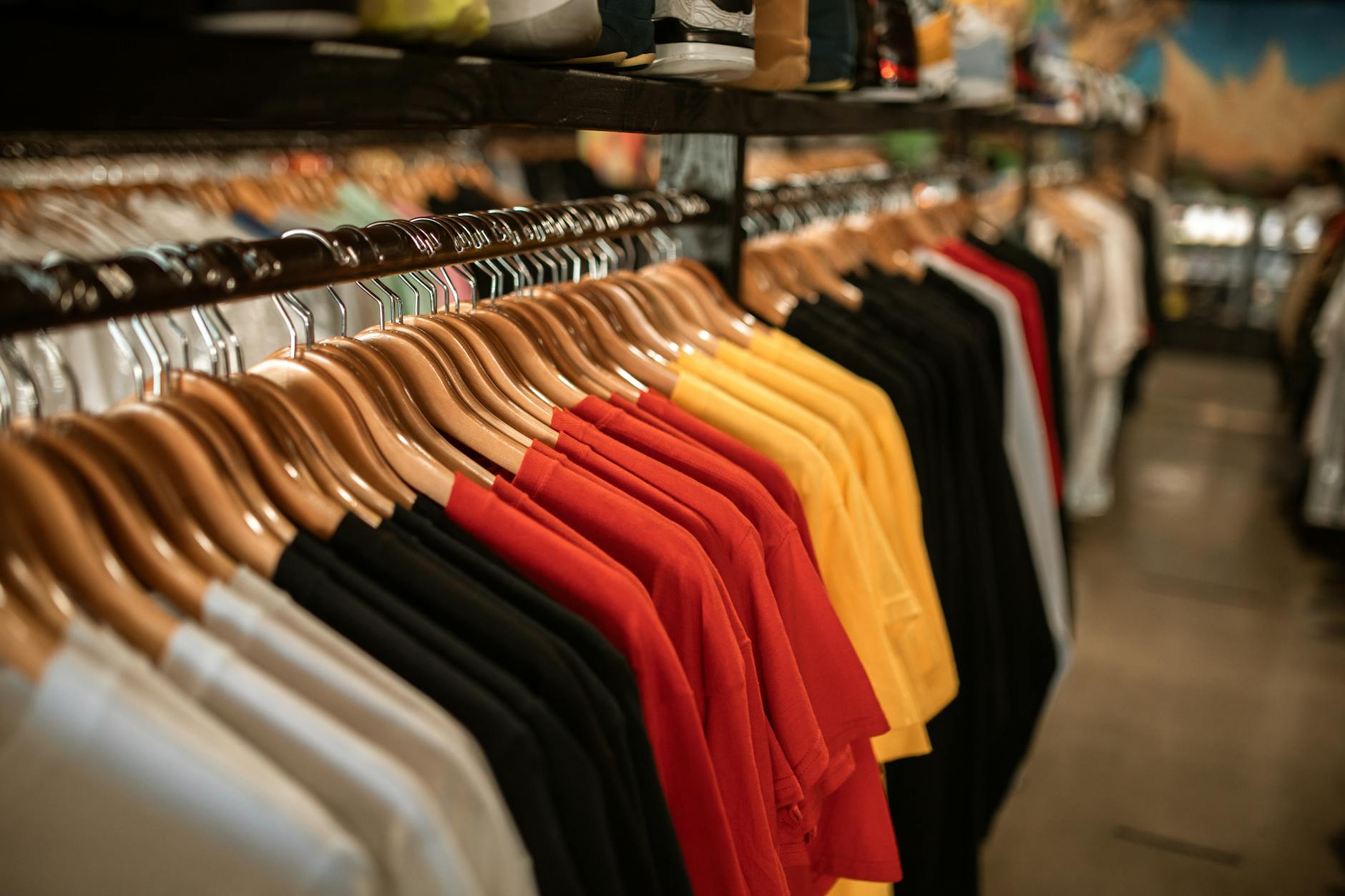
Fast fashion brands release hero garments in an overwhelming array of colorways to create the impression of a rich and comprehensive collection. Having fifteen shades of the same basic top triggers collector psychology in some shoppers, encouraging multiple purchases of an item they may have only needed once. The color range obscures the fact that the underlying garment construction is identical across all options and frequently of low quality. Novelty of color substitutes for novelty of design or craftsmanship.
Size Vanity
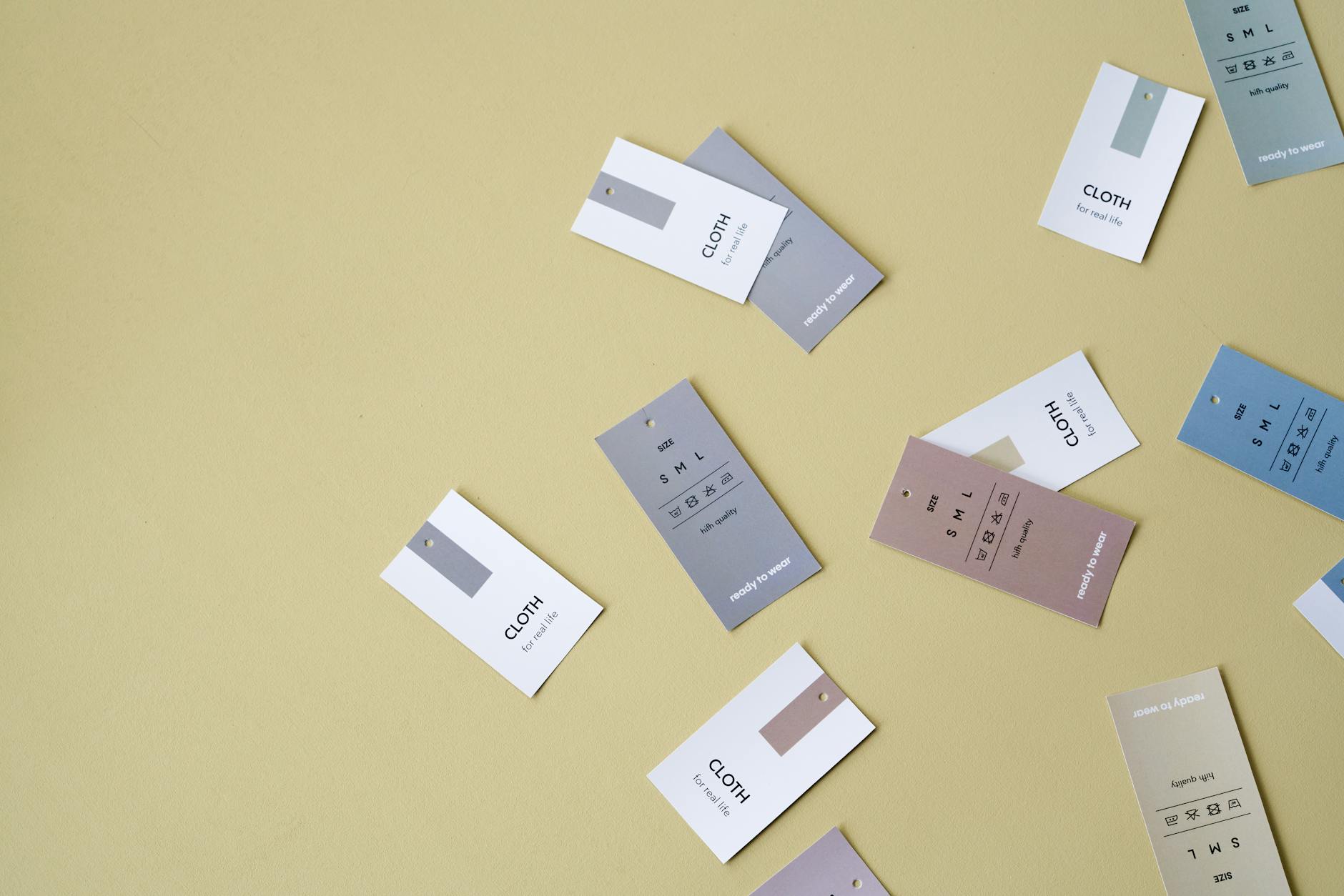
Brands systematically size their garments generously so that shoppers find themselves fitting into smaller labeled sizes than they typically wear in other brands. This deliberate sizing strategy generates a positive emotional association with the brand and creates a powerful incentive to return. The flattering size label reinforces the good feeling triggered by the fitting room mirror experience and makes the brand feel uniquely compatible with the shopper’s body. Quality of construction receives no attention in a moment dominated by the pleasure of a favorable size outcome.
Loyalty Programs

Points systems and member rewards create a financial incentive to shop more frequently and spend more per transaction than a customer would otherwise choose to do. Earning rewards transforms shopping into a game with targets and milestones that keep engagement high between purchase occasions. The accumulated points represent a sunk cost that makes customers feel they must return to redeem value they have already earned. Loyalty programs are particularly effective at building habitual purchasing behavior that bypasses reflective decision-making.
App Notifications
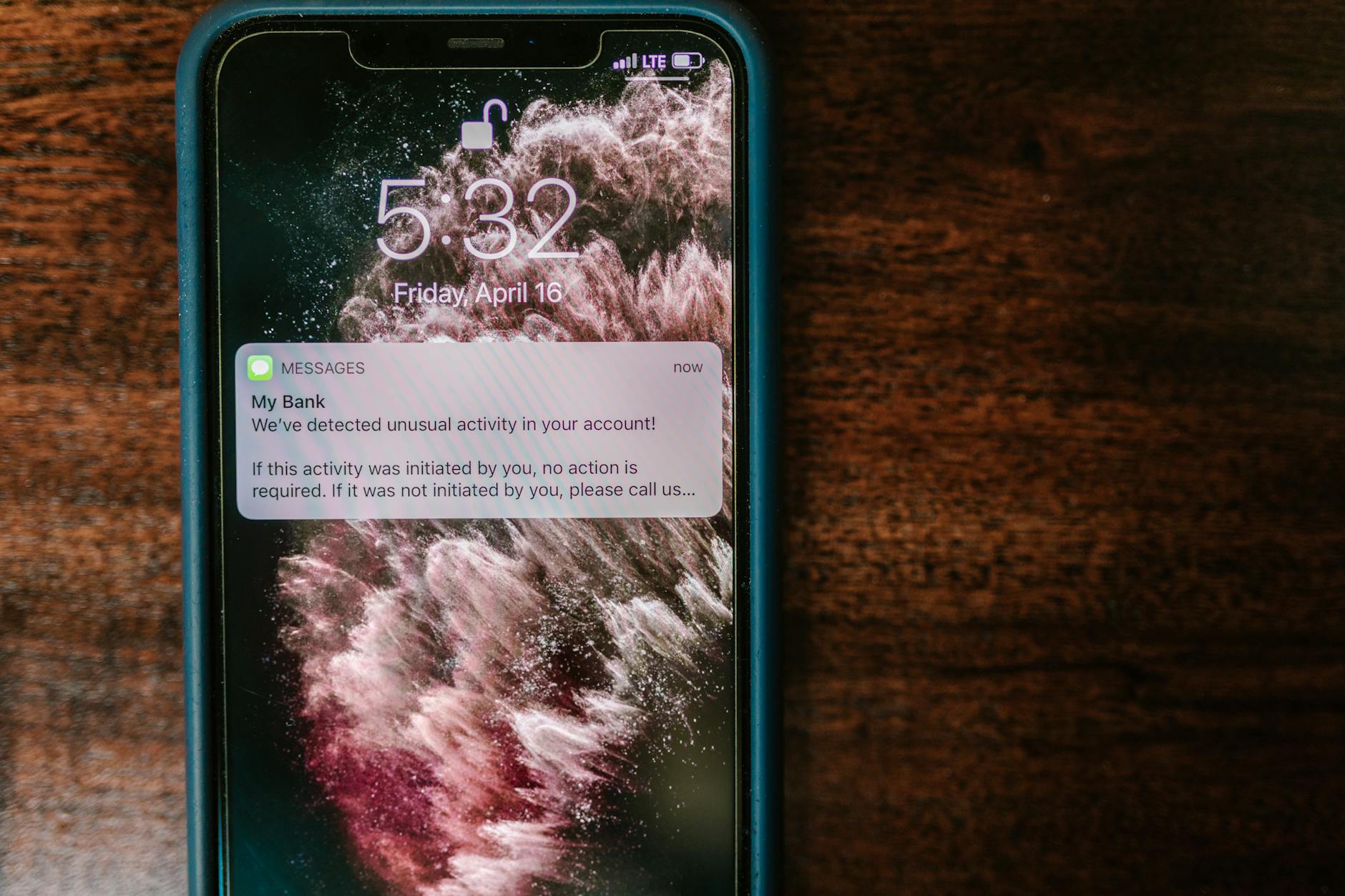
Brand apps send precisely timed push notifications tied to restocking events, flash sales, and new arrivals designed to interrupt daily life at high-impulse moments. The notifications create a sense of event and scarcity that pulls shoppers back to browse even when they had no intention of making a purchase. Repeated exposure to new product imagery builds familiarity and desire without any active seeking on the consumer’s part. The app becomes a direct channel for impulse triggering that operates outside the structured environment of deliberate shopping.
Quality Theater
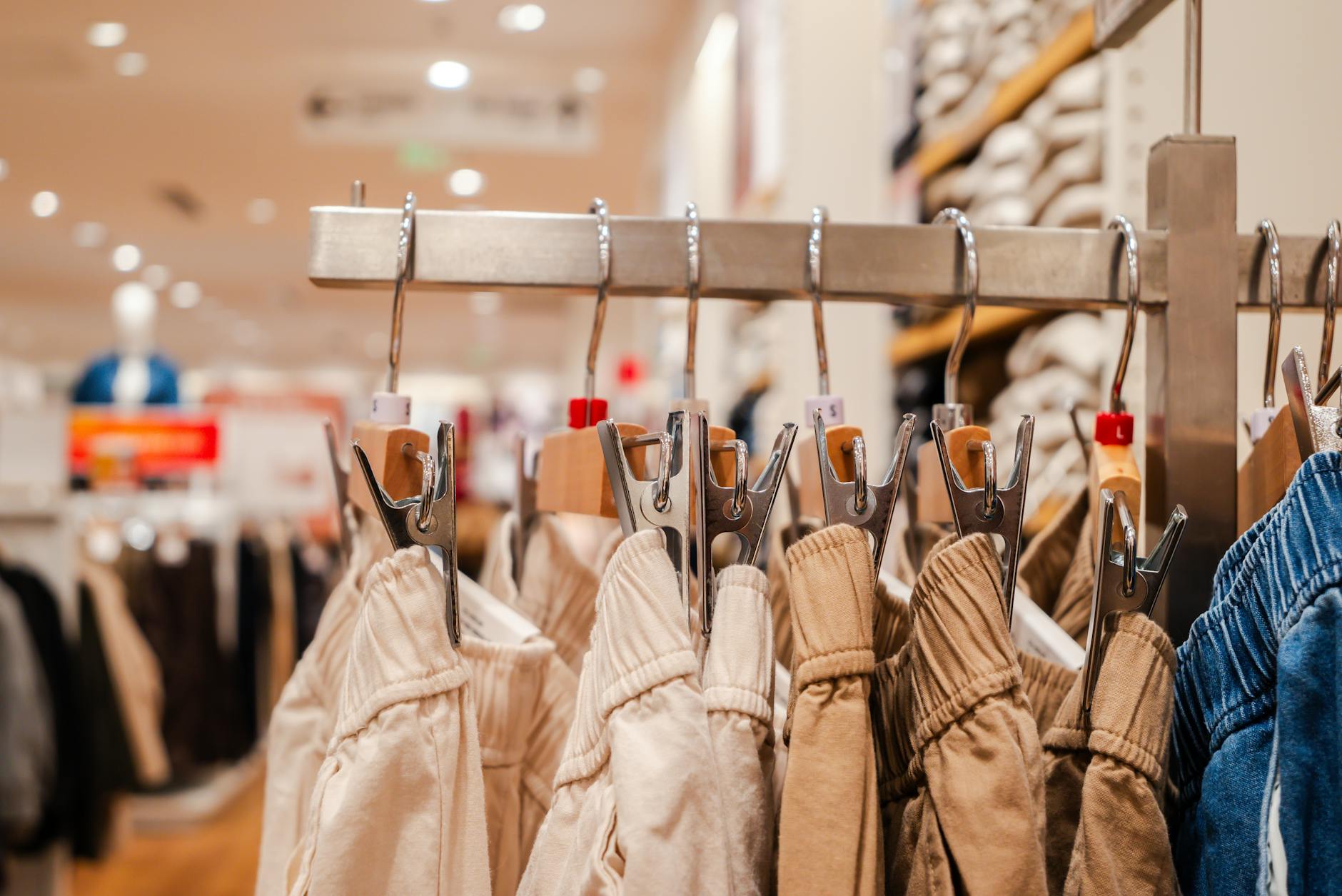
Fast fashion brands add design elements that signal craftsmanship without delivering it, such as decorative stitching, faux horn buttons, and branded hardware that appears robust but is made from lightweight alloys. These details catch the eye during the purchase decision and read as indicators of a more considered product. The visual vocabulary of quality is borrowed and applied superficially to garments that do not meet the construction standards the details imply. Within a few wears the decorative elements often begin to tarnish, crack, or detach entirely.
Sustainability Washing

Marketing campaigns built around recycled materials, ethical sourcing pledges, and carbon offset programs create a halo of environmental responsibility that makes shoppers feel better about frequent purchasing. The sustainability messaging implies a level of product quality and longevity that is inconsistent with the fast fashion business model. Consumers motivated by environmental values are particularly susceptible to this framing because it aligns purchasing with their identity. Independent audits of fast fashion sustainability claims consistently reveal significant gaps between marketed commitments and verified practice.
Editorial Imagery

Product photography is shot on high-end cameras with professional lighting and post-production retouching that eliminates any visible evidence of poor construction, uneven dye application, or lightweight fabric. The images create a reference point in the consumer’s mind that the actual garment can never match. Online shoppers have no opportunity to touch, stretch, or hold the fabric before purchasing and must rely entirely on imagery that has been optimized to maximize sales rather than represent the product accurately. The gap between editorial image and delivered product is a defining characteristic of fast fashion retail.
Checkout Psychology

Digital checkout flows are designed to minimize hesitation through one-click purchasing options, pre-saved payment information, and streamlined screens that reduce the number of moments where a shopper might reconsider. The friction of payment is deliberately minimized so that the brain does not have time to engage in cost-benefit analysis before the transaction is completed. Confirmation screens are immediately positive and celebratory, reinforcing the purchase decision before any doubt can form. The experience is engineered to feel effortless rather than consequential.
Microtrend Manufacturing
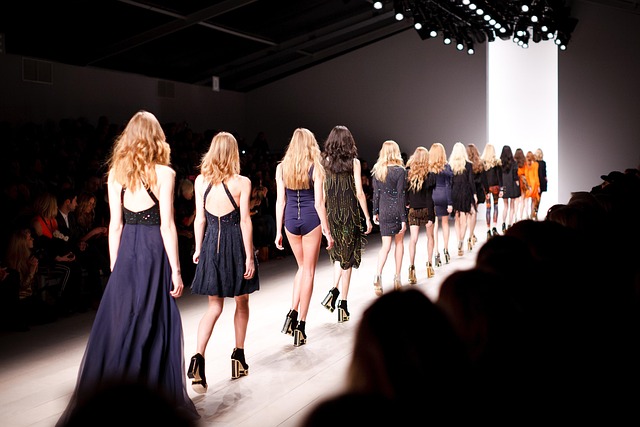
Fast fashion brands actively seed and amplify microtrends through social media content, algorithm partnerships, and influencer seeding to manufacture demand for entirely new aesthetic categories on a monthly cycle. By the time a microtrend reaches peak visibility, the brands promoting it have already produced enormous quantities of relevant inventory. Shoppers who buy into a microtrend find that the style feels dated within weeks, creating the conditions for another purchasing cycle. The trend itself is the product being sold rather than any individual garment within it.
Have you ever noticed any of these tactics in your own shopping experience? Share your thoughts in the comments.