Hotel rooms may look spotless at first glance, but the cleaning practices that happen behind the scenes tell a very different story. Housekeeping staff are often given just minutes per room to complete a full turnover, which means corners are cut and shortcuts become routine. Travelers who know what goes on during a standard hotel clean tend to pack their own supplies and think twice before touching certain surfaces. These are the cleaning habits that happen in hotel rooms around the world that guests rarely hear about.
Drinking Glasses
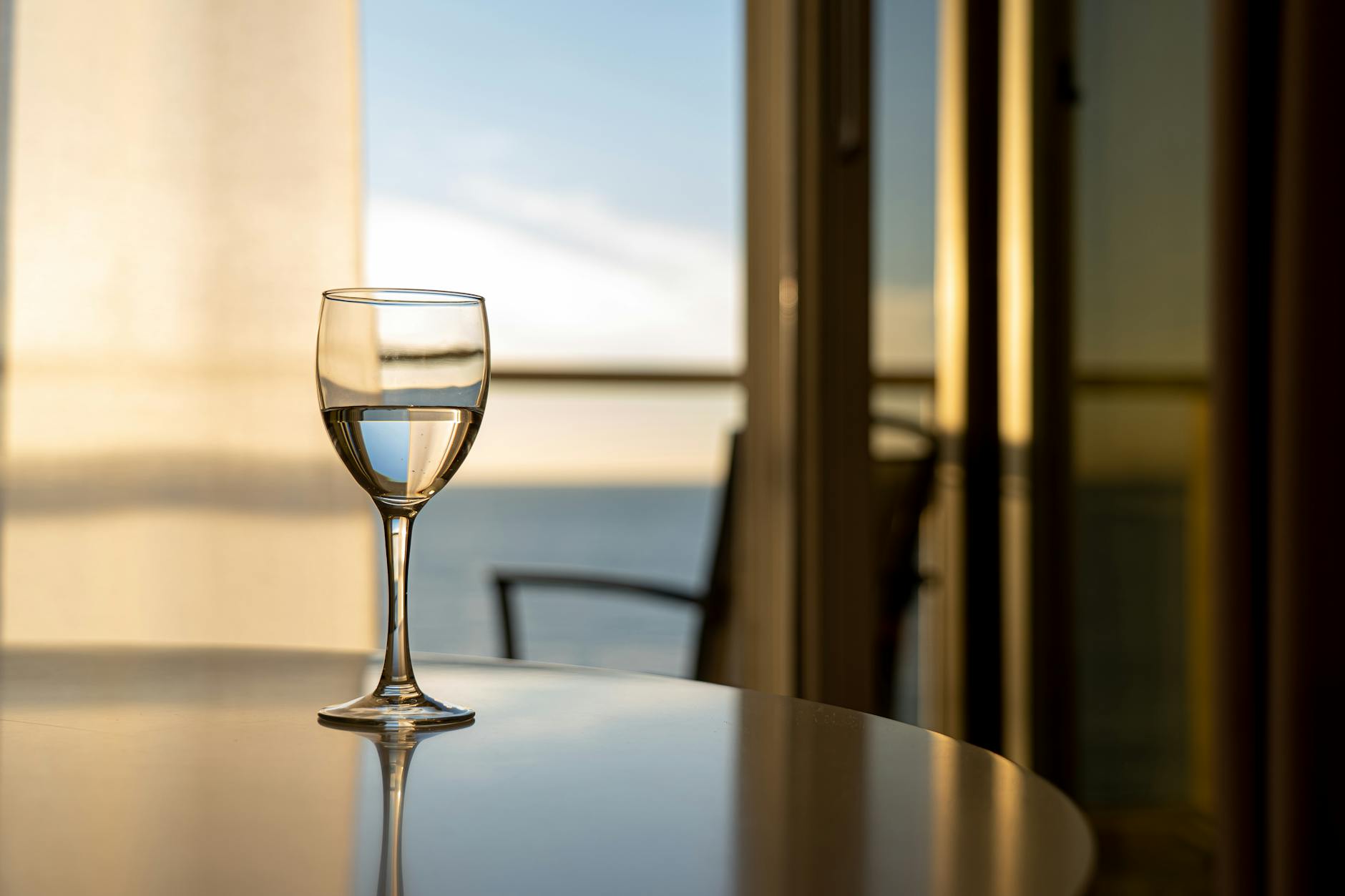
The glasses sitting on the bathroom counter or bedside table are rarely cleaned the way guests assume they are. In many hotels, particularly budget and mid-range properties, staff simply rinse the glasses with tap water and wipe them dry with the same cloth used on other surfaces. Investigations by journalists and health inspectors have repeatedly found that these glasses test positive for bacteria and chemical residue. Some housekeepers have admitted to using furniture polish on glassware to make it appear clean and streak-free. Bringing a reusable travel cup or requesting sealed disposable cups is a common workaround among frequent travelers.
Bedspread
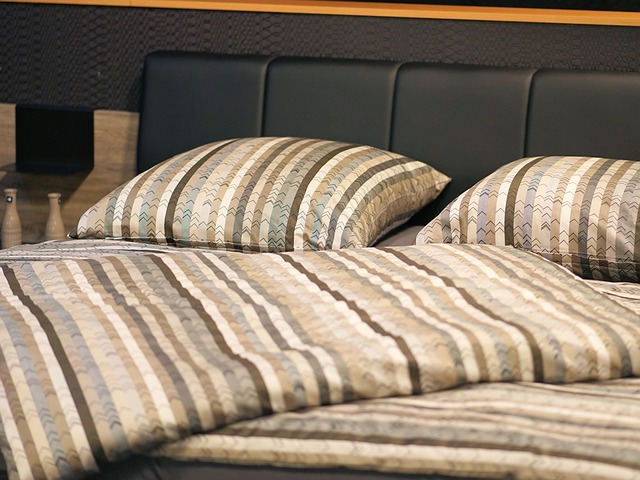
The decorative bedspread or duvet sitting on top of a hotel bed is one of the least frequently laundered items in the entire room. Most hotels wash these outer coverings only a few times per year, regardless of how many guests have slept under them. Unlike sheets and pillowcases, which are typically changed between guests, bedspreads are folded and repositioned rather than removed. Studies testing hotel bedding have found traces of skin cells, hair, and bodily fluids on outer covers. Travel experts consistently recommend pulling the bedspread off entirely upon arrival and setting it aside.
Remote Control
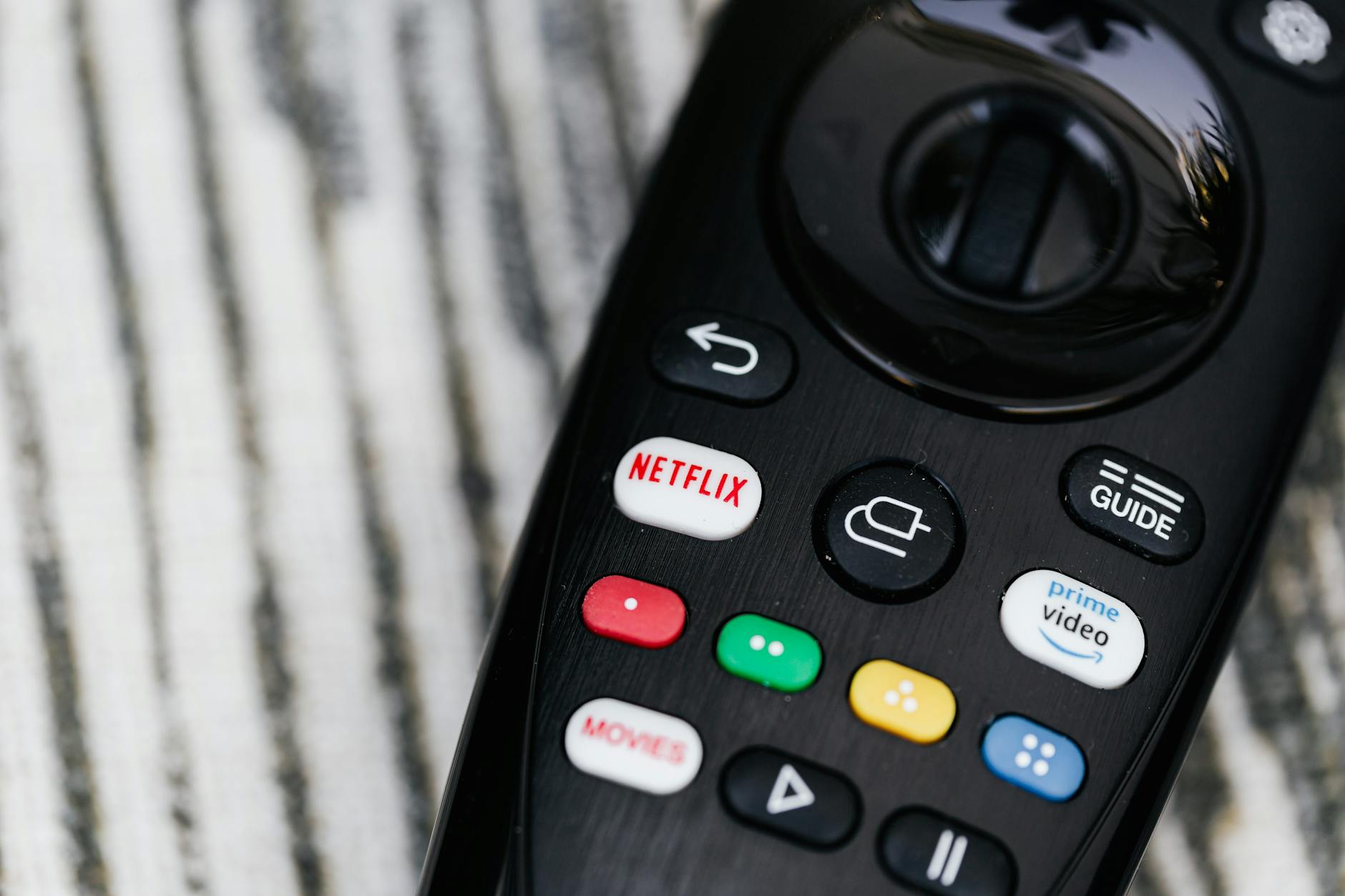
The television remote control is one of the most touched objects in any hotel room and also one of the most neglected during cleaning routines. Housekeeping staff rarely disinfect remotes as part of a standard turnover, often leaving them untouched between guest stays. Microbiology studies have identified remotes as among the most germ-laden surfaces in hotel rooms, surpassing even toilet seats in some cases. The crevices between buttons trap bacteria in ways that a quick wipe cannot address. Guests who carry disinfectant wipes typically target the remote as one of their first priorities upon entering a room.
Toilet Brush
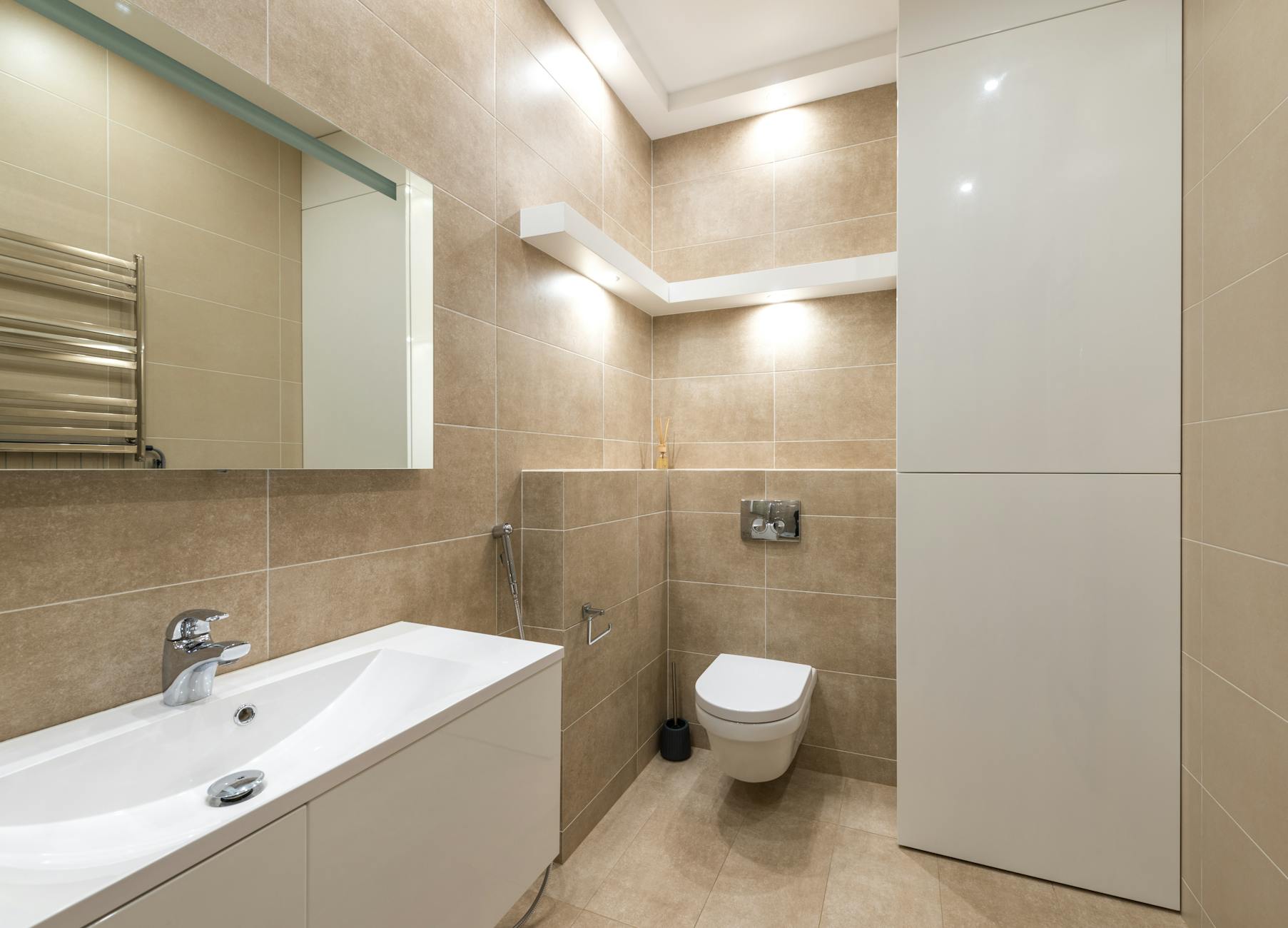
The toilet brush found in hotel bathrooms is often left in its holder for extended periods without being replaced or properly sanitized. Some housekeeping staff use the same brush across multiple bathroom cleanings before it is ever changed out. The holder itself collects moisture, bacteria, and residue over time, making it a reservoir for contamination. In properties with high turnover, there is little time built into the schedule for deep-cleaning bathroom accessories. Hygiene inspectors recommend avoiding contact with the brush and its holder entirely during a hotel stay.
Carpets
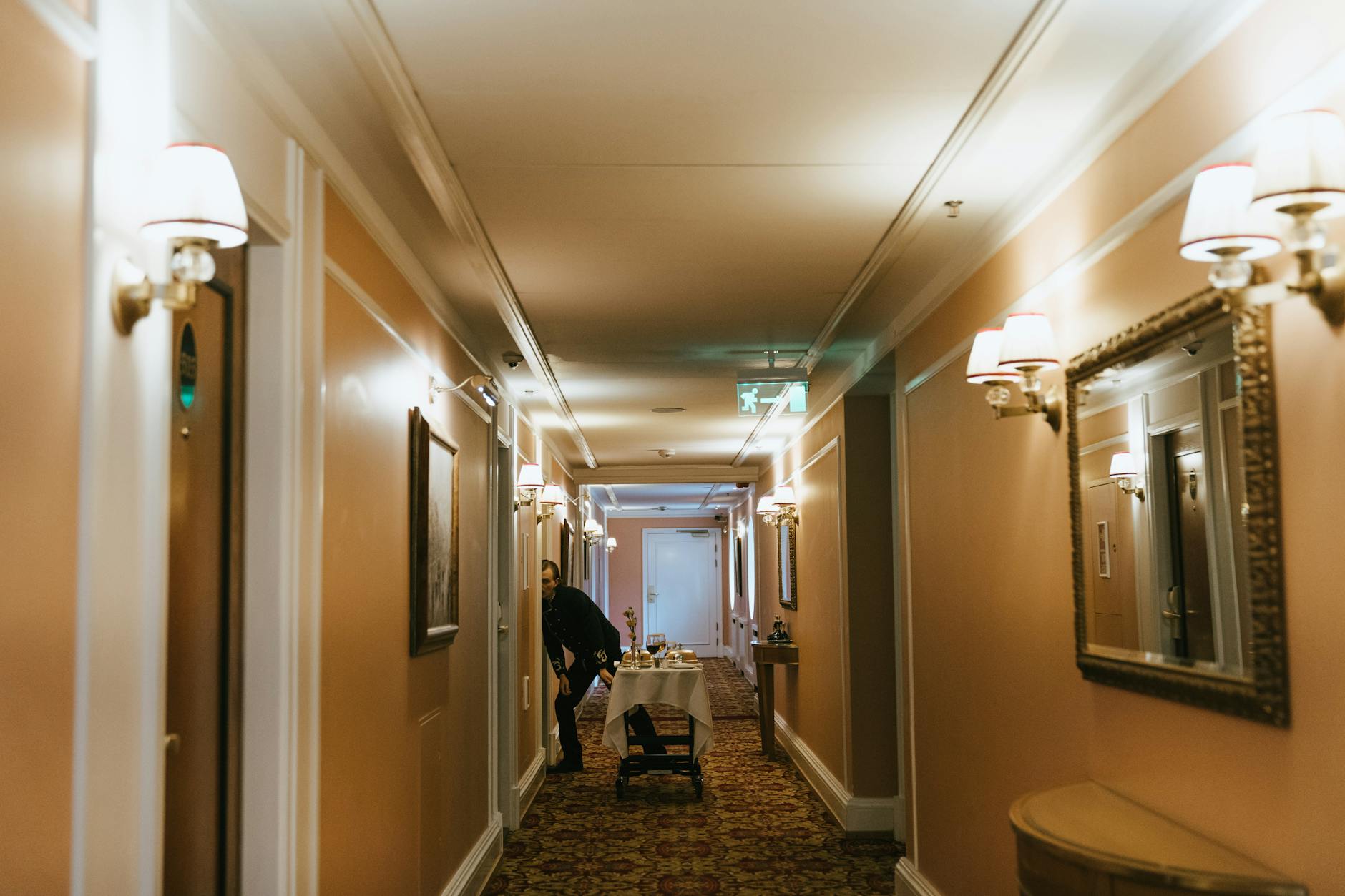
Hotel carpets endure an enormous amount of foot traffic and are cleaned far less frequently than most guests would expect. A full deep-clean or steam treatment on hotel carpets may happen only a few times annually in many properties. Day-to-day housekeeping involves vacuuming at best, which removes surface debris but does nothing to address embedded bacteria, allergens, or stains. Spills and accidents are often treated quickly with spot cleaners that mask odors without fully sanitizing the area. Walking barefoot on hotel carpet is something most travel hygiene experts strongly advise against.
Ice Bucket

The plastic ice bucket in a hotel room is another item that rarely makes it into a thorough cleaning rotation. Staff frequently rinse or wipe the exterior while the interior goes untouched between guests. Tests conducted on hotel ice buckets have found bacterial contamination at levels that would concern health professionals. The plastic liner bags provided in some rooms were introduced partly in response to these findings, though they are not universally available. Using the liner bag when one is provided, or skipping the ice bucket altogether, is the safer approach for guests.
Coffee Maker
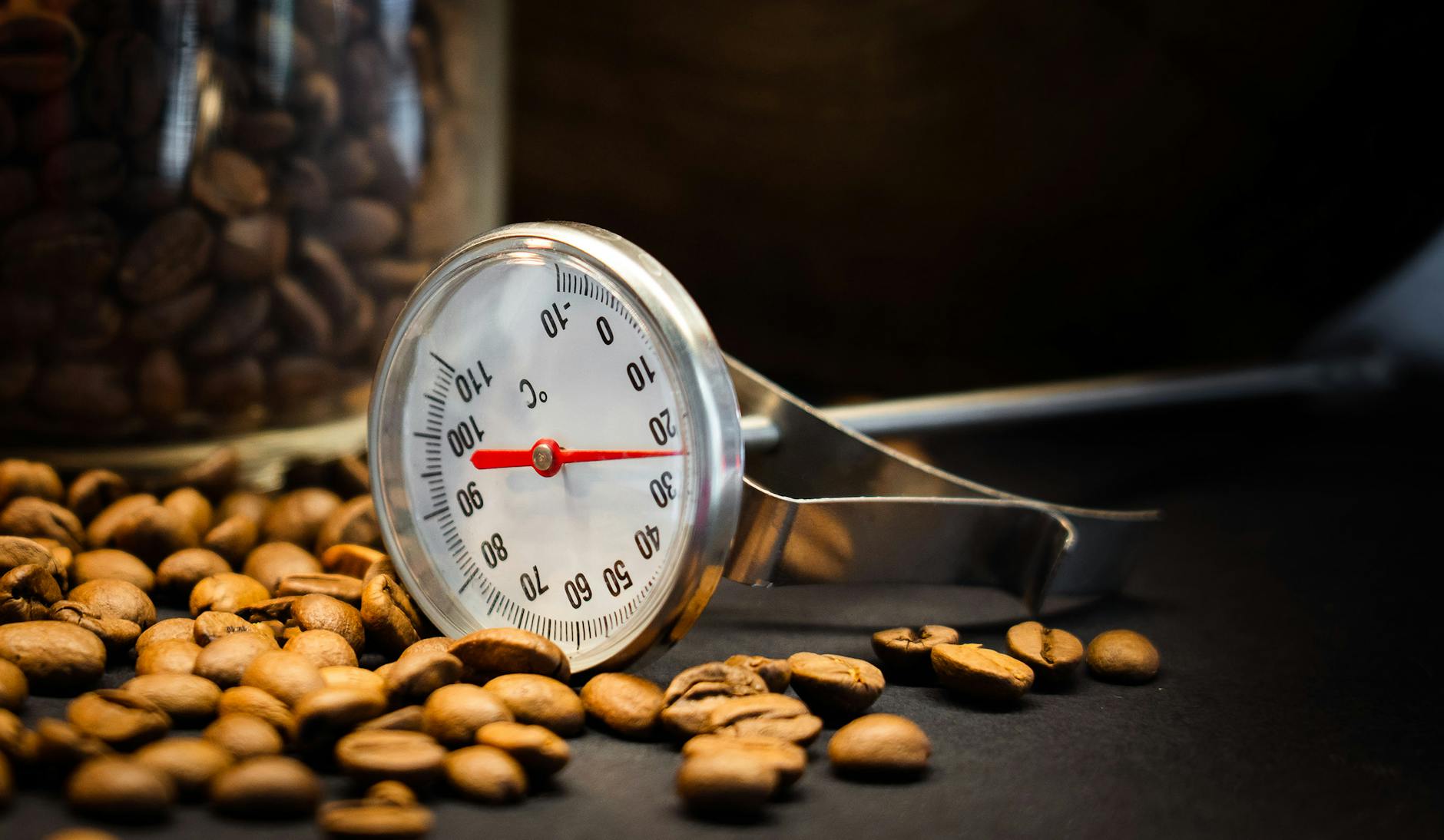
In-room coffee makers give the impression of a convenient and hygienic morning ritual, but the machines themselves are rarely deep-cleaned between guests. The internal reservoir is a warm, moist environment where mold and bacteria can thrive if left uncleaned over time. Housekeeping routines typically involve a visual check and perhaps a quick wipe of the exterior rather than any internal sanitization. Reports have surfaced of guests finding mold inside reservoirs and carafes upon closer inspection. Running a cycle with plain water before brewing a first cup is a habit many seasoned travelers have adopted.
Bath Towels
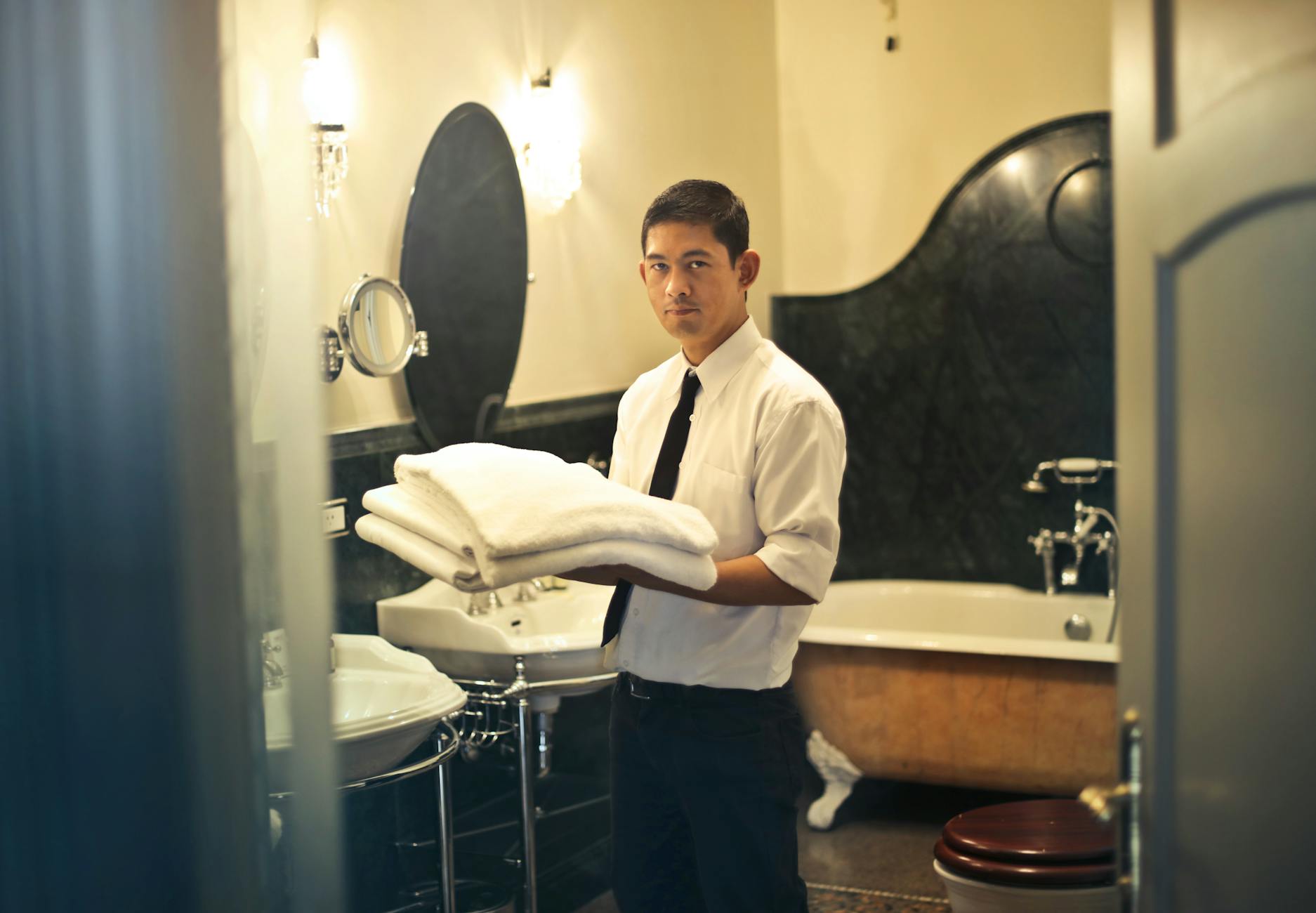
While most hotels do launder bath towels between guests, the laundering process itself is not always as thorough as it appears. Industrial washing machines in high-volume properties sometimes run shortened cycles with lower water temperatures to save time and energy. Detergent residue, along with bacteria that survive lower-temperature washes, can remain on towels that look perfectly clean and freshly folded. Some hotels have also been found to reuse towels that have only been folded without washing if they appear visually unmarked. Checking towels closely for odor or texture irregularities upon arrival is a simple precaution.
Light Switches
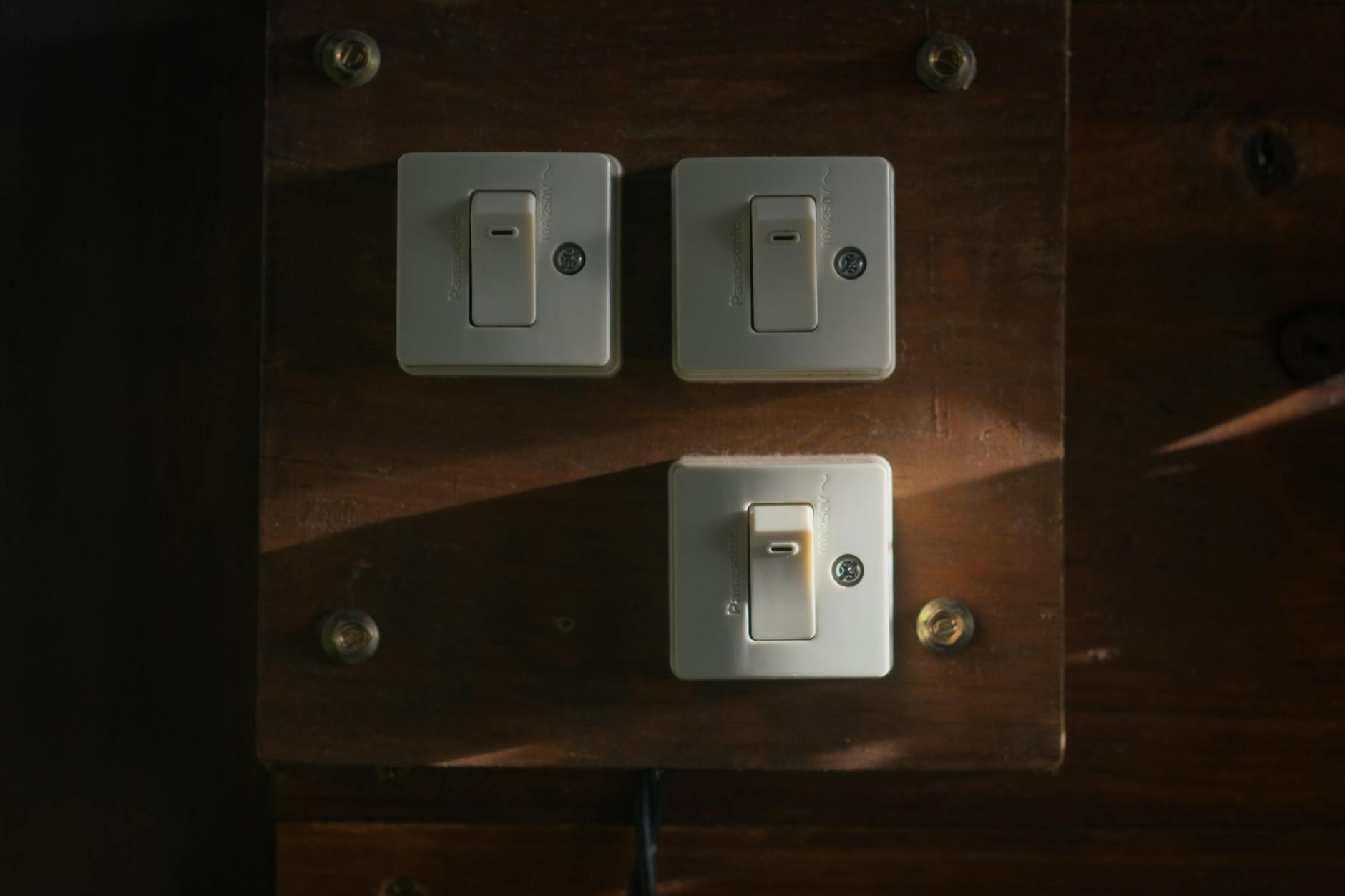
Light switches, like remote controls, are high-touch surfaces that are almost never addressed during a standard hotel room clean. A quick wipe-down of visible surfaces does not typically extend to switches, door handles, and knobs in most housekeeping protocols. Research on hotel surface contamination consistently places switches among the dirtiest contact points in any room. The plastic surfaces of switches can harbor bacteria for extended periods, particularly in humid bathroom environments. Disinfectant wipes used on these points upon check-in take only seconds and offer meaningful protection.
Shower Curtain
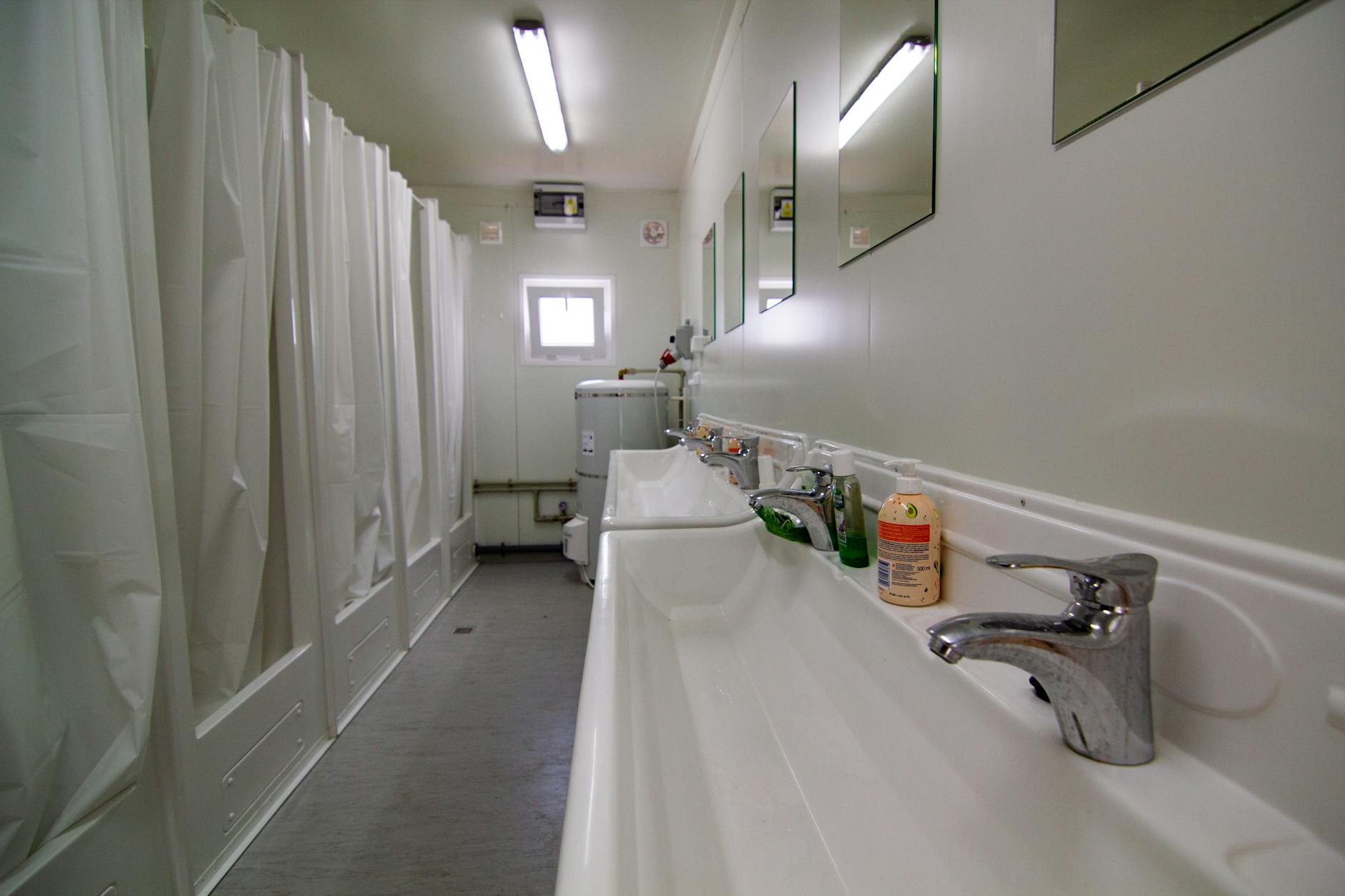
The shower curtain and its liner accumulate soap scum, mold spores, and bacteria at a rapid rate in the warm and humid bathroom environment. Hotels that use fabric curtains often leave them in place for weeks or months without laundering them between guests. Even when visually clean, shower curtains can carry microbial growth along their lower edges and in the folds where moisture collects. Plastic liners that show obvious mold are sometimes wiped rather than replaced during turnover. Guests who notice a musty smell in the bathroom often trace it directly to the curtain.
Pillows
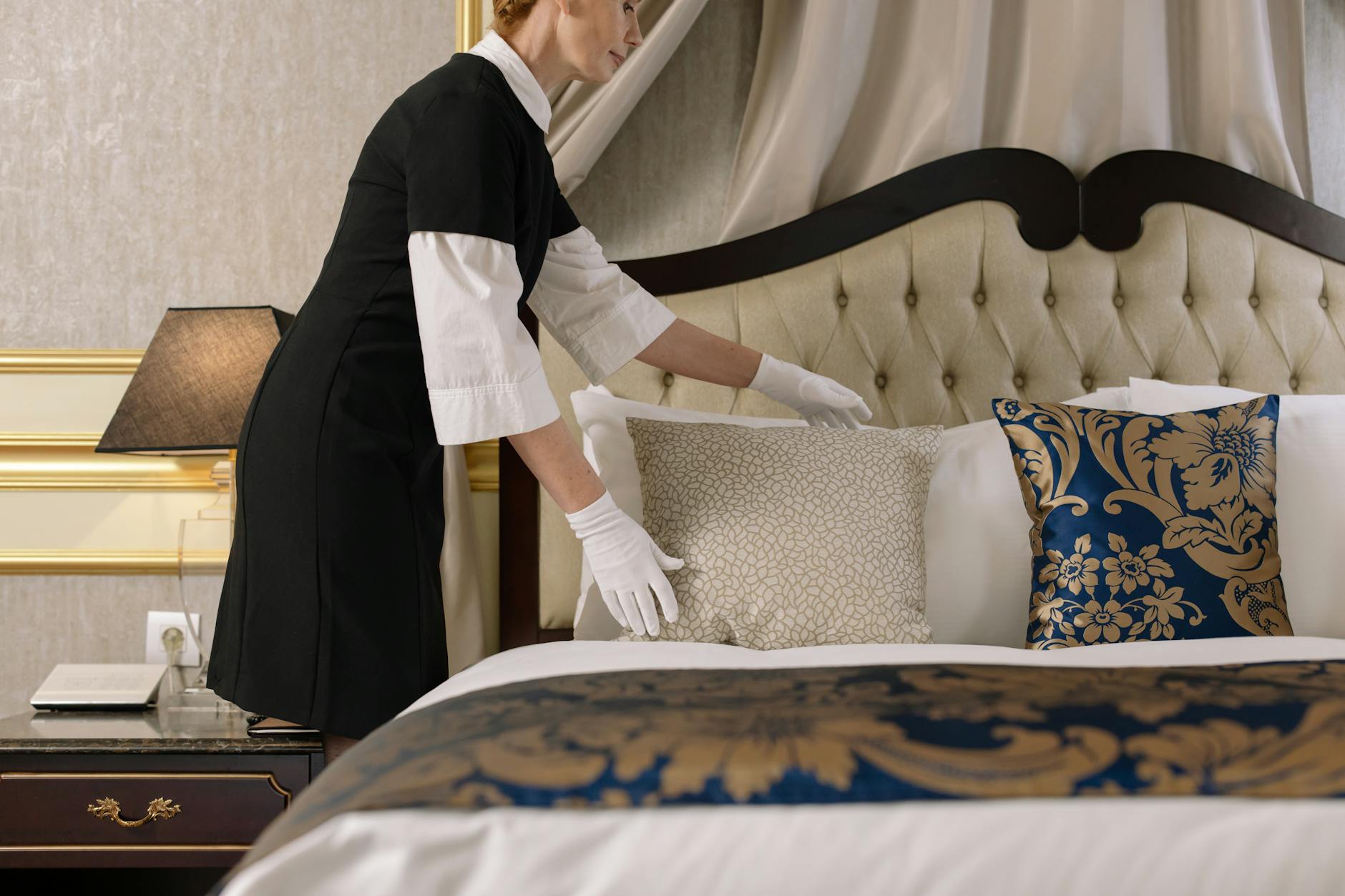
Hotel pillows endure continuous use across hundreds of guests and are replaced or deep-cleaned far less often than sheets or pillowcases. The pillowcase is changed between guests, but the pillow itself absorbs sweat, skin oils, and allergens over time in ways that a weekly launder cannot fully reverse. Many hotels go months without properly sanitizing or replacing pillows, particularly in budget-tier properties. Dust mites thrive in pillow filling and represent a common concern for allergy sufferers who travel frequently. Bringing a personal pillowcase or a travel pillow has become a standard practice for health-conscious guests.
Minibar
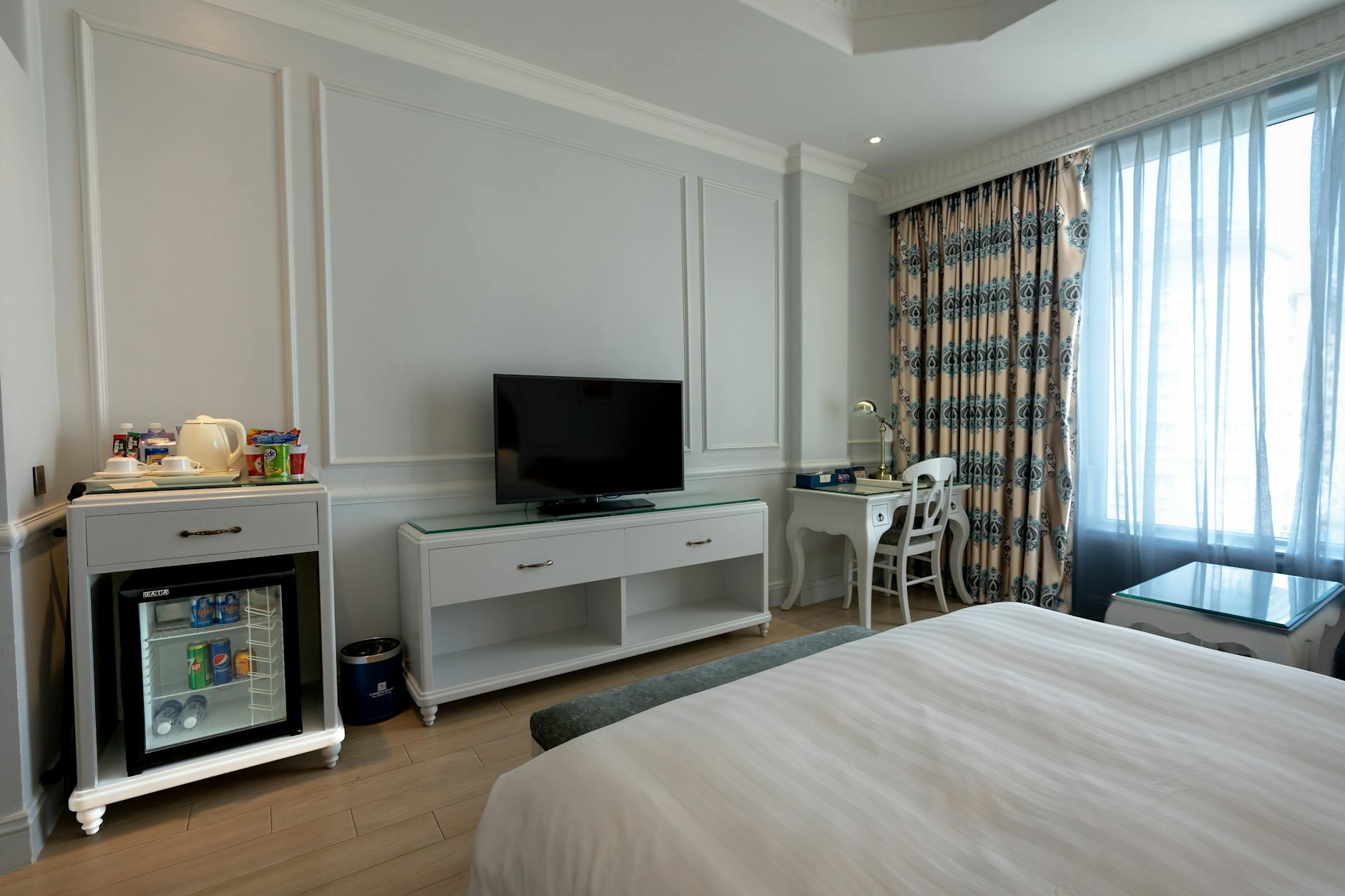
The minibar and its surrounding surfaces are areas where housekeeping attention is often minimal beyond restocking products and checking inventory. The interior of the minibar unit, including shelving and walls, may be wiped infrequently and can accumulate spills from previous guests. Products placed back into the minibar after being touched or moved are rarely sanitized before the next guest checks in. In some cases, items that appear sealed have been found tampered with or returned by prior guests, a problem that has led to guest complaints at properties worldwide. Inspecting seals and cleanliness of minibar items closely before consuming anything is a reasonable precaution.
Mop and Bucket
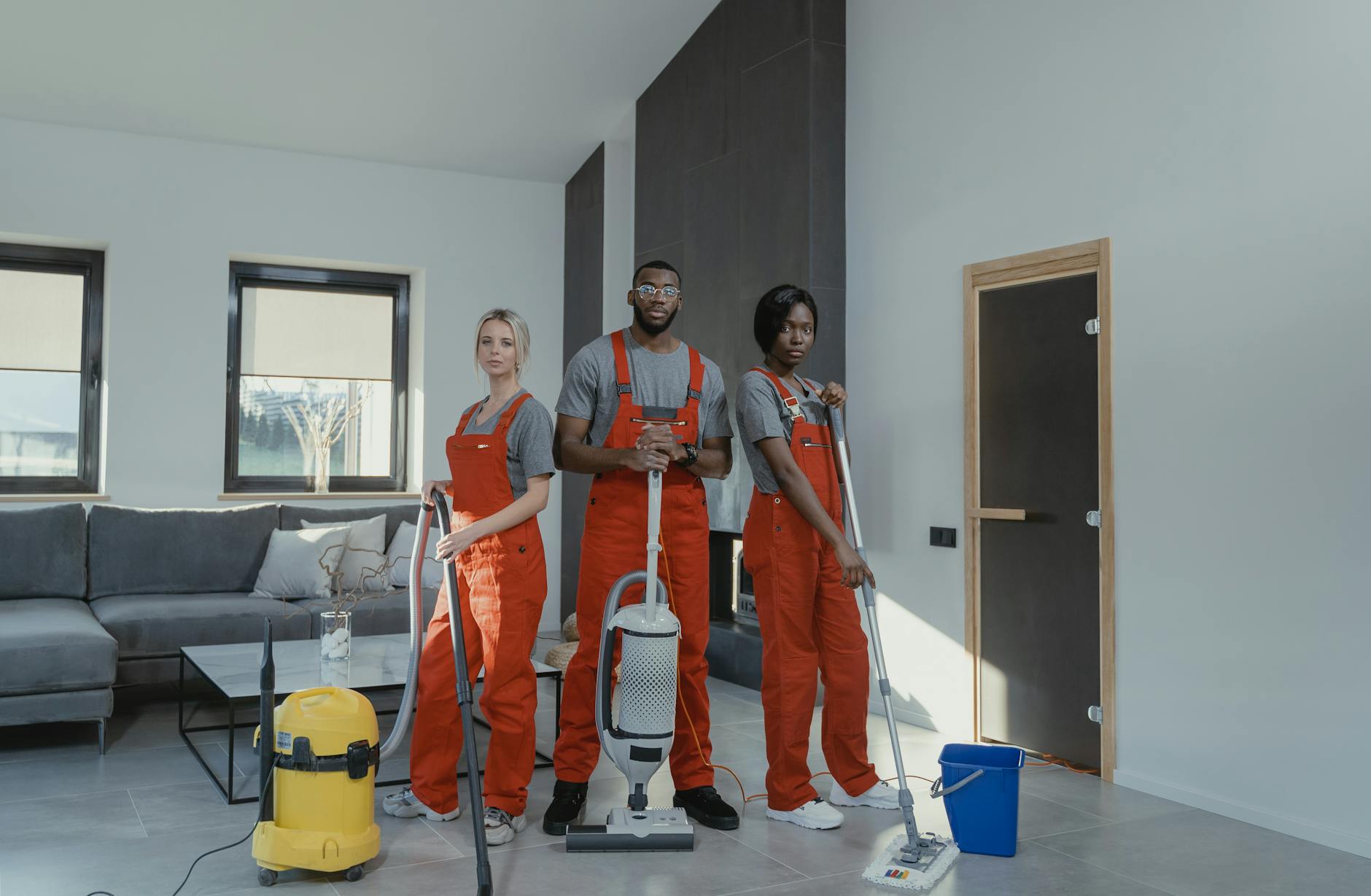
The mop and cleaning bucket used in hotel room maintenance are pieces of equipment that often spread bacteria rather than remove it. Reusing a single mop across multiple rooms without changing the water or disinfecting the head transfers contaminants from one space to another. Studies in hospitality hygiene have found that mop water in high-turnover cleaning routines can become heavily contaminated within the first few rooms cleaned. Hard floors that appear mopped may actually be coated in diluted dirty water rather than a clean sanitizing solution. Housekeeping training and equipment replacement protocols vary widely across hotel categories and management standards.
Phone
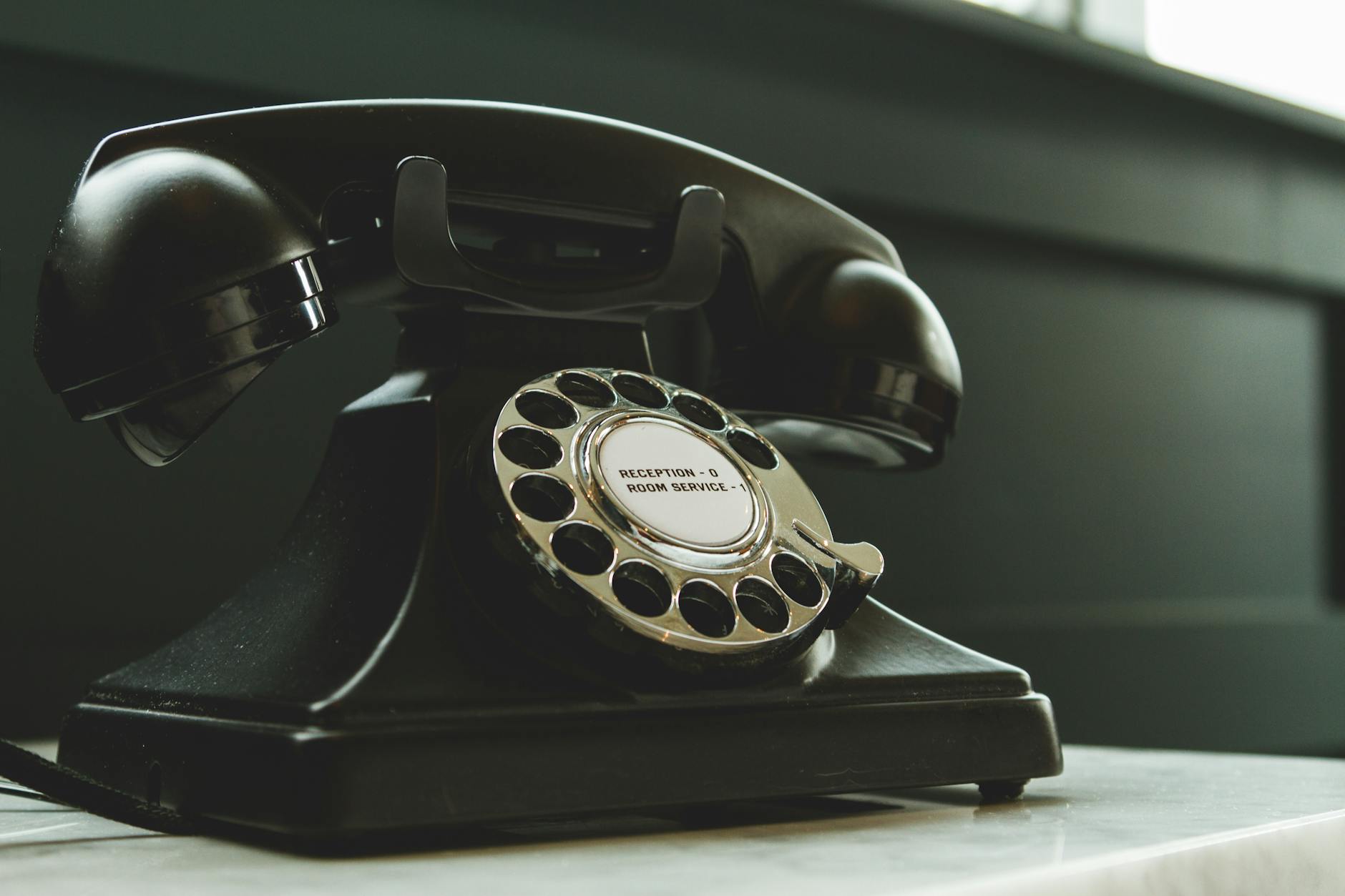
The telephone handset in a hotel room is pressed directly against the face and mouth, making it one of the most hygienically significant contact surfaces in the space. Despite this, phones are rarely wiped down thoroughly during standard housekeeping routines and may go days between any form of cleaning. Studies measuring bacterial load on hotel surfaces have placed phones consistently among the top offenders alongside remotes and switches. The earpiece and mouthpiece are particularly problematic given how difficult they are to sanitize without damaging the device. Guests who use the room phone regularly are advised to disinfect the handset before their first call.
Air Conditioner
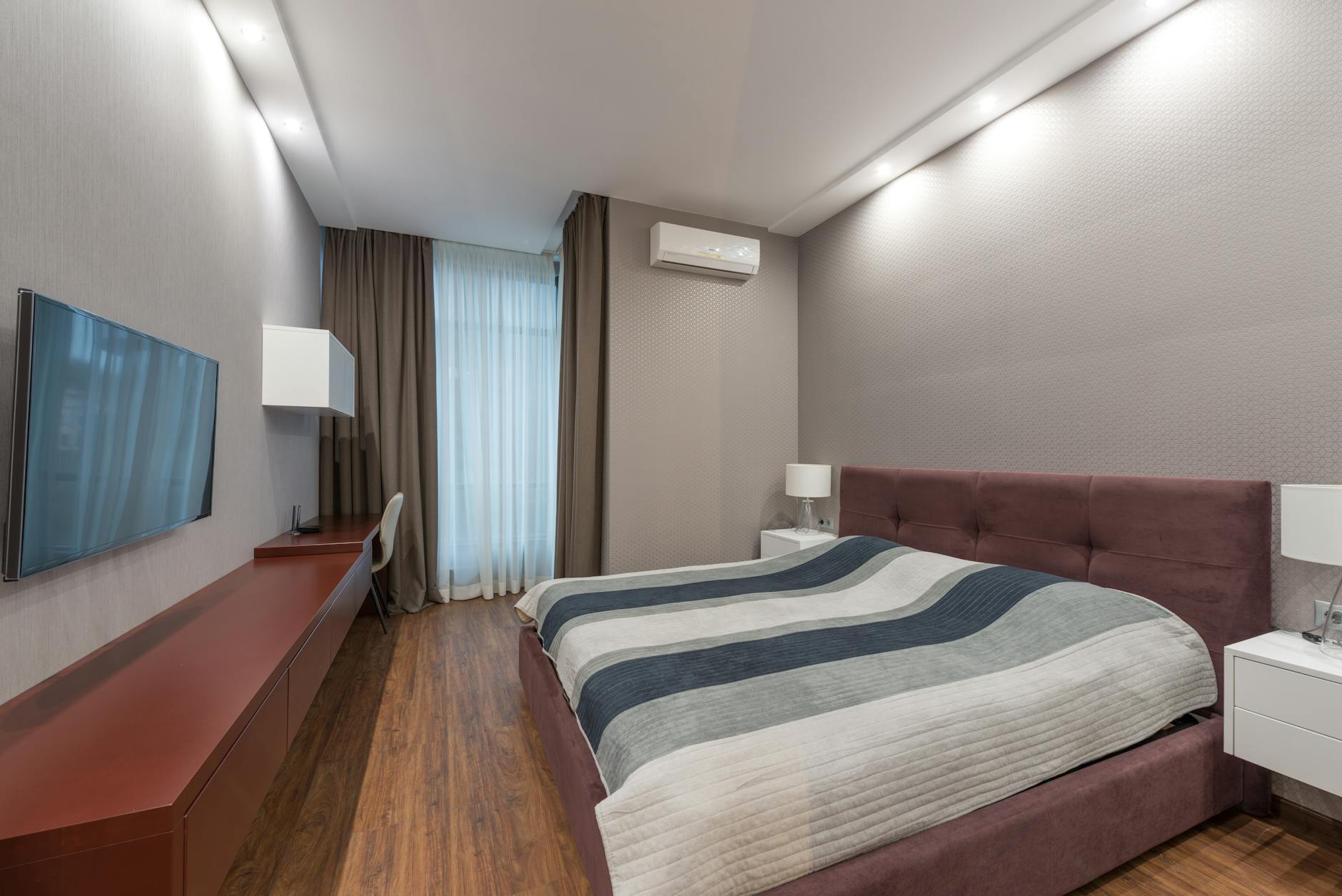
The air conditioning unit in a hotel room circulates air throughout the space continuously, but the filters and vents within these units are cleaned on an infrequent basis. Dust, allergens, mold spores, and bacteria accumulate in filters and vent covers over time, and they are then dispersed into the air guests breathe throughout their stay. Maintenance schedules for HVAC cleaning in hotels are driven largely by cost considerations rather than hygiene standards. Guests with respiratory sensitivities often notice symptoms within hours of arrival that clear up once they return home, with room air quality being a likely factor. Requesting a room change if the unit emits any unusual odor is a straightforward step that hotel staff should accommodate readily.
If any of these hotel hygiene revelations have caught you off guard, share your own hotel experiences and travel tips in the comments.