
From flashy accessories to carefully curated social media feeds, the performance of wealth has become a recognizable cultural phenomenon. Many people go to surprising lengths to appear more affluent than they actually are, often without realizing how transparent these signals can be to those who are genuinely wealthy. The habits and choices that are meant to signal luxury often do the opposite, revealing a preoccupation with appearances over substance. Understanding these patterns can offer a fascinating window into social psychology and the complicated relationship modern culture has with money and status.
Designer Logos
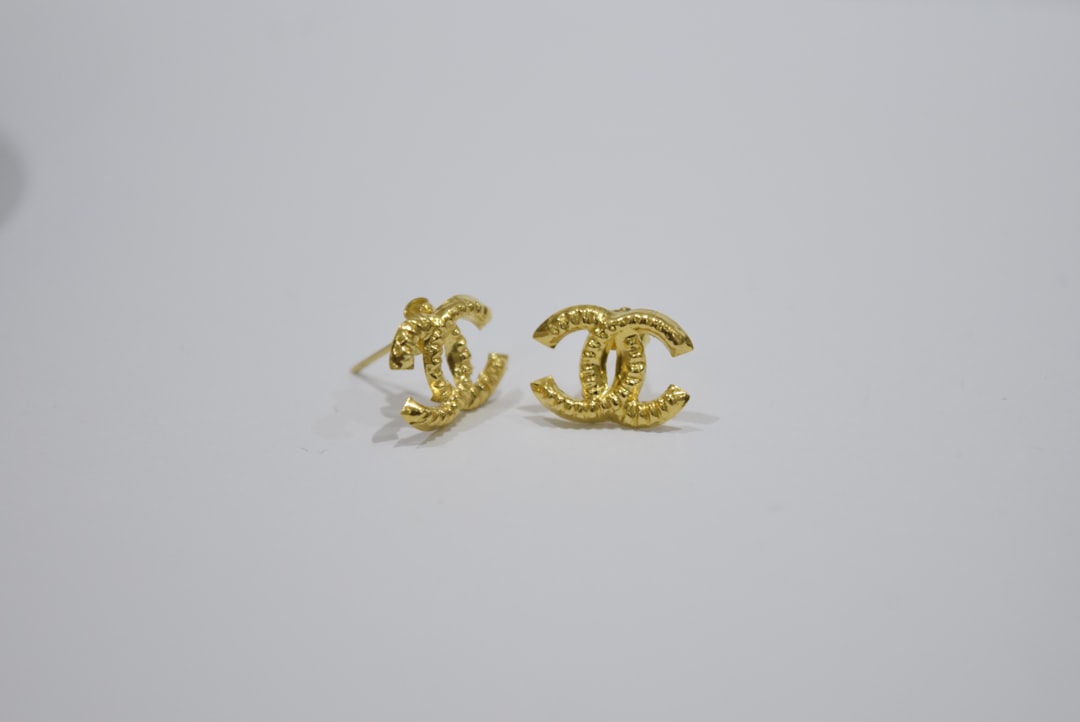
Wearing head-to-toe visible luxury logos is one of the most widely recognized markers of performative wealth. Genuinely affluent individuals tend to gravitate toward understated pieces, often from brands that signal taste rather than price tags. When every item from hat to shoes bears a prominent monogram or brand name, it suggests the outfit is being worn as a status announcement rather than a personal style choice. People deeply familiar with fashion can immediately distinguish between someone who buys for quality and someone who buys for recognition. The irony is that the loudest logos often come from the most accessible lines within a luxury brand’s range.
Luxury Car Leases

Pulling up in a high-end vehicle is a classic move in the fake-it-till-you-make-it playbook, particularly when the car is leased rather than owned. Leasing an expensive car while living in a modest apartment or struggling with other finances creates a visible imbalance that is hard to ignore. Wealthy individuals are often known for driving practical, well-maintained vehicles without feeling the need to broadcast their net worth through horsepower. The monthly cost of leasing a luxury vehicle can consume a disproportionate chunk of a middle-income budget. What reads as success to some reads as overextension to those who understand how wealth actually accumulates.
Bottle Service

Ordering bottle service at a nightclub is one of the most expensive and most transparent ways people perform affluence in social settings. The ritual of sparklers, ice buckets, and branded bottles is designed for maximum visibility, signaling to the room that the table is worth watching. For those doing it to impress rather than out of genuine preference, the cost relative to actual income can be staggering. People who are genuinely wealthy often prefer private events or members-only venues where exclusivity is the point rather than the spectacle. Spending several months of rent on a single night out for the sake of appearances rarely goes unnoticed by people who actually know money.
Fake Watches
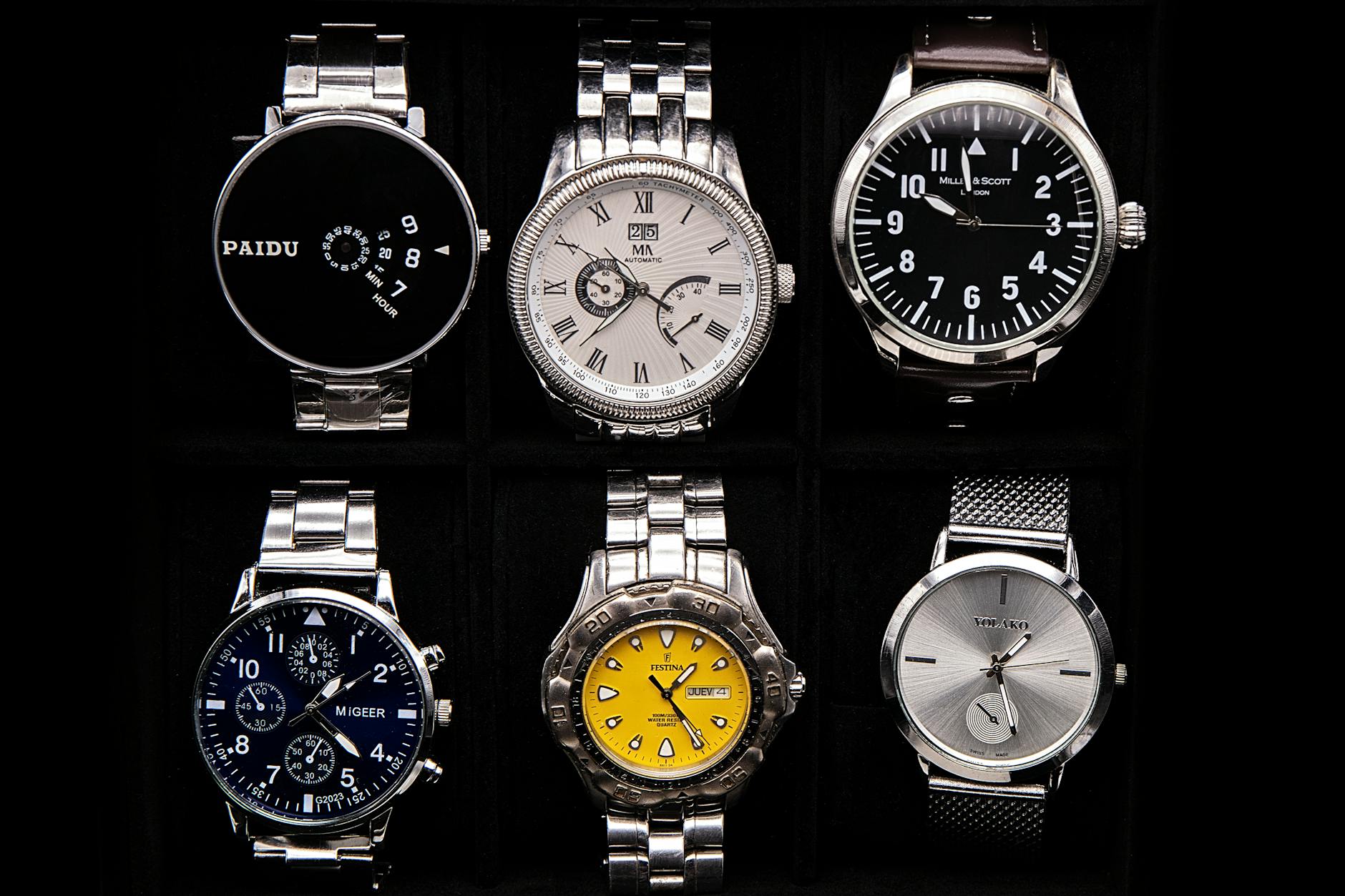
Wearing counterfeit luxury watches is a practice that has persisted for decades, often with the hope that no one will look closely enough to notice. Among watch enthusiasts and collectors, identifying a replica takes only seconds, from the weight of the case to the movement of the second hand. The replica watch market thrives on the aspiration to signal sophistication, but it frequently backfires in circles where horology is taken seriously. Authentic timepiece collectors tend to be deeply knowledgeable and can spot inconsistencies in dial printing, crown finishing, and bracelet construction immediately. Choosing a well-made watch within one’s actual budget consistently reads as more self-aware and confident than a poorly executed imitation.
Exaggerated Travel Posts

Posting heavily curated travel content that implies a lifestyle of constant luxury travel is a staple of performative wealth on social media. A single trip to a destination with an aspirational reputation is often stretched across weeks of content to give the impression of a jet-setting existence. Many of the most-photographed hotel lobbies, infinity pools, and airport lounges are open to day visitors or accessible through very modest spending. The gap between the manicured feed and the reality of budget flights and shared rooms is something seasoned travelers tend to recognize quickly. Authentic frequent travelers are often more focused on experience than documentation.
Name Dropping
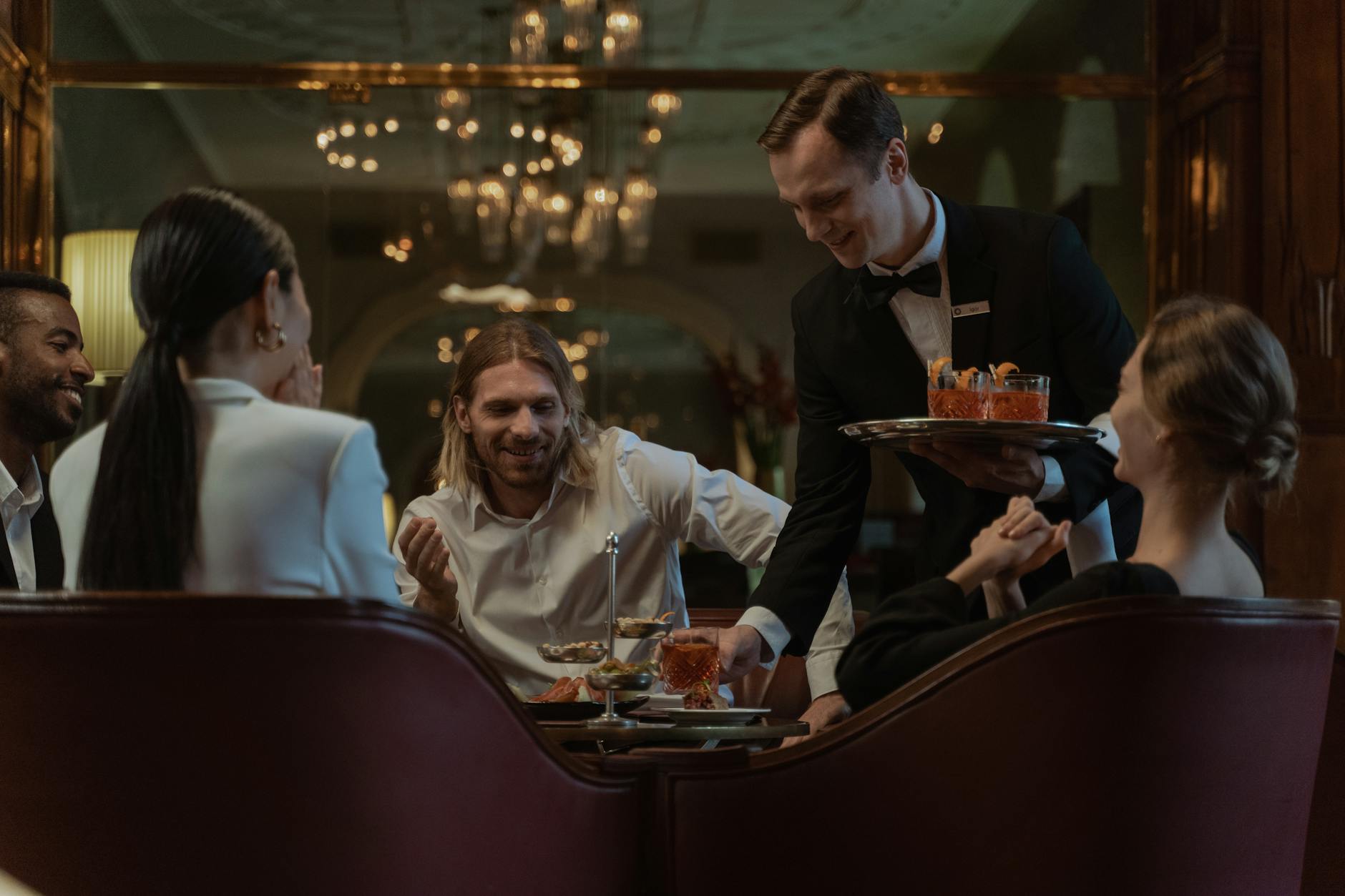
Casually referencing expensive restaurants, exclusive clubs, or high-profile acquaintances in conversation is a telling social habit associated with performed status. People who are genuinely embedded in affluent circles rarely feel the need to announce it, because their network already knows. Name dropping tends to create discomfort in conversation rather than admiration, particularly when the references feel forced or disconnected from the topic at hand. It signals a preoccupation with proximity to prestige rather than actual participation in it. Those with authentic social capital tend to let their associations speak for themselves without narration.
First Class Upgrades

Splurging on a business or first class flight as a one-time event and then broadcasting it extensively is a pattern that reveals more about aspiration than actual travel habits. Frequent flyers at that level rarely photograph their meal service or seat configuration because it is simply their normal. Using points, companion tickets, or a single upgrade to frame an entire identity around premium travel can come across as more performative than impressive. Airlines and loyalty programs offer numerous pathways to upgraded seats that have little to do with disposable income. The announcement of the experience tends to matter more to the poster than to their audience.
Rented Luxury Stays

Booking a luxury villa or five-star hotel for a weekend and presenting it as a typical lifestyle choice is a common social media strategy for projecting wealth. Short-term rental platforms have made it possible to stay in extraordinary properties for a fraction of what long-term access would cost. The photographs circulated from these stays rarely acknowledge the practical reality of the booking. Audiences who are actually affluent recognize that a single aspirational stay does not reflect a person’s financial reality. The energy spent constructing the impression could often be redirected toward the actual financial goals that would make such stays genuinely routine.
Luxury Gym Memberships
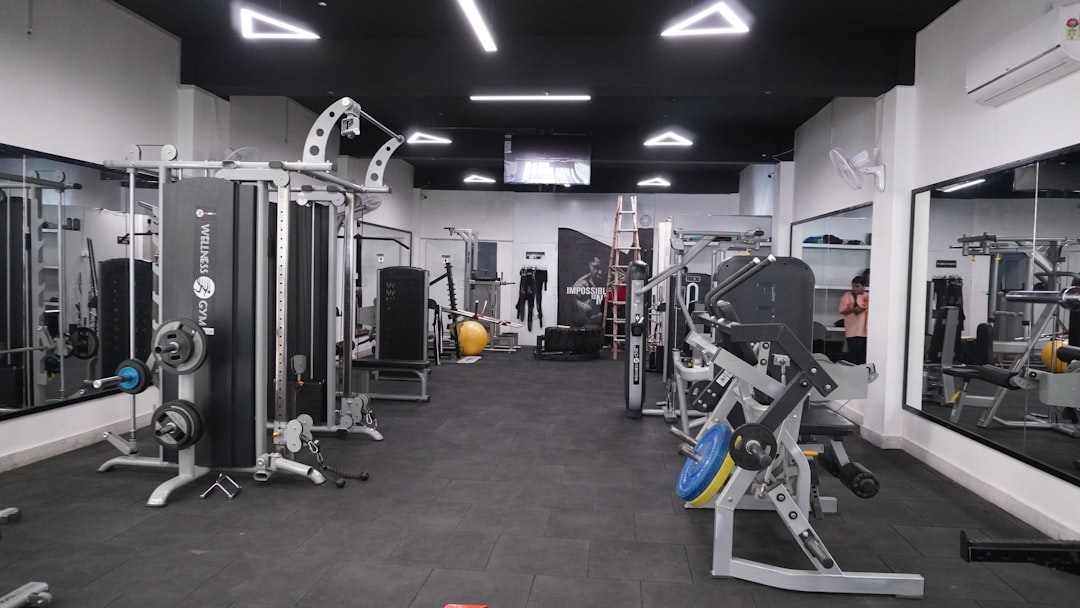
Joining an exclusive or celebrity-favored gym and making it a centerpiece of one’s identity is a softer but recognizable form of status signaling. Premium fitness clubs in major cities can cost several hundred dollars a month, and membership is often discussed in terms of who else attends rather than the quality of the workout. For people stretching their budgets to afford the membership, the financial trade-off can be significant compared to equally effective alternatives. Fitness results are determined by consistency and effort rather than the prestige of the facility. The conversation around where one works out often reveals more about insecurity than health priorities.
Overstating Business

Describing a side project, small Etsy shop, or freelance gig as a thriving business empire is a habit that has grown alongside the rise of entrepreneurial culture. Terms like CEO, founder, and entrepreneur are increasingly applied to ventures that have yet to generate meaningful or consistent income. People with genuinely successful businesses tend to be more measured in how they describe their operations, often letting results and reputation speak rather than titles. Inflated professional language on social media profiles and in conversation can create expectations that are difficult to sustain. The performance of entrepreneurial success often signals the absence of it more than its presence.
Constantly Discussing Money

Frequently bringing up money, prices paid, or financial transactions in casual conversation is one of the most consistently identified traits of performative wealth. People who are genuinely comfortable financially rarely find it necessary to mention specific amounts or volunteer cost information unprompted. Announcing what something cost, whether high or low, keeps money at the center of social interaction in a way that tends to make others uncomfortable. Authentic affluence is typically characterized by a quiet confidence that requires no financial scorekeeping. The compulsion to keep others updated on one’s spending reflects anxiety about perception rather than security.
Aesthetic Hauls

Posting elaborate haul videos or unboxing content filled with designer purchases, even when those purchases represent significant financial sacrifice, is a modern iteration of keeping up with appearances. The format rewards spectacle over context, encouraging viewers to interpret the volume and branding of products as evidence of a comfortable lifestyle. Creators in this space often acknowledge privately that the content does not reflect their day-to-day financial reality. The aspirational packaging of the haul genre has made it one of the more influential drivers of overconsumption among younger audiences. What looks like abundance on camera frequently involves returns, financing arrangements, or carefully timed purchases built around content schedules.
Luxury Skincare Stacking
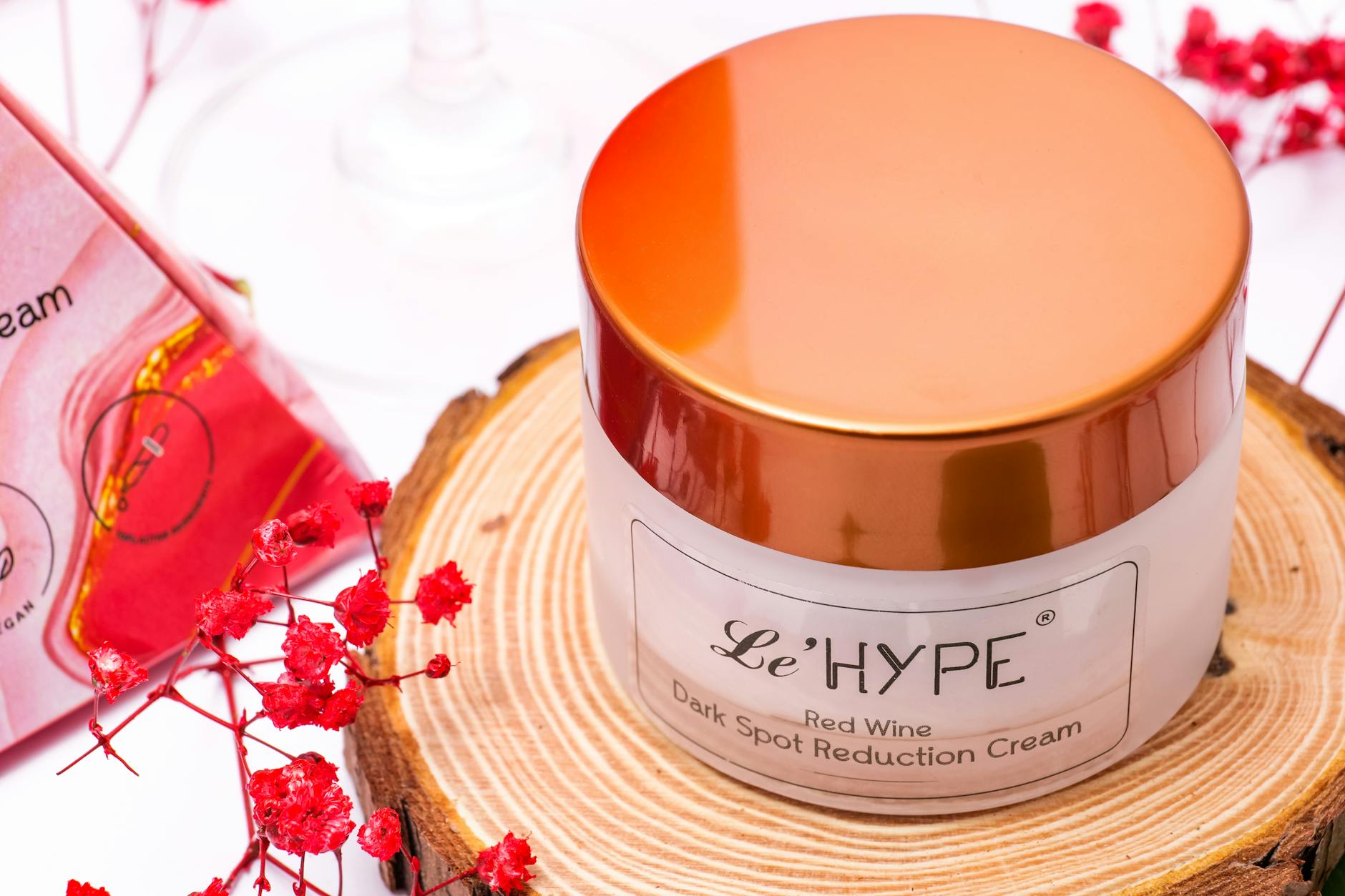
Displaying an elaborate collection of high-end skincare products as a signal of refinement and self-care is a trend that blurs the line between genuine interest and performance. While premium skincare does include genuinely effective formulations, the visual presentation of an expensive shelf does not necessarily reflect skin health or product knowledge. Dermatologists consistently point out that results come from a few well-chosen active ingredients rather than the volume or price of a collection. Purchasing luxury serums and creams to photograph alongside coffee and linen is a recognizable aesthetic that prioritizes presentation over function. The skincare shelf has become a modern prop in the visual language of aspirational living.
Private Members Clubs

Joining or referencing membership in exclusive social clubs as a conversational centerpiece is a status move that often misses its mark. Genuine members of prestigious institutions tend to be circumspect about their affiliations, as discretion is itself part of the culture of those spaces. Some private clubs that have gained social media prominence have broadened their membership criteria in ways that dilute the exclusivity they once represented. Bringing up club membership in contexts where it is irrelevant signals that the affiliation is more important to the speaker than to the audience. Those for whom such memberships are truly routine rarely feel compelled to announce them.
Overpriced Coffee Rituals
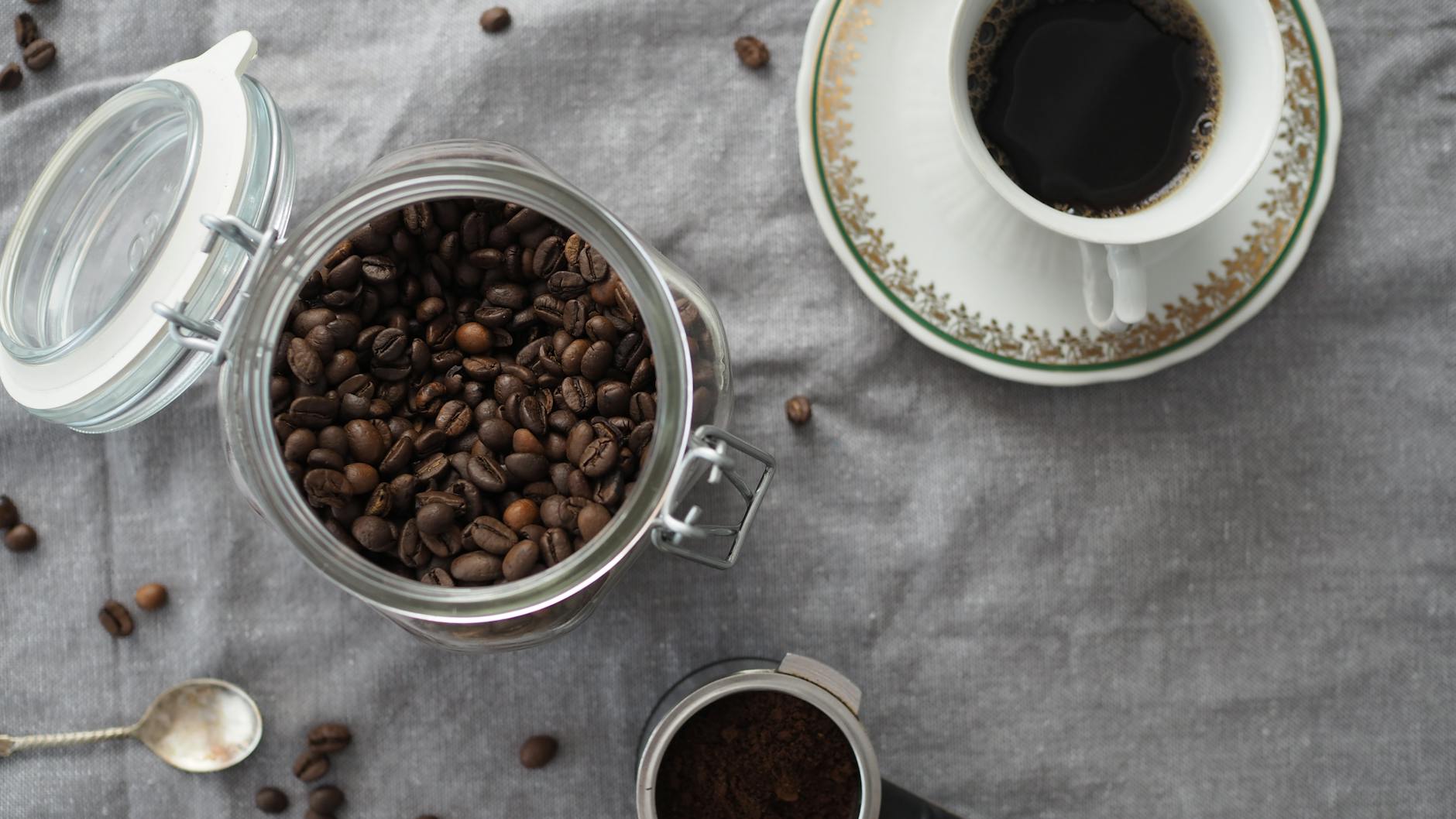
Building a visible identity around a daily luxury coffee habit, whether through elaborate home setups or consistent visits to the most expensive café in town, is a low-stakes but telling form of status signaling. The ritual of expensive coffee has been so thoroughly aestheticized that it now functions as a lifestyle shorthand for taste and refinement. For many, the expense is justified in the context of genuine enjoyment and a manageable budget. The performance aspect emerges when the coffee choice is communicated more than it is enjoyed, functioning as a recurring announcement of refined taste. What is intended to signal discernment often reads as an effort to establish credibility through consumption.
Gifting Performances

Giving extravagant gifts in public settings or documenting generosity extensively on social media repositions what might otherwise be a private gesture into a status display. Genuine generosity tends to be private and consistent rather than curated for an audience. When the documentation of the gift appears to matter as much as the gift itself, the motivation becomes transparent to those receiving it and those watching. Wealth is not typically demonstrated through intermittent dramatic gestures but through a sustained capacity for thoughtful support and stability. Performative generosity often registers as a transaction in which admiration is the expected return.
Overextended Wardrobes

Maintaining a closet full of clothing that reflects a lifestyle far removed from one’s daily reality is a form of aspirational consumption that rarely goes unnoticed. Owning formalwear, resort collections, and occasion-specific luxury pieces that are never worn outside of social media creates a wardrobe that functions more as a set than a reflection of actual life. Stylists and fashion insiders consistently identify intentional, well-edited wardrobes as the true marker of considered taste. The quantity of aspirational clothing tends to increase in inverse proportion to the clarity of actual personal style. A wardrobe curated for performance rather than life tends to age quickly in both physical and cultural terms.
Expensive Stroller Culture
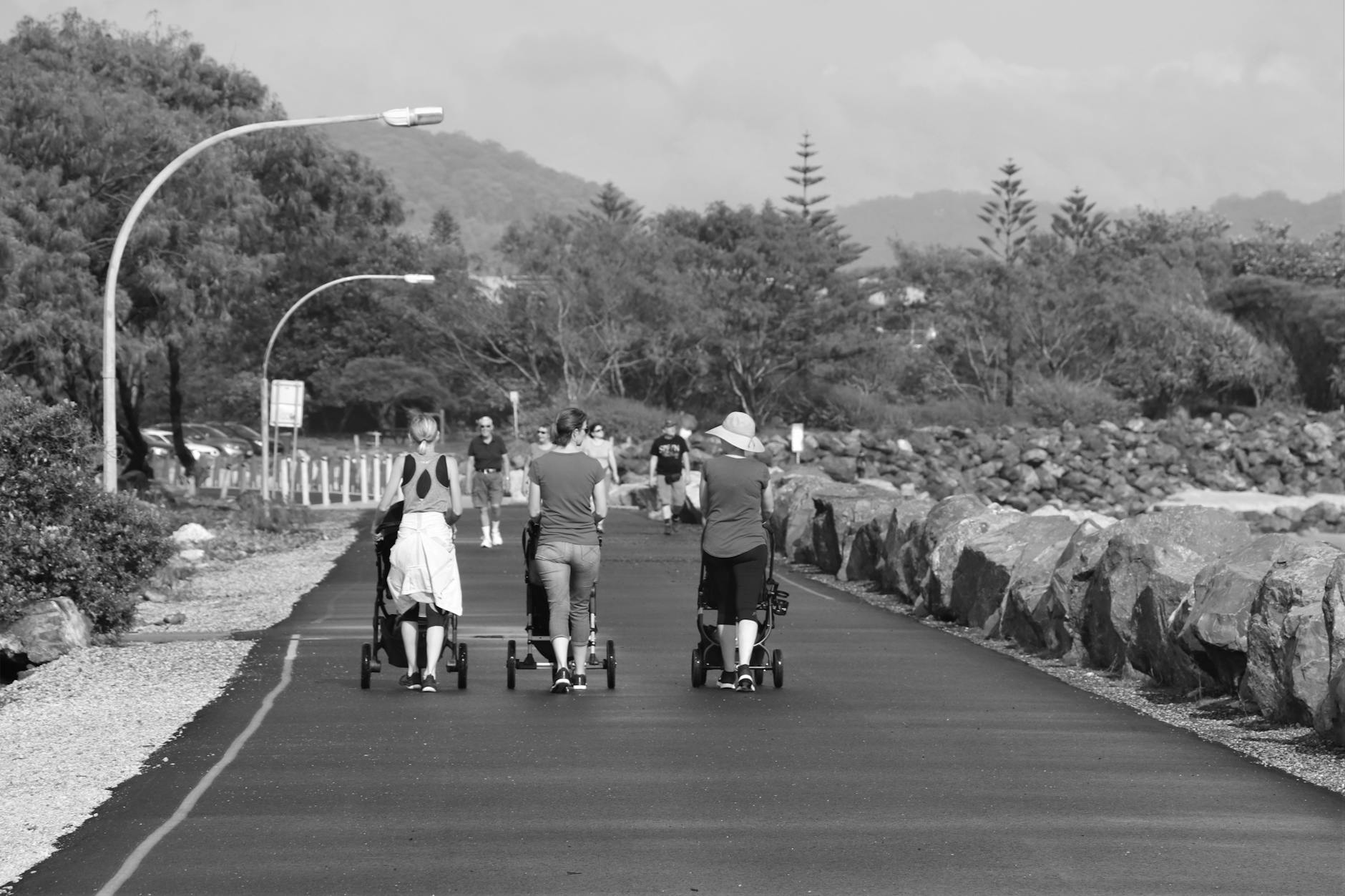
In certain affluent urban neighborhoods, the brand of pram or stroller a parent uses has become a recognizable marker in the performance of family wealth. High-end stroller brands retail at prices comparable to economy flights or months of groceries, and their prominence in certain communities signals participation in a particular social register. Parents who invest significant portions of their budget in these items to fit into neighborhood social dynamics are engaging in a very specific form of conspicuous consumption. Child development experts consistently note that the equipment surrounding a child has no bearing on their wellbeing or development outcomes. The social pressure that makes these purchases feel necessary is itself a product of the performance culture they sustain.
Subscription Stacking
Holding and broadcasting subscriptions to every premium service, platform, and membership available has become a subtle but recognizable way of signaling disposable income. From streaming platforms to premium news outlets to curated lifestyle boxes, the accumulation of subscriptions can run to several hundred dollars a month. For those who subscribe beyond what they actually use or need, the collection functions more as an identity statement than a practical set of services. People who are genuinely financially comfortable tend to be more selective about recurring costs rather than more expansive. The irony of subscription stacking is that it often reflects a desire to appear abundant while quietly contributing to financial thinning.
Social Media Flexing

Crafting an entire social media presence around the visual language of wealth, from angles to filters to carefully selected backgrounds, represents perhaps the most labor-intensive form of financial performance available. The effort required to consistently produce content that implies a lifestyle of ease and affluence is itself a contradiction of the carefree image being projected. Followers who are digitally literate can often identify repeated locations, recycled outfits, and inconsistencies in the narrative of a luxury lifestyle. The platforms that have made this kind of performance most visible have also created communities dedicated to identifying and discussing it. Genuine financial confidence rarely requires a production schedule.
What patterns of performative wealth have you noticed in your own life or surroundings? Share your thoughts in the comments.