Adopting a greener lifestyle starts with small and manageable changes rather than demanding perfection immediately. The kitchen serves as the heart of the home where significant environmental impact occurs through daily cooking and cleaning habits. You do not need to fit a year of trash into a mason jar to make a difference for the planet. Sustainable choices often lead to saving money and eating healthier food while reducing your overall carbon footprint. This guide provides practical steps anyone can take to create a more eco-friendly cooking space.
Beeswax Food Wraps

Beeswax wraps serve as an excellent reusable alternative to single-use plastic cling wrap. These malleable covers use the warmth of your hands to seal around bowls or wrap directly around produce. You can wash them easily with cool water and mild soap to use them again and again. They typically last for about a year before they can be composted at home. Using these wraps adds a colorful and natural touch to your refrigerator organization.
Silicone Baking Mats

Parchment paper and aluminum foil create unnecessary waste after just one baking session in the oven. High-quality silicone baking mats provide a durable nonstick surface that withstands high temperatures repeatedly. You simply wipe them clean or wash them in the dishwasher after baking cookies or roasting vegetables. They prevent food from sticking without the need for cooking sprays or oils. Investing in a set eliminates the need to constantly purchase disposable baking liners.
Glass Storage Containers

Glass storage containers offer a durable alternative to disposable plastic bags for keeping leftovers fresh. You can see exactly what food you have inside which helps prevent forgotten meals from spoiling in the back of the fridge. These containers do not absorb odors or stain like plastic often does over time. Many brands design them to be stackable to maximize your shelf space efficiently. Investing in a high-quality set ensures you reduce single-use plastic consumption significantly over the years.
Reusable Produce Bags

Thin plastic bags from the grocery store produce section often end up in the trash immediately after unloading groceries. Lightweight mesh or cotton bags allow you to transport fruits and vegetables without generating waste. These bags are breathable and can actually help keep certain produce fresher for longer periods. You can keep a stash of them inside your larger shopping totes so you never forget them. They are machine washable and durable enough to carry heavy items like apples and potatoes.
Compost Countertop Bin

Food scraps buried in landfills generate methane gas which contributes heavily to global warming. Keeping a small bin on your counter encourages you to collect fruit peels and vegetable trimmings for composting. Many modern designs include charcoal filters to completely neutralize any potential odors. You can empty the contents into a backyard pile or a municipal compost collection bin weekly. This simple habit significantly reduces the volume of garbage your household produces each week.
Vegetable Scrap Stock
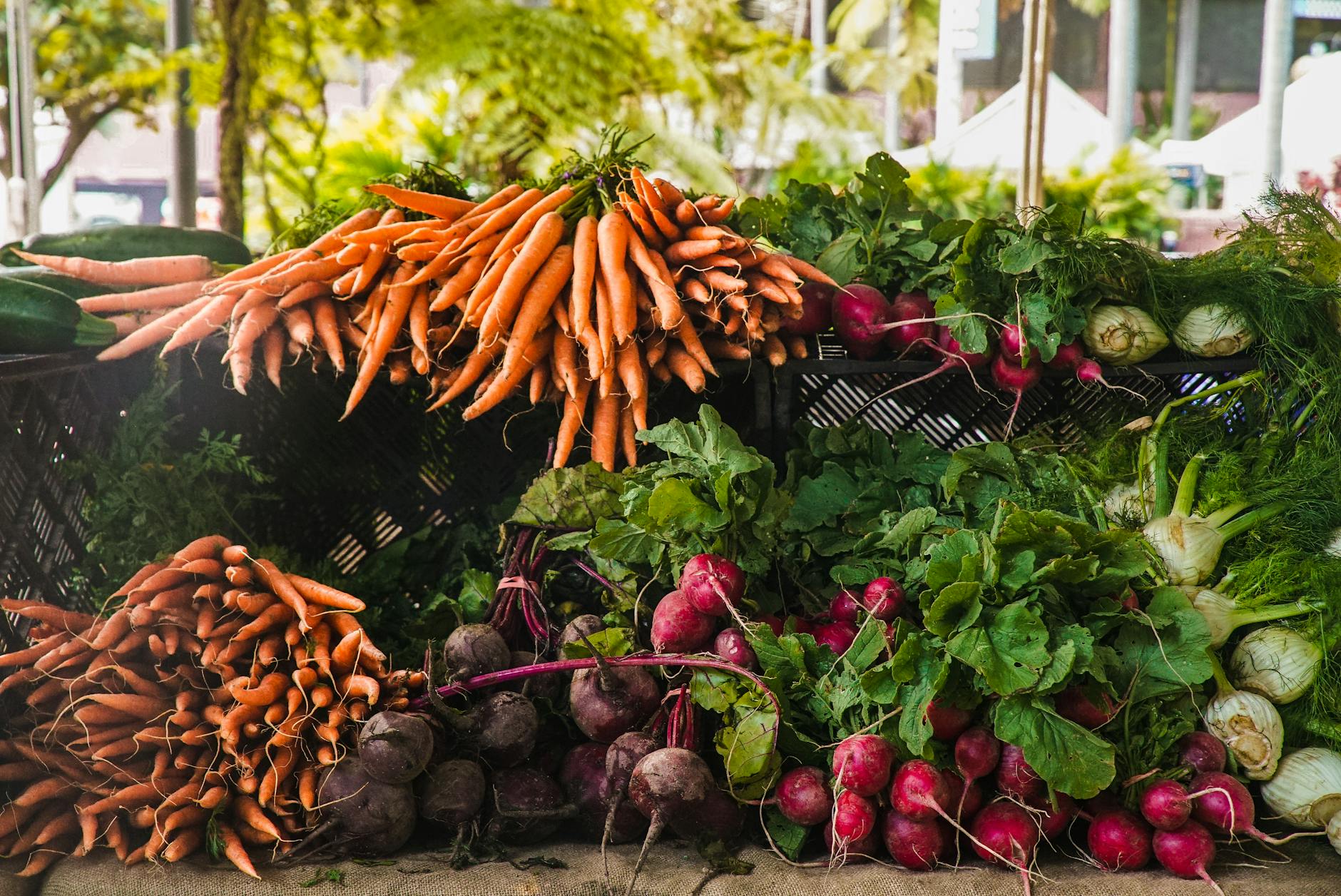
Vegetable peels and ends often contain flavor and nutrients that get discarded during meal preparation. You can keep a dedicated bag in your freezer to collect onion skins and carrot tops until it is full. Boiling these scraps with water creates a rich and delicious vegetable broth for soups and sauces. This practice extracts every bit of value from your grocery purchase before composting the remains. It saves money on store-bought stock and reduces packaging waste simultaneously.
Meal Planning

Planning your meals for the week ahead prevents impulse purchases that often lead to food waste. You only buy exactly what you need for the recipes you intend to cook. This strategy helps you utilize ingredients across multiple meals to ensure everything gets used efficiently. It reduces the likelihood of ordering takeout in plastic containers on busy weeknights. A structured plan keeps your refrigerator organized and ensures fresh produce is eaten before it spoils.
First In First Out Method

Organizing your pantry and refrigerator by the First In First Out method ensures older items get used before new ones. You place newer groceries behind the older products so you naturally grab the items with earlier expiration dates. This professional kitchen technique drastically cuts down on food spoilage and waste at home. It helps you keep track of what you have in stock so you do not accidentally overbuy. Keeping older items visible encourages you to get creative with ingredients you already have.
Buying in Bulk

Purchasing dry goods like rice and beans from bulk bins reduces the amount of packaging waste entering your home. You can bring your own jars or bags to fill up on exactly the quantity you need for your pantry. This method is often cheaper per pound than buying pre-packaged versions of the same items. It allows you to try small amounts of new ingredients without committing to a full package. Shopping this way supports a circular economy and reduces demand for single-use plastics.
Reusable Water Bottles

Single-use plastic water bottles are a major source of pollution and are expensive to purchase regularly. Keeping a durable stainless steel or glass bottle filled in the fridge encourages better hydration habits. You can install a simple filter on your tap if you are concerned about water quality. Having a reusable bottle ready to go makes it easier to refuse bottled water when you are out. This simple swap saves hundreds of dollars annually and prevents plastic waste.
Cloth Napkins

Paper napkins and towels require significant resources to produce and are used for only seconds. Switching to cloth napkins elevates your daily dining experience while reducing household waste. You can find inexpensive sets at thrift stores or make them from old tablecloths and clothing. They can be tossed in with your regular laundry loads without adding much work to your routine. This small change adds a sense of occasion to even simple weeknight dinners.
Swedish Dish Cloths

These cellulose sponge cloths replace regular paper towels for wiping counters and cleaning up spills. One Swedish dish cloth can absorb twenty times its weight in liquid and replaces up to seventeen rolls of paper towels. You can sterilize them in the microwave or wash them in the dishwasher when they get dirty. They dry very quickly which prevents bacteria growth and odors common in traditional sponges. When they eventually wear out they are fully biodegradable and compostable.
Eco-Friendly Dish Soap

Conventional dish soaps often contain phosphates and chemicals that can be harmful to aquatic life. Choosing plant-based and biodegradable options ensures that your greywater is safer for the environment. Many sustainable brands offer concentrated refills that use significantly less plastic packaging. You can also find solid dish soap blocks that eliminate plastic bottles entirely. These natural alternatives clean grease effectively without relying on harsh synthetic ingredients.
Natural Scrub Brushes

Plastic sponges release microplastics into the water system every time you wash the dishes. Brushes made from bamboo and natural plant fibers offer a sturdy and compostable cleaning solution. The wooden handles are often reusable with replaceable heads to minimize waste further. They look beautiful by the sink and dry out faster than synthetic sponges. Using natural materials connects your daily chores to a more organic and sustainable lifestyle.
Shopping Local Farmers Markets
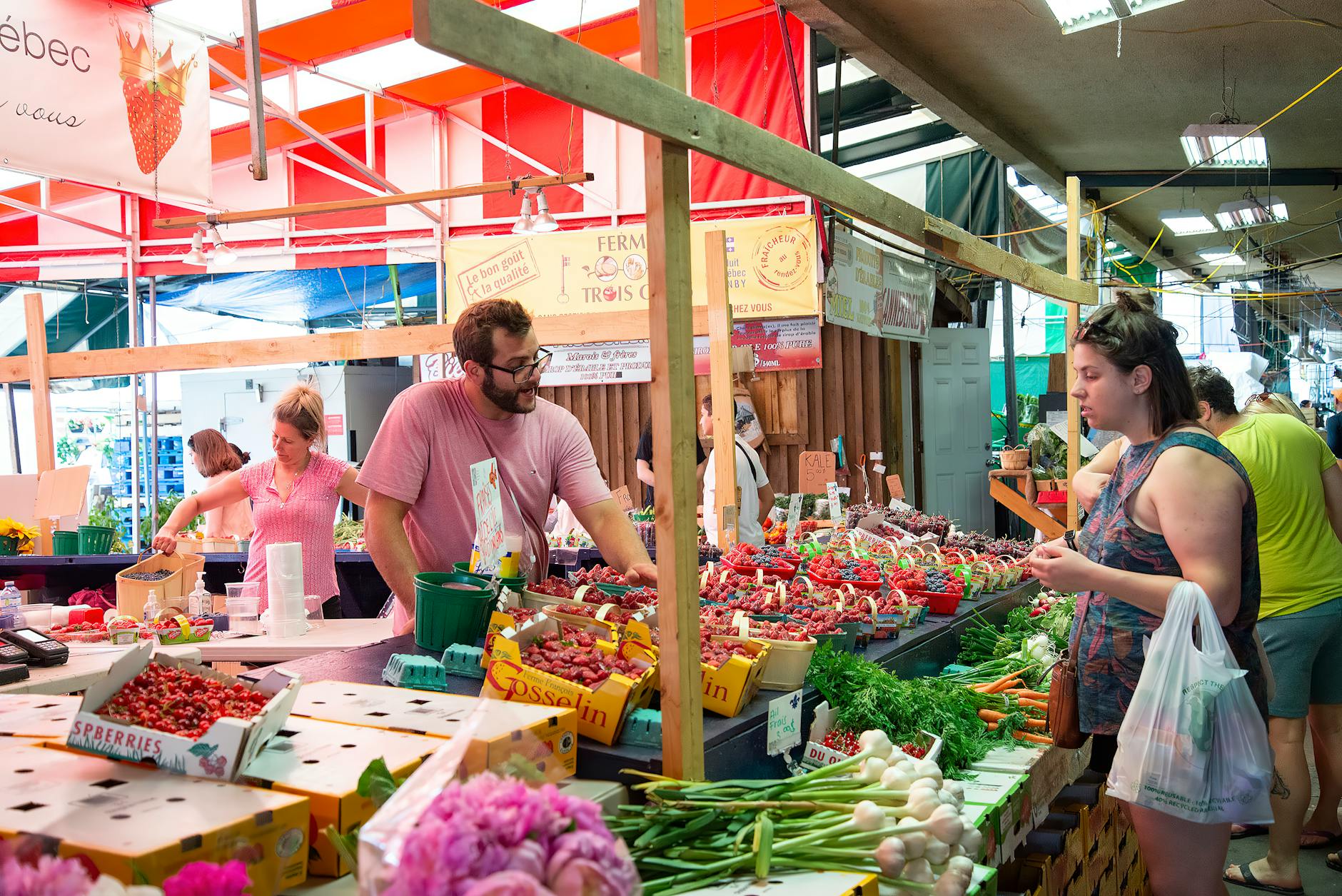
Food travels fewer miles to reach your plate when you buy directly from local growers. Produce found at farmers markets is often harvested within twenty-four hours and lasts longer than supermarket options. You support your local economy and help preserve open farmland in your community. Most vendors use minimal packaging or will happily place items directly into your own bags. Eating locally connects you with the natural growing seasons of your specific region.
Seasonal Eating

Fruits and vegetables grown out of season require energy-intensive greenhouses or long-distance shipping. Prioritizing foods that are naturally in season reduces the carbon footprint associated with your diet. Seasonal produce usually tastes much better and offers higher nutritional value than stored items. It encourages culinary creativity as you adapt your recipes to what is currently available. This approach naturally aligns your diet with the cycles of nature.
Meatless Meals

Animal agriculture requires vast amounts of water and land resources compared to plant-based farming. Incorporating more plant-based meals into your weekly rotation significantly lowers your environmental impact. You do not need to become fully vegetarian to make a positive difference through your diet. Experimenting with lentils and beans introduces new flavors and textures to your cooking repertoire. Reducing meat consumption is one of the most effective individual actions for sustainability.
Energy Efficient Appliances

Modern appliances are designed to use significantly less electricity and water than older models. When it is time to replace a dishwasher or refrigerator look for high energy-star ratings. Using an efficient dishwasher actually uses less water than washing dishes by hand in the sink. Proper maintenance like cleaning coils and filters keeps them running at peak efficiency for years. Investing in quality appliances reduces energy bills and resource consumption over time.
Pressure Cooking
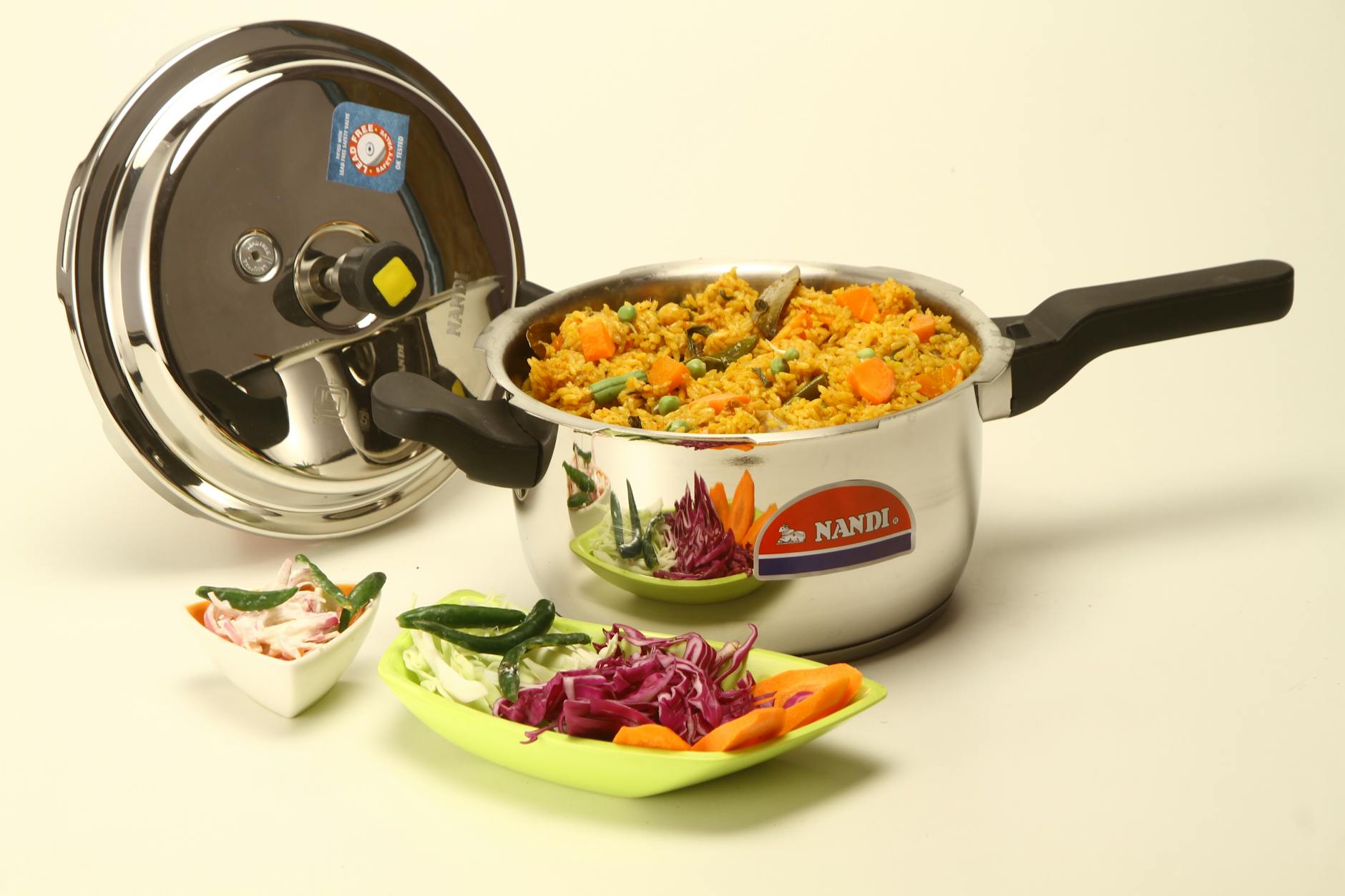
Pressure cookers dramatically reduce cooking times for foods that usually require long simmering periods. This method saves energy by retaining heat and cooking dried beans or tough cuts of meat quickly. Modern electric versions are safe and easy to use for busy home cooks. You can prepare wholesome meals from scratch without spending hours watching the stove. Using less energy for cooking contributes to a lower overall household carbon footprint.
Kettle Efficiency

Boiling a full kettle of water for just one cup of tea wastes a significant amount of electricity. You should measure only the water you need before turning the kettle on to boil. Electric kettles are generally more efficient than heating water on a stovetop burner. Descaling your kettle regularly ensures the heating element works effectively and quickly. This small mindfulness habit saves energy multiple times a day.
Cast Iron Cookware

Cast iron pans are incredibly durable and can last for generations with proper care. They provide a natural non-stick surface without the synthetic chemicals found in Teflon pans. You can use them on the stovetop and transfer them directly into the oven for versatility. Cooking with cast iron can even add small amounts of dietary iron to your food. Their longevity means you will rarely need to buy replacements.
Loose Leaf Tea

Tea bags often contain microplastics in the mesh that seal the leaves inside. Buying loose leaf tea eliminates this waste and typically provides a higher quality beverage. You can use a metal strainer or a reusable cotton tea bag for steeping. The used tea leaves can be composted directly without worrying about synthetic fibers. This ritual creates a more mindful tea experience while reducing plastic pollution.
Coffee Bean Grinding

Whole bean coffee stays fresh longer and reduces the surface area susceptible to oxidation. Buying beans in bulk or in paper bags avoids the waste of single-serve pods and plastic canisters. You can grind exactly the amount you need for your morning brew to ensure maximum flavor. The used coffee grounds are excellent additions to compost piles or as a nitrogen booster for plants. This method produces superior coffee while minimizing packaging waste.
Homemade Salad Dressings

Store-bought dressings often come in non-recyclable plastic bottles and contain stabilizers. Whisking together oil and vinegar with spices takes only a few minutes and tastes much fresher. You can make small batches in glass jars to avoid having half-empty bottles cluttering the fridge. Making your own allows you to control the quality of ingredients and salt levels. This simple switch eliminates a consistent source of single-use packaging.
Proper Fridge Temperature

Keeping your refrigerator at the optimal temperature ensures food stays fresh for the maximum possible time. The ideal range is between thirty-five and thirty-eight degrees Fahrenheit for safety and longevity. If the temperature is too high food spoils quickly and if it is too low you risk freezing sensitive greens. Checking the seals on the doors helps maintain efficiency and prevents cold air from escaping. A well-maintained fridge protects your grocery investment and prevents food waste.
Regrowing Green Onions
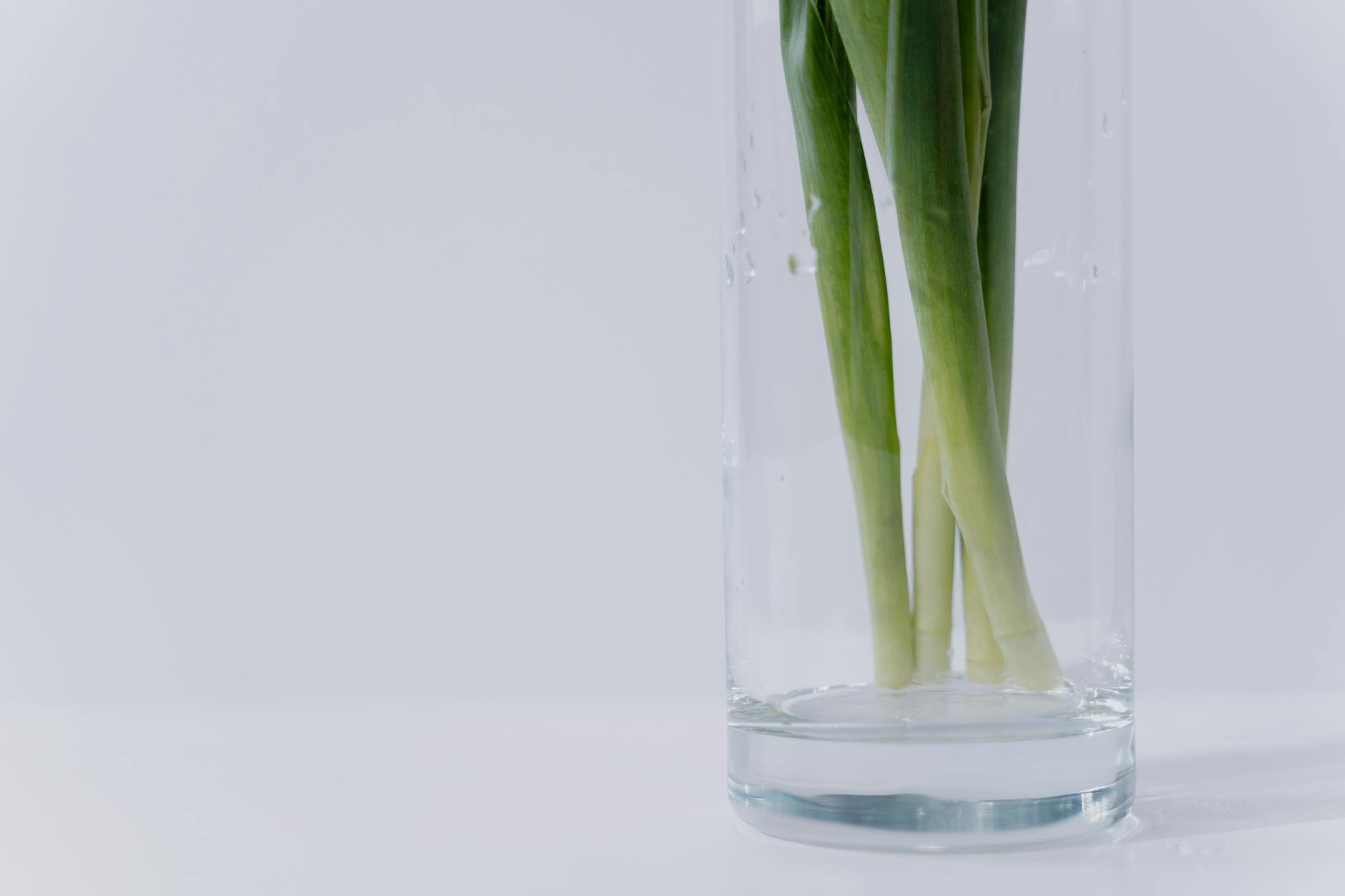
Green onions are one of the easiest vegetables to regrow from scraps on a sunny windowsill. You simply place the white root ends in a small glass of water and watch them shoot up. Changing the water every few days keeps the plant healthy and productive for weeks. You can snip off the green tops as needed for garnishes and cooking. This fun experiment provides fresh herbs for free and reduces grocery trips.
Sustainable Seafood Choices

Overfishing threatens marine ecosystems and depletes fish populations worldwide. You should look for certifications like the Marine Stewardship Council to ensure ethical sourcing. Choosing smaller fish species lower on the food chain is generally a more sustainable option. Apps and guides are available to help you identify which species are currently safe to consume. making informed choices supports healthy oceans and responsible fishing practices.
Upcycling Glass Jars

Pasta sauce and pickle jars are high-quality glass containers that come free with your groceries. Soaking them in warm soapy water helps remove the labels and glue residue easily. They are perfect for storing pantry staples or organizing small household items. You can use them for drinking glasses or for taking lunch salads to work. reusing these jars gives them a second life before they ever reach the recycling bin.
Avoiding Palm Oil

The production of palm oil is a leading cause of deforestation and habitat loss for endangered species. Checking ingredient labels allows you to avoid products that rely on unsustainable palm oil plantations. Many snack foods and processed items use this cheap ingredient for texture and stability. Choosing alternatives encourages companies to seek more environmentally friendly fat sources. Your purchasing power sends a signal to manufacturers about consumer values.
Unbleached Parchment Paper

If you must use parchment paper choose unbleached varieties that are compostable. White parchment paper is treated with chlorine which releases dioxins into the environment during production. The natural brown paper works exactly the same way for baking and cooking. Some brands offer parchment that is certified for home composting after use. This ensures that even your disposable items have a lower environmental impact.
Reducing Paper Towel Usage

You can save the paper towels for only the truly messy jobs like pet accidents or grease. Keeping a basket of rags accessible encourages you to grab them for everyday spills. Hiding the paper towel roll inside a cabinet adds a slight friction to using them thoughtlessly. Many households find a single roll lasts months when it is not the default cleaning option. This strategy balances convenience with sustainability.
Air Drying Dishes

Skipping the heated dry cycle on your dishwasher saves a considerable amount of energy. You can simply open the door once the wash cycle finishes to let the steam escape. The residual heat from the water is usually enough to dry the dishes efficiently. This practice also prevents delicate plastics from warping in high heat. It is one of the easiest button-press changes to make for energy conservation.
Sharp Knives

Maintaining sharp knives makes food preparation safer and more efficient for the cook. A sharp blade creates clean cuts that damage plant cells less than dull blades. This actually helps cut produce stay fresh longer because there is less oxidation on the surface. Caring for your tools prevents the need to replace them frequently. Quality knives are a lifetime investment that supports sustainable cooking habits.
Bamboo Utensils

Bamboo is a rapidly renewable resource that grows much faster than hardwood trees. Cooking utensils made from bamboo are durable and gentle on non-stick cookware surfaces. They are naturally antimicrobial and resist staining from dark sauces better than some woods. When they eventually reach the end of their life they are fully compostable. Replacing plastic ladles and spatulas with bamboo is an easy eco-friendly upgrade.
Eco-Friendly Sponges

Traditional yellow and green sponges are made from synthetic plastics that never biodegrade. Options made from walnut shells or cellulose provide the same scrubbing power without the plastic waste. These natural materials break down safely when they are discarded. They are often packaged in paper rather than plastic wrap. Switching sponges is a low-cost entry point into sustainable kitchen cleaning.
Induction Cooking
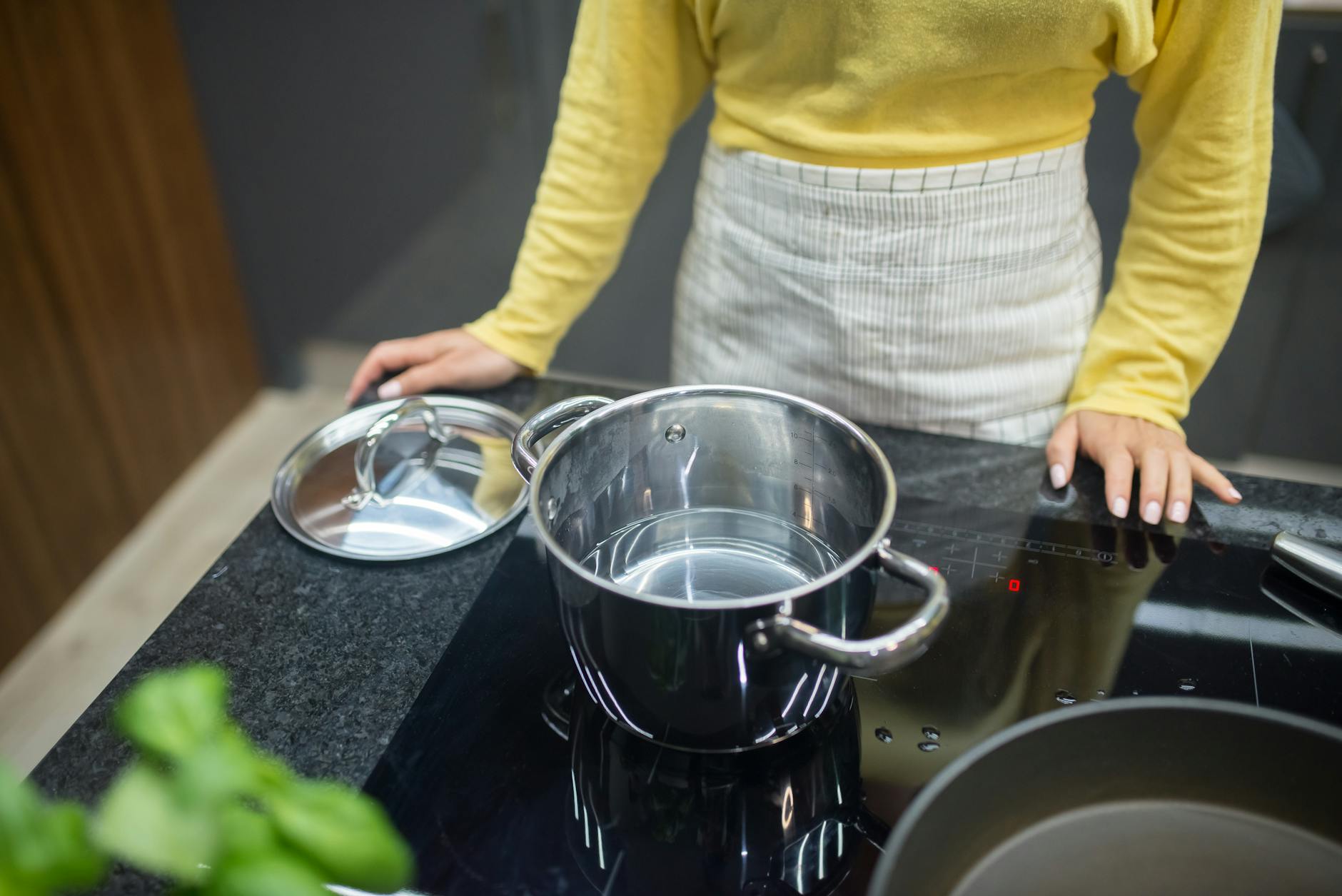
Induction cooktops transfer heat directly to the magnetic cookware rather than heating the air around it. This technology is significantly more energy-efficient than gas or traditional electric resistance stoves. It keeps the kitchen cooler which reduces the need for air conditioning in summer. The cooking surface is safer and easier to clean because food does not burn onto it. Induction represents the future of efficient electric cooking.
Reusable K-Cups

If you use a pod-based coffee machine the plastic waste accumulates very rapidly. Reusable pods allow you to fill them with your own preferred ground coffee beans. This gives you far more variety in coffee choices than the pre-packaged options. It saves a substantial amount of money per cup compared to single-use pods. This compromise keeps the convenience of the machine without the environmental guilt.
Buying Larger Yogurt Containers

Single-serving yogurt cups use a large amount of plastic for a very small amount of food. Buying the large tubs and portioning it out yourself reduces plastic waste significantly. You can add your own fresh fruit or honey for better flavor control. The large tubs are also easier to wash and reuse for storage than the tiny cups. This simple swap is often cheaper and healthier than pre-flavored varieties.
Correct Recycling Habits
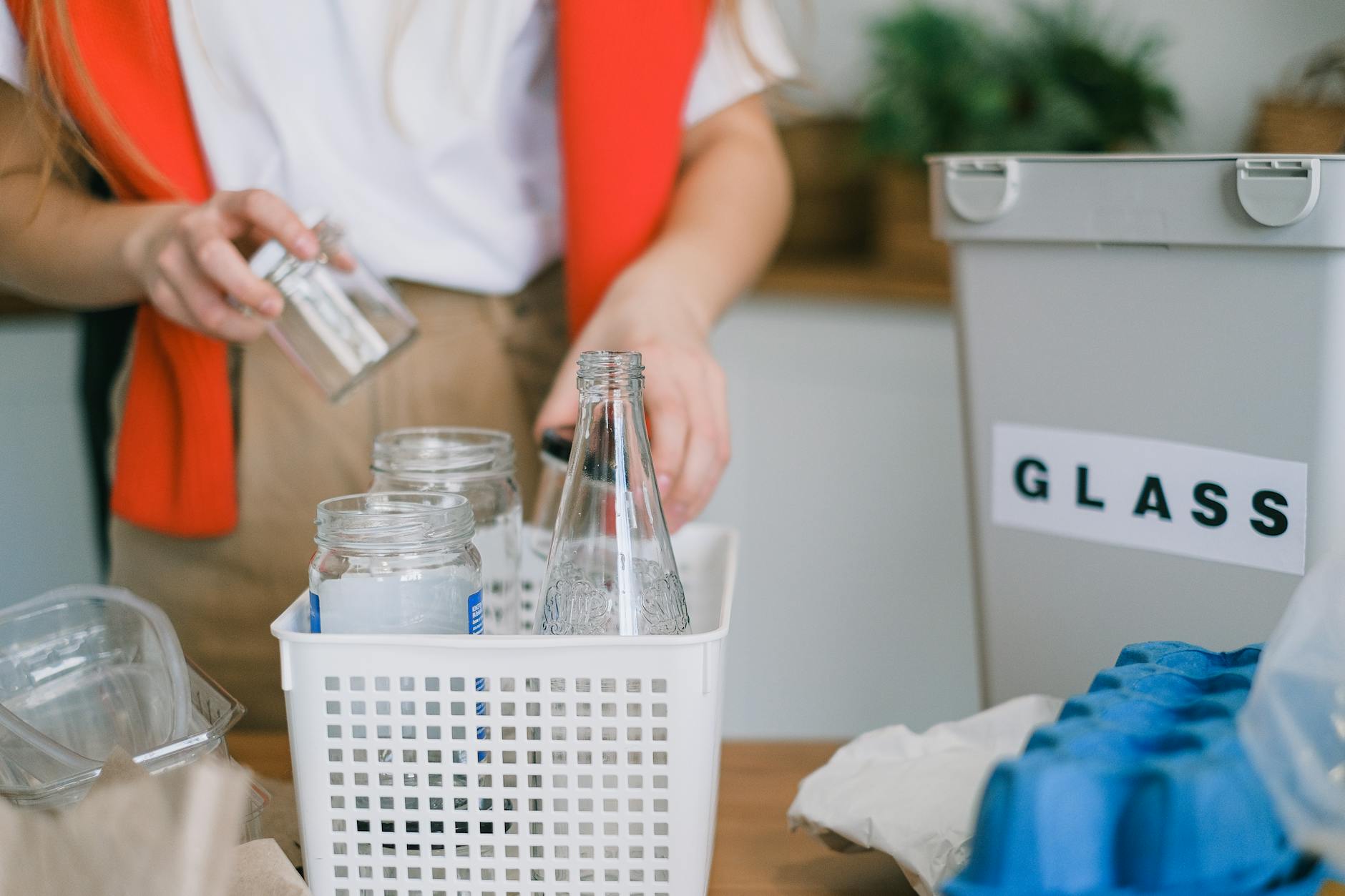
Putting non-recyclable items in the bin can contaminate an entire load of recyclables. You must rinse food residue from containers before placing them in the recycling bin. Greasy pizza boxes and certain soft plastics are generally not accepted in curbside programs. checking your local municipal guidelines ensures your efforts actually result in recycled materials. “Wish-cycling” causes more harm than good in the waste management system.
Concentrated Cleaners

Cleaning products often consist mostly of water shipped in heavy plastic bottles. Buying concentrated tablets or liquids allows you to add the water at home in a reusable bottle. This drastically reduces the carbon footprint associated with shipping heavy liquids. It also requires much less storage space in your cabinets. These modern solutions are just as effective as traditional pre-mixed cleaners.
DIY Fruit Fly Traps

Chemical insecticides are unnecessary for dealing with common kitchen pests like fruit flies. A simple jar with apple cider vinegar and a drop of dish soap works effectively. You can cover it with paper and poke holes to trap the insects inside. This natural solution is safe to have around food preparation areas. It solves the problem without introducing toxins into your kitchen.
Reusable Straws

Plastic straws are a common marine pollutant that is easily avoidable. Stainless steel or glass straws are durable and easy to clean with a small brush. Silicone options are great for children or for use with travel tumblers. Keeping a set in your kitchen drawer and one in your bag handles all beverage needs. This small accessory has become a symbol of the movement against single-use plastics.
Donation of Excess Food

Non-perishable items that you know you will not eat should be donated rather than thrown away. Local food banks and pantries are always in need of shelf-stable goods. This ensures the resources used to produce that food essentially fulfill their purpose. It clears your pantry space for items you will actually use. modifying your shopping habits prevents this excess accumulation in the future.
Repairing Before Replacing

Small appliances like toasters and blenders can often be fixed with a simple part replacement. Many manufacturers sell spare parts or there are online tutorials for common repairs. Fixing an item extends its life and keeps e-waste out of landfills. It is often much cheaper to buy a seal or a blade than a whole new machine. This mindset shifts away from the disposable culture of modern consumerism.
Sustainable Chocolate

Cacao production is frequently linked to deforestation and unfair labor practices. Looking for Fair Trade and Rainforest Alliance certifications helps support ethical farming. These certifications ensure farmers are paid a living wage and use sustainable growing methods. High-quality chocolate is a luxury that should be enjoyed with a clear conscience. supporting ethical brands encourages the entire industry to improve standards.
Natural Air Fresheners

Synthetic air fresheners mask odors with chemicals that can degrade indoor air quality. Simmering a pot of water with cinnamon sticks and orange peels creates a natural and welcoming scent. Baking soda in a bowl absorbs bad odors effectively without adding perfume. opening windows to let fresh air circulate is the best way to clear cooking smells. These natural methods are safer for pets and people with sensitivities.
Freezer Organization

A disorganized freezer leads to freezer burn and forgotten food that eventually gets tossed. Labeling leftovers with the date ensures you eat them while they are still good. using clear containers or flat-freezing in bags helps you see exactly what you have. rotating stock keeps the oldest items at the front and accessible. An organized freezer is a powerful tool for extending the life of your groceries.
Wooden Cutting Boards

High-quality wooden boards are durable and have natural antibacterial properties. Unlike plastic boards they do not shed microplastics into your food as you chop. With regular oiling and care a wood board can last for decades. They are gentle on your knife edges and keep them sharp longer. When they are finally worn out they are biodegradable and safe for the earth.
Making Croutons
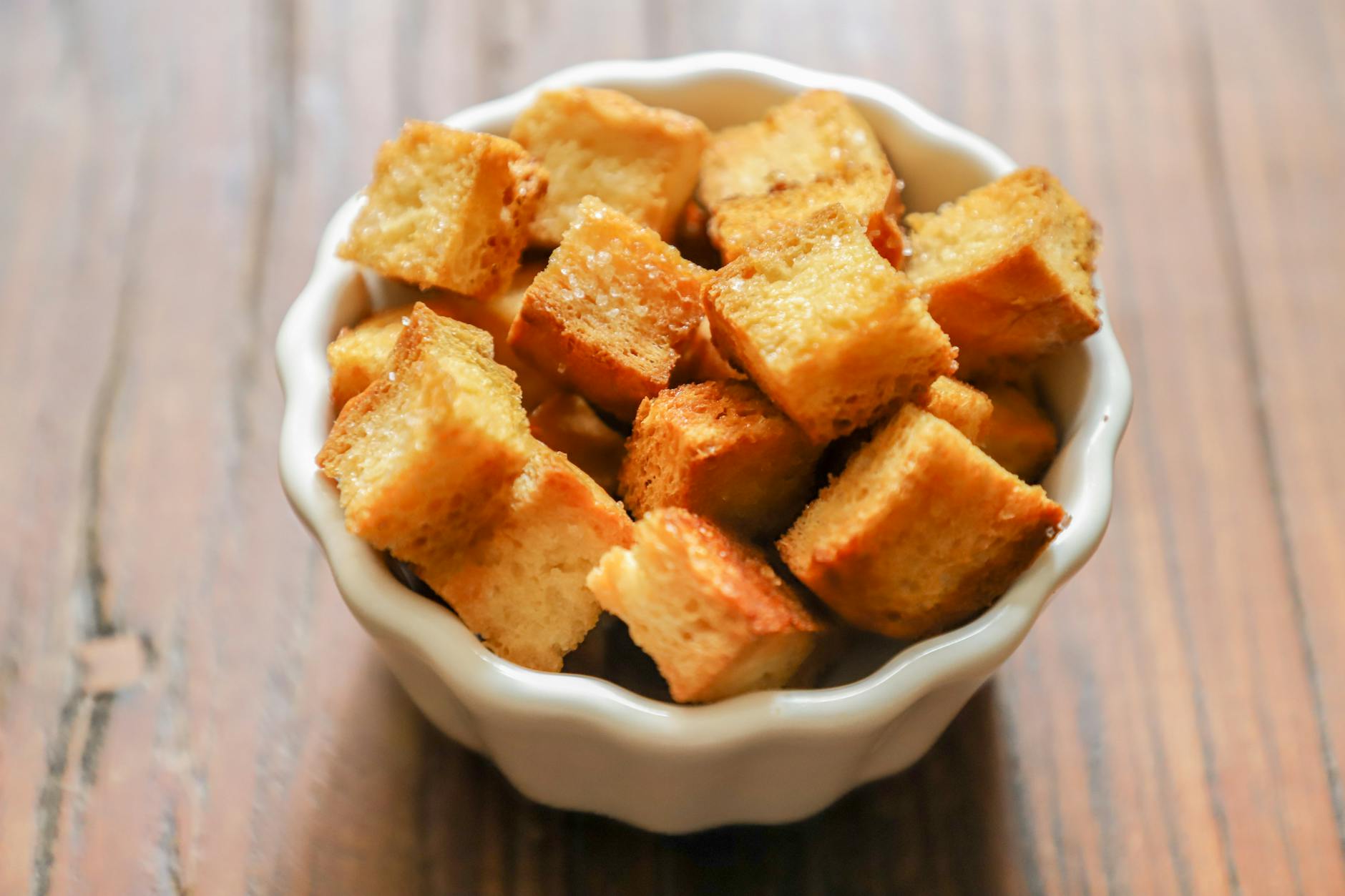
Stale bread is one of the most commonly wasted food items in the kitchen. Cubing old bread and tossing it with olive oil and herbs makes delicious homemade croutons. You can bake them until crisp and store them for salads or soups. This gives new life to a loaf that has passed its prime for sandwiches. It is a classic example of traditional kitchen thrift reducing waste.
Thoughtful Dishwasher Loading

Loading the dishwasher correctly ensures that everything gets clean in a single cycle. blocking the spray arms with large items causes other dishes to remain dirty. You should scrape plates rather than rinsing them to save water and let the machine do the work. Running full loads maximizes water and energy efficiency for each wash. Taking a moment to organize the rack prevents the need for a second wash.
Share your favorite sustainable kitchen swap or tip in the comments to help others get started!