A disorganized wardrobe often leads to decision fatigue and the frustrated feeling of having nothing suitable to wear. Implementing a systematic organization strategy transforms a chaotic closet into a functional boutique experience right at home. Streamlining your garments allows you to see exactly what you own and encourages creativity with your daily outfits. This guide outlines forty effective methods to curate and maintain an orderly closet space that simplifies your morning routine.
Color Coordination
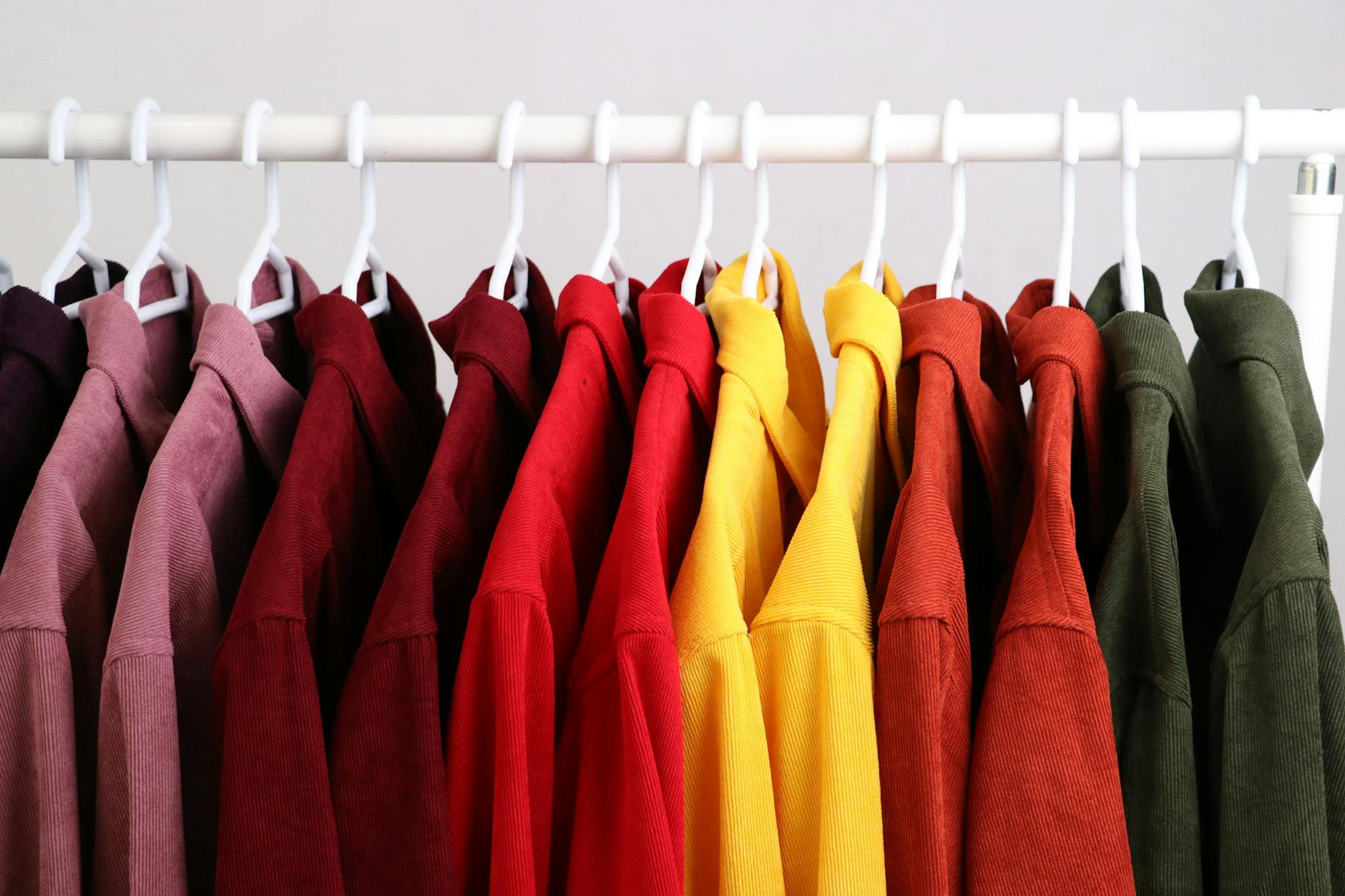
Arranging clothes by color creates a visually pleasing aesthetic that rivals high-end retail displays. You start by grouping all white items together and move through the spectrum to darker shades like navy and black. This method makes finding specific pieces much faster during busy mornings. It also highlights which colors you possess in abundance and which ones are missing from your wardrobe. The resulting rainbow effect brings a sense of calm and order to the space.
Velvet Non-Slip Hangers

Replacing mismatched hangers with uniform velvet ones instantly upgrades the look of any closet. These slim tools prevent silky blouses and wide-neck tops from slipping off and falling to the floor. Their narrow profile saves a significant amount of horizontal space on the clothing rod. This allows you to fit more garments into the same area without cramping the fabric. The uniformity minimizes visual clutter and keeps the focus entirely on the clothing.
Vertical Shoe Shelving

Utilizing vertical space for footwear keeps the floor clear and protects shoes from damage. Tall shelving units allow you to display heels and boots where they are easily visible. Keeping shoes at eye level encourages you to rotate through your collection rather than wearing the same pair daily. Clear visibility prevents you from buying duplicate styles since you know exactly what you own. Proper storage maintains the structural integrity of leather and suede footwear.
Seasonal Rotation
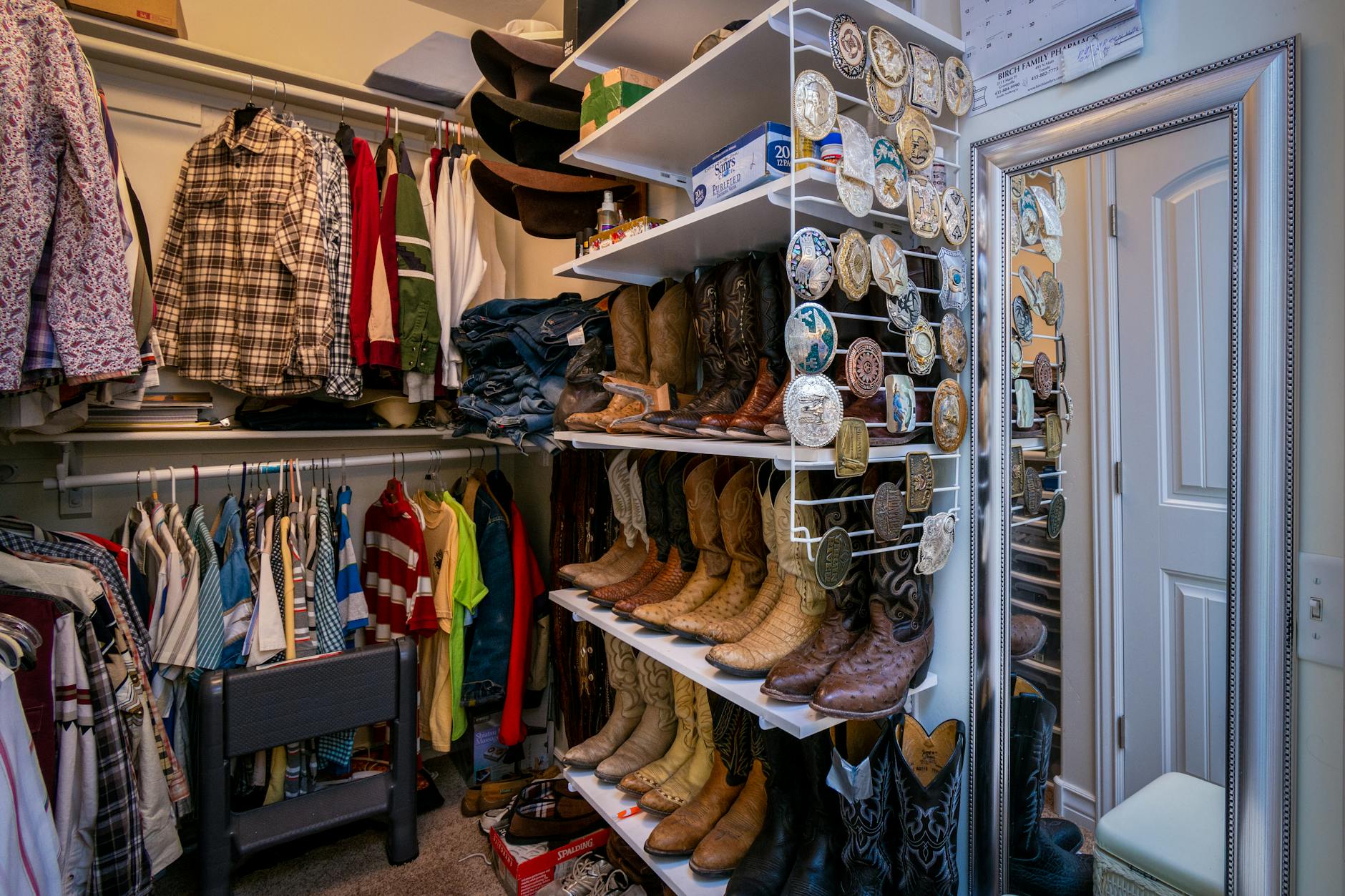
Moving off-season clothing to a separate storage location frees up prime real estate for current necessities. Heavy winter coats and wool sweaters should vacate the main closet during summer months to make room for linen and cotton. Vacuum-sealed bags or under-bed bins work perfectly for keeping these items safe from dust and pests. This practice ensures that every item visible in your closet is a viable option for the current weather. It drastically reduces the time spent sifting through unwearable items each morning.
Drawer Dividers

Drawer dividers turn chaotic piles of undergarments and socks into organized rows. These simple tools create designated compartments for different categories of small items. You can easily separate athletic socks from dress socks or sports bras from everyday lingerie. Keeping these small items contained prevents them from becoming a jumbled mess every time you open the drawer. Organized drawers streamline the final steps of getting dressed.
The Backward Hanger Technique

The backward hanger strategy serves as an honest audit of your actual wearing habits. You place all hangers on the rod facing the wrong way at the beginning of the season. Once an item is worn and washed you return it to the closet with the hanger facing correctly. After six months any hanger still facing backward indicates a piece of clothing you can safely donate or sell. This objective method removes emotional attachment from the decluttering process.
Shelf Separators

Acrylic or wire shelf separators keep piles of folded clothes from toppling over into each other. They provide necessary structure for stacks of jeans or sweaters on open shelving units. These barriers ensure that pulling one item from the bottom of a stack does not destroy the entire arrangement. Defined boundaries force you to fold items to a specific width for a neat appearance. Your open shelves maintain a crisp and tidy look with minimal maintenance.
Accessory Trays

Designating a specific tray for daily jewelry and accessories prevents small items from getting lost. A velvet-lined tray on a shelf or dresser top holds rings and watches securely when not in use. This catch-all solution keeps surfaces clear of clutter while keeping essential items accessible. Having a dedicated spot for these pieces reduces the panic of misplacing valuables. It also serves as a styling station to finalize your look before leaving the house.
Uniform Folding Method
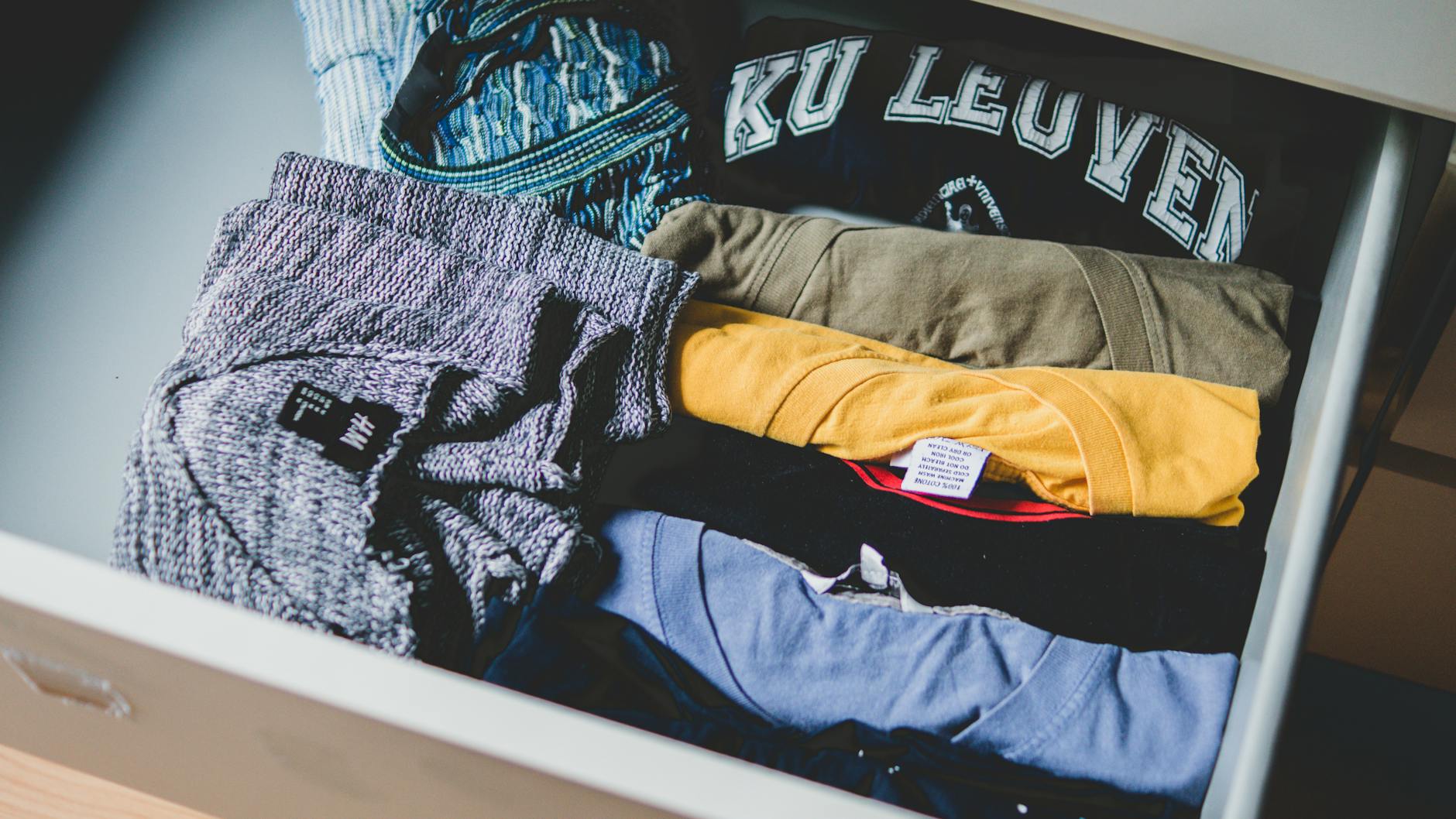
Adopting a single folding technique for all t-shirts and sweaters creates consistent piles. You might choose the file folding method to see every shirt in a drawer at once. Uniformity allows you to fit more items into drawers and shelves without overcrowding. The visual consistency reduces mental clutter when you open your storage spaces. Clothing stays wrinkle-free and ready to wear when folded with care.
Hanging Jewelry Organizers

A double-sided hanging organizer maximizes vertical space for costume jewelry and small accessories. Clear pockets allow you to see every pair of earrings and necklaces without digging through a box. Hanging this behind a closet door utilizes dead space that often goes wasted. It keeps delicate chains untangled and protects silver items from tarnishing too quickly. This system makes accessorizing an effortless part of your daily routine.
Coordinate by Category

Grouping items by type ensures you always know where to look for a specific garment. All long-sleeve shirts hang together followed by short sleeves and then tank tops. Pants and skirts receive their own distinct sections within the closet layout. This categorization simplifies the process of putting together an outfit by isolating the options for tops and bottoms. It prevents a heavy winter sweater from hiding between two light summer dresses.
Clear Storage Bins

Transparent bins allow you to identify contents immediately without opening every box. They are ideal for storing scarves or belts or seasonal accessories on high shelves. Being able to see what is inside prevents you from purchasing duplicates of items you forgot you owned. Stackable designs utilize vertical height effectively on top shelves. Labels can be added for extra clarity but the clear plastic usually suffices.
Closet Lighting

Proper illumination transforms a dark closet into an inviting dressing area. LED strip lights installed along the inner door frame or under shelves brighten up hidden corners. Good lighting helps you distinguish between navy and black garments with ease. Motion-sensor lights add a touch of luxury and convenience without requiring complex wiring. Being able to clearly see your clothes is essential for building good outfits.
The One-In-One-Out Rule

Adhering to a strict policy of removing an old item for every new purchase prevents accumulation. This habit forces you to evaluate the worth of a new piece before bringing it home. It ensures that your wardrobe remains at a manageable size over the years. You naturally curate a collection of higher quality items that you truly love. This discipline is key to maintaining an organized space long-term.
Purse Hooks

Hanging handbags on specialized hooks preserves their shape and keeps handles from creasing. S-hooks or over-the-door hangers work well for displaying medium and large bags. Keeping purses visible reminds you to switch them out more frequently to match your outfit. Storing them off the floor prevents dust accumulation and potential damage from shoes. A displayed collection of handbags adds a boutique feel to your closet.
Valet Rods
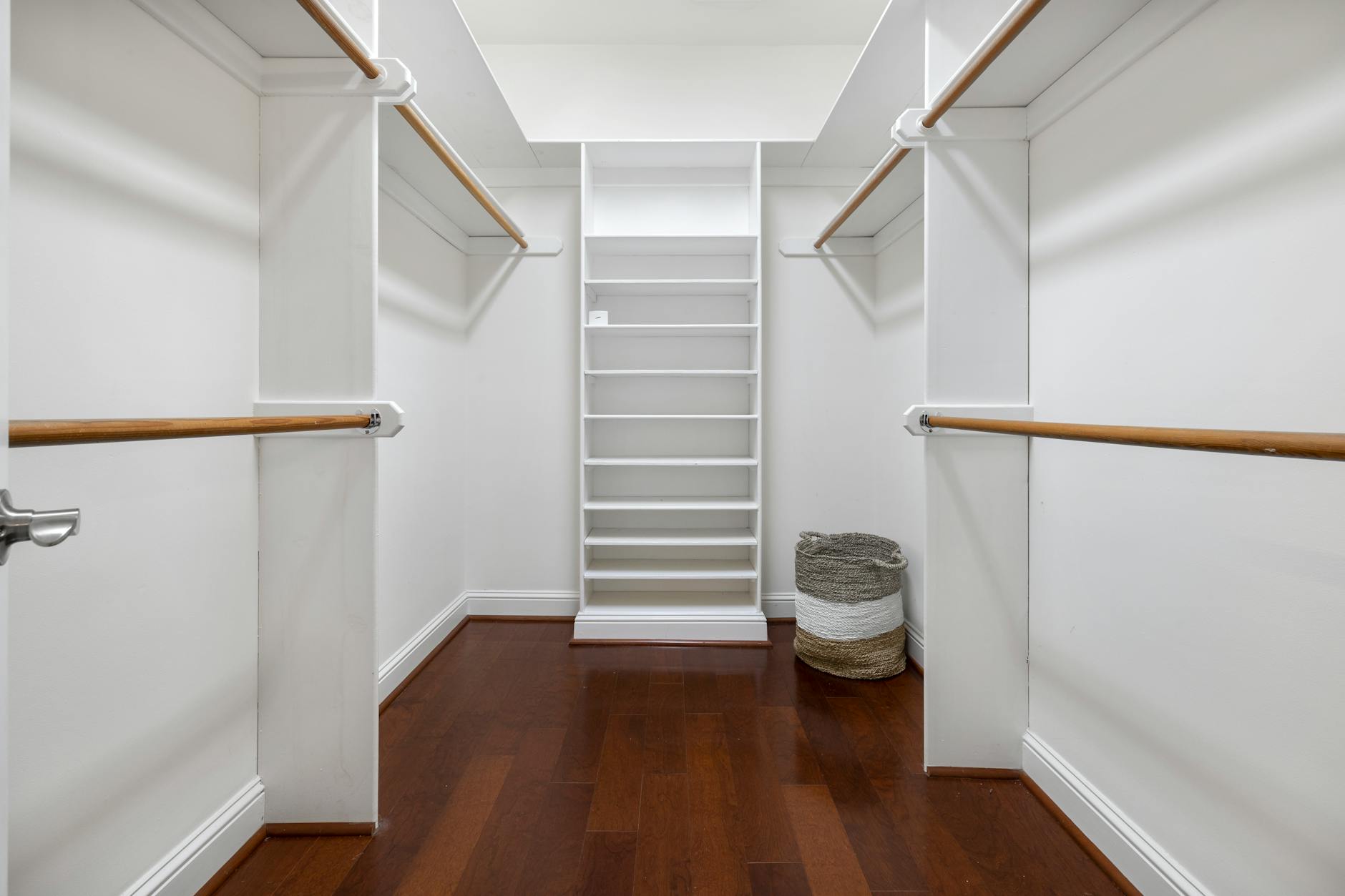
A retractable valet rod provides a temporary spot to hang an outfit for the next day. It allows you to plan your look the night before and save time during the morning rush. You can also use it to hold dry cleaning or new purchases before integrating them into the closet. The rod slides away discreetly when not in use to maintain a sleek profile. This simple hardware addition significantly boosts closet functionality.
Scarf Rings

Specialized hangers with loops or rings keep scarves organized and wrinkle-free. Draping scarves through individual circles prevents them from slipping into a pile on the floor. You can group scarves by weight or color to make selection easier. This vertical storage method takes up no more space than a single coat. It turns a messy collection of fabrics into a colorful display.
Dedicated Donation Bin

Keeping a designated basket or bag for donations makes decluttering a continuous process. As soon as you try on something that no longer fits or feels right you place it in the bin. This prevents unworn clothes from being hung back up and cluttering your selection. Once the bin is full you simply take it to a charity drop-off center. It removes the barrier of having to start a massive clean-out project.
Belt Racks
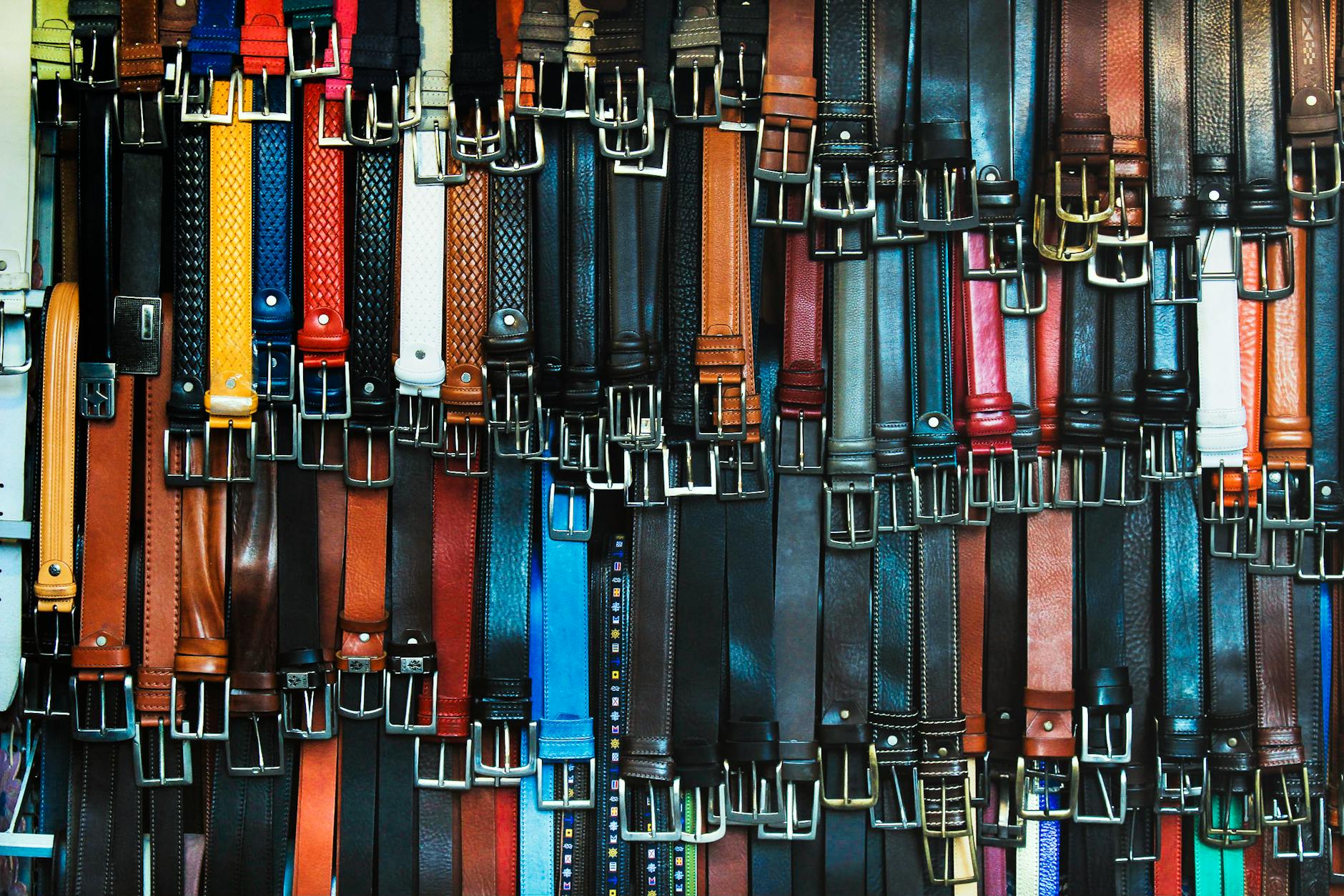
Mounting a belt rack to a wall or door keeps leather accessories straight and accessible. Rolling belts in a drawer often leads to cracking and takes up valuable drawer space. Hanging them allows you to see the buckle style and width instantly. A rack utilizes flat wall space that serves no other storage purpose. Your belts remain in pristine condition and are easy to grab.
Rolling Laundry Sorting Carts

A laundry cart with separate canvas bags helps you pre-sort lights and darks. Having pre-sorted laundry saves time on wash day and keeps dirty clothes organized. The rolling feature allows you to move the hamper to the laundry room with minimal effort. Keeping dirty clothes off the floor is critical for a tidy closet environment. It encourages a continuous cycle of cleaning and organizing.
Sweater Boxes
Fabric boxes with viewing windows protect delicate cashmere and wool knits from moths. Stacking these boxes allows you to store bulky winter items efficiently during the off-season. The breathable fabric promotes air circulation while blocking dust and pests. Labeling the front of each box helps you locate specific sweaters quickly. This preservation method extends the lifespan of your most expensive garments.
Pants Trolleys

A rolling pants trolley maximizes the space underneath shorter hanging garments. It features multiple dowels that allow trousers to hang without creasing at the knee. You can easily roll the unit out to view your entire collection of pants at once. This storage solution is often more space-efficient than hanging pants on a main rod. It effectively utilizes the often-ignored floor space in a closet.
Floating Shelves

Installing floating shelves on empty wall sections creates extra storage for folded items or bags. These shelves can turn a small nook into a productive storage area for jeans or t-shirts. They provide a modern and airy look compared to bulky bookcases or dressers. You can customize the height between shelves to fit your specific storage needs. Utilizing vertical wall space is essential for small closets.
Matching Storage Baskets
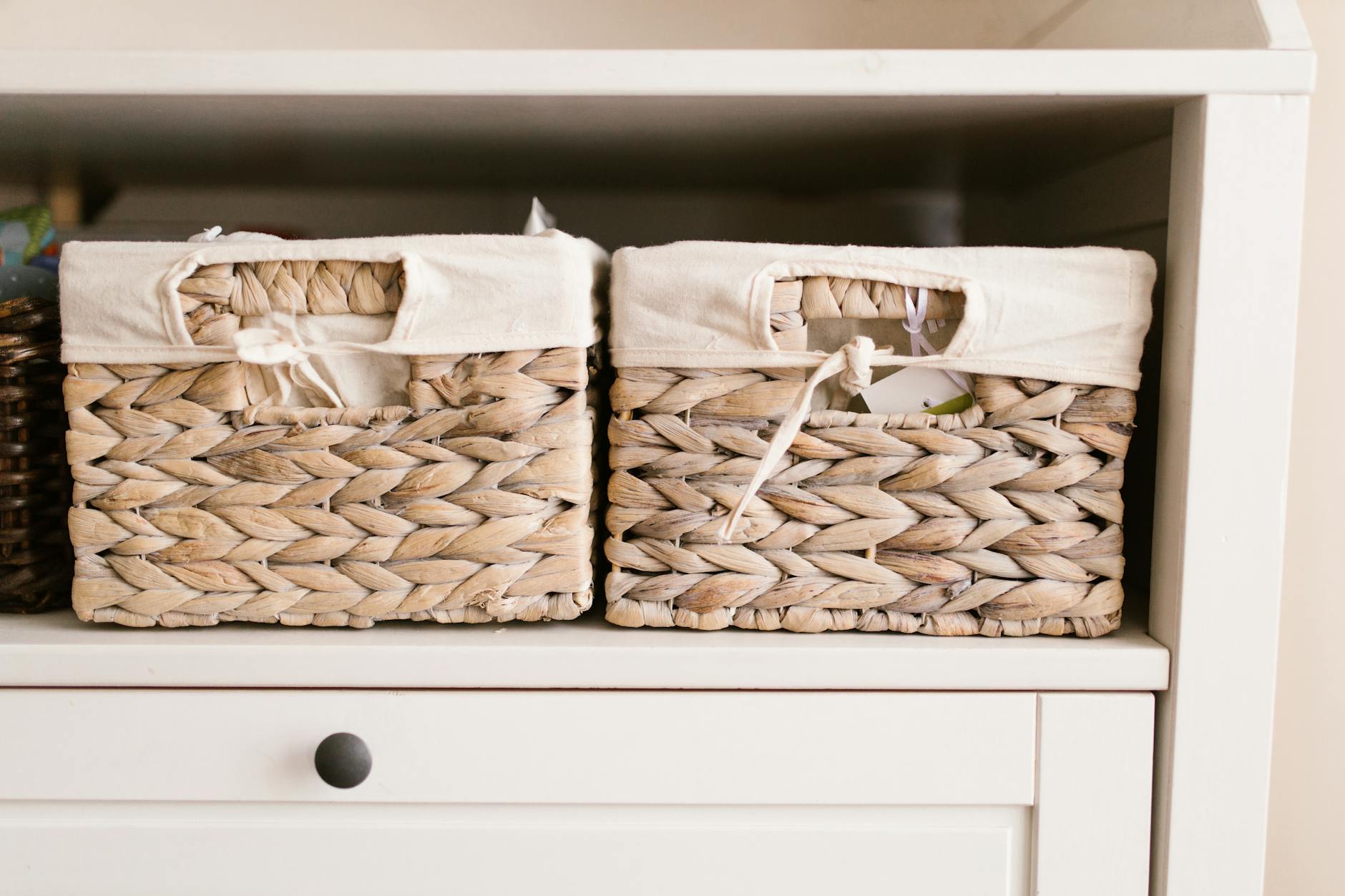
Using identical baskets on open shelves unifies the visual appearance of your storage. Wicker or canvas bins hide miscellaneous items that would otherwise look cluttered. They are perfect for housing gym clothes or pajamas or swimwear. The consistent look reduces visual noise and makes the closet feel calmer. Baskets function as drawers for shelving units that lack built-in cabinetry.
Double Hanging Rods

Installing a second rod halfway down the wall instantly doubles your hanging capacity. This setup is perfect for separates like shirts on top and skirts or folded pants on the bottom. It utilizes the full height of the closet instead of leaving dead space near the floor. Most standard closets can accommodate this adjustment with a simple tension rod. It is the most effective way to increase storage in a small reach-in closet.
Hat Boxes

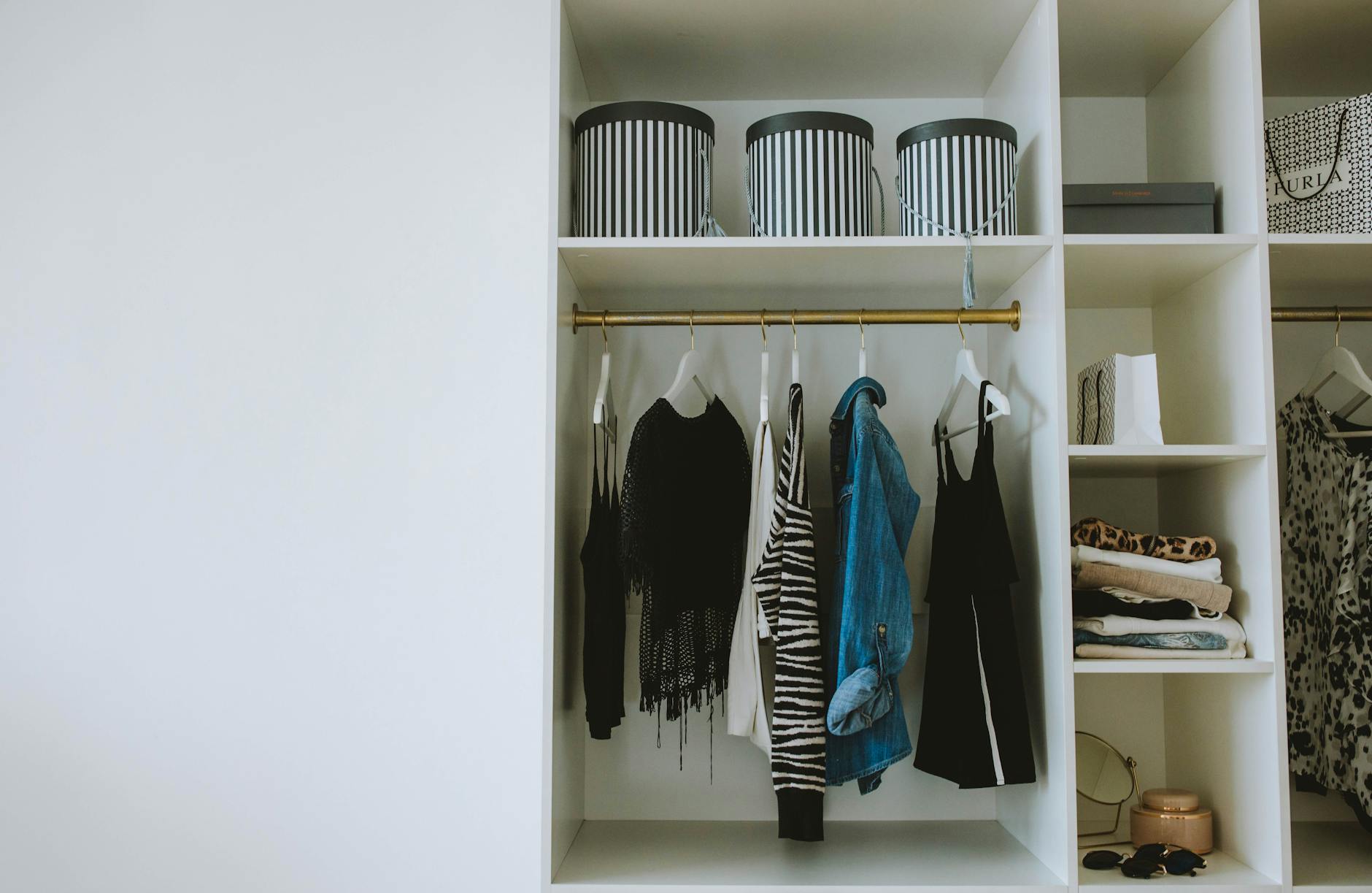
Round hat boxes maintain the shape of brimmed hats while adding a decorative touch. Stacking them on a top shelf utilizes high vertical space that is hard to reach daily. They protect felt and straw materials from gathering dust and losing their form. Labeling the outside ensures you grab the right box for the occasion. This storage method evokes a classic and sophisticated dressing room vibe.
Tie Racks

A motorized or static tie rack keeps neckwear smooth and ready for business attire. Hanging ties prevents the fabric from wrinkling and allows patterns to be seen clearly. These racks often mount to the wall or clamp onto the existing closet rod. Organizing ties by color or width streamlines the process of matching them to shirts. It treats these accessories with the care they require to last.
Color-Coded Hanger Tabs

Small colored tabs on hanger hooks can identify sizing or categorization for specific garments. This system is helpful if you share a closet or fluctuate between sizes frequently. You can also use them to mark outfits that are reserved for specific occasions or seasons. The visual cue saves time when scanning through a densely packed rack. It brings a retail-level organization system into the home.
Corner Shelving Units

Corner shelves capitalize on the awkward and hard-to-reach angles of a closet. They provide a perfect spot for purses or folded items that don’t fit on main shelves. Curved or angled designs ensure that no space goes to waste in the corners. These units soften the sharp angles of the room and increase flow. They turn dead zones into valuable storage assets.
Door Organizers

Over-the-door storage systems offer pockets or hooks for a variety of small items. They are ideal for storing shoes or clutches or even bulky jewelry. This utilizes the back of the door which is frequently overlooked as potential storage space. The items remain hidden when the door is open but accessible when closed. It is an excellent solution for renters who cannot drill holes in walls.
Boot Shapers

Inserting boot shapers prevents tall boots from flopping over and developing creases at the ankle. Upright boots take up less floor space and look much tidier in the closet. You can purchase commercial shapers or use rolled-up magazines for a budget-friendly fix. Air circulation improves inside the boot which reduces odors and moisture buildup. This maintenance step keeps footwear looking new for years.
Weekly Outfit Staging

Dedicating a section of the closet or a separate rack for the week’s outfits streamlines mornings. You spend time on Sunday selecting five complete looks including accessories and underwear. This preparation eliminates the morning stress of trying to match items while rushing. It ensures you wear a variety of clothes rather than grabbing the same outfit repeatedly. You start each day with a calm and prepared mindset.
Underwear Drawer Organizers

Honeycomb or grid organizers fit inside drawers to give every pair of underwear a home. Rolling or folding panties and boxers into these cells keeps the drawer neat. You can see your entire inventory at a glance rather than digging through a heap. It prevents delicate lace items from snagging on hooks or zippers. This micro-organization makes a surprising difference in daily routine satisfaction.
Cedar Blocks

Placing cedar blocks or rings in the closet naturally repels moths and keeps clothes smelling fresh. Unlike mothballs they leave a pleasant woodsy scent that is not overpowering. You can hang them on rods or tuck them into drawers and storage bins. Sanding them lightly every few months refreshes their aromatic and protective properties. They are a chemical-free way to protect your wardrobe investment.
Swimwear Pouches

Storing bikinis and swim trunks in individual zippered pouches keeps sets together. These pouches can be tossed into a drawer or basket without the strings getting tangled. It makes packing for a beach trip incredibly fast and easy. You avoid the frustration of finding a bottom but losing the matching top. The pouches also protect other clothes from potential snags.
Clutch Separators

Acrylic file sorters work exceptionally well for standing clutch bags upright on a shelf. Storing clutches vertically saves shelf space and keeps them visible. You can slide a bag out without disturbing the others in the row. This prevents delicate evening bags from being crushed under the weight of a pile. It creates a clean display similar to a luxury boutique.
Labeling Systems

Applying clear and consistent labels to bins and shelves ensures everyone knows where items belong. You can use a label maker for a professional look or handwritten tags for a personal touch. Labels are particularly helpful for opaque bins on high shelves. They enforce the organizational system by removing ambiguity about where to put things away. A labeled home for every item is key to long-term tidiness.
Space-Saving Multi-Hangers

Hangers that hold multiple pairs of trousers or skirts vertically save tremendous rod width. These cascading hangers allow you to store five items in the horizontal space of one. They are excellent for consolidating work pants or seasonal skirts. You can easily lift the arm to remove a single item without disturbing the rest. This tool is a lifesaver for small closets with limited rail space.
Sunglasses Display

A wall-mounted rack or a specialized drawer insert keeps sunglasses scratch-free. Displaying eyewear allows you to choose the frame that best suits your outfit and mood. Storing them in their original bulky cases often takes up too much drawer space. A display system turns your collection into a fun visual feature of the closet. You ensure your expensive glasses remain safe and accessible.
Maintenance Schedule
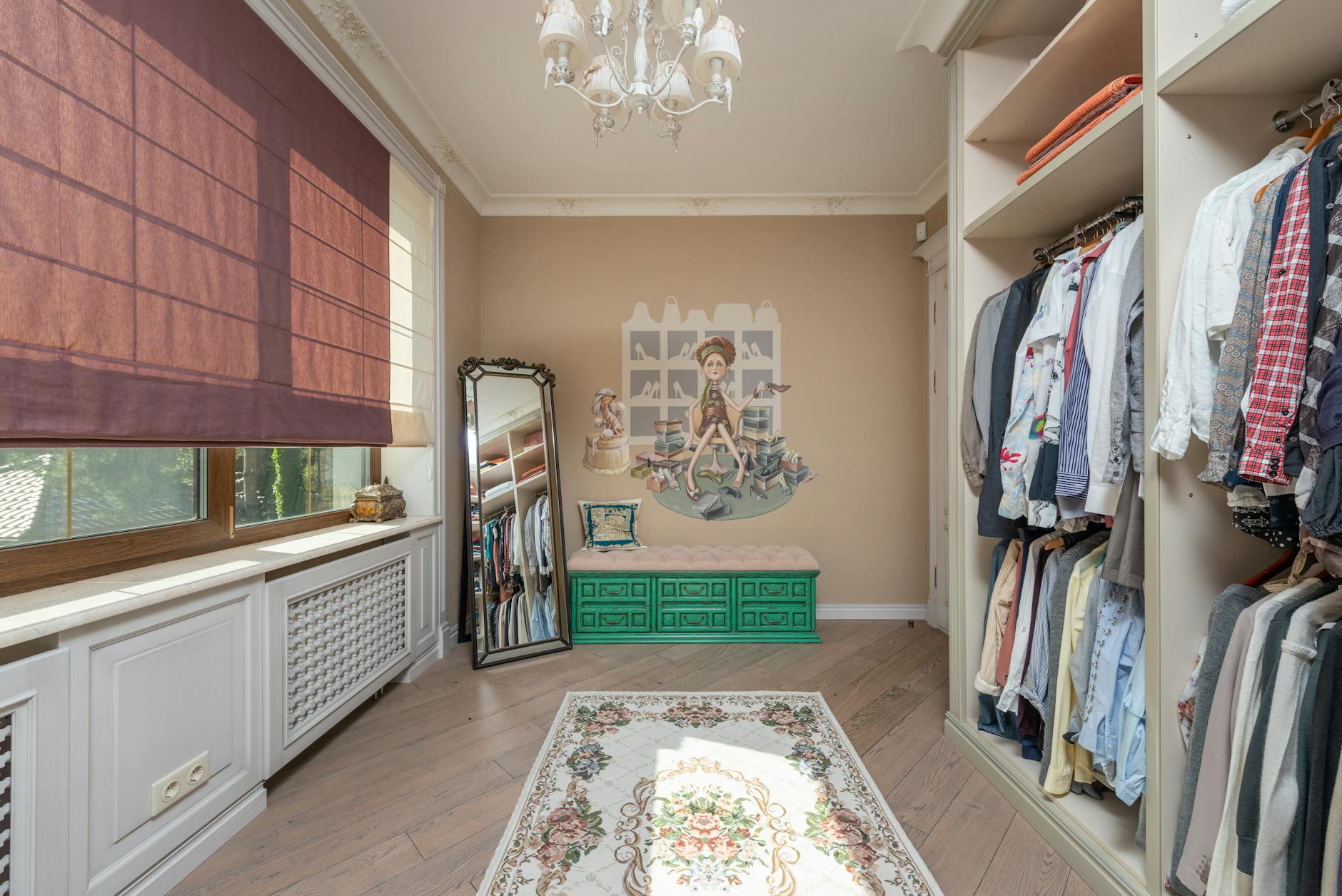
Regular maintenance prevents clutter from creeping back into your organized space. Dedicating fifteen minutes every Sunday to tidy up ensures everything remains in its designated spot. This routine involves rehanging discarded items and straightening up stacks of folded knitwear. Consistent small efforts eliminate the need for massive and overwhelming cleanouts later in the year.
Share your favorite closet organization tip in the comments to help inspire others.