Investing in a luxury handbag requires significant financial commitment and a keen eye for detail to ensure authenticity. The market for counterfeit goods has become increasingly sophisticated and makes distinguishing real items from fakes a challenge for even experienced collectors. Master craftsmen at major fashion houses dedicate days to creating a single piece while replica factories focus on mass production speed. Understanding the subtle nuances of construction and materials protects buyers from falling victim to scams. These specific indicators help verify the legitimacy of a designer purchase before money changes hands.
Stitching Quality

Luxury brands pride themselves on impeccable stitching that appears perfectly uniform throughout the entire bag. Counterfeit bags often display frayed threads or uneven spacing that betrays a lack of strict quality control. Authentic stitching usually follows a slight angle rather than a straight line depending on the specific brand style. Inspecting the seams closely reveals if the thread color matches the intended design specifications exactly. Loose or doubled stitches serve as a clear indicator that the item did not come from a master atelier.
Hardware Weight

Genuine hardware on designer handbags feels heavy and substantial when held in the hand. Cheap metals or plastic alternatives used in fakes often feel surprisingly light or hollow. The finish on authentic zippers and clasps should appear consistent without any chipping or bubbling. Designers typically use solid brass or gold plating that maintains its luster over decades of regular use. Scratches or dullness on brand new hardware suggest a lower manufacturing standard found in replicas.
Logo Symmetry

The logo acts as the primary signature of the brand and must appear flawless in every application. Designers ensure distinct symmetry and crisp edges on every printed or embossed logo. Counterfeits frequently smear the lettering or use a slightly different font style that looks off to the trained eye. The spacing between individual letters remains perfectly consistent on an authentic piece. Even a millimeter of difference in placement usually signals a non-genuine product.
Leather Smell

High-end leather possesses a distinct and rich aroma that synthetic materials cannot replicate. Fake bags often carry a strong chemical or plastic scent due to the glues and treatments used in mass production. The texture of real leather feels supple and develops a unique patina over time. Synthetic alternatives often feel stiff or unnaturally smooth against the skin. Smelling the bag provides an immediate sensory clue regarding the quality of materials used.
Serial Numbers

Most luxury fashion houses include a serial number or date code hidden inside the bag or pocket. These codes follow a specific format that indicates the production date and factory location. Counterfeiters often print random numbers that do not correspond to the brand’s logic or historical records. The tag containing the number should be securely attached and clearly legible. Verifying this code against online databases helps confirm the legitimacy of the item.
Dust Bag Quality

The packaging accompanying a luxury purchase reflects the quality of the item itself. Authentic dust bags feature high-quality cotton or flannel with crisp logo printing. Fakes often come in flimsy synthetic covers with blurry or peeling text. The drawstring on a real dust bag functions smoothly and feels durable. A missing or low-quality dust bag often suggests the handbag inside is also an imitation.
Zipper Smoothness

Luxury brands utilize premium zippers that glide smoothly without catching or resistance. The underside of the zipper often features a specific brand marking from a reputable manufacturer. Counterfeit zippers frequently feel stiff or jagged when opening and closing the compartment. The metal used for the pull tab should match the rest of the hardware on the bag. High-end zippers maintain their functionality and finish for the lifetime of the product.
Lining Material

The interior of a designer bag receives just as much attention to detail as the exterior. Authentic linings fit perfectly without bunching or loose fabric in the corners. Counterfeits often use cheap satin or polyester that makes a crinkling sound when touched. The color of the lining must match the specific seasonal release of that bag model. Poorly stitched or glued linings indicate a rush in the manufacturing process common in fakes.
Authenticity Cards

Authenticity cards accompany many designer bags but they are also the easiest component to forge. A genuine card features sharp text and sometimes a hologram or embossed details. Fake cards often display spelling errors or use incorrect font weights. The card should have a substantial feel similar to a credit card rather than flimsy paper. Relying solely on the presence of a card is dangerous as high-quality fakes include them.
Price Point

An unbelievably low price remains the most obvious sign of a counterfeit item. Luxury goods retain their value and rarely see drastic markdowns outside of specific legitimate outlets. Finding a brand new current season bag for a fraction of the retail cost indicates a scam. Authentic pre-owned bags still command high prices based on their condition and rarity. Sellers offering deep discounts usually try to offload unauthorized replicas quickly.
Glue Residue
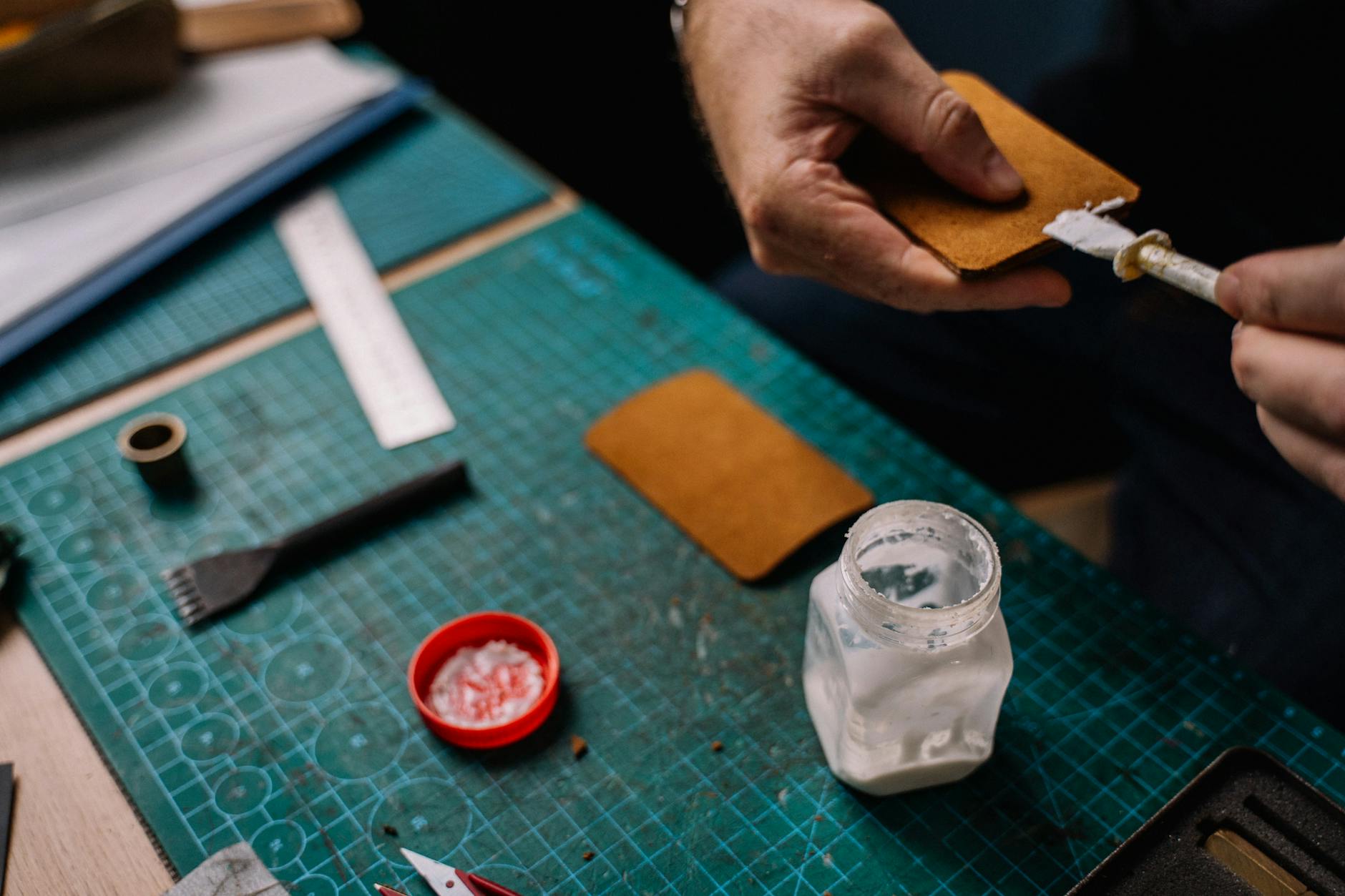
Master craftsmen stitch leather panels together rather than relying heavily on adhesives. Visible glue residue near seams or edges immediately flags a bag as a counterfeit. Authentic bags feature clean edges where the leather casing looks seamless and professional. Sloppy glue application suggests mass production rather than artisanal assembly. Inspecting the crevices of the bag helps identify these sticky imperfections.
Handle Wrapping

Designers never wrap the handles of a finished bag in plastic or paper for the customer. Counterfeiters use these wrappings to protect cheap materials during long shipping processes. A new authentic bag comes with specific protective covers on hardware but rarely on the leather straps. Seeing plastic shrink-wrap around handles serves as a major red flag for buyers. The leather handles should be exposed and ready for immediate inspection.
Metal Engravings

Laser etching on hardware must be precise and clearly defined on a luxury item. Fakes often feature engravings that look shallow or blurry under close inspection. The font used on buttons and rivets should match the main logo exactly. Authentic engravings show no signs of chipping or uneven depth. Comparing the hardware stamps to official photos helps verify the font style and size.
Pattern Alignment

Iconic monogram patterns usually line up perfectly across seams and pockets. Luxury brands pay close attention to pattern continuity to ensure a harmonious aesthetic. Counterfeit bags often exhibit broken patterns or mismatched motifs where the fabric panels meet. The pattern should not look tilted or cropped in an awkward manner. Visual consistency implies the meticulous planning found in genuine designer workshops.
Country of Origin Tags

The manufacturing tag must accurately reflect the history of the specific brand. Some brands manufacture exclusively in specific countries like France or Italy. Counterfeits often carry generic tags or list countries where the brand does not operate factories. The font on this tag should be consistent with the rest of the interior branding. Incorrect country attribution serves as undeniable proof of inauthenticity.
Please share your own experiences with authenticating luxury items in the comments.