Navigating social circles requires awareness of who truly supports your growth and happiness. Genuine friendships rely on mutual respect and shared effort rather than transactional exchanges. Identifying signs of insincerity protects your emotional energy and mental peace. This guide outlines common behaviors exhibited by individuals who view relationships as tools for personal gain. Recognizing these red flags empowers you to cultivate healthier and more authentic connections.
One-Sided Conversations

A clear indicator of a user is a dialogue that revolves entirely around them. They dominate every discussion with their own stories and complaints. You might find yourself unable to share your own news because they interrupt or redirect the topic back to themselves. This behavior demonstrates a lack of genuine interest in your life or feelings. A true friend values your perspective and listens as much as they speak.
Disappears During Hard Times

These individuals are often called fair-weather friends for a reason. They vanish the moment you face a personal crisis or need emotional support. You will notice their phone goes unanswered when you reach out for help with a difficult situation. They only reappear once the storm has passed and you are back on your feet. Authentic connections remain strong even when life becomes challenging or messy.
Constant Favors

Asking for help is normal but a user takes this to an extreme level. They reach out primarily when they need a ride or money or a professional connection. The relationship feels defined by what you can do for them rather than who you are. You may notice they become distant or busy immediately after their need is met. This pattern suggests they value your utility more than your companionship.
The Gossipmonger

Someone who constantly shares the secrets of others with you likely does the same with your secrets. They use sensitive information as social currency to gain attention or leverage. You cannot trust them to keep your personal struggles private. This habit reveals a lack of integrity and respect for privacy within their circle. Trust is the foundation of friendship and a gossip violates that essential bond.
Backhanded Compliments

Insults disguised as praise are a subtle tool for undermining confidence. They might say you look great for someone your age or congratulate you on a job they claim is easy. These comments are designed to lower your self-esteem while allowing them to maintain a facade of kindness. The goal is often to make themselves feel superior by making you feel small. Genuine friends offer support that leaves you feeling uplifted rather than questioned.
Frequent Cancellations

Reliability is a key component of a healthy friendship. A fake friend often cancels plans at the last minute because something better came up. They treat your time as disposable and do not respect the effort you made to see them. This shows they view you as a backup option rather than a priority. Consistent flaking indicates they are not invested in maintaining a connection with you.
Jealousy of Success
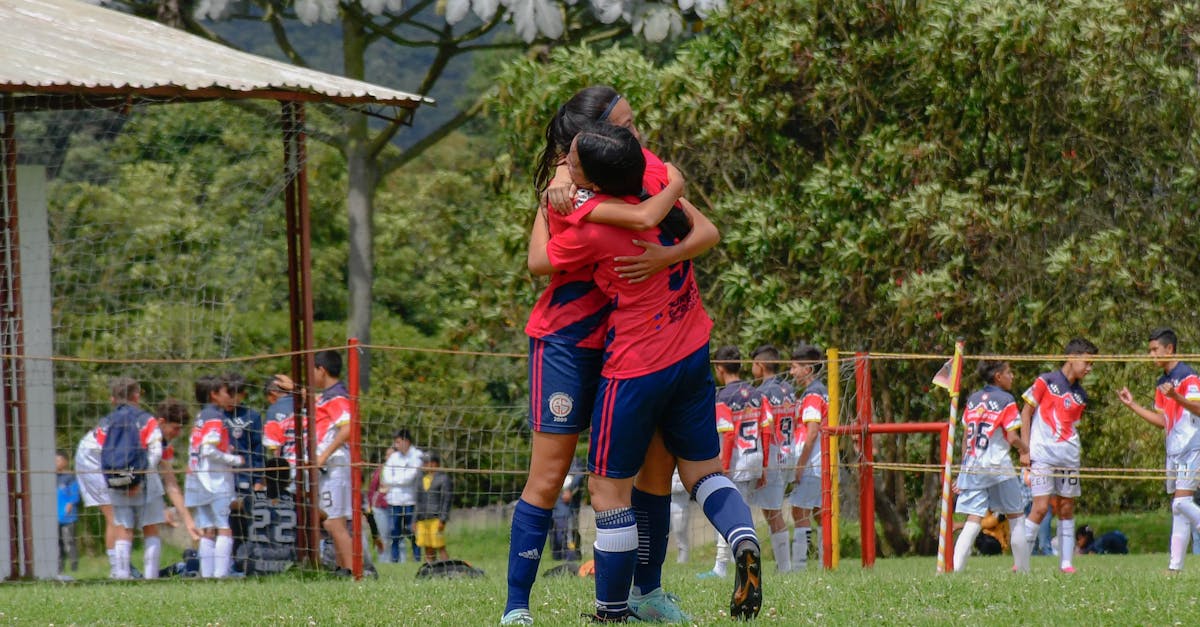
A true friend celebrates your wins with genuine enthusiasm. A user often reacts to your good news with silence or cynical remarks. They may try to downplay your achievements to make themselves feel better. You might sense a competitive tension rather than a supportive partnership. Their inability to be happy for you stems from deep insecurity and selfishness.
Conditional Kindness
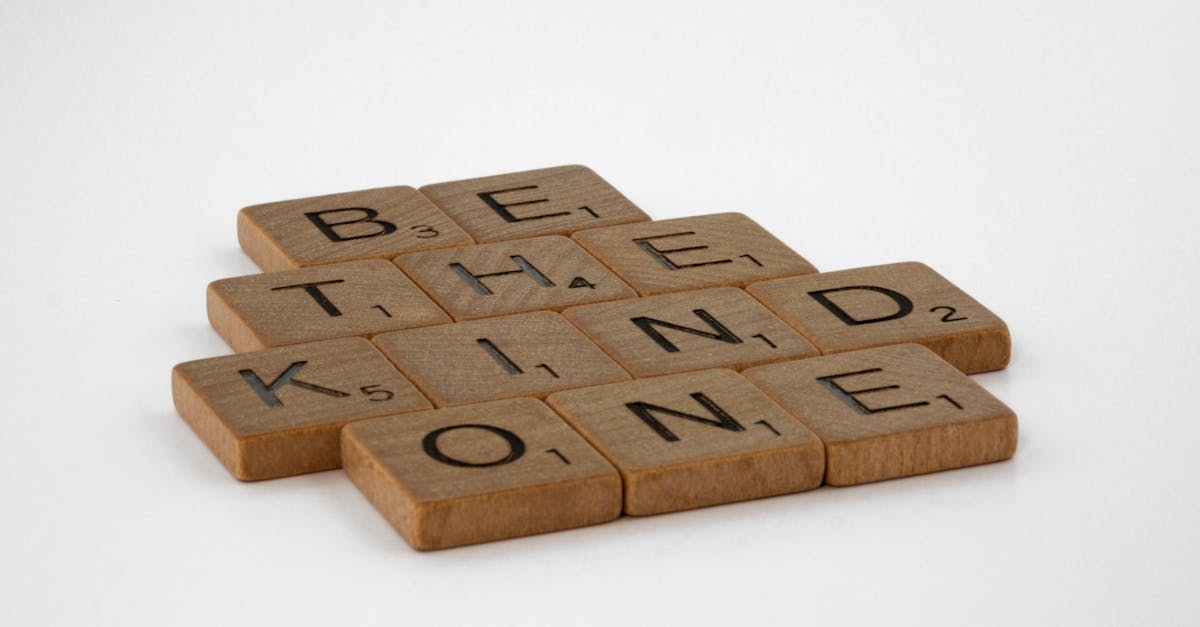
Their attitude towards you shifts based on what you can currently offer them. They are incredibly charming when they want something but turn cold when you have nothing to give. This fluctuation creates an unstable dynamic where you feel the need to earn their affection. You might feel like you are walking on eggshells to keep them happy. Consistency is absent because their kindness is a manipulation tactic rather than a personality trait.
Passive Aggressive Behavior

Direct communication is often avoided in favor of subtle jabs and sullen silence. They might make snide remarks about your choices without explaining their frustration. You are left guessing what you did wrong while they deny being upset. This creates a toxic environment where issues are never resolved openly. Healthy relationships thrive on clear and honest communication.
Violation of Boundaries

Disrespecting your limits is a major red flag in any relationship. They may pressure you to do things you are uncomfortable with despite your refusal. Your “no” is often met with guilt trips or anger rather than understanding. They view your boundaries as obstacles to getting what they want. A respectful friend honors your personal space and decisions without question.
Never Initiates Contact

The effort to maintain the friendship falls entirely on your shoulders. You realize that if you stopped texting or calling then you would never hear from them again. They only reach out when it is convenient for them or they require assistance. This imbalance creates an exhausting dynamic that leads to resentment. Mutual effort is required to sustain a meaningful bond over time.
Guilt Tripping

Emotional manipulation is used to force your compliance with their demands. They might say you are a bad friend if you cannot meet their every expectation. This tactic plays on your empathy to make you feel responsible for their happiness. You end up doing things out of obligation rather than desire. Friendship should be based on free will and not emotional coercion.
Constant Competition

Everything becomes a contest they feel they must win. If you share a story about a bad day they will claim theirs was worse. If you mention a new purchase they will talk about something more expensive they own. This need to outdo you prevents any genuine connection or shared joy. They view you as a rival to beat rather than a companion to cherish.
Betrayal of Confidence

Sharing your private matters with others is a definitive sign of disrespect. You might hear your personal struggles being discussed by people you hardly know. This breach of trust causes significant emotional damage and embarrassment. It shows they prioritize social standing or entertainment over your safety. A loyal friend guards your secrets as carefully as their own.
Different in Private

Their personality changes drastically depending on who else is in the room. They might be kind when you are alone but mock you in front of an audience. This behavior is often an attempt to look cool or dominant to others. It indicates they are using you as a prop for their social image. Consistently shifting personas reveals a lack of authenticity.
Minimizing Your Problems

They dismiss your feelings or struggles as unimportant or dramatic. You might hear phrases telling you to get over it or that you are overreacting. This lack of empathy makes you feel isolated and unheard during tough times. They refuse to offer the emotional support that friends typically provide. Validating feelings is crucial for a supportive and caring relationship.
Gaslighting Tactics
They manipulate reality to make you question your own memory or sanity. If you confront them about hurtful behavior they will deny it ever happened. They might insist you are crazy or remembering things incorrectly to avoid accountability. This is a severe form of emotional abuse that erodes trust in yourself. You should feel safe and grounded in a friendship rather than confused.
Takes Without Giving

The balance of exchange is heavily skewed in their favor. You constantly pay for meals or provide transportation without reciprocation. They accept your generosity readily but never offer to return the favor. This selfishness drains your resources and leaves you feeling used. A healthy friendship involves a natural flow of give and take.
Convenient Availability

They are only free to hang out when their other plans fall through. You often feel like a placeholder until something more exciting comes along. Their schedule seems open only when they are bored or lonely. You deserve to be a priority rather than a last resort. This behavior highlights their lack of genuine desire to spend time with you.
Excessive Flattery

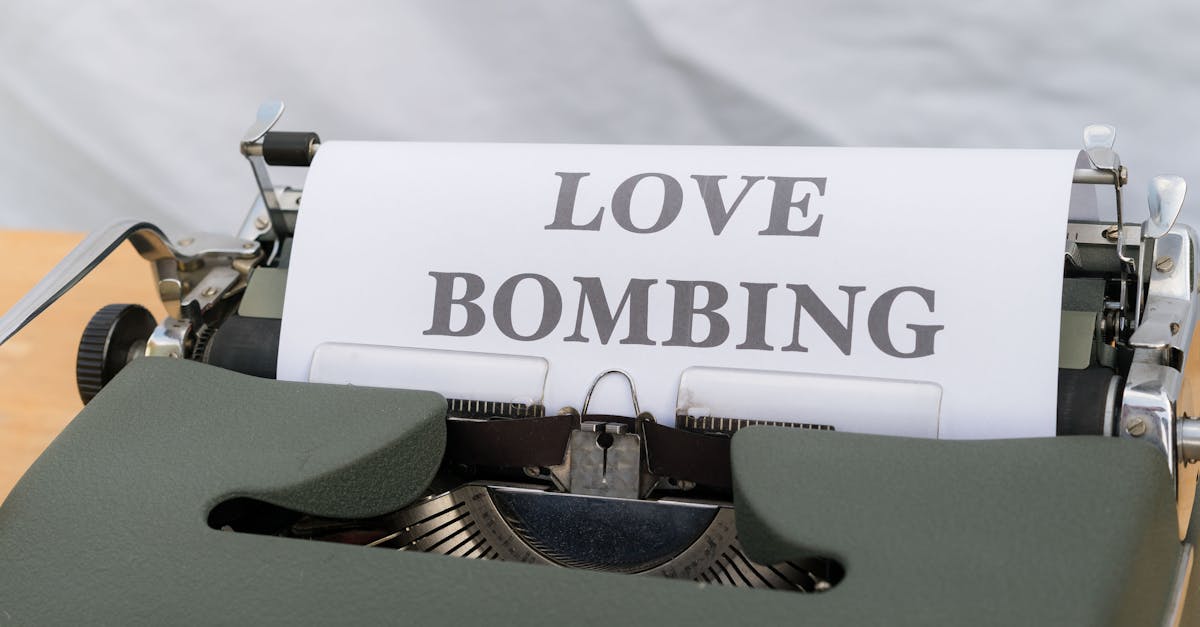
Over-the-top praise can sometimes be a method of manipulation. They might shower you with compliments right before asking for a significant favor. This love bombing creates a false sense of intimacy and obligation. You may notice the compliments stop as soon as they get what they want. Authentic appreciation is consistent and not tied to specific requests.
Magnet for Drama

Chaos seems to follow them wherever they go and you get dragged into it. They thrive on conflict and expect you to take their side blindly. You spend hours listening to their feuds and trying to solve their self-created problems. This constant negativity drains your energy and disturbs your peace. A stable friend brings joy rather than perpetual crisis into your life.
Forgets Important Dates

They consistently neglect to acknowledge your birthday or major milestones. You likely remember their special days and put effort into celebrating them. Their forgetfulness signals that you are not a significant part of their mental load. It hurts to feel overlooked on days that matter to you. Caring friends make an effort to remember the moments that are important to you.
Emotional Exhaustion

Spending time with them leaves you feeling drained rather than energized. You might dread seeing them because of the mental toll it takes. The interaction feels like work because you are constantly managing their moods. This physical and mental fatigue is your body signaling a toxic connection. Relationships should be a source of comfort and not a cause of depletion.
Public Embarrassment

They make jokes at your expense in social settings to get a laugh. You might find them bringing up your past mistakes in front of new acquaintances. This demonstrates a willingness to sacrifice your dignity for their amusement. It creates an unsafe environment where you cannot relax. True friends protect your reputation rather than tarnish it.
Dismissive Body Language

Nonverbal cues often reveal their true lack of interest. They might check their phone constantly while you are speaking to them. Rolling eyes or looking around the room indicates they are bored or disengaged. This physical detachment shows they are not present in the moment with you. Active listening involves looking at the speaker and showing engagement.
Transactional Attitude

Every interaction feels like a business deal where they calculate the benefit. They might remind you of things they did for you when you hesitate to help them. The relationship lacks emotional depth because it is based on utility. You feel valued only for your assets or connections. Friendship is about emotional bonding and not accounting for favors.
Lack of Empathy

They struggle to understand or care about your emotional state. You might tell them sad news and receive a blank stare or a subject change. Their inability to put themselves in your shoes creates an emotional disconnect. This coldness prevents any deep or meaningful bonding. Empathy is the glue that holds close relationships together through life’s ups and downs.
Judgmental of Choices

Criticism of your lifestyle or decisions is a constant theme in your conversations. They make you feel inferior for your career path or partner or hobbies. You find yourself hiding aspects of your life to avoid their negative commentary. This judgment stems from their need to control or feel superior. Support involves respecting differences rather than critiquing them.
Isolation Tactics

They try to keep you away from your other friends or family members. You might notice them speaking negatively about your other loved ones to drive a wedge. This possessiveness is a control tactic to make you dependent on them. It limits your support system and creates an unhealthy dynamic. Healthy friends encourage you to have a wide and varied social circle.
Inconsistent Behavior

You never know which version of them you will get on any given day. They might be affectionate one moment and completely distant the next. This unpredictability creates anxiety and instability in the relationship. You waste energy trying to decipher their mood swings. Stability and predictability are traits of a trustworthy companion.
Talks Over You

Your voice is frequently drowned out by their need to be heard. They interrupt your stories to correct you or take over the narrative. This signals that they believe what they have to say is more important. You eventually stop trying to share because it feels futile. Mutual respect requires giving everyone a chance to speak.
Never Apologizes

Taking responsibility for mistakes is foreign to them. They will twist the narrative to make you feel like the one who should apologize. You are left resolving conflicts by absorbing the blame just to keep the peace. Their refusal to admit fault prevents the relationship from growing. A sincere apology is necessary to repair hurts and move forward.
Keeps Score

Past favors and mistakes are cataloged to be used against you later. They bring up ancient history to win current arguments or force compliance. You feel like you are constantly in debt to them. This creates a resentful atmosphere where forgiveness is absent. True friendship involves letting go of the past and focusing on the present.
Uses Your Connections

They seem most interested in who you know rather than who you are. You might find them pushing for introductions to your professional network or wealthy friends. Once they gain access to these people they may bypass you entirely. This social climbing behavior is transparent and exploitative. They view you as a bridge to a better opportunity rather than a destination.
Undermines Confidence

Subtle comments are made to make you doubt your abilities or appearance. They might question your readiness for a promotion or the fit of an outfit. These remarks plant seeds of insecurity that hinder your progress. They prefer you to stay stagnant so they do not feel threatened. A supportive friend acts as a cheerleader for your potential.
Resents Other Friends

They get angry or pout when you spend time with people other than them. You receive guilt-inducing texts if you post photos with other groups. This jealousy restricts your freedom and social growth. They want to monopolize your time to feed their own ego. A secure friend understands that you have room in your heart for many people.
Materialistic Focus

Conversations and activities center exclusively on money and possessions and status. They judge people based on what they own rather than their character. You might feel pressured to spend money you do not have to keep up with them. This superficial value system lacks emotional depth. Meaningful connection relies on shared values rather than shared expenses.
Pressure Tactics

They do not take no for an answer and push you until you cave in. You feel coerced into attending events or lending items against your better judgment. This disregard for your comfort zone is a sign of disrespect. They value their own desires above your autonomy. A real friend accepts your refusal without making you feel bad.
Broken Promises

Commitments are made easily but rarely kept. They promise to help you move or attend an event but fail to show up. You learn to lower your expectations to avoid constant disappointment. This lack of integrity erodes trust over time. Keeping your word is a fundamental part of being a good friend.
Gut Feeling

Your intuition often alerts you to a toxic person before your brain processes the signs. You might feel a sense of unease or anxiety when you are around them. Something simply feels off even if you cannot pinpoint the exact reason. trusting your instincts is often the best way to protect yourself. Your body reacts to inauthenticity even when you want to believe the best.
Please share your own experiences with spotting disingenuous friends in the comments.