Overthinking creates unnecessary stress and often paralyzes decision making capabilities. This habit traps the mind in a loop of worry regarding past events or future uncertainties. Breaking this cycle requires immediate and practical strategies to redirect mental energy effectively. These forty-five methods offer actionable steps to regain clarity and calm the mind instantly. Implementing even a few of these techniques can significantly reduce anxiety and improve overall mental well-being.
Deep Breathing Techniques
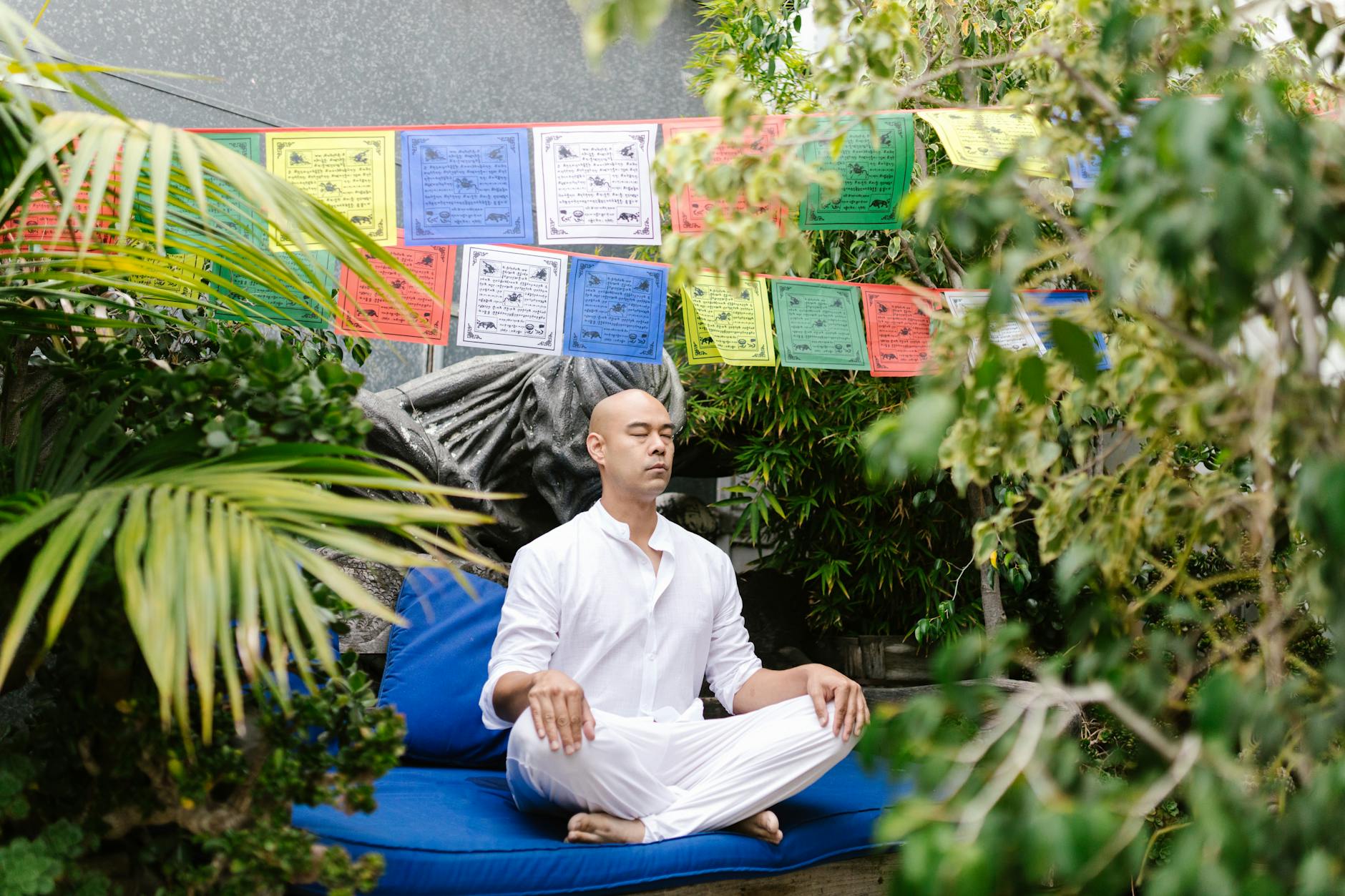
Deep breathing signals the parasympathetic nervous system to calm down immediately. You can inhale slowly through the nose for a count of four. Hold the breath for another count of four before exhaling deeply. This process lowers the heart rate and shifts focus away from racing thoughts. Repeating this cycle five times often breaks the momentum of mental loops.
The Five Second Rule

This cognitive trick involves counting backward from five to one the moment a thought creates hesitation. The brain interrupts its habitual worry patterns during this brief countdown. You must physically move or take action immediately after reaching the number one. This action shifts energy from the prefrontal cortex to the motor cortex. It prevents the mind from talking itself out of necessary tasks.
Sensory Grounding

The 5-4-3-2-1 technique anchors the mind firmly in the present moment. You acknowledge five things you see and four things you can touch. Next you identify three sounds you hear and two things you can smell. Finally you focus on one thing you can taste. This sensory checklist forces the brain to process immediate data rather than abstract worries.
Cold Water Shock
Splashing ice-cold water on the face triggers the mammalian dive reflex. This physiological response instantly slows the heart rate and resets the nervous system. The sudden sensation demands total attention and interrupts spiraling thoughts. It serves as a physical reset button for an overwhelmed mind. Anxiety levels typically drop within seconds of the cold exposure.
Write It Down

Transferring thoughts from the mind to paper reduces their perceived power. Writing allows for the organization of chaotic mental patterns into linear sentences. You can see the logic or absurdity of fears once they are made visible. This practice frees up mental RAM essentially by offloading the data. Reading the words back often provides immediate objective perspective.
Distract With Music

Listening to a complex or favorite song engages multiple areas of the brain. Singing along requires focus and coordination that competes with anxious thinking. The rhythm and melody can alter emotional states rapidly. Paying close attention to specific lyrics or instruments deepens the distraction. This auditory shift effectively crowds out the internal monologue.
Change Your Environment

Moving to a different room or stepping outside breaks the physical association with the negative thought loop. New visual stimuli force the brain to process fresh information. A change in lighting or temperature can also signal a shift in mental state. This physical movement serves as a metaphorical transition away from the problem. Even a short walk creates necessary distance from a stressful setting.
Vigorous Exercise

High-intensity physical activity floods the body with endorphins and dopamine. The physical demand of sprinting or lifting weights leaves little room for rumination. Exercise burns off the excess cortisol often generated by stress and anxiety. The focus shifts entirely to bodily sensation and breath control. This creates a natural mental clarity once the workout concludes.
Schedule Worry Time

Designating a specific time for worrying contains the anxiety within a manageable window. You might allow yourself fifteen minutes at 4 PM to think about problems. Any worries arising outside this window must be deferred until the scheduled time. This practice teaches the brain that thoughts can be postponed and controlled. It prevents worry from consuming the entire day.
The Stop Sign Visualization

Visualizing a bright red stop sign interrupts intrusive thoughts abruptly. You can accompany this image with a mental shout of the word stop. This visualization creates a cognitive barrier against repetitive thinking. Repeating this process strengthens the association between the image and mental silence. It serves as a quick tool for immediate thought redirection.
Fact Checking

Anxiety often masquerades as fact when it is actually an assumption. You should ask yourself what concrete evidence supports the worrying thought. Identifying the difference between feelings and facts clarifies reality. This logical interrogation often reveals the irrationality of the fear. The brain relaxes when it recognizes the lack of real danger.
Gratitude Listing

Focusing on positive aspects of life shifts the brain from a defensive state to an appreciative one. You can list three simple things that are going right at this moment. This practice activates the reward center of the brain and reduces cortisol. It creates a buffer against negative spirals by highlighting abundance. The shift in perspective provides immediate emotional relief.
Help Someone Else

Performing an act of kindness redirects focus outward rather than inward. Helping a colleague or friend requires empathy and attention to their needs. This shift in perspective minimizes personal problems by comparison. The positive feedback from social connection boosts mood. It reinforces a sense of agency and purpose.
Read Fiction

Immersing the mind in a narrative transports it to a different reality. Reading requires cognitive engagement that displaces personal worries. The brain mirrors the emotions and journey of the characters instead of its own loop. This mental escape provides a necessary break from real-world stressors. It allows the subconscious to process issues in the background.
Digital Detox

Constant notifications and information overload fuel the overthinking engine. Turning off screens for an hour reduces external stimulation significantly. The absence of social media comparison lowers anxiety levels. Silence allows the nervous system to settle into a natural rhythm. This break restores attention span and mental resilience.
Progressive Muscle Relaxation

Tensing and releasing specific muscle groups draws attention to the physical body. You start at the toes and work slowly up to the head. This practice releases physical tension that often accompanies mental stress. The focus required to isolate muscles distracts from racing thoughts. A relaxed body sends feedback signals to the brain that it is safe to calm down.
Perspective Taking

Asking if this issue will matter in five years usually provides immediate clarity. Most daily stressors are temporary and insignificant in the long run. This question broadens the timeline and shrinks the immediate problem. It helps prioritize energy for things that truly impact the future. The realization of insignificance often brings instant relief.
Accept Uncertainty

Fighting against the unknown causes the majority of mental friction. Acknowledging that the future cannot be fully predicted releases the need for control. You can repeat a mantra about accepting what cannot be changed. This surrender preserves energy that would be wasted on futile prediction. Peace comes from navigating the present rather than predicting the future.
Single Tasking

Multitasking divides attention and increases cognitive load. Focusing exclusively on one simple task at a time calms the mind. You might fold laundry or wash dishes with total attention to detail. This mindfulness in motion creates a flow state. Completing the task provides a small but significant sense of accomplishment.
Identify Triggers

Recognizing what initiates a spiral empowers you to avoid or manage it. You should note specific times or people that cause stress. Awareness allows for the creation of boundaries or preparation strategies. This proactive approach reduces the frequency of overthinking episodes. Understanding the cause often diminishes the power of the effect.
Perfectionism Check

Striving for flawless results often leads to paralysis and rumination. Accepting that good enough is sufficient allows for forward progress. You can remind yourself that mistakes are opportunities for learning. This shift lowers the stakes and reduces performance anxiety. Completed imperfect work is always better than perfect uncompleted work.
Drink Water

Dehydration can mimic symptoms of anxiety and impair cognitive function. Drinking a large glass of water rehydrates the brain and body. This simple act provides a moment of pause and self-care. Improved hydration supports clearer thinking and emotional regulation. It is a foundational step for physical and mental balance.
Aromatherapy

Scent has a direct pathway to the emotional center of the brain. Inhaling lavender or citrus can shift mood almost instantly. The sensory experience grounds the mind in the physical present. Essential oils can be used to anchor a sense of calm. This biological hack bypasses the logical mind to induce relaxation.
Forgive Yourself

Dwelling on past mistakes fuels a cycle of guilt and shame. Acknowledging that everyone makes errors is crucial for moving forward. You must actively decide to let go of the past event. Self-compassion breaks the loop of negative self-talk. This release frees up mental space for productive thoughts.
Challenge Beliefs

Many worries are based on outdated or incorrect core beliefs. You should question why you believe a certain outcome is inevitable. Examining the evidence often disproves the negative assumption. This cognitive restructuring builds mental resilience. It replaces fear-based thinking with logic-based thinking.
Limit Caffeine

Stimulants can exacerbate the physical symptoms of anxiety. Reducing coffee or tea intake lowers heart rate and jitteriness. A calmer physical state reduces the likelihood of a racing mind. You might switch to herbal tea during high-stress periods. This physiological adjustment creates a more stable mental foundation.
Talk to a Friend

Verbalizing thoughts to a trusted person can deflate their intensity. Hearing the worries out loud often highlights their irrationality. A friend can offer a fresh perspective or simple validation. This social connection reduces feelings of isolation. Shared burdens always feel lighter than those carried alone.
Solve a Puzzle

Engaging in a crossword or Sudoku demands logical problem-solving skills. The brain cannot easily worry while searching for a specific word or number. This focused activity channels mental energy into a concrete goal. The satisfaction of finding a solution provides a dopamine hit. It serves as a healthy distraction for a busy mind.
Watch a Comedy

Laughter triggers the release of feel-good neurochemicals. Watching a funny clip or show shifts the emotional state rapidly. Humor provides a necessary counterbalance to serious thinking. The physical act of laughing relaxes the muscles. It is difficult to maintain a worry loop while genuinely laughing.
Visualization of Success

Imagining a positive outcome prepares the brain for success. You visualize the steps going well rather than focusing on potential failure. This positive rehearsal builds confidence and reduces fear. The brain begins to recognize the positive path as a possibility. It replaces dread with constructive anticipation.
Declutter a Space

Physical clutter often mirrors and exacerbates mental clutter. Organizing a drawer or desk provides a tangible sense of control. The visual order creates a calming environment for the mind. This activity offers a low-stakes task with immediate results. The process of discarding items can feel symbolically like discarding worries.
The Worst Case Scenario

Facing the absolute worst outcome often reveals it is survivable. You outline exactly what would happen if the fear came true. You then create a rough plan for handling that specific situation. This removes the vague terror of the unknown. Knowing there is a plan reduces the need to constantly worry.
Mantra Repetition

Repeating a calming phrase occupies the internal voice. You might say words like peace or calm or silence. This repetition blocks intrusive thoughts from entering the conscious mind. It creates a rhythm that soothes the nervous system. The mantra serves as an anchor during mental storms.
Nature Walk

Being in nature reduces blood pressure and stress hormone levels. The visual patterns of trees and clouds are naturally soothing to the human brain. Fresh air improves oxygen flow to the head. This environment encourages a broader perspective on life. Nature reminds us that life moves forward regardless of our worries.
Creative Expression

Drawing or painting channels emotion into a physical form. The focus on color and shape engages the right hemisphere of the brain. This non-verbal activity bypasses the logical loops of overthinking. Creating something tangible provides a sense of agency. It transforms nervous energy into expressive art.
Power Posing

Standing in a confident posture affects hormonal balance. You stand with hands on hips and chest open for two minutes. This stance increases testosterone and lowers cortisol. The body signals the brain that it is confident and in control. This physiological hack can override feelings of insecurity.
Limit Decisions

Decision fatigue leads to procrastination and overthinking. You can automate small choices like meals or wardrobe. Reducing the number of daily decisions preserves mental energy. This simplification keeps the mind fresh for important matters. Routine eliminates the need for constant deliberation.
Hug Someone

Physical touch releases oxytocin which promotes bonding and calm. A long hug lowers cortisol levels and heart rate. This physical connection reinforces a sense of safety. It pulls focus away from internal thoughts to the external connection. Even hugging a pet provides significant anxiety relief.
Timeboxing

Allocating a strict time limit for a decision forces action. You give yourself ten minutes to research and then you must decide. This constraint prevents endless information gathering. It encourages trusting your gut instinct. The deadline creates a healthy pressure to move forward.
Look at the Sky

Gazing at the vastness of the sky puts personal problems in perspective. The immensity of the universe makes individual worries seem smaller. This visual expansion physically relaxes the eyes and mind. It invites a sense of awe that overrides anxiety. The blue color spectrum is also known to be calming.
Learn Something New

Acquiring a new skill forces the brain to build new neural pathways. The concentration required for learning leaves no room for rumination. Mastery of a small task boosts self-efficacy. This growth mindset focuses on potential rather than limitation. It directs energy toward future expansion.
Eat a Healthy Meal

Low blood sugar can trigger anxiety and irritability. Eating a balanced meal with protein stabilizes mood and energy. This physiological support is crucial for mental resilience. Taking time to eat slowly creates a mindful break. Proper nutrition fuels the brain to process stress more effectively.
Celebrate Small Wins

Acknowledging minor achievements builds positive momentum. You should credit yourself for simply showing up or completing a small task. This reinforcement shifts the focus from what is missing to what is present. It trains the brain to look for success. Confidence grows from recognizing these daily victories.
Sleep Hygiene

Fatigue dramatically reduces the ability to regulate emotions. Establishing a strict sleep schedule ensures cognitive restoration. A rested brain is better equipped to dismiss irrational thoughts. You should remove screens from the bedroom to improve sleep quality. Adequate rest is the ultimate defense against mental spiraling.
Action Over Analysis

Taking one small step is the most effective cure for overthinking. Action provides real-world feedback that thinking cannot. You should do the smallest possible part of the task immediately. Momentum builds quickly once the friction of starting is overcome. Doing creates clarity while thinking often creates confusion.
Please share your own effective strategies for calming a busy mind in the comments.