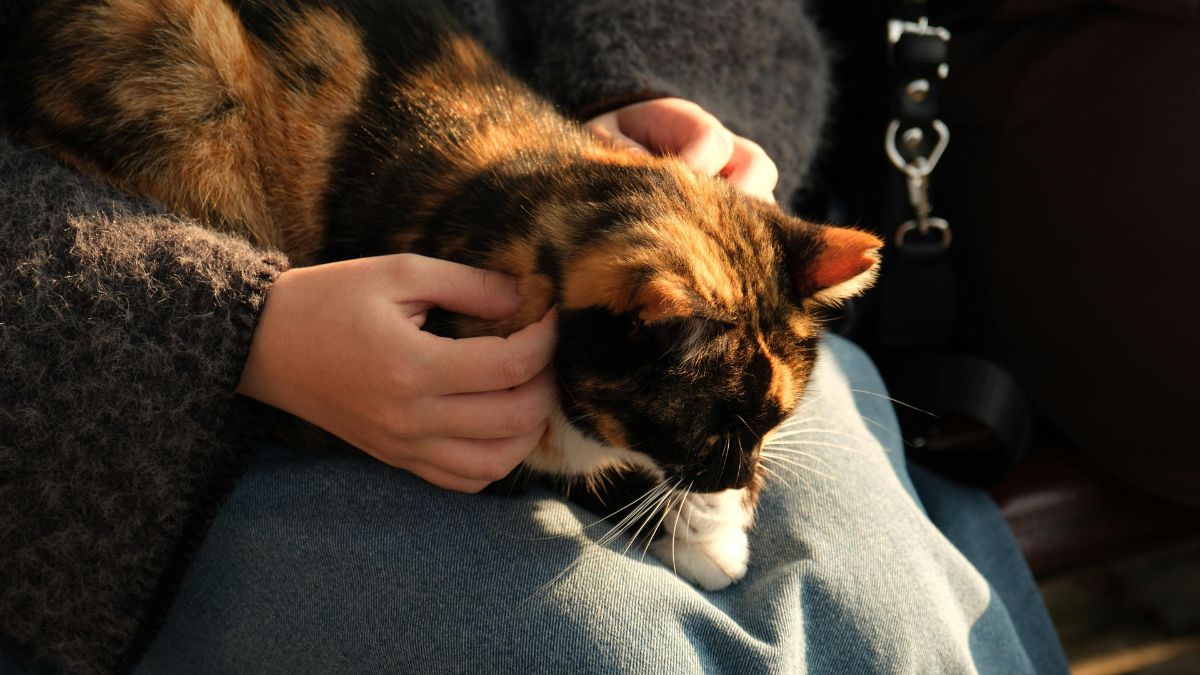
Cats have a reputation for being aloof and independent, but those who share their lives with a feline companion know the truth runs much deeper. Cats express affection in ways that are subtle, layered, and deeply rooted in their natural instincts. Learning to read these signals can transform the way you understand and connect with your cat. Here are fifteen unmistakable signs that your cat truly loves you.
Slow Blinking at You
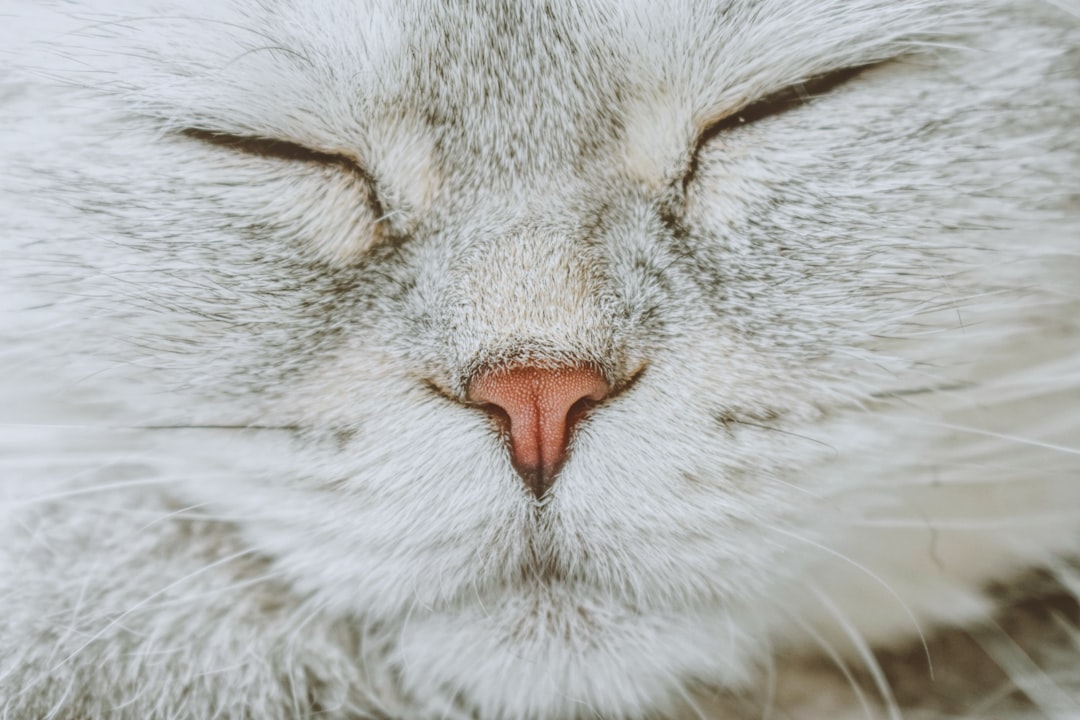
When a cat locks eyes with you and slowly closes and reopens its eyes, it is offering one of the most intimate gestures in feline communication. This behavior is commonly referred to as a cat kiss and signals that your cat feels completely at ease in your presence. In the wild, closing the eyes around another being requires an enormous amount of trust. Returning the slow blink reinforces the bond and tells your cat that you feel safe with them too. Many cat behaviorists consider this one of the clearest indicators of feline affection.
Bunting and Head Rubbing
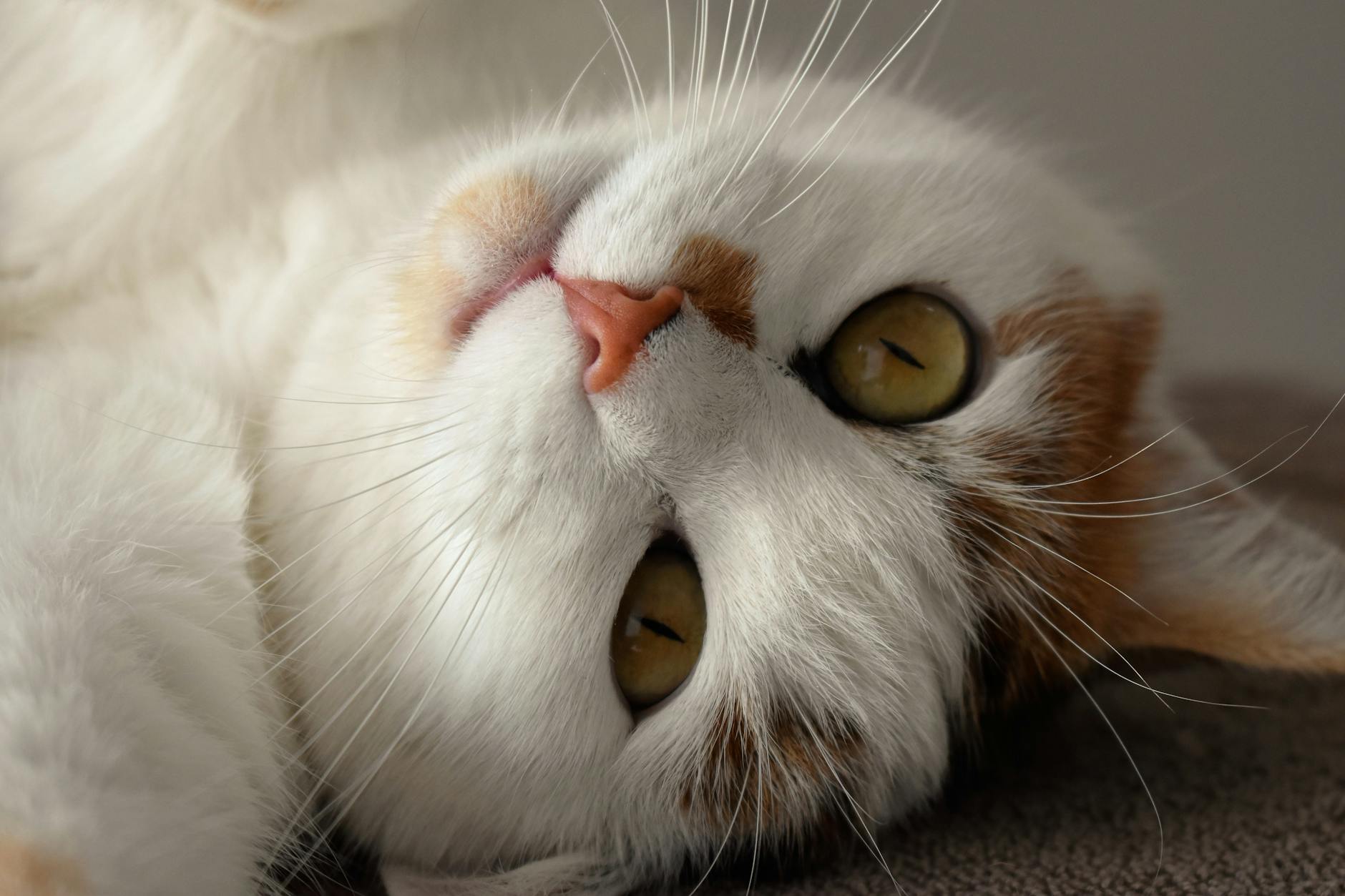
When your cat presses its forehead, cheeks, or chin against you, this behavior is known as bunting. Cats have scent glands concentrated in these areas, and when they rub against you they are leaving behind their personal scent as a mark of ownership and affection. Being scent-marked by a cat is actually a significant sign of trust and emotional closeness. This behavior is commonly directed at individuals the cat considers part of its inner social circle. Cats rarely bunt strangers, making the gesture all the more meaningful when directed at you.
Kneading Your Lap or Body
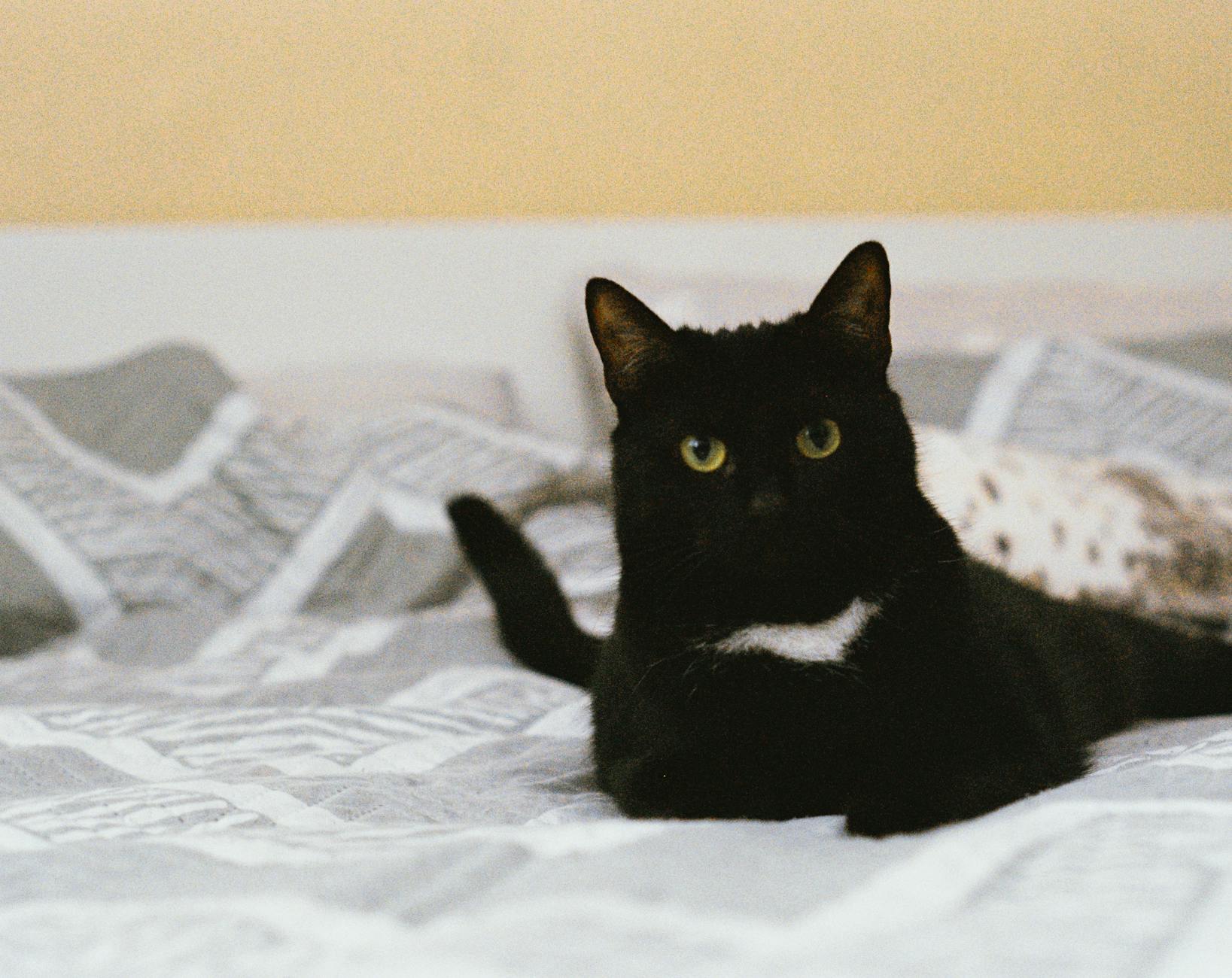
Kneading is a rhythmic pushing motion that cats perform with their front paws, alternating left and right in a gentle massage-like pattern. This behavior originates in kittenhood, when young cats knead their mother to stimulate milk flow. When an adult cat kneads you, it is tapping into that deep sense of comfort and security associated with early nurturing. The action is often accompanied by purring and a glazed, relaxed expression that signals genuine contentment. Cats reserve this behavior for people and surfaces that make them feel entirely safe.
Bringing You Gifts
If your cat regularly deposits toys, socks, or other small objects at your feet, it is engaging in a deeply instinctive form of gift-giving. In nature, cats bring prey to members of their social group as an act of provision and care. Domestic cats apply this same logic to their human family members, presenting items they consider valuable or interesting. While the gifts themselves may not always be welcome, the intention behind them is unmistakably affectionate. Accepting the offering graciously reinforces your cat’s sense of being a valued contributor to the household.
Following You From Room to Room

A cat that shadows your movements throughout the day is expressing a quiet but consistent form of devotion. Unlike dogs, cats are not pack animals by nature, which means choosing to remain close to a person is a deliberate and meaningful decision. This behavior signals that your presence is a source of comfort and that your cat genuinely enjoys being near you. Many cats will position themselves in doorways or just within sight rather than demanding direct interaction. The act of simply wanting to be in the same space is a reliable indicator of deep feline attachment.
Exposing Their Belly
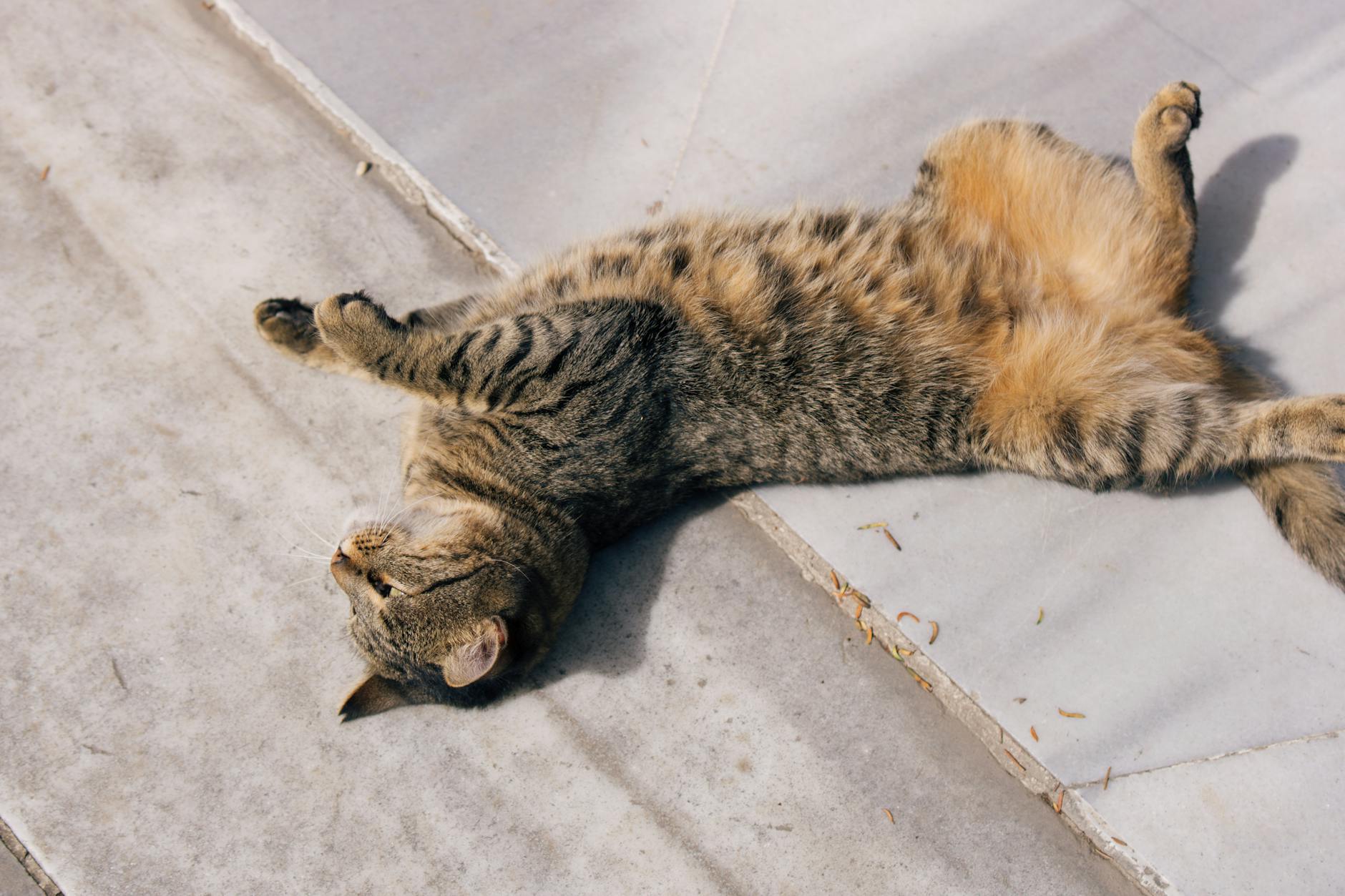
When a cat rolls onto its back and exposes its stomach, it is revealing one of the most vulnerable areas of its body. This posture is a clear declaration of trust, as the belly houses vital organs that a cat would naturally protect from any perceived threat. An exposed belly in your presence means your cat feels completely secure and comfortable around you. It is important to note that this display does not always constitute an invitation to touch, as many cats prefer the gesture to remain a visual expression of trust. Respecting that boundary actually deepens the relationship over time.
Greeting You at the Door
Cats that rush to meet you at the entrance when you arrive home are demonstrating genuine excitement at your return. This behavior indicates that your absence was noticed and that your reappearance is a genuinely positive event for your cat. Some cats will vocalize, chirp, or trill as part of the greeting, adding an auditory layer to their welcome. The consistency of this behavior across many arrivals shows it is not random but a deliberate social ritual. Being greeted enthusiastically by a cat is a strong sign of meaningful emotional attachment.
Sleeping on or Near You
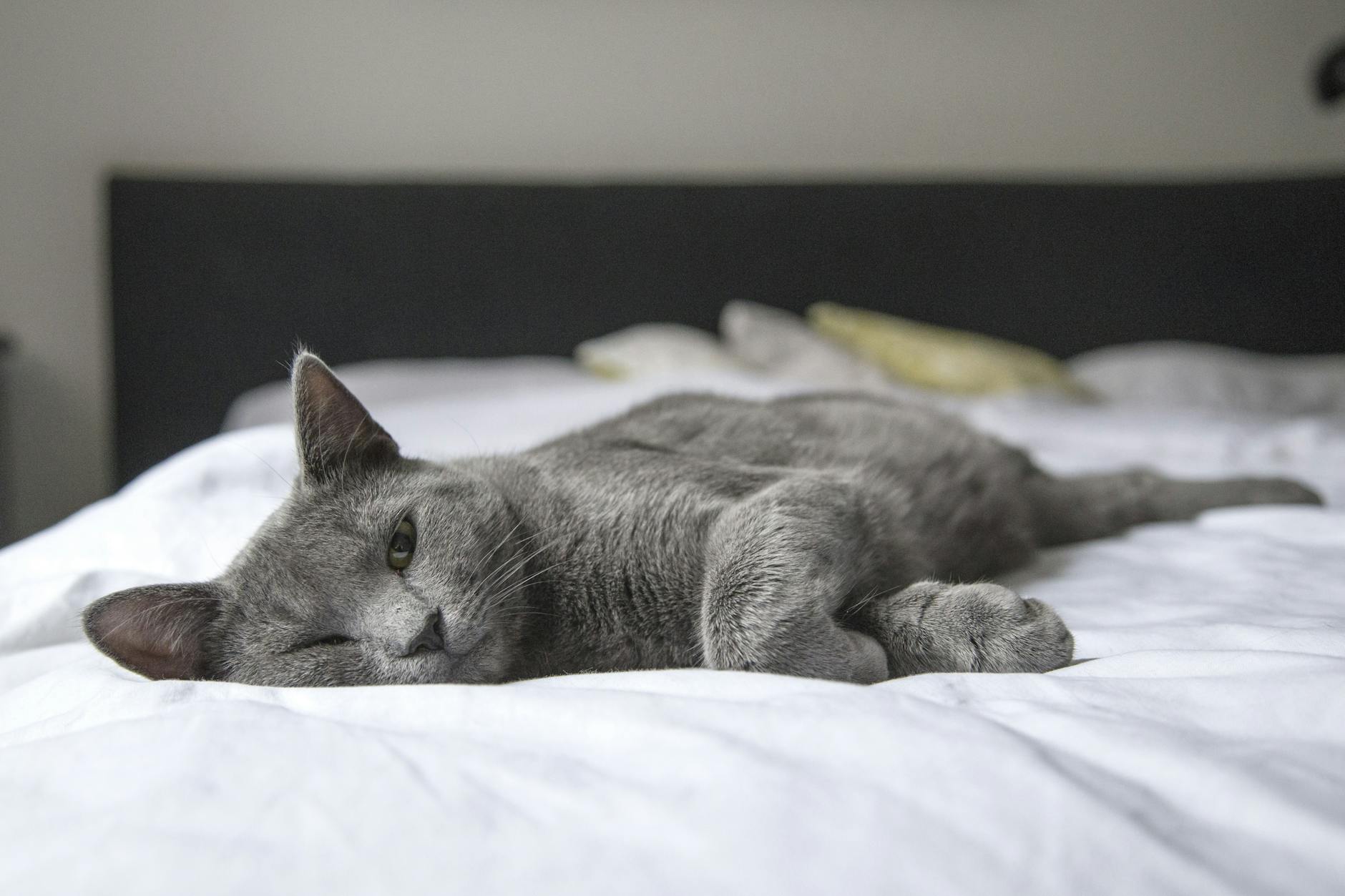
Sleep is a period of total vulnerability for any animal, and where a cat chooses to sleep says a great deal about who it trusts. A cat that curls up on your lap, chest, or feet is communicating that you represent safety and warmth at the most fundamental level. Cats that sleep pressed against their human companions are also regulating warmth and reinforcing their social bond through physical closeness. This behavior tends to become more pronounced in cats who have lived with a person for a longer period of time. Being chosen as a sleeping companion is one of the most unambiguous expressions of feline love.
Grooming You
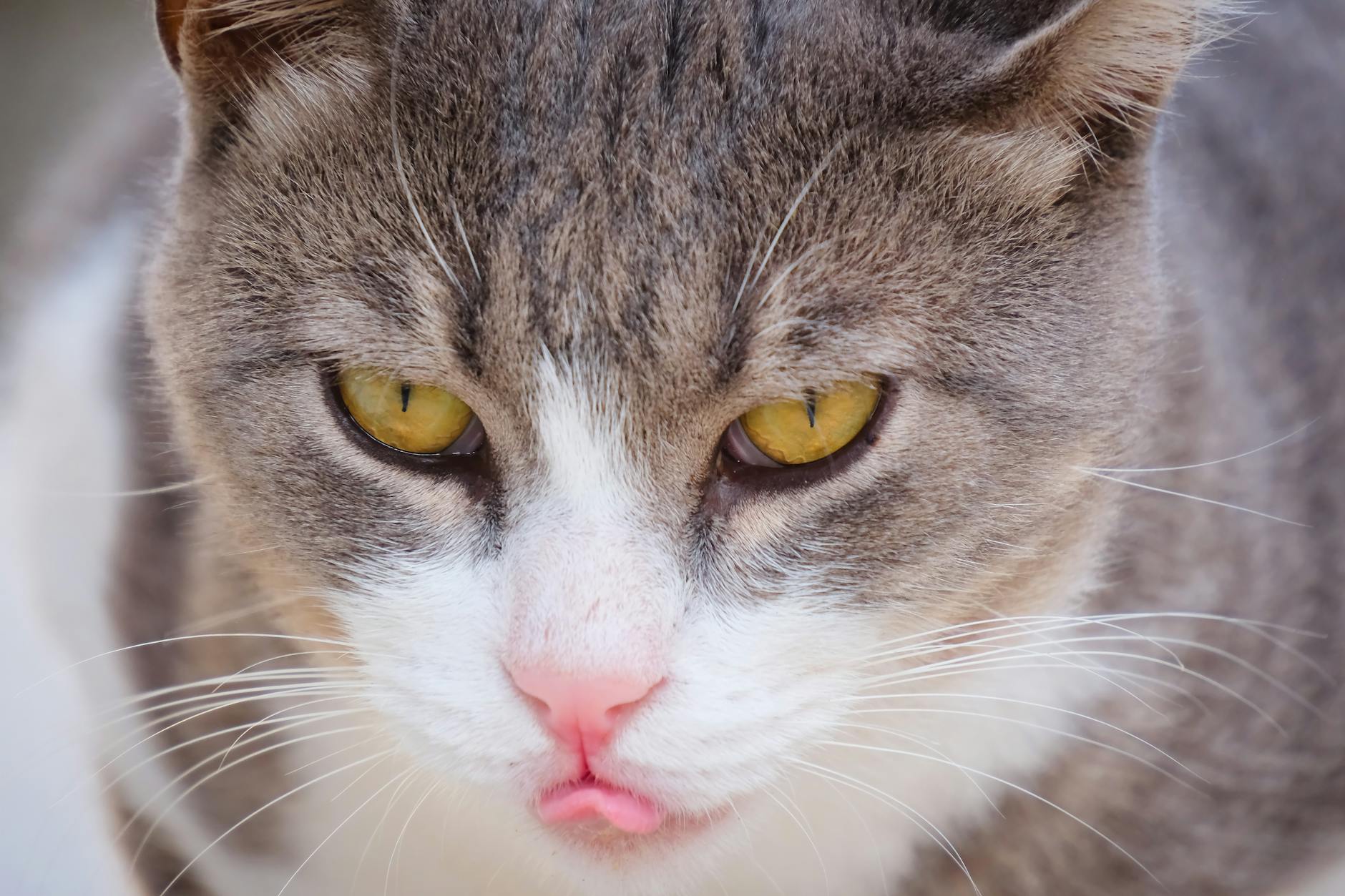
When a cat licks your hair, hand, or face, it is engaging in allogrooming, a behavior that cats typically reserve for other cats they are closely bonded with. In feline social groups, mutual grooming serves both a hygienic and a relational function, cementing the trust between individuals. A cat that grooms you is including you in its inner circle and treating you with the same care it would give a beloved companion. The behavior often occurs during calm, relaxed moments when the cat is feeling especially comfortable. It is one of the most direct ways a cat can say it considers you a member of its family.
Chirping and Trilling at You
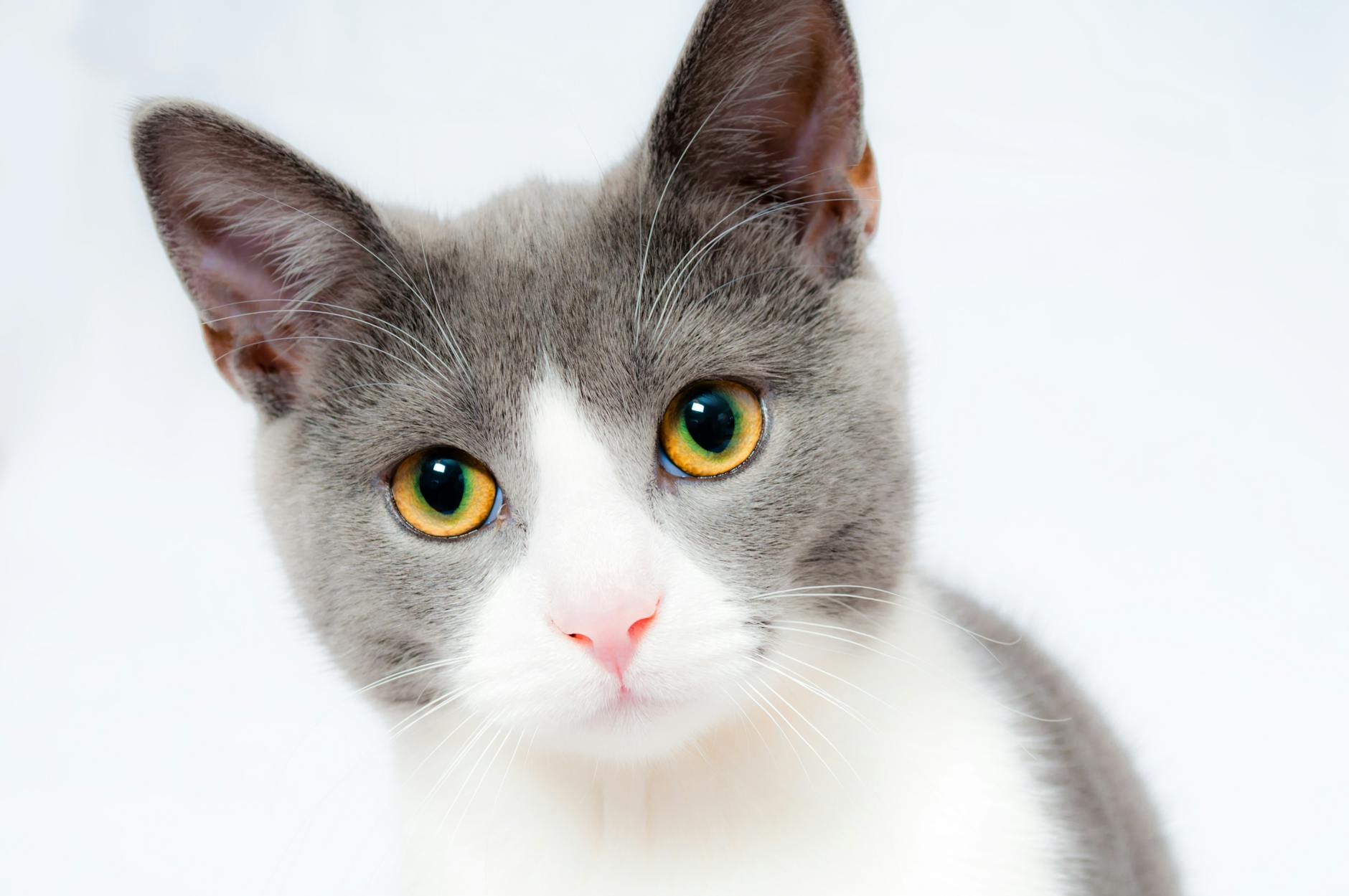
Cats produce a range of vocalizations, and the chirp or trill is one that tends to be reserved for those they feel positively about. Unlike the meow, which cats largely developed to communicate with humans, the trill is a natural feline sound used between cats who share a warm relationship. When directed at a person, it often functions as a friendly greeting or an invitation to interact. The tone is typically bright and rising, carrying none of the urgency or tension associated with distress calls. A cat that regularly trills in your direction is expressing habitual warmth and affection toward you.
Choosing to Sit Near You
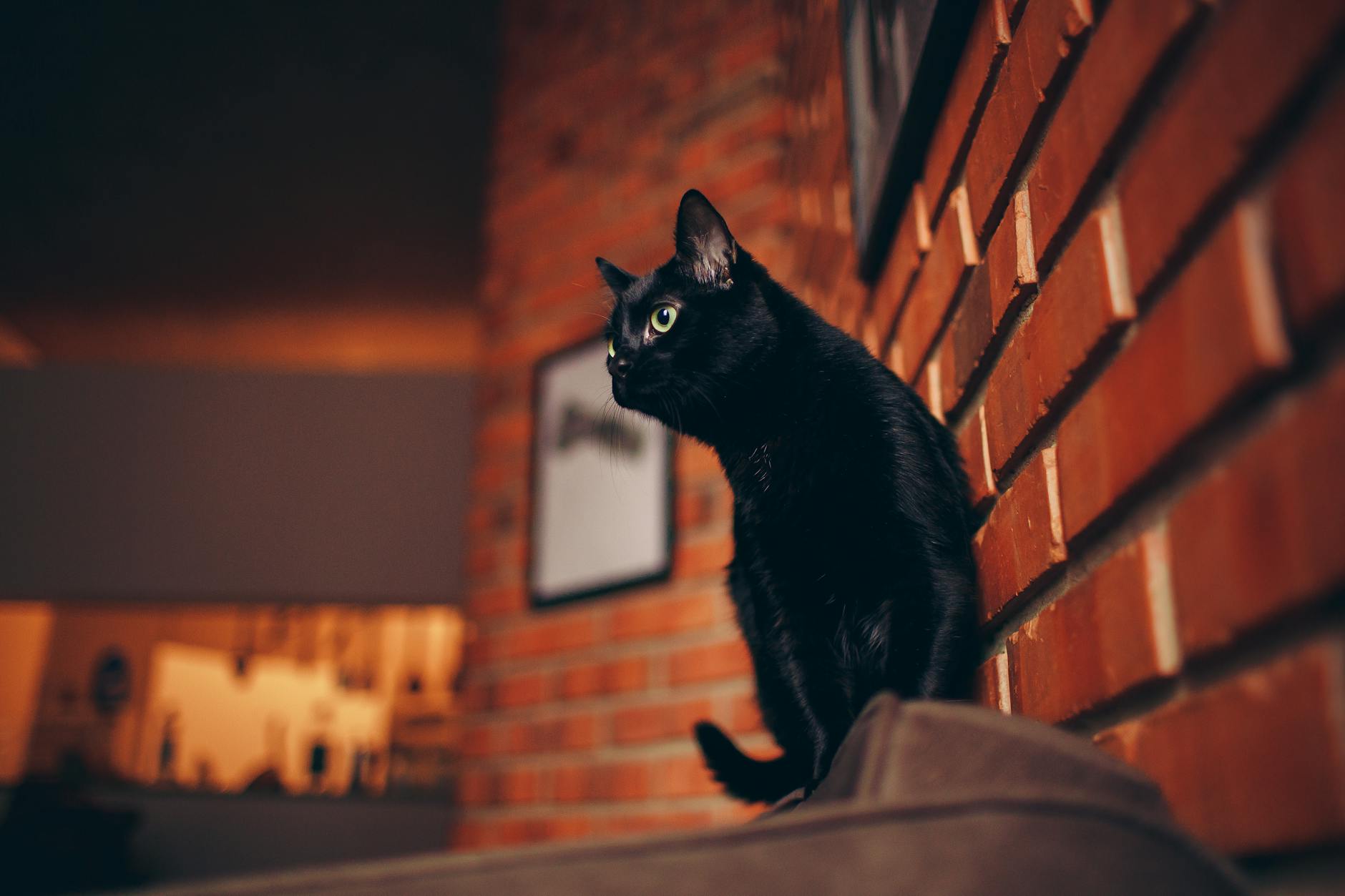
A cat that consistently chooses to position itself close to you, even without requesting physical contact, is expressing companionable affection. This behavior reflects a preference for your energy and presence rather than simply seeking warmth or food. Cats are highly selective about the spaces they occupy, and choosing your vicinity over any other spot in the home is a quiet but telling statement. Over time, this pattern of proximity reveals a sustained emotional preference for your company. It is one of the gentler and more overlooked signs of feline love.
Making Eye Contact With You
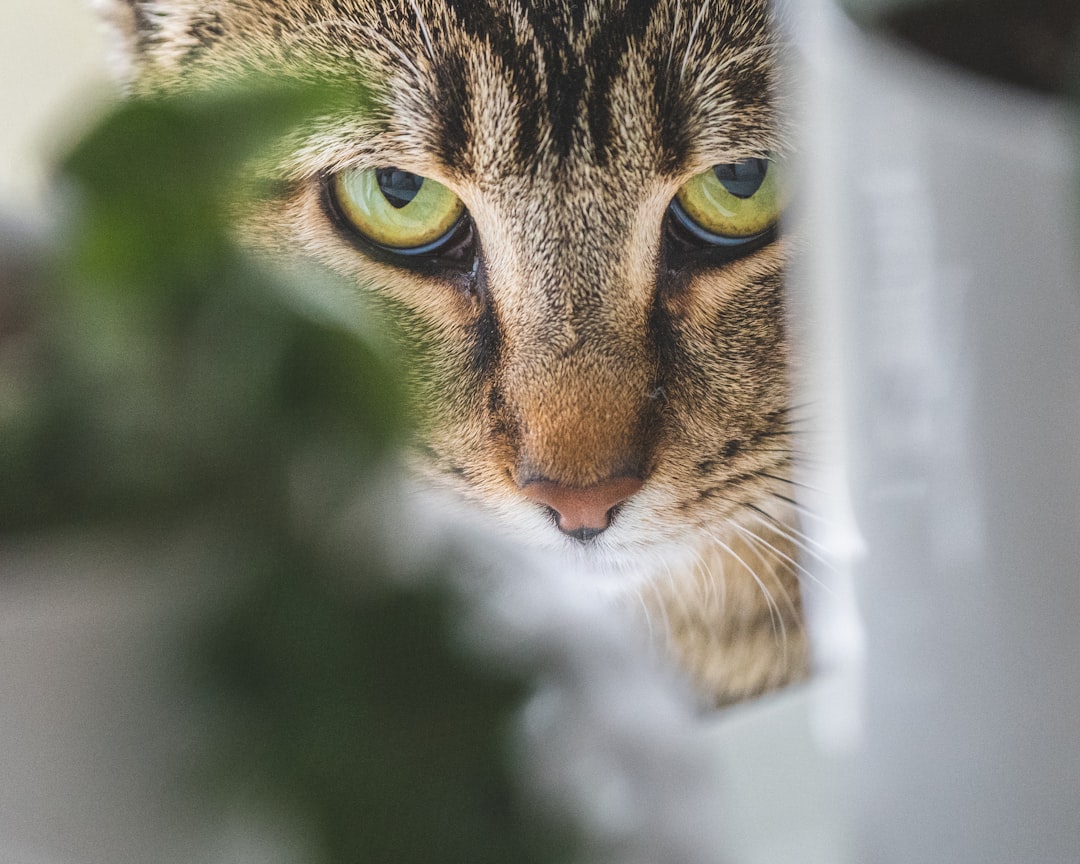
In the cat world, direct eye contact between strangers can signal aggression or challenge, making it a behavior cats usually avoid with unfamiliar beings. When your cat seeks out and holds gentle eye contact with you, it is an expression of confidence and emotional safety. This kind of gaze is typically soft and unhurried, very different from the hard stare of a threatened or confrontational cat. Cats that have a deep bond with their owner will often gaze at them during quiet moments as a way of checking in emotionally. Holding that connection calmly and without looking away encourages the relationship to deepen further.
Purring in Your Presence
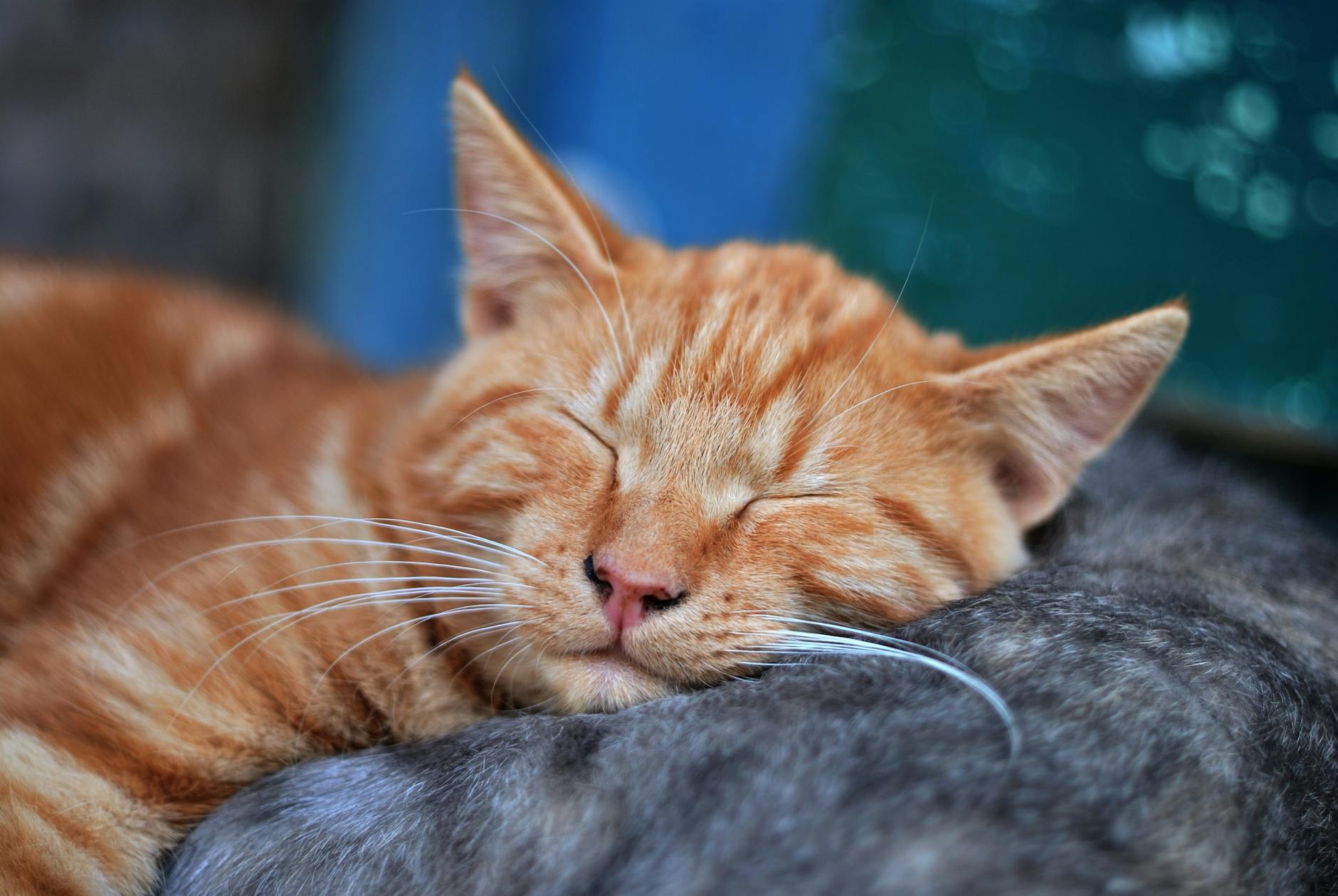
The purr is among the most recognized sounds in the animal world, and in the right context it is a direct sign of contentment and love. Cats purr within a frequency range that researchers have found has calming and even healing properties for both the cat and those nearby. A cat that purrs consistently while being held, petted, or simply sitting near you is communicating that your presence triggers a deep sense of wellbeing. Some cats develop a unique purr they reserve specifically for interactions with their favorite person. The reliability and frequency of purring in your presence is a meaningful measure of your cat’s emotional connection to you.
Rubbing Against Your Legs
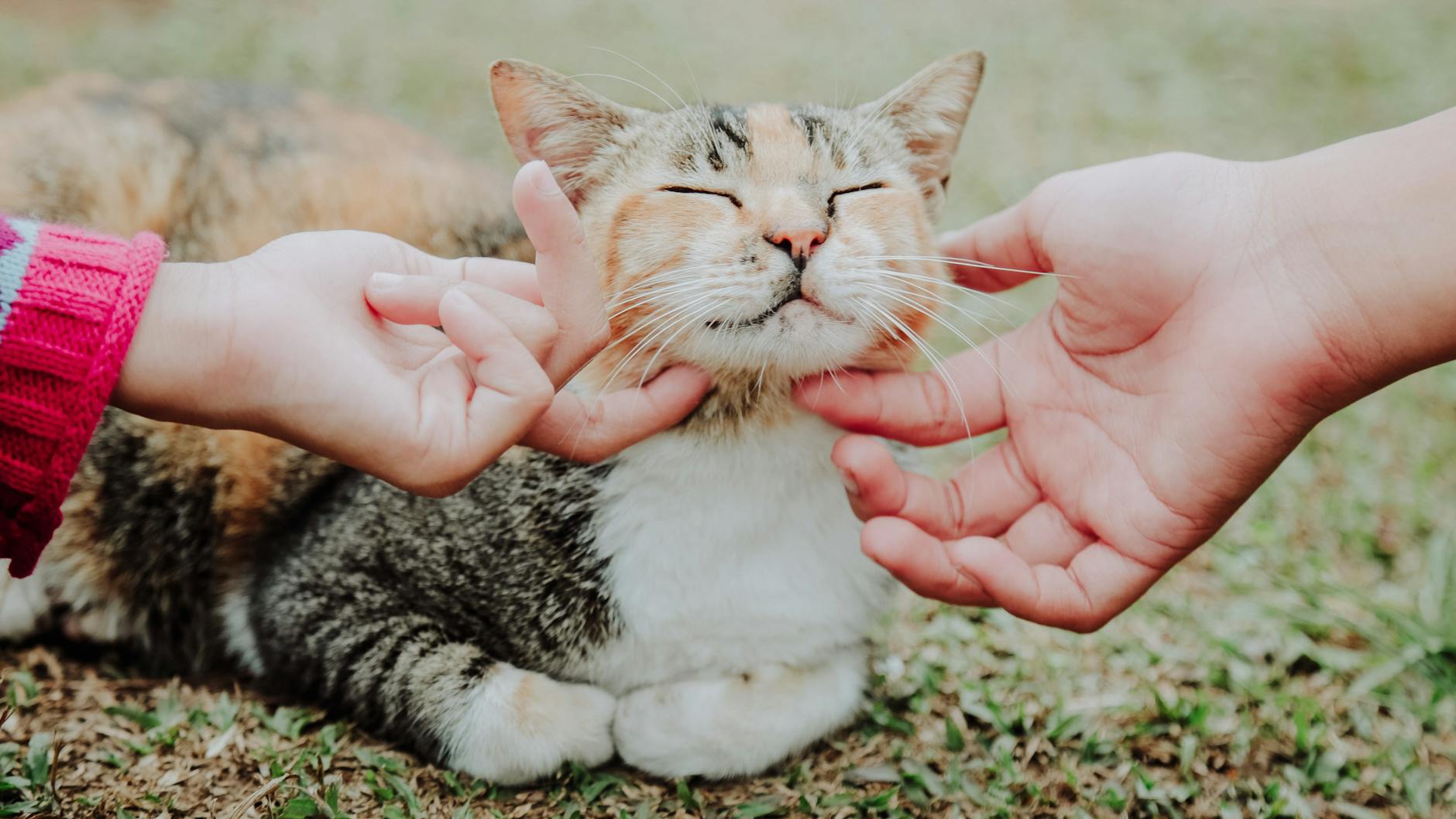
When a cat weaves between your legs or repeatedly brushes its body against you, it is performing a combination of affectionate greeting and scent exchange. This behavior is commonly observed when you return home or when your cat wants to initiate positive social contact. The physical pressure of the rub is a deliberate gesture of closeness, not an accidental movement. Cats typically reserve this type of full-body contact for people they feel a genuine affinity toward. The repetition and enthusiasm with which a cat performs this ritual reflects the warmth it associates with you.
Showing Relaxed Body Language Around You
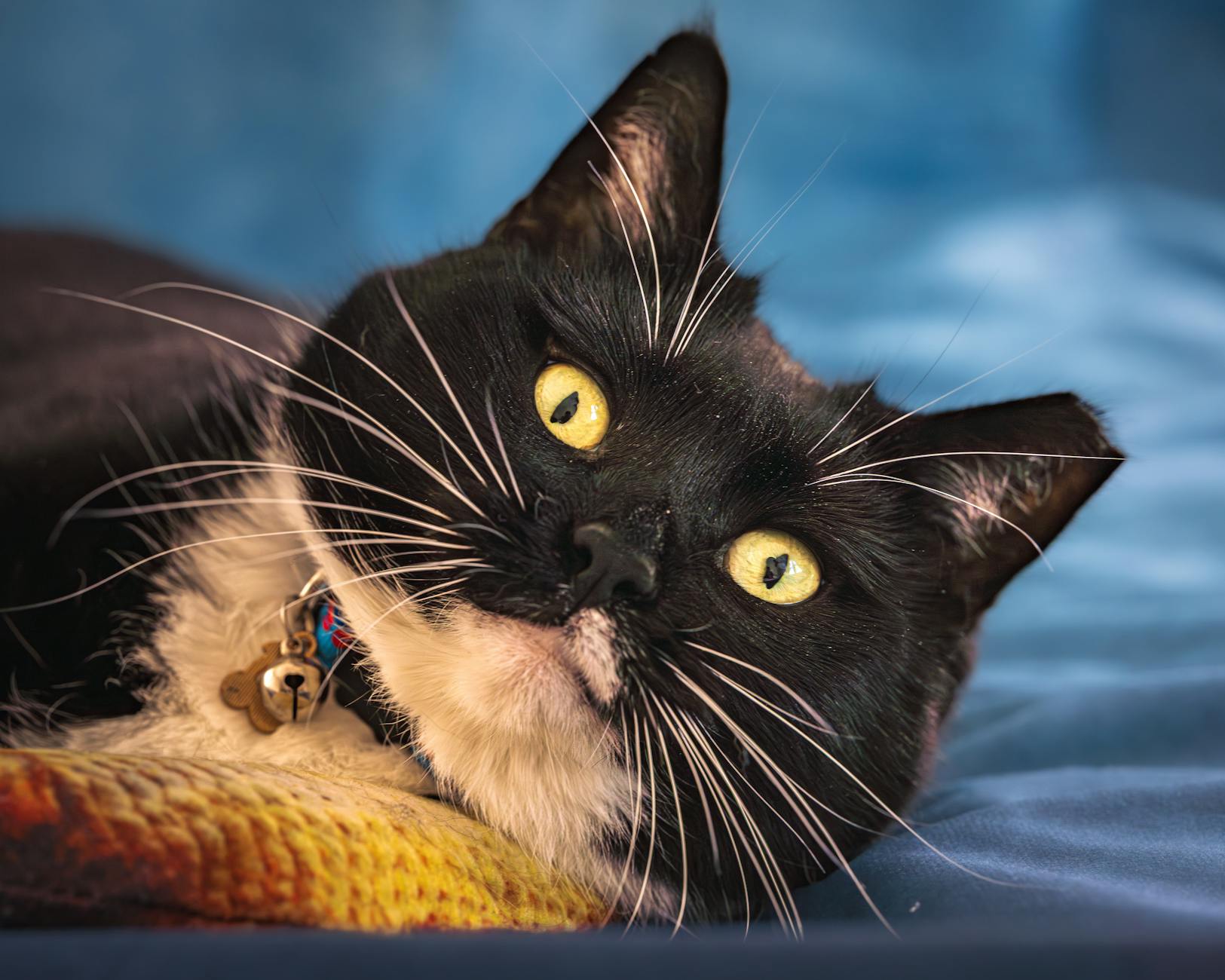
A cat that sits with soft eyes, relaxed ears, a gently curved tail, and a loose body posture in your presence is communicating comfort through every physical signal available to it. Feline body language is remarkably expressive, and a fully relaxed cat is one that feels zero threat from its surroundings. When that relaxation consistently occurs in your company, it means your cat associates you with security, peace, and positive experience. Tension and alertness disappear because your presence actively soothes your cat at a physiological level. Observing this kind of calm, open posture is one of the most wholesome confirmations that your cat genuinely loves being with you.
If you have noticed any of these signs in your own cat, share your experiences in the comments and let other cat lovers know how your feline friend shows their affection.