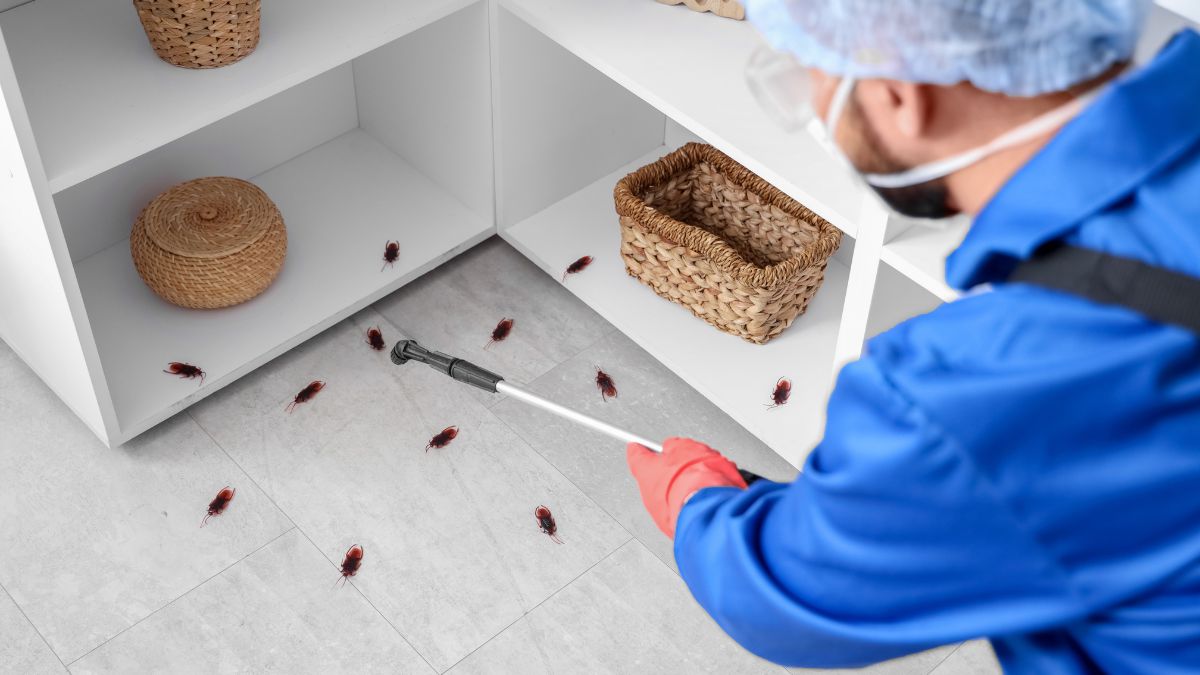
Your home is your sanctuary, but certain everyday habits and overlooked details can silently roll out the welcome mat for unwanted guests. Pests rarely appear without reason as they are drawn in by specific conditions that many homeowners unknowingly create. From the kitchen to the garden, the smallest oversights can lead to infestations that are costly and difficult to reverse. Understanding what attracts pests is the first step toward keeping them permanently out of your living space.
Dirty Dishes
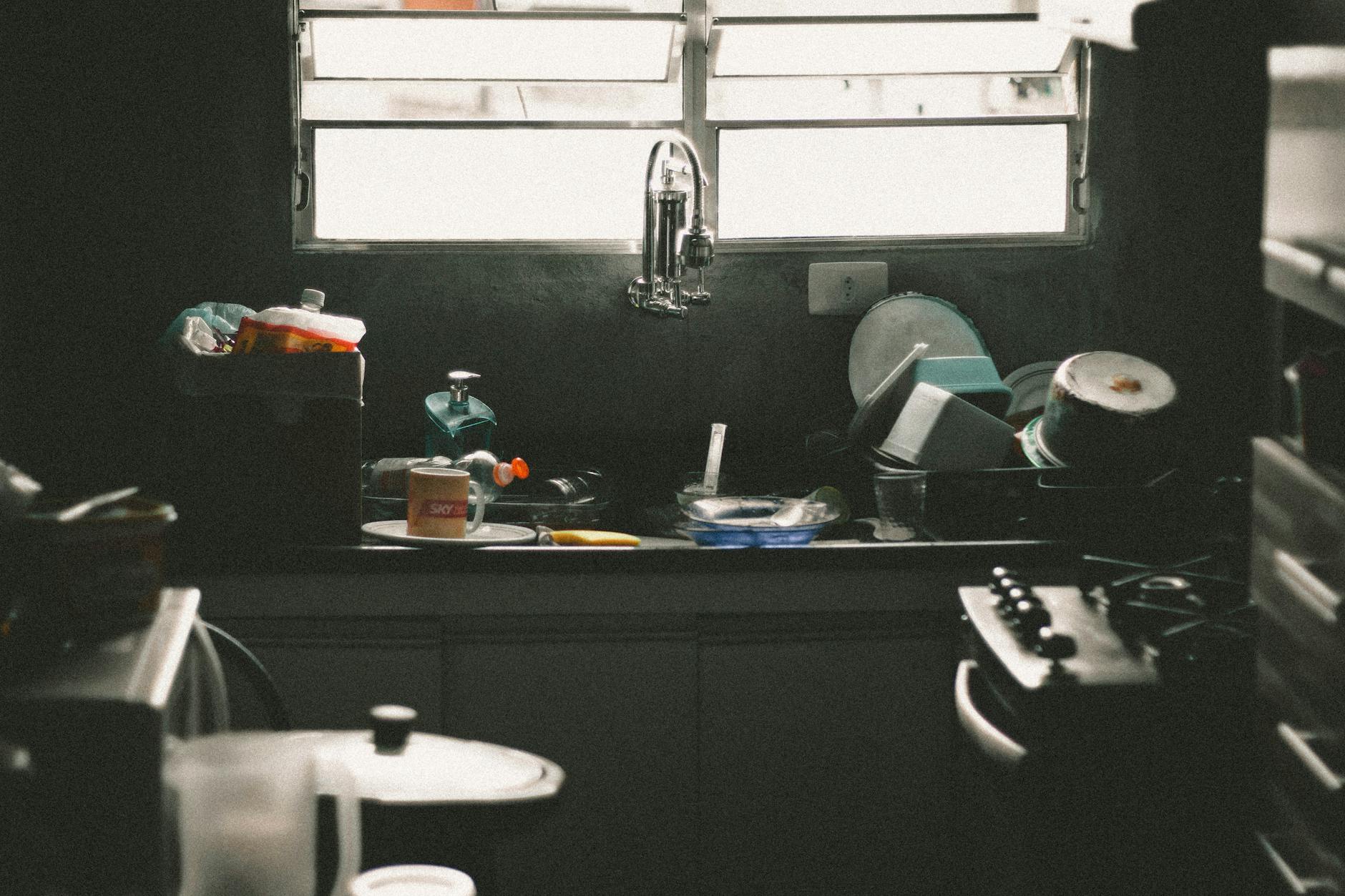
Leaving unwashed plates and utensils in the sink overnight provides an immediate food source for cockroaches, ants and rodents. Even small traces of grease or sauce are enough to draw insects in from outside. Pests are equipped with highly sensitive receptors that can detect food residue from considerable distances. Washing dishes promptly after meals significantly reduces one of the most common attractants inside the home.
Pet Bowls
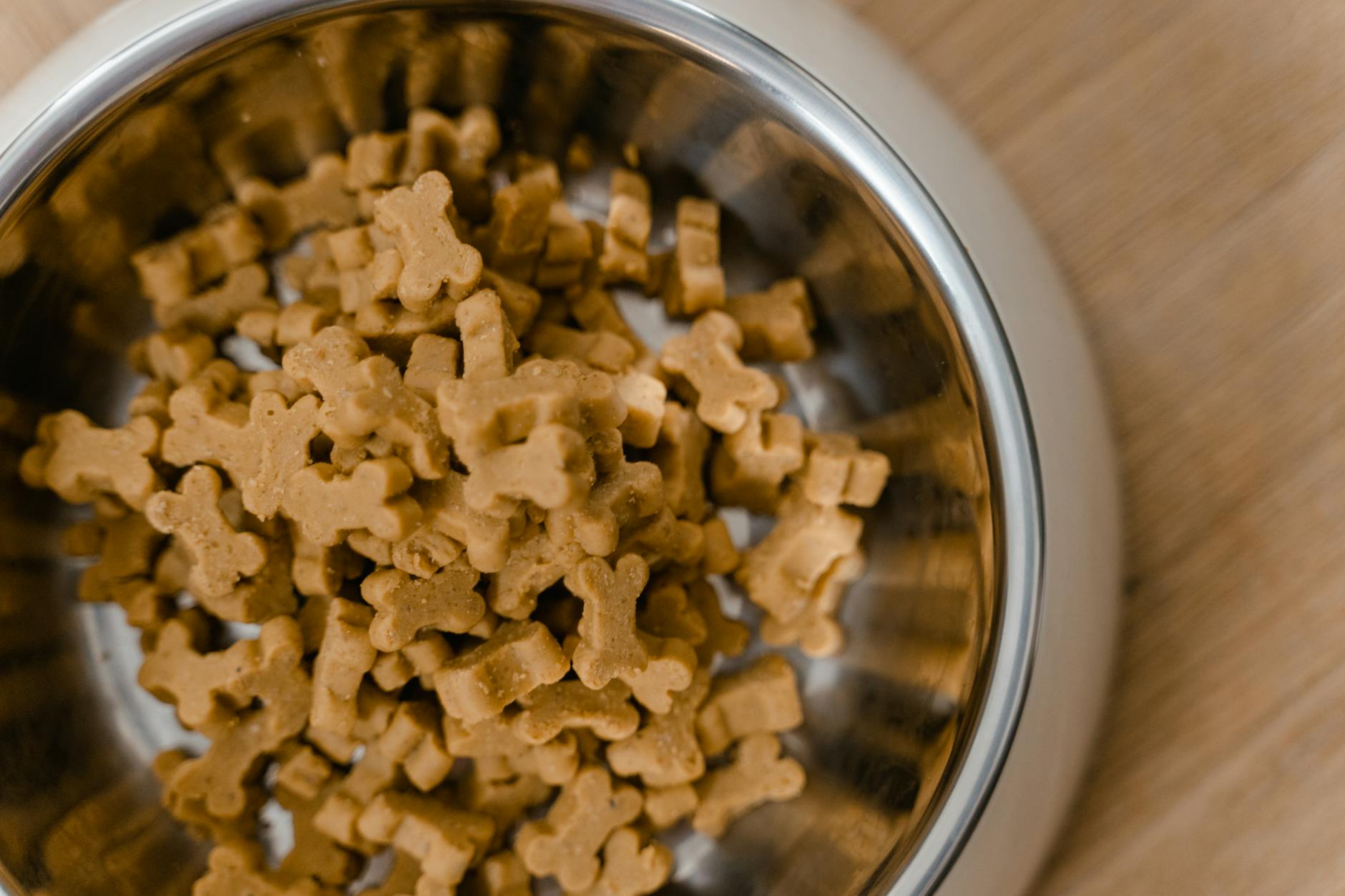
Leaving pet food out in open bowls throughout the day is one of the most overlooked pest attractants in the average household. Dry kibble and wet food alike draw ants, cockroaches and even rodents who quickly learn where a reliable food source is located. Water bowls that are not refreshed regularly can also attract mosquitoes and other moisture-seeking insects. Feeding pets at scheduled times and removing bowls between meals makes a measurable difference in pest activity.
Cardboard Boxes

Stacked cardboard boxes stored in garages, basements or closets create ideal nesting environments for cockroaches, silverfish and spiders. The material retains moisture and warmth while its layered structure provides dark, undisturbed spaces that many pests actively seek. Old moving boxes are particularly problematic as they may already harbor eggs or larvae when brought into the home. Replacing cardboard storage with sealed plastic containers eliminates this habitat entirely.
Fruit Bowls

Overripe or rotting fruit left on countertops is a primary attractant for fruit flies, which can establish a presence in a home within days. Even a single damaged piece of fruit emitting fermentation odors is enough to draw these insects through window gaps and ventilation. Fungus gnats are also attracted to the mold that forms on decaying produce. Storing fruit in the refrigerator once it begins to ripen and discarding damaged pieces immediately greatly reduces this risk.
Leaky Pipes
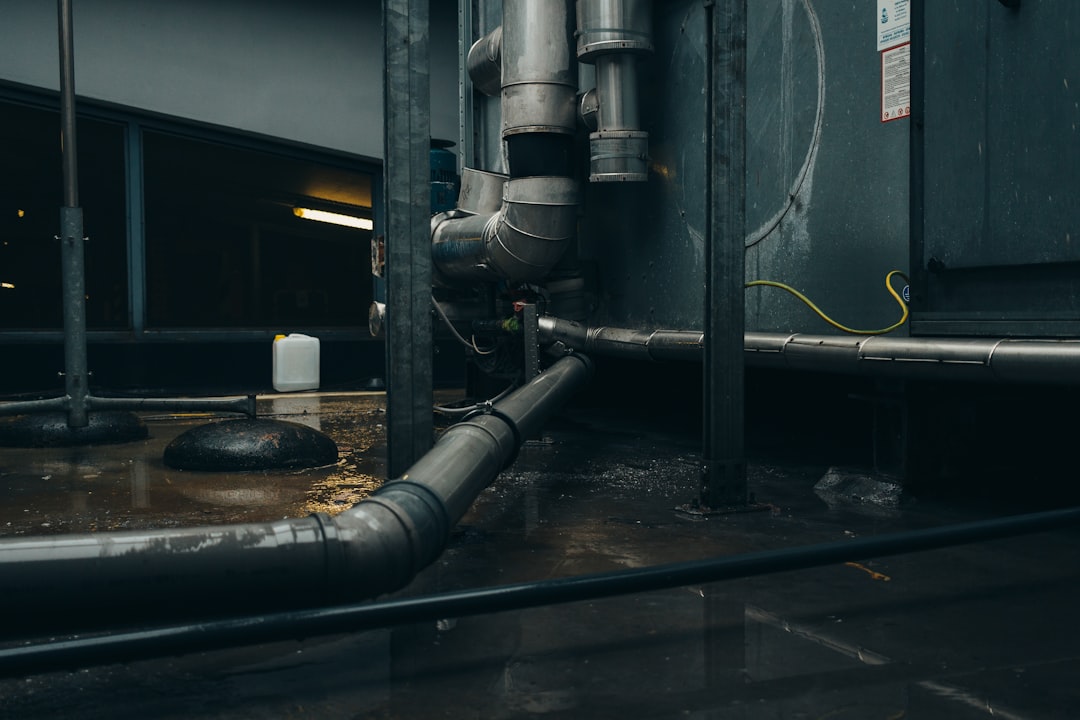
Moisture is one of the most powerful attractants for a wide range of pest species including cockroaches, silverfish, centipedes and rodents. Leaky pipes beneath sinks or behind walls create damp conditions that pests actively seek out for both hydration and nesting. Even minor condensation around pipes in poorly ventilated spaces can be enough to sustain an infestation. Regularly inspecting plumbing and repairing any leaks promptly removes a critical resource that pests depend on.
Mulch
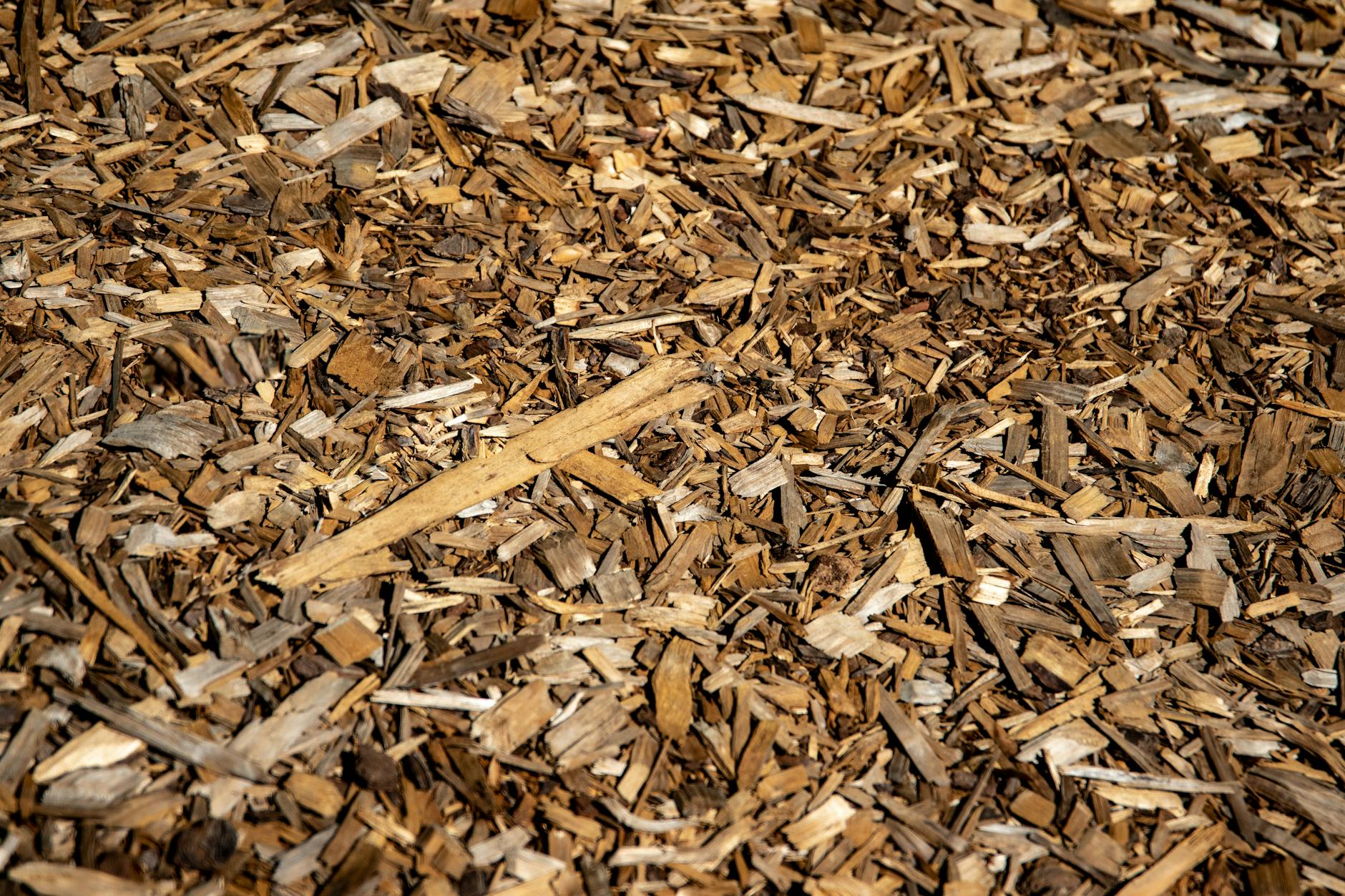
Garden mulch placed directly against the exterior walls of a home creates a moist, sheltered corridor that pests use to access the structure. Termites, ants, earwigs and sowbugs are all commonly found thriving in thick layers of mulch kept close to foundations. The organic material also decomposes over time providing an additional food source for certain species. Maintaining a clear gap of at least thirty centimeters between mulch beds and the home’s exterior significantly reduces pest entry points.
Birdfeeders
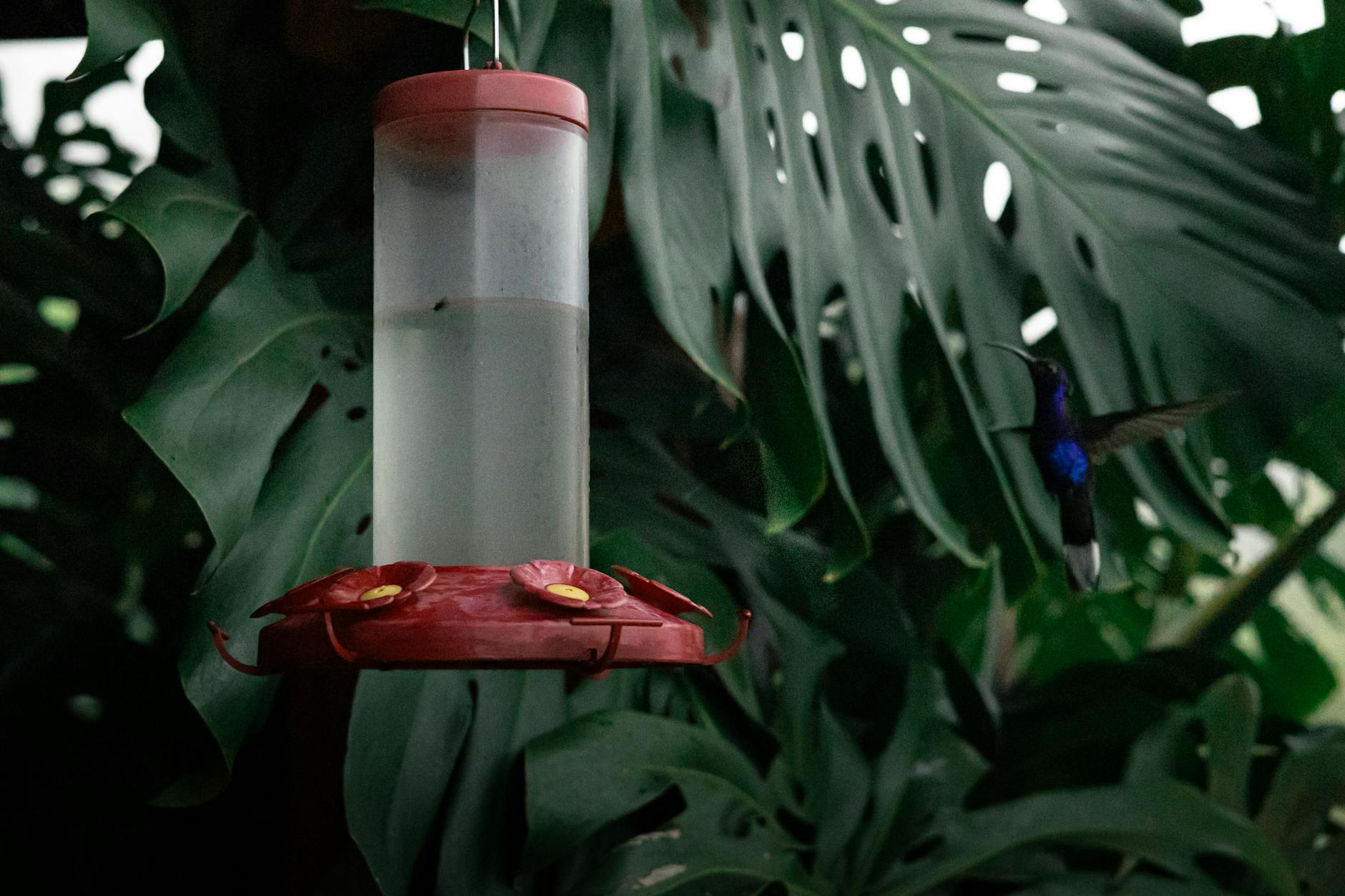
Birdfeeders positioned near the home or directly against exterior walls frequently lead to secondary pest problems. Spilled seeds accumulate on the ground beneath feeders and attract rodents including mice and rats who then move closer to the home in search of further resources. The feeders themselves can draw squirrels who are known to chew through roofing and siding to gain entry. Placing feeders at a considerable distance from the house and using trays to catch fallen seed minimizes these risks.
Garbage Cans

Unsealed or overflowing garbage cans are among the most reliable attractants for flies, rodents and raccoons in residential areas. Strong organic odors produced by decomposing waste can travel significant distances and signal the presence of food to a wide range of species. Bins stored inside garages without proper sealing allow odors to permeate the space and draw pests indoors. Using bins with tight-fitting lids and rinsing them regularly with a diluted cleaning solution substantially reduces pest activity around the home.
Clogged Gutters
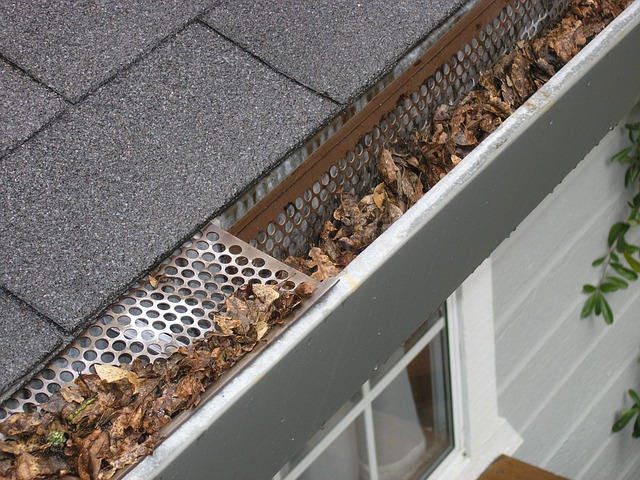
Gutters blocked with decomposing leaves and debris become moist, sheltered environments that attract mosquitoes, carpenter ants and various other insects. Standing water that pools in neglected gutters provides a perfect breeding ground for mosquito larvae in particular. The organic matter itself is also attractive to species that feed on decaying plant material. Cleaning gutters at least twice a year prevents moisture buildup and removes a habitat that pests would otherwise readily exploit.
Firewood Piles
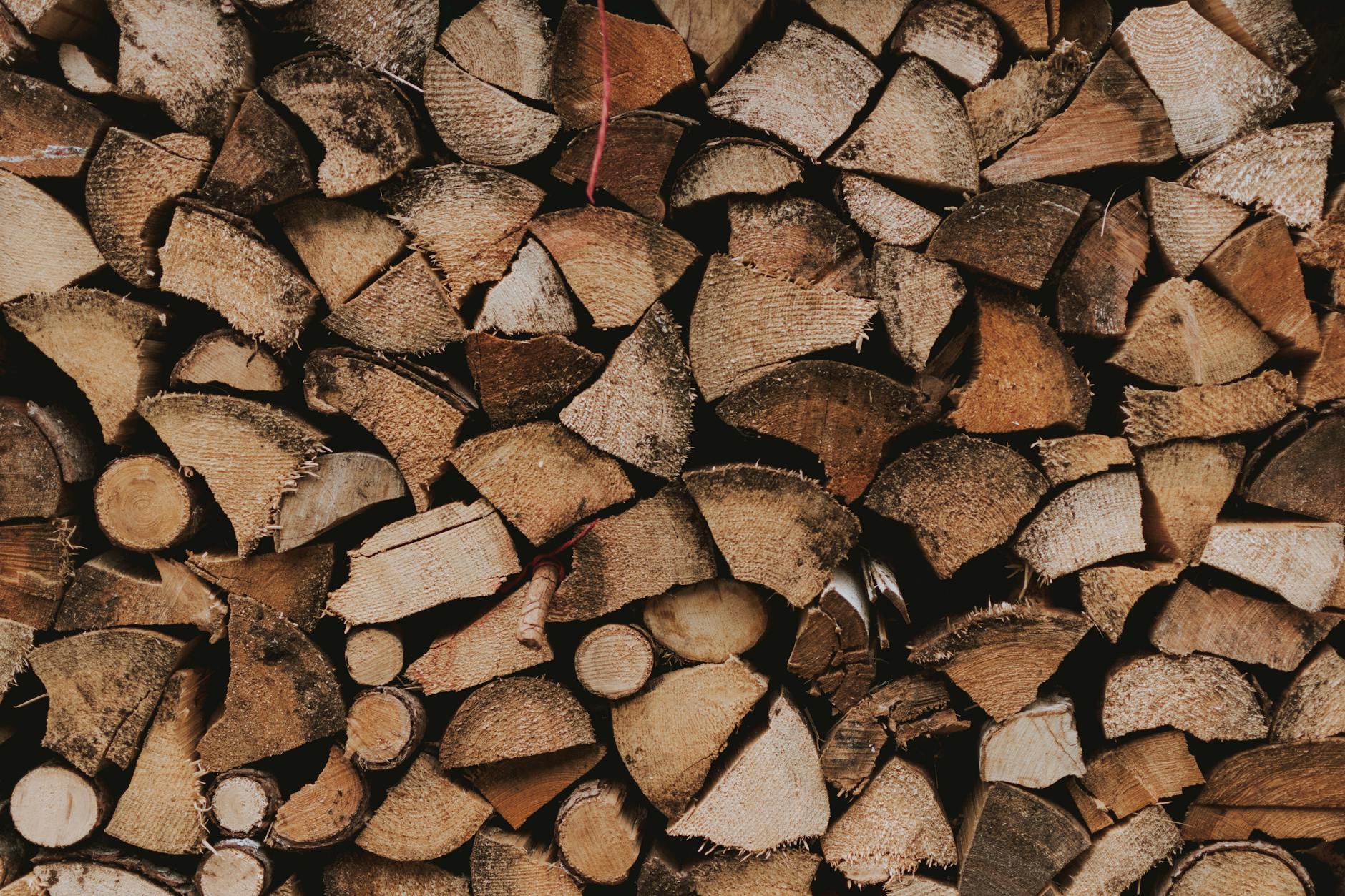
Stacking firewood directly against the home’s exterior walls creates direct access routes for termites, carpenter ants, spiders and rodents. Wood that remains in contact with the ground absorbs moisture and begins to decay, attracting wood-boring insects that may then migrate into structural timber. Bark-heavy logs provide additional shelter and nesting opportunities for a variety of species. Storing firewood at least several meters away from the home and elevating it off the ground on a rack significantly reduces this risk.
Window Gaps

Small gaps around window frames and poorly fitted screens are common and frequently underestimated pest entry points. Flies, mosquitoes, moths and even cockroaches can pass through surprisingly narrow openings in search of warmth, light or food. Older homes are particularly susceptible as frames can warp or shrink over time creating new gaps that were not originally present. Inspecting all window and door seals seasonally and replacing damaged screens or weatherstripping promptly helps maintain an effective barrier against intrusion.
Indoor Plants
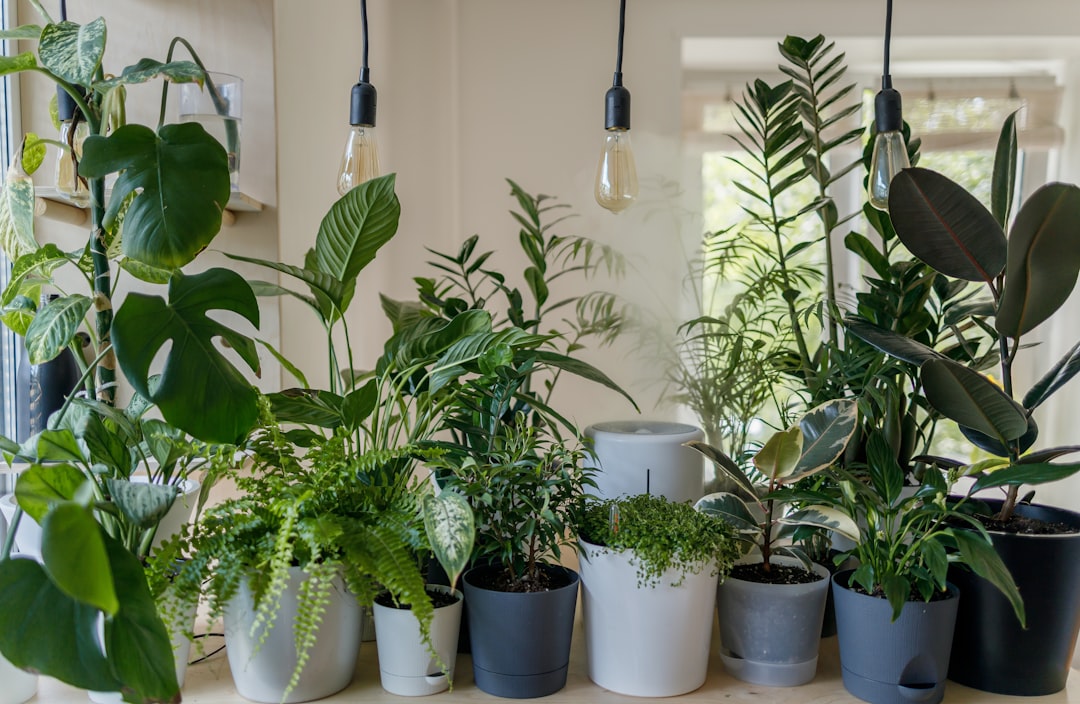
Overwatered houseplants create persistently damp soil that provides an ideal breeding environment for fungus gnats, whose larvae develop in moist growing medium. Certain plants also attract aphids and spider mites which can spread from plant to plant and eventually require professional treatment. Decorative plant saucers that collect standing water beneath pots contribute further to indoor moisture problems. Allowing soil to dry adequately between watering, removing standing water promptly and regularly inspecting leaves for signs of insect activity keeps indoor plants from becoming pest habitats.
Open Compost
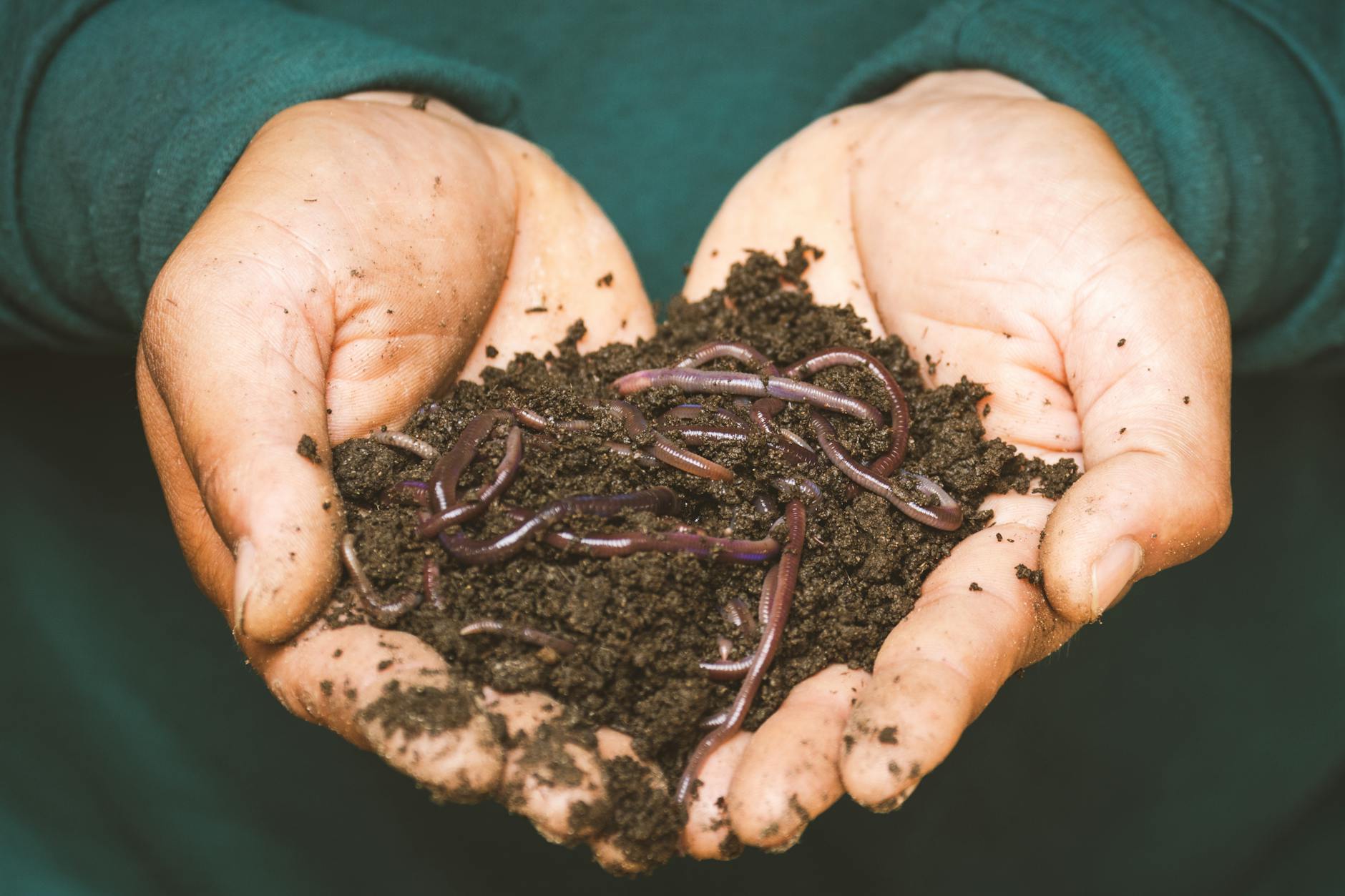
Composting is beneficial for gardens but an improperly managed compost bin placed near the home attracts flies, rodents, ants and cockroaches. Food scraps that are not adequately covered or mixed with carbon materials emit strong odors that draw pests rapidly. Open or damaged bins allow easy access for rodents who build nests within the warm, decomposing material. Using a sealed compost container with a locking lid and situating it well away from the house prevents it from becoming a pest magnet.
Attic Insulation
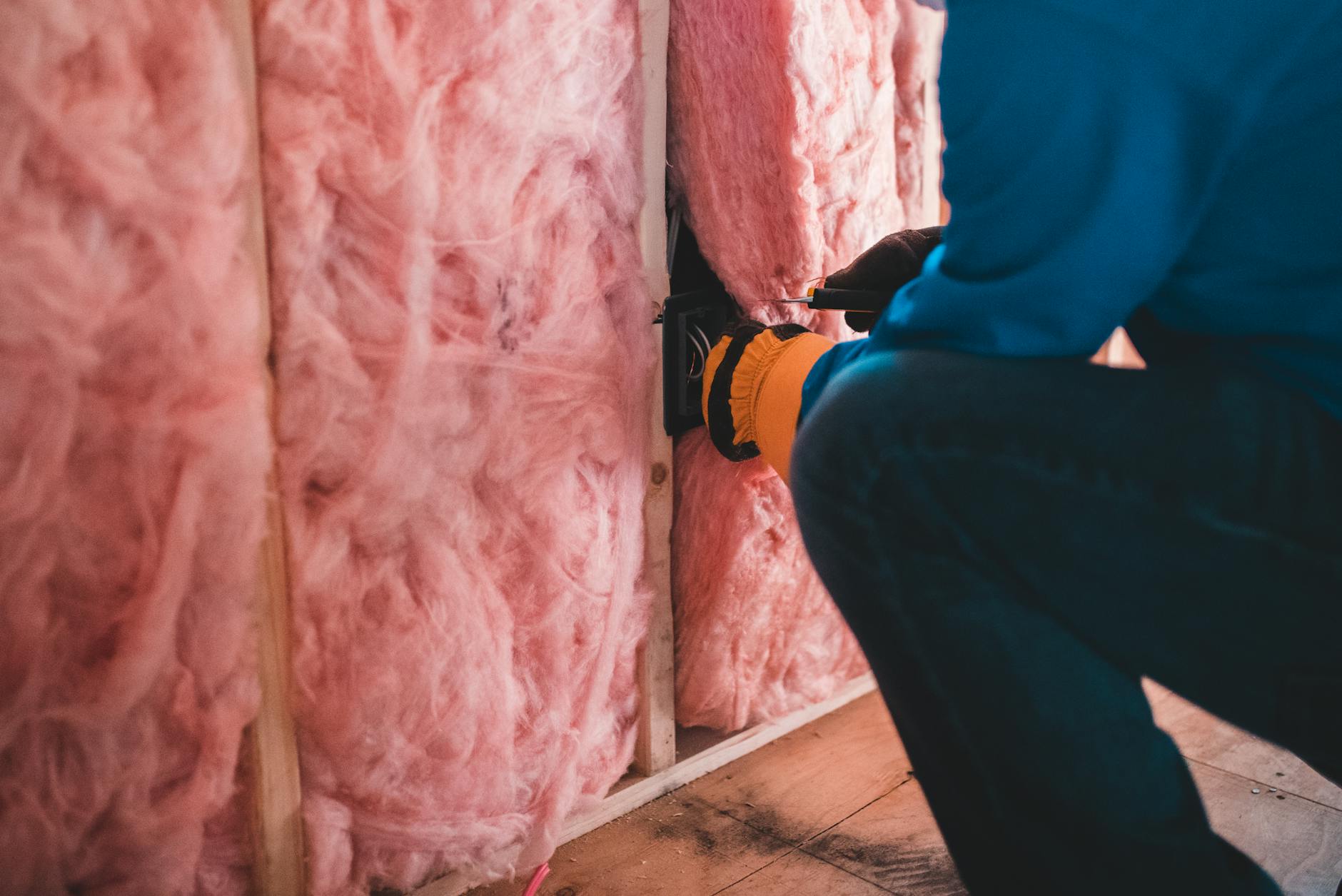
Undisturbed attic insulation provides warm, soft nesting material that rodents including mice, rats and squirrels find highly attractive. Once rodents establish a nest in attic insulation they can cause extensive damage to the material itself and to any wiring or structural elements nearby. Gaps where the roof meets the walls or around pipes and vents serve as entry points that go unnoticed for long periods. Inspecting attics regularly for signs of activity and sealing any entry points around the roofline prevents rodents from establishing a foothold.
Standing Water

Any source of standing water around the home including puddles, clogged drains, old tyres or poorly draining garden beds creates a breeding environment for mosquitoes. Female mosquitoes require only a small amount of still water to lay their eggs and populations can establish rapidly in warm weather. Bird baths and ornamental ponds that are not treated or circulated also contribute to this problem. Eliminating unnecessary sources of standing water and treating ornamental water features with appropriate biological controls greatly reduces mosquito populations around the property.
Door Gaps
The gap beneath exterior doors is one of the most direct pathways through which insects and small rodents enter the home. Cockroaches in particular can flatten their bodies to pass through extremely narrow clearances with remarkable ease. Door sweeps that have worn down or been removed leave an unobstructed gap that is active day and night. Installing properly fitted door sweeps and ensuring all exterior doors close flush with the threshold provides a simple and effective barrier against ground-level entry.
Outdoor Lighting
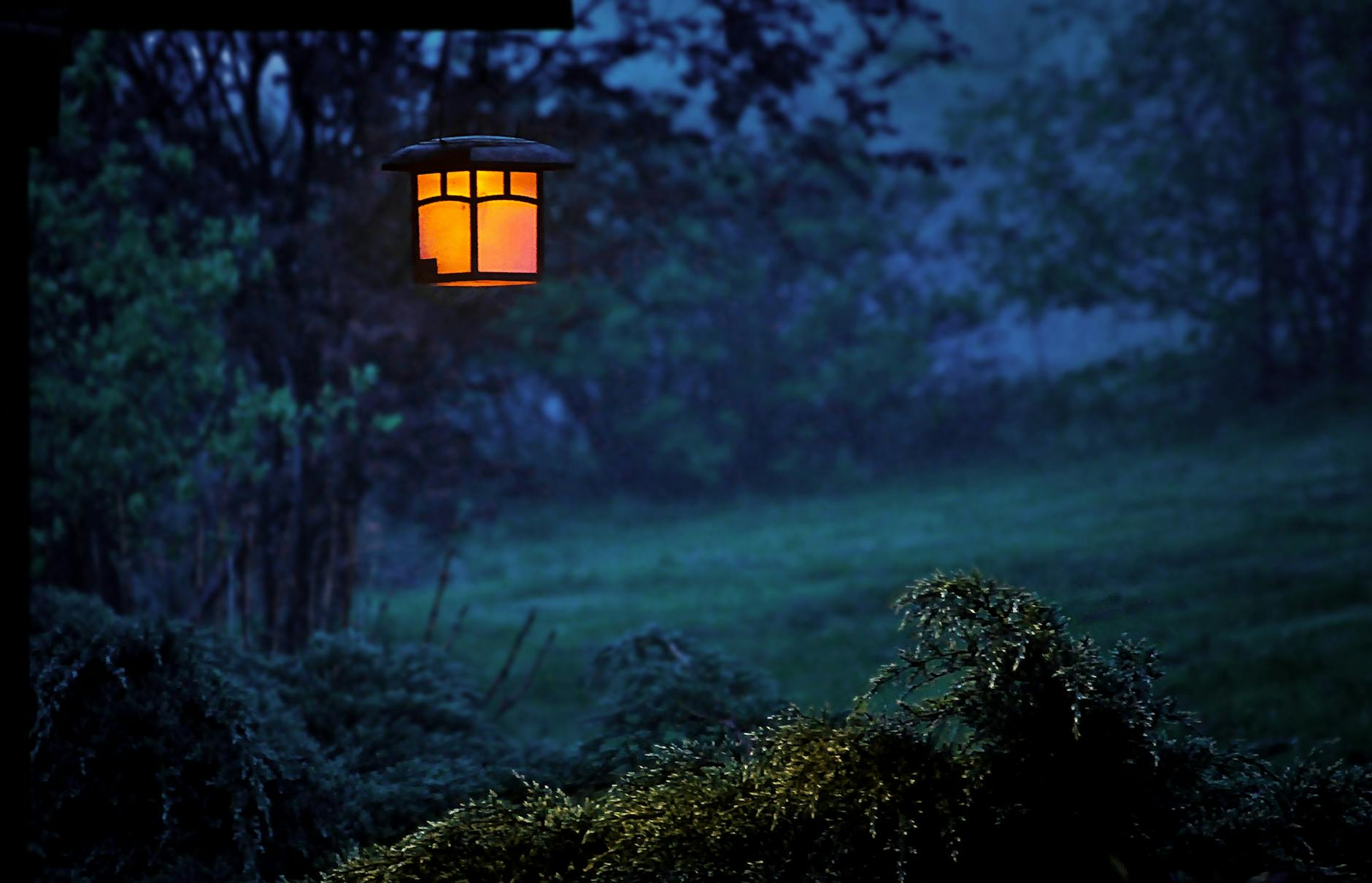
Bright white or blue-spectrum lights mounted near doorways and windows are highly attractive to moths, flying beetles, mosquitoes and other flying insects. Large concentrations of insects near entry points increase the likelihood that some will find their way inside when doors or windows are opened. Insects attracted to outdoor lighting also draw spiders who build webs nearby to take advantage of the steady food supply. Switching to warm-yellow or amber LED bulbs and positioning lights away from entry points substantially reduces insect activity near the home.
Food Pantry

An unorganized pantry with loosely sealed food packaging is one of the most common environments in which pantry pests including weevils, Indian meal moths and grain beetles establish themselves. These insects can chew through thin plastic packaging to access grains, cereals, nuts and dried fruit. Infestations often begin with a single contaminated product brought in from a grocery store. Storing all dry goods in airtight glass or hard plastic containers and periodically checking for signs of damage or insect activity prevents pantry pests from gaining access to a food source.
Foundation Cracks
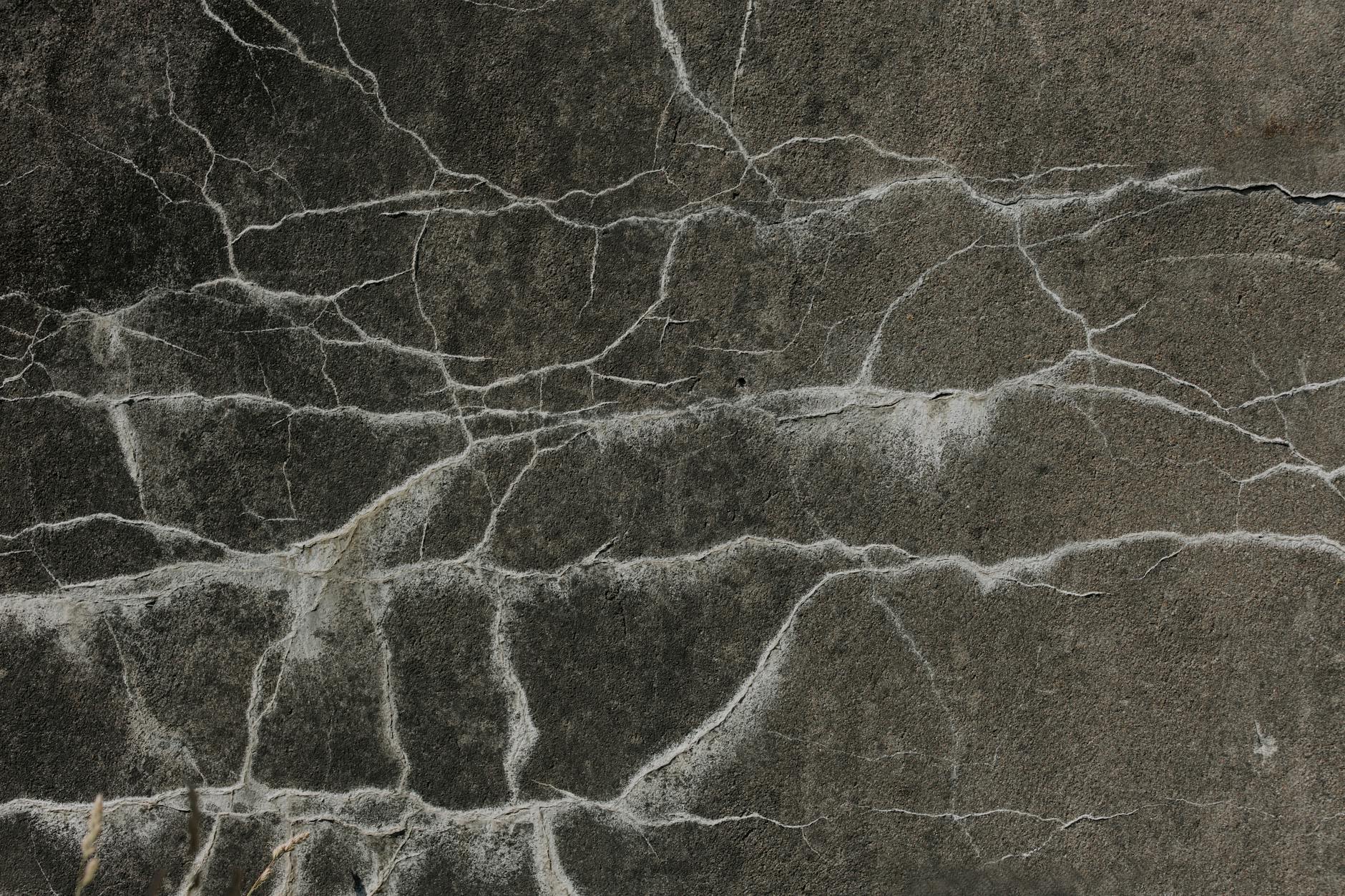
Small cracks in a home’s foundation provide easy entry for ants, cockroaches, centipedes and even rodents who can widen gaps over time through repeated use. These entry points are often located in dark or obscured areas of the basement or lower walls making them difficult to detect without a deliberate inspection. Moisture frequently accumulates around foundation cracks compounding the attractiveness of these areas to pest species. Sealing visible cracks with appropriate exterior-grade filler and scheduling periodic professional inspections helps maintain structural integrity against pest entry.
Basement Clutter

Cluttered basements filled with seldom-disturbed items such as old furniture, clothing and boxes create expansive nesting opportunities for rodents and insects. The combination of low light, reduced human activity and accumulated materials provides near-ideal conditions for pests to breed undisturbed. Spider populations in particular thrive in basements where clutter provides ample anchoring points for webs and access to other insects. Regularly decluttering, organizing storage off the floor on shelving and sealing items in hard containers removes the habitat complexity that pests depend upon.
Dryer Vents

Dryer vents that are not properly capped or screened provide a warm, humid entry point that birds, rodents and insects find particularly attractive in cooler months. Lint accumulation within and around vent openings adds nesting material that makes these locations even more appealing. Blocked or partially obstructed vents also create moisture buildup inside the ductwork which can attract silverfish and cockroaches. Inspecting and cleaning dryer vents regularly and fitting them with pest-resistant covers prevents unwanted access through this commonly overlooked entry point.
Garden Debris
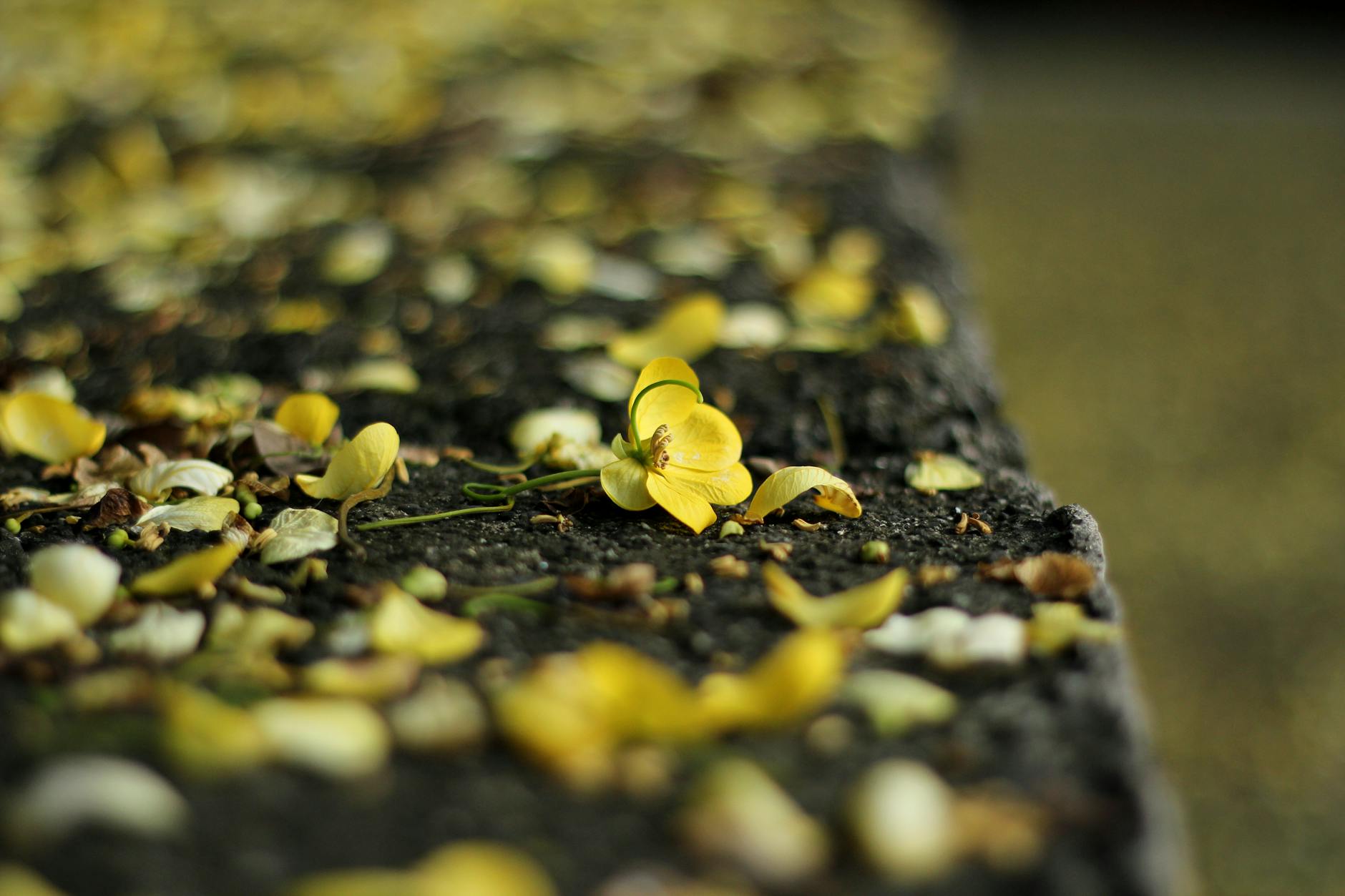
Piles of fallen leaves, dead plant matter and old garden debris left along fences or building perimeters create shelter and nesting material for a wide range of pests. Rodents, slugs, earwigs and various beetles are all commonly found overwintering beneath undisturbed layers of garden waste. This debris also retains moisture against the soil surface contributing to the damp conditions that many pests require. Clearing garden beds regularly and composting or bagging organic material promptly reduces the pest-friendly microhabitats that accumulate around the home’s exterior.
Torn Screens
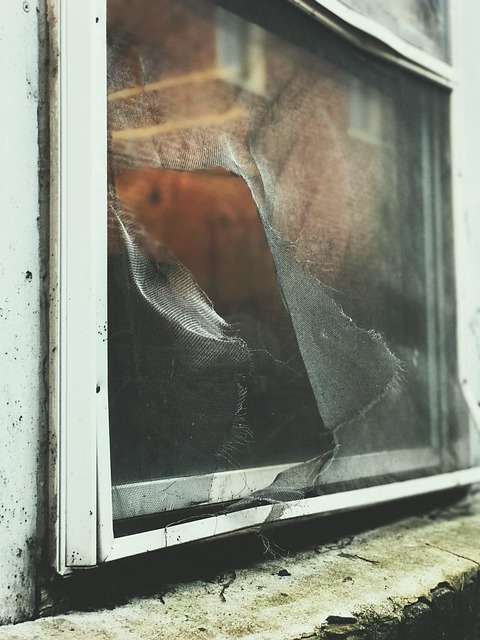
Torn or damaged window and door screens are frequently left unrepaired and represent a direct and permanent opening through which insects enter the home. Even a small puncture or loose corner is sufficient for mosquitoes, flies and moths to pass through freely. Screens can degrade over time due to sun exposure, corrosion of the frame or physical damage and may not be inspected until an infestation has already begun. Checking all screens at the start of each warm season and replacing damaged mesh promptly is a straightforward and cost-effective pest prevention measure.
Pet Doors

Unsecured pet doors are an often overlooked entry point that provides unrestricted after-hours access to the home for rodents, insects and even small wildlife. Standard flap-style pet doors offer minimal resistance to a determined mouse or rat who may use the opening repeatedly once a route has been established. Insects including cockroaches are also drawn through pet doors by interior warmth and food odors. Upgrading to a microchip-activated or magnetic pet door that only opens in response to the animal’s tag ensures that access is controlled and limits opportunities for pest entry.
Recycling Bins

Recycling bins containing unwashed food containers are a significant and commonly underestimated pest attractant that many households overlook entirely. Residue from bottles, cans and food packaging emits odors that draw ants, flies and cockroaches even when bins are kept in garages or outdoor areas close to the home. Flies in particular are able to detect fermentation odors from considerable distances and will actively seek out improperly rinsed containers. Rinsing all recyclables before placing them in the bin and ensuring lids are kept securely closed makes recycling storage significantly less attractive to pest species.
What habits have you changed to keep pests out of your home? Share your experiences and tips in the comments.