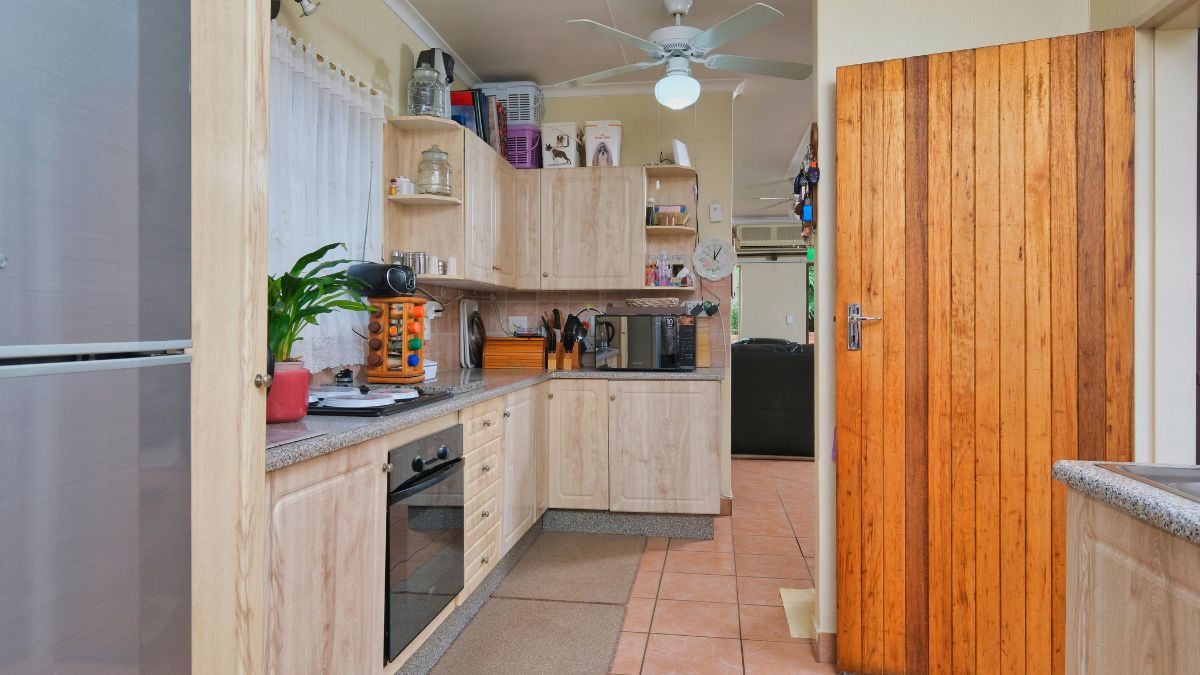
Most people assume their kitchen is clean simply because it looks tidy, but the reality is that common habits and shortcuts can leave behind bacteria, grime, and damage that accumulate over time. From the tools used to the order tasks are completed, kitchen cleaning involves more nuance than it appears. Understanding where things go wrong can make a significant difference in both hygiene and the longevity of your surfaces and appliances.
Dish Sponge
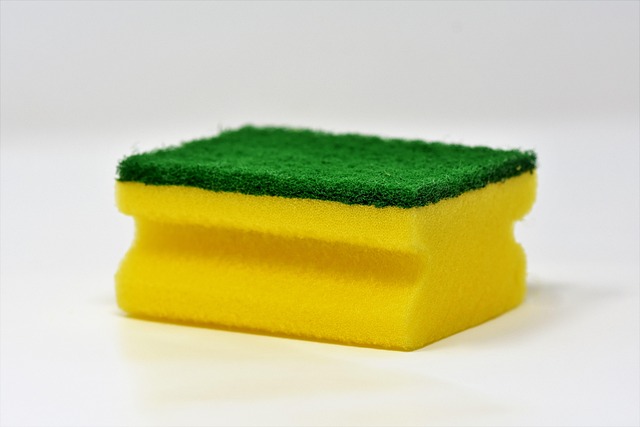
The kitchen sponge is one of the most bacteria-laden objects in the average home, yet most people continue using the same one far longer than is safe. Microwaving a damp sponge for two minutes can kill a significant portion of surface bacteria, but it does not eliminate all harmful pathogens. Rinsing it under hot water after each use does very little to reduce bacterial load in any meaningful way. Most food safety experts recommend replacing kitchen sponges every one to two weeks depending on how frequently they are used. Allowing a sponge to sit wet on the sink between uses creates the warm, moist environment that bacteria thrive in.
Kitchen Sink
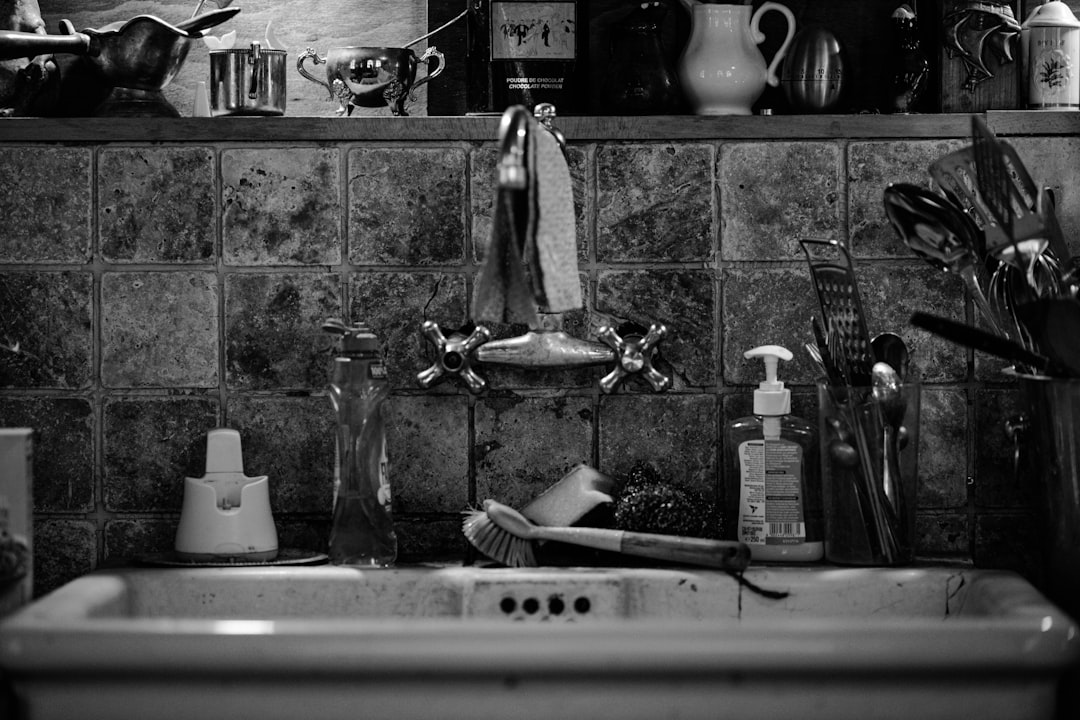
Many people scrub their countertops diligently while completely ignoring the sink, which research consistently identifies as one of the germiest spots in the kitchen. Food particles, raw meat juices, and standing water all contribute to bacterial growth along the basin and around the drain. Simply rinsing the sink after washing dishes does not remove the biofilm that builds up on the surface over time. A proper cleaning routine involves scrubbing with a disinfectant and paying close attention to the faucet handles and drain collar. The drain itself should be deodorized and flushed with a baking soda and vinegar solution at least once a week.
Cutting Board

Using a single cutting board for both raw meat and produce is one of the most dangerous cross-contamination mistakes made in home kitchens. Even after washing, wooden boards can harbor bacteria deep within the grain if they are not properly sanitized and allowed to dry completely. Many people make the additional mistake of stacking boards or storing them flat while still damp, which traps moisture and accelerates bacterial growth. Plastic boards should be run through the dishwasher regularly, while wooden ones benefit from an occasional treatment with coarse salt and half a lemon to lift stains and odors. Replacing boards that have deep knife grooves is important because those cuts are nearly impossible to sanitize thoroughly.
Refrigerator Coils

The condenser coils located at the back or beneath most refrigerators are almost universally ignored during routine kitchen cleaning. Dust and pet hair accumulate on these coils over time, forcing the appliance to work harder and reducing its energy efficiency significantly. A buildup of debris on the coils can also shorten the lifespan of the refrigerator motor over several years of neglect. Cleaning them requires only a vacuum with a brush attachment or a dedicated coil cleaning brush, and should be done every six to twelve months. Skipping this task is one of the most common reasons refrigerators underperform or require early repairs.
Cast Iron Pan

Washing a cast iron skillet with dish soap is a mistake that strips away the seasoning layer that makes the pan naturally non-stick and rust-resistant. Many home cooks scrub theirs under hot running water with a sponge or steel wool, which accelerates corrosion and roughens the cooking surface. The correct method involves wiping the pan while it is still warm with a paper towel or stiff brush and minimal water. After rinsing, the pan must be dried immediately and thoroughly over a low flame to prevent any residual moisture from causing rust. A light coat of oil applied while the pan is still warm helps maintain the seasoning and extends the life of the cookware.
Stainless Steel Appliances
Wiping stainless steel appliances in a circular motion or against the grain leaves visible streaks and micro-scratches that dull the surface over time. Most stainless steel has a directional grain, and cleaning should always follow that direction to maintain the finish. Using abrasive scrubbers or harsh chemical sprays can permanently damage the protective coating and make the surface more susceptible to fingerprints. A microfiber cloth lightly dampened with a diluted dish soap solution is typically all that is needed for everyday cleaning. Finishing with a small amount of mineral oil buffed into the surface helps repel smudges and keeps the steel looking polished between deeper cleans.
Blender
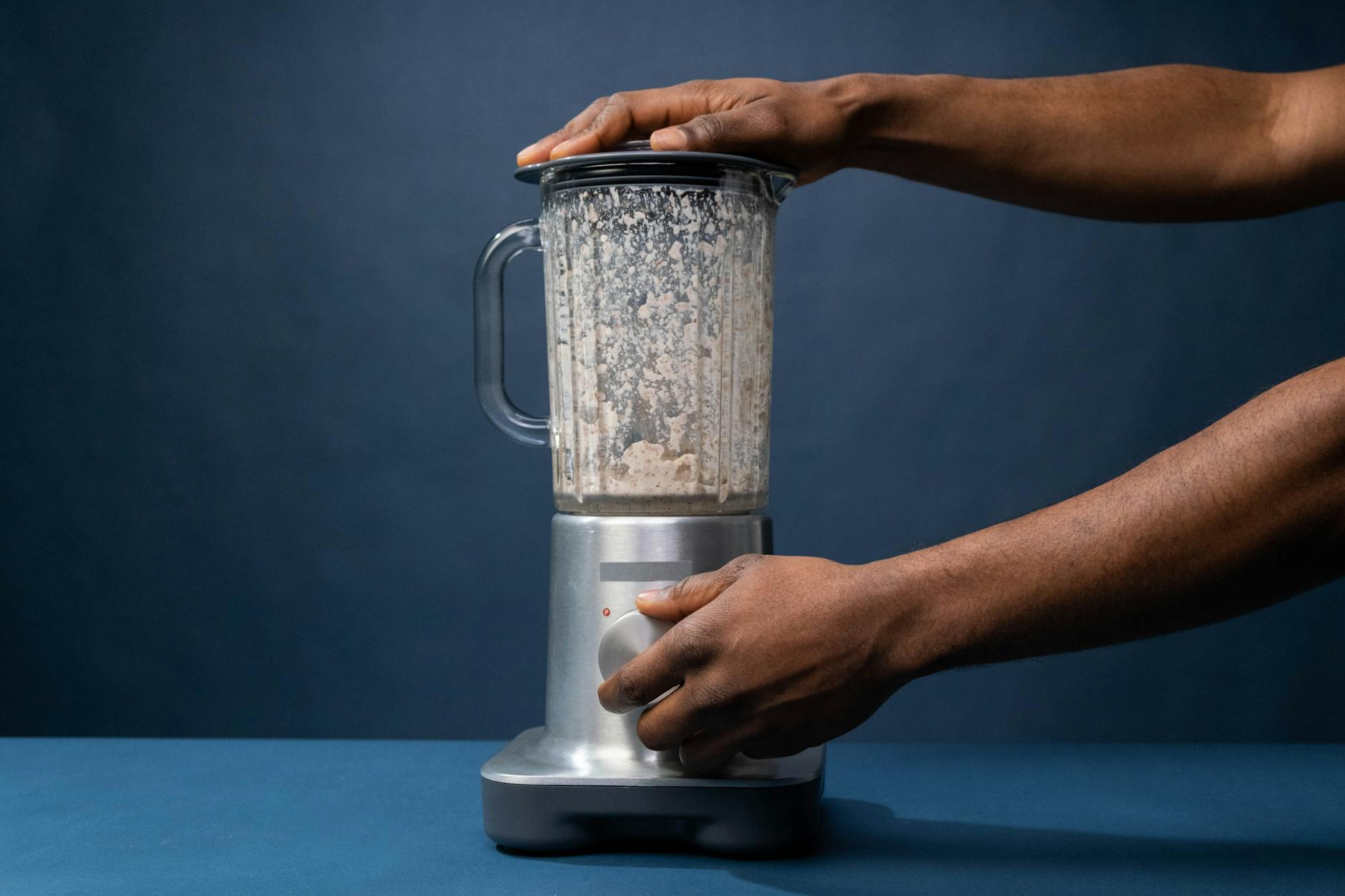
A quick rinse of the blender jar after use is not sufficient to remove the oils, residues, and food particles that cling to the blade assembly and gasket. Many people never disassemble the blade unit entirely, which means the rubber seal and underside of the blade collect buildup that is invisible when the blender is assembled. This trapped residue can harbor mold and impart off-flavors into future blends over time. The correct approach is to fill the jar halfway with warm water and a drop of dish soap, blend briefly, then rinse and allow all components to air dry separately. Periodically soaking the blade assembly in a solution of white vinegar and water helps dissolve mineral deposits and stubborn residue.
Coffee Maker
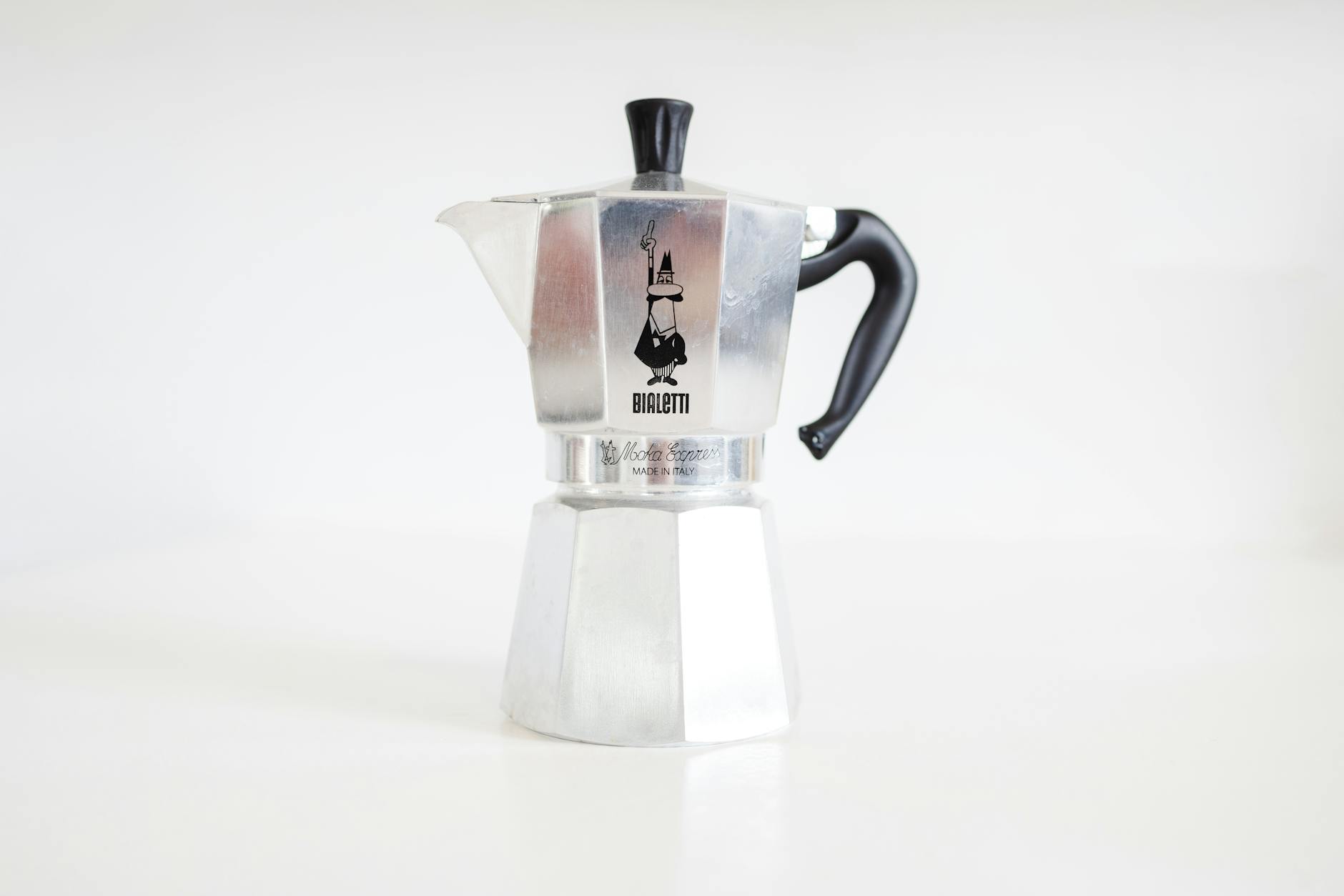
Rinsing the carafe and filter basket after each use gives the impression that the coffee maker is clean, but the internal water reservoir and tubing are rarely addressed. Mineral deposits from hard water accumulate inside the machine over time, affecting both the flavor of the coffee and the efficiency of the heating element. Most manufacturers recommend running a descaling cycle with a diluted white vinegar solution every one to three months depending on water hardness in the area. The exterior warming plate also collects burnt coffee residue that hardens and becomes increasingly difficult to remove if it is not wiped down regularly. Ignoring internal cleaning is one of the leading reasons home coffee makers produce bitter or off-tasting brews.
Kitchen Knives

Placing quality kitchen knives in the dishwasher is one of the most damaging habits a home cook can develop. The high heat, prolonged moisture, and contact with other utensils during a wash cycle dulls the blade edge and can cause handles to crack or loosen. Many dishwasher detergents also contain harsh chemicals that are corrosive to certain blade materials over repeated exposure. Hand washing with a mild soap and drying immediately with a soft cloth is the recommended method for preserving both sharpness and handle integrity. Storing knives loosely in a drawer where blades knock against other utensils compounds the damage and increases the risk of injury when reaching in.
Oven Interior
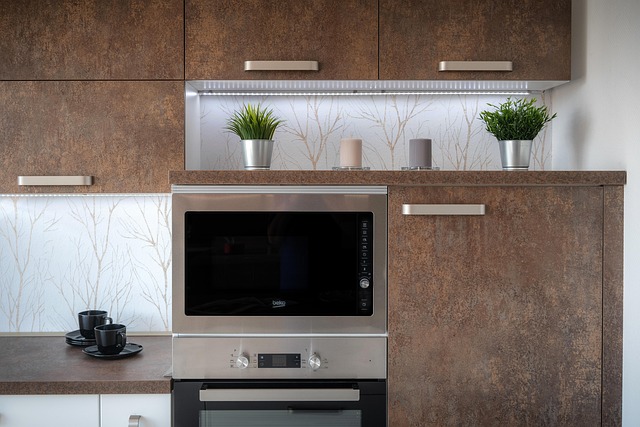
Using the self-cleaning function too frequently is a common misconception about maintaining a clean oven interior. The extreme temperatures generated during a self-clean cycle can warp internal components, damage the door seal, and in some cases trigger the thermal fuse. Many people also use abrasive steel wool pads on oven interiors, which scratch the enamel coating and make future cleaning more difficult by creating a rougher surface where grease accumulates. Commercial oven sprays are effective but require adequate ventilation and must be wiped away completely to avoid fumes during the next cooking session. Addressing spills promptly rather than waiting for them to bake on repeatedly is the most effective long-term strategy.
Range Hood Filter

The grease filter inside the range hood is one of the most neglected components in the kitchen, yet it plays a critical role in removing smoke, steam, and airborne grease from the cooking environment. A clogged filter reduces ventilation efficiency and can become a fire hazard if grease saturates the mesh to a significant degree. Most metal mesh filters can be soaked in a sink of hot water with degreasing dish soap or run through the dishwasher if the manufacturer permits it. Cleaning should be done every four to six weeks for households that cook frequently on the stovetop. Charcoal filters found in recirculating hoods cannot be cleaned and must be replaced entirely on a regular schedule.
Wooden Spoons
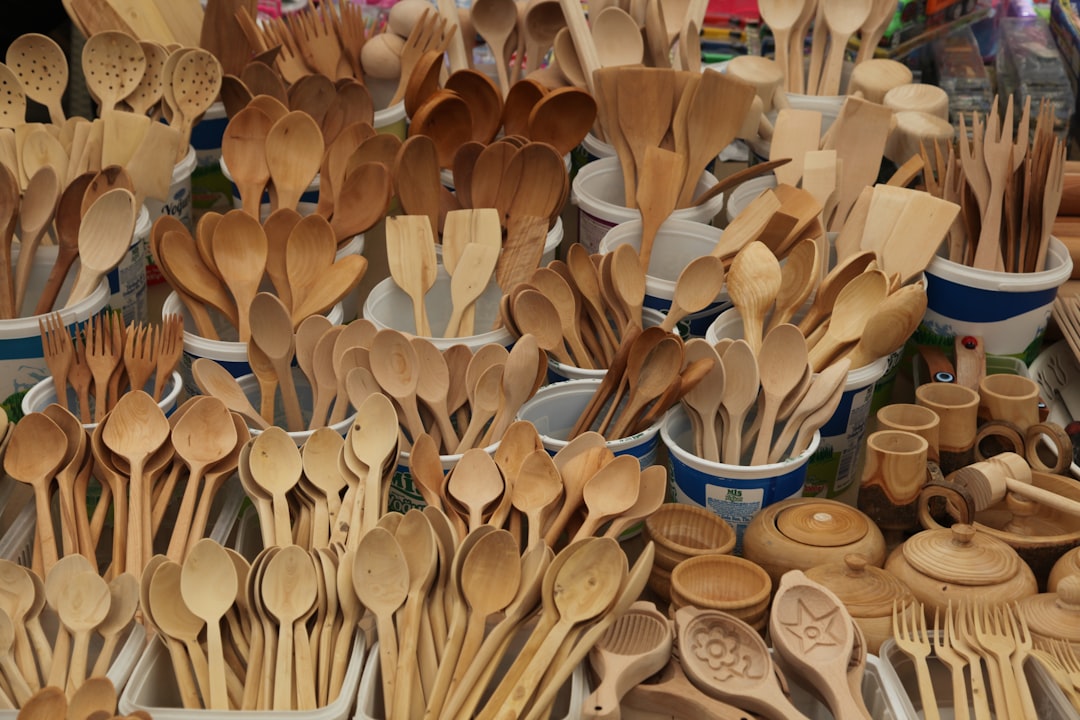
Soaking wooden spoons and utensils in water is a common mistake that causes the wood to swell, crack, and eventually split along the grain. Many people also put wooden tools in the dishwasher, where the combination of prolonged heat and moisture is even more damaging than hand soaking. Surface cleaning with a damp cloth and mild soap followed by immediate drying is the correct approach for daily maintenance. Over time, wooden utensils benefit from periodic conditioning with food-grade mineral oil, which prevents drying and helps repel moisture absorption during cooking. Dark stains and persistent odors can be reduced by rubbing the surface with coarse salt and lemon juice before rinsing and drying thoroughly.
Dishwasher Filter
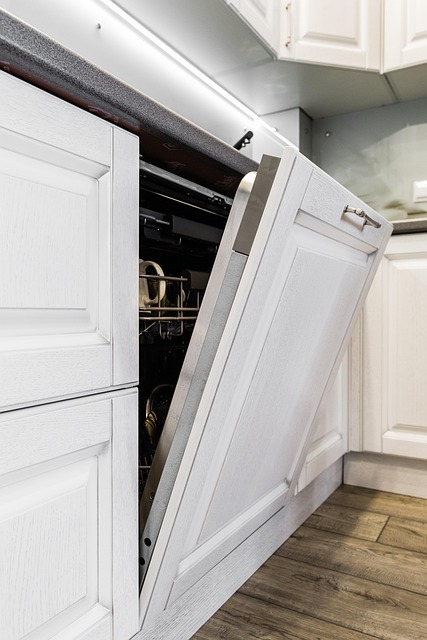
A large number of households are unaware that their dishwasher contains a removable filter that requires regular manual cleaning to function properly. Food debris, grease, and mineral deposits accumulate in the filter over time, reducing cleaning performance and contributing to unpleasant odors inside the appliance. Many people assume that because the dishwasher uses hot water and detergent, it is self-cleaning by nature, which is not the case. The filter should be removed and rinsed under running water every two to four weeks, with a soft brush used to dislodge any stubborn residue. Neglecting this component is one of the primary reasons dishes come out of the wash cycle with a cloudy film or lingering food particles.
Garbage Disposal
Running the garbage disposal without water or using cold water instead of cold during operation are both common errors that affect its performance and longevity. Many people also avoid cleaning the disposal entirely, allowing grease, food particles, and bacteria to build up inside the grinding chamber and along the rubber splash guard. The underside of the rubber flap at the opening is a frequently overlooked surface that accumulates significant buildup and contributes to persistent kitchen odors. Dropping ice cubes made from white vinegar into the disposal and running it briefly is an effective method for cleaning the grinding components and controlling odors simultaneously. Cutting up citrus peels and running them through the disposal adds a deodorizing effect and helps remove light residue from the chamber walls.
Tile Grout
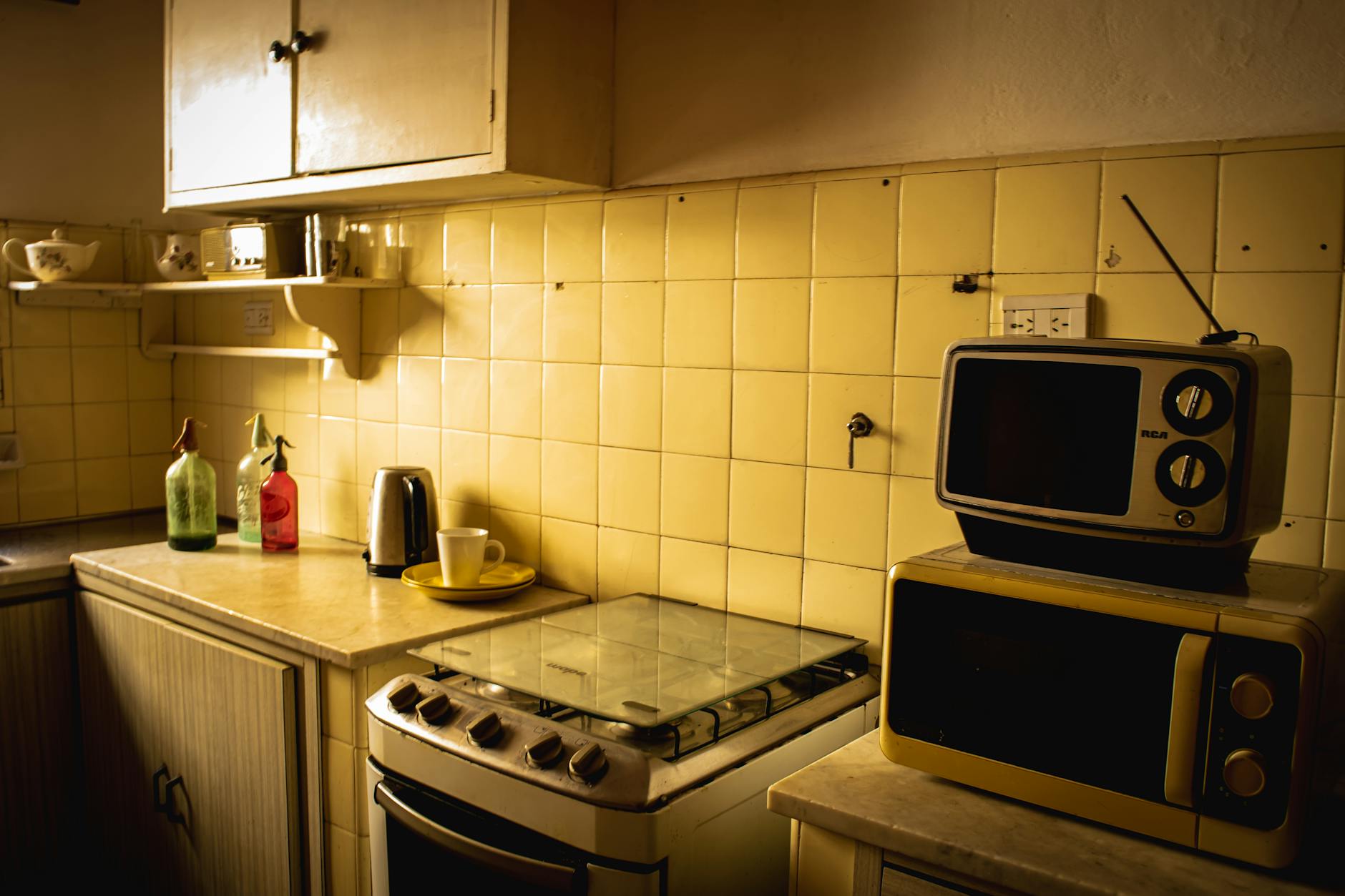
Most people clean kitchen tile by wiping the surface of the tiles themselves while entirely neglecting the grout lines between them. Grout is porous and absorbs cooking grease, food splatter, and moisture readily, which causes it to darken and harbor bacteria over time. Using a general-purpose spray cleaner is largely ineffective on grout because the solution sits on the surface rather than penetrating the porous material. A paste made from baking soda and water applied directly to the grout and scrubbed with a stiff-bristled brush is significantly more effective at lifting embedded stains. Sealing clean grout with a penetrating grout sealer every one to two years creates a protective barrier that makes future maintenance considerably easier.
Kitchen Towels

Kitchen towels are used to wipe hands, dry dishes, and clean up spills, yet many households wash them far less frequently than hygiene standards recommend. A damp towel left hanging in a warm kitchen can develop bacterial growth within twenty-four hours of moderate use. Using the same towel to dry hands after handling raw meat and then to dry clean dishes is one of the most effective ways to spread contamination throughout the kitchen. Towels should be washed after every one to two days of use in hot water to eliminate bacteria effectively. Switching to separate towels for different tasks such as hand drying and dish drying reduces the risk of cross-contamination considerably.
Can Opener

The manual can opener is one of the most forgotten items in kitchen hygiene routines despite making direct contact with the interior rim of food cans on a regular basis. Food residue from each use clings to the cutting wheel and gear mechanism, creating an environment where bacteria and mold can develop between uses. Many people leave the can opener in a drawer after wiping the blade once, which is insufficient to address the buildup within the gears. The correct approach involves washing the entire tool in warm soapy water immediately after use, using a small brush to work between the moving parts. Allowing the opener to air dry completely before storing it prevents rust from forming on the cutting mechanism.
Glass Cooktop

Cleaning a glass cooktop with abrasive sponges or standard household cleaners is one of the fastest ways to introduce permanent scratches and dull the surface. Many people also wipe the cooktop while it is still hot, which can cause cleaning solutions to bake onto the glass and makes streaking more likely. Sugary spills are particularly damaging on glass cooktops because they can pit the surface if left to cool and harden before being removed. A dedicated ceramic cooktop cleaner applied with a soft cloth in circular motions is the recommended method for routine maintenance. A flat cooktop scraper held at a low angle is the safest way to remove stubborn burnt-on residue without scratching the glass surface.
Kitchen Ceiling

The kitchen ceiling is almost never included in routine cleaning schedules, despite being directly above all cooking activity and absorbing significant amounts of grease vapor over time. A light film of grease coats the ceiling surface gradually, attracting dust and darkening the paint in a way that becomes more noticeable over months of cumulative buildup. This layer of residue also contributes to the general stuffiness and food smell that can develop in poorly ventilated kitchens over time. Wiping the ceiling with a degreasing solution applied to a microfiber mop head is the most effective and least disruptive method for addressing this buildup. Including the ceiling in a thorough quarterly kitchen clean prevents the accumulation from reaching a point where repainting becomes the only solution.
Cabinet Doors

Cabinet doors and drawer fronts are touched dozens of times each day, making them prime surfaces for the transfer of cooking grease, moisture, and bacteria. Most people wipe them down occasionally with the same general-purpose cloth used on countertops, which may spread more residue than it removes. The area directly above the stove accumulates a particularly dense grease film that requires a dedicated degreasing agent rather than a standard all-purpose spray. Hinges and hardware on cabinet doors are almost always overlooked despite collecting the same grease and grime as the surrounding surfaces. A thorough cleaning of cabinet exteriors with a diluted dish soap or cabinet-specific cleaner every two weeks maintains the finish and prevents long-term staining.
If any of these kitchen cleaning mistakes sound familiar, share your own cleaning habits and discoveries in the comments.