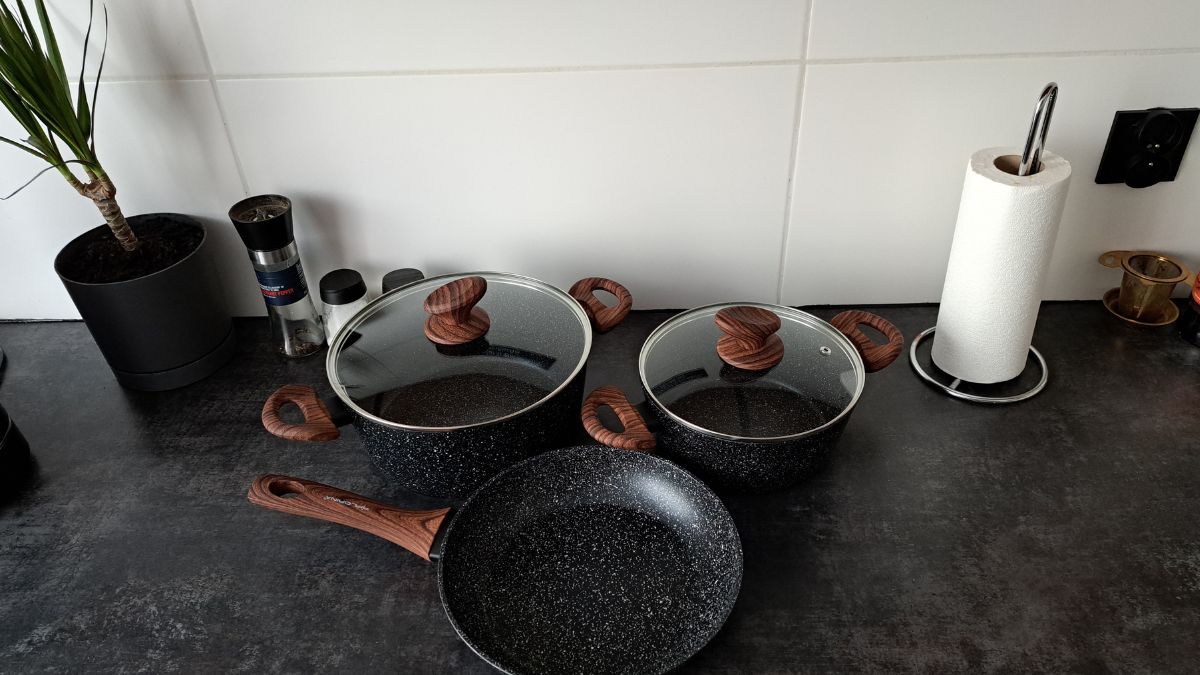
Non-stick pans are a kitchen staple loved for their convenience and easy cleanup, but they are far more delicate than most home cooks realize. A few common habits can silently degrade the coating over time, leading to food that sticks, uneven cooking, and pans that need to be replaced far sooner than they should. Understanding what damages non-stick surfaces is the first step toward making them last significantly longer. With the right care, a quality non-stick pan can remain a reliable kitchen companion for years to come.
High Heat Cooking
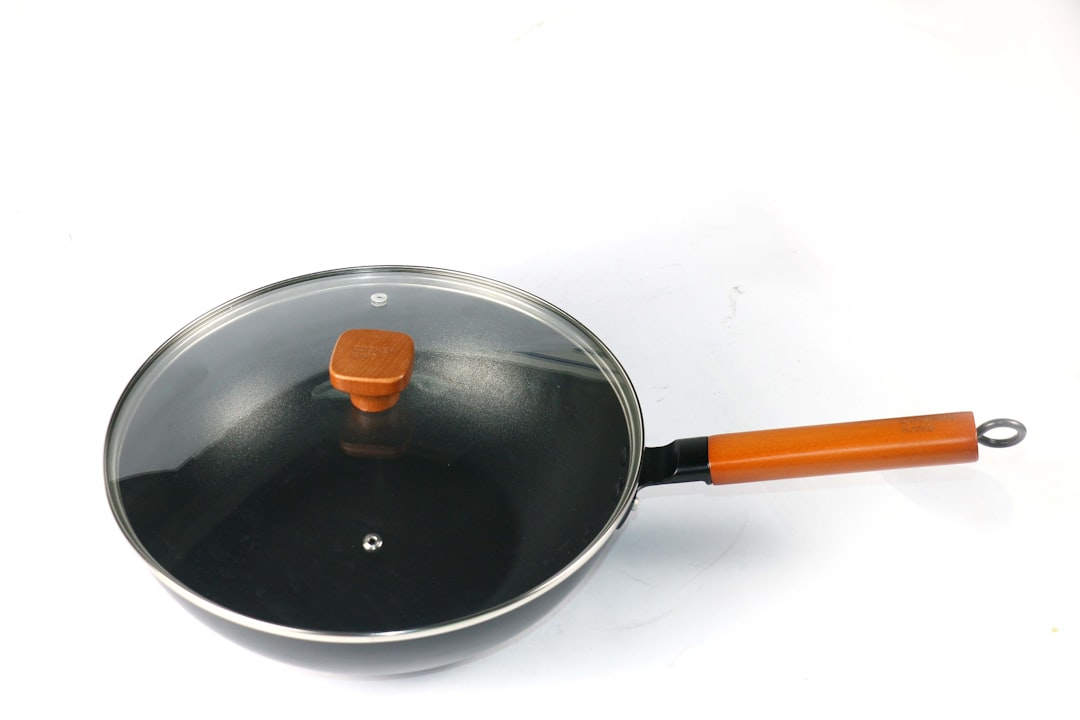
Non-stick coatings are not designed to withstand the intense temperatures that other cookware materials can handle. Exposing a non-stick pan to high heat causes the coating to break down rapidly, releasing fumes and reducing its effectiveness. Most non-stick pans perform best on low to medium heat settings, which is more than sufficient for the delicate foods they are best suited to cook. Repeated exposure to excessive heat warps the pan base and causes the coating to peel prematurely. Keeping the temperature moderate is one of the single most impactful habits for preserving a non-stick surface.
Metal Utensils
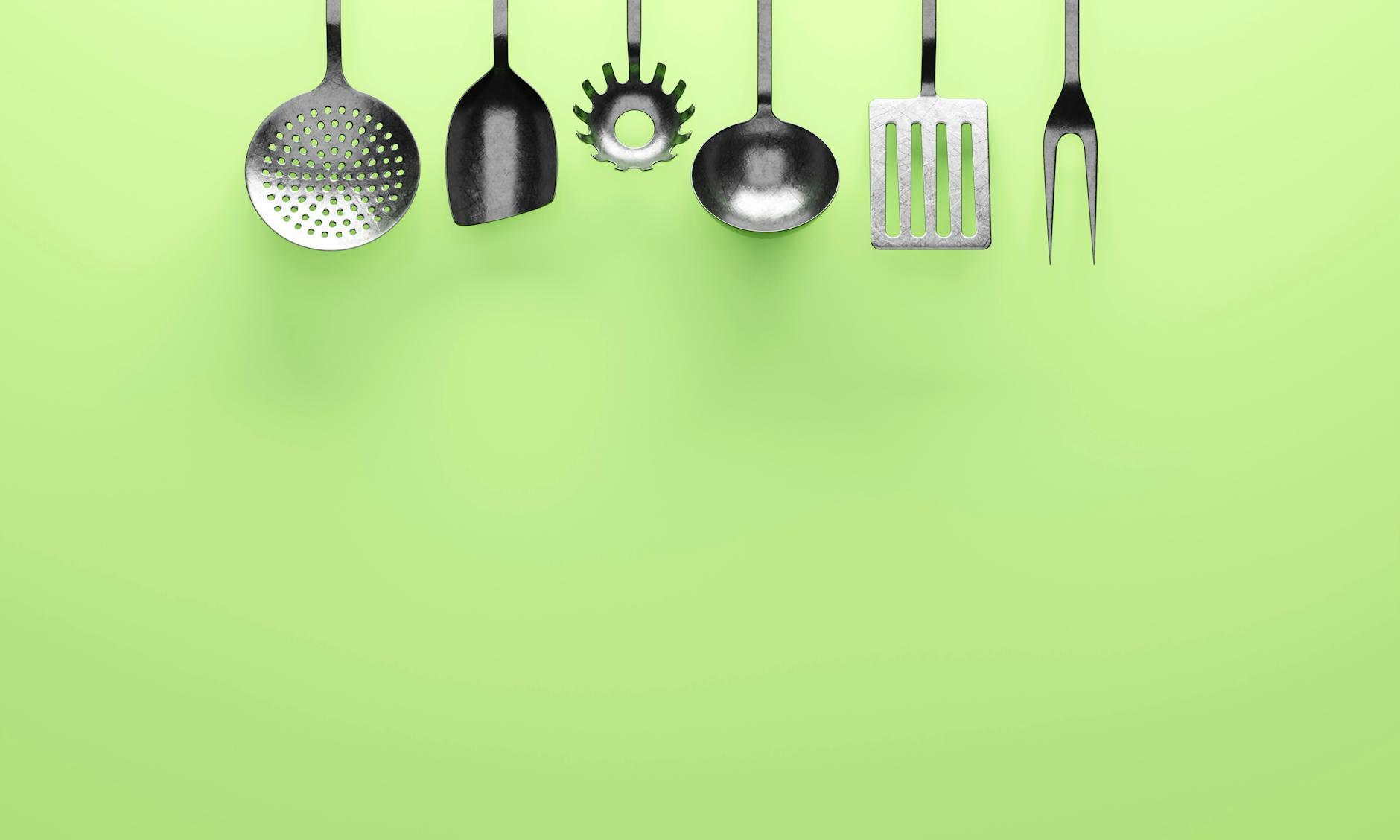
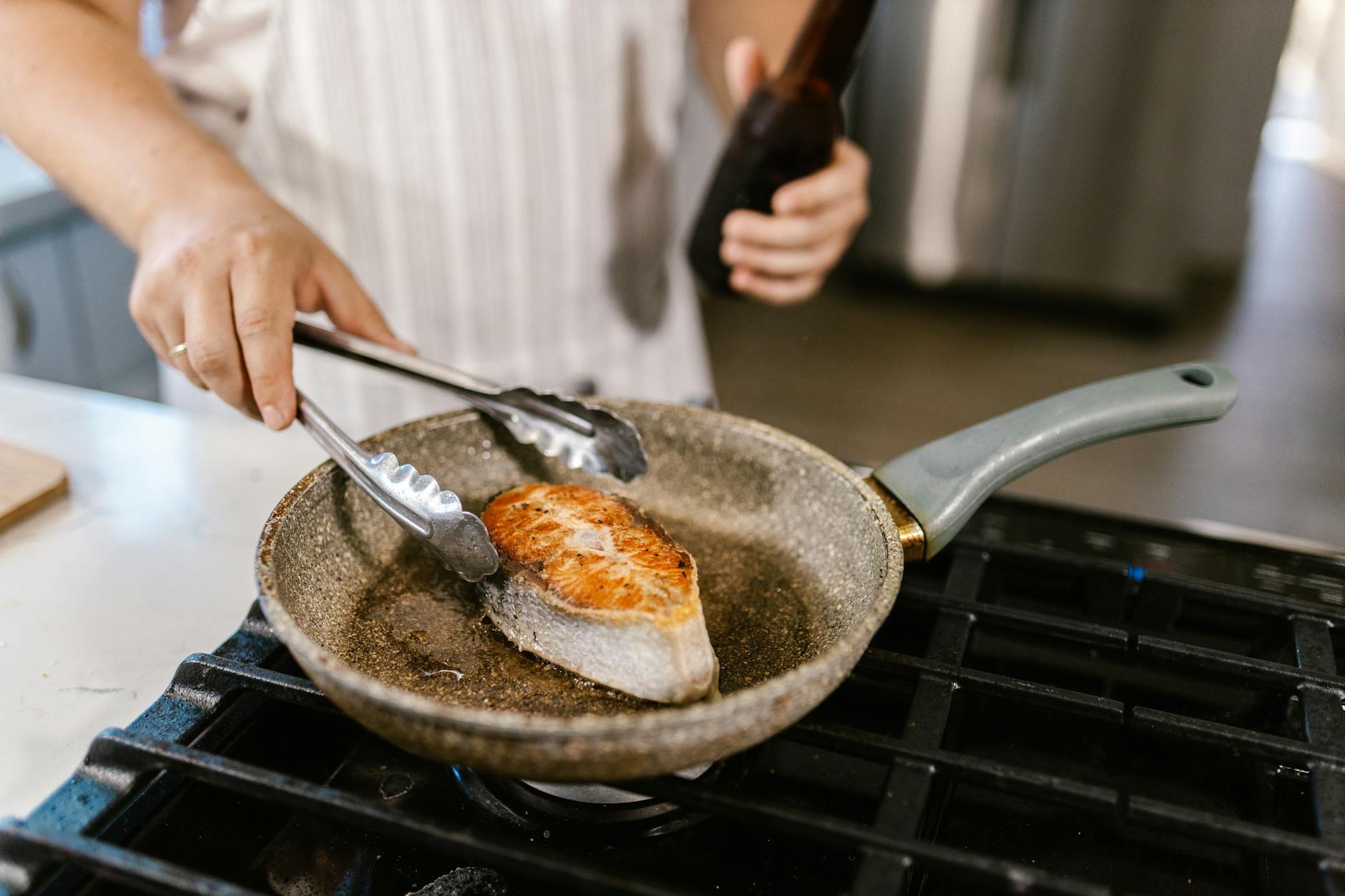
Using metal spatulas, tongs, or spoons on a non-stick surface is one of the fastest ways to destroy the coating. Even a single careless scrape can leave microscopic scratches that accumulate over time and cause food to begin sticking. Wood, silicone, and nylon utensils are the only appropriate tools to use inside a non-stick pan. Metal utensils create grooves in the coating that also trap bacteria and make the pan harder to clean effectively. Switching to gentler utensils costs very little and can dramatically extend the life of any non-stick pan.
Cooking Spray
Aerosol cooking sprays seem like a convenient alternative to butter or oil, but they are particularly damaging to non-stick coatings. The propellants and additives in these sprays leave behind a residue that builds up with each use and is extremely difficult to remove. Over time this residue forms a sticky layer that paradoxically makes the non-stick surface begin to behave like a regular pan. A small amount of butter or a drizzle of neutral oil applied directly to the pan is a far safer choice. Many non-stick pan manufacturers explicitly warn against using aerosol sprays in their care instructions.
Dishwasher Washing
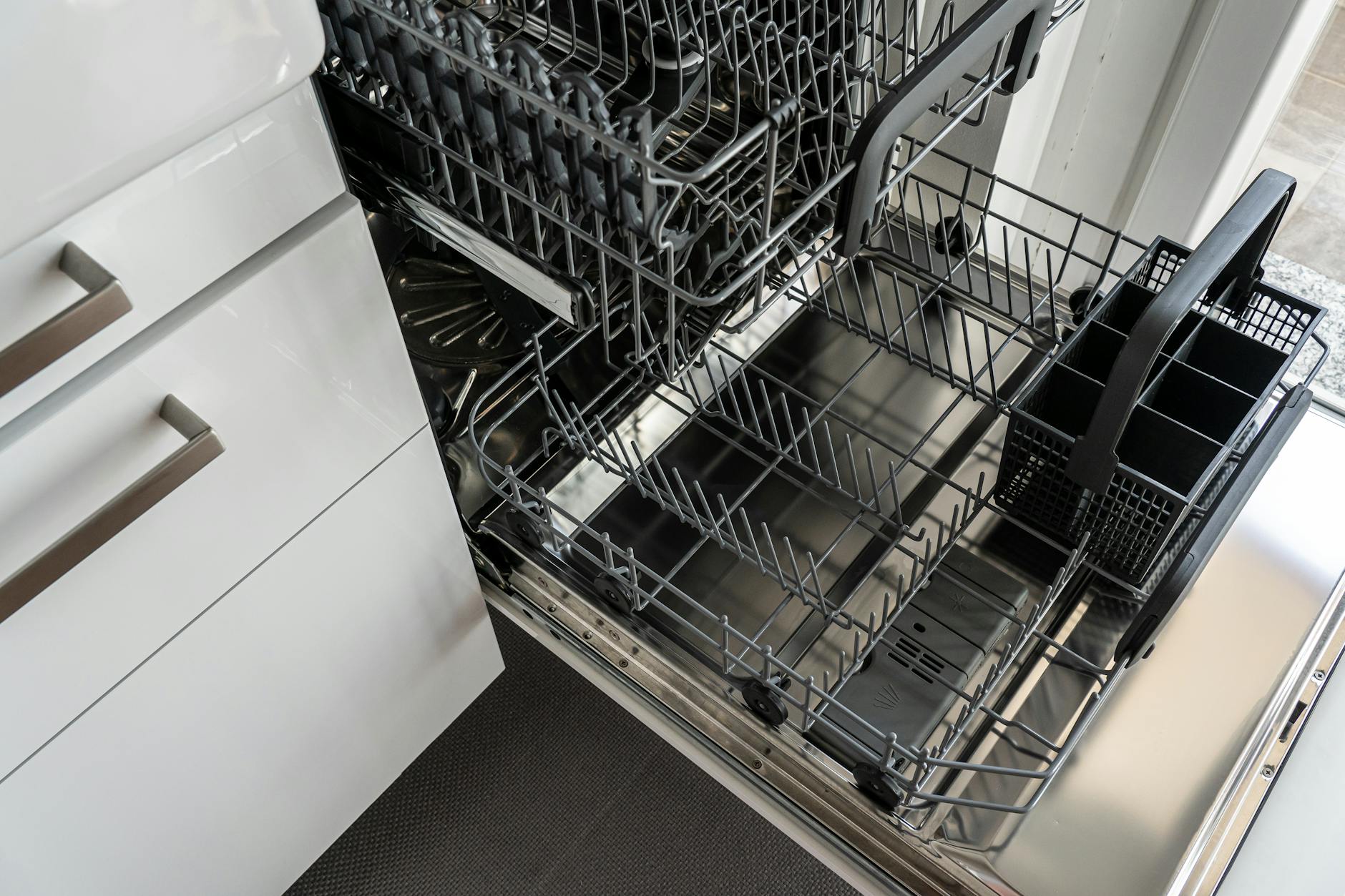
Placing a non-stick pan in the dishwasher exposes it to harsh detergents and high-pressure water jets that accelerate coating deterioration. The aggressive cleaning cycle strips away the non-stick layer far more quickly than gentle hand washing ever would. Even pans labeled as dishwasher safe tend to degrade faster when run through a machine regularly. Hand washing with warm water, a small amount of dish soap, and a soft sponge is the recommended method for cleaning non-stick cookware. Taking an extra two minutes to wash by hand can add months or even years to a pan’s usable life.
Stacking Pans
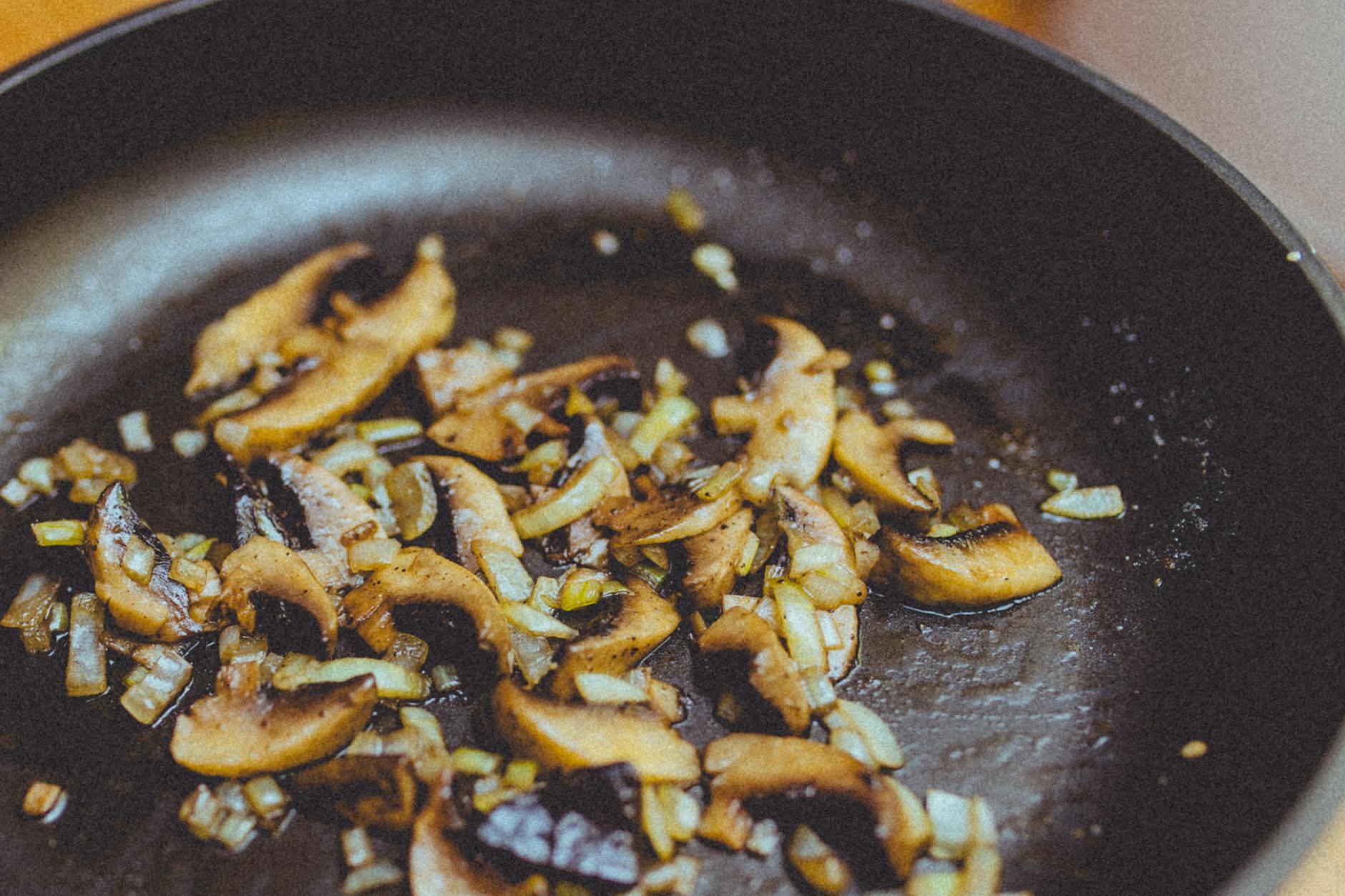
Storing non-stick pans by stacking them directly on top of one another is a habit that causes significant surface damage over time. The weight and hard edges of stacked cookware scratch and chip the delicate coating with every movement. Hanging pans individually or placing soft pan protectors between each one before stacking prevents this type of wear. Many home cooks do not notice the damage until the coating begins to flake, at which point the pan often needs to be replaced entirely. Proper storage is just as important as proper cooking technique when it comes to maintaining non-stick cookware.
Preheating Empty
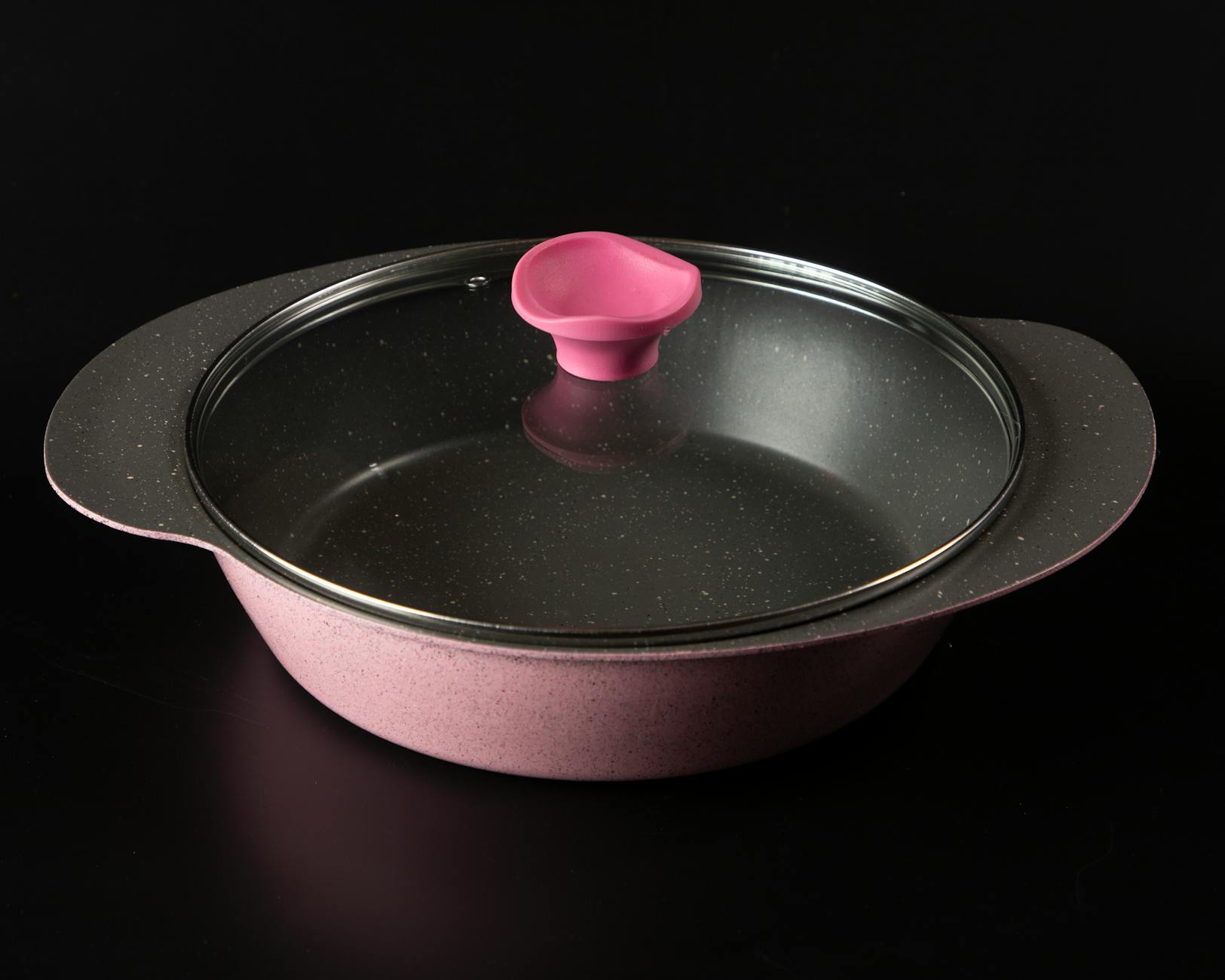
Heating an empty non-stick pan on the stove is a mistake that many home cooks make without realizing the consequences. Without any food or fat to absorb the heat, the temperature of the pan rises rapidly and can reach damaging levels within just a few minutes. This practice degrades the coating quickly and in some cases causes it to release harmful compounds into the kitchen air. Non-stick pans should always have oil, butter, or food added before or shortly after being placed on a heated burner. This simple adjustment protects the surface and ensures the pan heats more evenly as well.
Abrasive Sponges
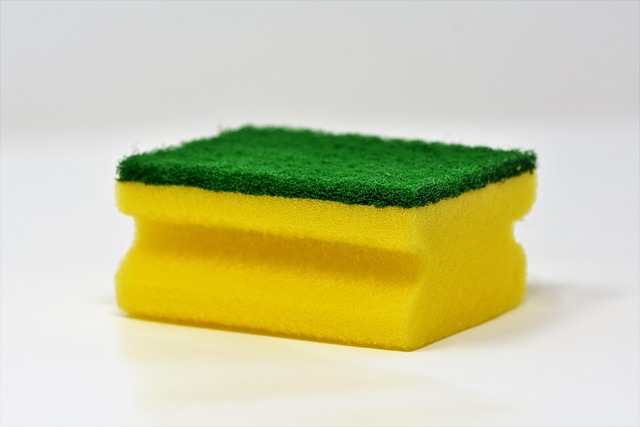
Reaching for a scouring pad or rough sponge to clean a stubborn non-stick pan may seem effective, but it is highly destructive to the surface. Abrasive materials scratch away the coating layer by layer, leaving the pan less effective and more prone to peeling with each scrub. Soft cloths, microfiber sponges, and the gentle side of a regular sponge are the only appropriate tools for cleaning non-stick cookware. For stuck-on food, soaking the pan in warm soapy water for a few minutes almost always loosens residue without requiring any scrubbing. Gentle cleaning habits preserve the integrity of the coating and keep the surface performing as intended.
Cutting Food Inside
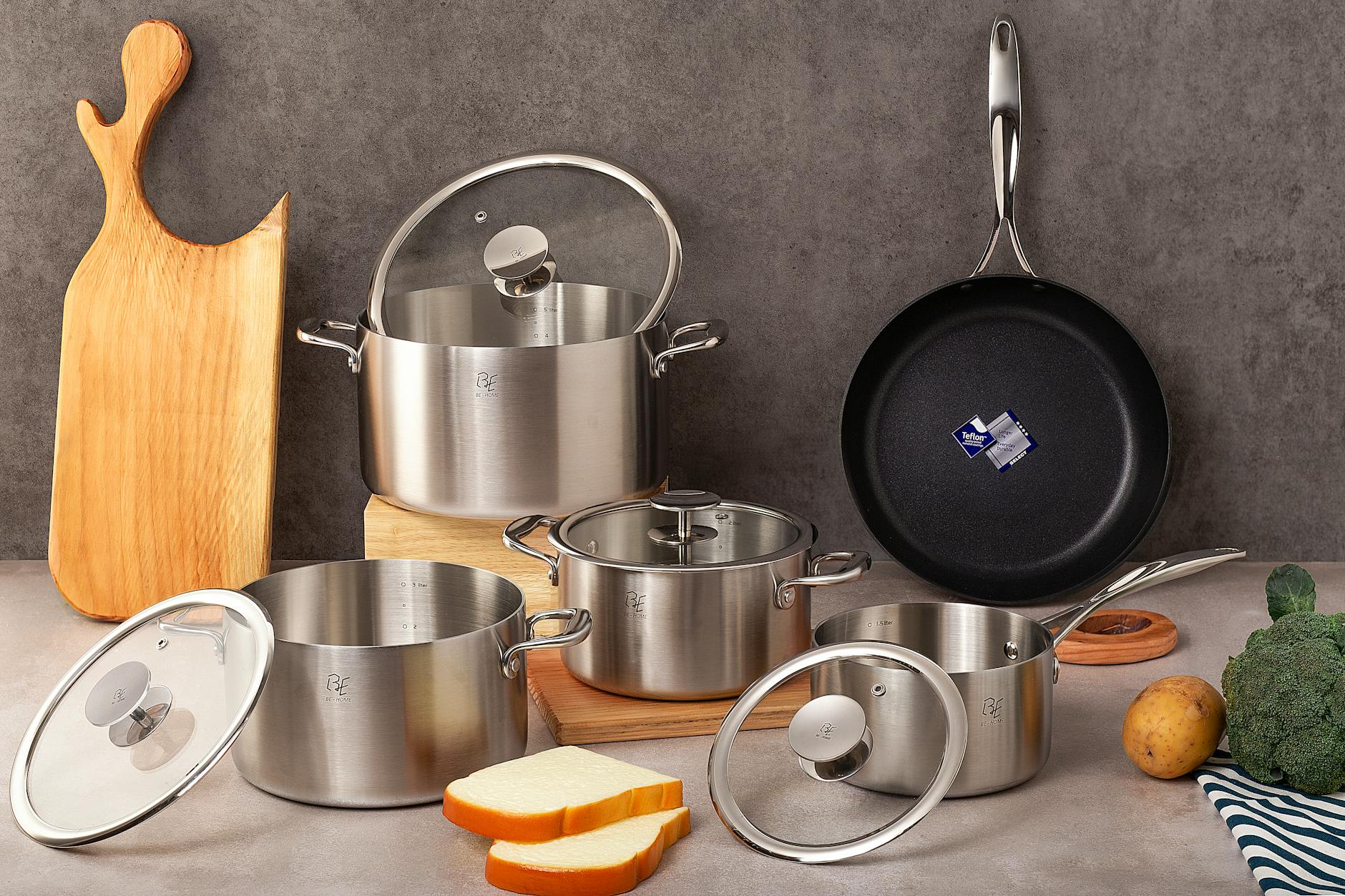
Treating a non-stick pan like a cutting board while cooking is a surprisingly common habit that causes immediate and irreversible damage. Slicing meat, chopping vegetables, or portioning food directly in the pan leaves deep scratches across the coating. These cuts in the surface create areas where food begins to stick and where the coating can start to lift and peel. All food should be cut on a separate cutting board before being added to the pan or after being transferred to a serving dish. Keeping knives away from the interior surface entirely is a straightforward rule that protects the pan every time it is used.
Thermal Shock
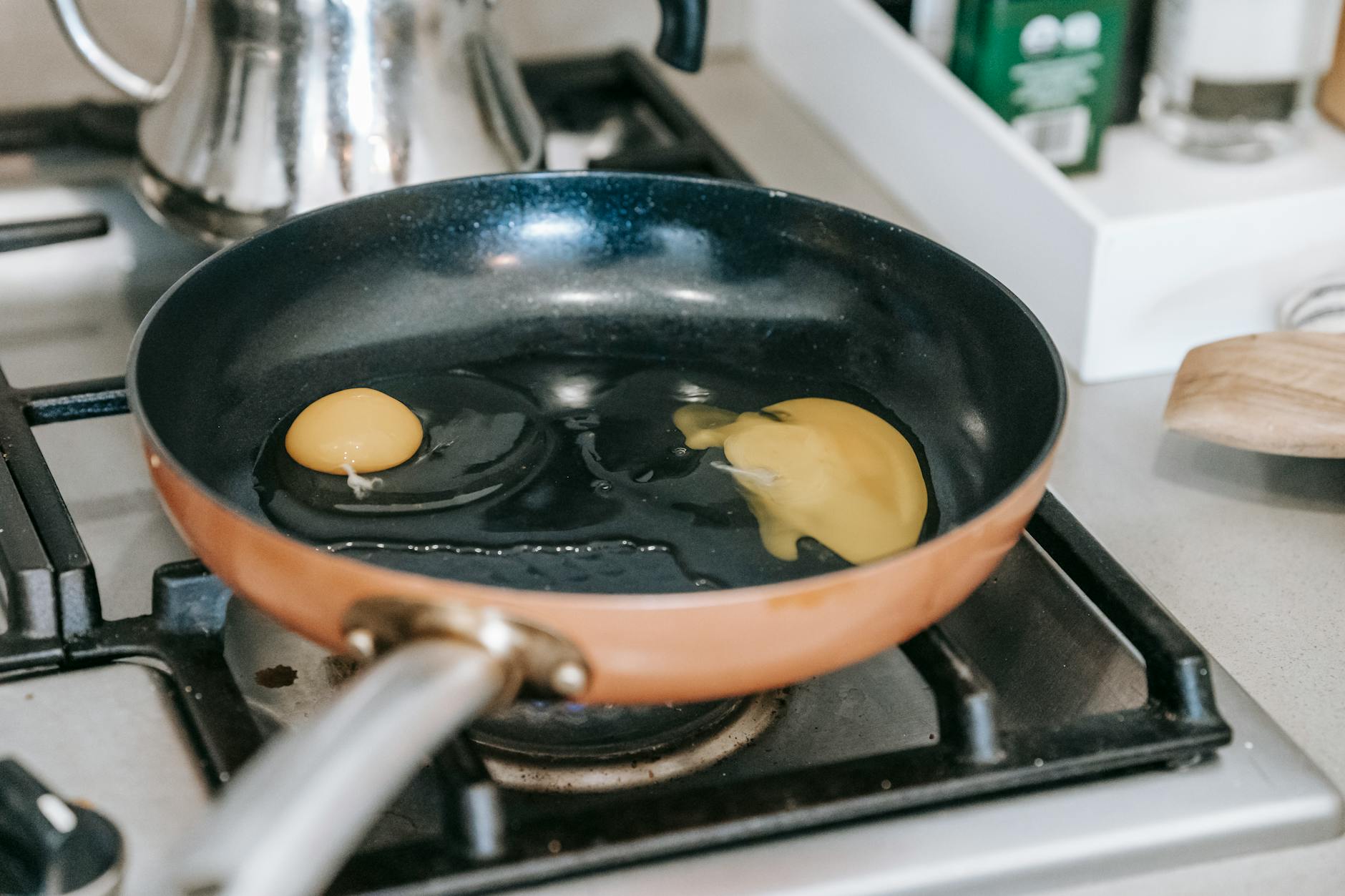
Moving a hot non-stick pan directly from the stove to a cold surface or running it under cold water while still hot causes thermal shock. This sudden and extreme temperature change warps the base of the pan and causes the non-stick coating to crack and separate from the metal underneath. A warped pan no longer sits flat on the burner, which leads to uneven heat distribution and inconsistent cooking results. Allowing the pan to cool gradually on a trivet or a dry dish towel before washing or storing it prevents this type of damage entirely. Patience during the cooling process is a small habit that makes a significant difference in pan longevity.
Oven Use
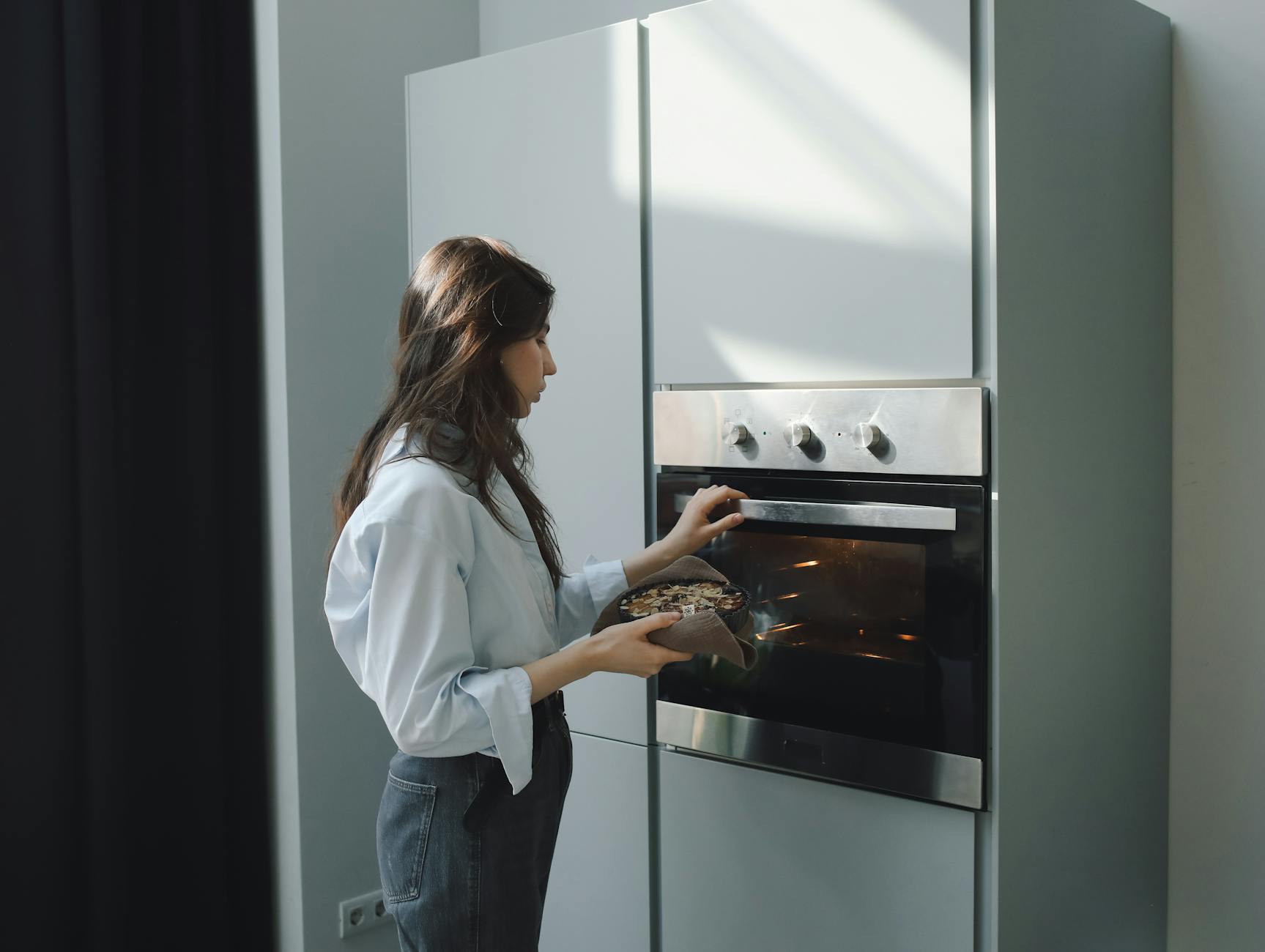
Many non-stick pans are not designed to be used in the oven, yet home cooks frequently place them there without checking the manufacturer guidelines first. The plastic or silicone components in handles and the non-stick coating itself often have maximum temperature thresholds well below standard oven settings. Exceeding these limits causes the handle to melt or warp and the coating to blister and degrade rapidly. If oven-safe functionality is needed, it is important to verify the specific temperature limit stated by the manufacturer before attempting it. Using a pan beyond its intended design parameters voids most warranties and shortens its lifespan considerably.
Oversized Burners
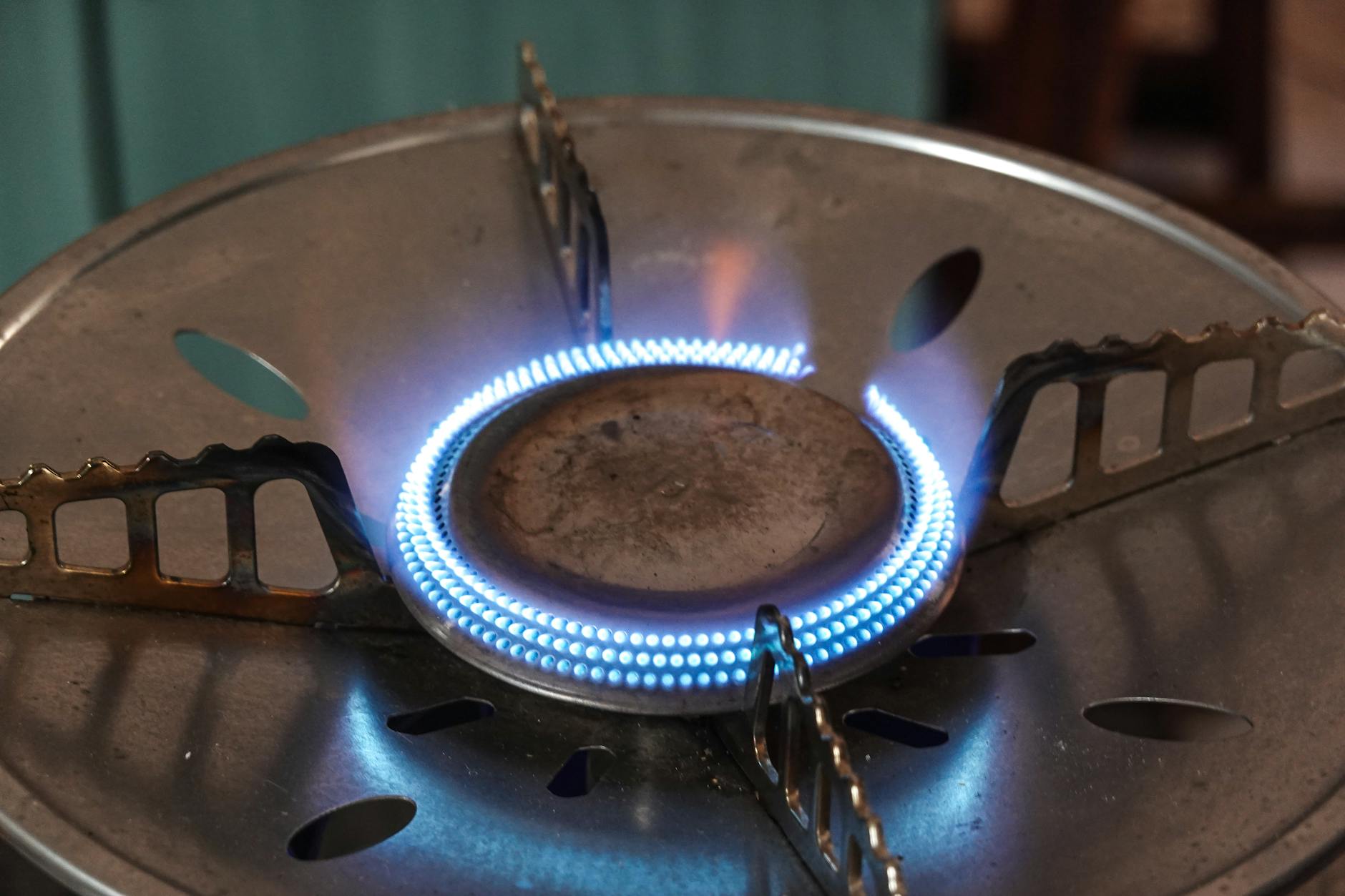
Placing a non-stick pan on a burner that is significantly larger than the pan’s base exposes the sides of the pan to direct flame or excessive radiant heat. Non-stick coatings on the sides and rim of the pan are generally thinner than on the cooking surface and are far more vulnerable to heat damage. Flames that lick up around the exterior of the pan also discolor and weaken the outer finish over time. Matching the pan size to an appropriately sized burner ensures even and controlled heat distribution across the cooking surface. This alignment protects both the coating and the structural integrity of the pan with every use.
Harsh Detergents
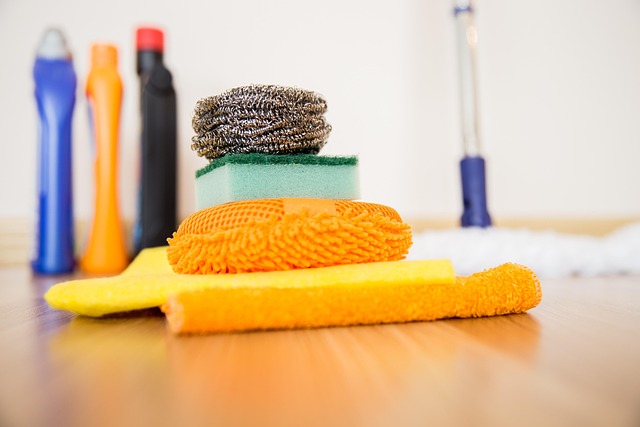
Strong dish soaps and heavy-duty degreasers are far too aggressive for the delicate surface of a non-stick pan. These products strip away any protective seasoning that has developed on the surface and can chemically degrade certain non-stick coatings over time. A small amount of mild dish soap paired with warm water is more than sufficient for cleaning non-stick cookware after regular use. Using the minimum amount of soap necessary to remove grease ensures the coating is not unnecessarily exposed to harsh chemicals. Gentle cleansers used consistently will keep the surface in far better condition than occasional deep cleaning with powerful products.
Worn Coating Use
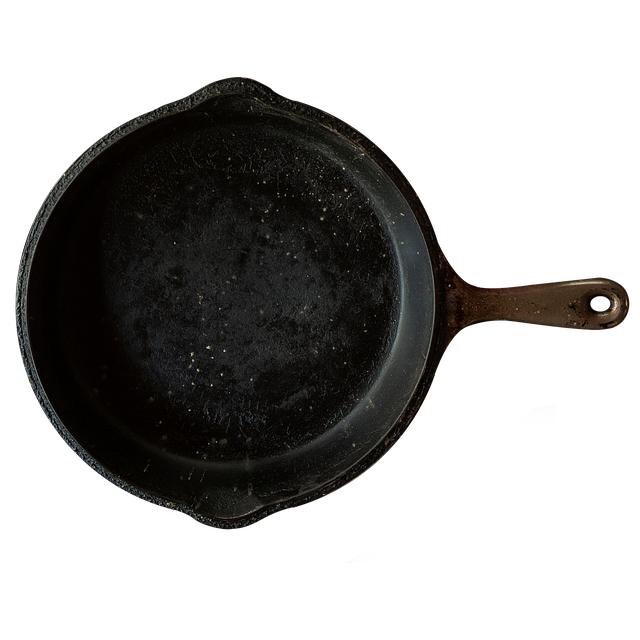
Continuing to cook in a non-stick pan once the coating has begun to visibly peel, flake, or chip is a practice that carries both performance and safety concerns. A damaged coating no longer provides an effective non-stick surface, meaning food will stick, burn unevenly, and be far more difficult to clean. Flaking pieces of coating can also end up in food during the cooking process, which is a situation best avoided entirely. Most non-stick cookware has a finite lifespan and will need to be replaced once significant coating degradation becomes visible. Recognizing when a pan has reached the end of its useful life is just as important as knowing how to care for it properly.
Share your best tips for keeping non-stick pans in great shape in the comments.