
Many people assume their credit score is in good shape simply because they pay their bills on time. What often goes unnoticed are the subtle, everyday habits and oversights that slowly chip away at a number that lenders, landlords, and even employers take seriously. Understanding the less obvious culprits behind a declining score is one of the most practical steps anyone can take toward long-term financial health. These fifteen factors may surprise even the most financially conscious individuals.
Credit Utilization

Credit utilization refers to the percentage of available revolving credit currently being used, and it plays a significant role in determining an overall score. Most financial experts suggest keeping this figure below thirty percent across all accounts. Even a single month of high balances can trigger a noticeable drop, even if the balance is paid in full shortly after. Many people mistakenly believe that carrying a balance demonstrates responsible use, when in fact lower utilization consistently signals better credit management. Monitoring spending habits relative to credit limits is one of the most effective ways to protect a score over time.
Hard Inquiries

Every time a lender performs a formal review of a credit report in response to a new application, a hard inquiry is recorded. Each inquiry can cause a small but meaningful dip in a score, and multiple inquiries within a short period can compound that effect significantly. This applies to applications for credit cards, auto loans, personal loans, and even some rental agreements. Many consumers are unaware that shopping around aggressively for credit in a short window leaves a visible trail on their report. Spacing out applications and only pursuing new credit when genuinely necessary helps minimize this often overlooked source of damage.
Closed Accounts

Closing a credit card account might feel like a responsible financial decision, but it can actually harm a score in more than one way. When an account is closed, the available credit limit associated with it disappears, which can cause utilization to spike instantly. Additionally, if the closed account was one of the older ones on file, the average age of credit history may shorten as a result. Lenders view a longer, well-managed credit history as a sign of reliability, so reducing that history can work against a borrower. Keeping older accounts open and occasionally active is often a smarter long-term strategy than closing them outright.
Late Payments

Payment history is the single most influential factor in most credit scoring models, accounting for a substantial portion of the overall calculation. Even one payment that is thirty or more days late can leave a mark on a report that lingers for up to seven years. Many people miss payments not out of financial hardship but due to oversight, particularly when managing multiple accounts with different due dates. Setting up automatic payments or calendar reminders can prevent these accidental delinquencies from occurring. The damage from a single missed payment often far outweighs the short-term inconvenience of scheduling reminders in advance.
Credit Mix
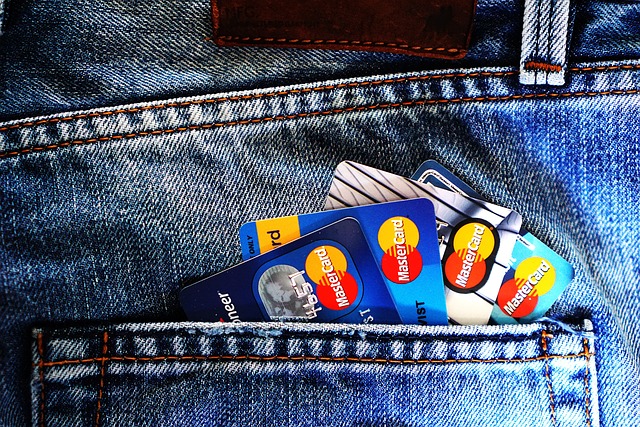
Lenders and scoring models alike look favorably on borrowers who can demonstrate the ability to manage different types of credit responsibly. A healthy credit profile typically includes a combination of revolving accounts like credit cards and installment accounts such as loans. Relying exclusively on one type of credit, even if managed perfectly, can limit the overall score potential. This does not mean taking on unnecessary debt, but rather being aware that diversity in credit type plays a measurable role. Individuals who have only ever held one form of credit may find this factor quietly holding their score back without any obvious reason.
Authorized User Removal

Being added as an authorized user on someone else’s account can be a meaningful way to build or supplement a credit history. However, if the primary account holder removes an authorized user or closes the account entirely, the positive history associated with that account may disappear from the report. Many people do not realize how much of their score may be anchored in an account they do not personally own or control. This is particularly common among younger adults who relied on a parent’s account to establish early credit. Transitioning to independently held accounts as early as possible provides a more stable foundation for long-term score health.
Rent Reporting

Most landlords do not automatically report rental payment history to the major credit bureaus, which means years of consistent on-time rent payments may not be contributing to a score at all. This is a silent disadvantage for renters who are diligently meeting their obligations but receiving no credit benefit in return. Several third-party services now offer the option to have rent payments reported, which can be a meaningful boost for those with thin credit files. Failing to explore these options means leaving a reliable source of positive payment history completely untapped. Renters who are unaware of this gap may be puzzled when their score does not reflect their financial discipline.
Credit Report Errors
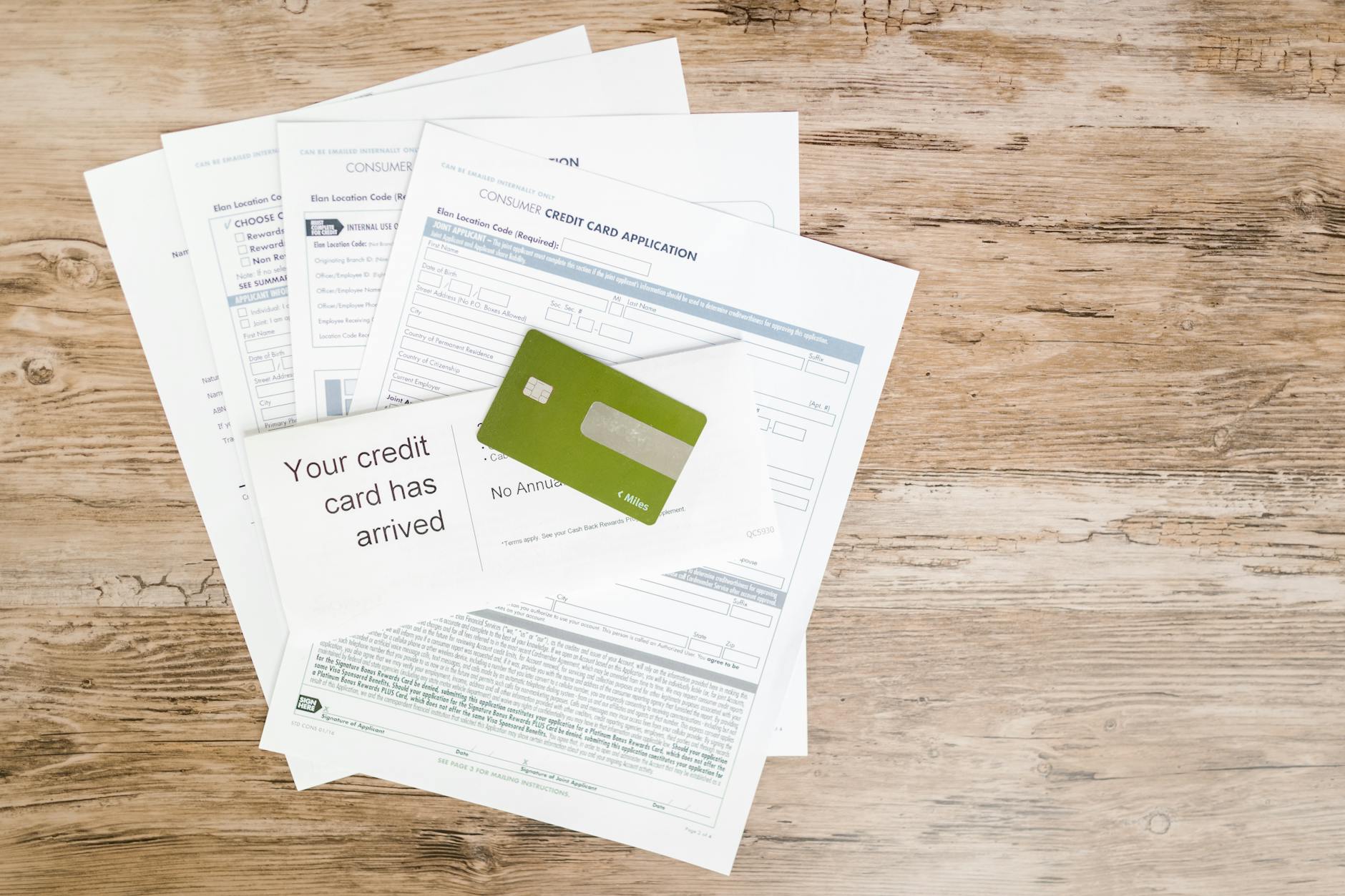
Mistakes on credit reports are more common than many consumers realize, and they can cause significant and entirely undeserved damage to a score. Errors can include accounts that do not belong to the individual, incorrect balances, outdated delinquency records, or payments reported as late when they were made on time. Without regular review, these inaccuracies can go undetected for months or even years. All three major credit bureaus are required to provide a free annual report, making it straightforward to check for and dispute any discrepancies. Neglecting this simple review process is one of the most avoidable ways a score quietly erodes over time.
Medical Debt

Unpaid medical bills can find their way onto a credit report through collection agencies, often without the individual realizing the account has been escalated to that stage. Medical billing is notoriously complex, and patients sometimes receive bills they believe are covered by insurance only to discover months later that the claim was denied. By the time the collection notice appears on a report, the damage has already begun. Recent changes to credit reporting policies have reduced the impact of some medical collections, but they can still affect scores in certain models and lender assessments. Staying on top of insurance explanations and billing statements is essential for avoiding this unexpected source of credit harm.
Debt Settlement
Settling a debt for less than the full amount owed may feel like a financially pragmatic resolution, but it is reported on a credit file in a way that signals incomplete repayment to future lenders. A settled account is treated as less favorable than one marked as paid in full, and the notation can remain on a report for several years. Many consumers enter settlement arrangements without fully understanding this distinction, assuming that resolving the debt in any form is a positive step. While settlement is certainly preferable to leaving a debt entirely unpaid, it is not a neutral event from a credit perspective. Exploring all available options before agreeing to a settlement is worth the additional effort.
Balance Transfers
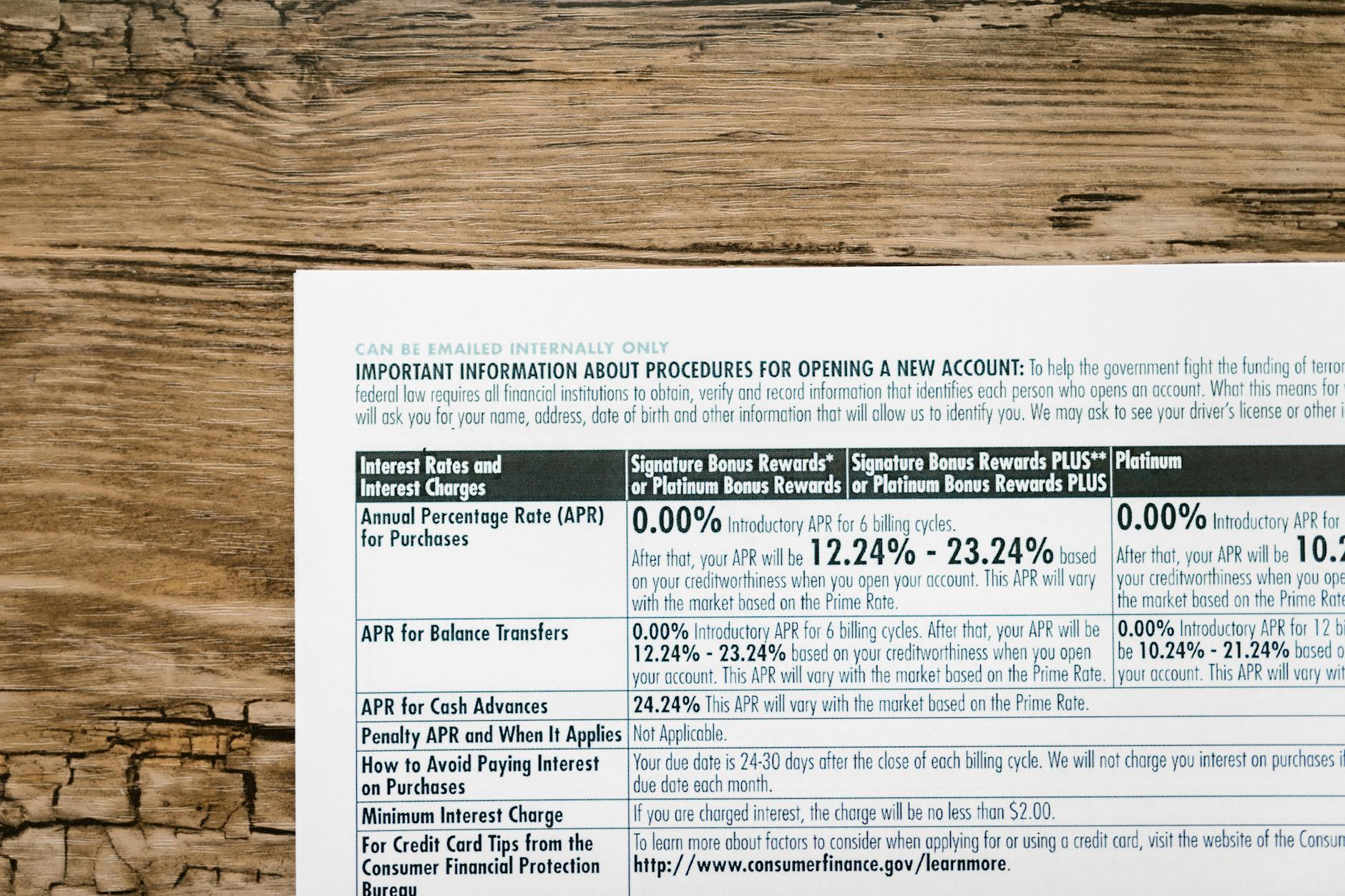
Transferring a balance from one card to another can be a useful strategy for managing high interest rates, but it carries credit implications that are easy to overlook. Opening a new card to facilitate the transfer results in a hard inquiry, which temporarily lowers the score. At the same time, closing the original card after the transfer reduces available credit and may shorten credit history. Even without closing the old account, maxing out or coming close to the limit on the new card can spike utilization significantly. What appears to be a smart debt management move can thus produce multiple simultaneous scoring penalties if not handled carefully.
Inactivity

Keeping a credit card open is generally good for a score, but letting it sit completely unused for an extended period can create its own set of problems. Card issuers may reduce the credit limit on inactive accounts, which directly increases utilization without any change in spending habits. In some cases, issuers may close inactive accounts altogether, which removes both the available credit and potentially a portion of credit history from the report. Many cardholders assume that simply owning an open account is sufficient, not realizing that occasional activity is needed to keep it in good standing. Making a small purchase every few months and paying it off in full is often enough to keep an account active and beneficial.
Student Loans

Student loans are a form of installment credit, and how they are managed has a direct effect on a credit score that many borrowers underestimate. Missing payments, entering default, or frequently deferring loans without understanding the reporting implications can cause lasting damage to a report. Even income-driven repayment plans, while financially helpful, can sometimes result in balances that grow rather than shrink, which may concern future lenders. Conversely, successfully paying down student loans over time can actually strengthen a credit profile by demonstrating long-term installment account management. Understanding exactly how loan servicers report payment activity is an important step that many borrowers skip entirely.
Credit Limit Reductions

Lenders have the right to reduce a customer’s credit limit at any time, often in response to a period of inactivity, a change in creditworthiness, or broader economic conditions. When this happens without warning, the available credit drops and utilization rises instantly, even if spending habits have not changed at all. Most consumers are caught off guard because the reduction can occur without any missed payments or obvious financial misstep on their part. Regularly logging into accounts and monitoring for any changes to credit limits can help catch these reductions before they cause additional harm. Contacting the issuer to request a reinstatement of the original limit is sometimes possible and worth pursuing promptly.
Payday Loans

Relying on payday loans or similar high-interest short-term borrowing products can signal financial instability to traditional lenders who review a credit profile. While some payday lenders do not report to the major bureaus, those that do can introduce negative information quickly if a payment is missed or a loan rolls over repeatedly. Additionally, frequent use of these products can create a cycle of debt that makes other financial obligations harder to meet, indirectly increasing the risk of missed payments elsewhere. Lenders who manually review applications may also view a pattern of payday borrowing as a red flag regardless of the score itself. Exploring alternatives such as personal loans, credit union products, or employer advance programs is a far safer path for managing short-term cash flow needs.
Share your own experiences with unexpected credit score surprises in the comments.