
Most people focus on what happens during a workout without realizing the choices made hours before ever stepping into the gym can determine everything. Poor preparation quietly drains energy, reduces performance, and increases the risk of injury before a single rep is completed. Understanding these hidden pitfalls gives athletes and casual exercisers alike a genuine competitive edge. Small adjustments to daily habits can produce dramatic improvements in training quality and overall results.
Poor Sleep

The body repairs muscle tissue and regulates key performance hormones almost entirely during sleep. Training on insufficient rest elevates cortisol levels which directly interferes with strength output and endurance capacity. Reaction time and coordination also decline sharply after even one night of poor sleep making exercise less effective and more dangerous. Most adults require between seven and nine hours of quality sleep to support consistent athletic performance.
Skipped Breakfast

Morning workouts performed in a fully fasted state without intentional nutrition strategy can lead to muscle breakdown rather than fat loss. The body turns to lean tissue for fuel when glycogen stores are completely depleted overnight. A balanced pre-morning meal containing complex carbohydrates and protein provides the energy needed to train at full intensity. Athletes who eat a proper breakfast consistently report stronger lifts and greater endurance during morning sessions.
Dehydration

Fluid loss of even two percent of total body weight measurably reduces strength output and aerobic performance. Many people begin exercise already in a mild state of dehydration after hours of sleep without fluid intake. The heart works harder to pump thicker blood to working muscles when hydration is inadequate causing faster fatigue. Drinking water consistently throughout the day rather than just before exercise is the most effective hydration strategy.
Sedentary Morning

Sitting for extended periods before exercise causes muscles to tighten and reduces circulation to the lower body. Hip flexors in particular become shortened and overactive after prolonged sitting which disrupts movement mechanics during squats and lunges. Light movement such as a short walk or gentle mobility work in the hour before training primes the nervous system. Transitioning from a desk directly to heavy lifting significantly increases the likelihood of poor form and strain.
Alcohol

Even moderate alcohol consumption the night before training has measurable negative effects on next-day performance. Alcohol disrupts the sleep cycle reducing the amount of restorative deep sleep the body receives during recovery. It also causes dehydration and impairs the body’s ability to synthesize protein which slows muscle repair. Research consistently shows that reaction time strength and aerobic capacity all decline following alcohol intake.
Chronic Stress

Elevated psychological stress activates the same physiological pathways as physical exertion taxing the body before training even begins. High cortisol levels associated with ongoing stress reduce testosterone and growth hormone output which directly limits strength gains. The central nervous system under chronic stress also fatigues more quickly during exercise reducing the quality and duration of effective training. Stress management practices including meditation and breathwork have measurable benefits on athletic performance.
Excessive Caffeine

Caffeine consumed strategically before exercise can enhance focus and performance but overconsumption produces the opposite effect. Very high doses elevate anxiety and heart rate to a degree that impairs concentration and movement quality. Caffeine is also a diuretic meaning excessive intake before training accelerates fluid loss and worsens hydration status. Most sports nutrition guidelines recommend a moderate dose of three to six milligrams per kilogram of body weight for optimal results.
Wrong Footwear

Wearing inappropriate shoes during training alters biomechanics and places unnecessary stress on joints throughout the kinetic chain. Running shoes worn during weightlifting create an unstable base that reduces force transfer and compromises squat and deadlift mechanics. Conversely flat training shoes used for long-distance running provide insufficient cushioning and shock absorption. Matching footwear to the specific demands of the workout is a foundational element of injury prevention.
Overtraining

Returning to intense training before the body has fully recovered from a previous session compounds fatigue rather than building fitness. Muscle protein synthesis requires adequate rest periods and repeated high-intensity effort without recovery limits long-term progress. Common signs of inadequate recovery include persistent soreness elevated resting heart rate and declining performance across sessions. Periodization strategies that build planned rest days into the training schedule produce superior results over time.
Meal Timing

Eating a large meal immediately before exercise redirects blood flow to the digestive system creating discomfort and reducing muscular output. The body prioritizes digestion over physical performance when a substantial food volume is present in the stomach. General guidelines recommend consuming a larger meal two to three hours before training and a small snack thirty to sixty minutes prior if needed. The composition of the pre-workout meal matters as much as the timing with easily digestible carbohydrates being the preferred energy source.
Phone Scrolling

Passive social media consumption in the period before training has been linked to reduced motivation and increased mental fatigue. The dopamine cycle activated by scrolling creates a low-effort reward loop that makes the high-effort demands of exercise feel less appealing by comparison. Screen exposure also suppresses melatonin in morning routines which disrupts natural cortisol rhythms that support energy and alertness. Replacing pre-workout scrolling with visualization or a focused warm-up routine consistently improves training readiness.
Ignoring Warm-Up
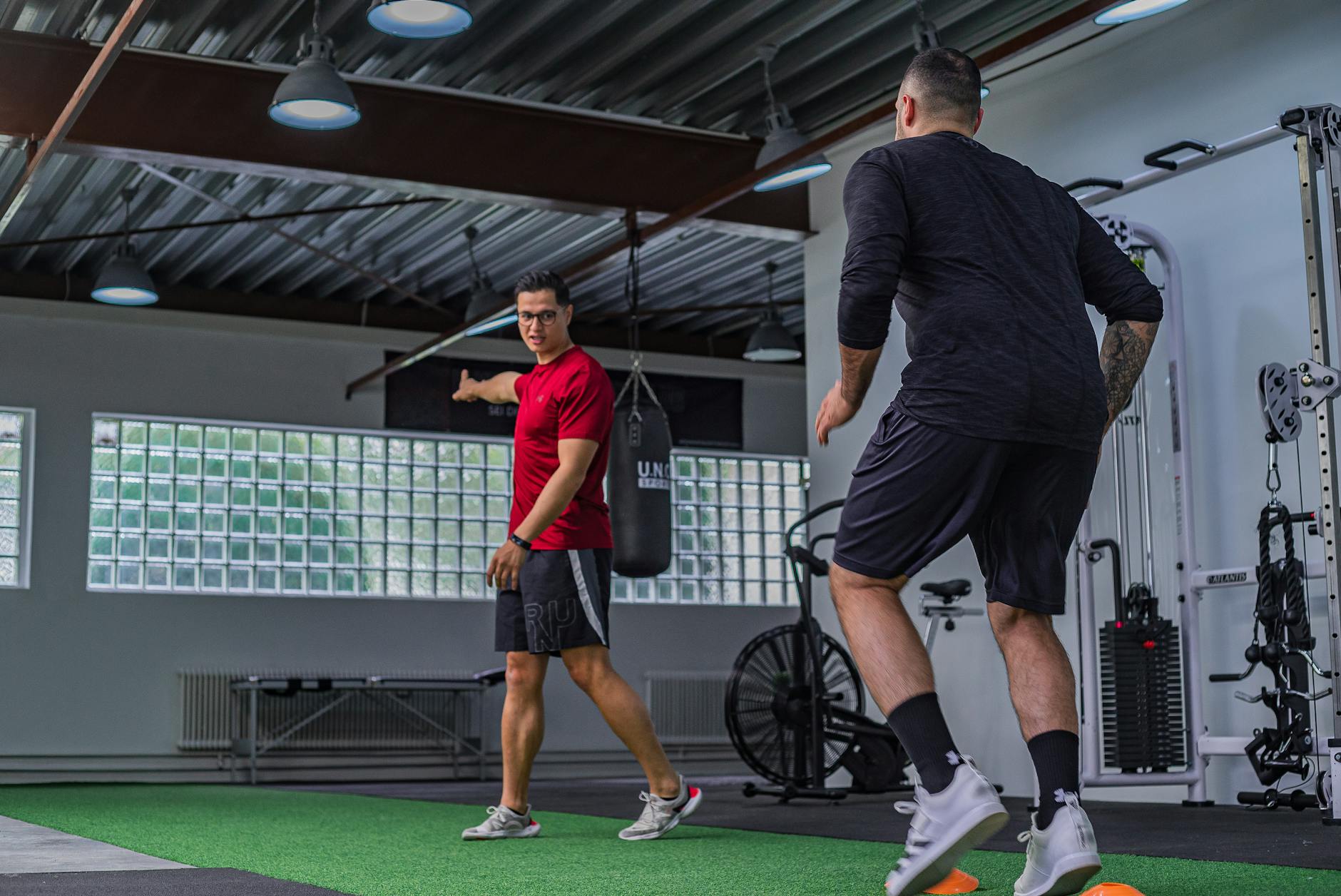
Beginning intense exercise without a structured warm-up leaves joints and connective tissue unprepared for load-bearing movement. Core body temperature and muscle elasticity both require elevation before high-force activities such as sprinting or heavy lifting can be performed safely. A proper warm-up also activates the neuromuscular pathways specific to the movements planned for the session improving coordination and force output. Research shows that athletes who complete a dynamic warm-up perform measurably better and sustain fewer acute injuries.
Negative Self-Talk

Internal dialogue before exercise has a direct and documented impact on physical output during training. Athletes who engage in negative self-talk before a session demonstrate reduced endurance and lower perceived exertion tolerance during effort. The brain interprets negative internal language as a threat signal which triggers conservative physiological responses that limit performance. Motivational self-talk and goal-setting before training are evidence-based strategies used across professional and recreational sport.
Tight Clothing

Wearing restrictive or poorly fitted workout clothing limits range of motion and can interfere with circulation during exercise. Overly tight waistbands and compression garments worn incorrectly create pressure that restricts breathing mechanics and affects core activation. Fabric choice also matters as non-moisture-wicking materials raise skin temperature and accelerate dehydration through excess sweating. Properly fitted activewear designed for the specific type of training being performed supports both comfort and performance.
No Sleep Routine

Inconsistent sleep and wake times disrupt the body’s circadian rhythm which governs hormone secretion and energy regulation. Cortisol naturally peaks in the morning to support alertness and physical readiness but only when the sleep cycle is consistent. Irregular bedtimes reduce sleep quality even when total sleep hours appear adequate resulting in cumulative fatigue. Establishing a consistent sleep schedule aligned with training goals is one of the highest-leverage recovery interventions available.
Skipping Electrolytes

Sodium potassium and magnesium play essential roles in muscle contraction and nerve signaling during physical activity. Beginning a workout already deficient in these minerals leads to early cramping reduced power output and impaired cardiovascular function. Athletes who sweat heavily or train in hot environments have significantly elevated electrolyte requirements compared to sedentary individuals. Including electrolyte-rich foods or a quality supplement in the pre-workout nutrition plan meaningfully supports performance and endurance.
Overcomplicating Programming

Spending excessive time before a session redesigning the workout creates decision fatigue that reduces execution quality. The mental energy spent on last-minute program changes depletes cognitive resources that are better applied to focused training effort. Effective programs are planned in advance and followed consistently with adjustments made between sessions rather than during warm-up. Simplicity and consistency in training structure produce more reliable long-term progress than constant program variation.
Social Media Comparison

Viewing highly curated fitness content before training triggers social comparison processes that negatively affect self-efficacy and motivation. Research in sports psychology shows that downward and upward social comparisons both reduce intrinsic motivation when they occur immediately before performance. The unrealistic standards presented in fitness media create performance anxiety that physically manifests as tension and reduced movement quality. Athletes who limit social media consumption before training report higher enjoyment and greater effort during sessions.
Skipping Mobility Work
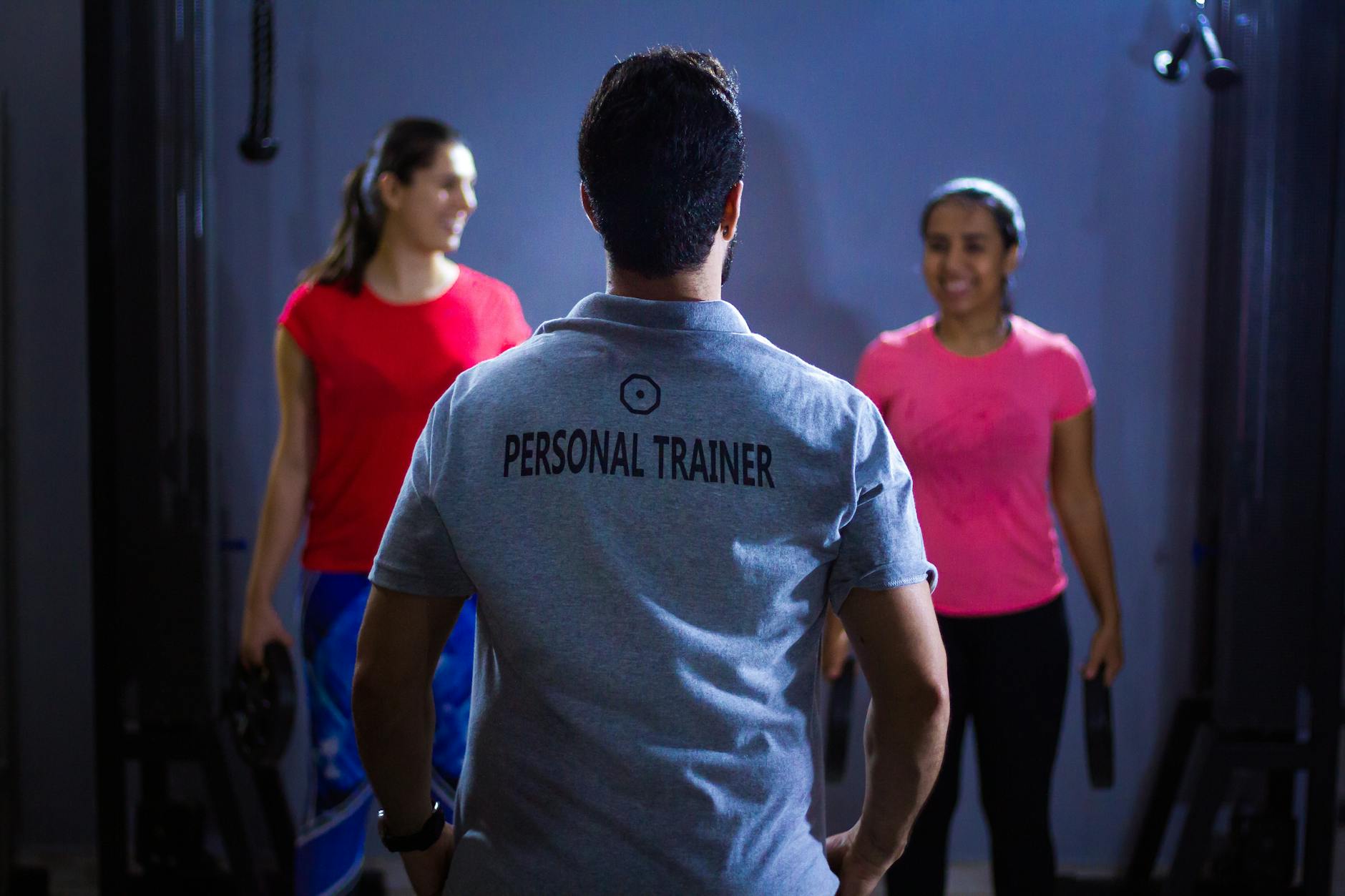
Static and dynamic mobility work before exercise prepares the joints and fascial tissue for the demands of training. Restricted mobility in the hips thoracic spine or ankles forces the body to compensate during compound movements increasing injury risk at adjacent joints. Regular pre-workout mobility practice also improves proprioception which is the body’s awareness of joint position during movement. Even five to ten minutes of targeted mobility work before training produces measurable improvements in movement quality and depth.
Inconsistent Timing

Training at widely varying times each day disrupts the body’s internal clock and reduces the hormonal priming that supports peak performance. The body adapts to regular training stimuli including time of day by optimizing hormone release and neuromuscular readiness for that specific window. Athletes who train consistently at the same time show improved performance metrics compared to those with irregular schedules. Anchoring workouts to a fixed daily time is a simple and effective strategy for enhancing readiness and adherence.
Processed Pre-Workout Food

Consuming highly processed foods with significant sugar content before training causes a rapid spike and subsequent crash in blood glucose. This energy fluctuation leads to fatigue brain fog and reduced muscular endurance during the workout. Artificial additives and high-fat content in processed snacks also slow gastric emptying which can cause discomfort during high-intensity movement. Whole food sources such as oats bananas and eggs provide more stable and sustained energy for physical performance.
Poor Posture Habits

Spending hours in poor postural positions before training creates muscular imbalances that directly affect movement quality during exercise. Rounded upper back positioning associated with prolonged desk work inhibits shoulder mobility and reduces the effectiveness of pressing and pulling movements. Anterior pelvic tilt caused by extended sitting shortens hip flexors and weakens glutes impairing lower body exercise mechanics. Postural correction exercises incorporated into the pre-workout routine counteract the effects of sedentary work habits.
Forgetting Breathing

Breathing mechanics are foundational to athletic performance and are rarely addressed as part of pre-workout preparation. Shallow chest breathing patterns adopted during periods of stress or sedentary work reduce oxygen delivery and limit intra-abdominal pressure during lifting. Diaphragmatic breathing drills before exercise reset respiratory patterns and improve core stability during compound movements. A brief breathing protocol before training has been shown to reduce cortisol lower heart rate and improve movement control.
Skipping Rest Days

Treating every day as a training day prevents the physiological adaptations that exercise is designed to stimulate. Strength endurance and power all develop during recovery periods when the body rebuilds stressed tissue stronger than before. Persistent training without adequate rest leads to overreaching and eventually overtraining syndrome which is characterized by declining performance and elevated injury risk. Planned recovery days are not a sign of weakness but a structured component of any effective long-term training program.
Supplement Overload

Taking multiple stimulant-based supplements before training without understanding dosage interactions can impair rather than enhance performance. Combining pre-workout formulas with additional caffeine sources creates excessive nervous system stimulation that elevates anxiety and disrupts focus. Some common supplement combinations also create gastrointestinal distress that significantly reduces training comfort and duration. A conservative evidence-based approach to supplementation guided by body weight and training intensity produces the safest and most reliable results.
Lack of Goals

Beginning a workout without a clear intention for the session leads to unfocused effort and reduced total training volume. Goal-setting activates attentional focus and increases persistence through difficult moments during high-intensity exercise. Even a simple pre-session intention such as hitting a specific weight or completing a set number of rounds measurably improves performance outcomes. Athletes who set specific measurable goals before each session accumulate significantly more productive training volume over time.
Share your biggest pre-workout mistakes and what helped you fix them in the comments.