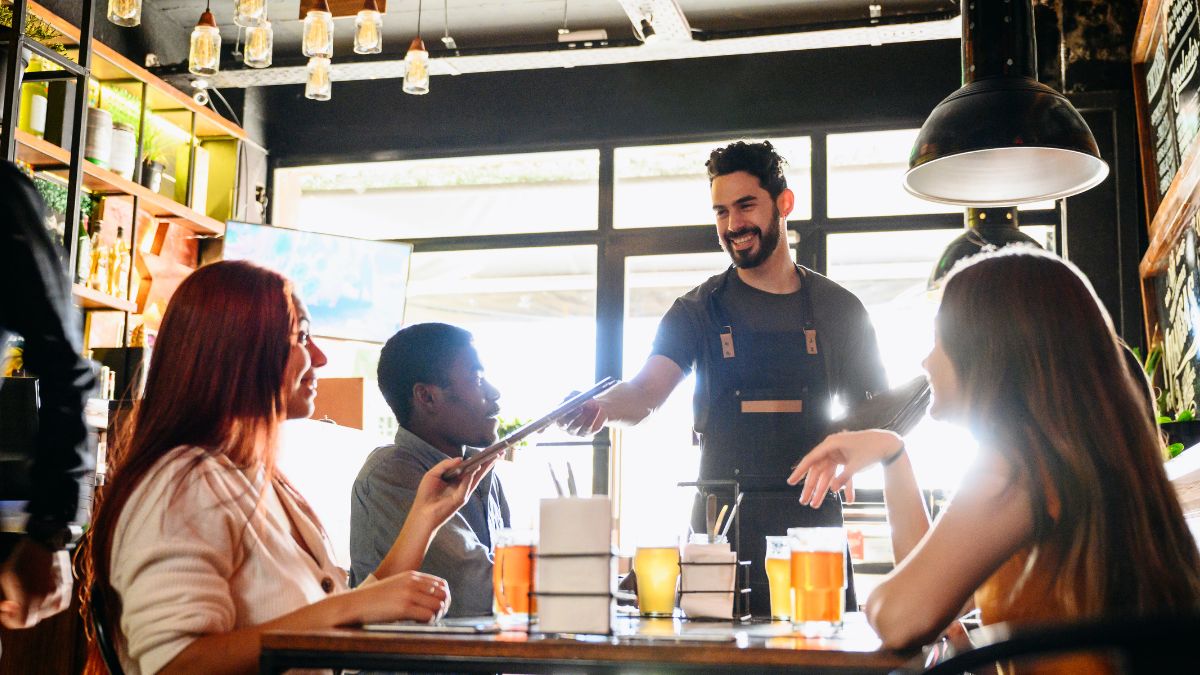
Dining out is one of life’s great pleasures, but many guests unknowingly make the experience harder for the people serving them. Small habits that seem harmless can actually create extra stress, slow down service, or come across as dismissive to the staff working hard to make your meal enjoyable. A little awareness goes a long way toward creating a more respectful and pleasant environment for everyone involved. These are ten common behaviors that diners often overlook without realizing the impact they have behind the scenes.
Phone at the Table

When a server approaches to take your order and you hold up a finger without making eye contact, it sends a clear message that their time is not valued. Staff members are often managing multiple tables simultaneously and returning to yours costs them precious time they could be spending elsewhere. Keeping your phone down when a server arrives is one of the simplest ways to show basic respect. It also helps the interaction go more smoothly and quickly for both parties.
Snapping Fingers
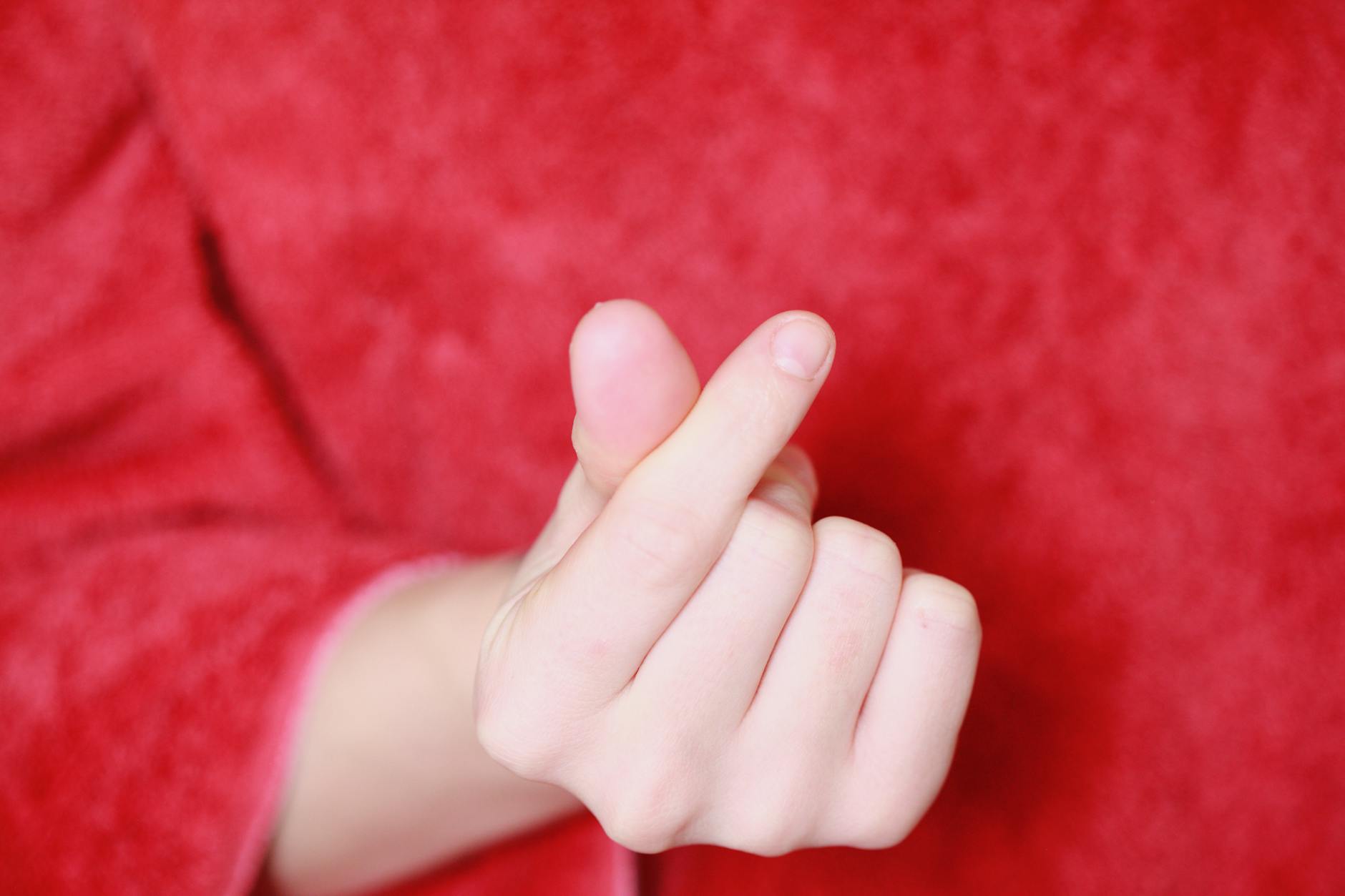
Snapping or clicking your fingers to get a server’s attention is widely considered one of the most dismissive gestures in a dining setting. It reduces a professional to the role of a trained animal responding to a command, which is demeaning regardless of intent. A simple raised hand or patient eye contact is always the more respectful approach. Most servers are highly attentive and will notice a polite signal within moments.
Order Changes
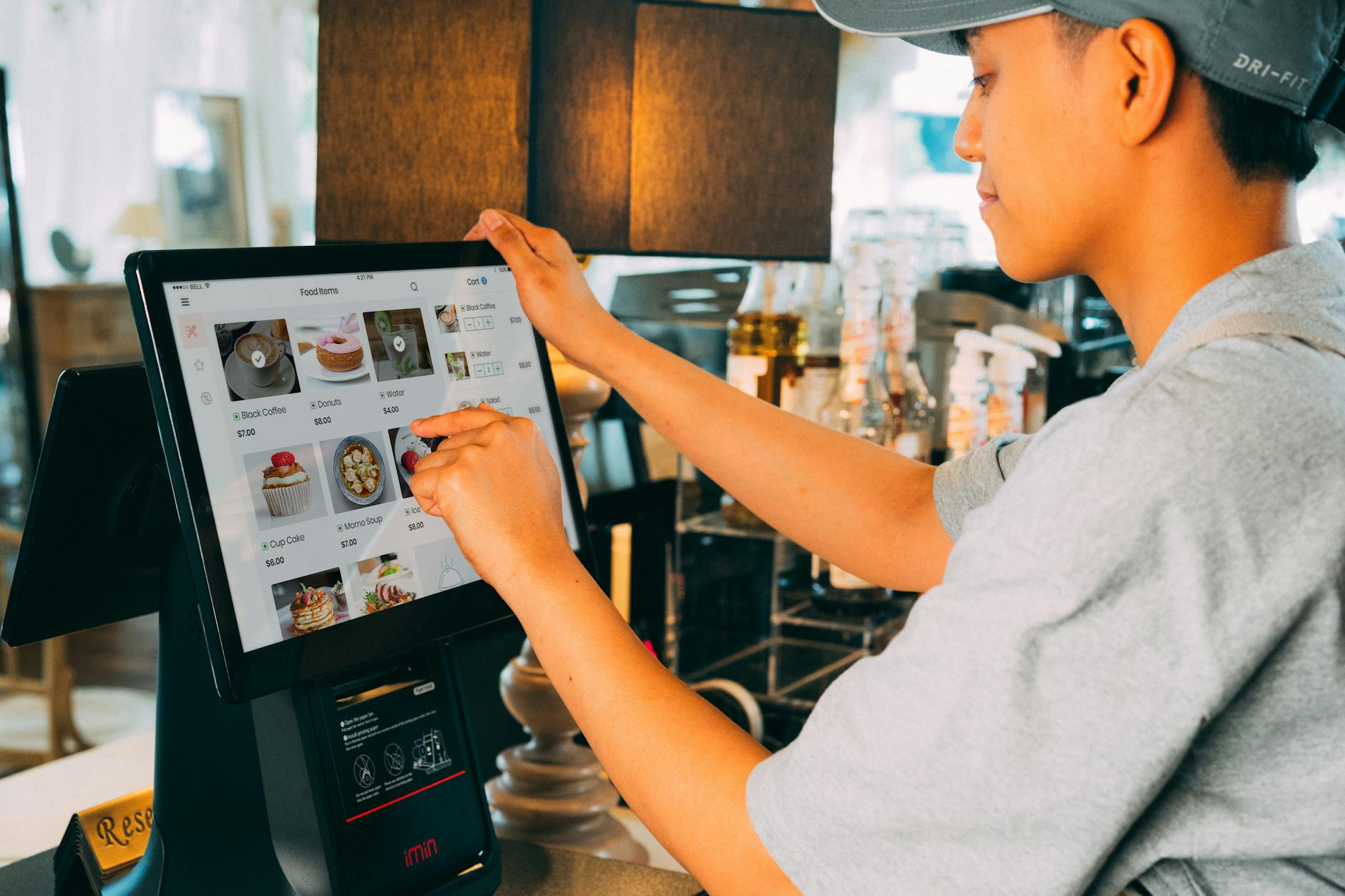
Repeatedly changing your order after it has been placed creates a ripple effect that affects not just your server but the entire kitchen team. Each modification requires communication back to the cooks and can disrupt the timing of multiple dishes being prepared simultaneously. Taking an extra moment to decide before ordering prevents unnecessary confusion and wasted food. Servers appreciate guests who are ready when they arrive and clear about what they want.
Dirty Table Stacking
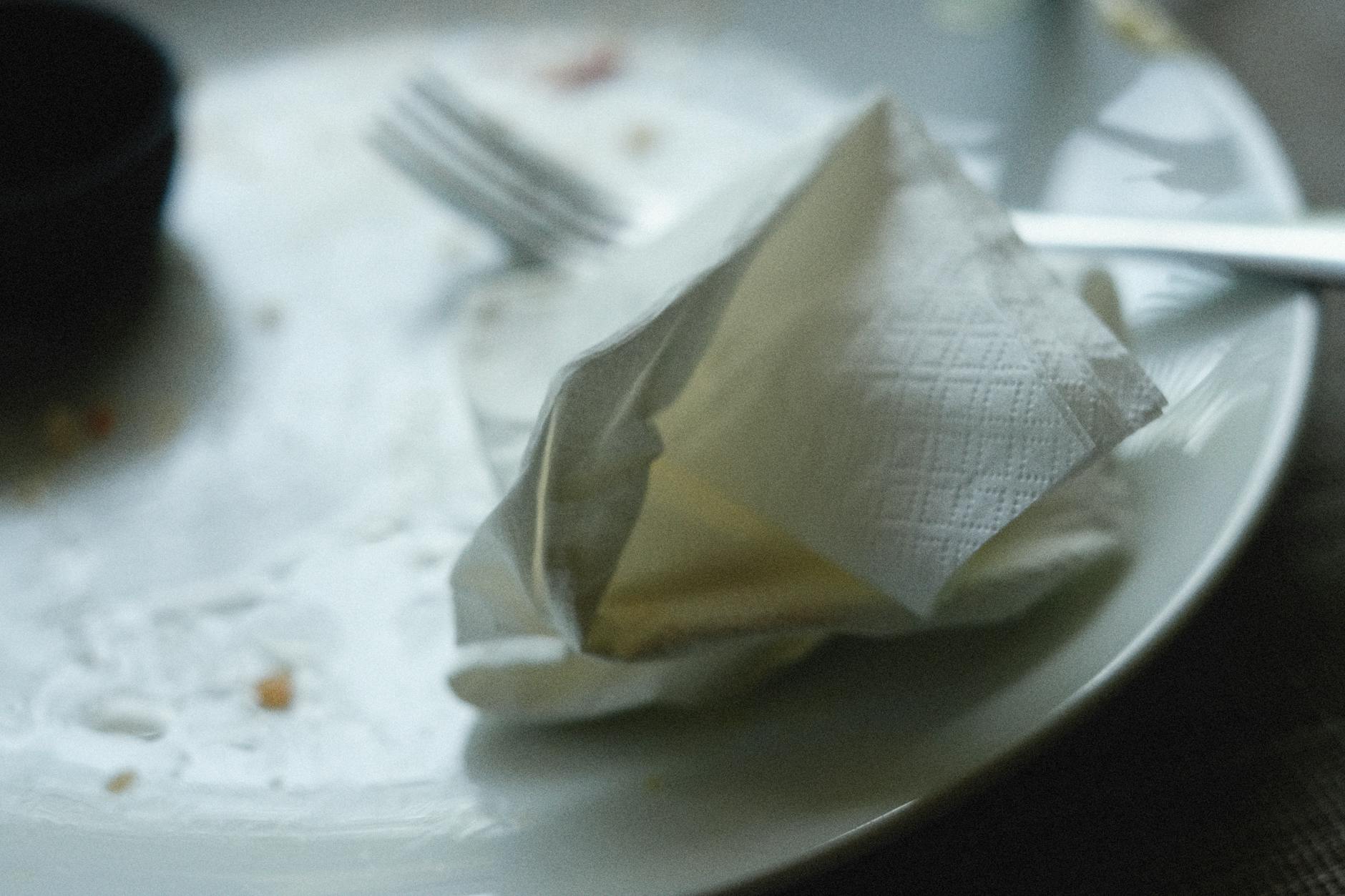
While it may feel helpful to stack your plates at the end of a meal, this well-meaning habit can actually make clearing more difficult. Stacked items can be unstable and may scrape or chip the dishware, which creates additional work for bussing staff. Food and sauces from different plates mix together, making the clearing and washing process messier. Leaving dishes as they are and allowing trained staff to clear them properly is the more considerate choice.
Long Goodbyes

Lingering at a table long after the bill has been paid and cleared can create a quiet but real pressure on restaurant staff. Tables are a source of revenue, and an extended stay after service has concluded means that another party cannot be seated. Most restaurants do not have the luxury of unlimited space or unlimited time between service shifts. Being mindful of how long you occupy a table after finishing your meal is a courtesy the whole team notices.
Saving Seats
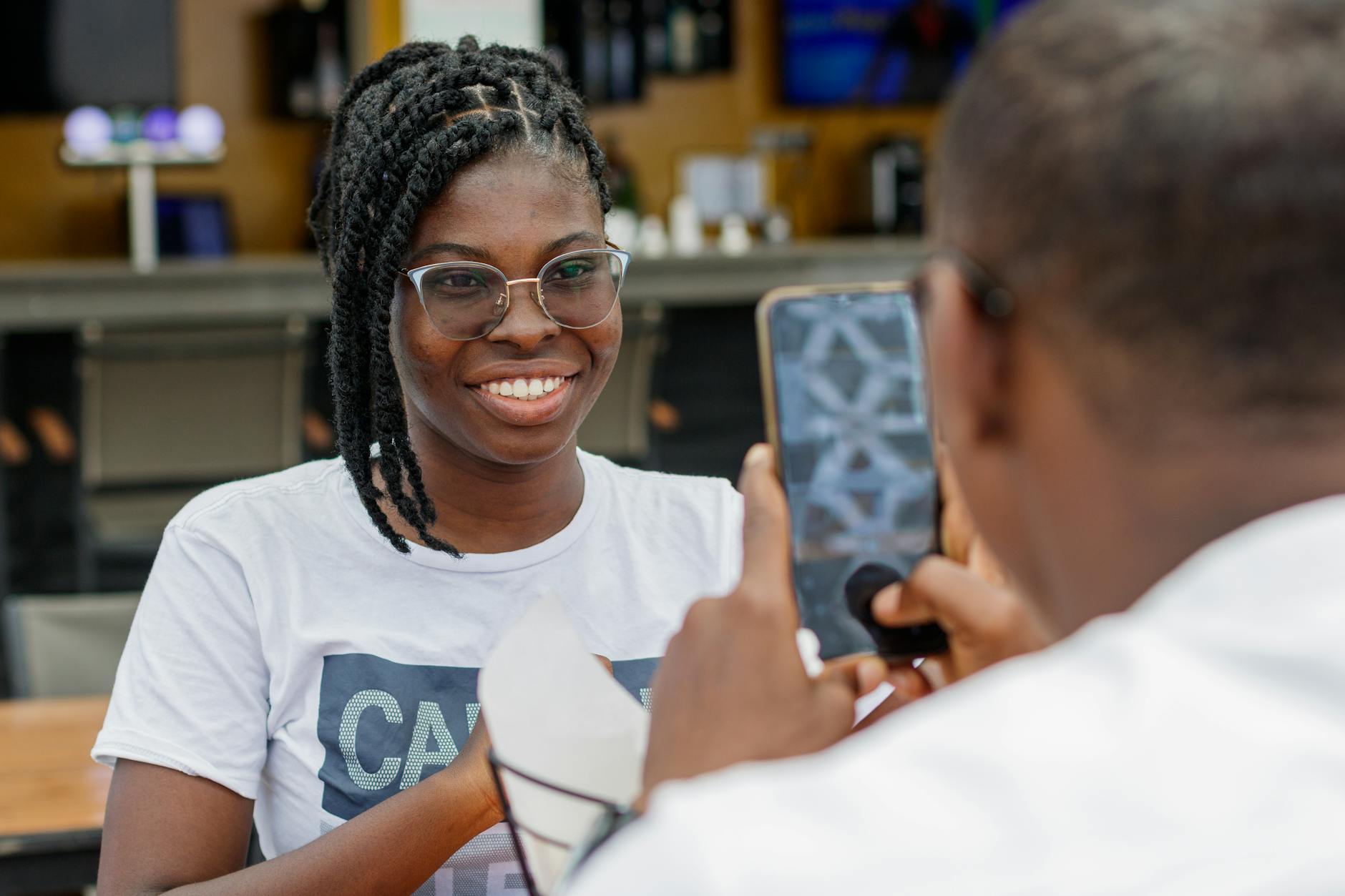
Asking a server to hold a table for additional guests who have not yet arrived puts staff in an uncomfortable position during busy service hours. It effectively takes a table out of rotation without generating any business for the restaurant, which impacts the server’s ability to earn tips. If your party is not complete, waiting at the host stand is always the more considerate approach. Servers are not always able to refuse these requests, which makes it even more important for guests to be proactive.
Messy Floors
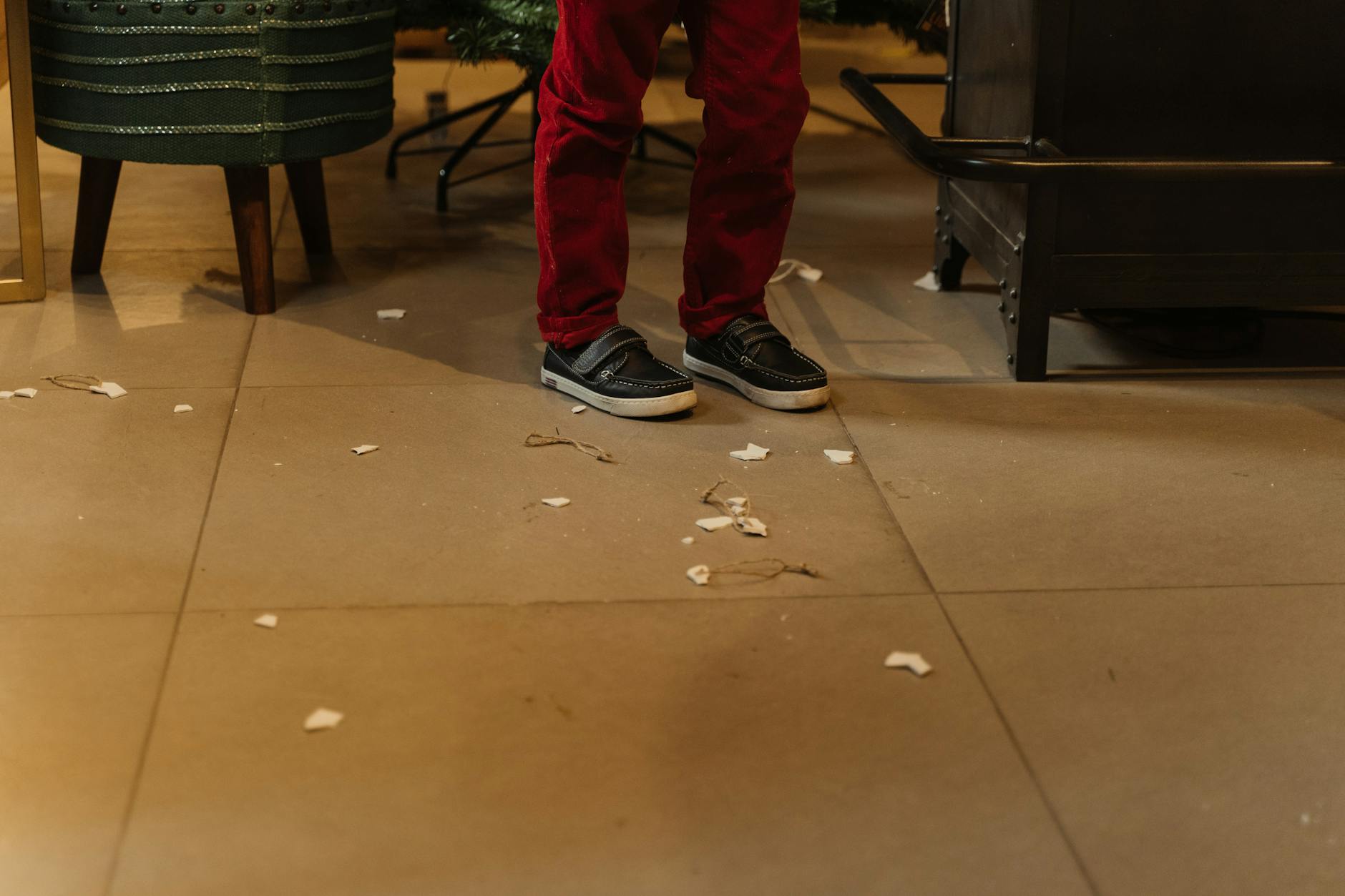
Allowing children to scatter food, crayons, or wrappers across the floor without any attempt to tidy up before leaving creates a significant amount of extra work for staff. Bussers and servers are responsible for resetting tables quickly between seatings, and a heavily messy floor slows that process considerably. A quick effort to gather obvious debris from the floor or table makes a meaningful difference to the people cleaning after you. It is a small act that communicates a great deal of respect.
Talking Over Orders

Continuing a conversation with fellow diners while a server is in the middle of taking your order forces them to interrupt or awkwardly wait, which is an uncomfortable position to be placed in. It also increases the chance of miscommunication and incorrect orders reaching the table. Pausing the conversation for the brief moment it takes to place an order shows awareness and consideration for the server’s time. Clear and focused communication always leads to a better dining experience overall.
Last Minute Orders
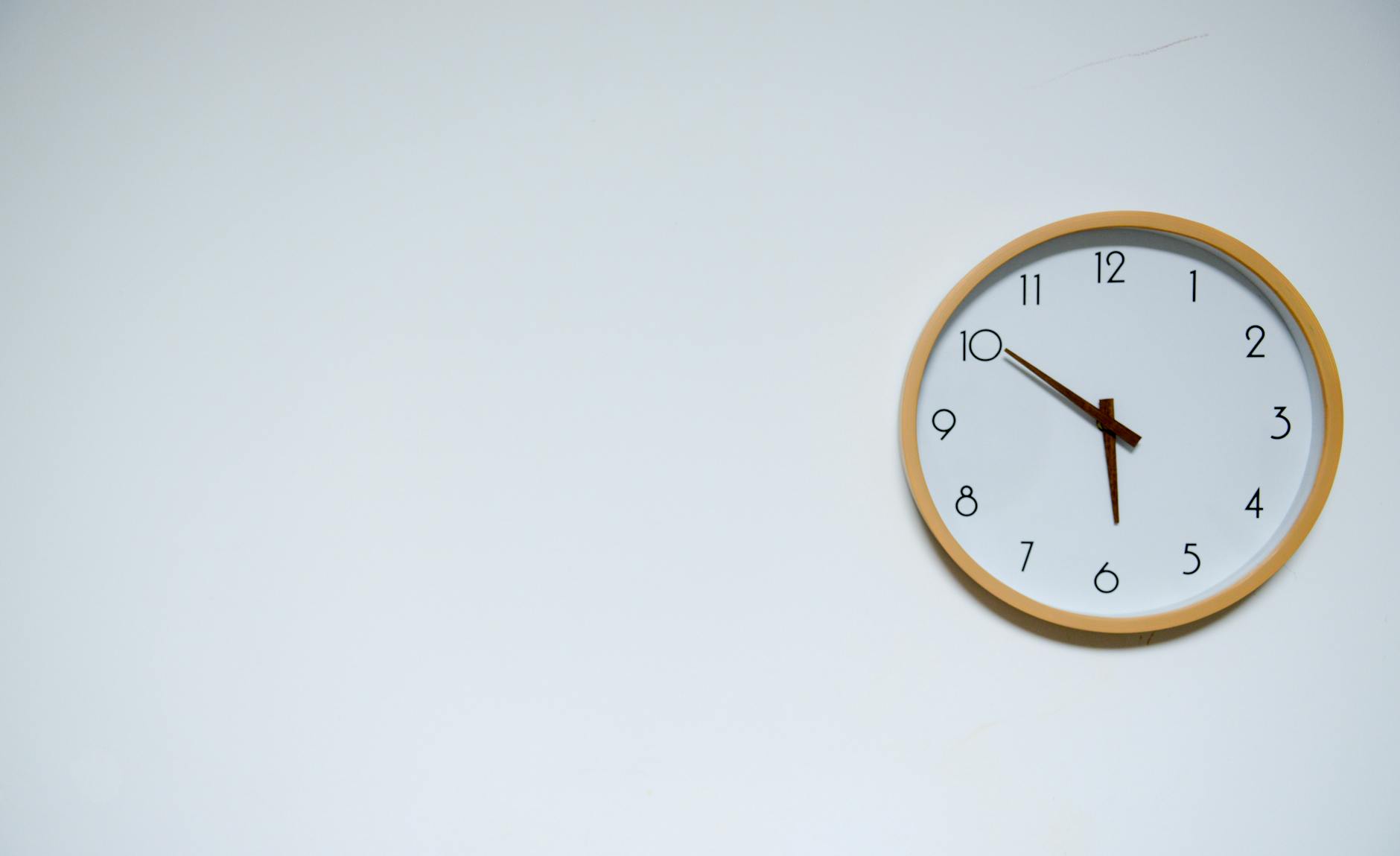
Flagging down a server just as the kitchen is closing to add extra dishes or entirely new courses puts enormous pressure on a team that is already winding down for the night. Kitchen staff often begin cleaning and shutting down equipment at a specific time, and late additions disrupt that process entirely. Being aware of service hours and ordering within a reasonable window is an important part of being a considerate guest. Most menus clearly indicate closing times, making it easy to plan accordingly.
Tip Adjustments
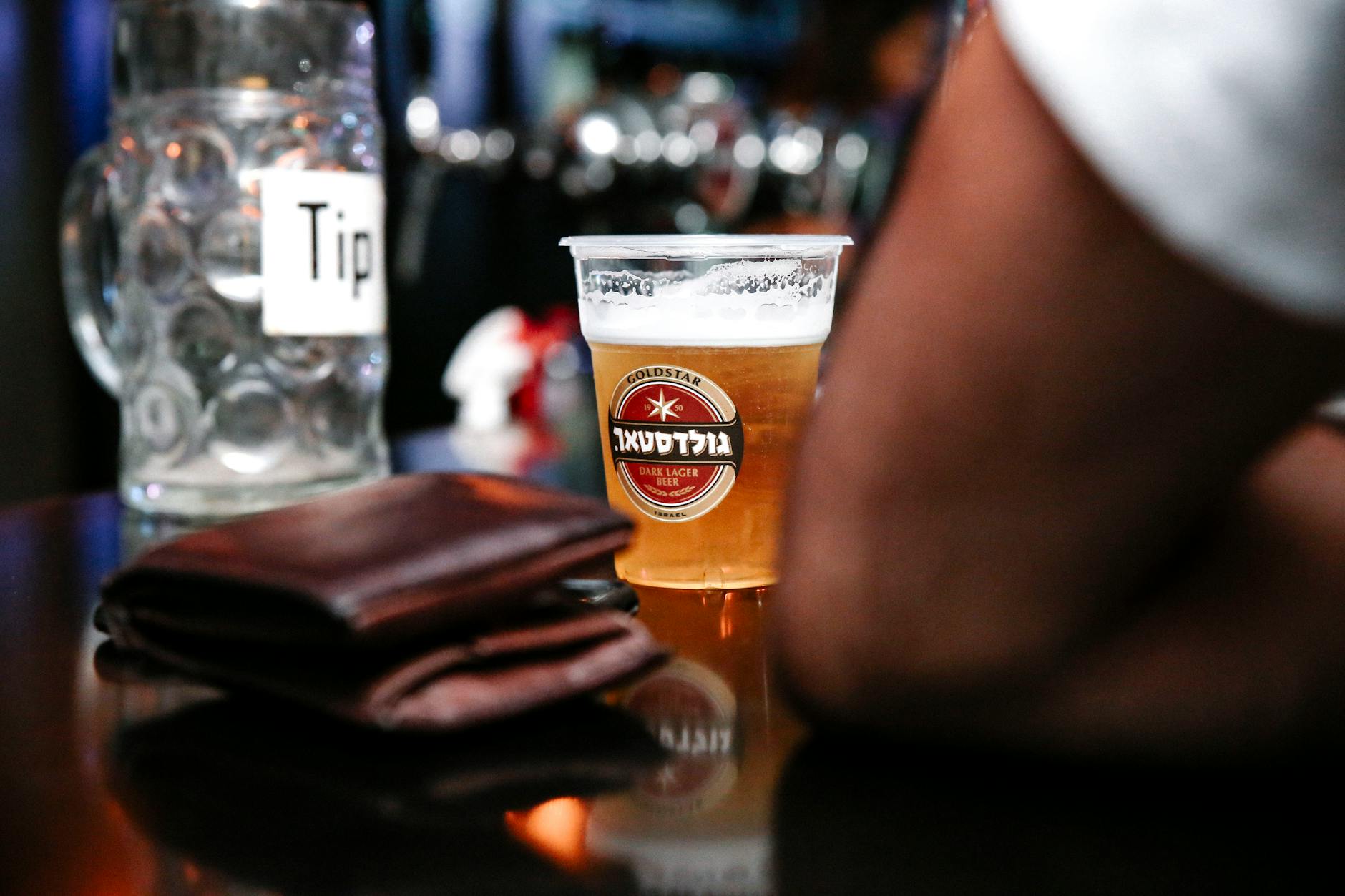
Reducing a server’s tip due to factors entirely outside their control such as long kitchen wait times, menu prices, or noise levels is a misunderstanding of how the tipping system works. Servers have no authority over how long food takes to be prepared or what the restaurant charges for its dishes. Their income depends heavily on gratuity, and penalizing them for systemic issues can have a real financial impact. Reserving tip adjustments for genuine service failures rather than broader restaurant circumstances is a far more informed approach.
If any of these habits sound familiar, share your thoughts in the comments.