Traveling opens the world to new cultures, traditions, and ways of life, but even the most well-meaning visitors can cause offense without realizing it. Small habits that feel completely normal at home can carry very different meanings in other parts of the world. Understanding these unintentional missteps is the first step toward becoming a more respectful and welcome guest wherever you go. From temples to dinner tables, the gap between good intentions and actual impact can be surprisingly wide.
Dress Code

Many destinations around the world have deeply rooted expectations around modest dress, particularly at religious or cultural sites. Entering a temple, mosque, or church in shorts and a sleeveless top is considered highly disrespectful in countries across Southeast Asia, the Middle East, and Southern Europe. Locals often interpret this as a sign that visitors do not value or acknowledge the significance of their sacred spaces. Researching dress expectations before arriving at any destination is a foundational act of cultural awareness. Packing a light scarf or layer can solve this issue entirely and signals genuine consideration for local customs.
Bargaining

In cultures where fixed pricing is the norm, attempting to negotiate the cost of goods or services can come across as insulting to the vendor. Conversely, refusing to bargain in markets where haggling is a respected and expected tradition can also create awkward or dismissive interactions. The key is understanding the commercial culture of each specific destination before engaging in any transaction. In places like Morocco, India, or parts of Southeast Asia, bargaining is a social exchange and skipping it entirely can feel abrupt. Learning a few phrases in the local language to use during these interactions is widely appreciated.
Photography

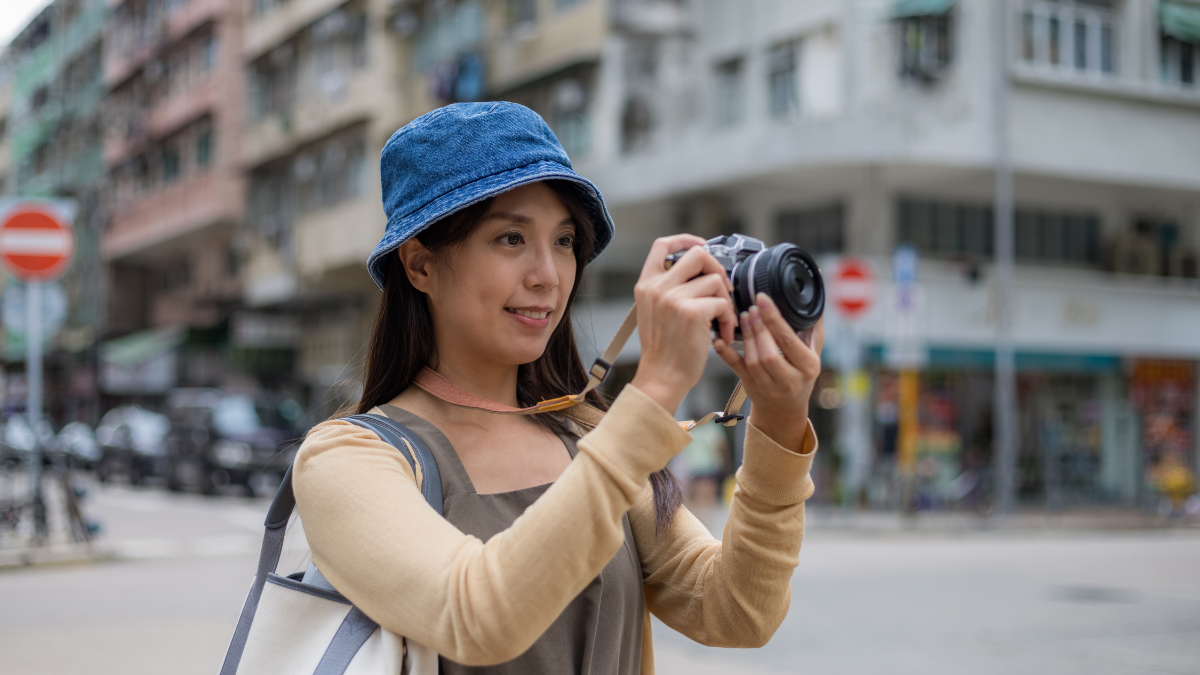
Pointing a camera or phone at strangers without asking permission is one of the most common forms of unintentional disrespect among travelers. In many communities, particularly Indigenous or rural ones, being photographed without consent is considered deeply intrusive and even spiritually harmful according to local belief systems. Tourists often treat local people as part of the scenery rather than as individuals deserving of basic courtesy. A simple gesture or a politely asked question can completely change the nature of the interaction. Even when someone agrees to be photographed, sharing those images publicly without thought can raise additional ethical concerns.
Tipping

Tipping customs vary dramatically from country to country and getting it wrong in either direction can cause genuine offense. In Japan and South Korea leaving a tip is often seen as rude and can imply that the server needed charity or failed at their job. In the United States and parts of Latin America however service workers depend heavily on gratuities as a central part of their income. Leaving no tip in these regions after a meal or service is widely interpreted as a sign of dissatisfaction or disregard. Checking local customs around tipping before traveling saves both embarrassment and unintended insult.
Volume

Speaking loudly in public spaces is one of the most universally noticed behaviors that marks tourists as inconsiderate visitors. In countries like Japan, the Netherlands, and much of Scandinavia, public spaces are treated as shared environments that require quiet, composed behavior. Boisterous conversation, loud laughter, or speakerphone use on public transport is considered deeply disruptive and socially unaware. Locals in these cultures often feel that excessive noise signals a lack of respect for the community around them. Matching the energy and tone of a local environment is one of the simplest ways to demonstrate cultural sensitivity.
Shoes

Wearing outdoor shoes inside a home or place of worship is a significant source of unintentional offense in many cultures across Asia and the Middle East. In Japan removing shoes before entering any home is a non-negotiable social rule that carries deep hygienic and symbolic meaning. The same expectation applies in Thailand, South Korea, India, and numerous other countries where the threshold of a home marks a clear boundary between outside impurity and inside cleanliness. Many visitors overlook this entirely because the habit simply does not exist in their home culture. Watching what locals do at an entrance and following their lead is the most reliable guide.
Queue Jumping

Cutting in line or failing to observe orderly queuing is considered extremely rude in countries like the United Kingdom, Germany, Japan, and Australia. In these cultures the queue is an unspoken social contract built on fairness and mutual respect among strangers. Tourists who push forward or casually drift to the front without awareness can provoke visible frustration from those around them. Even appearing distracted and accidentally stepping out of sequence can attract negative attention in highly queue-conscious societies. Observing the way locals organize themselves in any public space before joining is always the safest approach.
Temple Etiquette

Visiting religious sites without understanding basic behavioral expectations is one of the most frequently reported sources of tension between tourists and local communities. Sitting with feet pointed toward a shrine or altar is deeply offensive in Buddhist and Hindu traditions where the feet are considered spiritually impure. Loud conversation, posing for playful photographs, or touching sacred objects without permission are all behaviors that show a fundamental disregard for the site’s meaning. Many temples and mosques display guidelines at their entrance that tourists routinely ignore or skim past. Approaching any religious space as a guest rather than a sightseer shifts the entire nature of the visit.
Dining Customs

Eating habits that are perfectly acceptable at home can carry very different social meanings around the world. Sticking chopsticks vertically into a bowl of rice mimics funeral rites in Japan and China and is considered a deeply inauspicious gesture at any meal. Finishing every last bite of food in some Chinese and Filipino households signals that the host did not provide enough while leaving food in others is seen as wasteful or ungrateful. Using the left hand to eat or pass dishes in parts of India and the Middle East is considered unclean due to long-standing cultural practices. Researching basic table manners before sitting down to eat with locals transforms a meal into a genuine moment of connection.
Hand Gestures

Common hand gestures from one country can carry offensive or even obscene meanings in another without any traveler realizing it. The thumbs-up sign is widely positive in Western cultures but is considered a vulgar insult in parts of the Middle East and West Africa. The OK sign formed with thumb and forefinger carries different meanings across Brazil, Turkey, and parts of Europe that range from insulting to deeply inappropriate. Even something as innocuous as beckoning someone with a finger can be offensive in the Philippines and several other Asian cultures where that gesture is reserved for signaling animals. Being mindful of hand movements during conversation is an underestimated but important part of cultural fluency.
Littering

Dropping litter or treating public spaces carelessly is a visible sign of disrespect that locals in many countries find deeply offensive. Singapore imposes strict fines for littering and citizens take enormous pride in the cleanliness of their shared environment. In Japan there are often no public bins available and the expectation is that visitors carry their rubbish until they can dispose of it properly at home or at a convenience store. Treating public spaces with less care than one would treat private property sends a clear message of indifference toward the local community. Small acts like packing a reusable bag for waste can make a meaningful difference in how travelers are perceived.
Haggling Aggression
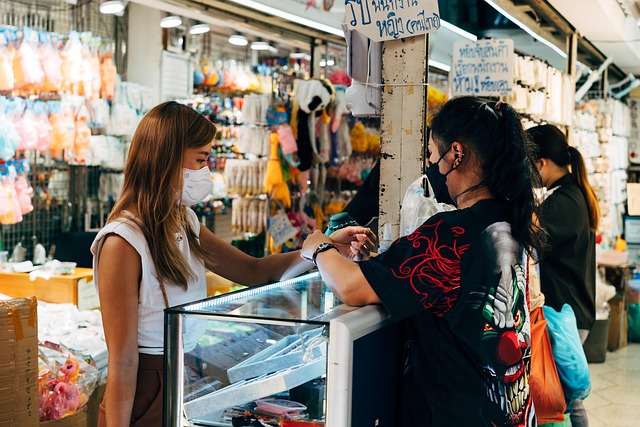
There is a significant difference between respectful bargaining and aggressive or dismissive negotiation that makes a seller feel belittled. Loudly demanding extreme discounts or expressing frustration when a vendor holds their price is considered humiliating in many market cultures across Africa, Asia, and Latin America. Walking away with exaggerated disappointment or making comparisons to lower prices at other stalls can feel personally insulting to artisans who have made goods by hand. Many of the items sold in local markets represent genuine craftsmanship and cultural heritage rather than mass-produced goods with inflated margins. Approaching the bargaining process with lightness and humor rather than pressure creates a far more respectful exchange for both parties.
Physical Contact

Initiating physical contact such as patting someone on the head or placing a hand on a stranger’s shoulder can cause significant offense in cultures where personal boundaries are strictly observed. In Thailand the head is considered the most sacred part of the body and touching it even affectionately is a serious transgression. Many East Asian and Middle Eastern cultures maintain formal physical boundaries between people who are not close friends or family members. Hugging or kissing a local acquaintance on the cheek as a greeting may also feel invasive depending on the cultural and religious context. Observing how locals greet each other and mirroring that behavior is far safer than defaulting to one’s own cultural norms.
Sacred Site Behavior

Climbing or touching ancient monuments and sacred structures has become one of the most publicized forms of tourist disrespect in recent years. Many sites across Egypt, Cambodia, Peru, and Greece carry enormous spiritual and historical significance to local communities who have long called for greater tourist restraint. Posing on altars or climbing restricted ruins for a photograph reduces a site of profound cultural meaning to a personal backdrop. Several governments have introduced fines and access restrictions specifically because tourist behavior has caused irreversible damage to irreplaceable heritage. Treating every historical site as a place of learning rather than entertainment represents a fundamental shift in traveler mindset.
Local Language

Making no effort to learn even basic words in the local language signals to residents that a visitor considers their culture an inconvenience rather than a richness worth engaging with. A simple “hello” or “thank you” delivered in the local tongue is consistently reported by locals across the world as one of the most appreciated things a foreign visitor can offer. Defaulting immediately to English or speaking slowly and loudly in one’s own language to be understood is a habit many travelers have without recognizing how dismissive it can appear. Language is one of the most intimate expressions of a culture and any effort toward it is recognized as an act of genuine respect. Even a poorly pronounced phrase delivered with a smile carries far more goodwill than a perfectly grammatical sentence in the wrong language.
Wildlife Tourism
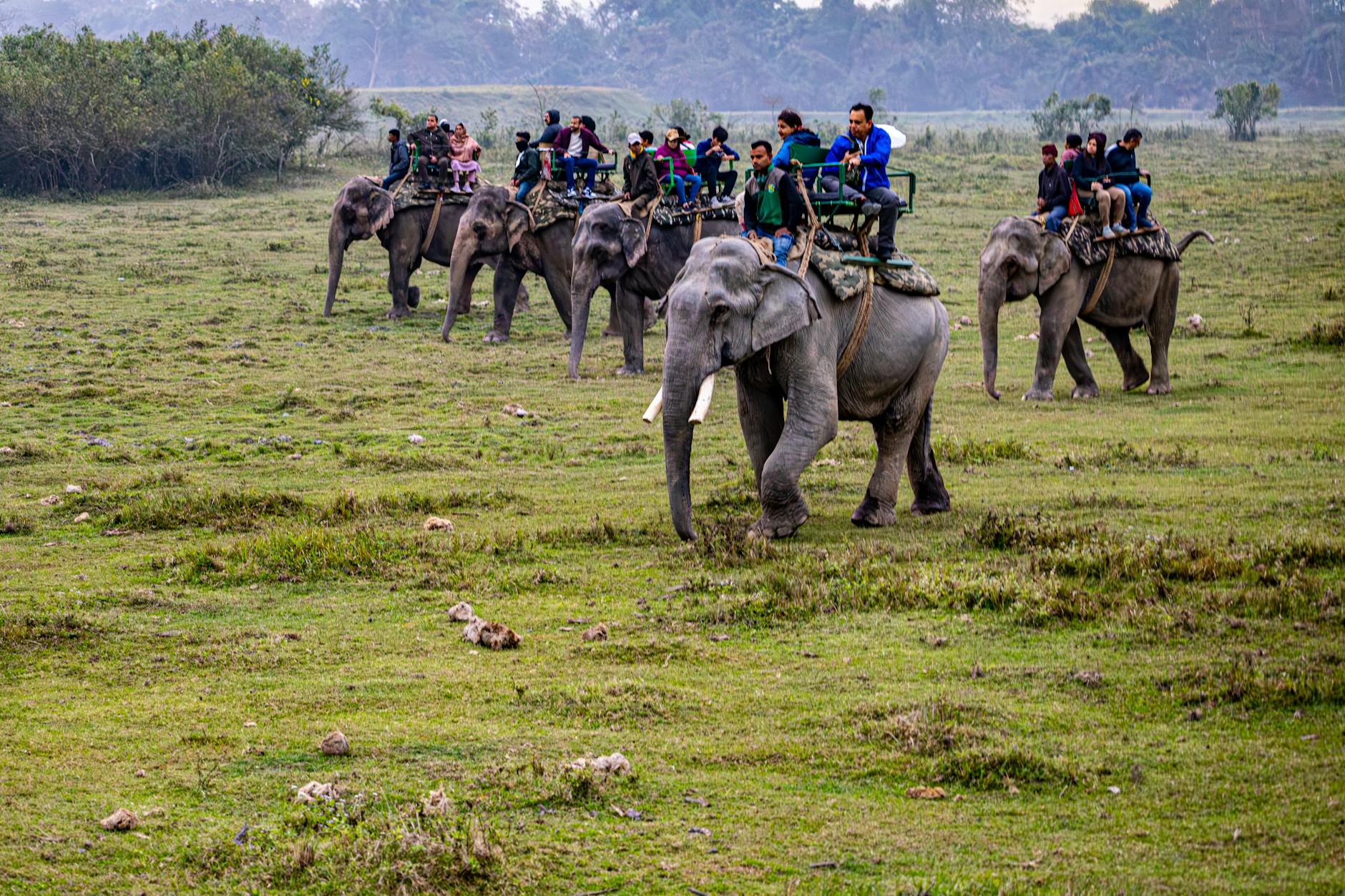
Participating in wildlife attractions that involve direct contact with animals is a form of disrespect toward both local ecosystems and the communities whose traditions are tied to those animals. Elephant riding operations, tiger petting venues, and performing marine animals are widely documented to involve serious animal welfare violations that many tourists remain unaware of. Local conservation groups in countries like Thailand and Indonesia have been advocating against these practices for decades while tourist demand continues to sustain them. Choosing instead to observe animals in accredited sanctuaries or protected natural habitats directly supports ethical alternatives. Researching any wildlife experience before booking is a basic responsibility for any traveler who values the places they visit.
Religious Observation

Wandering through an active religious ceremony with a camera or continuing to talk during a moment of prayer or ritual observance is deeply intrusive to those participating. Many communities in Bali, India, and across the Islamic world conduct daily or weekly religious practices in spaces that are also accessible to tourists and the distinction between observer and participant matters enormously. Being present but quiet and unobtrusive is the baseline expectation and in many cases tourists are genuinely welcomed as witnesses to living tradition. The problem arises when curiosity tips into interruption or when the desire for content overrides basic awareness of what is happening. Pausing and asking whether observation is welcome before entering any active ceremony shows a level of awareness that is always respected.
Eco-Systems

Picking flowers, removing shells or rocks, or feeding wild animals in natural reserves disrupts ecosystems that local communities depend on for both livelihood and cultural identity. National parks and protected areas across Costa Rica, Kenya, Australia, and New Zealand enforce strict rules against interfering with native flora and fauna that many tourists ignore or treat as suggestions. In Hawaii removing volcanic rock is not only illegal but considered deeply offensive to Native Hawaiian spiritual traditions connected to the land. Small individual acts of interference scaled across millions of annual visitors create compounding damage that local rangers and conservation workers spend enormous effort trying to reverse. Adopting a leave-no-trace mindset from the moment of arrival is a baseline standard of environmental respect in any natural destination.
Sunday Markets

Visiting community markets or local gathering spaces purely as a tourist attraction without engaging in any actual exchange can feel extractive to the residents who created those spaces for themselves. Many neighborhood markets across France, Mexico, Turkey, and Japan exist primarily to serve local daily life and the presence of large tourist groups taking photographs without buying can disrupt the social fabric of the space. Vendors often feel uncomfortable being treated as cultural exhibits and locals may find their usual routines crowded out by outsiders who have no relationship with the community. Buying something even a small item acknowledges that the space has value and that the visitor is a participant rather than a spectator. This simple act transforms the dynamic from observer to guest in a way that is almost universally appreciated.
Public Displays

Engaging in public displays of affection in countries where such behavior is culturally or legally restricted creates discomfort and sometimes genuine offense for local onlookers. In the United Arab Emirates, India, Indonesia, and several Southeast Asian nations even holding hands or kissing in public can attract negative attention or carry legal consequences for both tourists and local residents nearby. Beyond the legal dimension these behaviors signal an unwillingness to adapt personal habits to the cultural context of the space one is visiting. Locals in conservative societies often interpret such displays not as love but as a deliberate disregard for their values. Understanding what is socially appropriate in each destination is as important as understanding any other travel practicality.
Haggling for Food

Attempting to negotiate the price of street food or inexpensive local meals is one of the more quietly insulting things a tourist can do in many parts of the world. Street food vendors in Vietnam, Mexico, India, and Thailand typically charge prices that are already extremely low by international standards and often represent a family’s primary source of income. Bargaining over the equivalent of a few cents reduces the transaction to something demeaning and signals that the visitor sees the vendor as an obstacle rather than a person. Paying the asking price with a genuine smile and a word of thanks is one of the smallest and most meaningful gestures available to any traveler. The difference in cost to the tourist is negligible while the difference in dignity to the vendor is anything but.
Dress in Nature

Wearing inappropriate or insufficient clothing in natural and rural areas is not only a practical concern but a cultural one in many regions. In rural parts of Greece, Portugal, and much of Latin America wandering through villages in beach attire signals a disregard for the community standards of the people who live and work there. These are functioning neighborhoods with schools, churches, and daily routines rather than resort extensions designed around tourist comfort. Local residents often feel that beachwear in their streets signals that visitors see their home as a backdrop rather than a place deserving of ordinary respect. Covering up when moving from beach to town is a small adjustment that carries a surprisingly large amount of social weight.
Taxi Negotiations
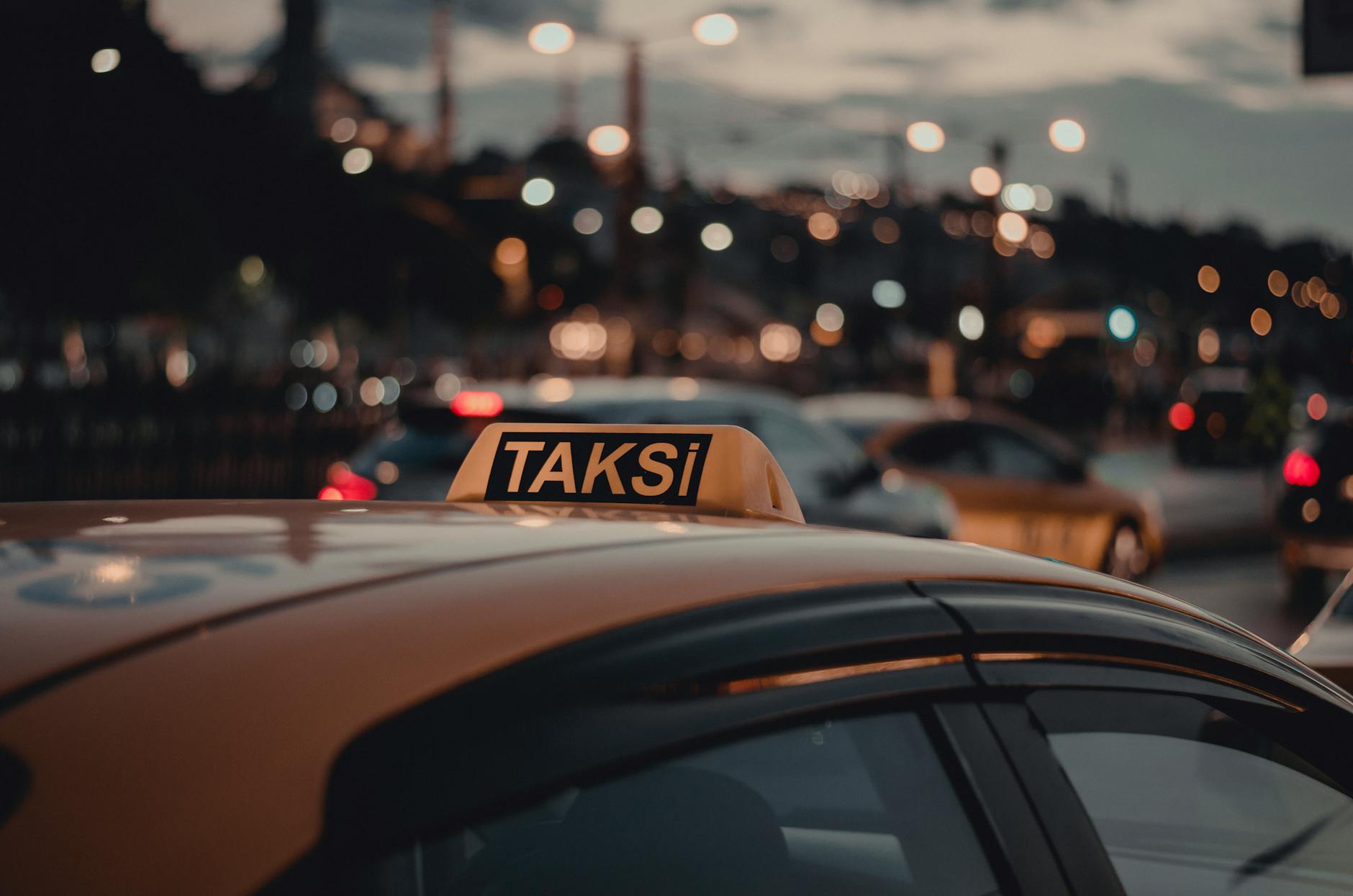
Refusing to use official metering systems or aggressively demanding non-metered flat rates in cities that have established taxi regulations undermines both driver income and local infrastructure. In cities like Athens, Buenos Aires, and Nairobi taxi regulation exists to protect both drivers and passengers and circumventing these systems contributes to informal economies that disadvantage local workers. Many tourists default to aggressive negotiation without realizing that what feels like savvy travel is often experienced by drivers as an attempt to exploit their service. Accepting a fair metered fare and rounding up slightly is universally recognized as a sign of respect across taxi cultures worldwide. Reliable transport infrastructure in any city depends on travelers using it properly rather than working around it.
Gift Giving

Bringing gifts for hosts or offering small tokens of appreciation is a beautiful tradition in many cultures but the wrong gift can unintentionally offend or embarrass the recipient. In China giving clocks as gifts is associated with funerals and death while in many Middle Eastern cultures alcohol or pork-related products are deeply inappropriate regardless of the giver’s intention. Gifts that bear obvious tourist shop branding can come across as thoughtless rather than personal in cultures where meaningful exchange carries significant social importance. In Japan the presentation of a gift is often as important as the gift itself with wrapping and the manner of offering carrying their own set of expectations. Taking a moment to research appropriate gift-giving customs before visiting someone’s home abroad transforms a well-meaning gesture into a genuinely memorable one.
If any of these habits sound familiar from your own travels share your experiences and lessons learned in the comments.