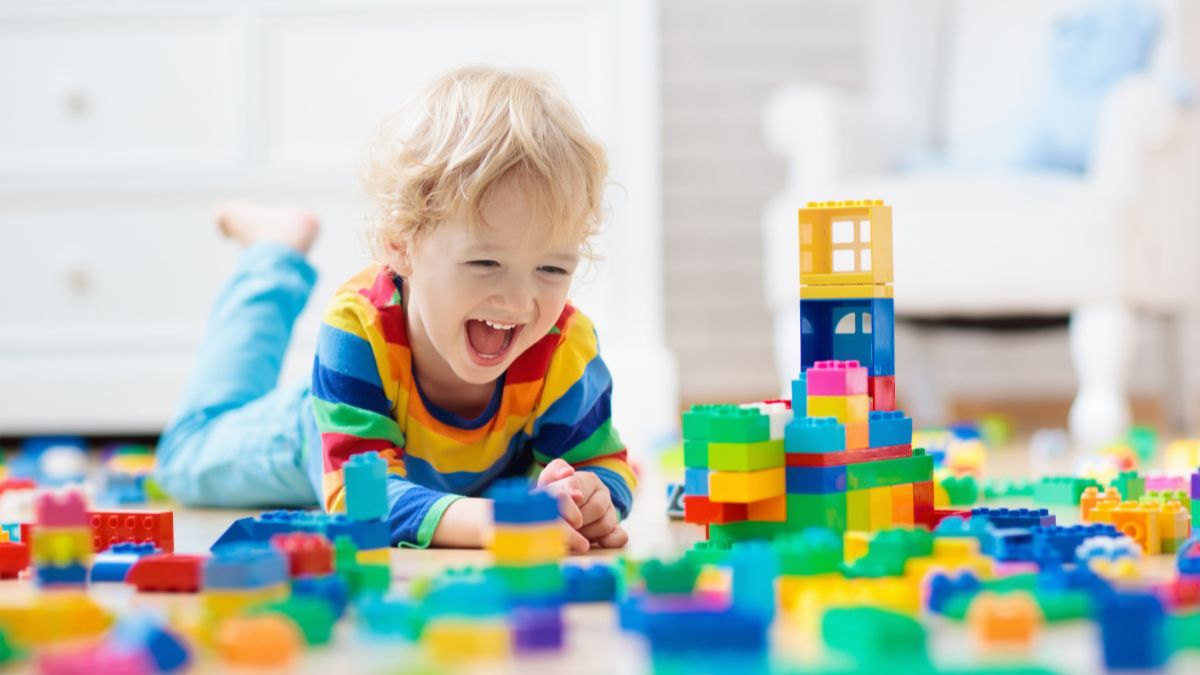
Most parents want to give their children the best possible life, but some everyday habits can quietly undermine a child’s ability to cope, grow and thrive. The line between nurturing and overindulging is thinner than most realize, and crossing it often happens with the best intentions. Understanding where well-meaning parenting tips into spoiling can help families raise more resilient, grateful and emotionally grounded children. These twenty patterns are among the most common ways parents accidentally do too much for the kids they love.
Instant Gratification

Children who receive things the moment they ask for them miss the valuable experience of waiting and working toward something. Delayed gratification is one of the strongest predictors of long-term success and emotional regulation in adulthood. When a child learns that desire is always immediately met, patience and perseverance become difficult skills to develop. Allowing natural waiting periods teaches kids that effort and time are part of receiving good things.
Homework Help
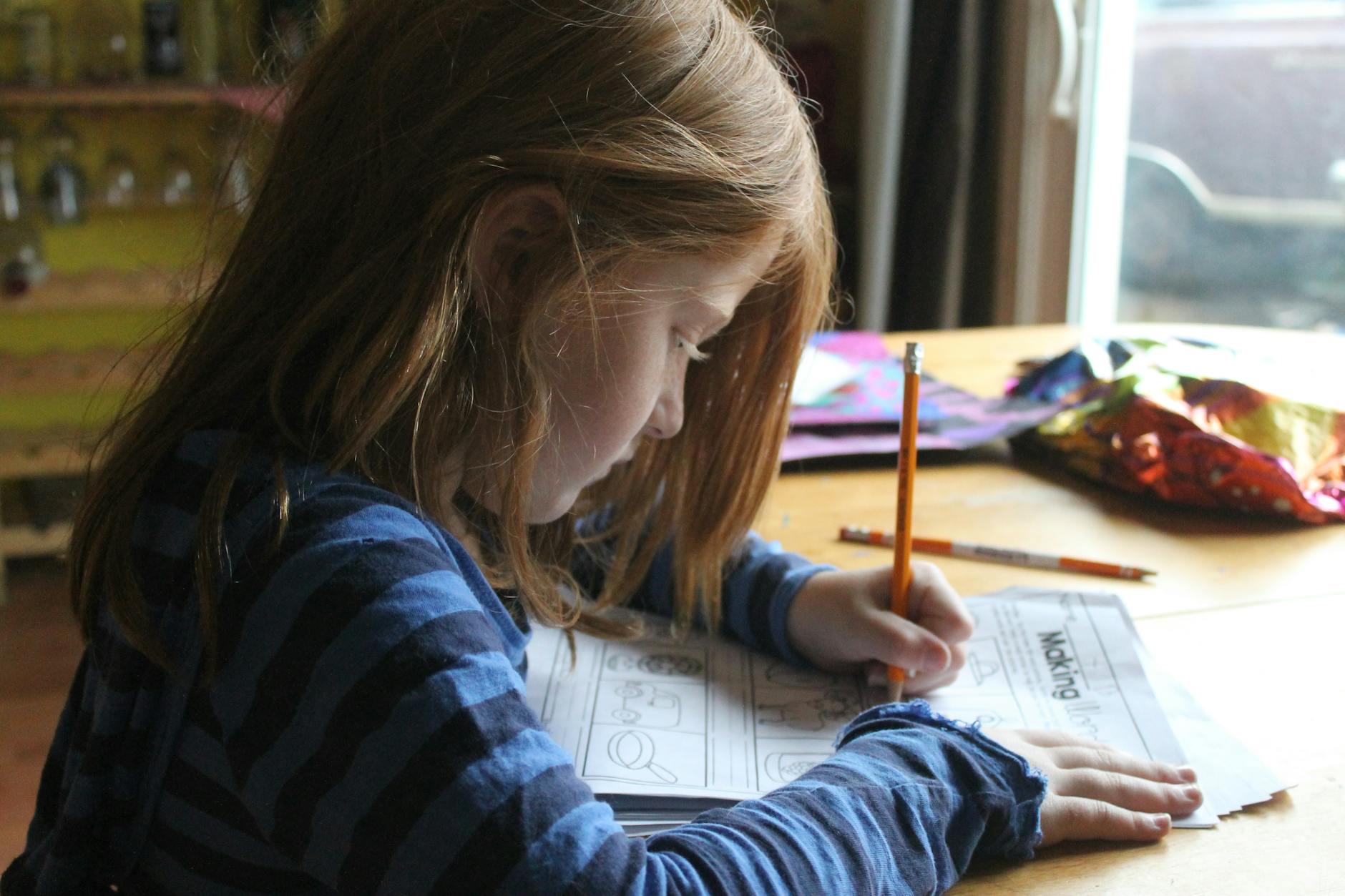
Stepping in to complete or heavily guide a child’s homework removes the productive struggle that builds problem-solving skills. Children who are always rescued from academic difficulty rarely develop the confidence to tackle challenges independently. Teachers assign work at a level meant for the child to engage with on their own terms. Offering encouragement and resources is healthy but doing the thinking for them creates long-term dependency.
Conflict Resolution

Parents who rush to resolve every disagreement between their child and a peer, sibling or teacher prevent the child from learning negotiation. Social conflict is a natural and necessary part of childhood development at every age. Children who are always shielded from interpersonal friction struggle to manage relationships as adults. Allowing kids to work through manageable disputes builds empathy, communication and confidence.
Toy Overload
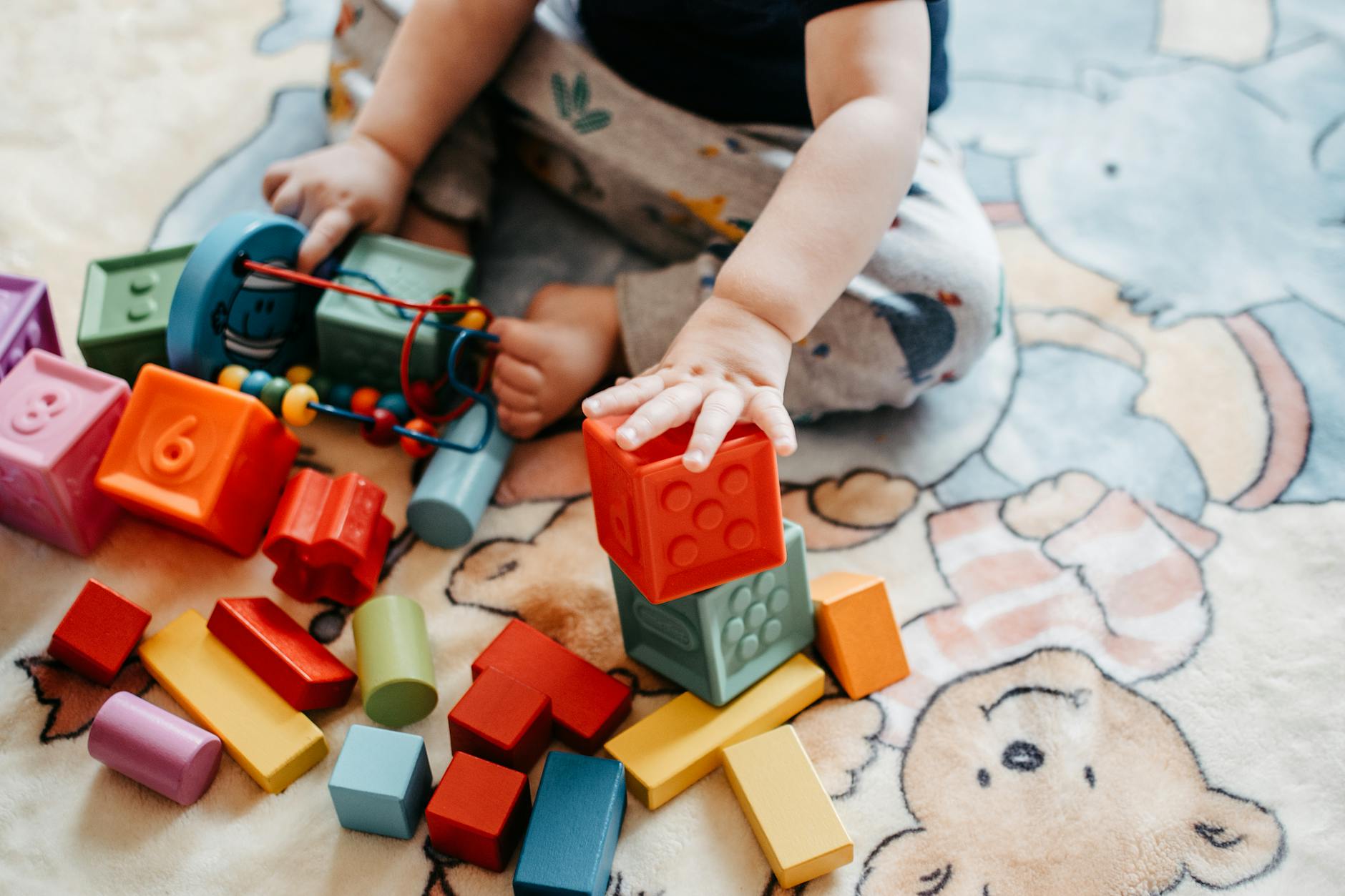
Children surrounded by an overwhelming number of toys tend to value each one less and become bored more quickly. Research consistently shows that fewer toys encourage more imaginative and sustained play. When a new toy arrives every week, children begin to associate satisfaction with acquisition rather than creativity or connection. Limiting the volume of possessions helps children develop appreciation and deeper engagement with what they have.
Screen Time

Unlimited access to screens removes boredom from a child’s life and boredom is where creativity and self-direction are born. Children who are always entertained by a device rarely develop the ability to self-soothe or generate their own amusement. Excessive screen time has also been linked to disrupted sleep patterns and reduced attention spans in school-age children. Healthy boundaries around device use encourage children to seek out physical play and real-world connection.
Chore Exemption

Children who are not expected to contribute to household tasks grow up without a sense of shared responsibility. Age-appropriate chores teach practical life skills alongside values like reliability and teamwork. A child who never cleans, tidies or helps prepare meals is likely to struggle with independence when they leave home. Participation in domestic life also gives children a genuine sense of belonging and contribution within the family unit.
Empty Praise

Telling a child they are exceptional at everything regardless of actual effort or outcome distorts their understanding of achievement. Psychologists consistently identify inflated praise as a driver of fragile self-esteem and fear of failure. When children are told every drawing is a masterpiece and every performance is extraordinary they lose the ability to assess their own work honestly. Specific and honest feedback rooted in effort rather than outcome builds a healthier and more durable sense of self-worth.
Apology Forcing

Making a child apologize on demand without understanding why they are doing so teaches performance rather than genuine remorse. Empathy develops when children are guided through the emotional reasoning behind an apology at their own pace. Forced apologies can also create resentment and teach children that saying the right words matters more than feeling them. Conversations about how their actions affected others are far more effective tools for building moral awareness.
Bedtime Negotiation

Allowing children to repeatedly negotiate their bedtime gives them authority over a boundary that should belong to the parent. Consistent sleep routines are directly linked to better academic performance, emotional regulation and immune function in children. When bedtime becomes a nightly battle of wills, children learn that rules are flexible and persistence pays off. A calm and non-negotiable routine communicates structure and helps children feel genuinely secure.
Food Catering
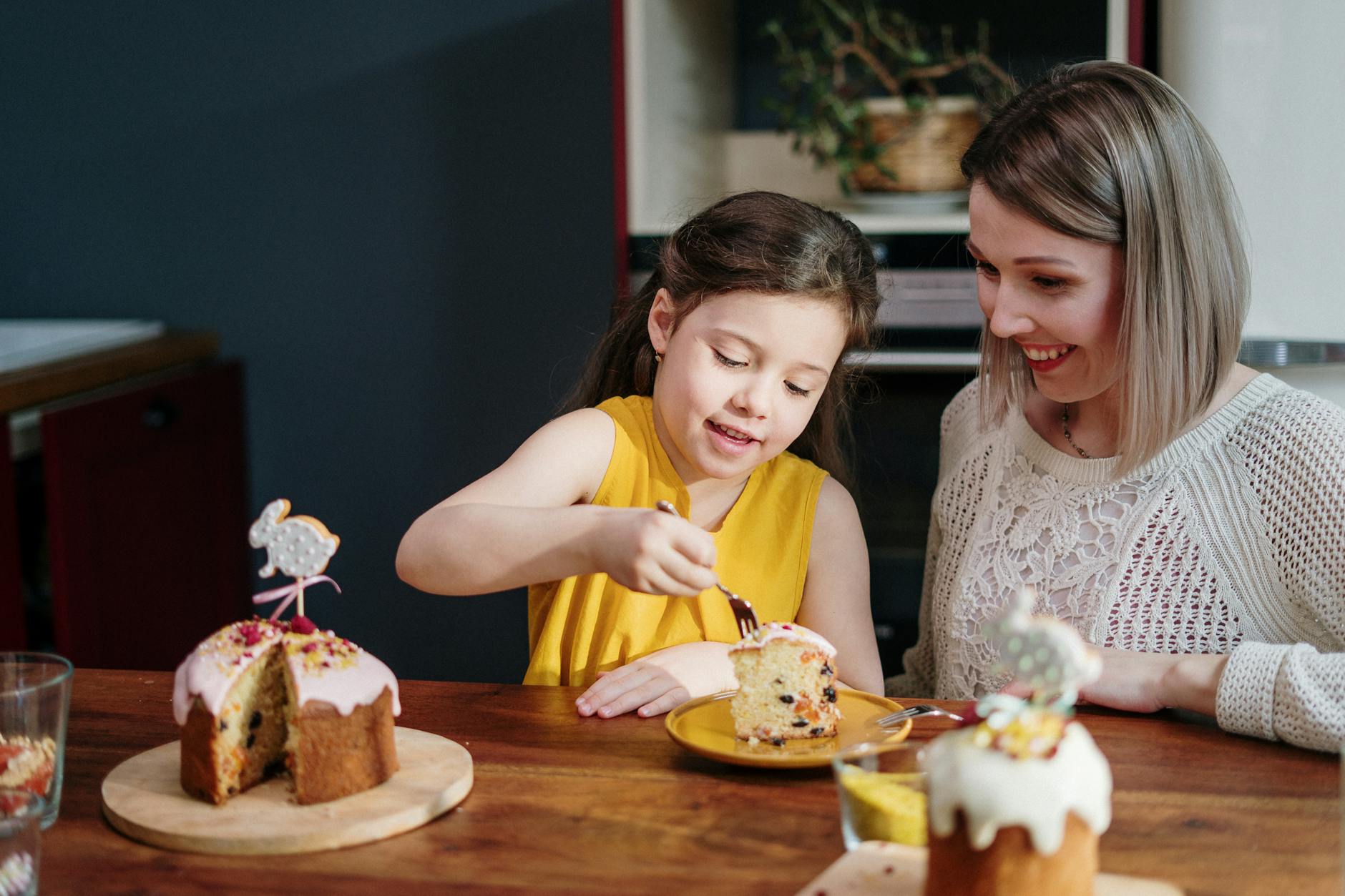
Preparing a separate meal for a child who refuses the family dinner reinforces selective eating and a sense of entitlement around food. Nutritionists and child development experts broadly agree that exposing children to a variety of foods without pressure is more effective than short-order cooking. Children who always eat only preferred foods miss the social and sensory education that comes from a shared family table. Offering one balanced meal while keeping portions reasonable encourages both nutritional variety and adaptability.
Excuse Making

Parents who consistently explain away a child’s misbehavior to teachers, coaches or other adults undermine accountability. Children who are never held responsible for their actions do not develop the internal moral framework needed to self-correct. When adults around the child also hear their behavior minimized, it erodes trust in the parent and sympathy for the child. Allowing natural consequences to occur sends a clear and lasting message about personal responsibility.
Over-Scheduling

Filling every hour of a child’s week with structured activities leaves no room for unstructured play or rest. Free time is essential for the development of imagination, self-regulation and intrinsic motivation in children of all ages. Children who are constantly driven from activity to activity often become anxious and overly dependent on external stimulation. A balanced schedule with genuine downtime allows children to discover their own interests and develop inner resources.
Financial Transparency

Shielding children entirely from the concept of financial limits prevents them from understanding the value of money. Children who believe resources are unlimited often struggle with budgeting, saving and gratitude in adult life. Age-appropriate conversations about cost, value and household budgets are healthy and grounding experiences. Understanding that choices involve tradeoffs is a foundational lesson in both economics and emotional maturity.
Sibling Intervention

Constantly mediating between siblings at the first sign of tension prevents them from developing the tools to manage their closest relationships. Sibling conflict is one of the earliest and richest training grounds for negotiation, compromise and repair. Children who always have an adult resolve their disagreements rarely learn how to de-escalate or take accountability on their own. Stepping back and observing before intervening allows children to practice relational skills in a safe environment.
Trophy Culture
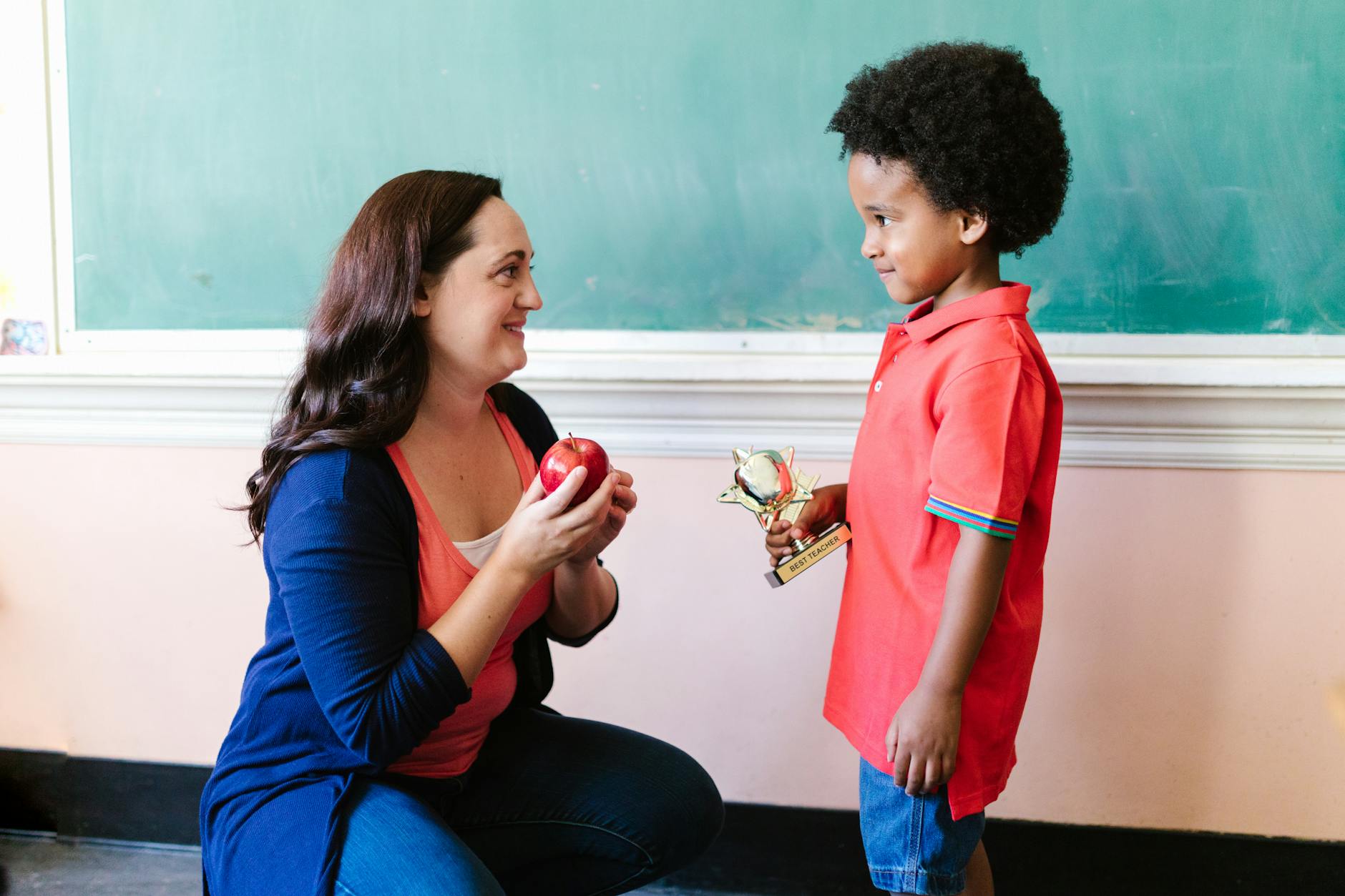
Receiving awards for participation regardless of effort or outcome teaches children that recognition is automatic rather than earned. The trophy culture movement has been widely critiqued by educators and developmental psychologists for reducing motivation and resilience. Children who are rewarded equally for winning and losing struggle to find meaning in genuine achievement. Celebrating effort and growth rather than simply showing up provides children with a more honest and motivating framework.
Emotional Shielding

Parents who work hard to ensure their child never experiences disappointment, sadness or frustration rob them of essential coping development. Emotional discomfort in childhood is the training ground for resilience, empathy and problem-solving in adulthood. Children who have never sat with difficult feelings often panic or shut down when they encounter them in later life. Allowing children to feel and process hard emotions with supportive guidance is one of the most powerful gifts a parent can offer.
Social Media

Curating a child’s public image on social media without their critical awareness teaches them that perception matters more than reality. Children who grow up seeing only their highlight reel shared with the world develop unrealistic expectations of their own life. Constant documentation of childhood experiences can also shift the focus from living in the moment to performing for an audience. Thoughtful and limited sharing combined with honest conversations about online identity supports a healthier self-concept.
Gift Frequency

When gifts arrive for no occasion and with great regularity, children lose the ability to associate receiving with meaning or gratitude. Special occasions become less meaningful when the experience of receiving something is commonplace. Children who are frequently gifted outside of birthdays and holidays often escalate expectations over time. Reserving generosity for genuine celebrations restores the emotional weight and excitement that giving and receiving are meant to carry.
Decision Overload

Offering children too many choices at too young an age creates anxiety rather than confidence or independence. Child psychologists note that young children thrive with limited and age-appropriate options rather than open-ended decision-making. When a child is asked to choose everything from their outfit to their dinner to their weekend activities the cognitive load becomes overwhelming. Structured choices within clear boundaries teach decision-making gradually and in proportion to a child’s developmental stage.
Unconditional Agreement

Reflexively agreeing with a child’s assessment of every situation teaches them that their perspective is always correct. Children need adults who will respectfully challenge their reasoning and offer alternative viewpoints in a safe and supportive way. When parents never disagree, children lose the opportunity to practice intellectual humility and open-minded thinking. Healthy and calm disagreement between parent and child models the kind of respectful discourse that serves them well throughout life.
If any of these patterns feel familiar, share your own experiences and reflections in the comments.