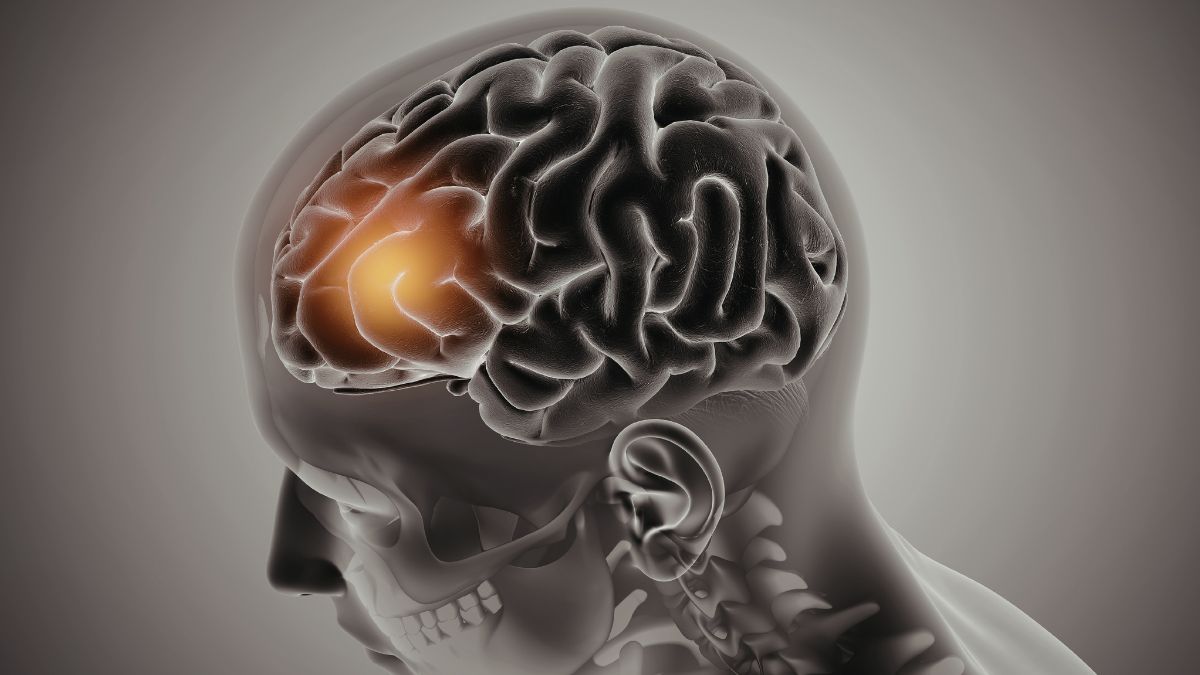
Your brain is one of the most sophisticated organs in the known universe, yet it routinely takes shortcuts, fills in gaps, and bends reality to make sense of the world around you. These cognitive quirks are not signs of weakness but rather the result of millions of years of evolutionary problem-solving. Understanding the ways your mind deceives you can help you make sharper decisions, build better habits, and see the world with greater clarity. From distorted memories to invisible biases, the tricks your brain plays are far more common than most people realize.
Confirmation Bias
Your brain naturally seeks out information that confirms what you already believe and quietly dismisses anything that challenges your existing views. This tendency makes people feel more confident in their opinions than the evidence actually supports. It plays out in everything from political debates to health decisions and personal relationships. Recognizing this pattern is the first step toward thinking more objectively and being genuinely open to new evidence.
False Memory

The human brain does not store memories like a video recording but instead reconstructs them each time they are retrieved. Details get altered, embellished, or entirely fabricated based on emotion, suggestion, and the passage of time. Studies have shown that people can vividly recall events that never actually happened when prompted in specific ways. This is why eyewitness accounts are far less reliable than most people assume.
Dunning-Kruger Effect

People with limited knowledge in a particular area tend to overestimate their own competence because they lack enough expertise to recognize their own gaps. Conversely, true experts often underestimate themselves because they are acutely aware of how much they do not yet know. This creates a strange inverse relationship between confidence and actual skill. Awareness of this effect can motivate more honest self-assessment and a commitment to lifelong learning.
Inattentional Blindness

When your brain is focused on one specific task, it can completely miss other highly visible things happening right in front of you. Classic experiments have demonstrated that people fail to notice someone in a gorilla suit walking through a scene they are actively watching. This is not a flaw in vision but a feature of selective attention that helps the brain manage cognitive load. It explains why distracted driving is so dangerous even when drivers feel fully alert.
The Placebo Effect
When people believe a treatment will work, their brains can trigger real measurable changes in the body even when the treatment has no active ingredients. This is not simply wishful thinking but a neurological process involving endorphins and other neurochemicals. The placebo effect is so powerful that it has been documented in pain relief, depression treatment, and even athletic performance. It demonstrates how profoundly the mind can influence physical experience.
Anchoring

The first piece of information you encounter on any topic tends to disproportionately influence every judgment that follows. If someone tells you a product is worth a thousand dollars before revealing the sale price, you feel like you are getting a deal regardless of what the item is actually worth. Retailers, negotiators, and advertisers exploit this cognitive tendency constantly. Being aware of anchoring helps you pause and evaluate information independently rather than in relation to an arbitrary starting point.
The Baader-Meinhof Phenomenon

Once you learn a new word, concept, or brand, you begin noticing it everywhere even though it was always present in your environment. Your brain has simply added it to its active filter, making it more likely to flag relevant information as significant. This creates the illusion that the thing is suddenly more common when in reality your attention has just shifted. It is a powerful reminder of how much your awareness shapes your perceived reality.
Emotional Reasoning

When people feel a certain way, the brain often treats that feeling as factual evidence about the world. Feeling anxious about a flight leads to the conclusion that flying must be dangerous, even in the absence of any rational basis for that fear. This shortcut helped early humans survive by acting quickly on instinct but can cause significant problems in modern life. Learning to separate feelings from facts is a core skill in cognitive behavioral approaches to mental wellness.
Sunk Cost Fallacy

The brain resists abandoning something it has already invested time, money, or energy into, even when continuing is clearly the worse choice. This is why people stay in unhappy relationships, finish terrible movies, or keep funding failing projects. The past investment feels psychologically real even though it is economically irrelevant to future decisions. Recognizing this fallacy can free people from commitments that no longer serve them.
Change Blindness

Your brain constructs a remarkably incomplete picture of your visual environment and fills in the rest with assumptions and memory. This means significant changes to a scene can go entirely unnoticed if they happen during a brief distraction or blink. Magic tricks and film editing techniques rely heavily on this limitation. It is a striking illustration of how much of what you see is actually manufactured by your own mind rather than directly perceived.
Negativity Bias
The brain gives significantly more weight to negative experiences, words, and memories than to positive ones of equal intensity. This evolutionary adaptation helped ancestors survive by staying alert to threats but creates chronic stress in modern environments where dangers are far less frequent. Negative feedback, criticism, and bad news all leave deeper impressions than equivalent positive input. Understanding this bias is essential for building resilience and maintaining a balanced perspective.
The Spotlight Effect

People consistently overestimate how much others notice and judge their appearance, behavior, and mistakes. Your brain places you at the center of a social stage that, in reality, very few people are watching. Most people are far too preoccupied with their own concerns to scrutinize you with the intensity you imagine. This cognitive distortion is responsible for much of everyday social anxiety.
Pattern Recognition Overdrive

The human brain is so powerfully wired to detect patterns that it regularly finds them where none exist. This is why people see faces in clouds, believe in lucky streaks, or find hidden meanings in random events. Known as apophenia, this tendency provided survival advantages when spotting predators in ambiguous environments. In daily life, it can lead to superstitious thinking, conspiracy theories, and poor decision-making based on imaginary trends.
The Availability Heuristic

Your brain judges the likelihood of an event based on how easily examples come to mind rather than on actual statistical probability. Plane crashes make flying feel terrifying even though driving is far more dangerous because crash coverage is vivid and memorable. Recent and emotionally charged events dominate risk perception far more than they should. This mental shortcut explains many irrational fears and poorly calibrated risk assessments.
Choice Overload

When presented with too many options, the brain becomes overwhelmed and often defaults to avoiding any decision at all or choosing the most familiar option regardless of its merit. This paradox of choice leads to buyer’s remorse, indecision, and decreased satisfaction even after making a theoretically good selection. The brain performs better with a curated set of meaningful choices than an endless array of possibilities. Simplifying your decision environments can dramatically reduce cognitive fatigue.
Status Quo Bias

The brain strongly prefers the current state of affairs and requires significant perceived benefit before it will accept any change. This is why default options have such a powerful effect on behavior in everything from retirement savings plans to organ donation registries. The discomfort of change feels disproportionately large compared to the discomfort of staying put. This bias keeps people in comfortable routines long past the point where those routines are genuinely serving them.
Egocentric Bias

People naturally assume their own perspective is more widely shared than it actually is and remember their personal contributions to events as larger than they were. This leads to disagreements about shared responsibilities, credit attribution in teams, and misunderstandings in communication. Each person’s brain builds a model of reality centered around their own experience, making true objectivity unusually difficult. Actively seeking other viewpoints is a meaningful antidote to this deeply ingrained tendency.
The Decoy Effect

When a third option is introduced that makes one of two existing choices look more attractive by comparison, people reliably shift their preference toward that option. This psychological pricing strategy is used in menus, subscription tiers, and product bundles to steer behavior without anyone noticing. The brain does not evaluate options in isolation but always in relation to the alternatives presented alongside them. Understanding this reveals how easily purchasing decisions can be engineered by clever framing.
Optimism Bias

Most people believe they are less likely than average to experience negative life events such as accidents, illness, or financial failure. This cognitive illusion keeps people motivated and mentally resilient but also contributes to poor planning, underestimating risk, and dismissing important health warnings. Research consistently shows this bias is present across cultures, age groups, and education levels. A measured dose of realistic thinking can help balance optimism with genuinely protective preparation.
Selective Attention
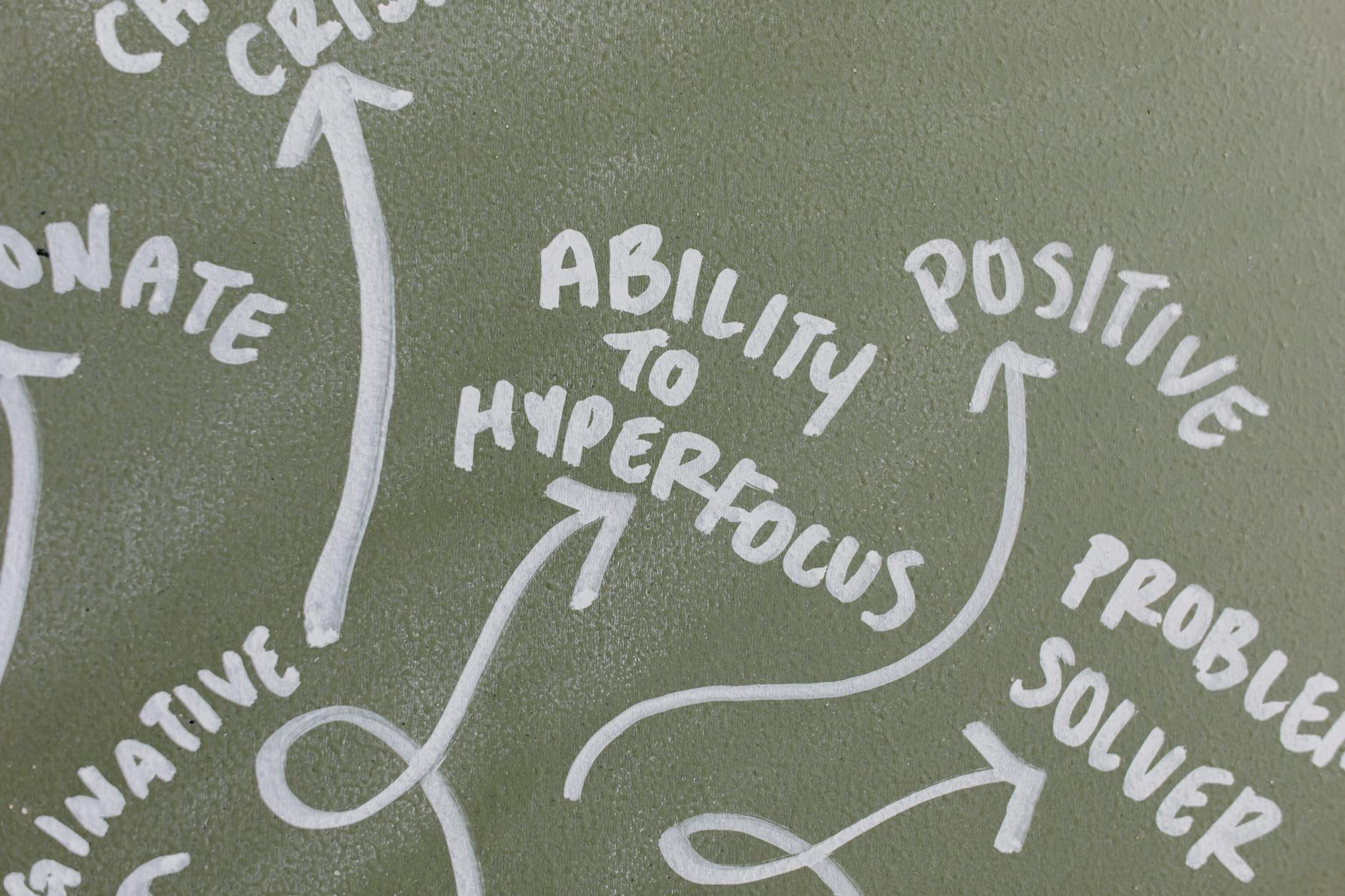
Your brain cannot process every piece of sensory information available to it, so it constantly filters and prioritizes based on what it has been primed to find important. This means vast amounts of relevant information are edited out of your conscious experience before you ever become aware of them. What you notice on any given day is as much a reflection of your mental state and expectations as it is of objective reality. Training mindful awareness can gradually expand what the brain allows into conscious perception.
What cognitive trick surprised you most on this list? Share your thoughts in the comments.