Many people invest heavily in premium skincare products, expecting flawless results, only to find their skin acting out in frustrating and unexpected ways. The truth is that some of the most beloved high-end formulas can silently sabotage even the most dedicated routines. Understanding where things go wrong is the first step toward genuinely healthy skin. Here are 15 ways your expensive skincare routine might actually be working against you.
Over-Cleansing
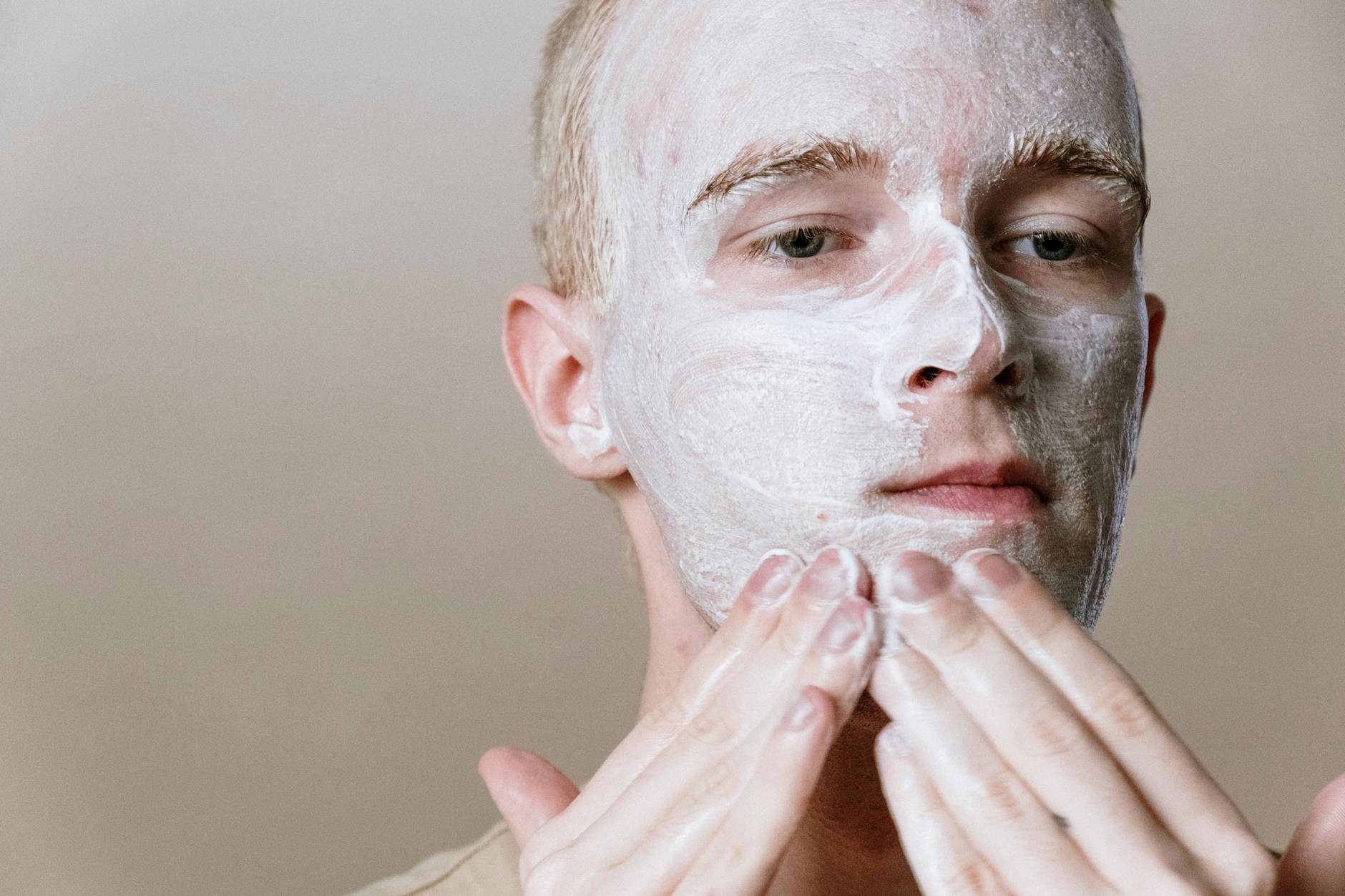
High-end cleansers are often so effective that using them twice daily strips the skin of its natural oils entirely. When the skin barrier becomes compromised, the body responds by overproducing sebum to compensate for the loss. This excess oil then mixes with dead skin cells and clogs pores, creating the perfect environment for breakouts. Many dermatologists recommend cleansing only once a day, particularly for those with dry or sensitive skin types.
Vitamin C Serums
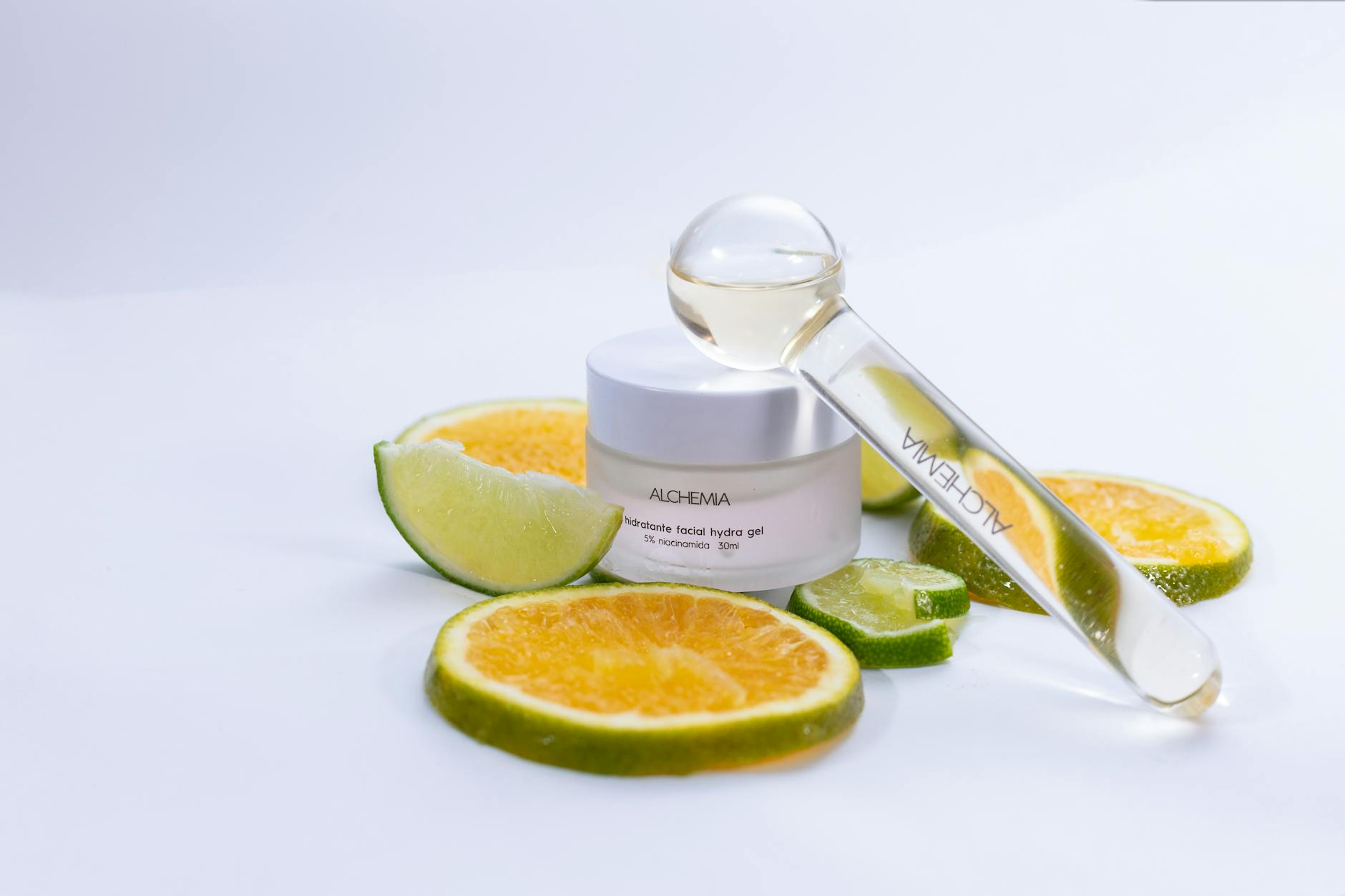
Vitamin C is one of the most popular ingredients in luxury skincare, but it is also one of the most unstable. When exposed to air and light, oxidized vitamin C can actually generate free radicals rather than neutralize them. Applying a degraded formula to the skin introduces unnecessary irritation that can trigger inflammatory acne. High concentrations above 20 percent can also be too aggressive for sensitive or reactive skin types.
Facial Oils
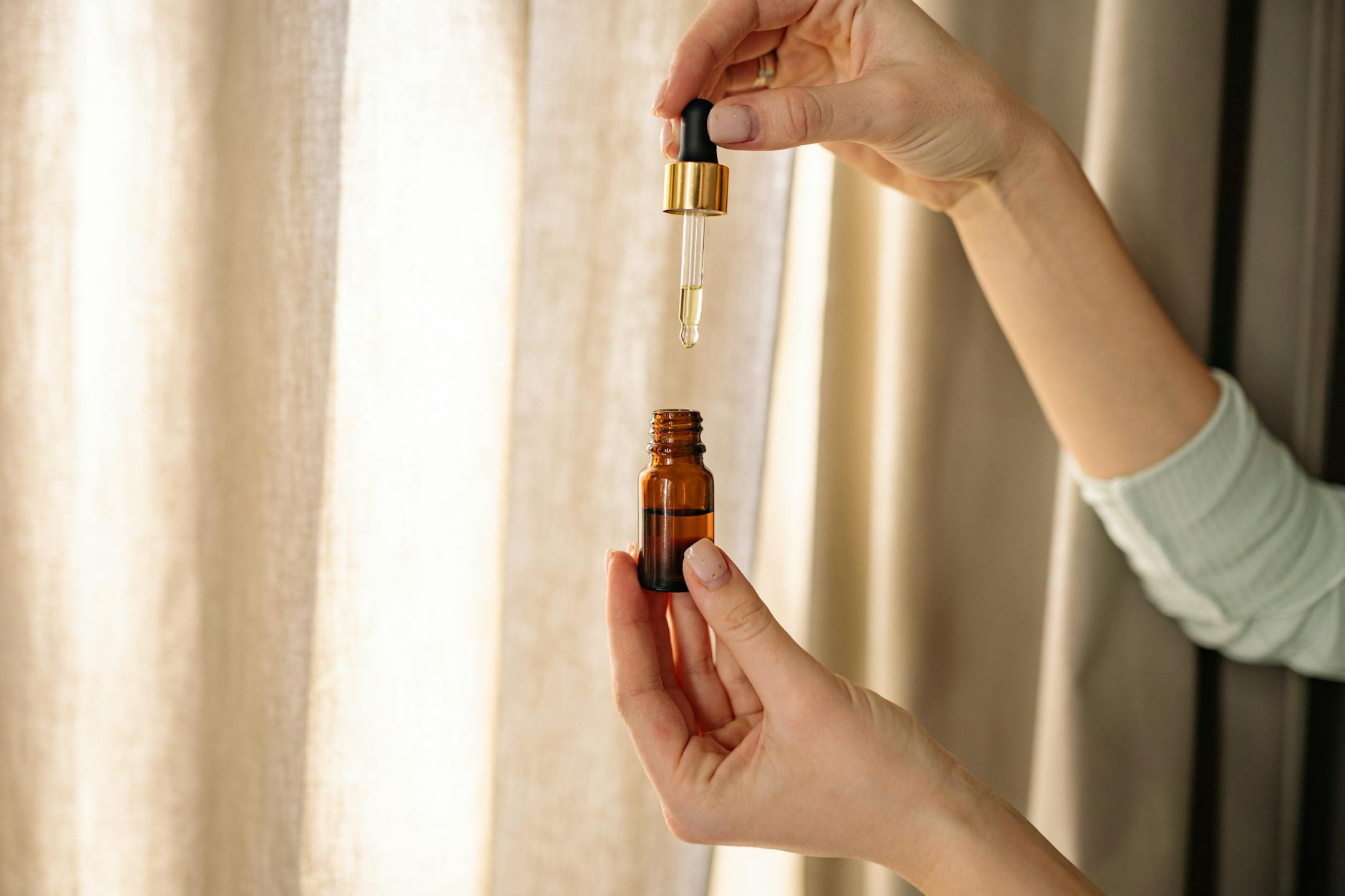
Rich facial oils are marketed as the ultimate nourishing treatment, but many are highly comedogenic and sit heavily on the skin. Oils such as coconut oil and marula oil have a high likelihood of blocking pores when used in excess or on acne-prone skin. Layering a facial oil over multiple other products prevents the skin from breathing and creates a barrier that traps bacteria. Even non-comedogenic oils can cause congestion when they interact with certain active ingredients already in the routine.
Over-Exfoliating
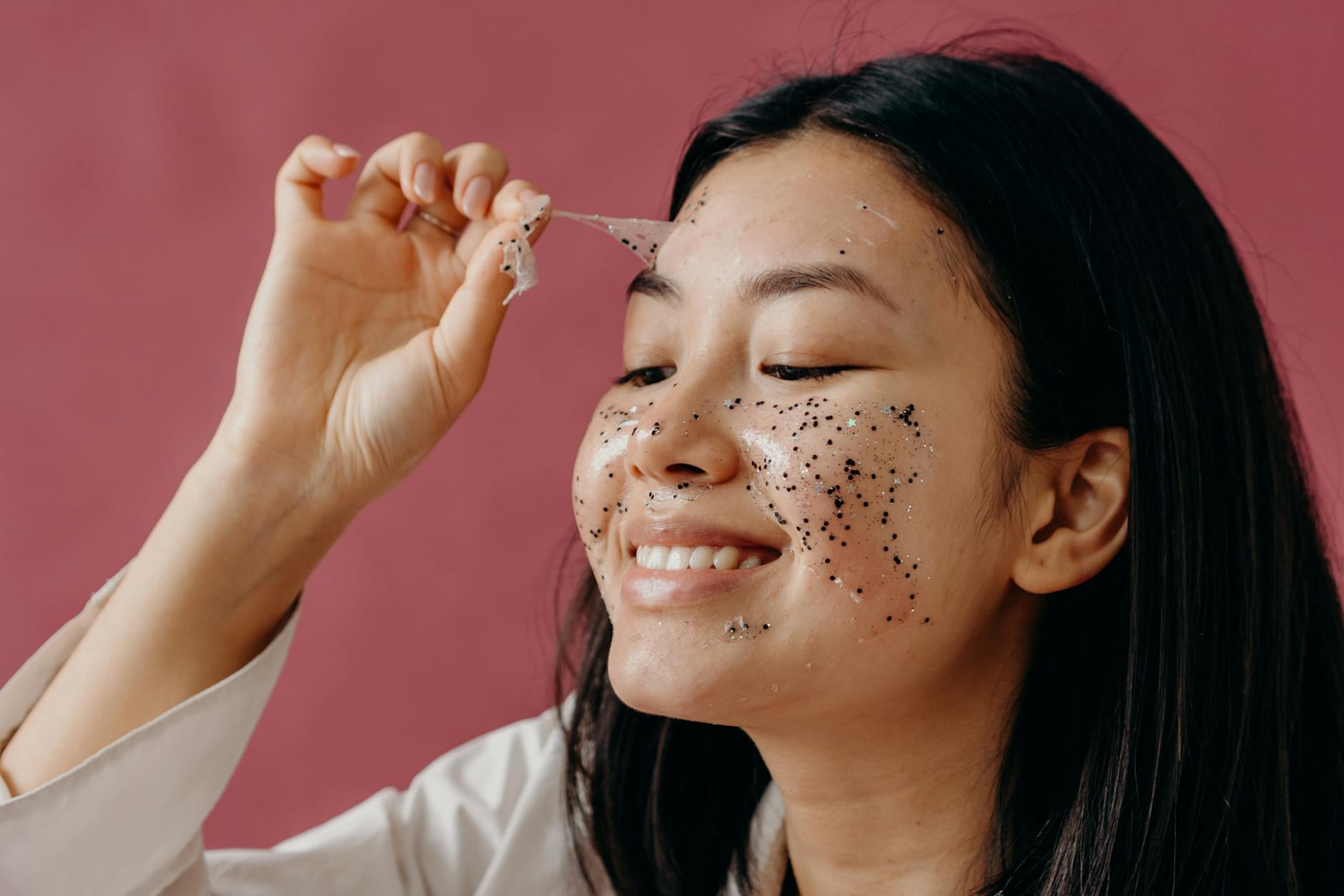
Luxury exfoliating products containing AHAs, BHAs, and physical scrubs are often used far too frequently in pursuit of faster results. Daily exfoliation damages the skin’s protective barrier, leaving it raw, reactive, and vulnerable to environmental bacteria. A weakened barrier triggers inflammation that manifests directly as pimples and persistent redness. Most skin types only need exfoliation two to three times per week at most.
Heavy Moisturizers
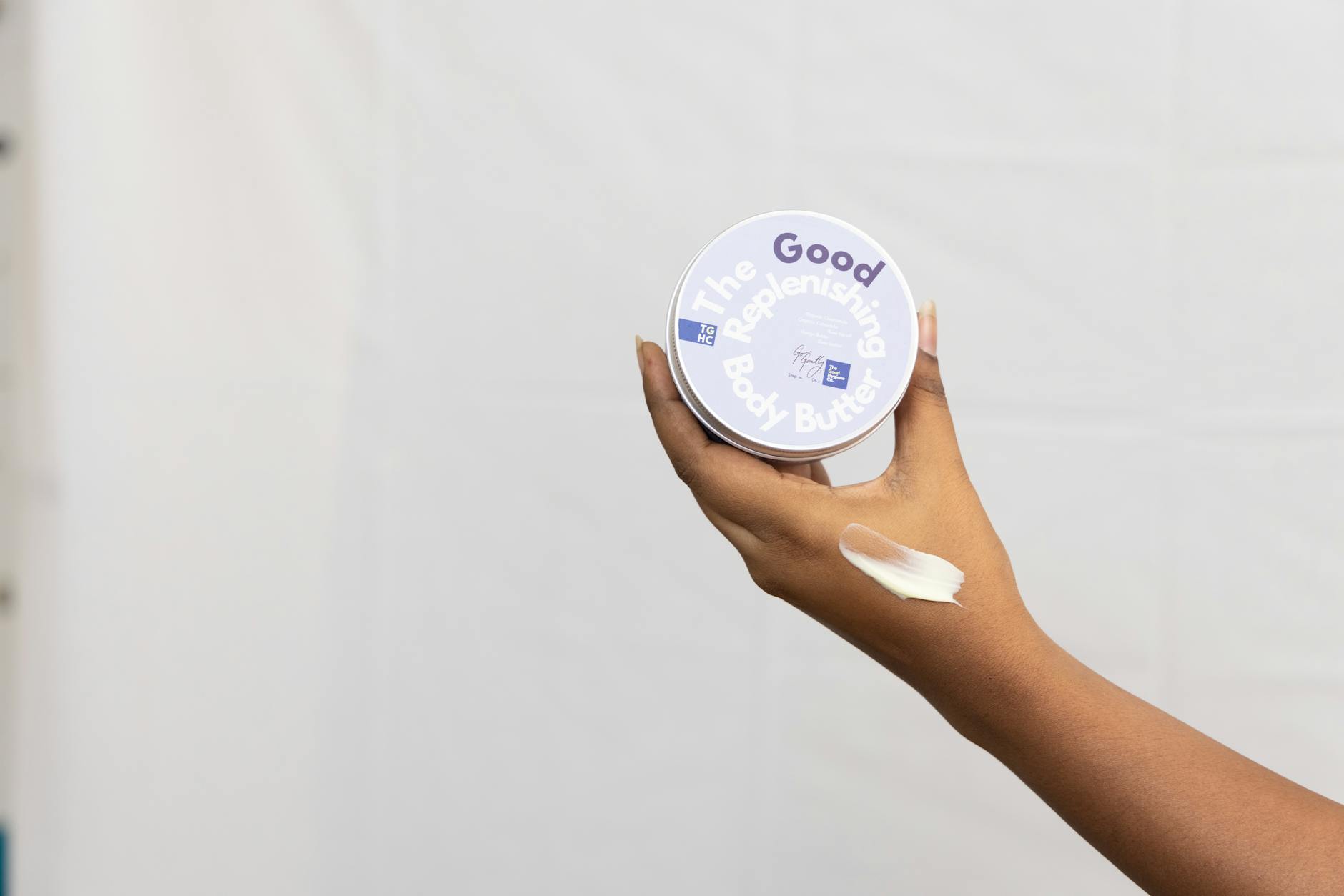
Rich, occlusive moisturizers designed for deep hydration can be too much for oily or combination skin types. Ingredients like petrolatum and shea butter form a seal over the skin that traps not only moisture but also bacteria and impurities. When these formulas are used nightly without proper cleansing, they contribute to clogged pores and milia. The assumption that more expensive means more effective often leads people to choose formulas far too heavy for their actual skin needs.
Retinol Overuse
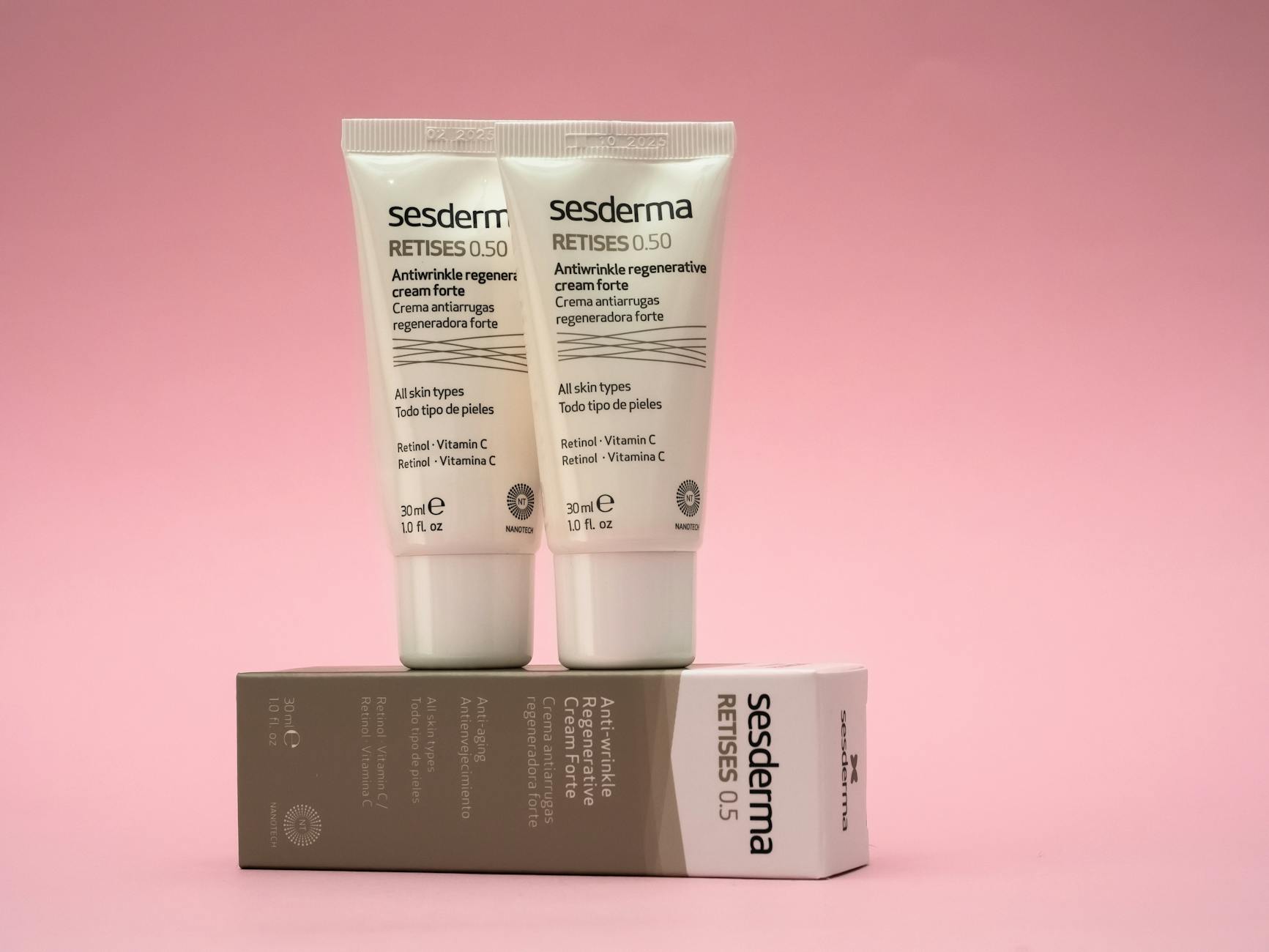
Retinol is one of the most scientifically supported anti-aging ingredients available, but using it too frequently causes significant skin disruption. The initial purging phase that retinol triggers can last several weeks and is often mistaken for an allergic reaction or product failure. Using retinol more than the recommended frequency inflames the skin and compromises its ability to regulate oil production. Many people unknowingly stack multiple retinol products from different steps in their routine, dramatically exceeding the safe usage threshold.
Fragrance Additives

Many luxury skincare brands add synthetic or natural fragrances to make their products feel like an indulgent experience. Fragrance is one of the leading causes of contact dermatitis and skin sensitization, even in small amounts. Repeated exposure to fragranced products can cause cumulative irritation that presents as acne along the cheeks and jawline. The higher the price point of the product, the more elaborate the fragrance blend tends to be, increasing the risk of a reaction.
Layering Too Many Actives
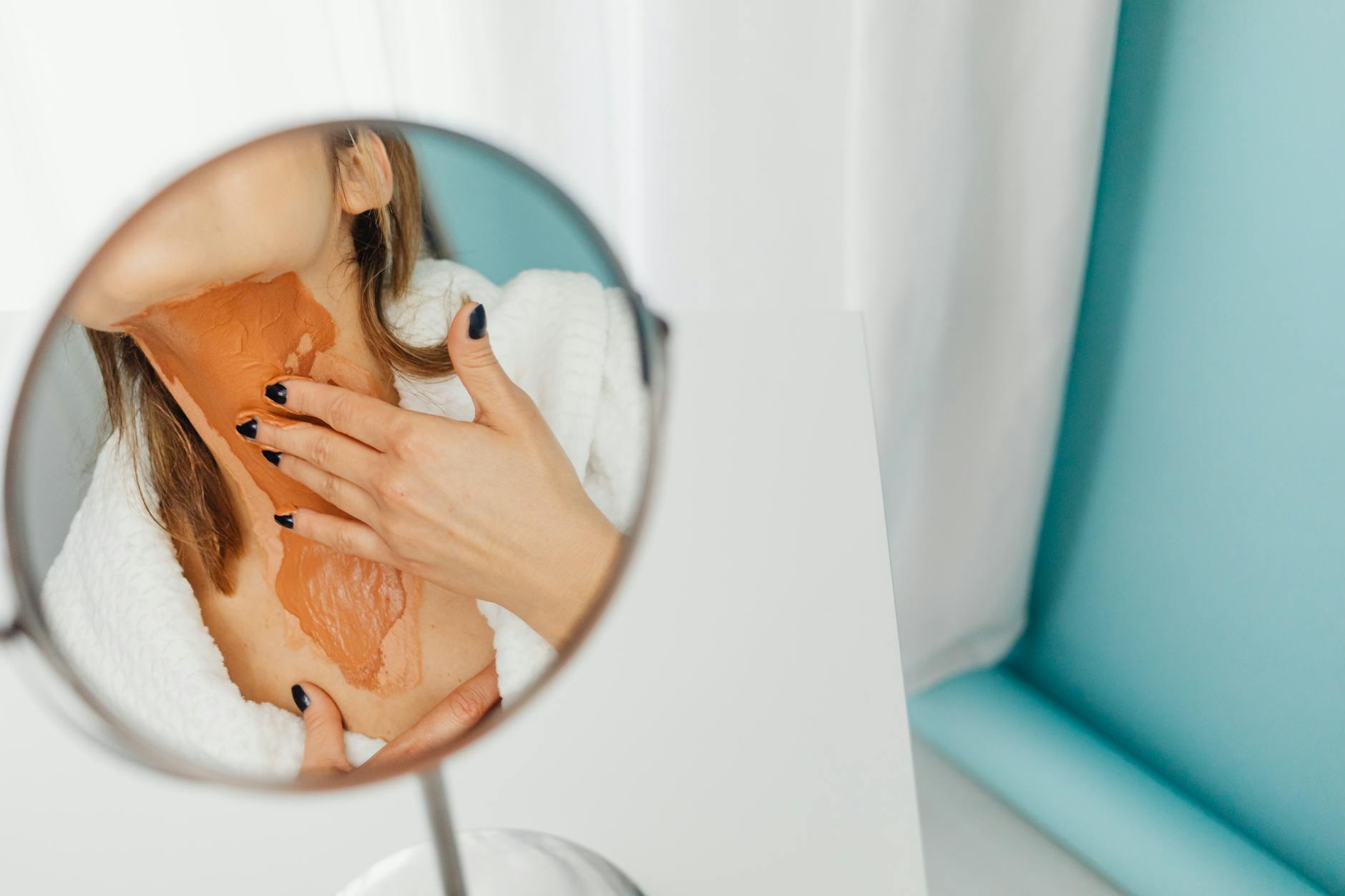
Premium skincare lines often encourage customers to build elaborate multi-step routines using multiple active ingredients simultaneously. Combining niacinamide, retinol, vitamin C, AHAs, and BHAs in a single routine without understanding their interactions can cause serious skin damage. Some ingredient pairings cancel each other out while others create chemical reactions that irritate and inflame the skin. A simplified routine with fewer well-chosen actives is almost always more effective than a complex one built around brand loyalty.
SPF Formulas
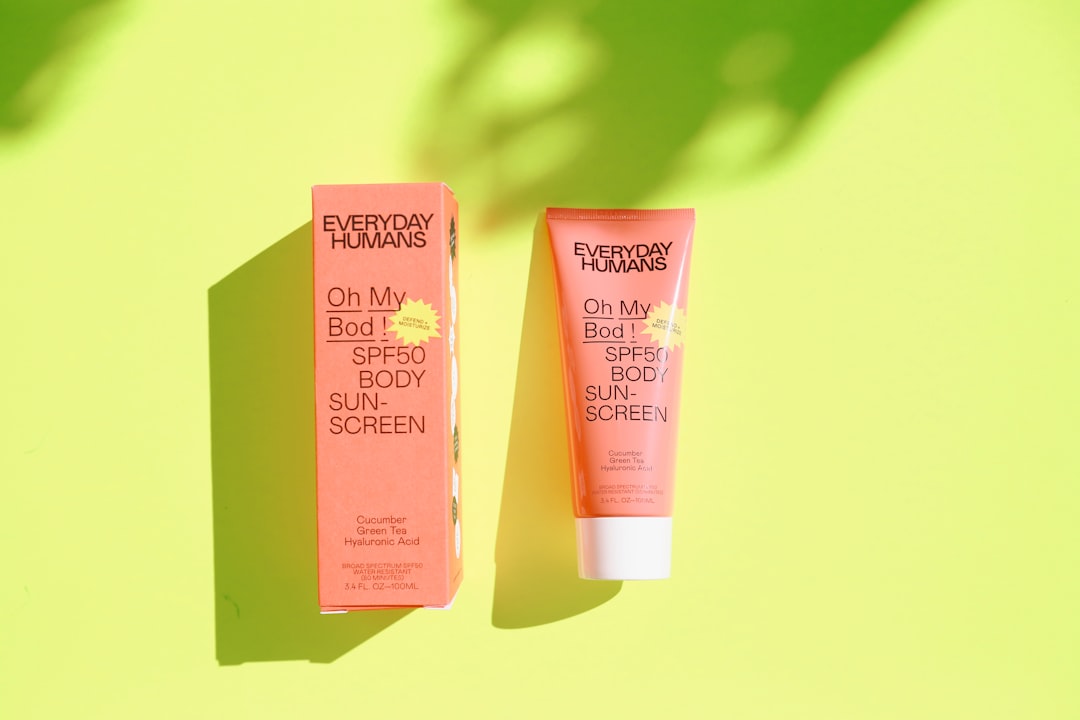
High-end sunscreens often use sophisticated chemical filters that provide excellent UV protection but can be irritating for acne-prone skin. Chemical sunscreen ingredients such as oxybenzone and avobenzone are known to trigger breakouts in those with sensitive or reactive complexions. Many luxury SPF products also contain added skincare benefits like antioxidants and hydrators that increase the overall ingredient load on the skin. Applying sunscreen over a full morning routine can create a thick, suffocating layer that congests pores throughout the day.
Sheet Masks
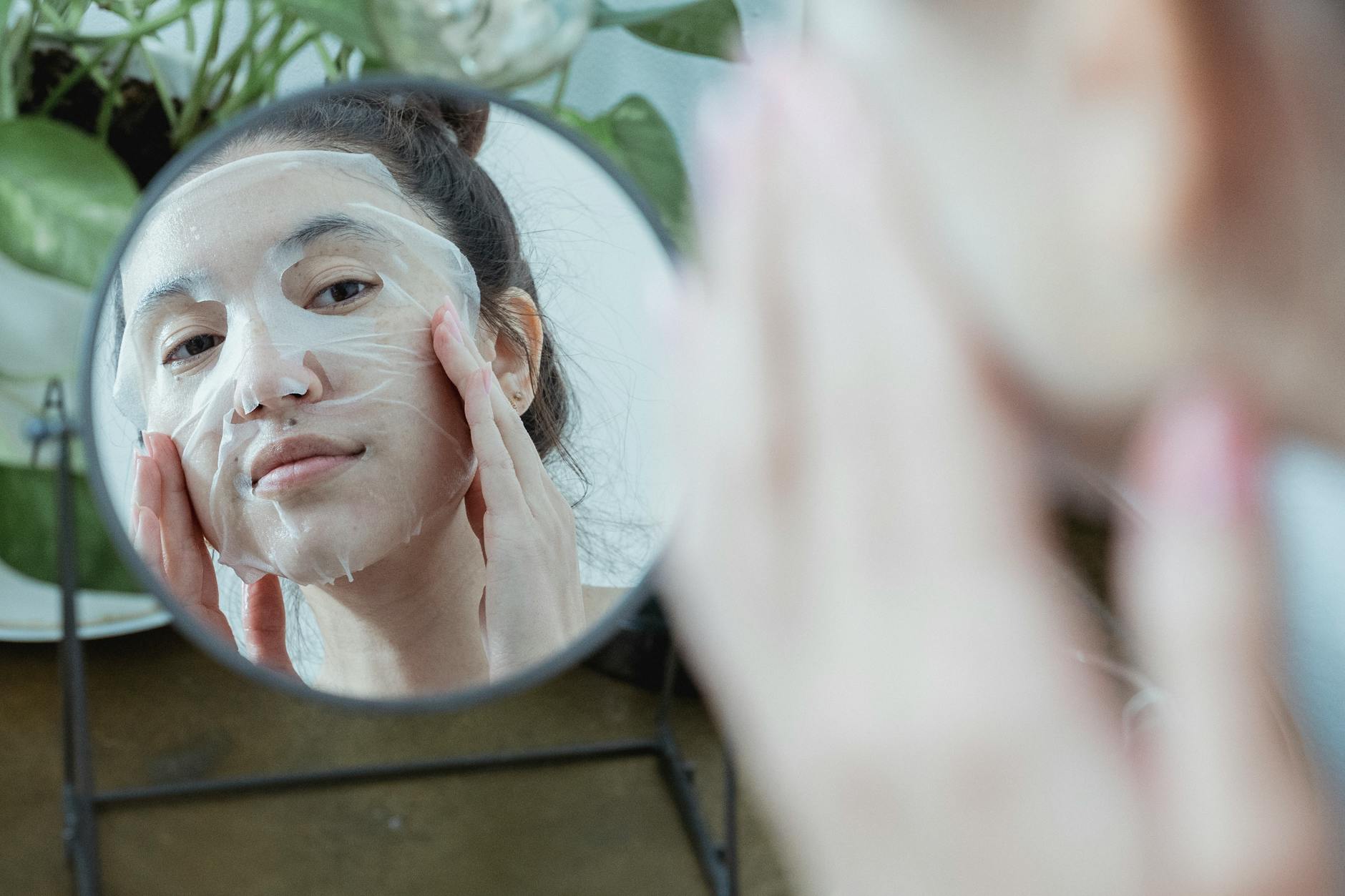
Luxury sheet masks are soaked in concentrated serums that are designed to deliver intense hydration in a short period of time. The occlusive nature of the mask holds these ingredients against the skin for extended periods, which can overwhelm reactive skin types. Many premium masks contain alcohol, artificial dyes, or botanical extracts that cause irritation rather than calm it. Using sheet masks more than once or twice a week disrupts the skin’s natural equilibrium and can lead to persistent congestion.
Eye Creams
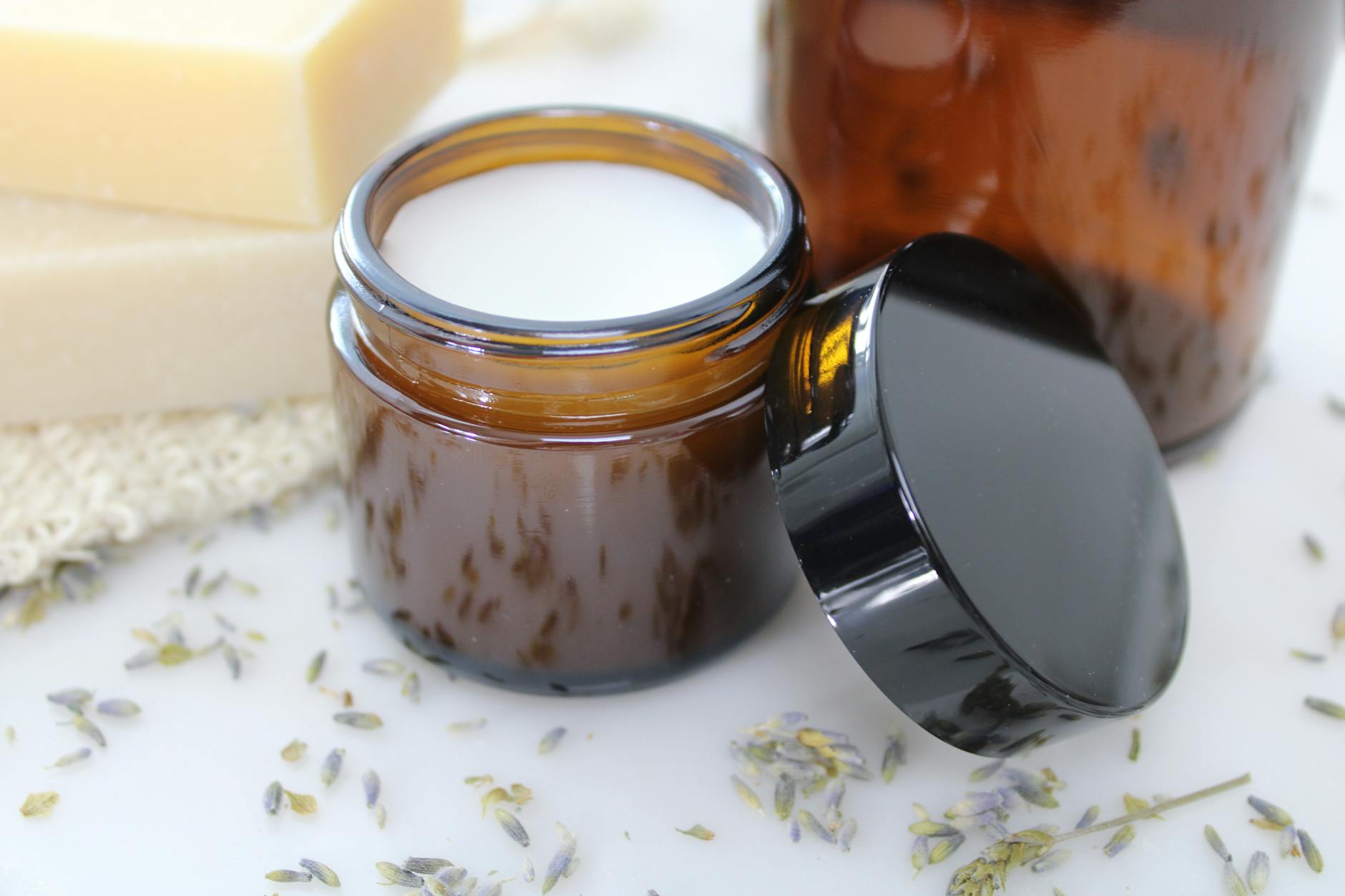
Specialty eye creams are some of the most expensive products in the skincare market, yet many contain rich emollients that migrate onto the surrounding skin overnight. This migration introduces comedogenic ingredients into areas around the nose and cheeks where milia and small pimples frequently develop. The delicate skin around the eye is not always able to tolerate the active concentrations found in premium formulas. Many users apply far more product than necessary, increasing the likelihood of it spreading beyond the intended area.
Micellar Water
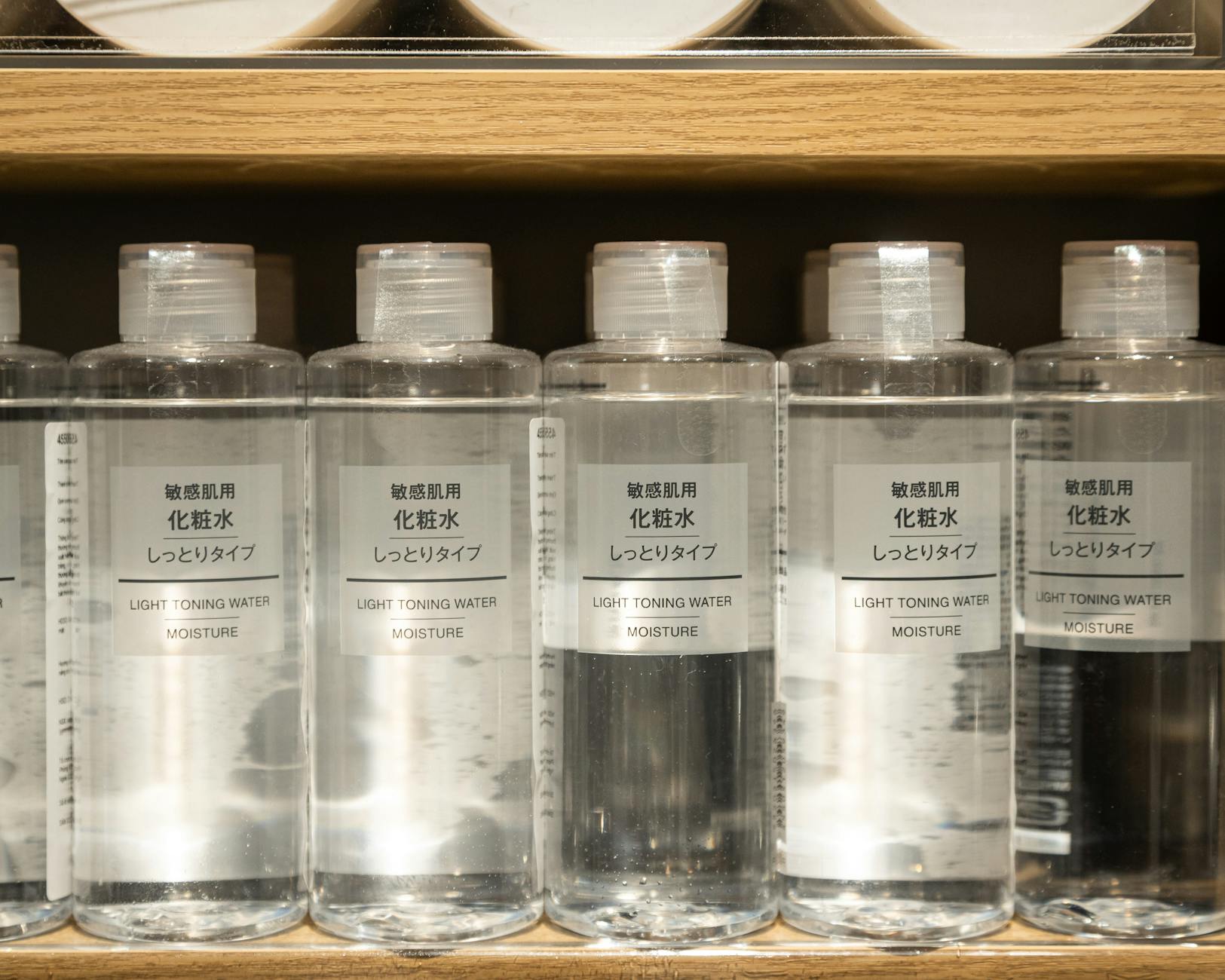
Micellar water has become a staple in high-end skincare routines as a gentle, no-rinse cleansing option. However, leaving surfactants on the skin without rinsing them off allows them to continue breaking down the skin’s lipid barrier throughout the day. Many premium micellar formulas also contain preservatives and conditioning agents that accumulate on the skin with repeated use. Dermatologists consistently recommend following micellar water with a rinse-off cleanser to avoid residue buildup that clogs pores over time.
Toners
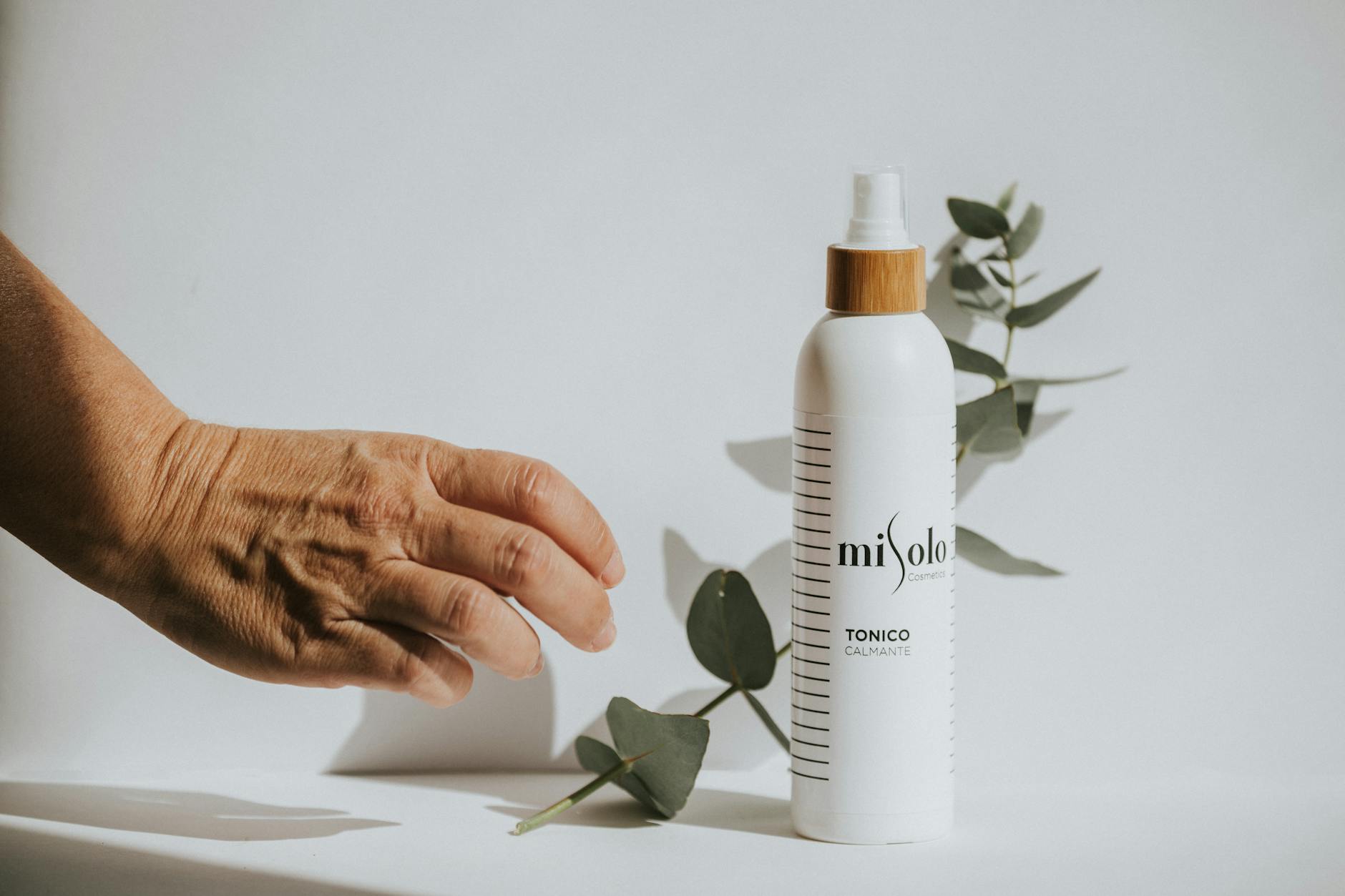
Luxury toners are often loaded with botanical extracts, essential oils, and active ingredients intended to refine and prep the skin. When applied directly after cleansing on a compromised or sensitized complexion, these concentrated formulas can cause stinging, redness, and inflammation. Alcohol-based toners, which are common even in premium lines, aggressively strip moisture and trigger a rebound oil surge. The idea that a toner is always a necessary step leads many people to add unnecessary irritation to their already-reactive skin.
Peptide Serums
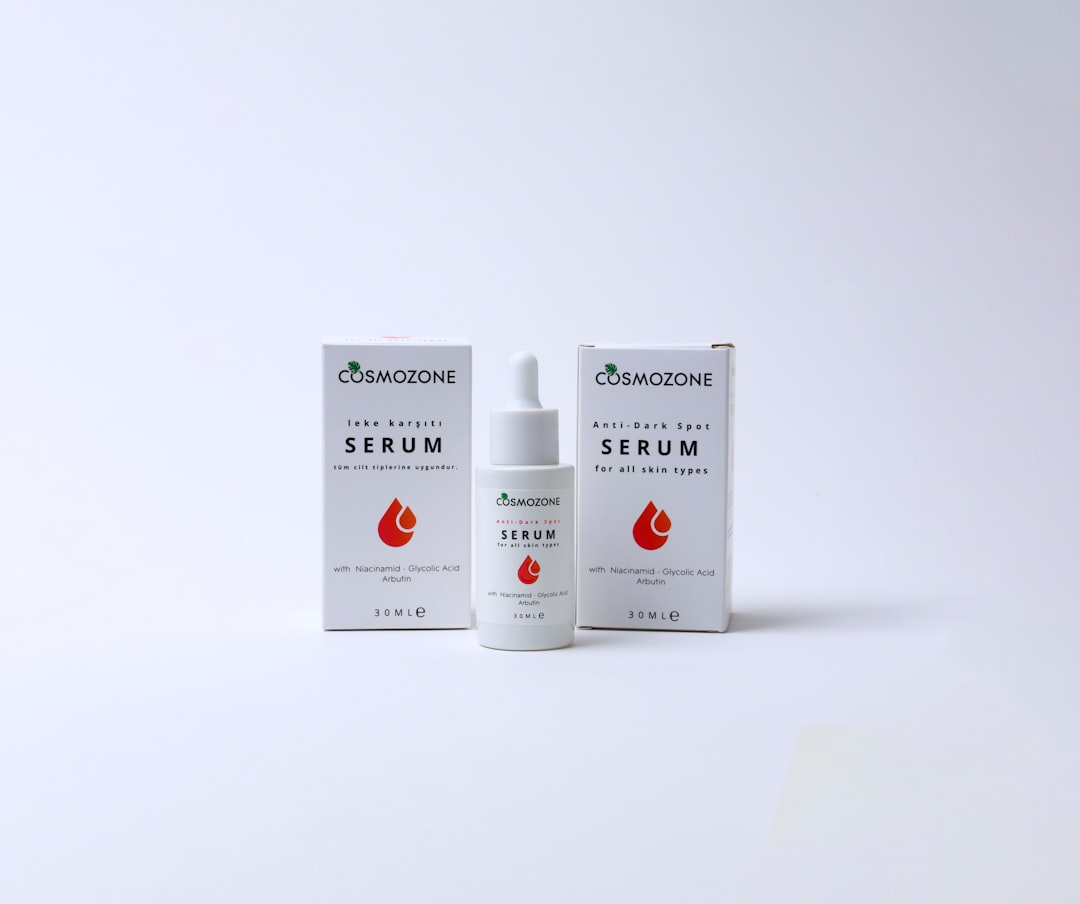
Peptide serums are among the most talked-about and expensive products in modern skincare, promising cellular repair and firming benefits. Many of these formulas use delivery systems that penetrate deeply into the skin, which can introduce preservatives and stabilizers into the lower layers of the dermis. When peptides are combined with active acids or retinoids in the same routine, they can destabilize each other and cause unexpected skin reactions. Overusing peptide serums without allowing the skin adequate rest time leads to an overwhelmed barrier that becomes prone to breakouts.
Makeup Setting Sprays

Premium setting sprays are designed to extend the wear of makeup while giving the skin a polished, dewy finish. Many luxury formulas contain film-forming agents and alcohol that create a coating on the skin which interferes with its natural ability to shed dead cells. Spraying a setting mist over a full face of makeup and skincare locks all underlying products in place, including any comedogenic ingredients that were already present. Regular use of setting sprays without thorough end-of-day cleansing allows this layered buildup to accumulate and clog pores over time.
Have you noticed any of these culprits in your own skincare routine? Share your experience in the comments.