Animals are remarkably sensitive creatures that often mirror the emotional and behavioral patterns of the people they live with. Researchers and animal behaviorists have long observed that pets frequently absorb and reflect the stress, anxiety, and unresolved tension present in their home environment. The bond between a person and their animal companion runs deeper than most people realize, creating a kind of emotional feedback loop that can be difficult to ignore. Understanding what a pet’s behavior is actually communicating can open the door to meaningful self-reflection and positive personal change. Here are thirteen surprising ways your pet may be holding up a mirror to your own life.
Excessive Barking

Dogs that bark persistently and without obvious cause are often responding to an atmosphere of tension or unpredictability in the household. When a human caregiver is under chronic stress or experiencing emotional turbulence, dogs pick up on subtle physiological cues such as changes in scent, posture, and vocal tone. This heightened state of alertness in the dog can manifest as frequent barking at seemingly minor triggers. Behaviorists note that households with calmer emotional climates tend to produce calmer dogs over time. If a dog’s barking has intensified without a clear external cause, it may be worth examining the emotional temperature of the home.
Destructive Chewing

Pets that chew furniture, clothing, or household objects are often communicating that something in their environment feels unstable or neglected. Dogs and cats alike engage in destructive behaviors when they are under-stimulated, anxious, or seeking attention they are not consistently receiving. This pattern frequently reflects a human caregiver who is emotionally absent, overworked, or struggling to maintain consistent routines. The destruction is not spite but rather a coping mechanism in response to unmet needs that parallel the animal’s emotional state. Examining daily habits and presence in the home can reveal whether the pet’s behavior points to a broader imbalance in the owner’s life.
Hiding

When a typically social pet begins retreating to isolated corners or hiding under furniture, it is often responding to an environment that feels unsafe or emotionally charged. Cats are particularly known for withdrawing when conflict, loud arguments, or sustained tension are present in the household. This avoidance behavior can be a signal that the overall atmosphere of the home has shifted in ways that feel threatening to the animal. Pets that hide frequently may be reflecting a caregiver’s own tendency to withdraw from difficult emotions or interpersonal conflict. The instinct to retreat is often shared between owner and animal in ways that go unnoticed.
Overeating

Pets that eat compulsively or consume food far beyond what is needed for their size and activity level may be mirroring disordered patterns around nourishment in the home. Animals in households where emotional eating is common often receive food as a form of comfort or reward rather than as straightforward sustenance. This teaches the animal to associate food with emotional regulation rather than physical hunger. Obesity in pets has risen significantly in recent decades, a trend that often correlates with similar patterns in their human companions. Reflecting on the emotional role food plays in the household can be a productive first step toward addressing the behavior in both pet and owner.
Aggression Toward Strangers

A pet that growls, hisses, or lunges at unfamiliar people may be reflecting its owner’s underlying distrust of new relationships or social situations. Animals are highly attuned to the way their caregivers respond to the presence of unfamiliar people and will often model that anxiety. If a caregiver is consistently tense around strangers or holds guarded body language in social settings, the pet internalizes this response as appropriate. This behavioral pattern can deepen social isolation for both the animal and the person over time. Recognizing a shared reluctance toward social openness can be a valuable catalyst for personal growth.
Clingy Behavior
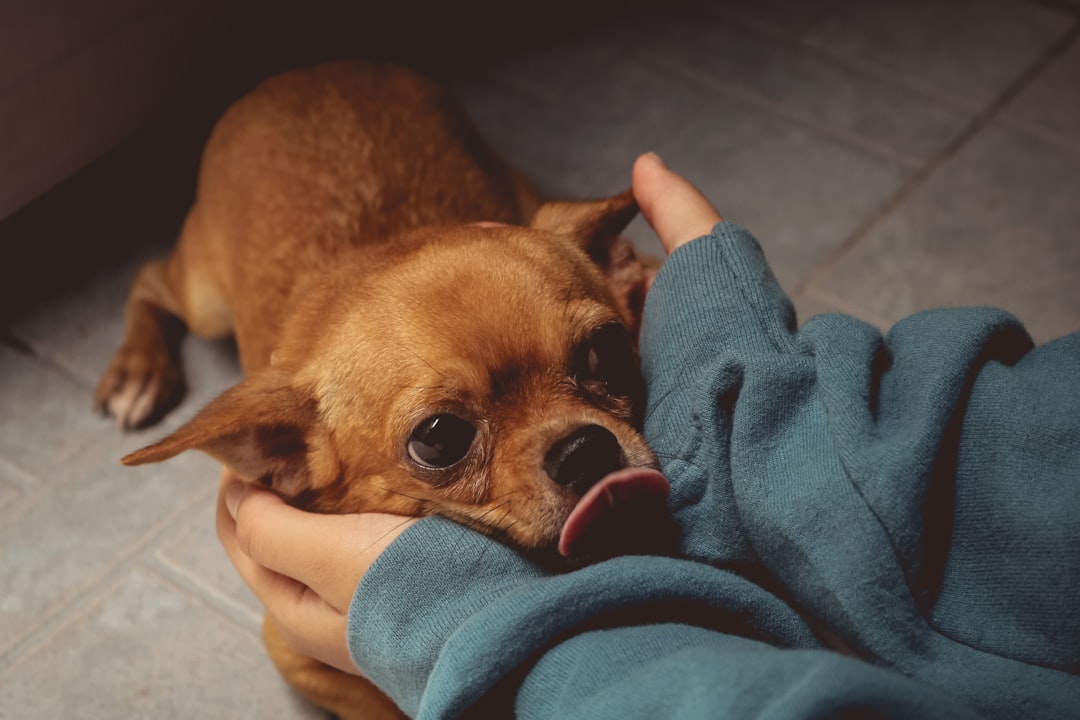
Pets that follow their owners from room to room, refuse to be alone, or demand constant physical contact may be reflecting an environment where anxiety and insecurity are consistently present. Separation anxiety in animals is frequently linked to unpredictable owner behavior, including erratic schedules, emotional unavailability followed by intense affection, or recent life disruptions. The animal becomes hypervigilant to the caregiver’s presence because absence has felt unpredictable or distressing. This mirroring often reveals that the owner themselves is navigating anxiety or a fear of abandonment in their personal life. Building consistent routines benefits both the pet and the emotional stability of the household.
Lethargy

A pet that has become unusually inactive, disinterested in play, or sluggish throughout the day may be absorbing the low-energy or depressive atmosphere of its environment. Dogs in particular are known to synchronize their activity levels with their primary caregiver, becoming sedentary when that person spends long periods inactive or withdrawn. Chronic fatigue or low mood in a caregiver can translate into a shared lifestyle of minimal movement and stimulation for the household pet. Veterinarians often note that ruling out medical causes for lethargy requires a closer look at the pet’s daily emotional environment. A pet that seems to have lost its spark may be offering a quiet signal that its owner has too.
Interrupting During Work

Pets that persistently interrupt focused work time or demand attention precisely when their owner is most engaged are often responding to inconsistency in the boundaries set within the home. When routines are unclear or a caregiver struggles to establish structure throughout the day, animals learn that persistence is rewarded with attention. This behavior frequently reflects a household where boundaries are loosely enforced or where the owner has difficulty maintaining consistent limits in other areas of life as well. The pet is not being intentionally disruptive but is responding rationally to the environment it has been shaped by. Establishing clearer daily structure often resolves the interruptions and improves the owner’s productivity at the same time.
Excessive Grooming

Cats and dogs that groom themselves to the point of hair loss or skin irritation are exhibiting a stress response that is commonly linked to a tense or emotionally volatile home environment. Compulsive self-grooming is a recognized anxiety behavior in animals that often intensifies during periods of household disruption such as relationship conflict or major life transitions. This repetitive behavior provides the animal with a sense of control when its environment feels chaotic or unpredictable. Owners who notice this pattern may recognize a parallel in their own tendencies toward compulsive habits during stressful periods. Addressing the root source of stress in the home often leads to a measurable improvement in the animal’s grooming behavior.
Ignoring Commands

A pet that has previously followed commands reliably but begins ignoring instructions may be responding to a breakdown in consistent leadership within the household. Animals thrive on clear, calm communication from their caregivers and become confused when instructions are given with frustration, inconsistency, or emotional reactivity. This behavioral shift often surfaces during periods when the owner is overwhelmed, distracted, or experiencing a loss of confidence in other areas of life. The animal is not being defiant but rather is reflecting the absence of the steady, grounded presence it depends on. Reconnecting with patience and consistency in training frequently mirrors the kind of self-discipline the owner may be working to rebuild personally.
Sleep Disruptions

Pets that pace at night, vocalize in the dark, or repeatedly wake their owners may be mirroring the disrupted sleep patterns of the household. Animals are highly attuned to nighttime restlessness in their caregivers, and a dog or cat that cannot settle often does so in response to an environment where sleep is already fragile. Chronic insomnia or irregular sleep schedules in an owner create an atmosphere of nighttime unpredictability that animals find difficult to ignore. Poor sleep affects mood, cognitive function, and emotional regulation, creating a cycle that touches both pet and person. Addressing sleep hygiene within the broader household often produces calmer nights for everyone under the same roof.
Resource Guarding
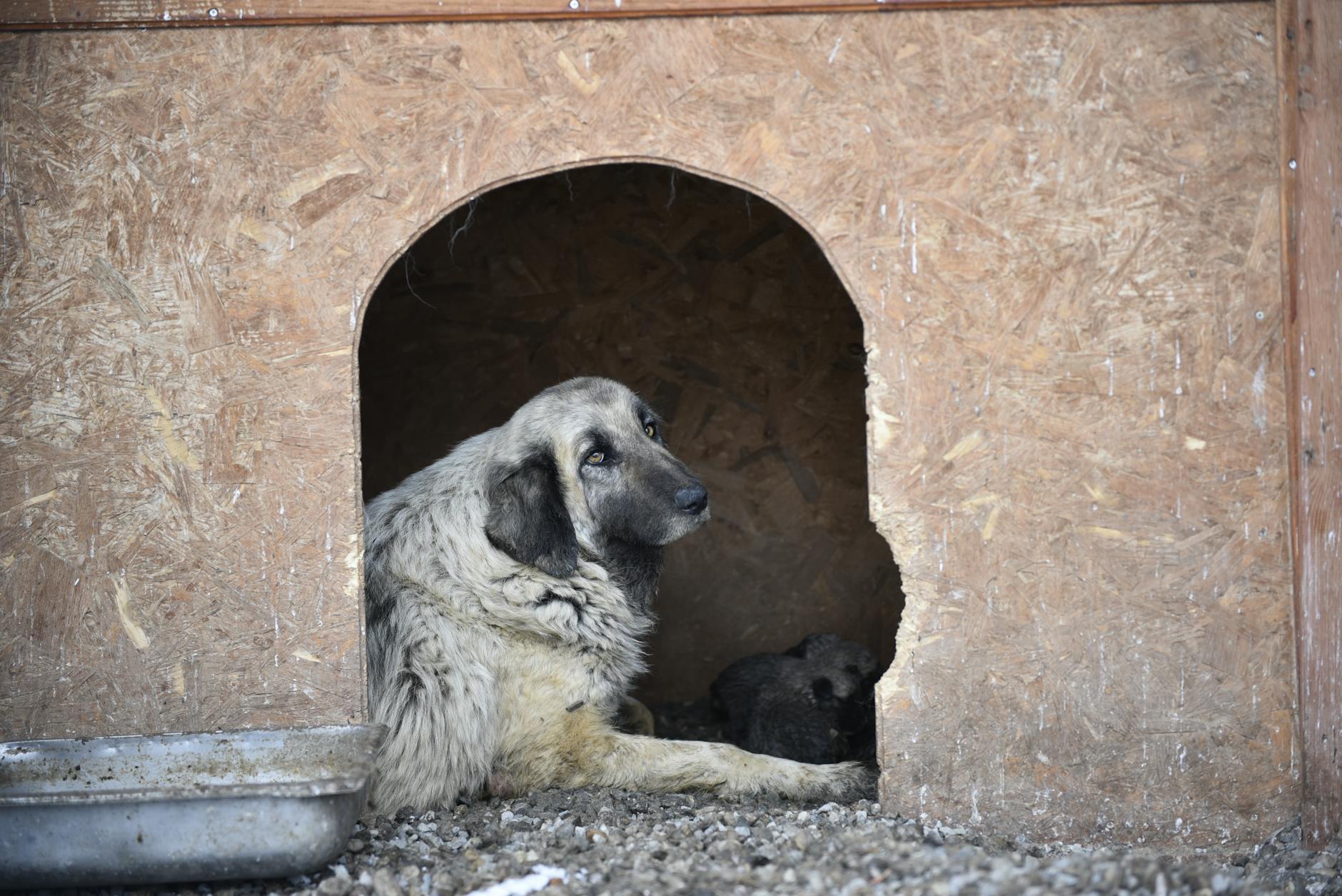
Pets that guard food, toys, or spaces with unusual intensity are often responding to an environment where scarcity or competition has been either directly experienced or emotionally communicated. Animals that guard resources aggressively may reflect a caregiver’s own unresolved relationship with scarcity, control, or emotional security. This behavior is particularly pronounced in households experiencing financial stress or interpersonal power struggles, both of which produce subtle environmental cues that animals register. Resource guarding can escalate if the underlying anxiety within the home is not acknowledged and addressed. Recognizing this behavior as a possible reflection of the owner’s internal world is often the first step toward meaningful change.
Attention-Seeking During Arguments

Pets that insert themselves into conflicts between household members by vocalizing, nudging, or creating a distraction are often attempting to de-escalate tension they find distressing. This behavior reveals just how acutely animals experience conflict within their home environment and how deeply they are affected by unresolved interpersonal tension. The pet’s interruption is not random but a learned response to the physiological and emotional signals that accompany human disagreement. Repeated exposure to conflict creates chronic stress in animals that can manifest in a range of behavioral and physical health issues over time. Paying attention to when and how a pet responds to human tension can serve as an honest indicator of the frequency and intensity of conflict in the household.
If any of these behaviors sound familiar, share which ones resonate most in the comments.