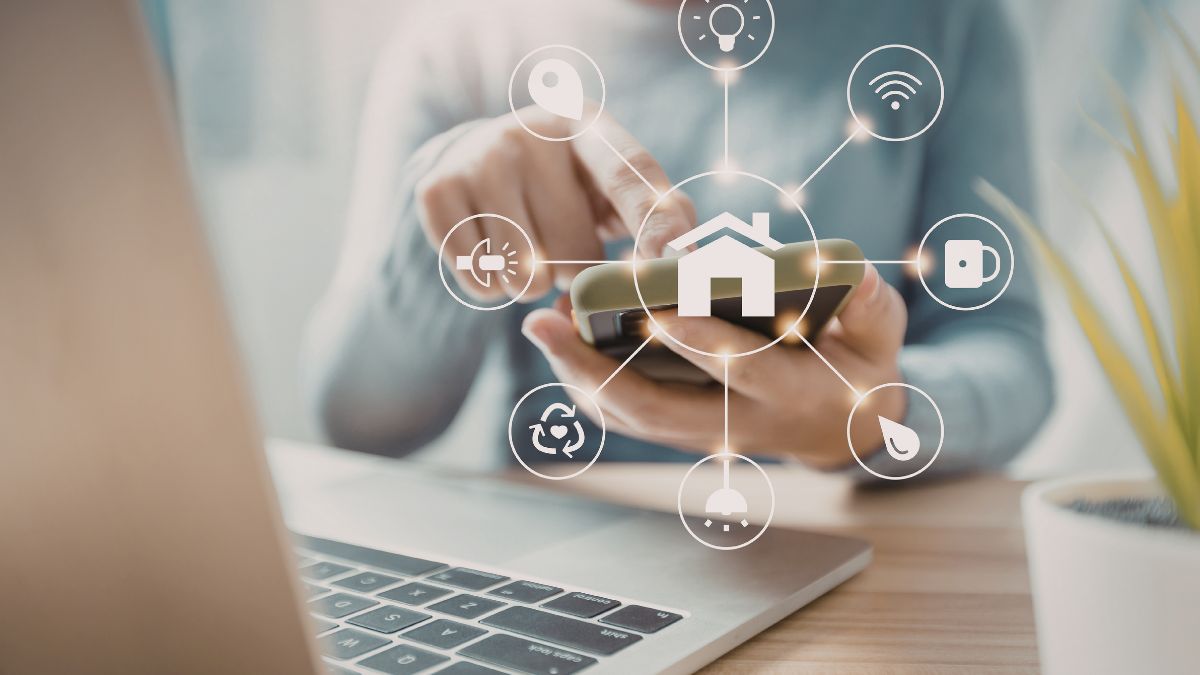
Smart home technology has transformed the way people manage their living spaces, bringing convenience and automation into everyday routines. But behind the sleek interfaces and voice-activated commands lies a growing network of data collection that many homeowners never fully consider. From always-on microphones to third-party data sharing agreements buried in terms of service, the privacy implications of connected devices are far more significant than most realize. Understanding exactly how these gadgets gather and use personal information is the first step toward taking back control of your home environment.
Smart Speakers
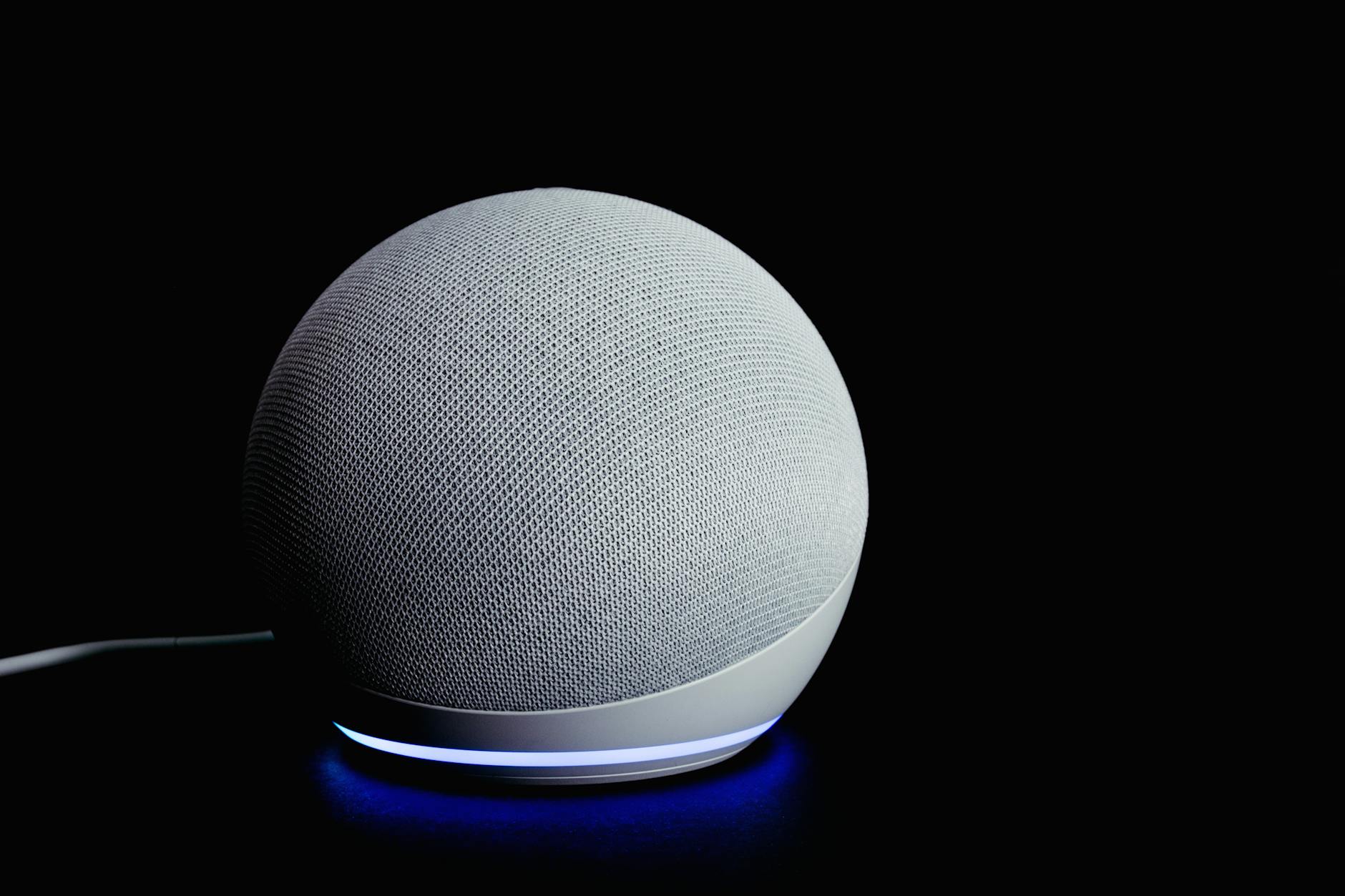
These always-on devices are designed to listen continuously for a wake word, but research has repeatedly shown they can activate and begin recording during unintended moments. The audio snippets captured during these false activations are often stored in the cloud and reviewed by human contractors to improve voice recognition accuracy. Many users remain unaware that recordings are retained indefinitely unless manually deleted from their account settings. The sheer volume of ambient conversation picked up in a typical household represents a significant and largely invisible data trail.
Smart TVs
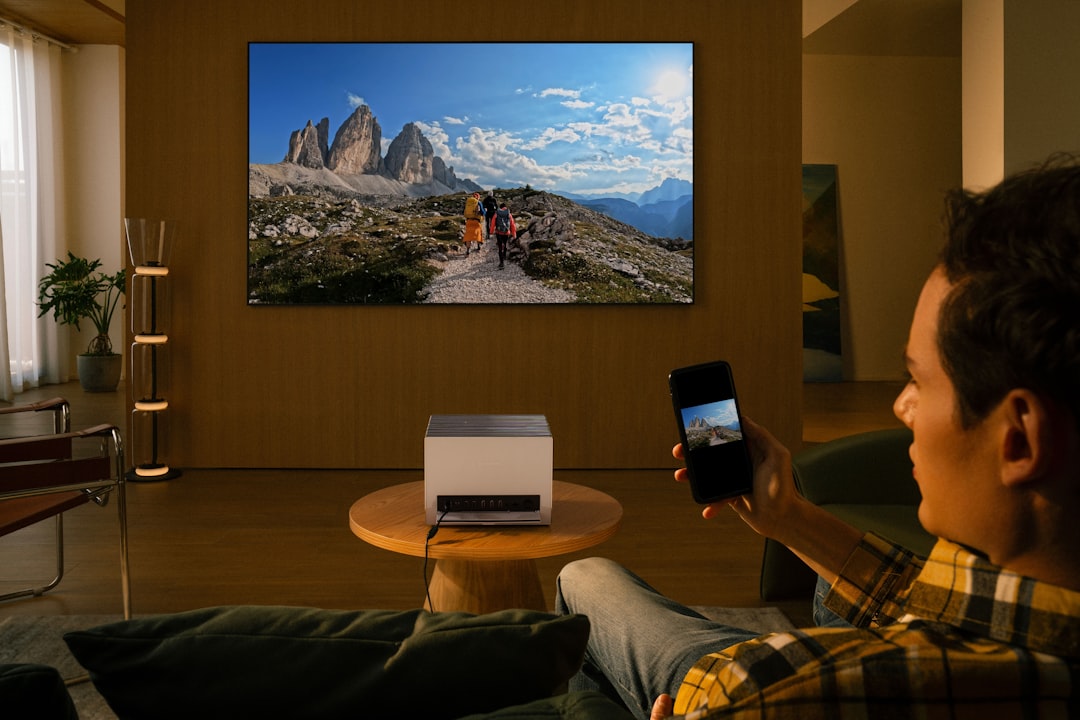
Modern televisions come equipped with a technology called automatic content recognition that tracks every piece of content displayed on screen, even from external devices. This viewing data is packaged and sold to advertising networks, allowing brands to build detailed profiles of household entertainment habits. Many manufacturers also embed microphones and cameras into their sets for voice control and video calling features, which can be accessed remotely if security protocols are weak. Default privacy settings on most smart TV models favor data collection rather than protection, requiring users to opt out manually.
Robot Vacuums
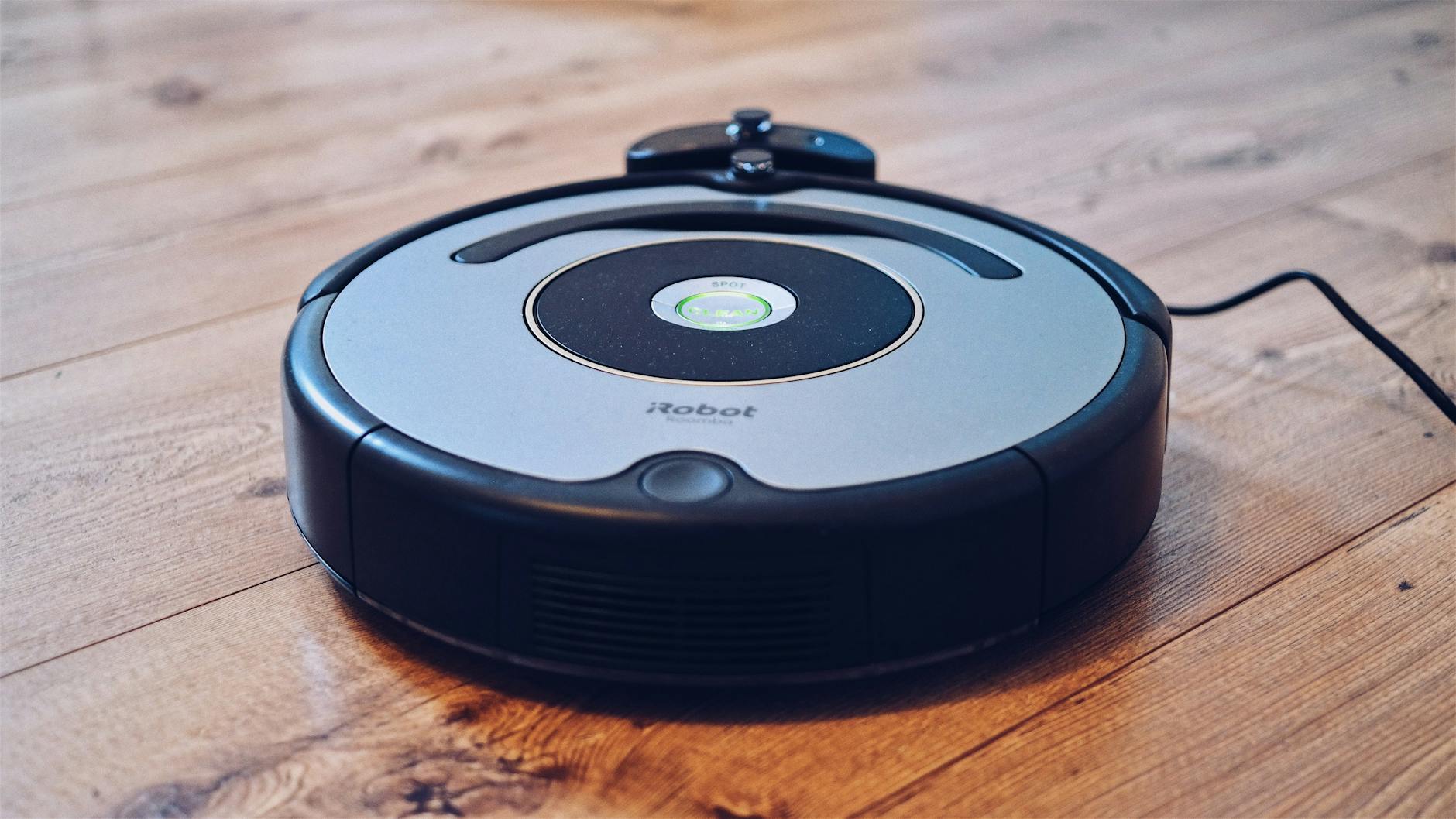
High-end robotic vacuums use sophisticated sensors and cameras to map the interior layout of your home with remarkable precision. These floor plans are uploaded to manufacturer servers and in some cases shared with third-party analytics partners. The spatial data collected reveals not just room dimensions but also details about furniture arrangements, personal belongings, and household routines. Security researchers have demonstrated that vulnerabilities in these devices can allow unauthorized access to live camera feeds and stored maps.
Smart Doorbells
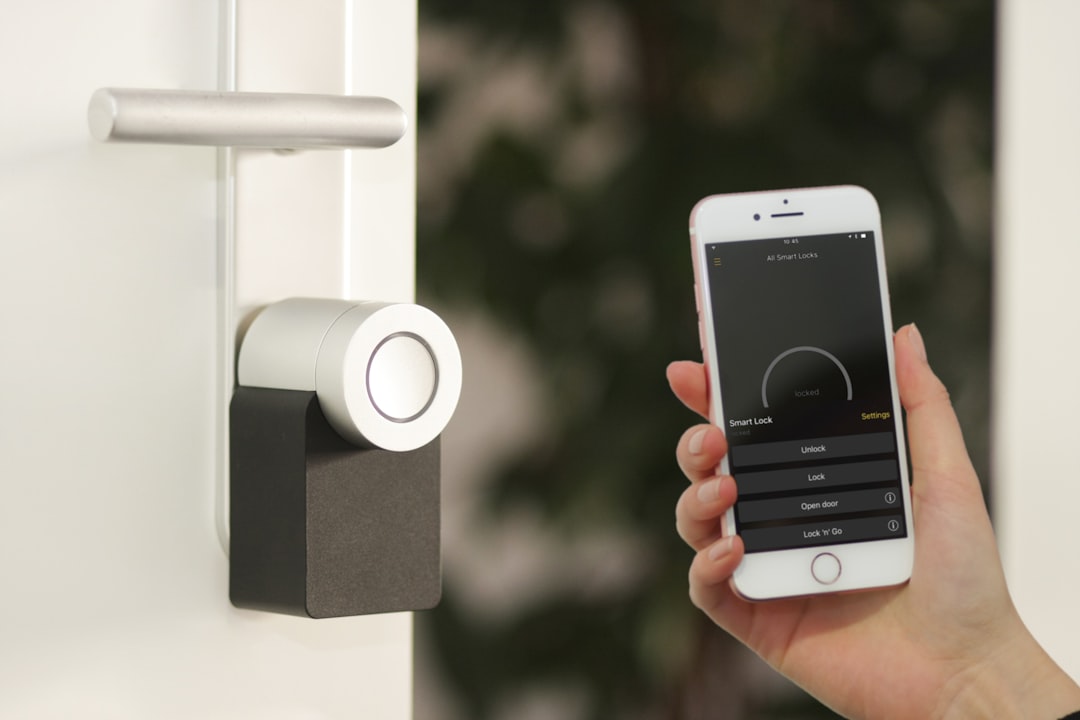
Video doorbells record continuous footage of public and semi-private spaces surrounding a home, capturing the movements of residents, guests, and passersby alike. Several major manufacturers have established data-sharing agreements with law enforcement agencies, meaning footage can be accessed without a warrant in certain jurisdictions. The facial recognition capabilities built into some models raise additional concerns about the passive collection of biometric data. Cloud storage of this footage introduces further risk, as breaches of manufacturer servers can expose months of recorded activity.
Fitness Trackers
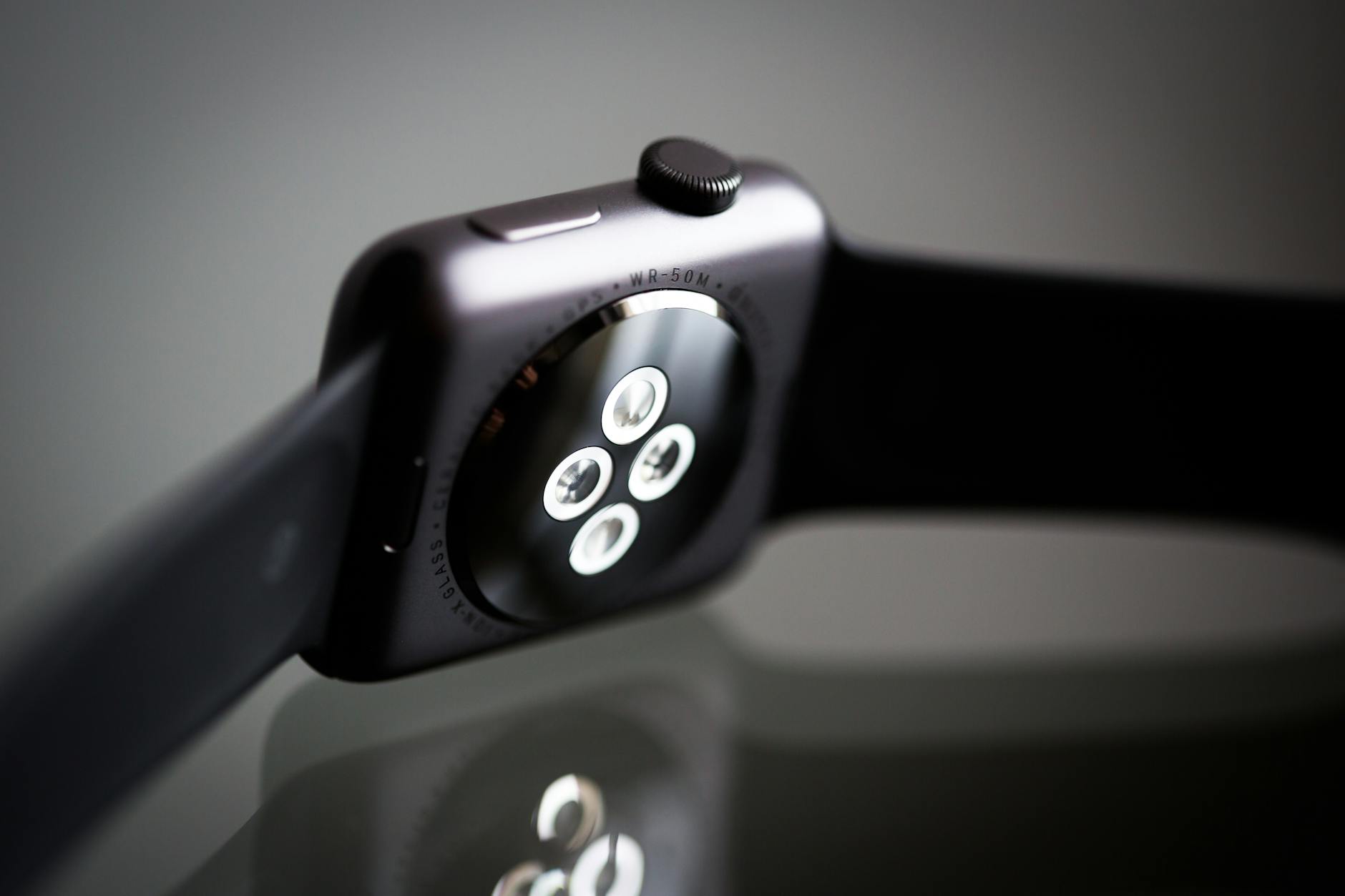
Wearable health devices collect an extraordinarily intimate range of biometric data including heart rate patterns, sleep cycles, menstrual tracking, stress indicators, and GPS movement history. This information is transmitted to and stored on manufacturer platforms that operate under privacy policies allowing broad commercial use of aggregated data. Insurance companies and employers have shown increasing interest in accessing fitness data, raising concerns about potential discrimination based on health metrics. The continuous nature of data collection means these devices build a remarkably detailed portrait of an individual’s physical life over time.
Smart Thermostats
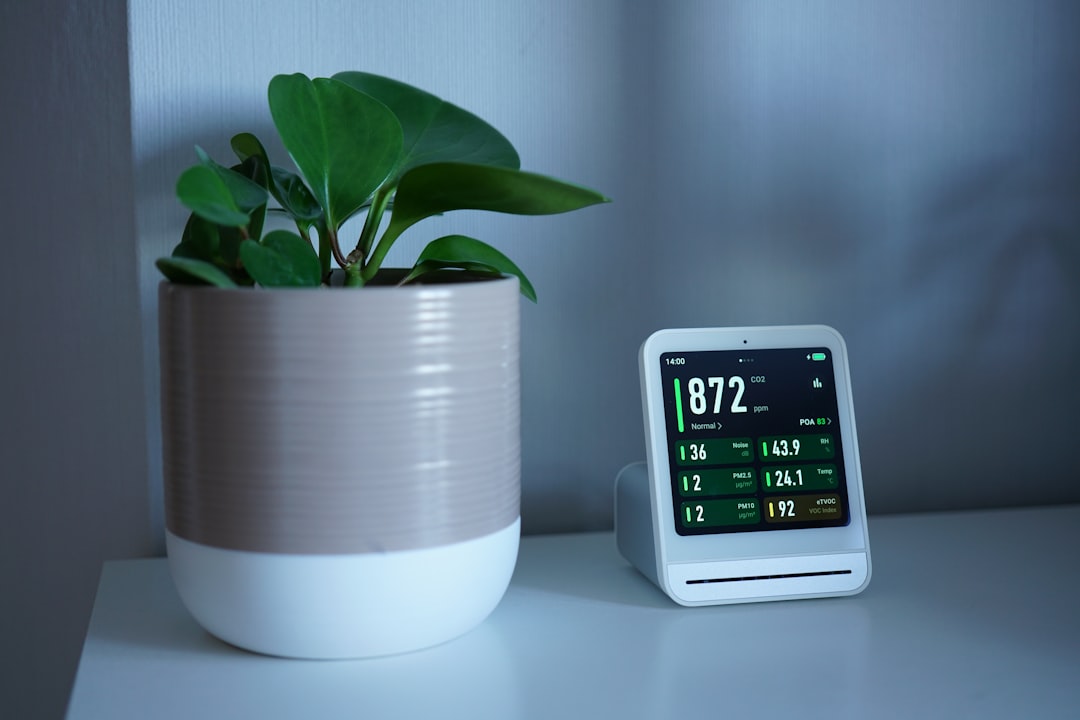
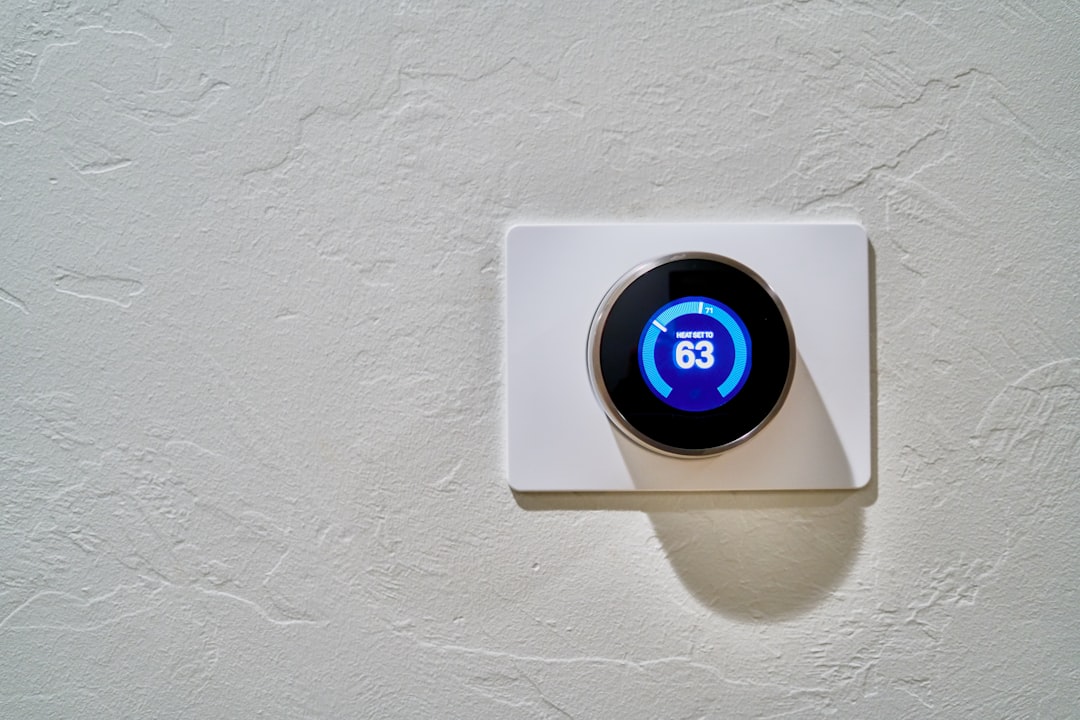
By learning household temperature preferences and occupancy patterns, smart thermostats create a detailed schedule of when people are home, asleep, or away. This behavioral data is highly valuable to marketers, insurance companies, and energy brokers who purchase it from device manufacturers. Some models integrate with broader smart home ecosystems, meaning occupancy data flows across multiple connected platforms simultaneously. A compromised thermostat account can reveal long-term patterns of daily life that extend far beyond simple temperature control.
Baby Monitors
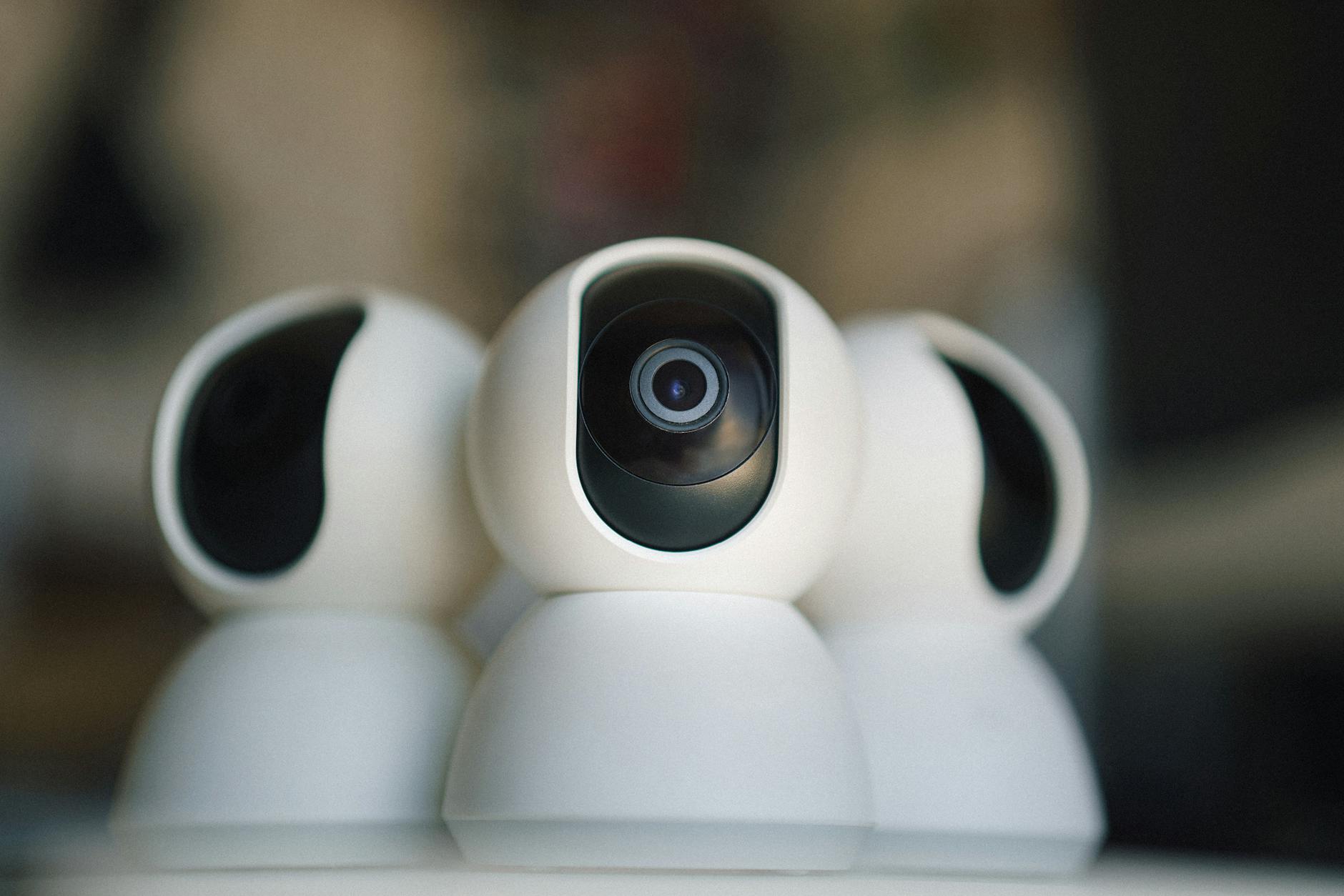
Internet-connected baby monitors are among the most frequently exploited smart home devices due to widespread use of weak default passwords and outdated firmware. Documented cases of unauthorized access include strangers speaking through the monitor’s speaker directly to children in their rooms. The video feeds from these devices offer an intimate view into the most private areas of a home and are transmitted over internet connections that may lack end-to-end encryption. Parents often prioritize convenience features over security settings, leaving these devices exposed for extended periods.
Smart Locks
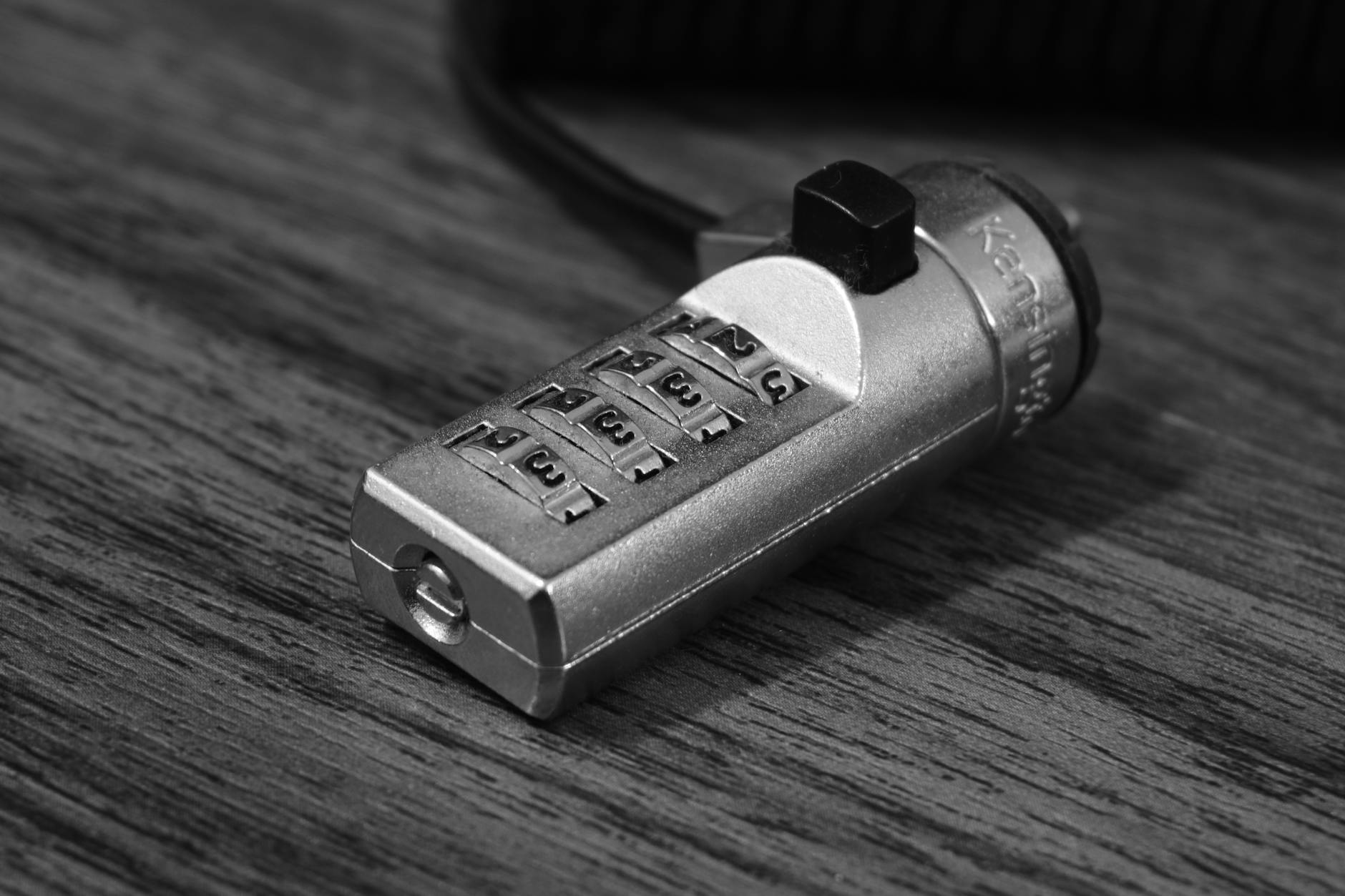
Connected door locks log every instance of entry and exit, creating a precise record of household movement that is stored on remote servers. Some models share this access data with building management companies, insurance providers, or smart home platform operators as part of their service agreements. Third-party integrations with delivery services and home-sharing platforms can introduce additional access points that expand the number of entities with visibility into your entry history. A security vulnerability in the lock’s firmware or companion app can give bad actors both digital and physical access to your home.
Voice Assistants
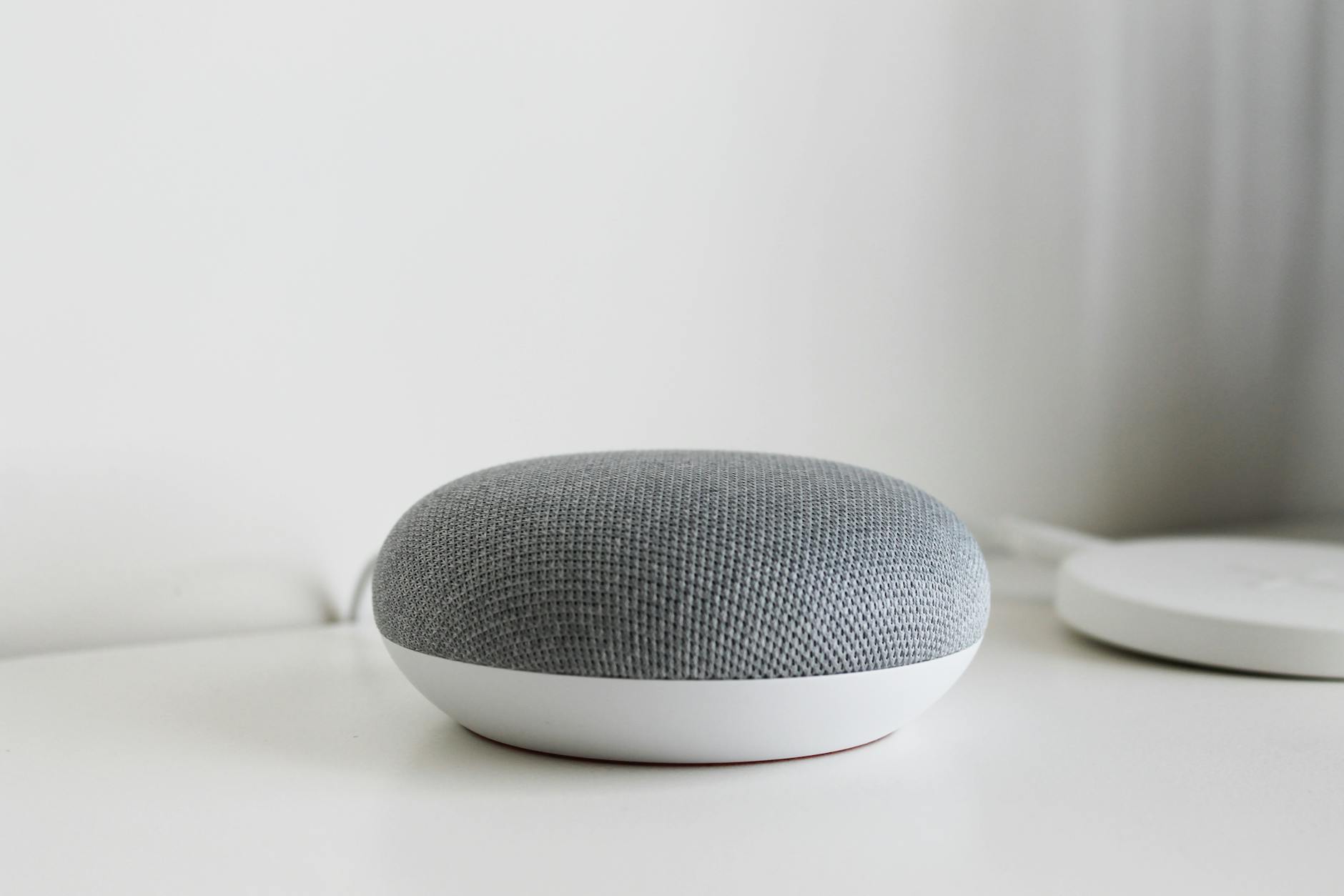
Beyond smart speakers, voice assistant technology is now embedded in smartphones, tablets, televisions, and appliances throughout the home, expanding the network of always-listening devices exponentially. Each platform maintains its own data retention policies, meaning voice data can be stored across multiple corporate ecosystems simultaneously. These platforms use conversational data not only to improve their own services but also to inform advertising targeting across all associated accounts and devices. The degree of passive audio capture that occurs in a voice-assistant-enabled home is difficult to fully quantify without access to server-side logs.
Smart Plugs
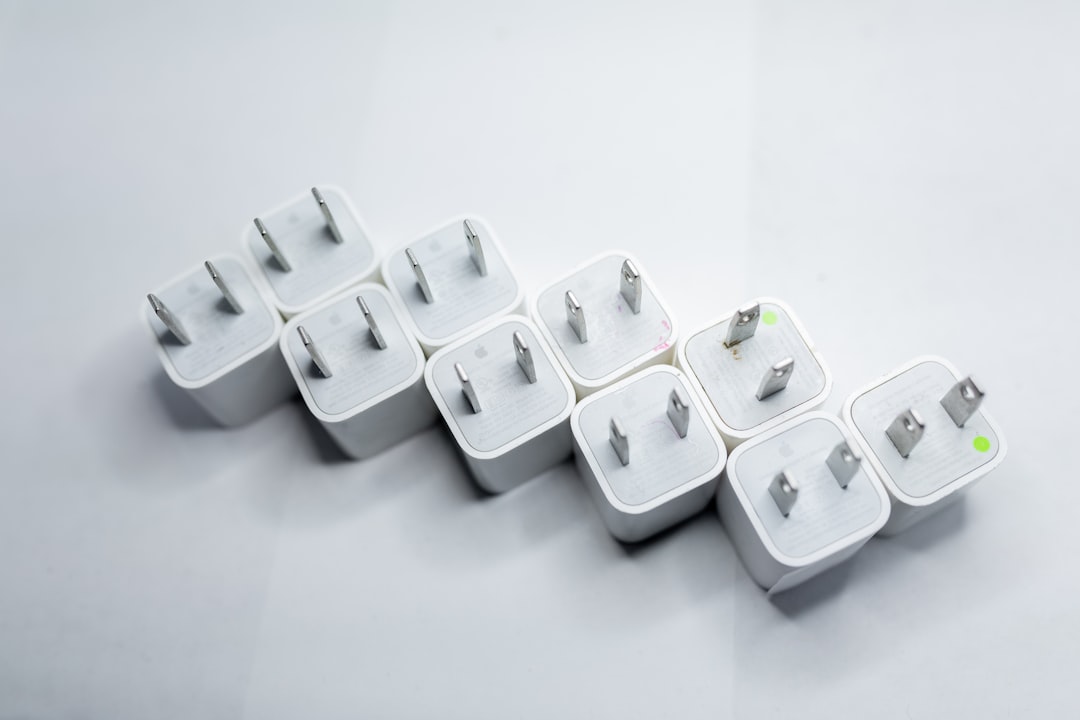
Wi-Fi enabled smart plugs monitor the power consumption of connected appliances, generating usage data that reveals detailed patterns about daily routines and device behavior. This energy data can indicate when residents wake up, cook meals, watch television, or go to sleep with surprising accuracy. Many budget smart plug brands have been found to transmit data to servers in countries with limited data protection regulations. Because these devices are small and easy to forget about, they often go unpatched and unmonitored long after installation.
Home Security Systems
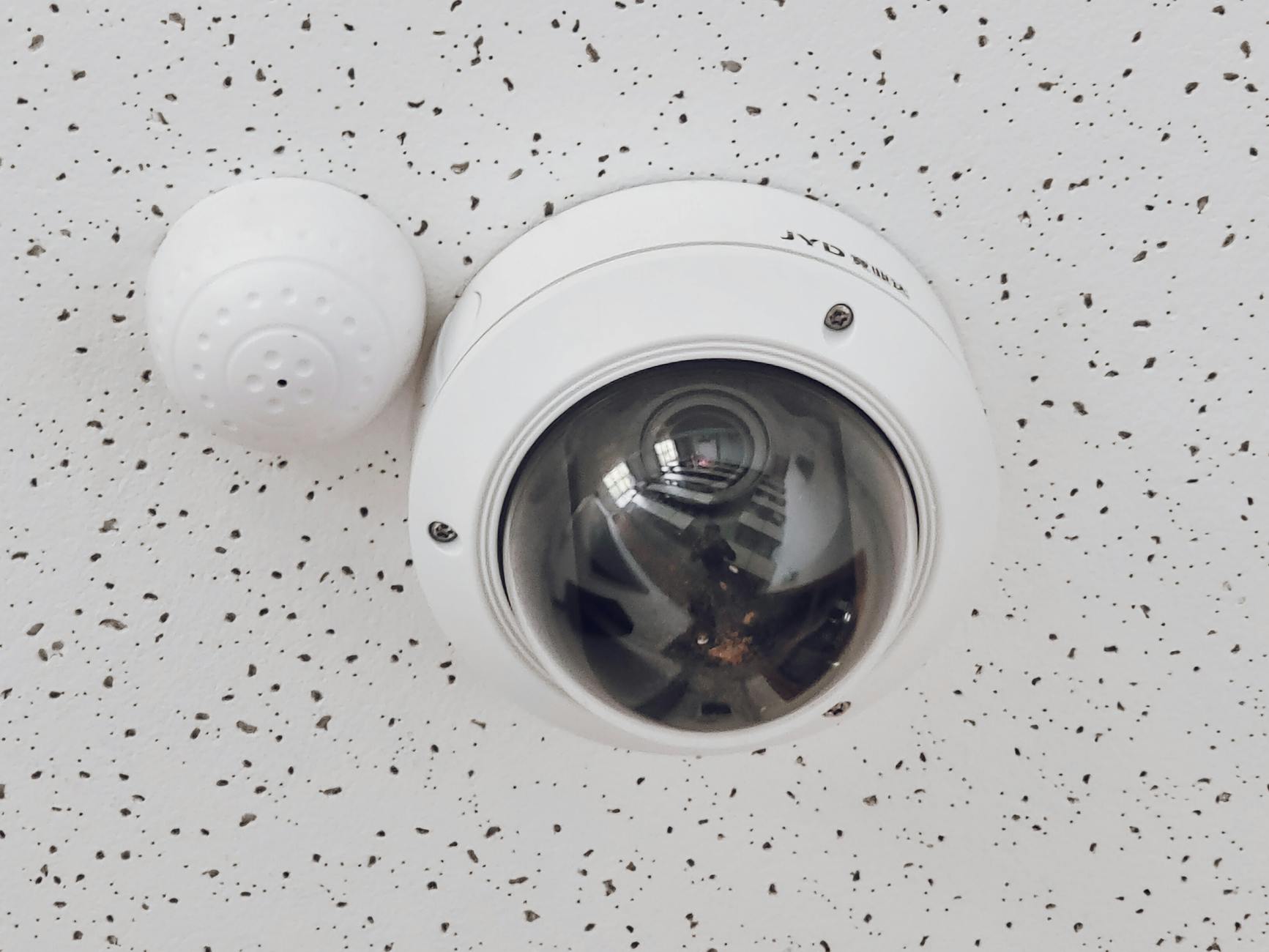
Professionally monitored smart security systems send continuous video feeds to remote monitoring centers staffed by third-party contractors with varying levels of vetting and oversight. The cameras installed throughout a home capture footage that is retained on company servers and subject to legal requests from government agencies. Integration with neighborhood watch platforms and public safety networks means footage can be shared beyond the original service agreement without explicit user consent. Subscription-based cloud storage models create a long-term archive of household activity that grows more sensitive over time.
Smart Appliances
Refrigerators, ovens, washing machines, and dishwashers with internet connectivity collect usage data that feeds into manufacturer analytics programs designed to improve products and inform marketing strategies. A connected refrigerator, for example, can track food purchase patterns through its internal camera system and share this data with grocery retail partners. These appliances are frequently overlooked in home cybersecurity reviews because users do not associate them with the same risks as phones or computers. Firmware updates for smart appliances are often irregular, leaving known vulnerabilities unaddressed for long periods.
Smart Lighting
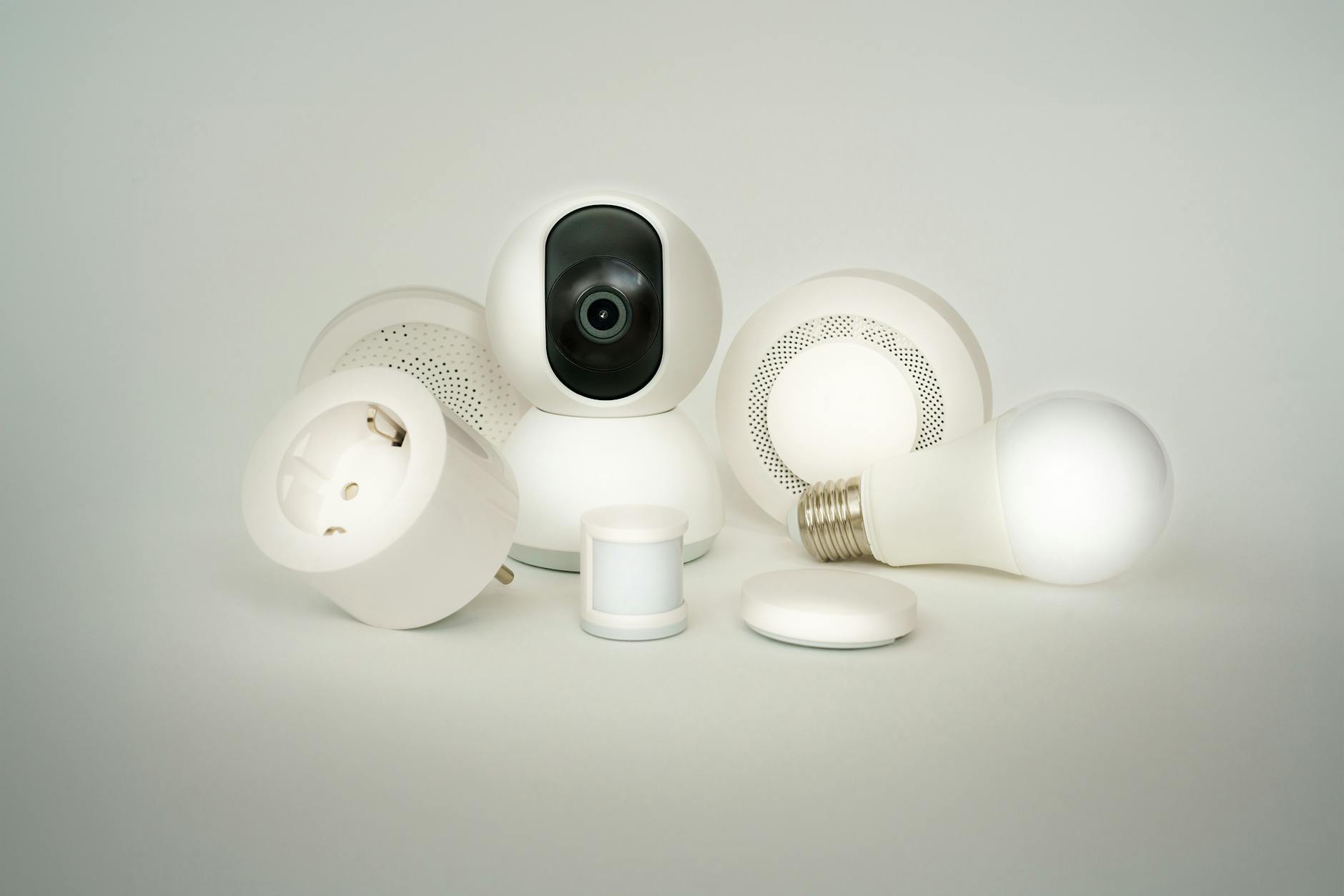
Connected lighting systems record granular data about when specific rooms are occupied and for how long, building a detailed map of household activity over days and weeks. This occupancy data is particularly attractive to insurance companies assessing home security risk profiles and to advertisers targeting time-sensitive promotions. Some smart bulb platforms have experienced significant data breaches, exposing the home network credentials stored within the devices themselves. Because lighting infrastructure is typically installed throughout an entire home, a compromised system provides comprehensive coverage of household routines.
Home Wi-Fi Routers
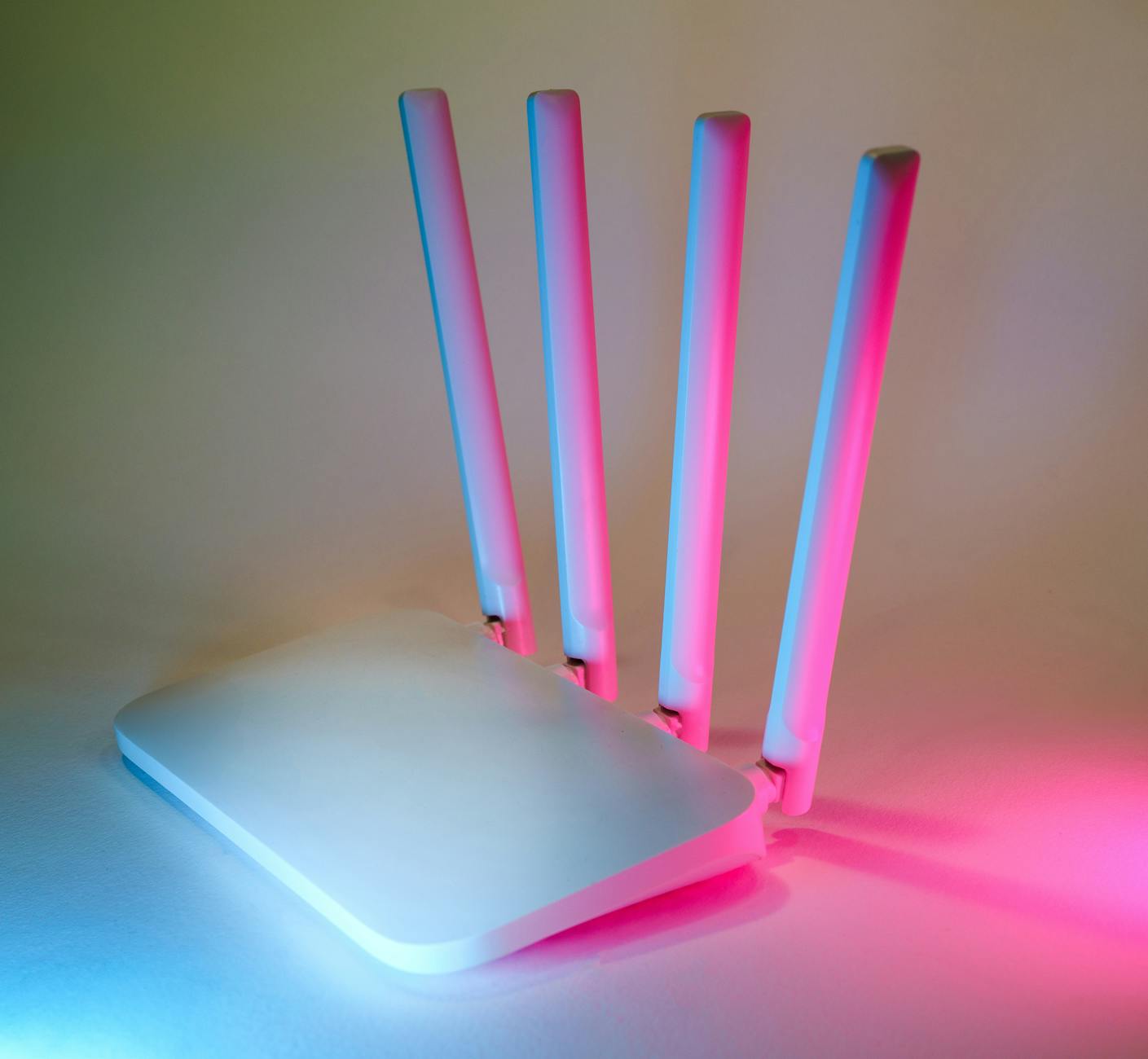
Smart routers with AI-powered features monitor all internet traffic passing through the home network, logging the websites visited, services accessed, and devices connected at any given time. Manufacturers of these devices frequently monetize this traffic data by selling anonymized but highly detailed browsing profiles to advertising networks. Parental control features, while valuable, rely on deep packet inspection technology that effectively means the router is reading the content of internet communications. The router sits at the center of every other smart home device’s connectivity, making it one of the highest-value targets for both data brokers and malicious actors.
Smart Cameras
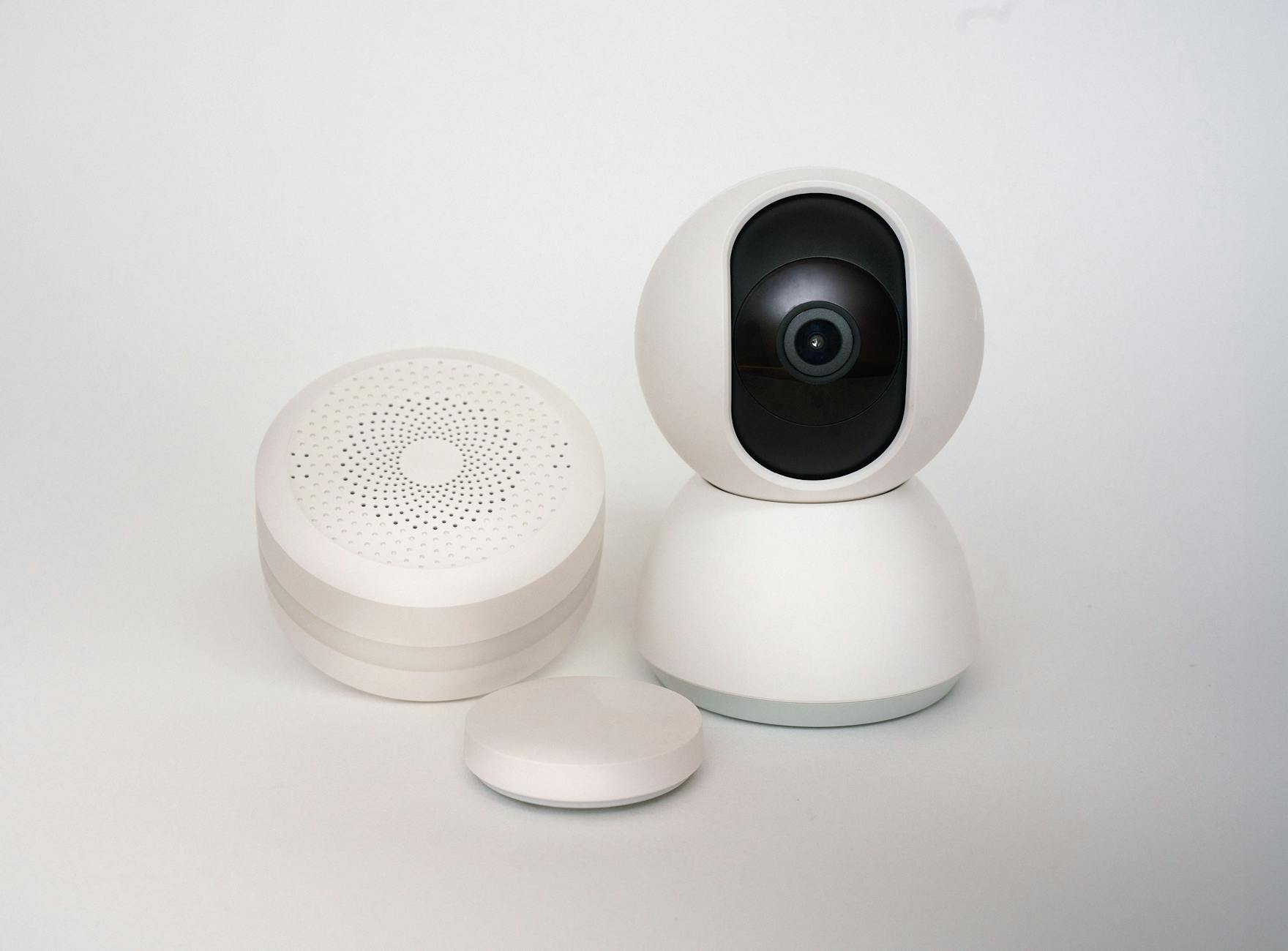
Indoor and outdoor smart cameras operate on rolling cloud storage systems that retain footage far beyond what many users realize, sometimes for thirty days or more depending on subscription tier. The manufacturers of these cameras have faced significant scrutiny over the use of facial recognition algorithms that can identify and tag individuals appearing in footage without their knowledge or consent. Employee access to live and recorded feeds for quality assurance purposes is a documented practice at several major providers, meaning household footage is not exclusively private. End-to-end encryption remains absent from many consumer camera products despite being a technically feasible and widely requested security feature.
If you have discovered ways your own smart devices have surprised you with their data practices, share your experience in the comments.