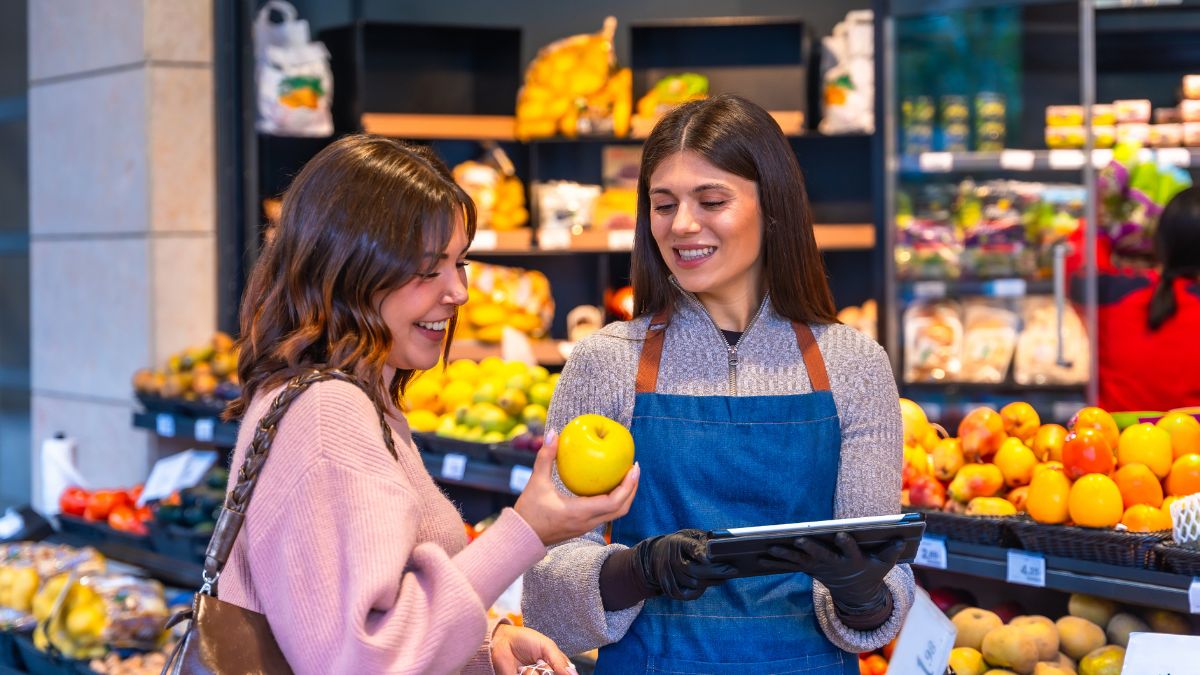
Supermarkets are masterfully engineered environments designed to influence every decision you make from the moment you walk through the door. The layout, lighting, music, and even the temperature are all carefully calibrated to keep you browsing longer and spending more than you planned. Understanding these psychological and spatial tactics can help you shop with greater awareness and protect your wallet. Here are seventeen clever ways your grocery store is working against your budget without you even realizing it.
Store Layout

The overall floor plan of a supermarket is never accidental. Essential items like milk, eggs, and bread are deliberately placed at the back or far corners of the store, forcing shoppers to walk through as many aisles as possible. This extended journey dramatically increases the chances of picking up unplanned items along the way. Every turn and pathway is designed to maximize exposure to products you did not come in for.
Eye-Level Shelving
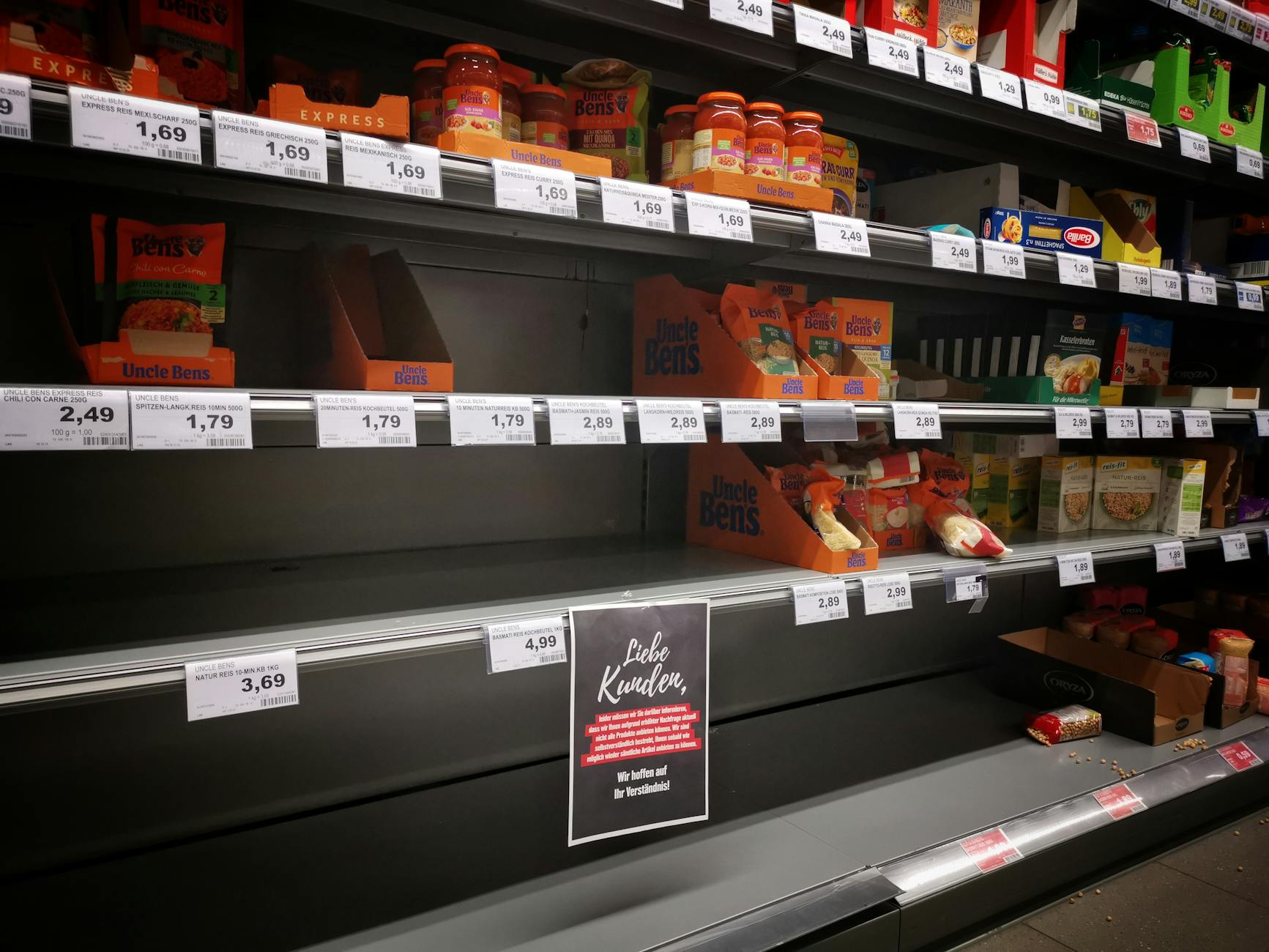
Product placement on shelves follows a strict hierarchy of profitability. The most expensive and highest-margin items are positioned directly at adult eye level, making them the first thing a shopper sees and reaches for. Budget-friendly alternatives and store-brand products are typically pushed to the lower or upper shelves where they are harder to notice. This simple arrangement quietly nudges shoppers toward premium purchases without any obvious pressure.
Shopping Carts
The oversized shopping cart is one of the most powerful spending tools in a supermarket’s arsenal. Studies consistently show that people fill whatever container they are given, and a large cart creates a psychological sense that the basket is never quite full enough. This leads shoppers to add more items simply to feel satisfied with their haul. Smaller hand baskets, when available, tend to result in lower overall spend per visit.
Background Music

The tempo and genre of music playing throughout a store has a measurable effect on shopper behavior. Slow, relaxing music encourages customers to move at a leisurely pace and spend more time browsing each aisle. Upbeat music tends to increase walking speed and can be used during peak hours to manage foot traffic. Supermarkets invest in curated playlists specifically engineered to match the shopping experience they want to create.
Loss Leaders
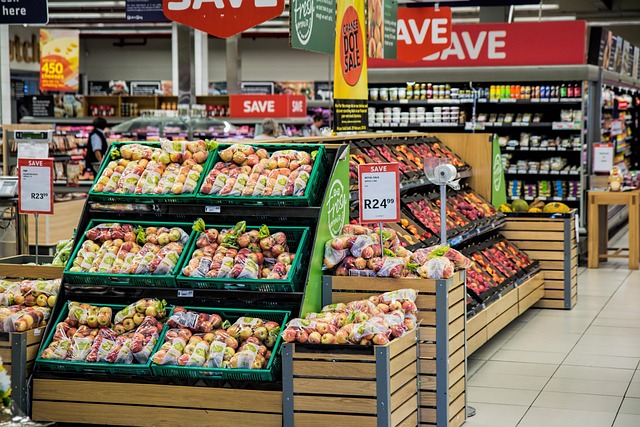
Supermarkets regularly advertise a small selection of products at very low prices or even below cost to draw customers through the door. These promotional items, known as loss leaders, are designed to create the impression that the entire store offers outstanding value. Once inside, shoppers are surrounded by regular and premium-priced products that restore and exceed the retailer’s profit margins. The heavily discounted rotisserie chicken or half-price cereal is rarely the whole story.
Loyalty Cards
Rewards programs create a compelling sense of value that keeps shoppers returning to the same store week after week. The data collected through these cards is extraordinarily detailed, tracking every purchase to build a precise profile of individual shopping habits. Retailers use this information to send targeted promotions that are almost impossible to resist because they align with known preferences. The psychological pull of accumulating points can lead shoppers to spend more than they save.
Checkout Zones
The area surrounding the checkout is one of the most densely profitable zones in any supermarket. Impulse items like chocolate bars, magazines, chewing gum, and small snacks are positioned here to capture last-minute decisions while shoppers wait in line. These products carry some of the highest profit margins in the store and require almost no active selling. The captive audience of waiting customers makes this placement particularly effective.
Bakery Placement
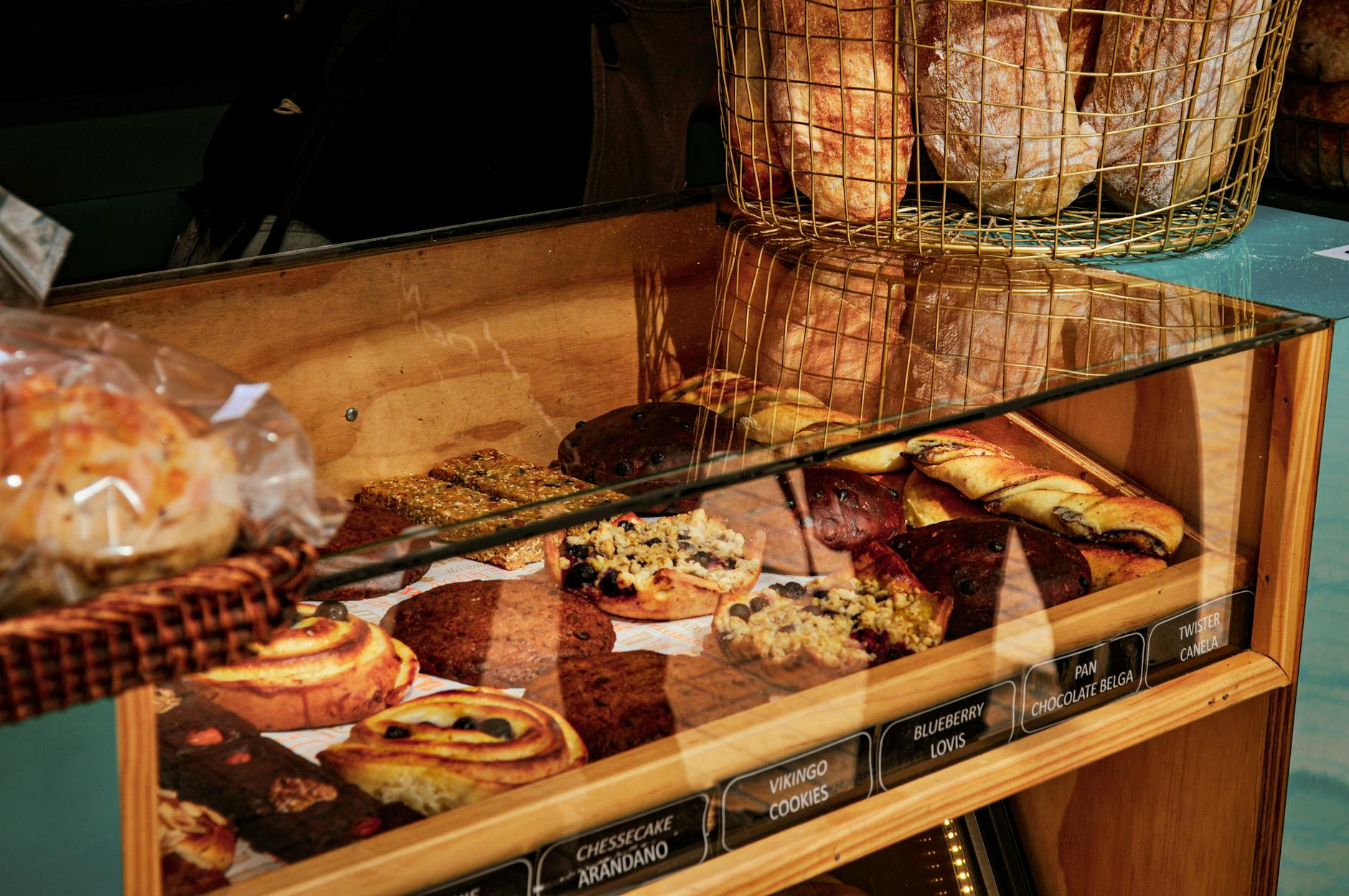
The in-store bakery is almost always positioned near the entrance or along a primary traffic route for a very specific reason. The aroma of freshly baked bread and pastries triggers hunger and creates an immediate sense of warmth and comfort. Hungry shoppers are well-documented to spend significantly more than those who shop on a full stomach. The scent itself functions as an invisible advertisement that begins working before a customer has even seen a single product.
Sale Signage
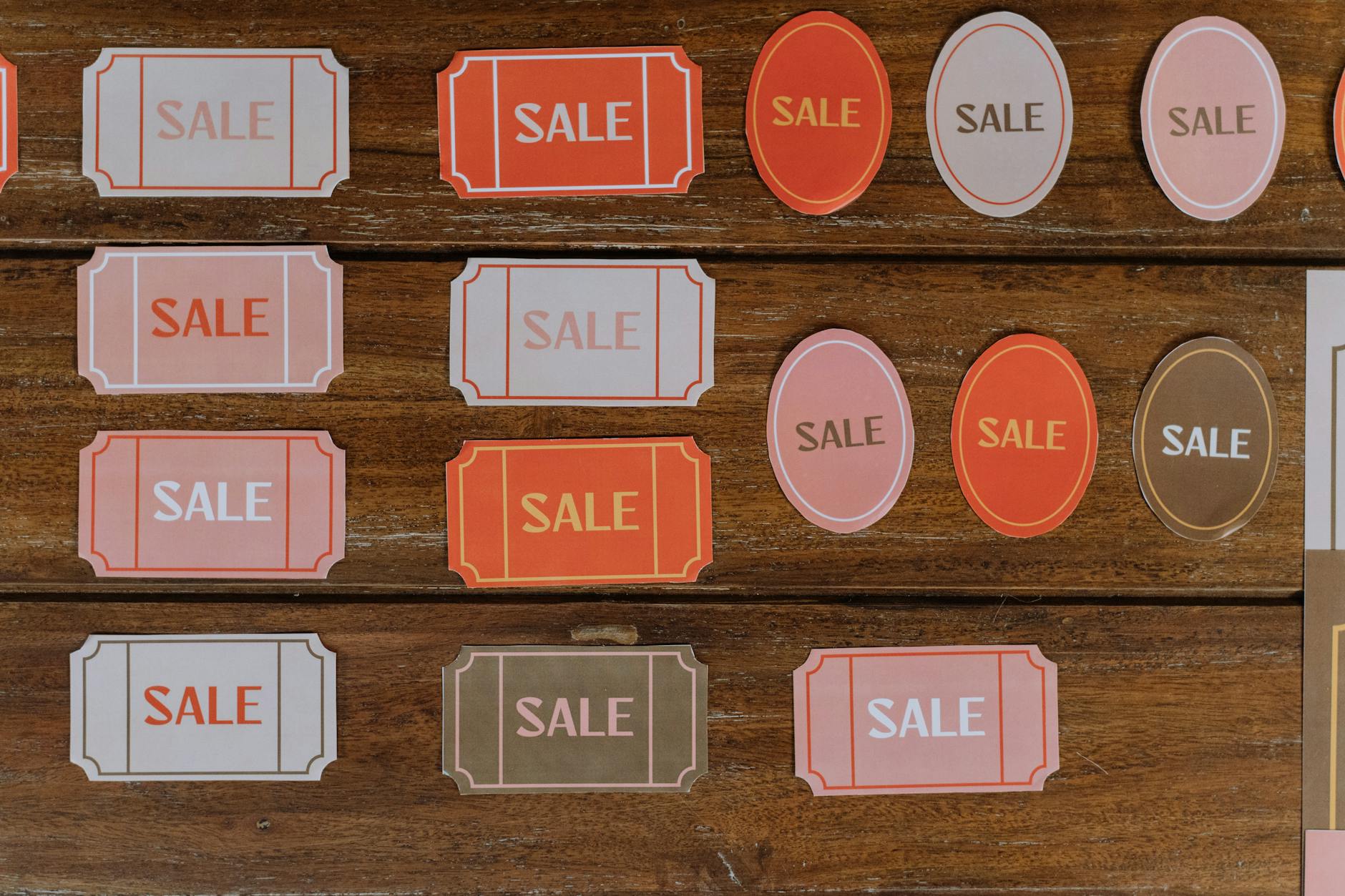
Bright red or orange sale tags create a powerful visual cue that signals urgency and exceptional value. Not every item bearing a sale sticker has been meaningfully reduced in price, and some are only marginally cheaper than their regular retail cost. The sheer volume of promotional signage in a typical supermarket creates a baseline assumption that great deals are everywhere. This perception encourages shoppers to buy more, reasoning that stocking up on a “deal” is always wise.
Multi-Buy Offers

Promotions structured around buying in multiples are a classic tactic used to increase the number of units sold per visit. An offer framed as “3 for £5” feels like a bargain even when buying a single item at the regular price would cost less overall. Many shoppers do not pause to do the individual unit math while navigating a busy store. The formatting of these deals is carefully worded to create the appearance of savings while increasing the total basket spend.
Produce Placement
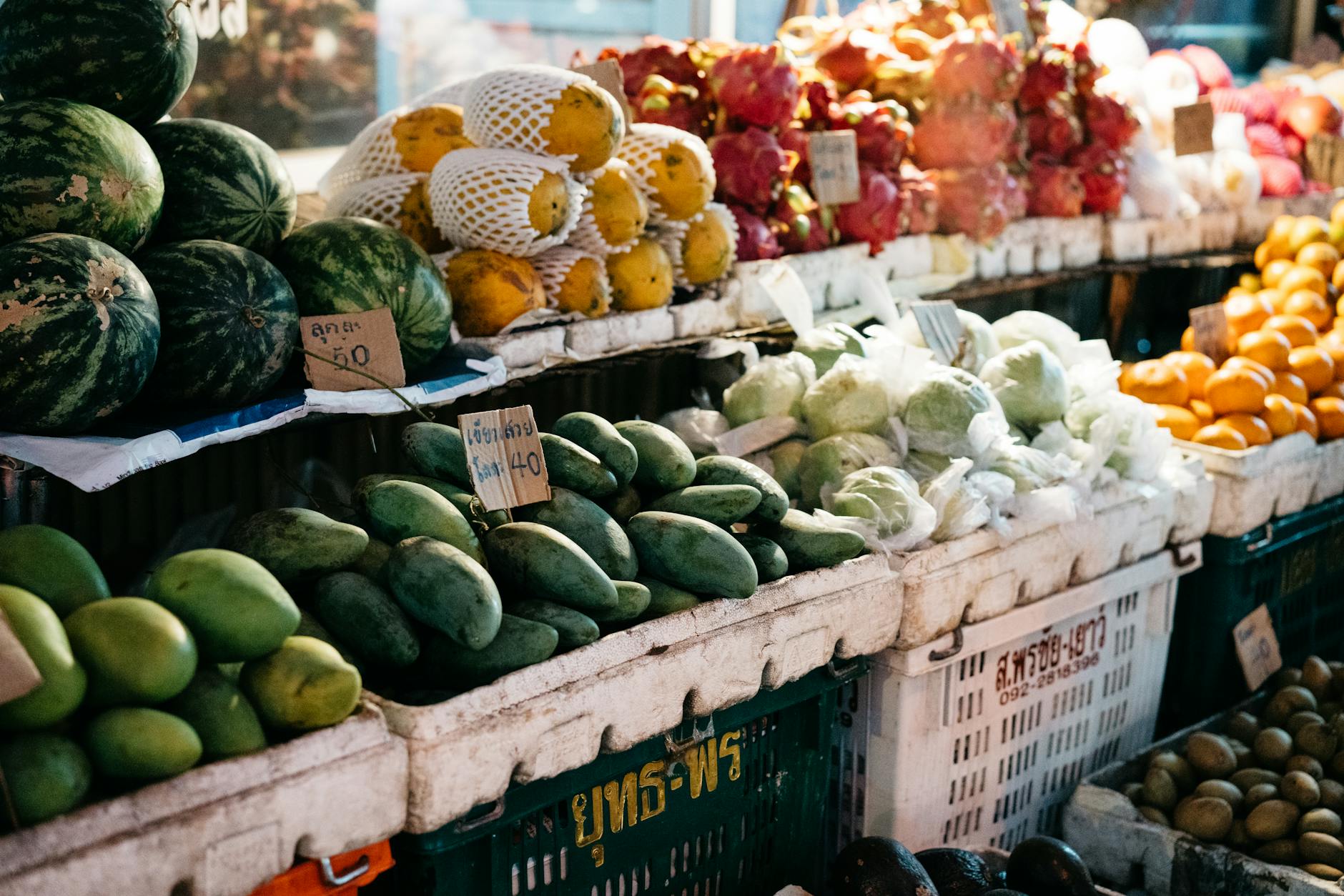
Fresh fruit and vegetables are typically positioned at the very entrance of a supermarket, creating a specific first impression. The vibrant colors and natural abundance trigger positive emotions and create a halo effect that makes the entire store feel wholesome and trustworthy. Shoppers who begin their visit feeling good about their choices are statistically more likely to treat themselves to less healthy or more indulgent items further along. The healthy start essentially grants psychological permission to splurge later.
Free Samples
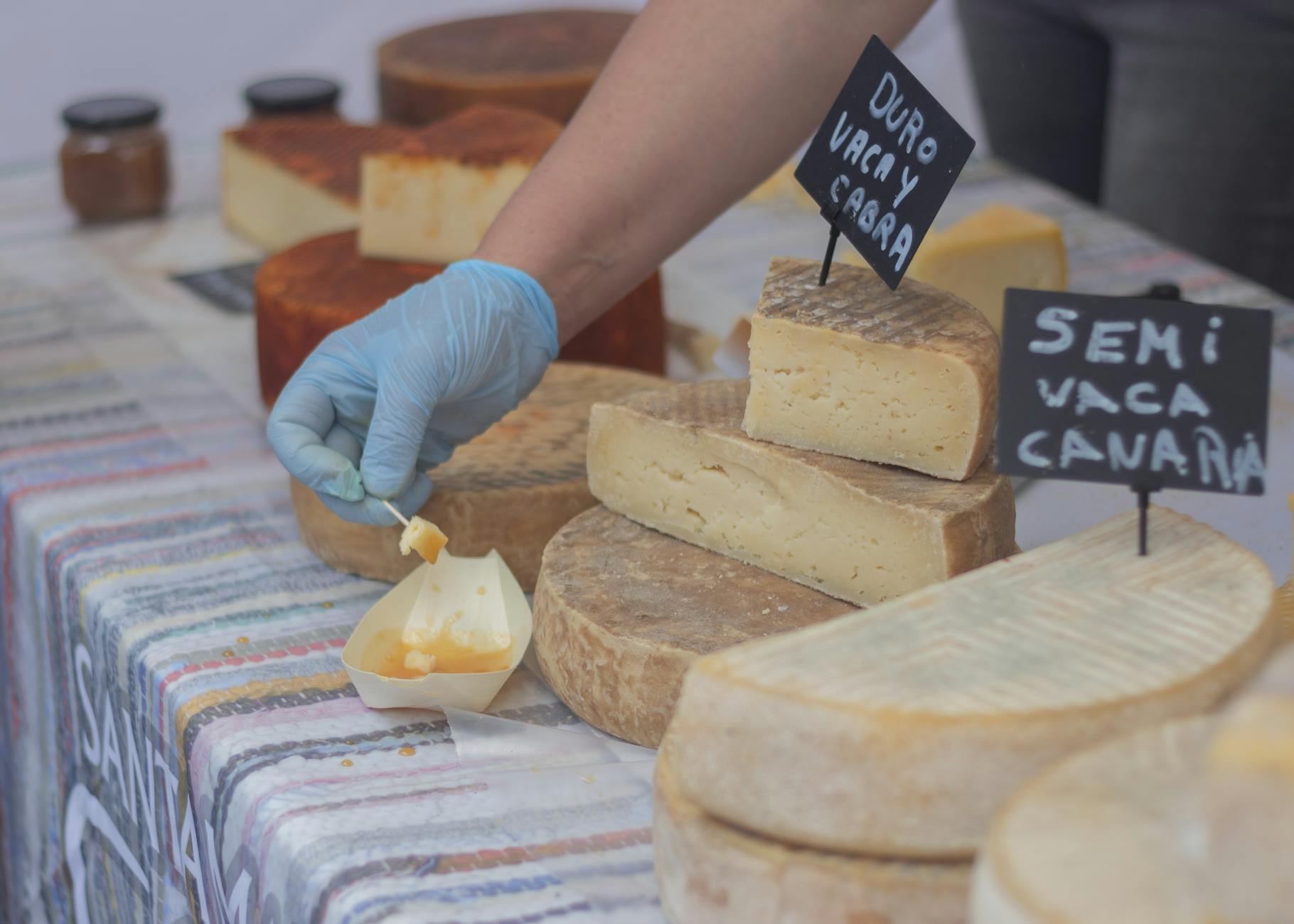
Tasting stations and free samples are far more than a generous gesture from a brand or retailer. The principle of reciprocity is deeply embedded in human psychology, creating a subtle sense of obligation to purchase after receiving something for free. Samples also reduce the perceived risk of trying a new product, removing the hesitation that might otherwise prevent a purchase. Sales of sampled products can increase dramatically on the days the sampling station is active.
Digital Price Tags
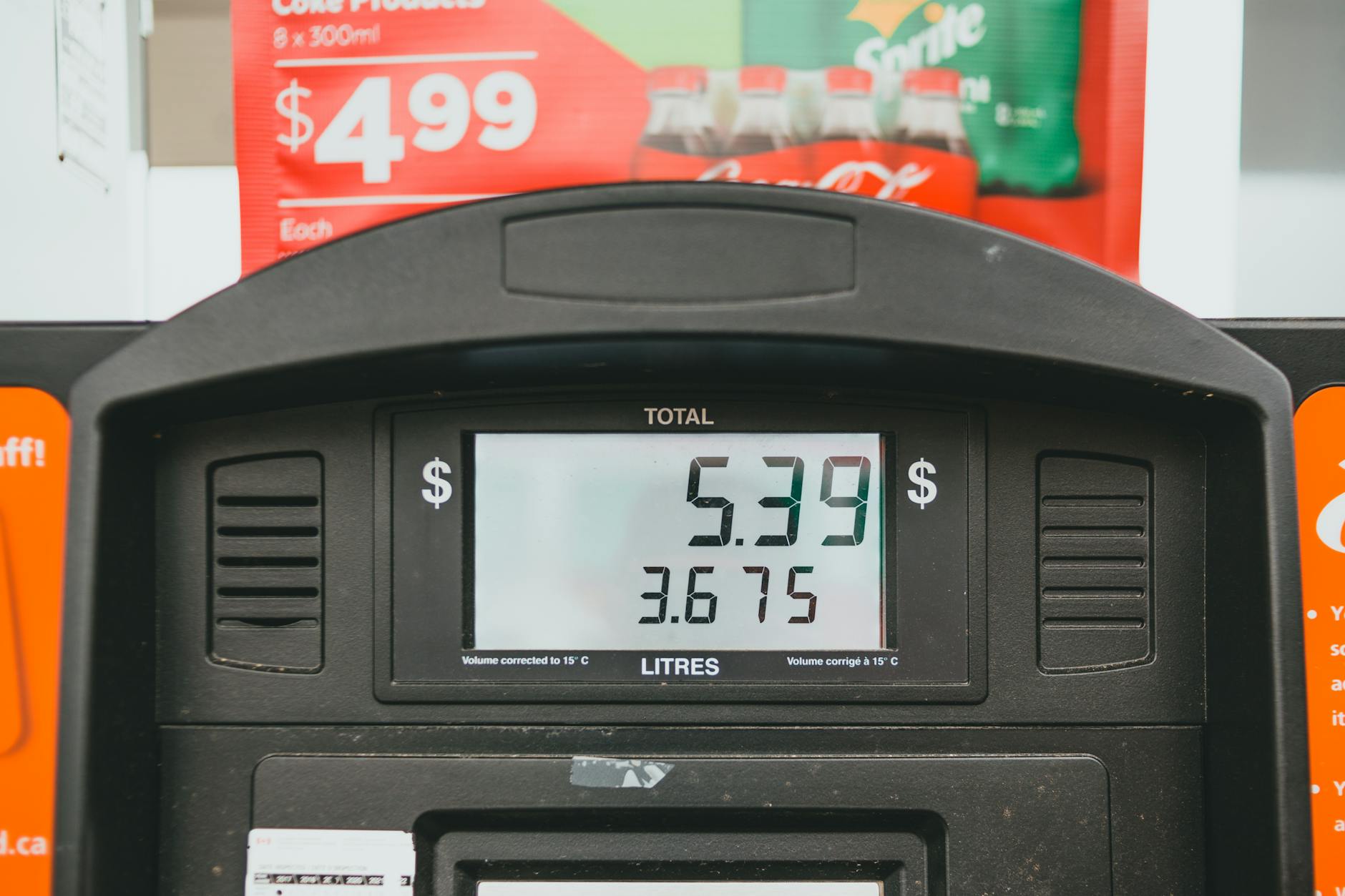
Electronic shelf labels and digital price displays allow supermarkets to update pricing with remarkable speed and precision. Prices can be changed multiple times throughout the day in response to demand, stock levels, or competitor activity. This dynamic pricing model makes it increasingly difficult for shoppers to compare historical prices or notice when a product has quietly become more expensive. The familiar format of a price tag lends an air of stability that the underlying system does not always reflect.
Scarcity Messaging
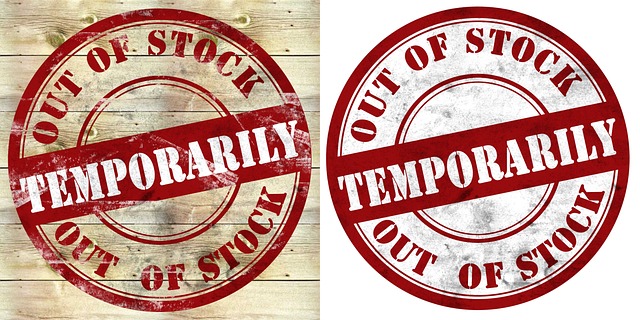
Labels reading “only 3 left” or “limited stock” introduce an element of urgency that bypasses rational decision-making. The fear of missing out on a product is a powerful motivator that can push a shopper to add an item to their cart without properly considering whether they need it. This tactic is especially effective on promotional items where demand is already elevated. The manufactured sense of scarcity creates pressure to act quickly rather than pause and evaluate.
Lighting Design
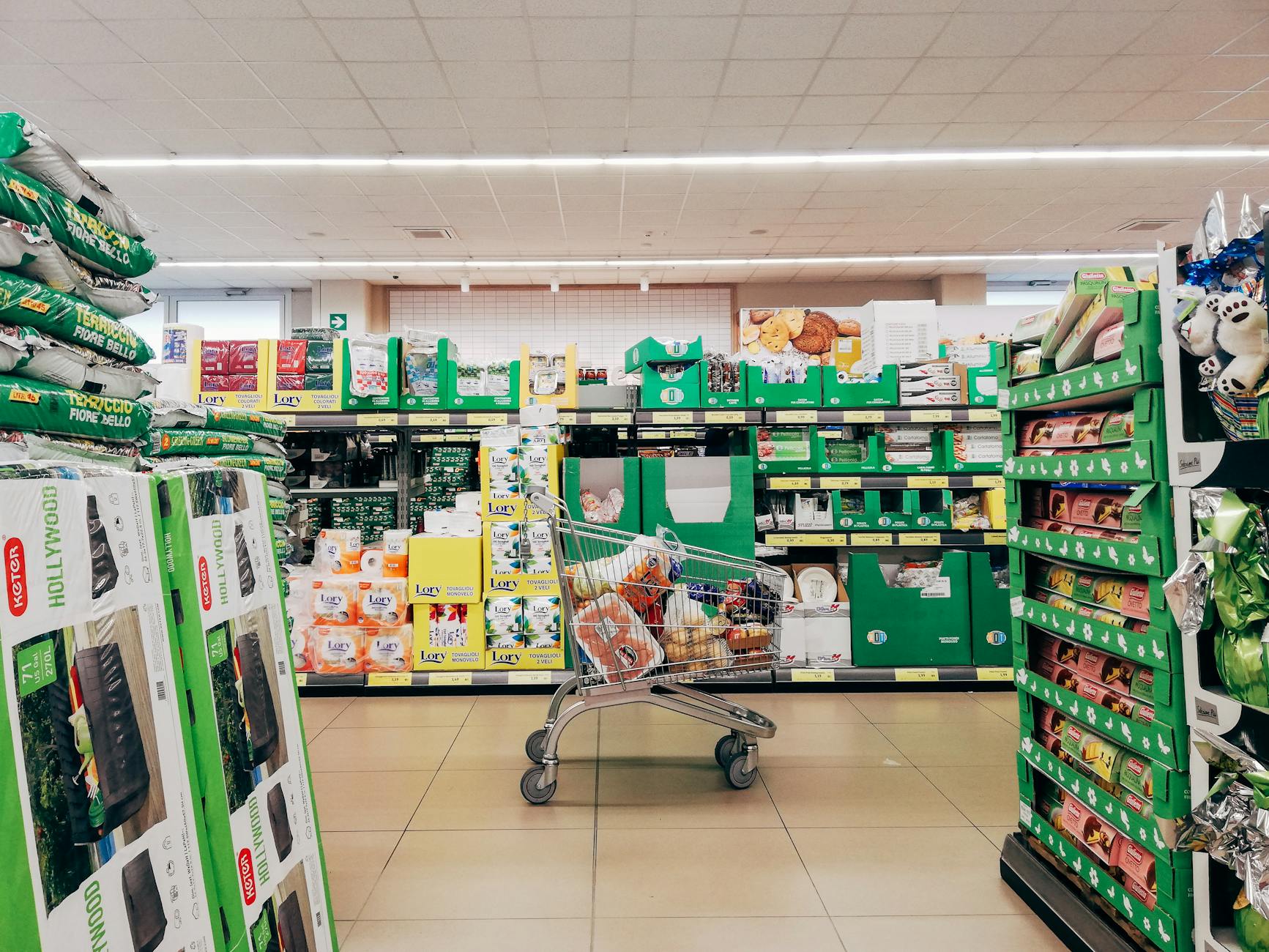
Different sections of a supermarket are lit in strategically distinct ways to enhance the appeal of specific products. Warm amber lighting in the bakery and deli sections makes food appear more golden and appetizing. Cool blue-white lighting in the produce and seafood areas communicates freshness and cleanliness. These subtle environmental choices influence perception and make products look more premium than their packaging alone might suggest.
Store-Brand Packaging

Own-brand or generic products have undergone a significant design transformation in recent decades. Many supermarket labels now closely mimic the color schemes, typography, and overall aesthetic of leading name brands, creating visual similarity that can cause confusion in the moment of purchase. Shoppers moving quickly through an aisle may pick up the own-brand version believing it to be their usual product, or conversely, assume the store brand is of lower quality based on outdated assumptions. The premium redesign of generic labels has blurred the line between value and branded tiers considerably.
End-Cap Displays
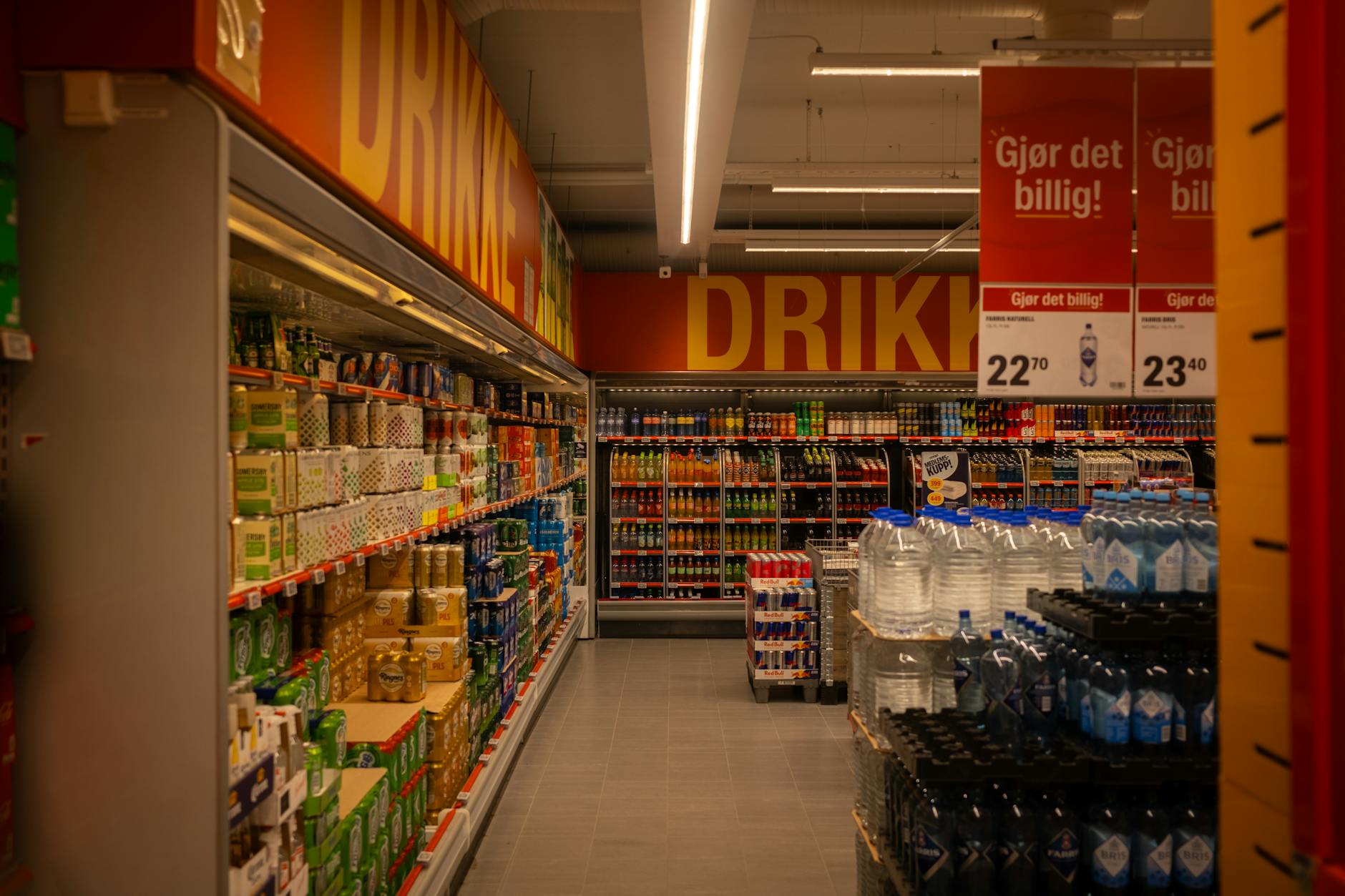
The ends of supermarket aisles are among the most valuable pieces of retail real estate in any store. Products placed on these end-cap displays receive a disproportionate level of shopper attention simply because of their highly visible position. Brands pay significant fees to secure this placement, and the products featured here are not always on sale despite the prominent positioning. Many shoppers associate end-cap placement with a promotional deal, even when no discount exists.
Have you ever caught your supermarket using one of these tactics on you? Share your experience in the comments.