The landscape of wedding traditions has shifted dramatically over the last ten years as couples prioritize personalization over rigid formality. Old expectations regarding financial obligations and guest list protocols have given way to more flexible and inclusive practices. Modern celebrations now reflect the unique values of the couple rather than strictly adhering to the rulebooks of previous generations. This evolution allows for more authentic experiences that feel meaningful to everyone involved in the special day.
The Financial Contribution Model

The antiquated expectation that the bride’s family must cover the entire cost of the wedding has largely disappeared. Modern couples often fund the celebration themselves or split the expenses three ways with both sets of parents. This shift grants the couple greater creative control over their venue choices and guest list size. Financial conversations now happen openly to establish a budget that works for all contributing parties.
The Digital Invitation Standard
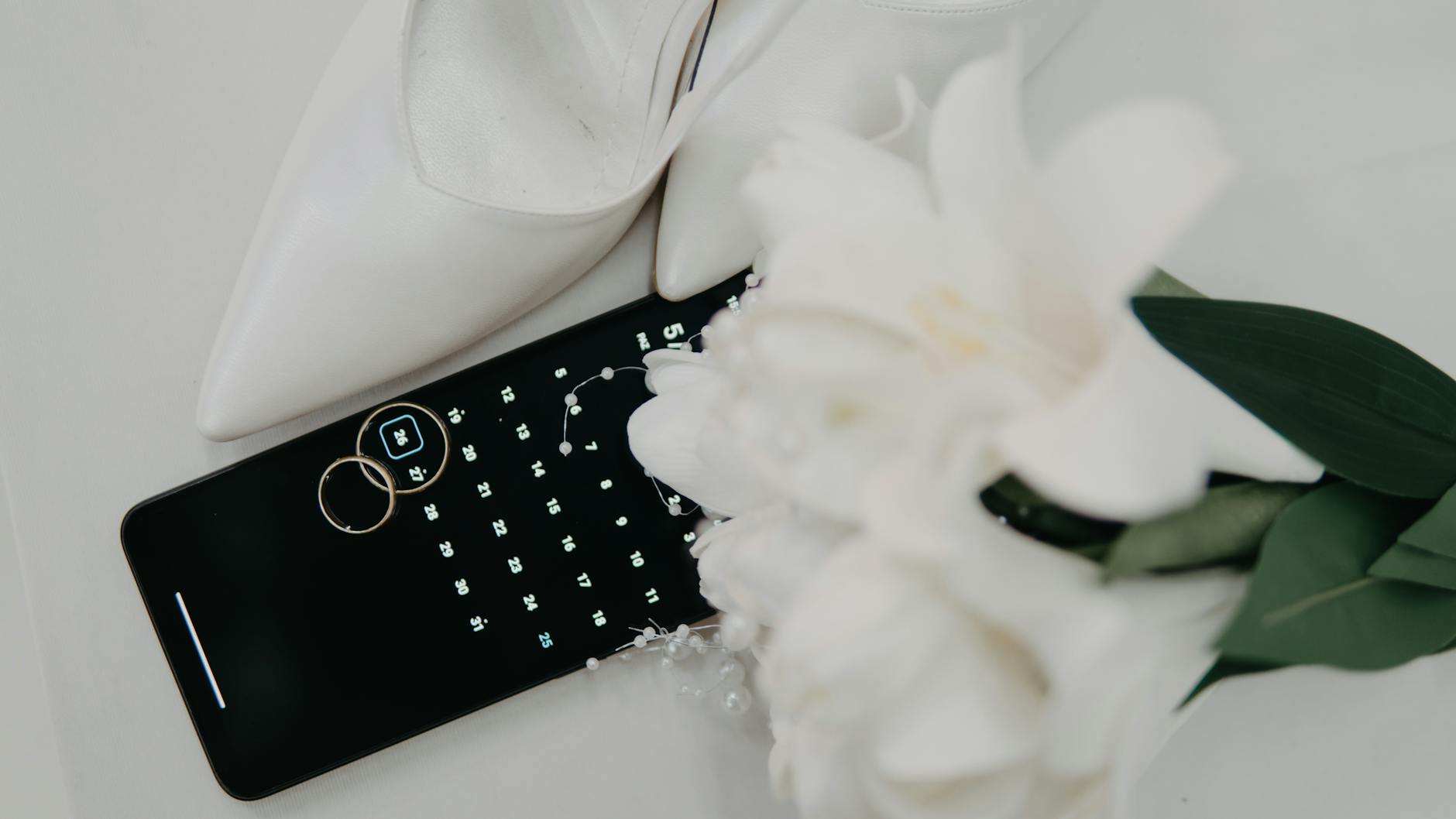
Paper invitations are no longer the only acceptable method for requesting the presence of guests. High-quality digital invitations have become a practical and eco-friendly alternative for even formal events. These platforms allow for instant RSVP tracking and easy communication of last-minute details. Couples often use a wedding website to house all logistical information instead of mailing multiple enclosure cards.
The Cash Registry Acceptance
Asking for money was once considered a major faux pas but is now a standard practice. Couples frequently set up “honeymoon funds” or “house down payment funds” on their registry platforms. Guests appreciate knowing their contribution is going toward a significant life goal rather than a physical object. This practical approach aligns with the reality that many couples already live together and possess household essentials.
The Contextual Plus-One Policy

The rigid “no ring no bring” rule has been replaced by a more nuanced approach to guest list management. Couples now extend plus-ones based on the seriousness of a relationship rather than marital status. It is perfectly acceptable to invite single guests solo if budget or venue capacity is tight. Clear communication on the invitation envelope eliminates confusion about exactly who is invited.
The Adult-Only Celebration
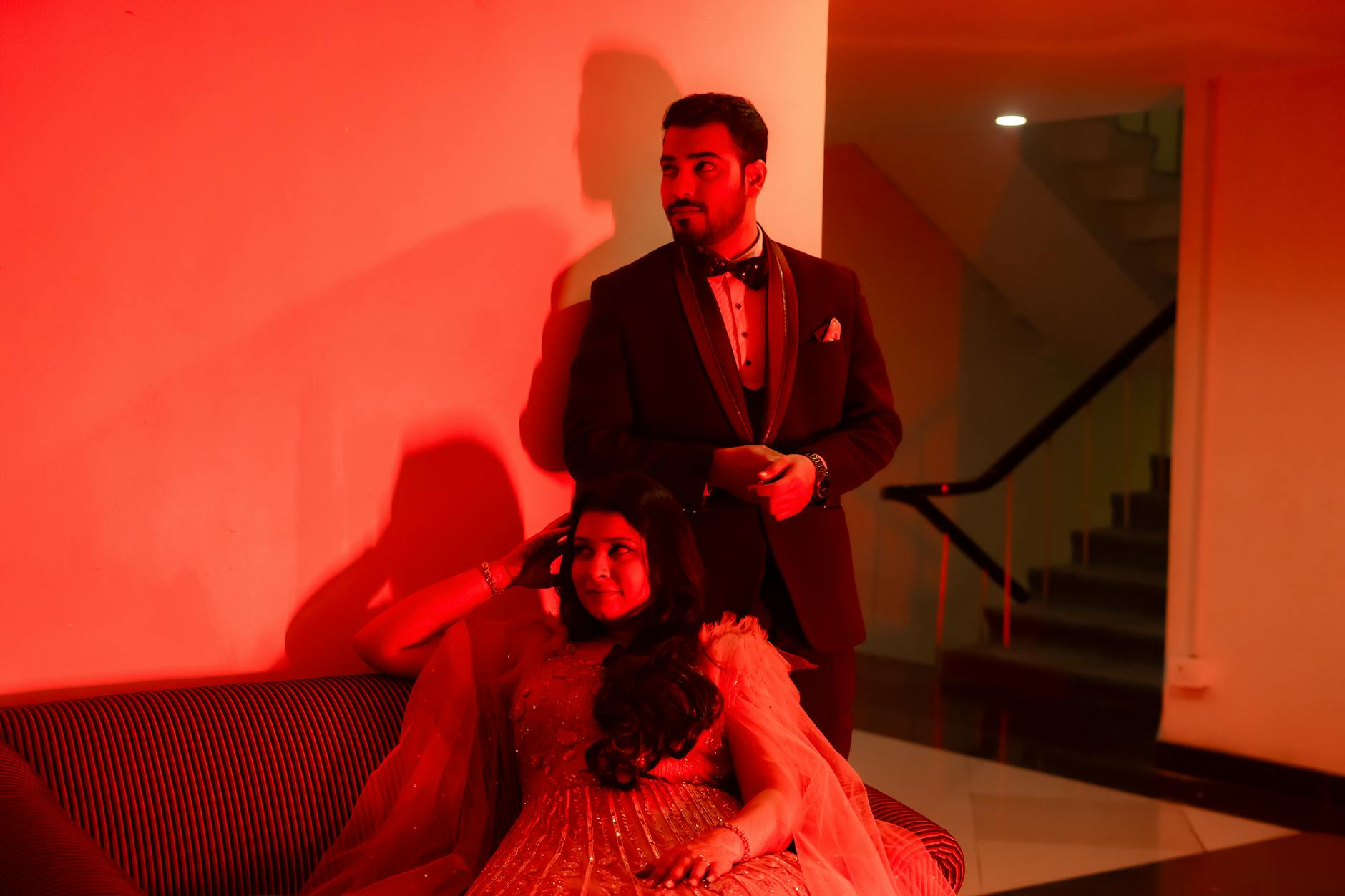
Couples are increasingly comfortable hosting weddings that exclude children to ensure a more sophisticated atmosphere. This decision is stated clearly on the wedding website to give parents ample time to arrange childcare. Guests generally respect this boundary and view the event as a night off from parenting duties. The focus remains firmly on the adult experience without the need for kid-friendly entertainment or menus.
The White Dress Code Exception

Guests wearing white was once the ultimate insult to the bride but this rule has softened significantly. Some couples explicitly request an all-white dress code for a chic and monochromatic aesthetic. Bridesmaids frequently wear white or ivory gowns that complement the bride rather than contrast with her. Context is key and guests should only wear white if specifically asked to do so by the couple.
The Declining Receiving Line
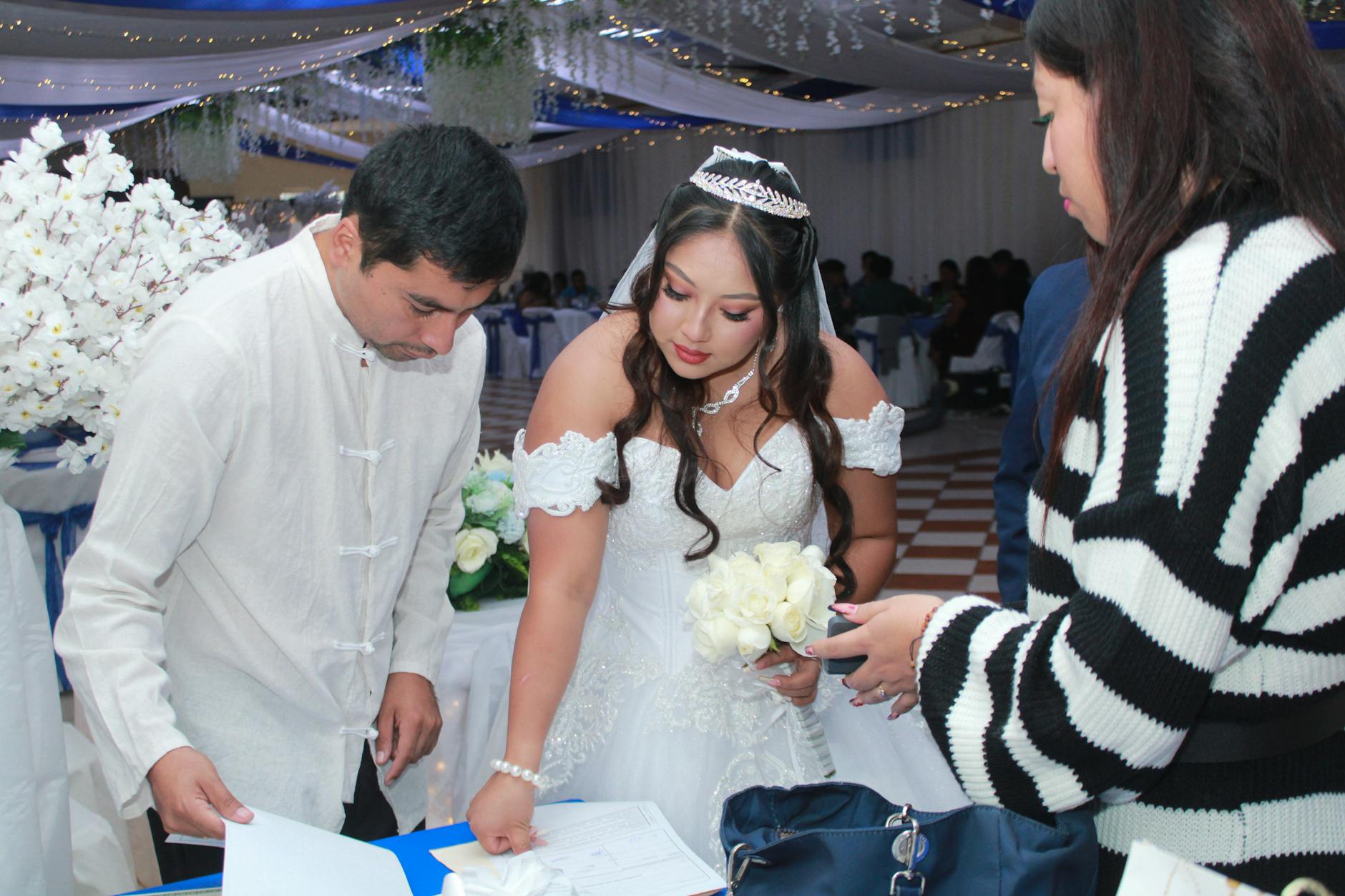
The formal receiving line is vanishing as couples prefer more organic ways to greet their guests. Spending an hour standing in a row has been replaced by visiting tables during dinner or attending the cocktail hour. This change allows the couple to actually enjoy the food and drink they paid for. It creates a more relaxed flow where interactions feel natural rather than obligatory.
The Unplugged Ceremony
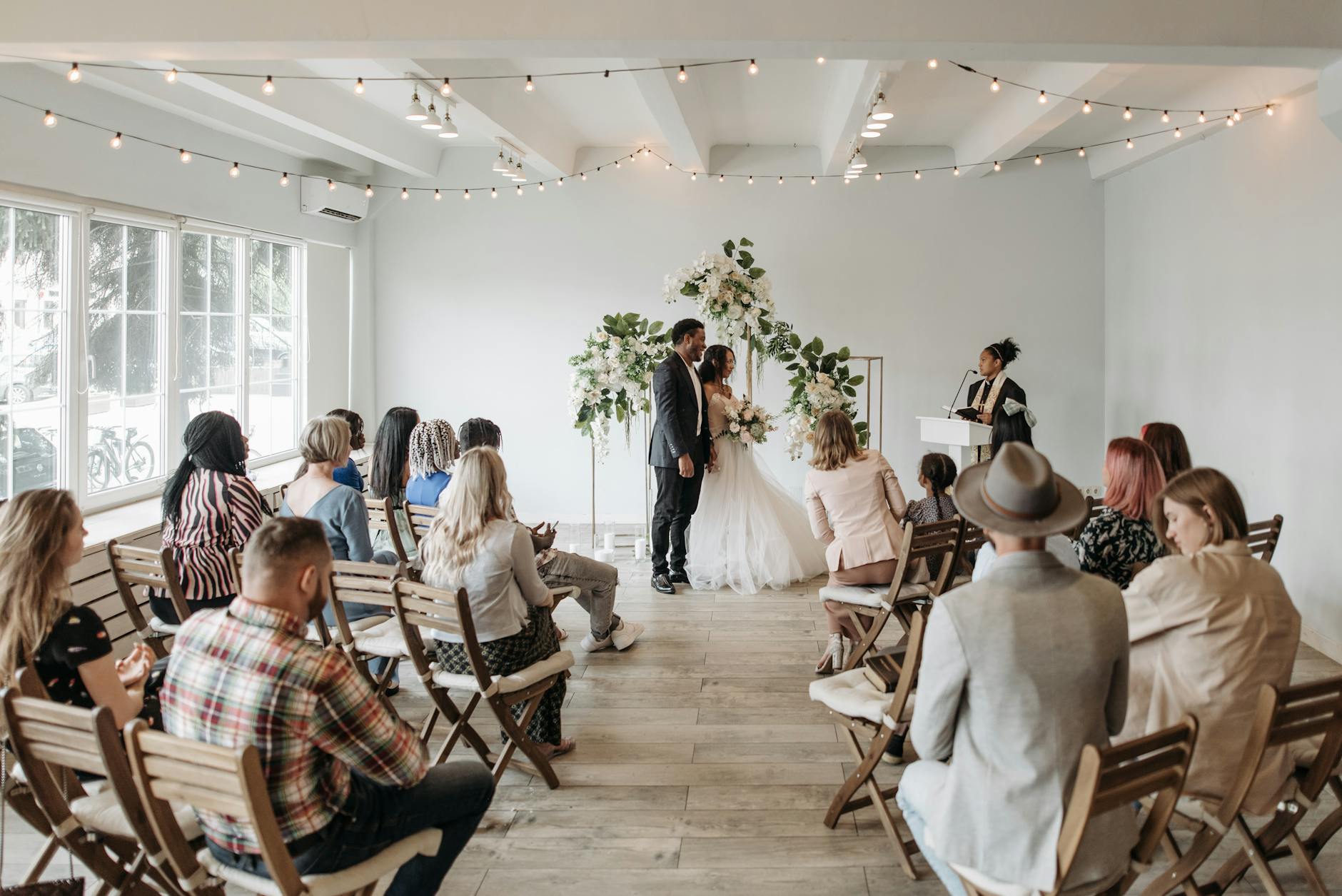
Couples now frequently ask guests to silence and put away their phones during the vows. This ensures that professional photographers have a clear view without a sea of screens blocking the aisle. Signage at the entrance or a brief announcement by the officiant sets this expectation respectfully. The goal is to encourage guests to be fully present in the moment rather than viewing it through a lens.
The Mixed-Gender Wedding Party
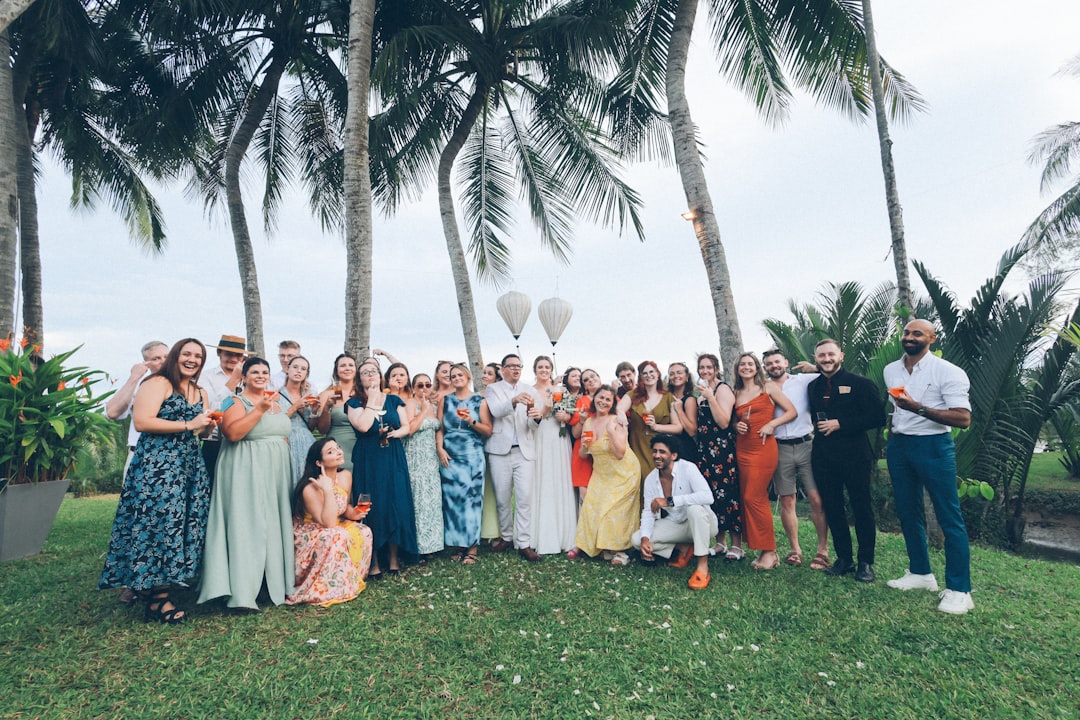
The strictly gendered division of bridesmaids and groomsmen is no longer a requirement for the wedding party. Brides often include male friends as “bridesmen” while grooms include female friends as “groomsmaids” or “grooms-women”. Standing on the side of the person you are closest to matters more than matching genders. This inclusivity reflects the reality of modern friendships and creates a more genuine support system at the altar.
The Rehearsal Dinner Speech Shift

Long and embarrassing toasts are moving from the main reception to the rehearsal dinner. This allows for more intimate and lengthy storytelling in front of a smaller group of close family and friends. The wedding reception speeches are kept brief and curated to maintain the energy of the party. This prevents the evening momentum from stalling during the dinner service.
The Cake Cutting Omission

The ceremonial cutting of a massive tiered cake is becoming a rare sight at modern receptions. Many couples opt for dessert tables featuring a variety of small bites or alternative treats like donuts and pies. This allows guests to serve themselves at their leisure without interrupting the dancing. The focus has shifted from a staged photo opportunity to providing a diverse culinary experience.
The First Look Preference
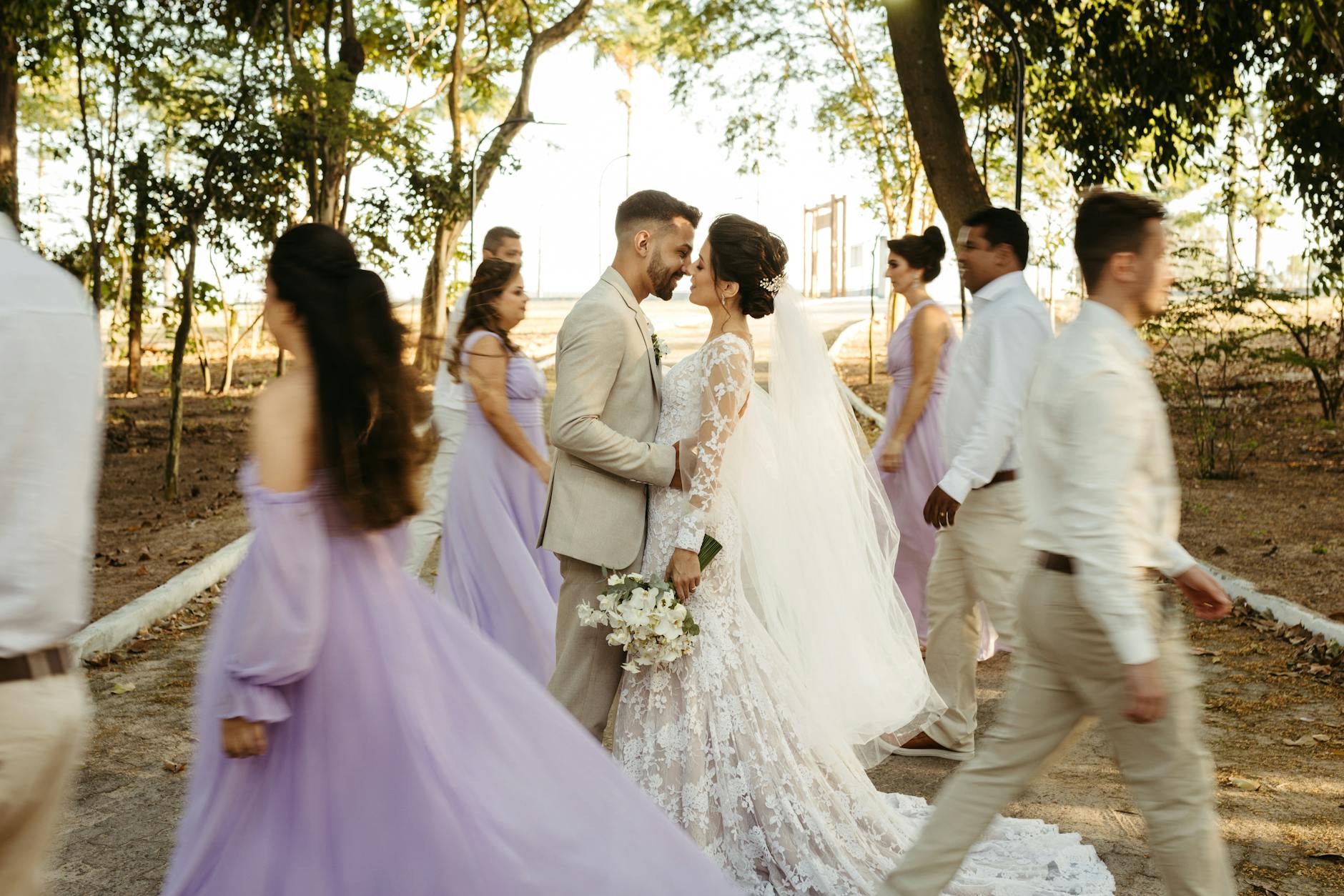
Waiting until the altar to see each other is being traded for a private “first look” before the ceremony. This private moment allows the couple to calm their nerves and enjoy a quiet exchange of emotion. It also enables the completion of formal portraits before guests arrive. Couples can then join their own cocktail hour immediately following the ceremony instead of missing the party for photos.
The Shorter Engagement Timeline

Long engagements of two or more years are becoming less common as couples prioritize efficiency. Many pairs book their dream venue or photographer before the official proposal even takes place to secure dates. This pragmatic approach helps navigate the competitive wedding market without unnecessary delays. The planning process is often treated as a joint project rather than a surprise reveal.
The Bouquet Toss Retirement

Singling out single women to compete for a bouquet is increasingly viewed as an outdated and awkward tradition. Couples are skipping this ritual entirely to keep the dance floor energy high and inclusive. Some choose to present the bridal bouquet to the couple who has been married the longest instead. This change avoids putting unpartnered guests on display in a potentially uncomfortable way.
The Open Seating Plan
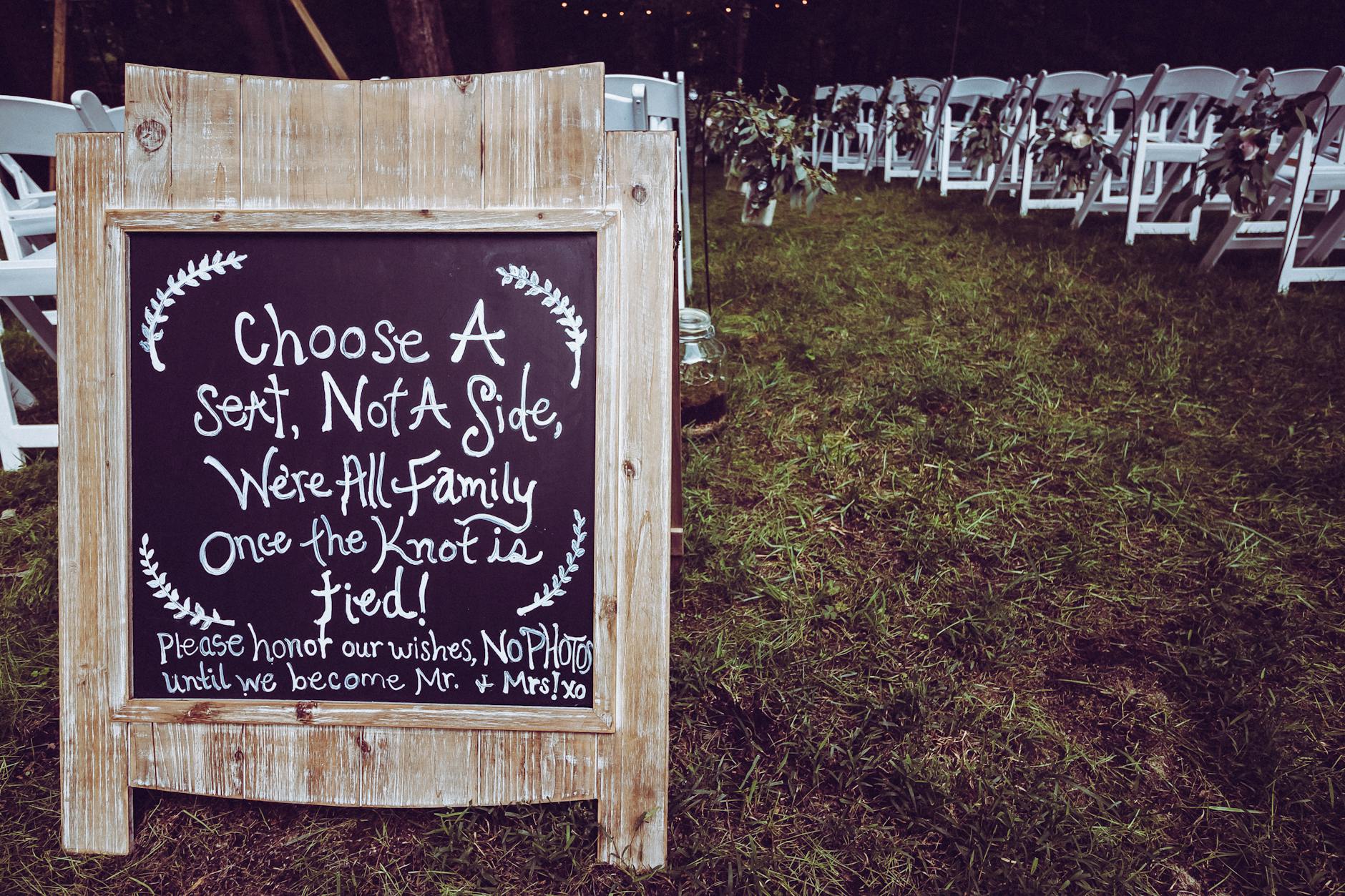
The strict separation of “bride’s side” and “groom’s side” during the ceremony has largely dissolved. Signs often encourage guests to “pick a seat not a side” to symbolize the joining of two families. This maximizes seating capacity and ensures no side looks empty if one family is smaller. It fosters a sense of unity among the guests from the very beginning of the event.
The Solo Aisle Walk
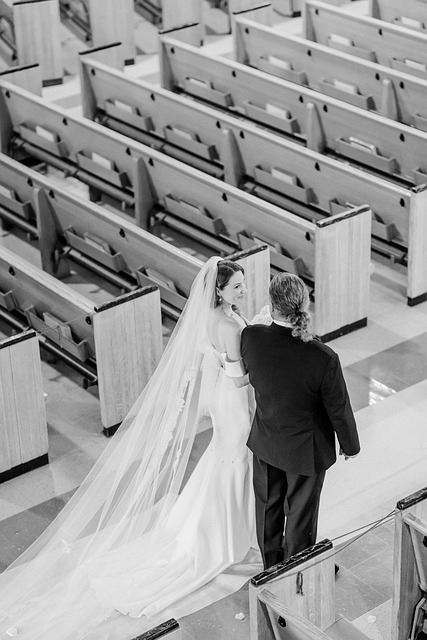
Brides are no longer automatically given away by their fathers in a transfer of ownership style. Many choose to walk halfway solo or have both parents escort them down the aisle. Some couples even choose to walk in together to symbolize entering the marriage as equals. This evolution honors the bride’s autonomy and the support of her entire family unit.
The Weekend Experience
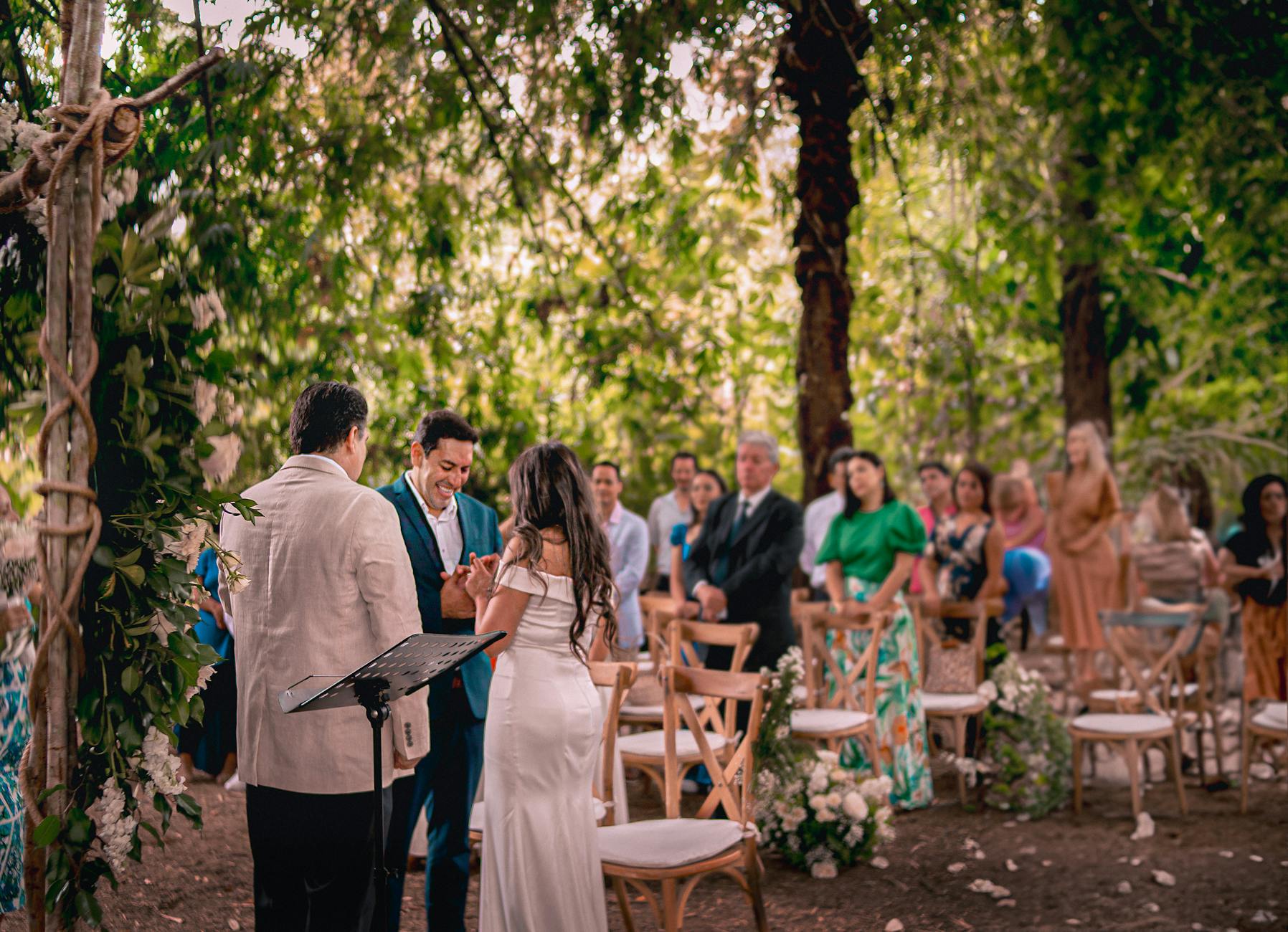
A single evening event is evolving into a multi-day experience for guests who travel from out of town. Welcome parties and post-wedding brunches are becoming standard additions to the itinerary. This extended format gives the couple more quality time to connect with attendees beyond a quick greeting. It turns the wedding into a mini-vacation and maximizes the value of the travel effort.
The Audio Guest Book

The traditional book of signatures is being replaced by retro phones that record voicemail messages. Guests leave spoken well-wishes that capture their tone and excitement in a way ink cannot. These audio files become a cherished digital keepsake that the couple can listen to for years. It creates an interactive element during the reception that guests find entertaining and novel.
The Meaningful Favor
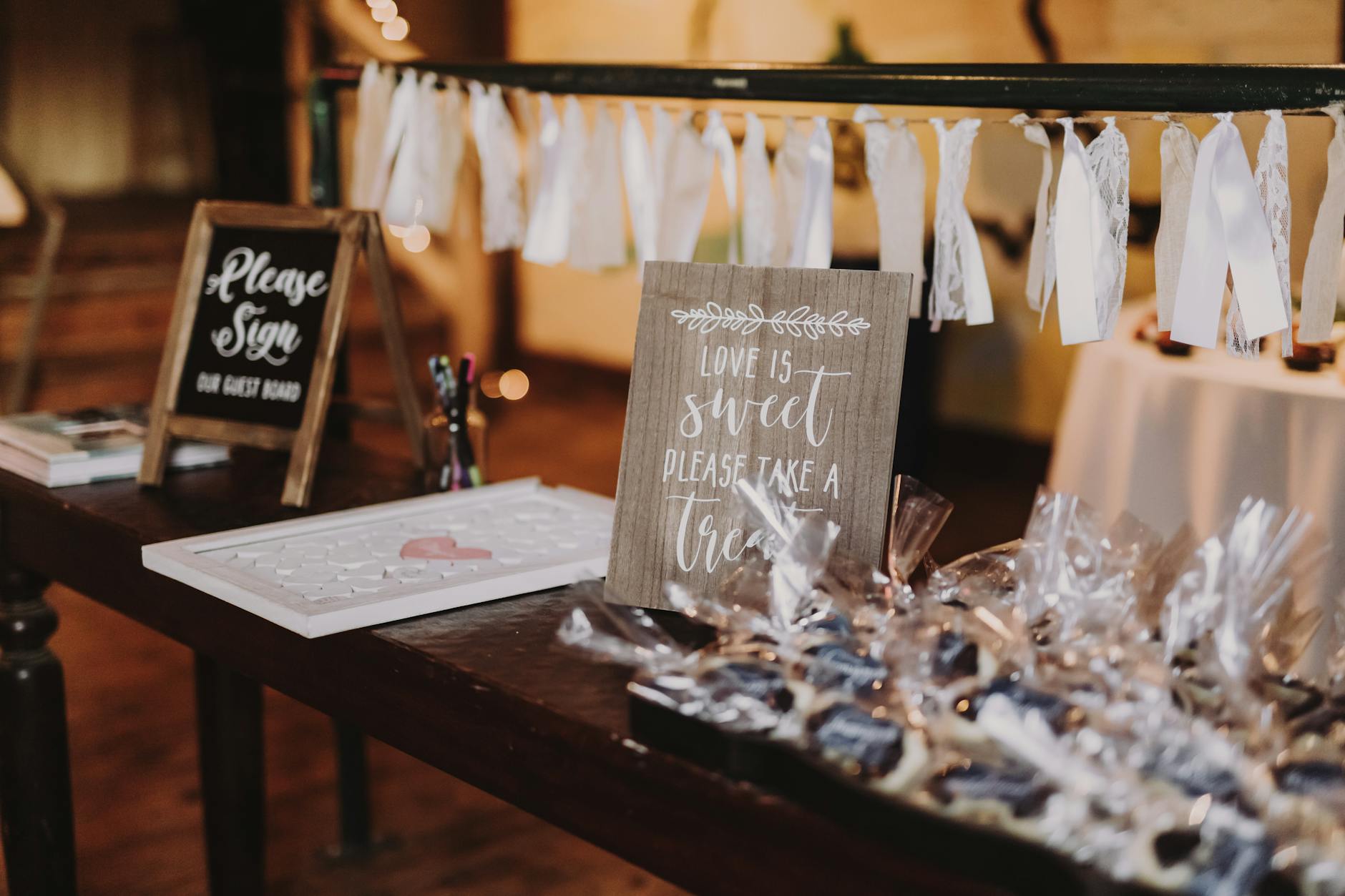
Trinkets with the couple’s name and wedding date are being phased out in favor of edible treats or charitable donations. Couples realize that personalized shot glasses often end up in the trash or left on tables. A donation to a cause important to the couple is a popular way to spread the love. Alternatively a late-night snack for the ride home offers immediate and practical enjoyment.
The Private Vow Exchange
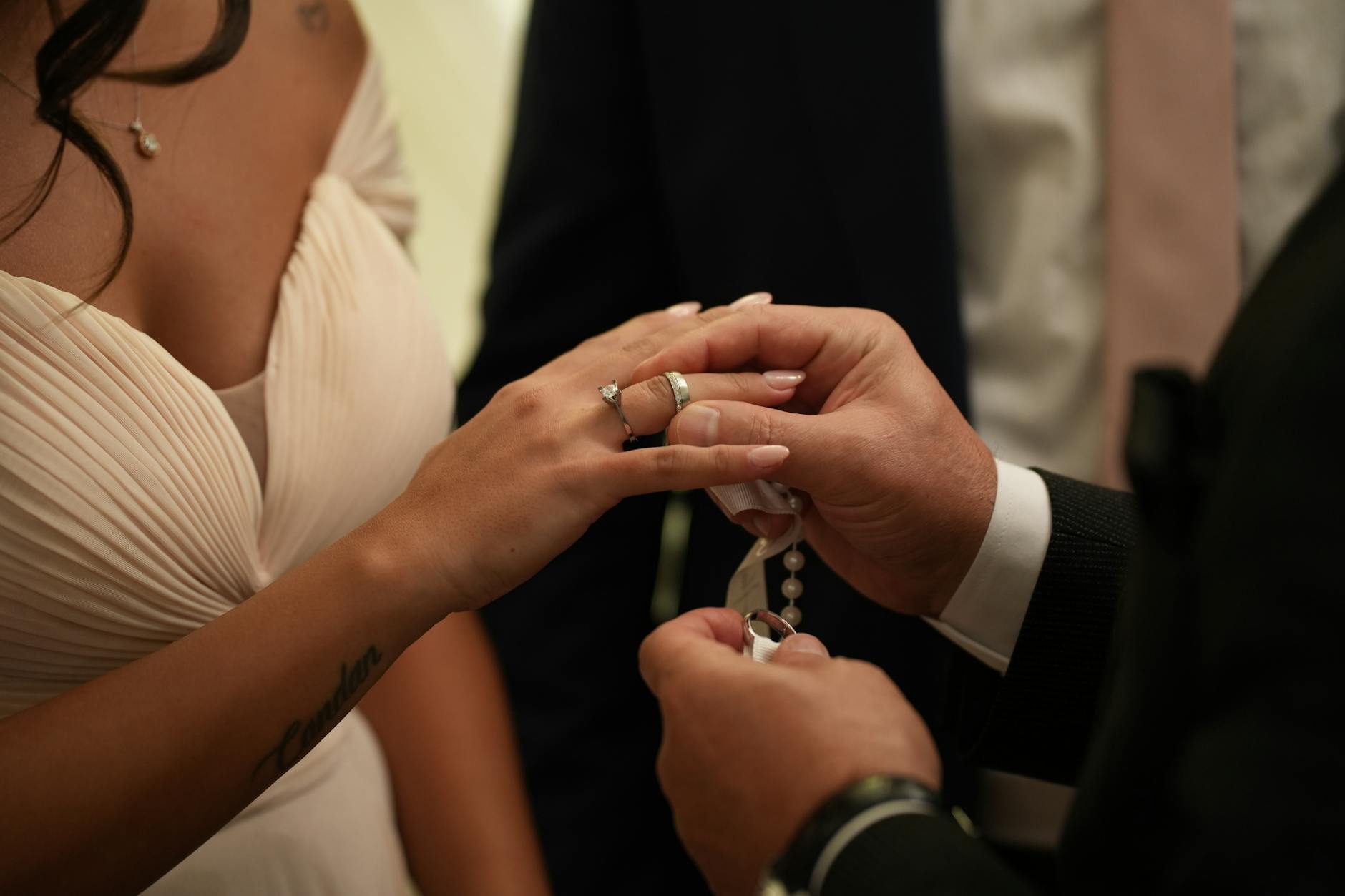
Intensely personal promises are increasingly shared in private rather than over a microphone. Couples often read their sentimental vows to each other during the first look or a quiet moment alone. The public ceremony then features standard vows that are easier to recite through nerves. This protects the intimacy of the relationship while still allowing for a public declaration of commitment.
Which of these modern etiquette shifts do you appreciate the most and why? Share your thoughts in the comments.