Eggs are one of those foods that have been a breakfast staple for generations, but most people have no idea they might be shortchanging themselves on one of the most important nutrients eggs have to offer. Vitamin D plays a critical role in a wide range of bodily functions, from keeping bones strong to supporting the immune system and metabolic health. Despite how essential it is, many people simply do not get enough of it, largely because they spend so much time indoors and relatively few foods contain it naturally. Eggs, and specifically the yolk, are among the rare whole foods that provide this vitamin in meaningful amounts.
The catch, according to dietitians, is that how you eat your eggs matters just as much as whether you eat them at all. Vitamin D belongs to the fat-soluble vitamin family, which means the body cannot properly absorb or use it without dietary fat present. This is not a minor technicality but a genuine nutritional consideration that can affect how much benefit you actually get from your meal. Dietitian Toby Amidor explained it plainly, noting that “fat-soluble vitamins, like vitamin D, need dietary fat to be properly absorbed and utilized in the body, making fat a key partner for maximizing their benefits.” In other words, pairing eggs with a source of healthy fat is not just a matter of taste but of biology.
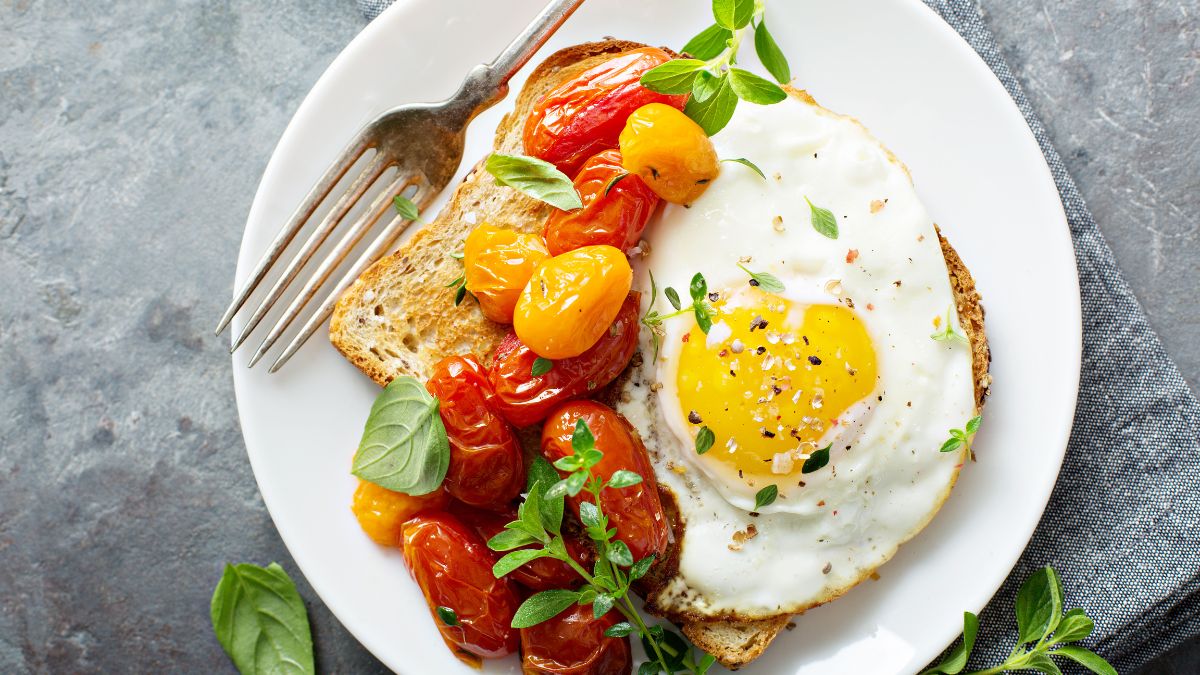
Dietitian Jamie Lee McIntyre echoed that thinking, pointing out that “egg yolks are one of the few natural food sources of vitamin D, and since it’s fat-soluble, pairing eggs with healthy fats, like avocado or olive oil, helps your body utilize it more effectively.” This makes the classic combination of eggs cooked in olive oil, or served alongside sliced avocado, far more nutritionally strategic than it might appear at first glance. Adding other fat-rich foods to the plate can further enhance both absorption and flavor. Chia seeds, flaxseeds, and smoked salmon are all excellent additions that bring extra healthy fats and, in the case of salmon, an additional dose of vitamin D itself.
One of the most important things to keep in mind is that skipping the yolk essentially eliminates the vitamin D benefit entirely. The yolk is where nearly all of the egg’s vitamin D is concentrated, and it also happens to come naturally packaged with the fats that help the body process that vitamin. Egg white omelets and similar preparations have their place, but anyone specifically eating eggs for their vitamin D content should know that tossing the yolk defeats the purpose. The whole egg works as a more complete nutritional unit precisely because its components support one another.
Beyond eggs, there are other ways to bring more vitamin D into the diet. Fatty fish such as salmon, mackerel, sardines, and trout are among the richest sources available, and certain varieties of mushrooms that have been exposed to UV light can also provide meaningful amounts. Moderate, sensible sun exposure remains the most efficient natural way the body produces vitamin D, though relying on it exclusively is not always practical depending on where you live or your lifestyle. For those who struggle to meet their needs through food and sunlight, a supplement taken with a fat-containing meal can help close the gap.
The bigger picture here is that nutrients rarely work in isolation, and understanding which ones need companions to do their job properly is one of the simplest and most effective shifts a person can make in their everyday approach to eating. A drizzle of olive oil, half an avocado, or a side of smoked salmon costs almost nothing in terms of effort but can meaningfully change how much nutritional value your body actually extracts from a meal.
Egg yolks get a complicated reputation, but here is something that tends to come up when you look into the science: a single large egg yolk contains roughly 37 IU of vitamin D, which is genuinely rare in a whole food that is also affordable and available everywhere. Mushrooms are the only plant-based food that can naturally produce vitamin D, and they do it through the same UV light mechanism as human skin. The “sunshine vitamin” nickname is not just poetic, either, as the compound the body synthesizes from sun exposure is technically a hormone rather than a traditional vitamin.
What do you think about the way you have been eating eggs, and do you plan to change anything after reading this? Share your thoughts in the comments.