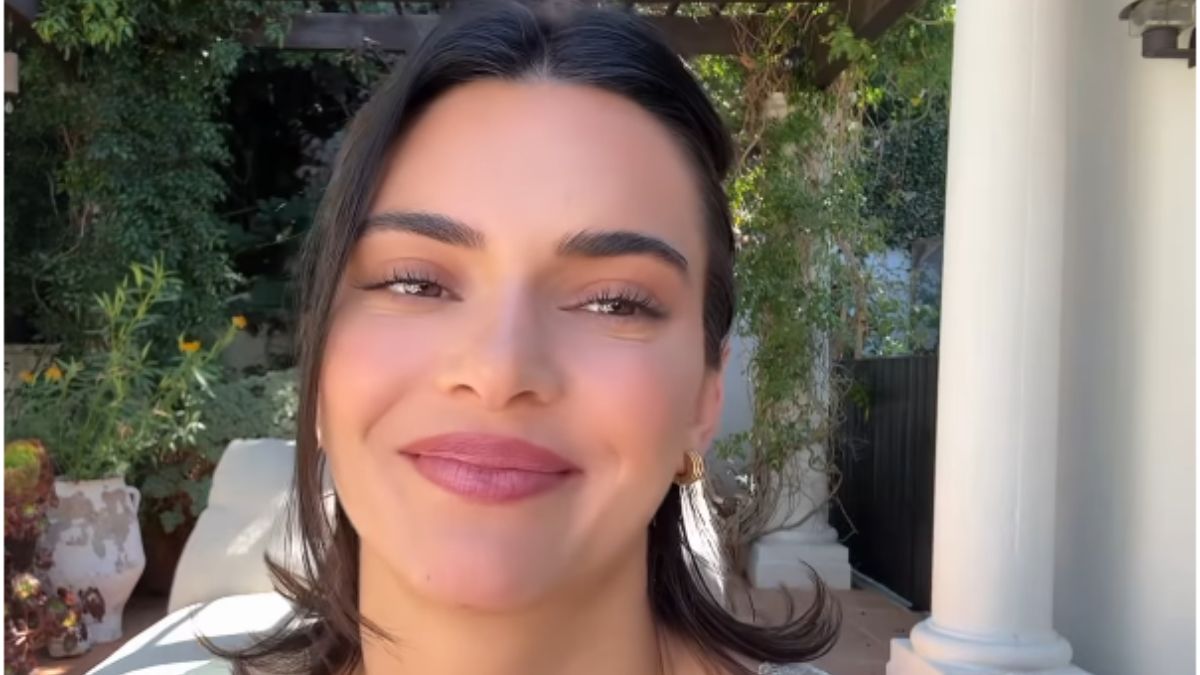
Relationship coach and matchmaker Margarita Nazarenko has been making waves online after posting a video directed at men, explaining the logic behind gifting flowers to their partners. Nazarenko, who hosts the self-development podcast ‘Becoming Her’, published the clip primarily for her female audience, inviting them to forward it to “the man who didn’t buy them flowers for Valentine’s Day.” The video quickly went viral, and the commentary it sparked was anything but quiet.
Nazarenko opens the video with a disarming tone, telling men, “Hey, you haven’t done anything wrong. I’m on your side, so don’t be scared.” She then promises to explain the return on investment of buying flowers using what she calls “male science,” reasoning that men respond better to numbers and logic than to emotional appeals. It’s a clever reframing of a traditionally sentimental gesture into something that feels analytical and practical.
Her breakdown of the math is straightforward. A bouquet typically runs between $40 and $80 depending on where you live, and it lasts anywhere from three to seven days. “Every time she walks past the flowers, she thinks of you. That’s a lot of positive reminders day after day. In other words, it’s a cheap way to leave an impression of how great you are,” Nazarenko explains. She also highlights that flowers communicate effort without demanding much creativity, noting that you don’t need to “write a poem, act like Mr. Darcy, or plan an expensive trip.” The simple act of showing up with something that says “I was thinking about you” builds what she calls a reserve of closeness that helps smooth over future friction.
The financial case she makes is hard to argue with on paper. She points out that buying flowers every other month adds up to six bouquets a year, and at roughly $60 each, that comes to $360 annually. “For $360 a year, you have a partner who constantly feels valued, which means fewer arguments about who is putting in effort, less questioning, and more warmth and affection,” she says, adding pointedly, “Guys, you spend more than that on things you can’t even remember.” As a bonus tip, she encourages men not to wait for a holiday but to bring flowers on a random Tuesday, because that kind of unprompted gesture carries even more weight since, as she puts it, “it’s not an obligation, it’s intention.”
The comment section flooded with supportive responses from women. “You need to make more videos like this,” one user wrote, while another pleaded, “Someone please translate this into every possible language.” A third called it her favorite video on the internet at that moment. However, not everyone was charmed. A portion of viewers felt that if a man actually needs a video like this to motivate him, “that’s probably not the right guy.” Several women expressed frustration that the explanation was even necessary, with one commenter concluding that “if you have to send him this, he isn’t worth the trouble.”
The debate touches on something much broader than flowers. Relationship psychology has long emphasized the role of small, consistent gestures in maintaining emotional connection between partners. Researchers in the field of relationship science, including those who study attachment theory, have found that feeling seen and appreciated by a partner is one of the strongest predictors of long-term satisfaction. Acts of thoughtfulness, even minor ones, activate what psychologists call the “reward system” in the brain, reinforcing positive associations with a partner over time. The concept of “love languages,” popularized by author Gary Chapman, suggests that for many people, receiving gifts is one of the primary ways they feel loved and emotionally acknowledged. While not universal, the gesture of bringing flowers has carried symbolic weight across cultures for centuries, with roots in ancient Greece and Rome where flowers were used in rituals, ceremonies, and as offerings to deities. Today, the global cut flower industry is worth tens of billions of dollars annually, a testament to how deeply this tradition is embedded in modern romantic culture. Whether you view it through an emotional or an analytical lens, the data seems consistent: small, intentional acts of affection have an outsized impact on relationship health.
Do you think Nazarenko’s ROI-based approach to romance is brilliant or does it miss the point entirely? Share your thoughts in the comments.