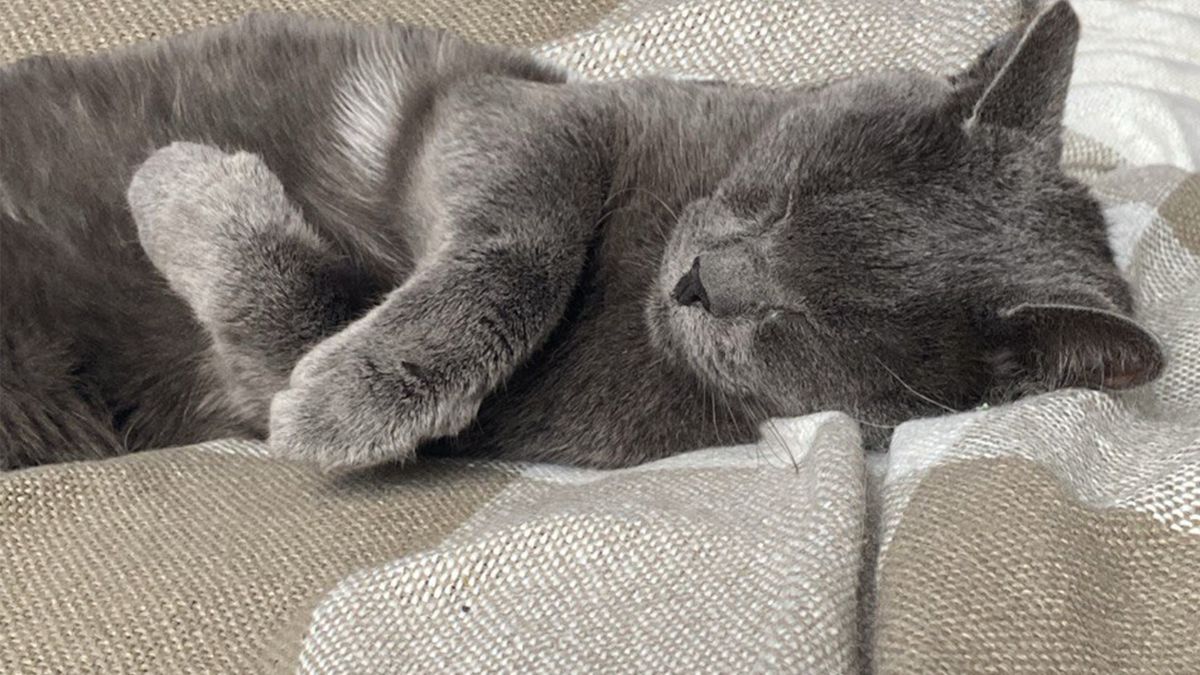
Cats have an extraordinary ability to doze for long stretches, often clocking in around fifteen hours a day with some individuals reaching up to twenty hours of rest. This habit stems from their deep rooted instincts as predators that hunt at dawn and dusk when their eyes perform best in low light. Short bursts of intense activity like stalking jumping and chasing burn plenty of energy so they recharge in multiple short naps throughout the day to stay ready for action at any moment. Indoor cats tend to sleep more because they face fewer challenges while outdoor ones stay busier exploring and therefore rest less overall.
Age plays a big role in how much a feline snoozes with kittens and senior cats needing extra hours compared to healthy adults. Kittens grow rapidly and require up to twenty hours of sleep while older cats slow down due to reduced mobility or other age related changes. Temperament and environment matter too since a bored indoor cat might nap excessively simply out of lack of stimulation. Offering elevated quiet spots for rest helps them feel secure and comfortable during their frequent downtime periods.
A typical cat sleep cycle includes light non REM phases where they stay somewhat alert to their surroundings followed by deeper REM sleep where their body fully relaxes and they may even dream. Only about a quarter of their total rest time falls into that profound sleep stage which proves essential for overall health and recovery. If your cat suddenly seems irritable or disoriented it could signal they are not getting quality rest despite the long hours spent with eyes closed.
Most of the time these extended naps represent perfectly normal behavior rooted in evolutionary needs rather than any problem. Still sudden increases in sleep combined with other shifts like avoiding food play or social interaction deserve attention. Such changes might point to underlying illness pain or discomfort that a veterinarian can properly diagnose and treat. Conditions ranging from infections to more serious issues can manifest first as altered sleeping patterns so monitoring your pet closely remains key.
Providing mental and physical enrichment through interactive toys regular play sessions and environmental variety prevents boredom induced oversleeping in many cases. Cats thrive when they can express natural behaviors even in a home setting so incorporating short daily activities helps balance their rest with engagement. Always observe your individual cat to establish what counts as normal for them since every animal varies slightly based on breed lifestyle and health status.
If you notice your cat sleeping far more than usual or showing accompanying signs of lethargy it makes sense to schedule a checkup promptly rather than wait for things to worsen. Early veterinary intervention often leads to better outcomes and peace of mind for both you and your furry companion.
What experiences have you had with your cat’s sleeping habits and do you have any tips for keeping them active and healthy share your thoughts in the comments.